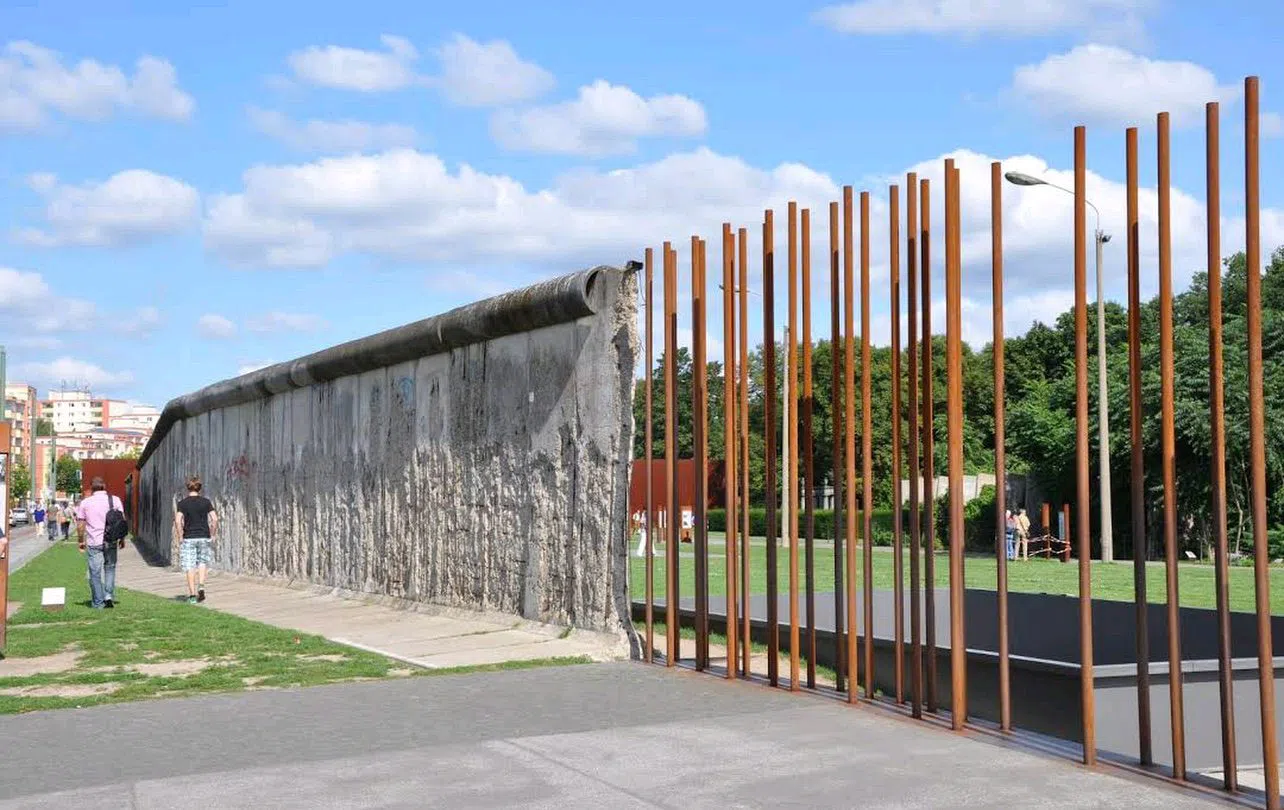
Bernauer Straße runs dead straight for more than a kilometre, and for twenty-eight years the pavement on one side of it belonged to a country you could not walk into from the other. Stand there early with a coffee and the shape of a Berlin trip settles itself: the things this city does best are outdoors, mostly free, and have nothing to do with a bar. The nightlife reputation is real, but it is one department of a very large shop.
What follows is a first trip built without alcohol in it. It is the route a lot of Berliners walk on their own weekends, and it leans on open ground, coffee, second-hand clothes, animals and two easy train rides. Nothing here needs a guest list, and only two things need booking.
Start on Bernauer Straße
Berlin Wall Memorial (Gedenkstätte Berliner Mauer, on the boundary of Mitte and Wedding) is the one fixture of a first trip that costs nothing and asks nothing of you. The open-air grounds run daily from 08:00 to 22:00, and the Documentation Centre and viewing tower open Tuesday to Sunday, 10:00 to 18:00. Both are free. The Monday closure catches people out.
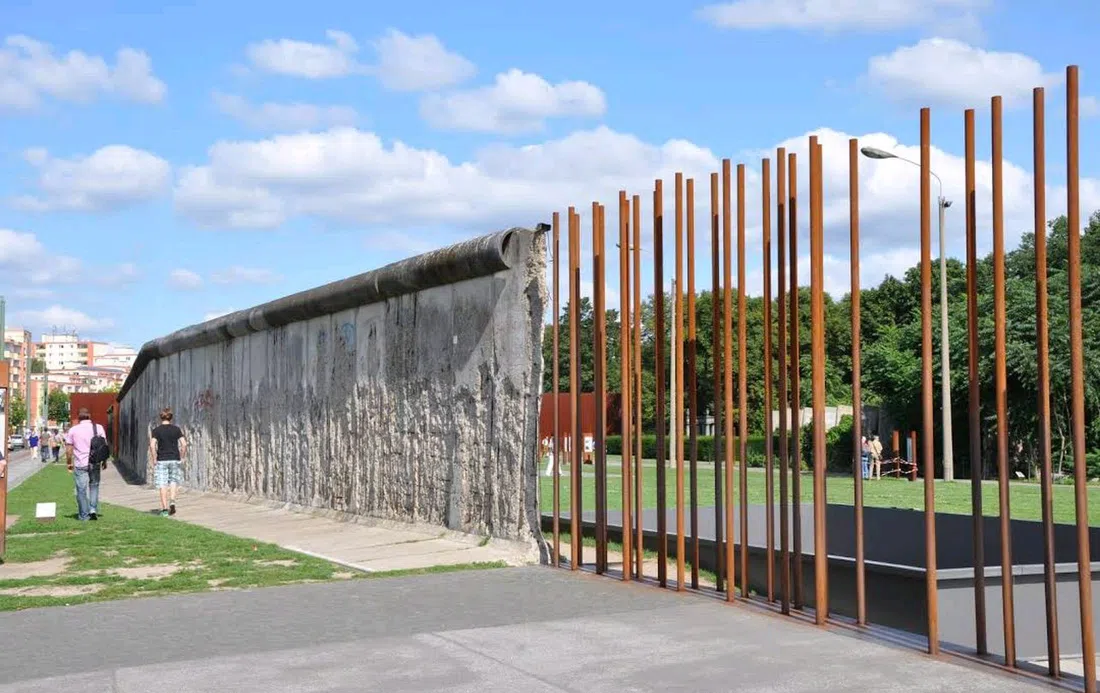
Go on your first morning rather than saving it. The memorial is a strip of preserved ground with the death strip, the patrol road and the foundations of demolished houses marked out underfoot, and the rest of the city reads differently once you have walked it. Because the grounds are unfenced there is no group limit outdoors, so walk it with ten people if you like. The Documentation Centre and the tower have capacity limits, and organised school or adult group programmes are booked in advance through the foundation's education office, so a large party should split rather than queue as a block.
Allow two hours to walk the length properly, longer if you read the panels. Then head south; the rest of the day is flat ground.
The flat ground where the city breathes
Tempelhofer Feld (between Tempelhof and Neukölln) is a working airfield that stopped working and was never built on. Two runways, a horizon, no fence, no ticket and nothing to book. It absorbs any number of people, which is why it is the default Berlin picnic; the one rule that matters is that barbecues are only allowed in the marked grill zones, and that rule is enforced.
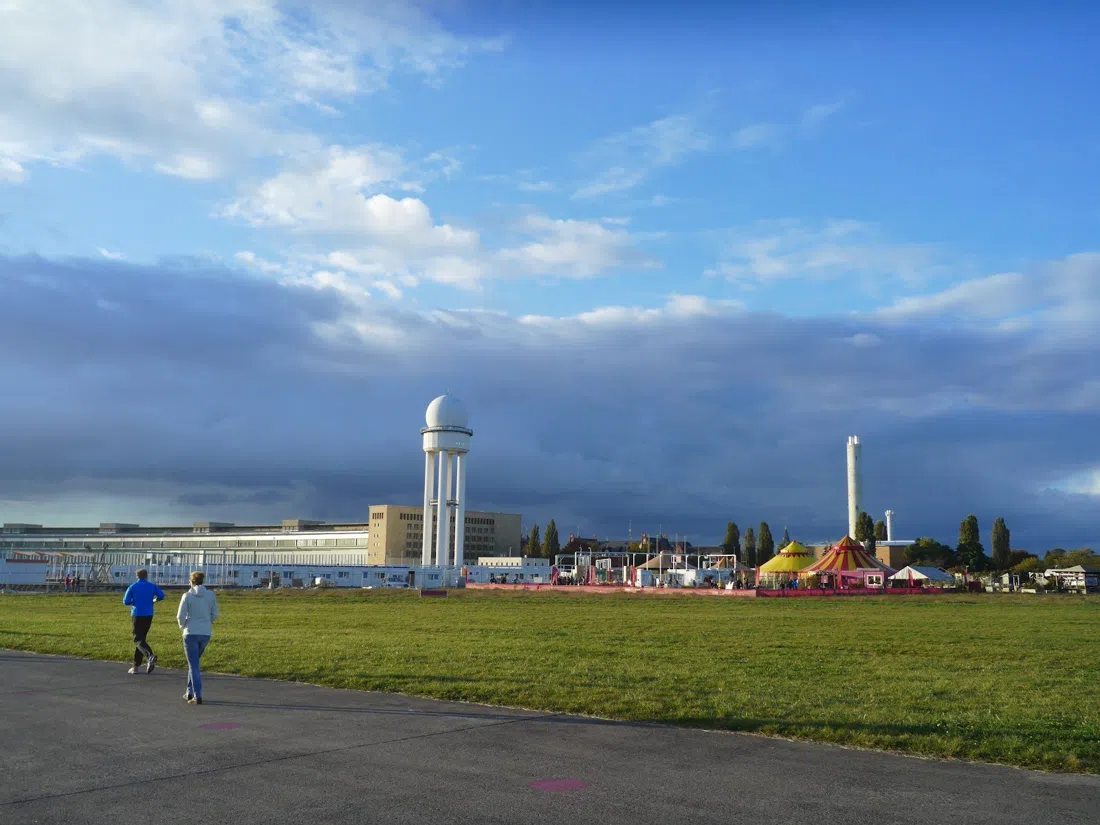
The gates are the trap. They lock at a different time every month, roughly 06:00 to 22:30 in midsummer and as early as 07:30 to 17:00 in December. Check the current month's closing time before you plan a sunset walk, because being on the wrong side of a locked airfield at dusk is a long detour.
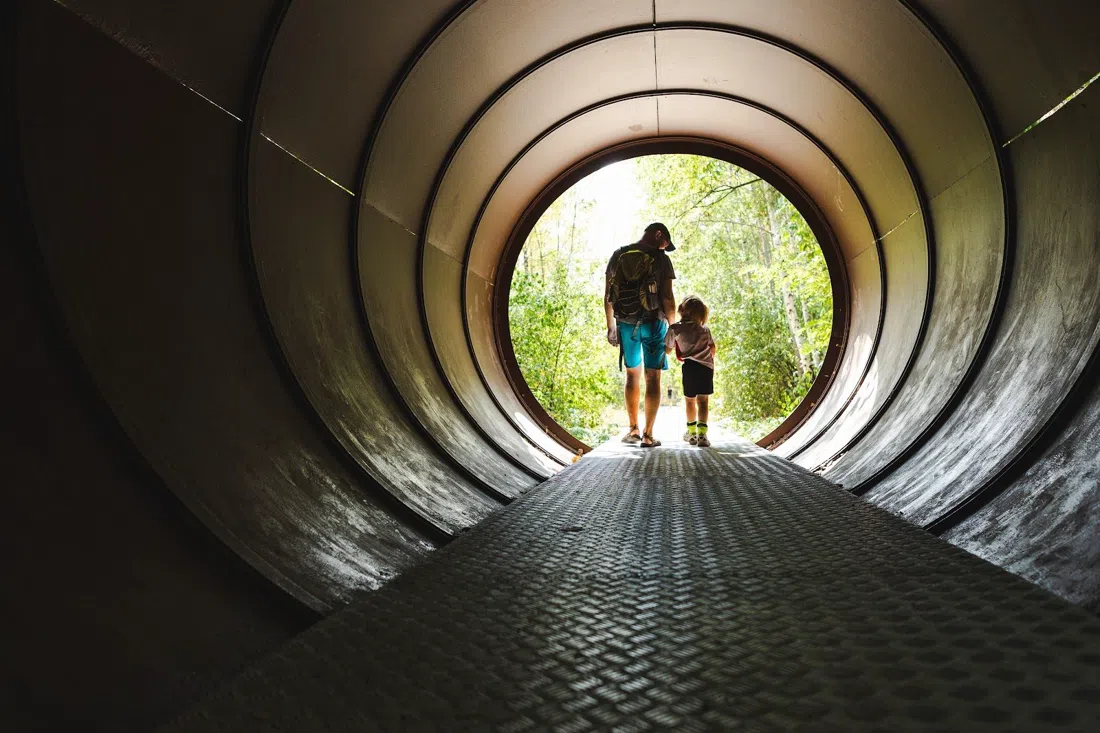
Ten minutes away by S-Bahn, Natur-Park Schöneberger Südgelände (Schöneberg, entrance at Priesterweg) is the quieter, stranger version of the same idea. This was a marshalling yard that fell out of use with the division of the city and was left alone for forty years until the birches and the lichen took it, after which it was protected as urban wilderness rather than cleared. Rusted track, a steam locomotive, raised walkways over ground you are not allowed to tread on. Entry is €1 per adult, free under 14, and the gate machine takes coins only, no cards. Bring one. It closes at dusk.
A listening station on a hill of rubble
Teufelsberg Listening Station (Grunewald) sits on an artificial hill made from the wreckage of the bombed city, with an American signals-intelligence post on top that stopped listening when the reason for listening went away. The radomes are torn, the floors carry a couple of decades of layered street art, and the acoustics under the largest dome are why people linger.
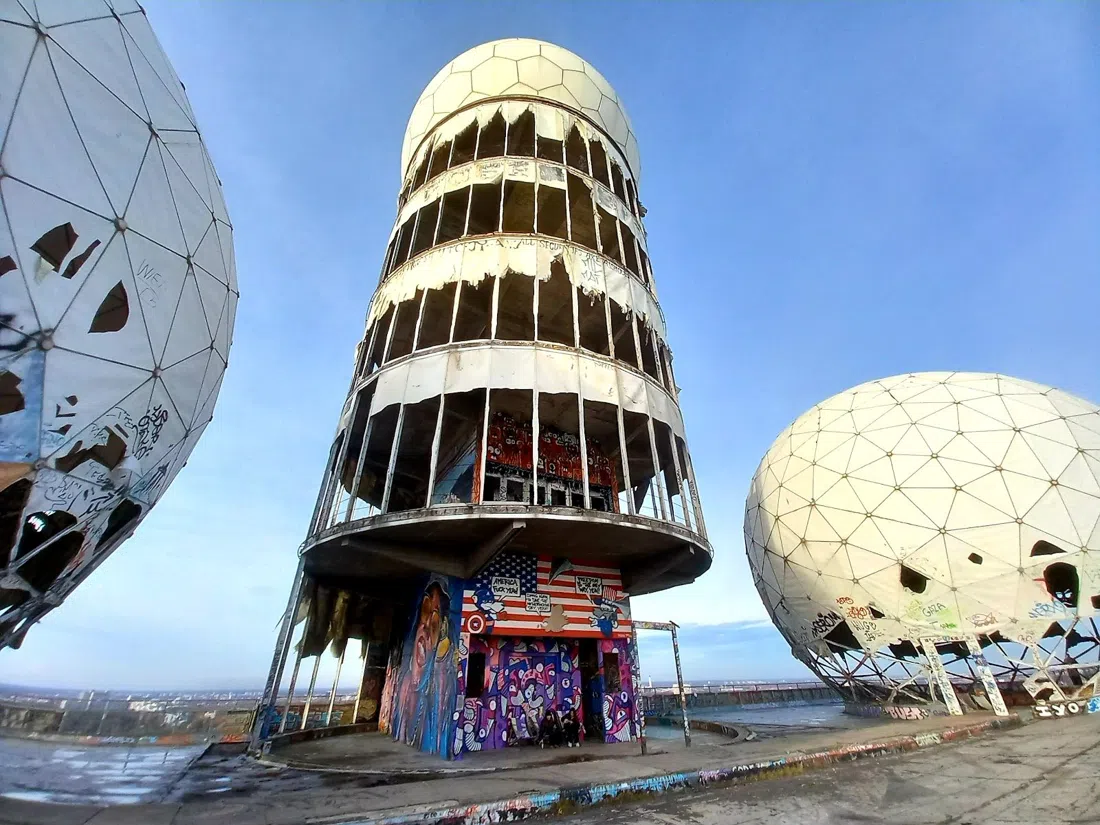
Entry is €12 for adults, €10 reduced, €5 for under-17s and €27 for a family. It opens daily from 11:00 until sunset, with last entry an hour before closing. Walk-up works all week, guided tours run alongside it, and groups book directly with the site. Buying online in advance skips the queue at the hut, which in good weather is worth the two minutes it takes.
Treat the warnings seriously. This is a genuine ruin rather than a restored attraction: there are places with no handrail, the stairs are gritty, and trainers with no grip are a bad idea. Wear boots. Budget the better part of a half-day with the walk up through the forest, which is the good part anyway.
Where Berliners sit down instead
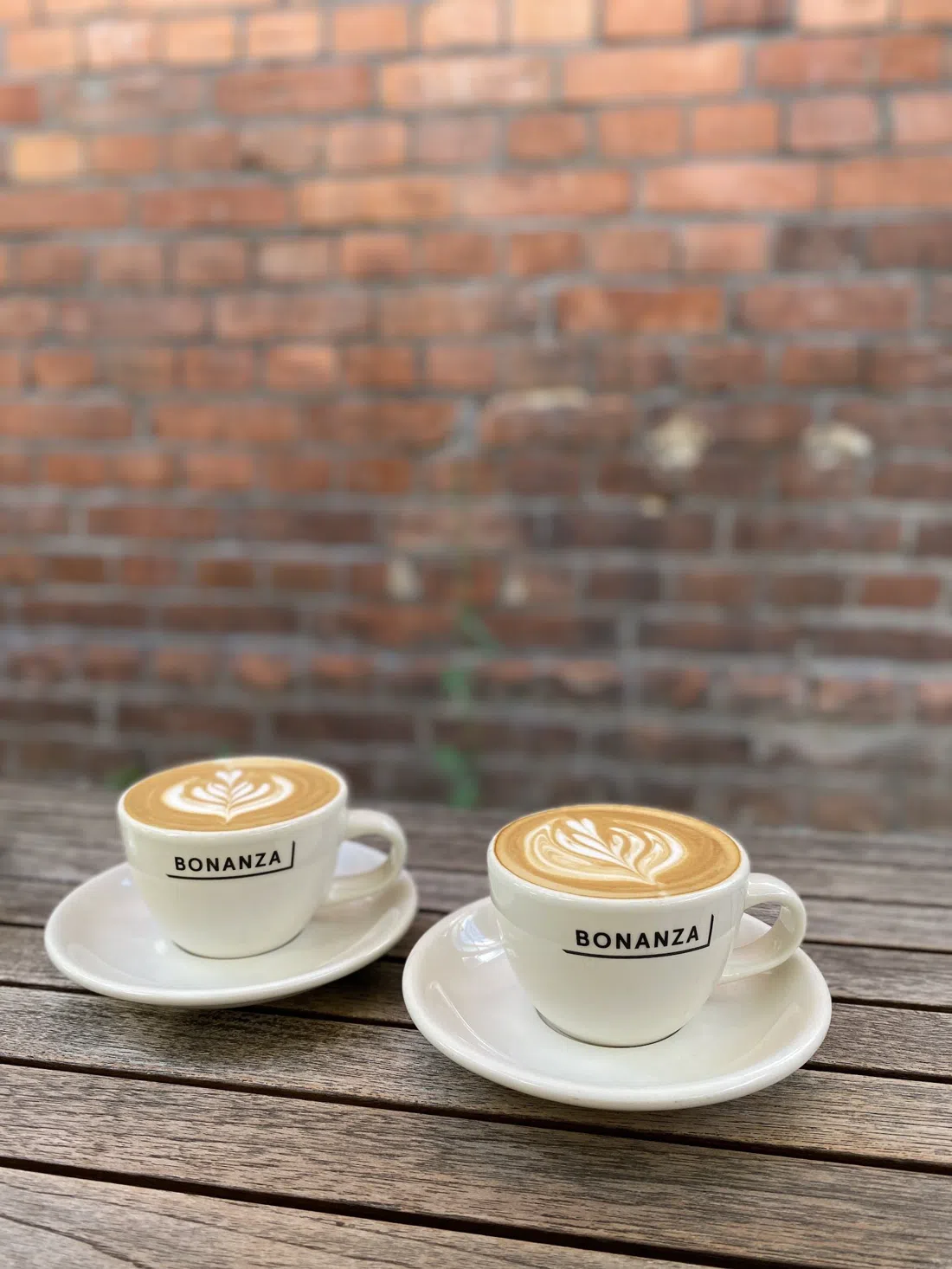
The café culture here is the main social infrastructure of several districts, not a consolation prize for skipping the bar. Bonanza Coffee Roasters (the roastery hall in Kreuzberg, plus three smaller rooms) is the one worth building a morning around. Four locations, Adalbertstr. 70, Oderberger Str. 35, Jägerstr. 58-60 and Alte Schönhauser Str. 15, open roughly 09:00 to 18:00 on weekdays and 10:00 to 18:00 at weekends, with coffee at €3-6. The Kreuzberg hall seats a group comfortably. The original on Oderberger Straße does not, so either split up or go early.
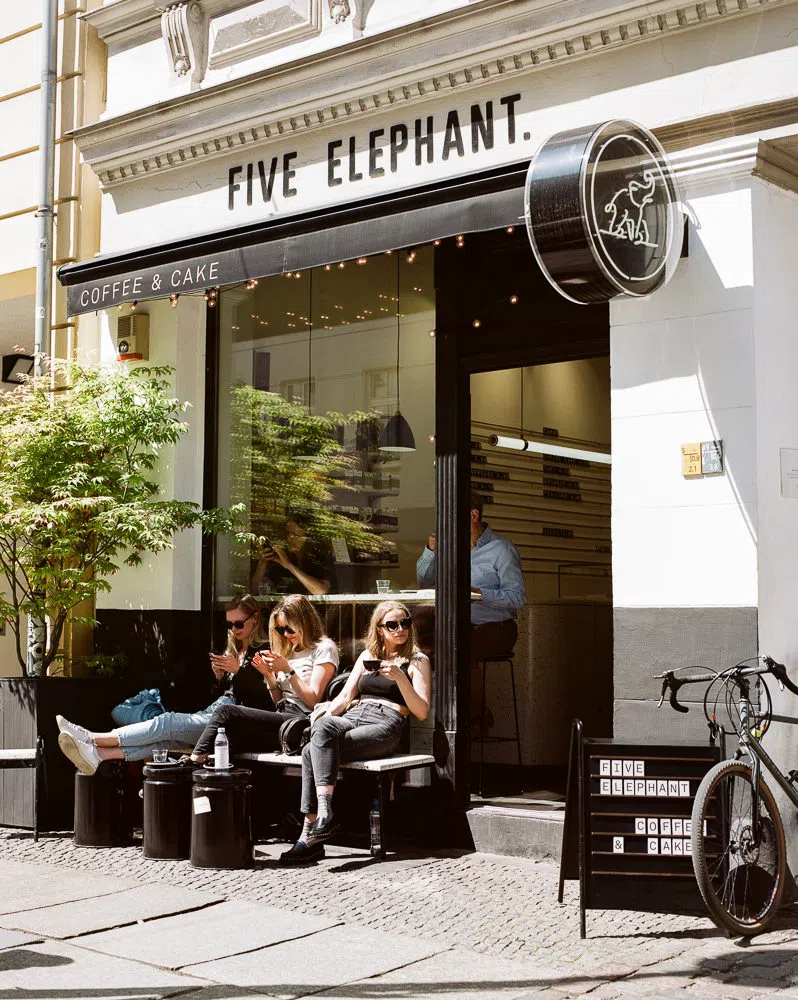
Five Elephant (Kreuzberg, Reichenberger Str. 101) is the cheesecake the rest of the city is measured against, and the room is correspondingly tight. Coffee €3-5, a slice around €6, open from 08:30 on weekdays and 10:00 at weekends. Four people will be fine; ten will be standing on the pavement. Whole cheesecakes are pick-up only from the Kreuzberg café, not the Mitte or KaDeWe outposts, which matters if you are buying one for someone.
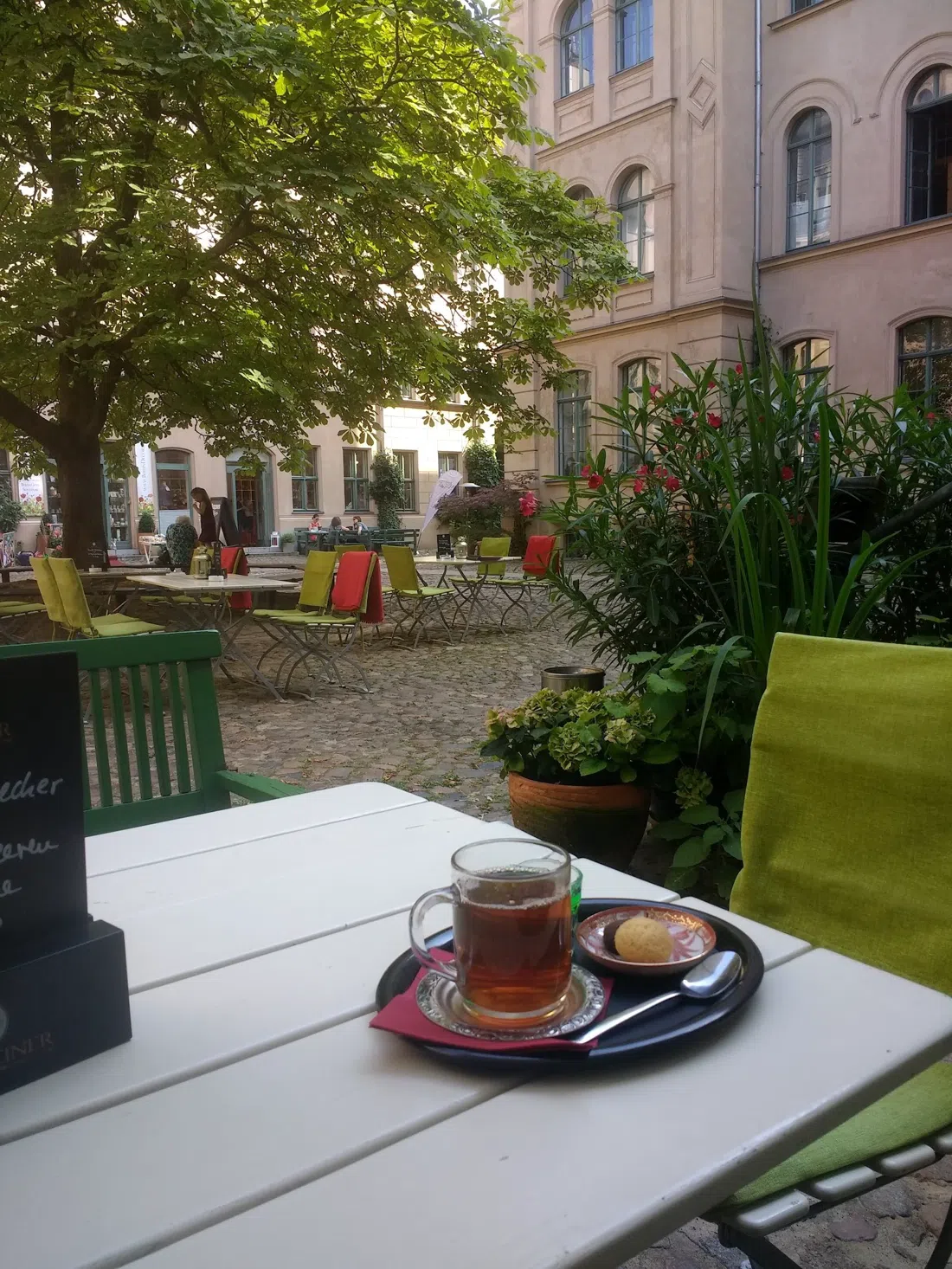
Tadshikische Teestube (Mitte) is the oddest survivor on this list, a Tajik tea room given to East Germany as a diplomatic gift and still working as one, carpets, low seating and all. Pots run €5-12 and it is cash only, no cards. It opens Monday 16:00 to 21:00, Tuesday to Friday 16:00 to 22:00, and from midday at weekends. There are very few seats, so reserve by phone two or three days ahead; groups are asked to pre-order food and leave a deposit. Turn up on spec and you will not get in, which is arithmetic rather than door policy.
Two nights that are still nights
Circadian (the Amphitheatre and tea atelier at the Funkhaus, Oberschöneweide) is Germany's first entirely alcohol-free open-air sound stage, built in the old East German broadcasting complex on the Spree. The Amphitheatre has no door staff, no reservations and no age limit, so a group simply walks in; entry is free and drinks run roughly €8-12. It is genuinely a night out with no drink in it, which is rarer than it should be.
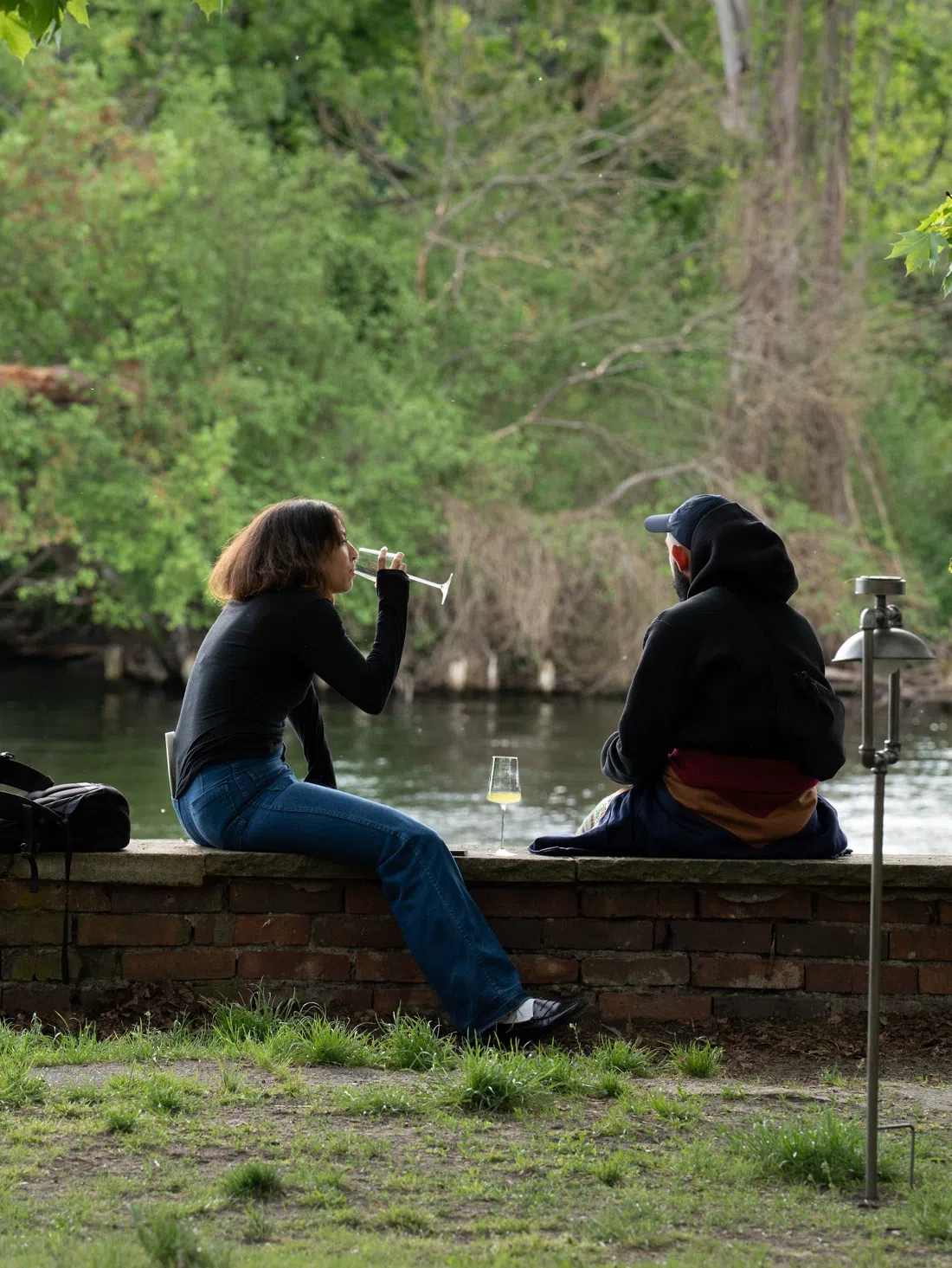
The calendar is the catch. It is a summer-season venue running Fridays and Saturdays, 16:00 to 21:00, so check the dates before you build a trip around it outside the warm months. The separate two-hour tea ceremony in the atelier is capped at five seats and must be booked; at €238 per person it is a considered purchase rather than a drop-in.
Liquidrom (Kreuzberg, beside the old Anhalter Bahnhof) takes the Berlin club instinct and puts it in water. A darkened dome, a warm saltwater pool, and DJs playing through underwater speakers on Tuesday, Thursday and Saturday nights, open until midnight and until 01:00 on Fridays and Saturdays. Entry starts at €22 for 90 minutes or €24.50 for two hours, with sauna access €2.50 more. Book online or walk in.
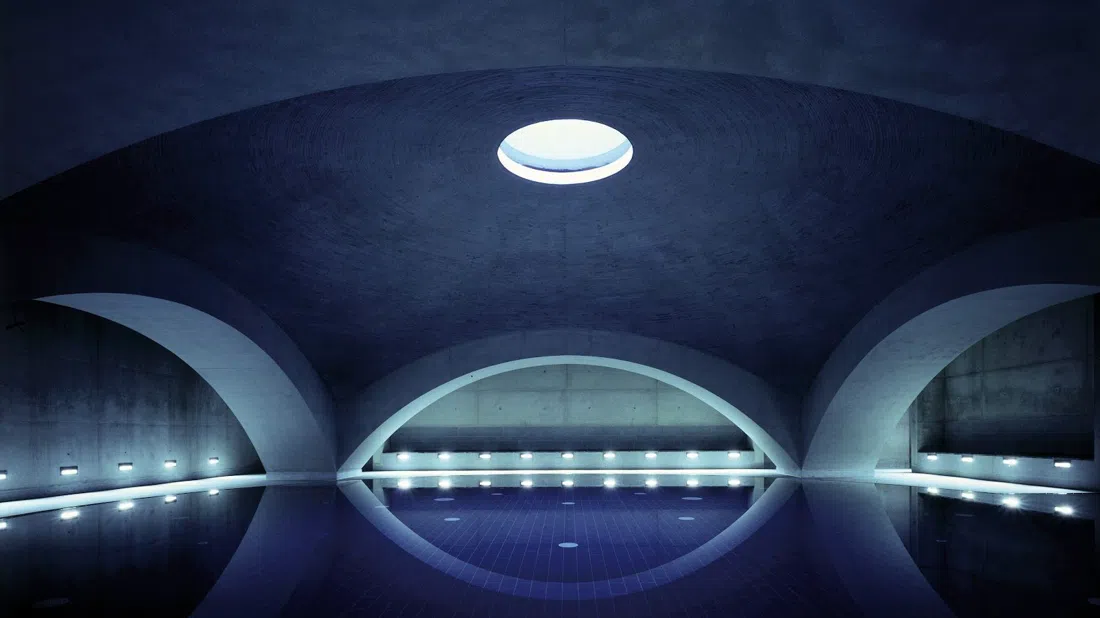
Two things to know before you go. The dome is a quiet space and a large, loud group is out of place in it, so this works for two or three people and not for a stag party. And the saunas are textile-free, in the ordinary German way, which you should tell everyone in your group in advance rather than at the changing-room door.
Saturday and Sunday, in that order
Get the order right, because Berlin shop hours are unforgiving. HUMANA Secondhand & Vintage (Frankfurter Tor, Friedrichshain) is Europe's biggest second-hand department store, free to enter, open Monday to Saturday 10:00 to 20:00 and shut on Sundays like every other shop in the city. Most garments sit between €5 and €20, and the curated 60s-to-90s floor at the top is priced higher. The floorplate is vast enough to lose a group of friends in for an hour, which is the point.
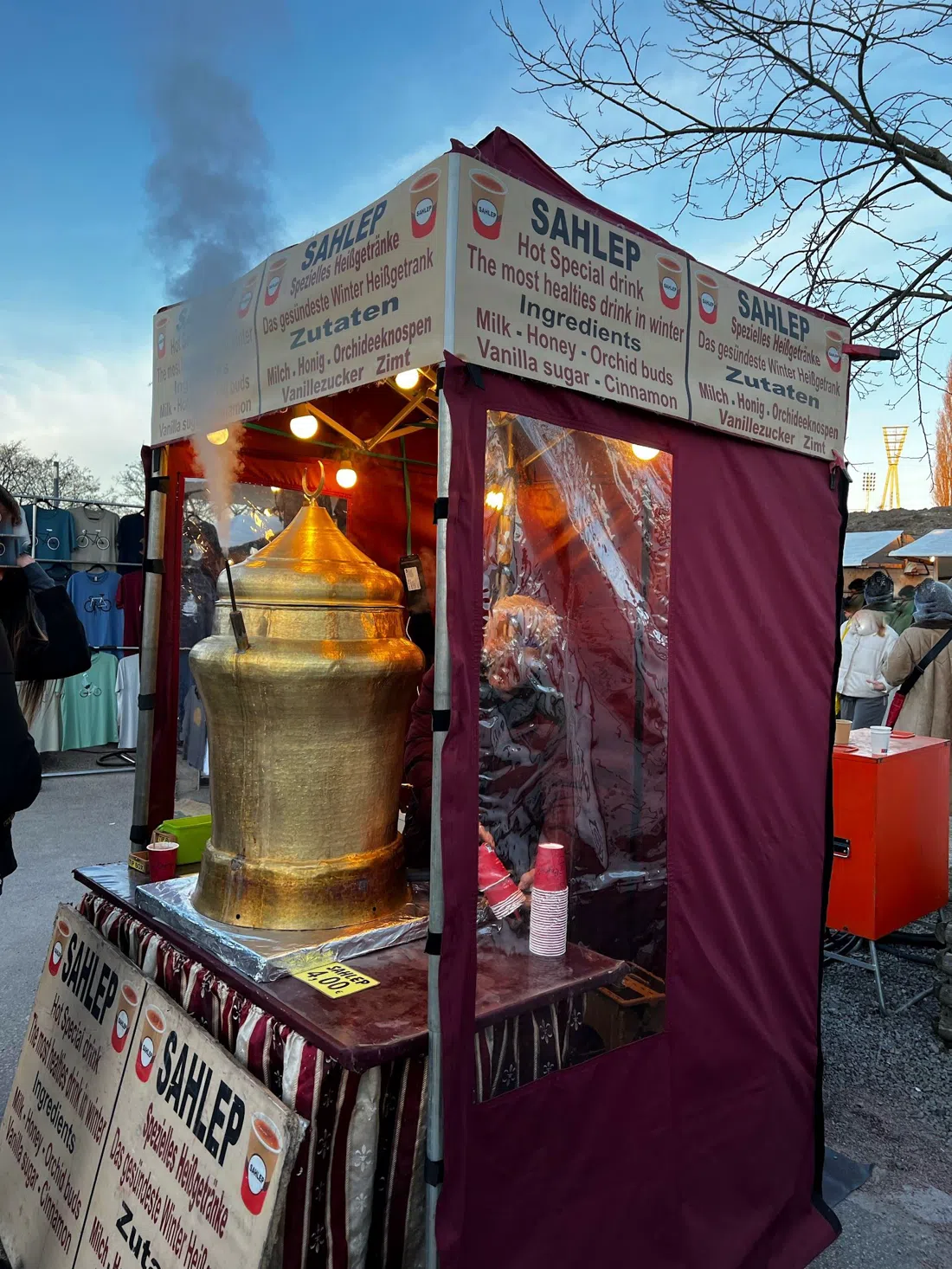
Then Flohmarkt am Mauerpark (Prenzlauer Berg) on the Sunday: free, open-air, 09:00 to 18:00 all year, no door and no plan required. Stalls start at a couple of euros and are cash-friendly. From about 15:00 between April and October the Bearpit Karaoke fills the amphitheatre, seating first-come and free; rain cancels it, and rain in Berlin is not unusual, so hold it loosely.
Bones and animals when the weather turns
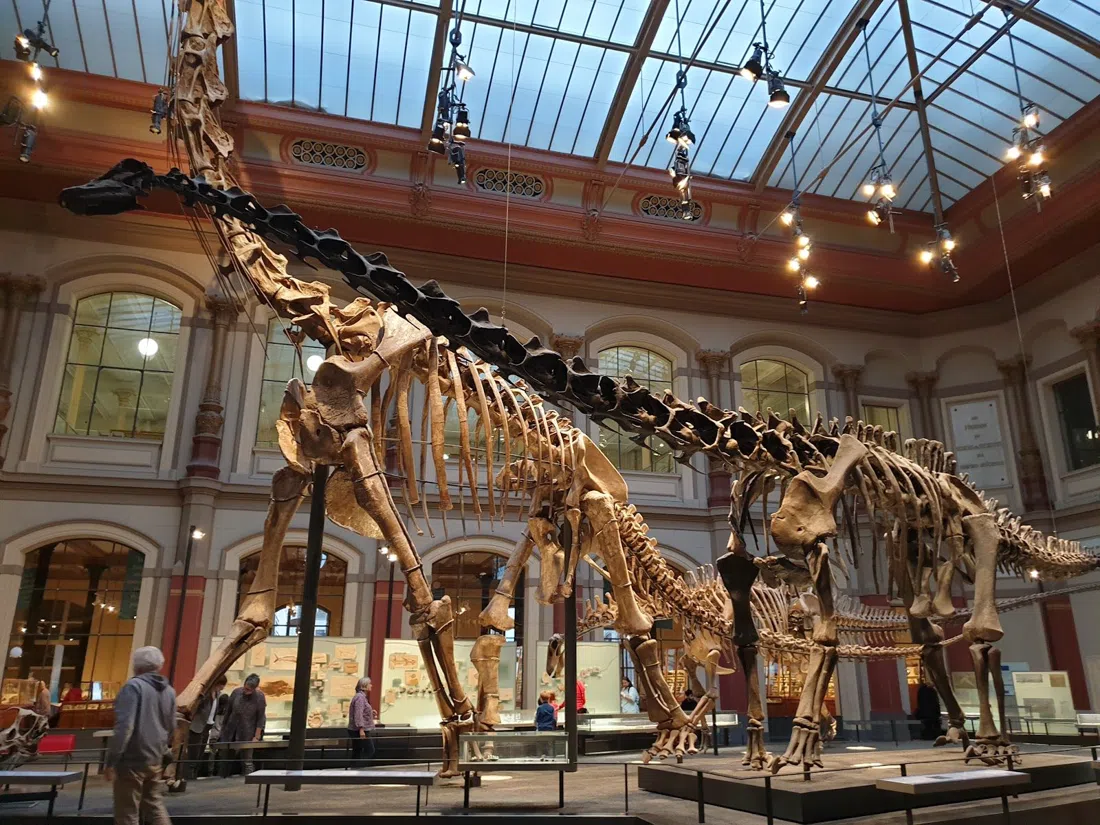
Museum für Naturkunde Berlin (Mitte, Invalidenstraße) runs on timed-entry tickets at around €11 for adults and €5 reduced, with special exhibitions costing more; a group has to book the same slot together, and guided group tours and school programmes are arranged in advance. Tristan Otto, the T. rex on loan, is billed through 30 November 2026, after which the dinosaur hall reverts to the permanent skeletons. That is still one of the great mounted collections, but plan around it if the T. rex is the reason you are going. Parts of the building are inside a long 'Museum Evolution' rebuild, so expect closed wings.
Tierpark Berlin (Friedrichsfelde, out east) is the better half of the city's two zoos if you want to walk rather than shuffle. It is enormous, laid out as a landscape park around a baroque palace, and it swallows crowds. Adult tickets run €14.50-22.50 and children aged 4-15 €7-11 with dynamic online pricing; under-4s are free. Groups of twenty or more get explicit rates, €13.50-21.50 for adults and €6-10 per child. It opens all 365 days, closing somewhere between 16:00 and 18:30 depending on the season, so an autumn visit needs an early start.

Two day trips on one ticket
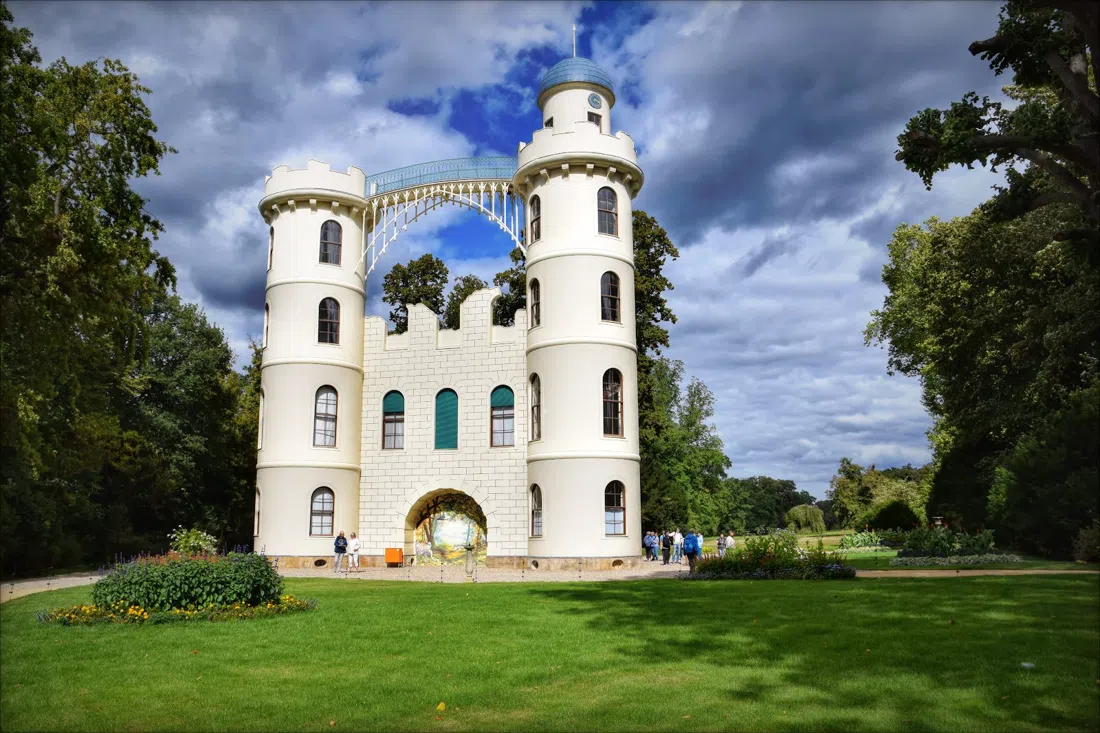
Pfaueninsel (Peacock Island, off Wannsee in the far south-west) is a UNESCO-listed island inside the city limits, reached by a small public ferry that costs €6 return including island admission, or €5 reduced. There are no cars, no bikes and no dogs, and the ferry's capacity is limited, so a large group crosses in waves rather than together. The palace is closed for restoration until further notice, so this is a trip for the landscape park and the free-range peacocks, not for interiors.
Park Sanssouci (Potsdam, half an hour out by S-Bahn or regional train) is the other one, and the park itself costs nothing to walk: terraced vineyards, follies, long straight allées, hours of it. Sanssouci Palace is €14 for adults and €10 reduced, with a sanssouci+ day ticket covering the other palaces on the estate. Interiors are timed-entry with a daily cap, so a group must pre-book the same slot online. The palace shuts every Monday; the park does not, so a Monday visit is still worth the ride as long as you plan the interior for another day.
Practical notes
Everything in the city centre here is on the U-Bahn, S-Bahn or tram with an AB ticket. Both day trips reach past that, so buy the ticket that includes zone C, or an extension on top of AB, and validate it before boarding. The ferry to the island is a separate €6.
Berlin is less card-friendly than its reputation suggests. The tea room takes cash only, the nature park's gate machine takes coins only, and flea-market stalls prefer notes. Carry €40 in cash and you will not be caught out.
Mondays close the Documentation Centre, the palace at Sanssouci and most museums. Sundays close every shop, including the vintage store. Winter shortens the airfield, the zoo and the ruin on the hill to afternoon-only propositions, and takes the alcohol-free sound stage off the board entirely. Build the trip around those four facts and the rest arranges itself.
A day of memorial, airfield, nature park and two coffees comes to under €15 a head. Add the listening station and a museum and you are at roughly €40. The spa and the tea ceremony are the two places where the numbers jump, and only one of them is essential.
Friedrichshain and Kreuzberg put you closest to the coffee, the vintage floors and the water; Prenzlauer Berg is the quietest of the three and walks to the Sunday market. Compare rates with the Berlin hotel search, and for districts, transport and the rest of the city read the full Berlin guide.
Questions
Is Berlin worth visiting if you don't drink at all?
Yes, and you lose less than you think. The memorial on Bernauer Straße, Tempelhofer Feld, Natur-Park Schöneberger Südgelände and the Mauerpark flea market are all free or nearly free, outdoors, and have nothing to do with alcohol. The two evening options that stand in for a bar, Circadian's alcohol-free Amphitheatre at the Funkhaus and the Liquidrom saltwater pool with DJs, are both places Berliners go anyway.
What can you do in Berlin at night without going to a bar or club?
Liquidrom runs DJ nights over its saltwater pool on Tuesdays, Thursdays and Saturdays, open to midnight and to 01:00 on Fridays and Saturdays, from €22 for 90 minutes. Circadian's Amphitheatre is an open-air sound stage with no alcohol, no door staff and no age limit, and entry is free, but it only runs in summer, on Fridays and Saturdays from 16:00 to 21:00.
Which Berlin attractions are closed on Mondays?
The Documentation Centre and tower at the Berlin Wall Memorial close on Mondays, though the open-air grounds stay open 08:00 to 22:00 daily. Sanssouci Palace is shut every Monday while its park stays free and open. Most museums follow the same pattern. Sundays are the opposite problem: every shop including HUMANA is closed, which is exactly when the Mauerpark market runs.
Do I need cash in Berlin in 2026?
In several places on this route, yes. Tadshikische Teestube is cash only, the gate machines at Natur-Park Schöneberger Südgelände take coins and no cards for the €1 entry, and flea-market stalls prefer notes. Around €40 in cash covers a day comfortably; cards work fine for museums, the zoo and the spa.
Which of these places work for a group rather than a couple?
Tempelhofer Feld, the Mauerpark market, HUMANA, Tierpark Berlin and the Wall Memorial grounds absorb any number of people with no booking. Teufelsberg and the Museum für Naturkunde take groups but want advance booking. Five Elephant, Tadshikische Teestube, the Bonanza original on Oderberger Straße and the Liquidrom dome are all small or quiet spaces, better suited to two to four people.
First published on berlincitybreak.com, the Berlin guide.