At seven in the morning the fish aisle of Bazurto smells of salt, two-stroke exhaust and the sweet rot of mango skins, and behind a wall of crushed ice a woman is already shouting the morning price of sierra while a boy hoses the concrete. By ten the charcoal is lit and the smoke hangs at shoulder height between the stalls, carrying the particular smell of fish hitting hot oil. This is where Cartagena actually eats, and almost everyone doing the cooking is a woman.
Bazurto is a working market
Mercado Bazurto sprawls along Avenida Pedro de Heredia, about fifteen minutes east of the walled city by taxi, and it does not care that you came. It is the supply chain for the whole city: the restaurants of the old town, the beach kitchens up the coast, the corner fritangas, the hotel buffets. Trucks reverse into aisles that are not aisles. Handcarts come through at speed. There is no signage, no map, no visitor centre, no cash machine, and in the wet months the floor is a slurry of ice-melt and fish water that will ruin anything you care about on your feet. Wear shoes you can hose down.
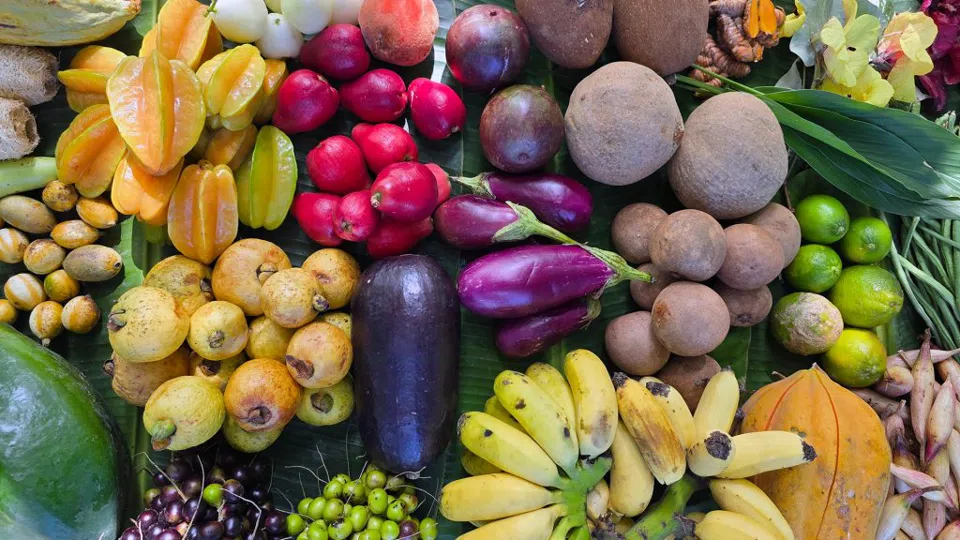
What makes it worth the discomfort is the cooking. Tucked between the wholesale stalls are the women who have been feeding market workers for decades: the fish fryers with their oil drums, the soup cooks ladling out mote de queso at eight in the morning, the fruit sellers who will hand you a slice of something you cannot name and wait, arms folded, to watch your face. They are not performing. The food is cheap because it is for porters and drivers, and it is good because nobody tolerates a bad plate twice.
I would not send a first-time visitor in alone. The market is not the lawless place taxi drivers like to warn you about; it is a market, and markets are busy rather than hostile. The problem is that without someone who knows which cook is on which day, you will walk a kilometre of wholesale onions and come out with nothing but a story about how intense it was. Go with a guide the first time. Go back alone the second, and you will know where you are.
Walking the aisles with someone who knows the cooks
Two operators take small groups into Bazurto properly, and they are different products rather than the same tour under two names.
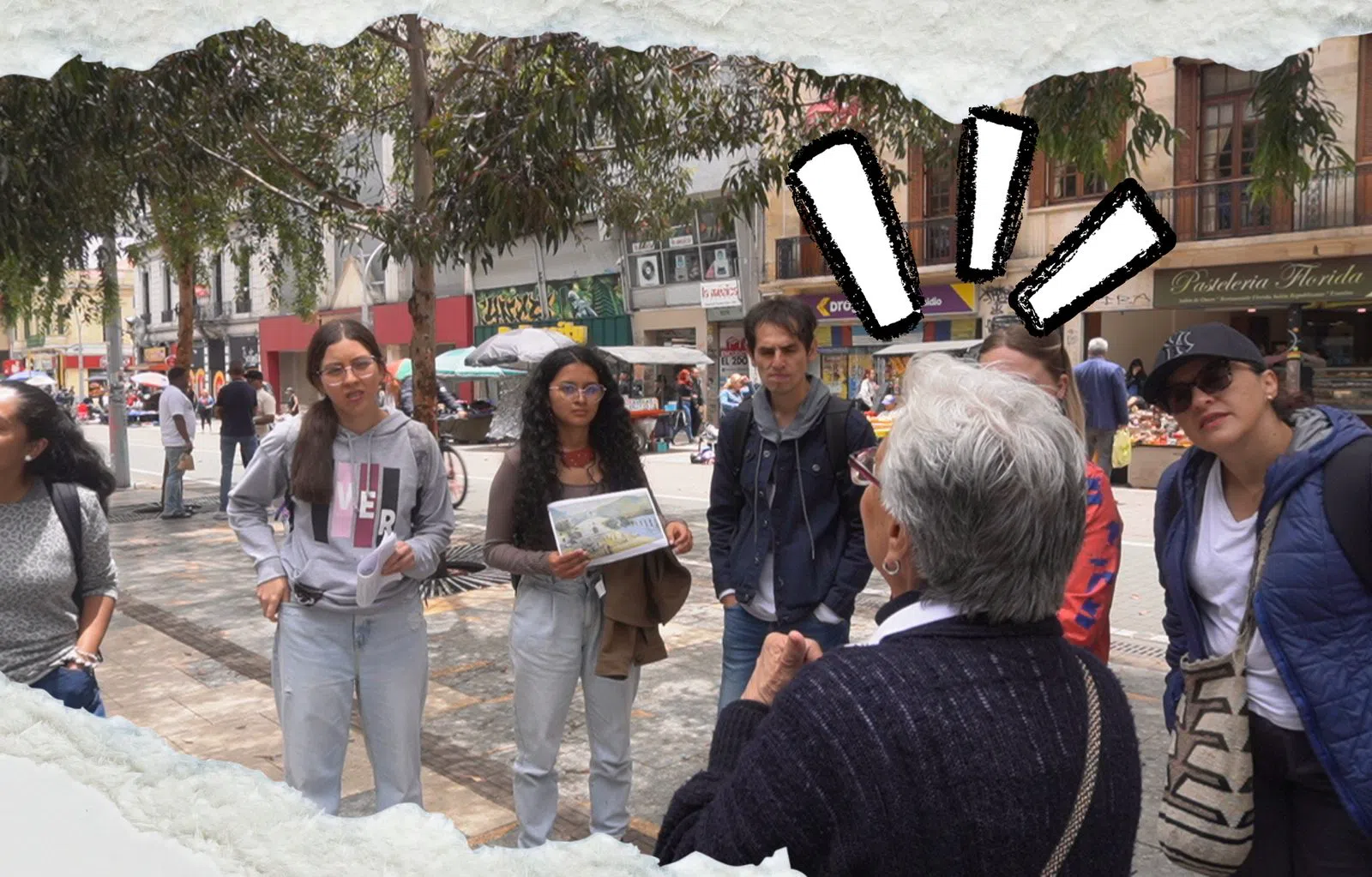
Impulse Travel (Bazurto market, with pickup from the old town) runs the most tightly organised version of the walk: three hours, bilingual guide, a tasting of fruit most readers will never have seen, a glass of guarapo, transport and a market lunch, at roughly US$85 to US$120 per person. The number that matters is the cap, a hard eight people per departure, and it is the single strongest reason to pick this one. In an aisle where two carts are passing and someone is breaking ice with a mallet, a group of twenty hears nothing; a group of eight can stand around a cook's table while she explains what she is doing to the fish. If your party is bigger than eight, they run back-to-back private departures instead of quietly stretching the group, which is the honest answer and also the right one. Book the morning slot. The fish aisles are effectively finished by early afternoon and you will be touring an empty stage.
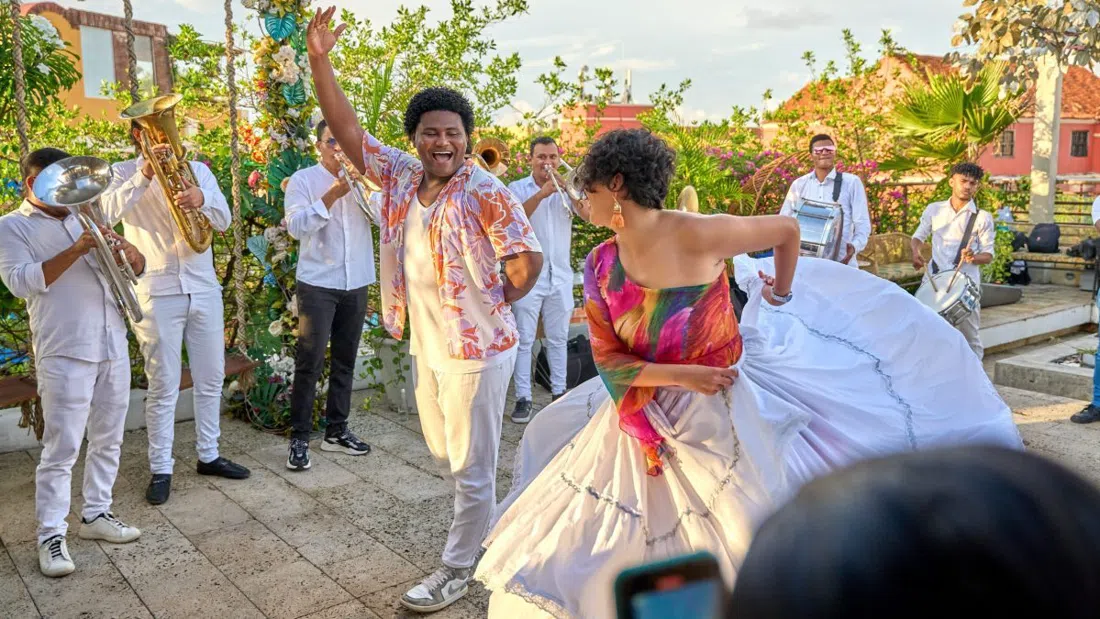
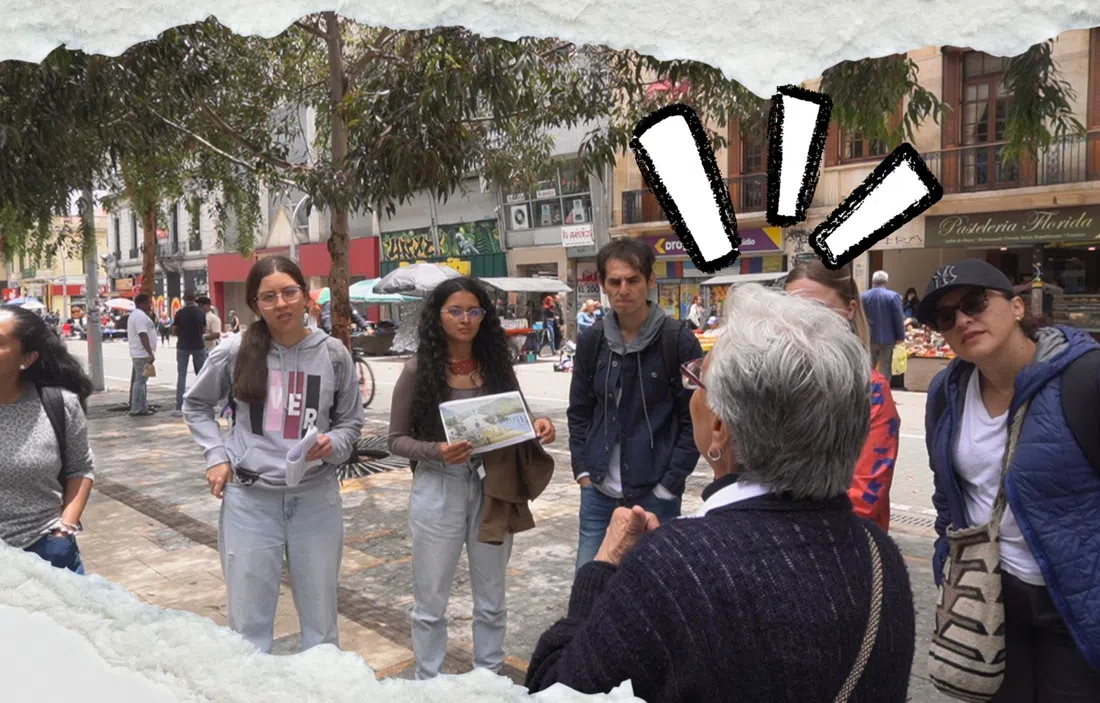
Cartagena Insider (Bazurto market, transport from the walled city) is the social-enterprise choice, and I say that having checked where the money goes rather than taking the brochure's word for it. The tour is run by the Colombian non-profit FEM; every ticket funds its land-rights work with Afro-descendant and Indigenous communities, and the guides come from the communities the organisation serves. It runs US$75 to US$95 per person including transport and the market lunch, and it is built for small groups and private bookings: families and larger parties arrange private departures direct by WhatsApp or email, which is also the fastest way to get a straight answer about timings.
Their walk ends at Ceci's, and that lunch is the reason I keep recommending this one to people travelling with teenagers who claim they do not like fish. You sit at a plastic table in the middle of the market's own canteen quarter, the fan pointed at nobody in particular, and the plate arrives: fried fish, coconut rice, patacón, a wedge of lime. It is the same food the market eats, cooked by someone who has been doing it longer than most of the old town's restaurants have existed. I have eaten there more than twice and I have never had a dull plate.
Couples and pairs who want to hear the cook talk should take the capped-at-eight morning walk with Impulse. Families, groups, and anyone who wants their US$90 to do a second job should book the private FEM departure with Cartagena Insider.
Buy the fish yourself, then cook it
The hands-on half of the trail is Cartagena Connections (Caribbean Flavours, with pickup and a Bazurto market shop), the only entry on this list designed for a whole group. You shop in Bazurto with Cartagena-born chef María Angélica (fish, spices, the coconut, the queso costeño) and then cook in a family kitchen rather than a demonstration studio. The menu is the real coastal canon: mote de queso, that disconcertingly good soup of salty cheese melting into yam broth with a hit of sour orange; posta negra, beef braised down into something almost black and faintly sweet; arroz con coco, which sounds simple until you watch how long the titoté takes.
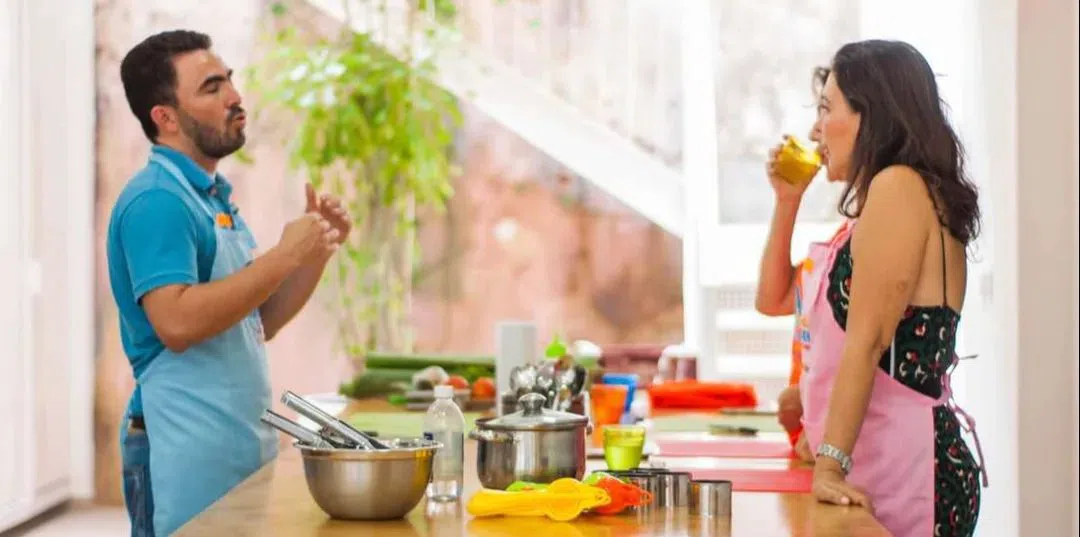
The class alone is US$75, US$125 with the Bazurto market shop, or US$720 as a flat fee for a private class of up to twenty people. Minimum two. Pre-payment is required for the private booking, so settle it before you fly rather than hoping to arrange it from a hotel lobby.
Pay the extra for the market half. The class without the shop is a good cooking class; the class with the shop is the only version where you learn how a Cartagena cook chooses a fish, which is the actual skill. Then run the maths on the private option: twenty people at US$720 works out cheaper per head than almost anything else in this city that involves lunch, which makes it the obvious answer for a family reunion, a work offsite or a wedding party that needs one afternoon where nobody is drinking in the sun.
Out to La Boquilla, where you catch and the village cooks
Twenty minutes north of the walled city, past the airport and the high-rises, La Boquilla is an Afro-Colombian fishing village sitting between the sea and the mangroves. Ecotours Boquilla (La Boquilla) is the community operation there, a co-op set up by the village's own fishermen specifically to keep tourism money inside the village rather than routing it through the old town. Canoes go out through the mangrove channels with a paddler who grew up in them, and the beach restaurants work from a standardised village price list, which removes the usual seaside haggle.
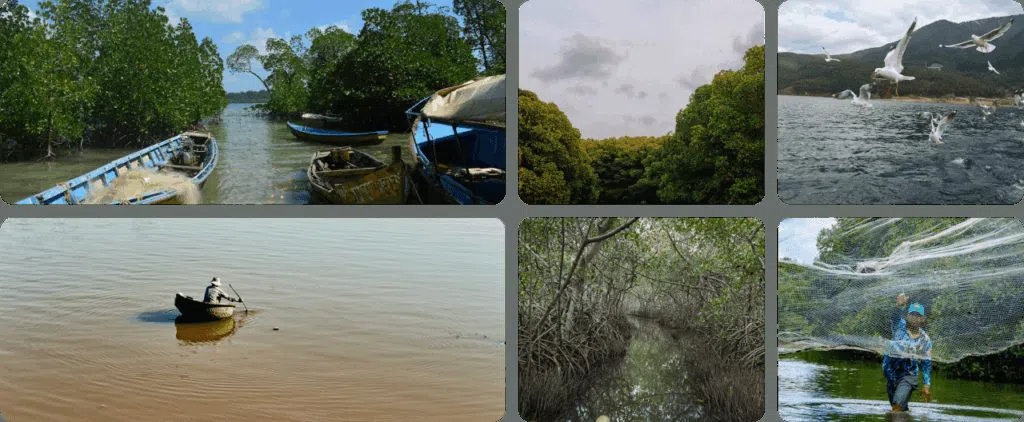
The canoe trip alone is about US$20. Add the cooking and lunch and you are at roughly US$40 to US$55 per person. Add it explicitly, and in writing. The plain ninety-minute canoe trip includes no food at all, and arriving back on the sand hungry with no booking is how people end up disappointed in a place that did nothing wrong. With the add-on, you fish, and the village cooks what comes in: fried fish straight from the pan, coconut rice, patacón hammered flat and fried twice, agua de panela to cut the salt. Eaten with your feet in the sand under a palm roof, it is the best-value meal in this entire piece.
Canoes take small parties, so a group of twelve splits across several boats and converges at the beach kitchen. It works. It is not a market experience, though: this is a half-day on the water and the sand, and it complements Bazurto rather than replacing it. Families with young children who would struggle in the market heat should do this instead and feel no guilt.
The restaurant that wrote the coast down
Eat at Celele by Proyecto Caribe Lab (Getsemaní) last, after you have tasted the originals in the market. Chefs Jaime Rodríguez and Sebastián Pinzón spent two years inventorying coastal products, recipes and techniques before the restaurant opened in 2018, and that research is the point: the tasting menu is a reading of the same ingredients the Bazurto cooks use daily, taken apart and rebuilt. It now sits in Latin America's top restaurant rankings, which has done nothing good for the difficulty of getting a table.
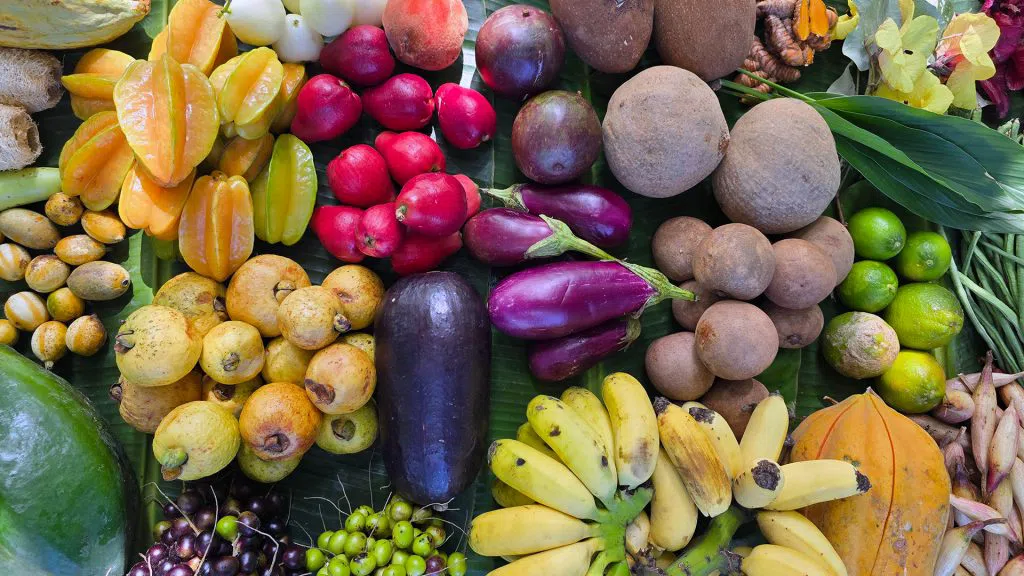
It is the high end for this city, roughly US$70 to US$100 per person for the tasting menu. Reservations go through Mesa247. Covers are limited, so a party above six needs to book well ahead rather than a few days out, and it is closed Sundays, which catches out every visitor who saves the splurge for their last night without checking.
The order matters more than people expect. Eat Celele first and the market plates read as rustic versions of the clever thing you already had. Eat Bazurto first and Celele reads as a love letter to the women you met on Tuesday morning. One of those is a far better evening.
Which one to book if you only book one
A couple with three days: the capped morning market walk, La Boquilla on the second afternoon, Celele on the last night. That is the whole arc for around US$200 to US$280 each.
A family of four or five: the private FEM market departure, arranged direct, then the cooking class with the market shop if anyone in the group cooks at home.
A group of ten to twenty: the private cooking class, full stop. Nothing else on this list absorbs that many people without either splitting you up or ruining the thing you came for.
Anyone travelling in the wet months or allergic to crowds: La Boquilla and the cooking class, and skip the market walk without regret.
Getting there, paying and when to go
Bazurto is a ten-to-twenty-minute taxi from the walled city or Getsemaní depending on traffic on Pedro de Heredia, which is unpredictable. Taxis here are not metered, so agree the fare before you get in, or use a ride app and let it price the trip. La Boquilla is twenty minutes north by taxi. Every operator above includes transport, so the only fares you are paying are your own detours.
Bring Colombian pesos in small notes. Market stalls take nothing else, there is no cash machine inside Bazurto, and the village price list in La Boquilla is a cash list too. Withdraw in the walled city, Getsemaní or Bocagrande before you set out. Tour operators and Celele handle cards and transfers; nobody frying fish does. For a rough sense of scale, the dollar prices quoted here sat near 4,000 pesos to the dollar through 2026, so check the day's rate before you budget.
Go to the market between seven and ten in the morning. The fish is landed, the cooks are working, and the heat has not yet turned the aisles into an endurance event. Afternoons are for the beach or the kitchen, not the market. August to November is the wet season, so plan the market for the morning and keep the indoor cooking class as your rain contingency.
A guided market morning runs US$75 to US$120, the cooking class US$75 to US$125 (or US$720 for a private group of up to twenty), La Boquilla US$40 to US$55 with lunch, and Celele US$70 to US$100. Doing the full trail across three days lands most people between US$200 and US$300 per person, plus taxis and a few thousand pesos for the things you cannot resist buying in the fruit aisle.
Base yourself in the walled city or Getsemaní and everything here is a short ride away. Compare rates and locations on our Cartagena hotel search, and for the rest of the city, the forts and the beaches included, start with our Cartagena guide.
Buy something from the woman who feeds you. Not a souvenir: a bag of coffee, a bar of panela, a handful of the chilli she used. It costs almost nothing, it goes straight to her, and it is the only way most of us ever take a market home.
Questions
Is it safe to visit Bazurto market on your own?
It is a working wholesale market, busy rather than hostile, but there is no signage, no map and no cash machine, and first-timers often walk a kilometre of wholesale produce without finding the cooks. Take a guided walk the first time. Dress down, leave the jewellery and watch at the hotel, keep small peso notes in a front pocket and wear shoes you can hose off. One guided visit is enough to learn the layout and go back alone.
What time should I go to Bazurto?
Between seven and ten in the morning, when the fish has just landed, the cooks are working and the heat is still bearable. The fish aisles are done by early afternoon, which is why the better operators only sell morning departures for the market walk.
Which Bazurto option works for a group of more than eight people?
Impulse Travel caps departures at eight and runs private groups back to back rather than stretching one. Cartagena Insider books private family and group departures direct by WhatsApp or email. For ten to twenty people at once, the private Caribbean Flavours cooking class with Cartagena Connections is the simplest option: US$720 flat, pre-paid, for up to twenty.
Do I need to speak Spanish?
Not for the organised experiences. The market walks run with bilingual guides, the cooking class is taught in English by a Cartagena-born chef, and Celele's staff work in English. Inside the market, almost no stallholder speaks English, so if you go back on your own take a translation app and the words for fish, price and how much.
How much cash should I bring, and will cards work?
Bring Colombian pesos in small notes for anything inside Bazurto or on La Boquilla beach, as neither takes cards and there is no cash machine in the market. Tour operators, the cooking class and Celele all handle cards or transfers. Withdraw in the walled city, Getsemaní or Bocagrande before you set out for the day.
First published on cartagenaguides.com, the Cartagena guide.