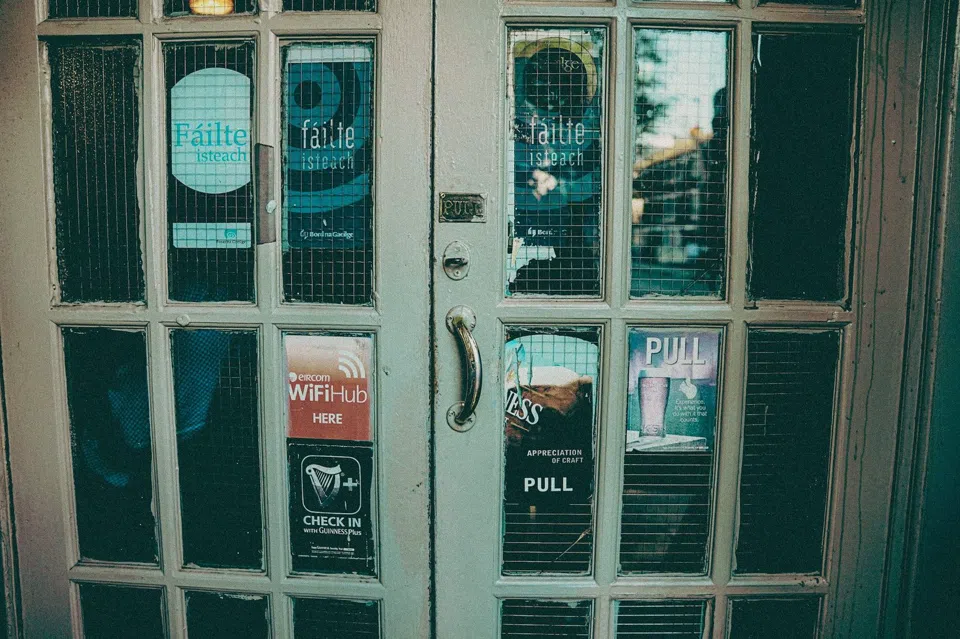
Prohibition arrived in January 1920, and Chicago spent the next fourteen years engineering rooms that could empty in ninety seconds: a trapdoor behind the bar, an escape hatch above the booths, a second door onto a different street. Those were working exits. A handful of those rooms are still pouring in 2026, and a newer generation has copied the ritual carefully enough that a night spent finding doors doubles as a reading of the city's map.
Why the doors ended up where they did
Chicago is a city of straight lines interrupted by one river with two branches, and the speakeasy circuit follows the same logic as everything else here: the trains. The Red Line runs north through Old Town, Lakeview, Andersonville and Uptown, and that corridor holds most of the genuine survivors, because the north side was far enough from City Hall to be worth policing selectively. River North, the wedge of former warehouses and printing lofts just above the main branch, has the densest cluster of modern hidden-door bars in the city, all of them walkable from each other. The Blue Line's Milwaukee Avenue diagonal cuts north-west through Wicker Park and Logan Square and picks up the late-licence rooms. The West Loop, five minutes west of the Loop proper, holds the two hardest doors to get through, for entirely different reasons. Pilsen and Chinatown sit further out and deserve their own evenings.
So do not try to do all sixteen. Three or four rooms in a night, kept to one geographic leg, is the difference between a crawl and a queue-management exercise. The broader Chicago guide covers what to do with the daylight hours in between.
The rooms that were actually there
Four places on this circuit have a claim on the period itself, and they are worth separating from the excellent theatre that follows.
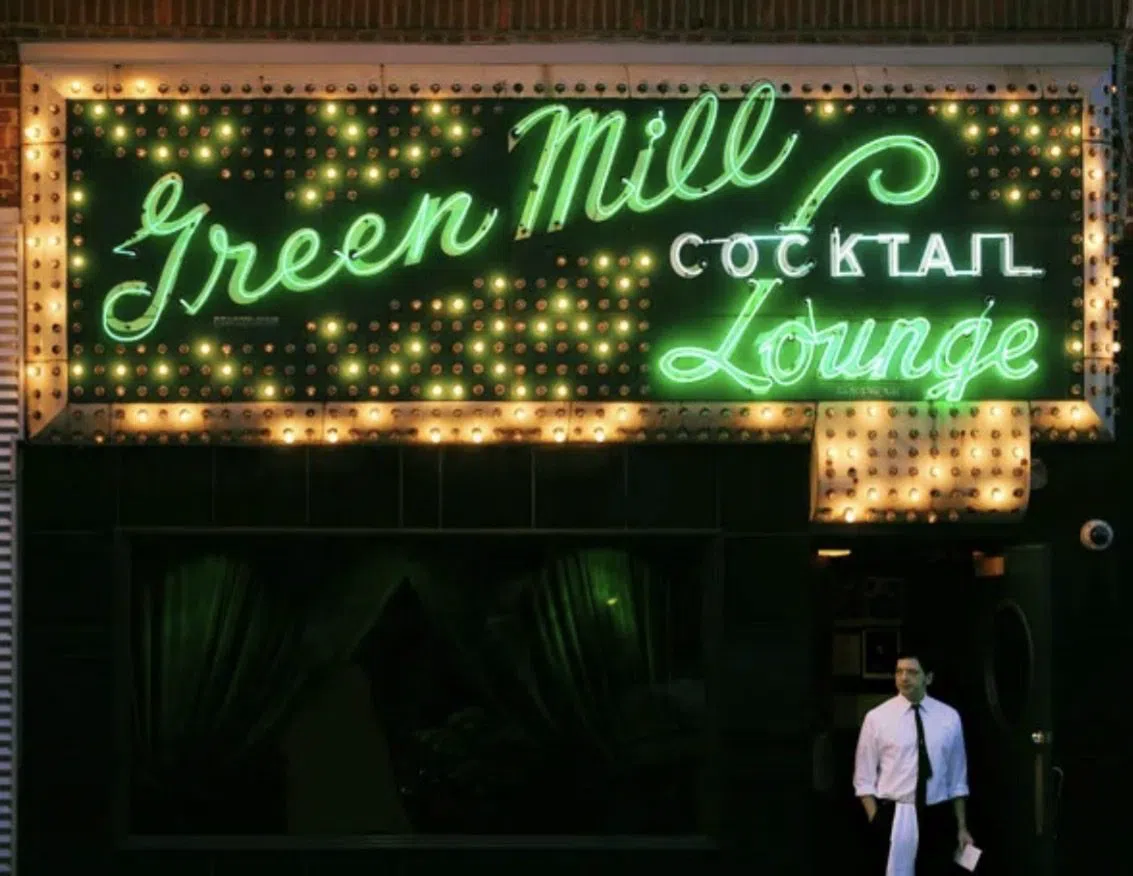
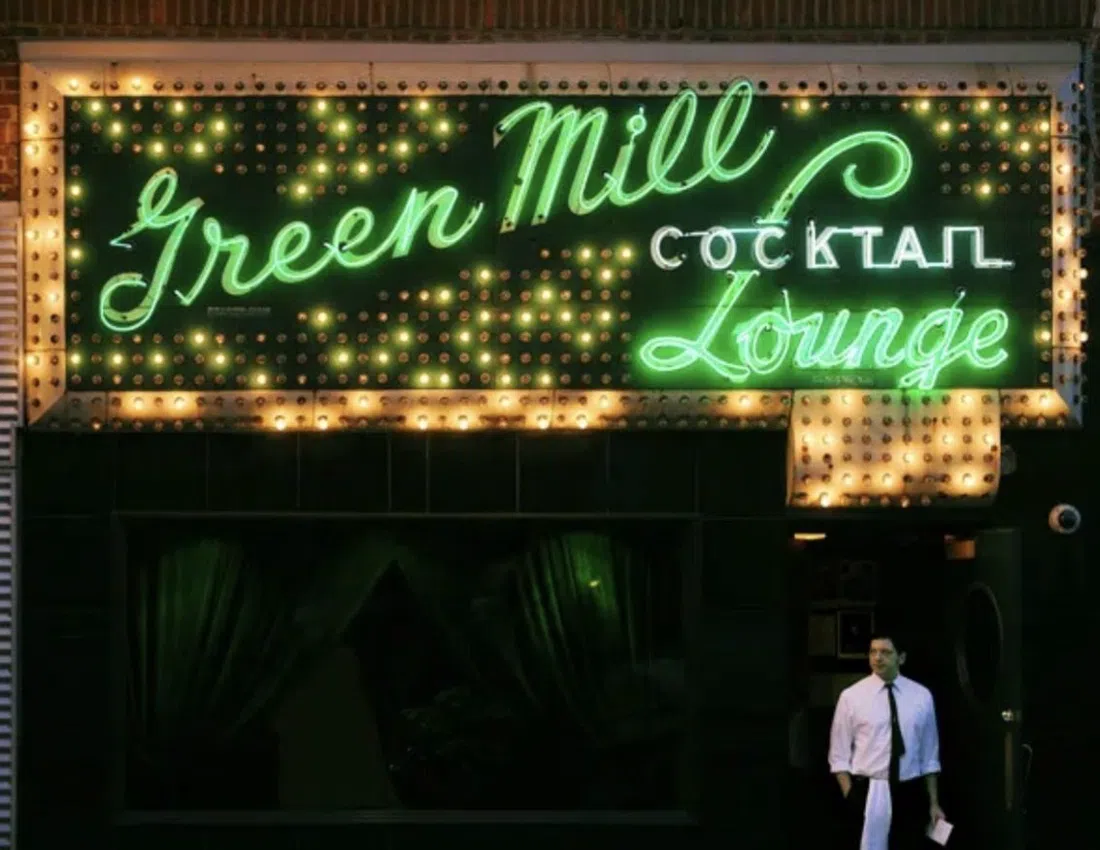
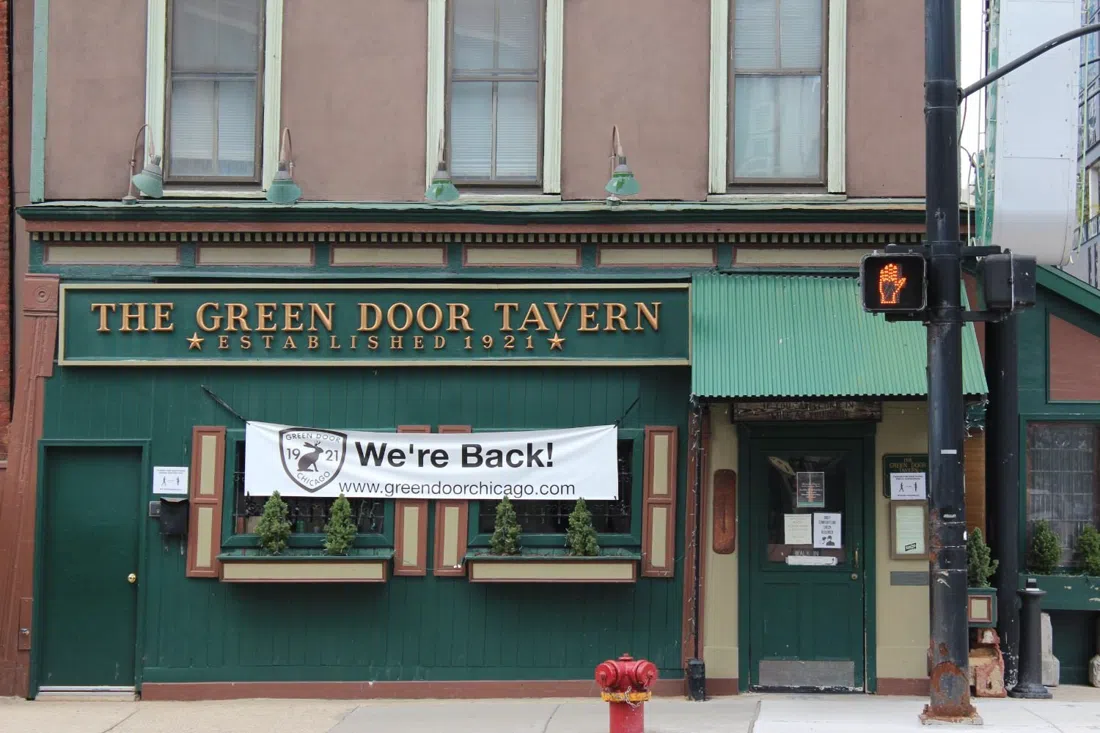
Green Mill Cocktail Lounge (Uptown) is the anchor. It has been open since 1907, poured straight through Prohibition under Capone-linked management, and the tunnel trapdoor is still behind the bar. It is also a working jazz club rather than a museum: late-night sets returned in June 2026 under new ownership, running to 4am on Friday and 5am on Saturday. Walk-in only, no reservations, cover of roughly $8 to $15 at the door, and cash moves faster than card. Two people will find seats; six will not, unless you are through the door before 8pm. Drinks are cheap by Chicago standards, which is part of why the room stays honest.
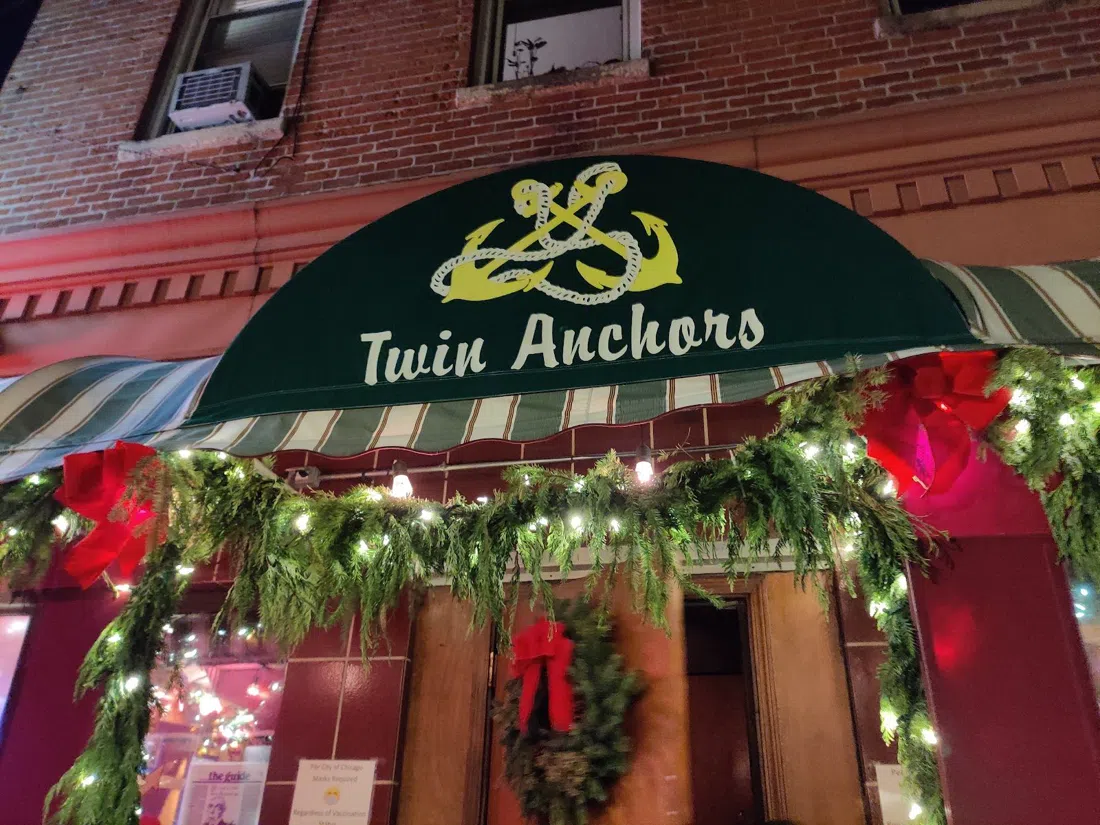
Twin Anchors Restaurant & Tavern (Old Town) operated as the Tante Lee Soft Drinks speakeasy and still has both of its raid escape doors. It is now a ribs tavern, about $30 a rack, and the right place to eat mid-crawl rather than a stop you build an evening around. No reservations except for larger parties, so call ahead for six or more and expect a wait at weekends. It is family- and group-tolerant in a way none of the cellar bars are.
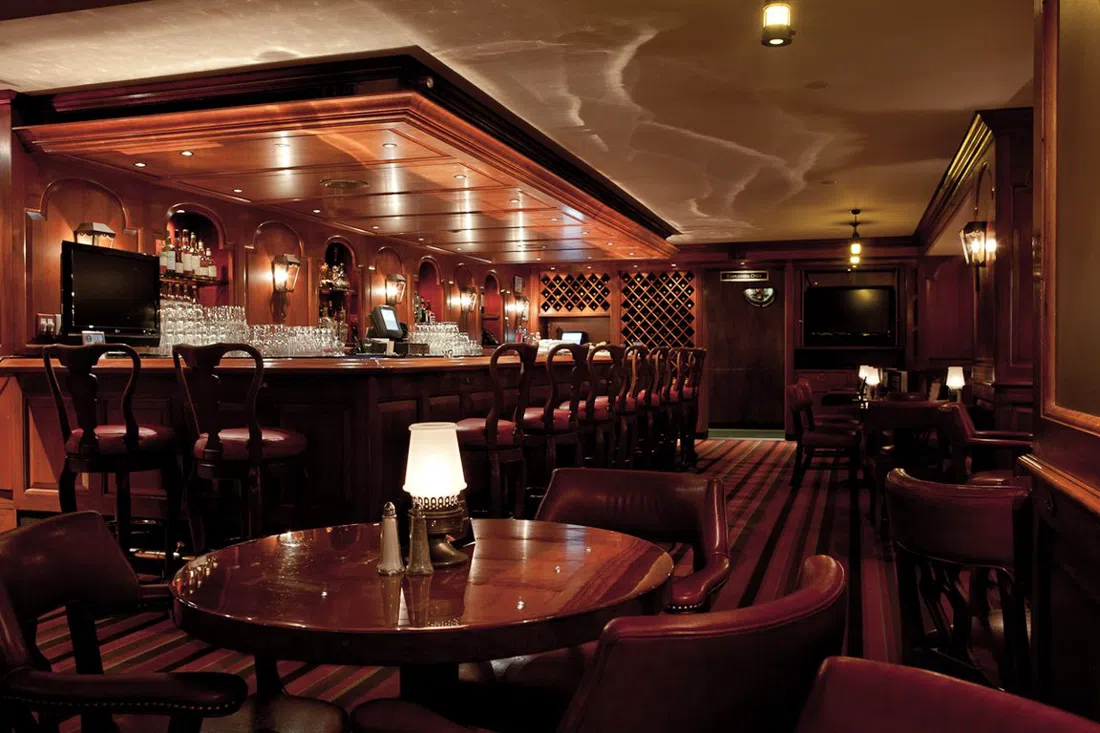
Coq d'Or (Gold Coast) is the bookend to the whole story: it opened on 6 December 1933 as the second establishment in Chicago to hold a liquor licence after repeal. It is a large hotel lounge with a full food menu, cocktails around $16 to $20, live entertainment on Friday and Saturday, and reservations by phone. It opens from 11am, which makes it the only place on this list that works as the start of a crawl rather than the end of one.
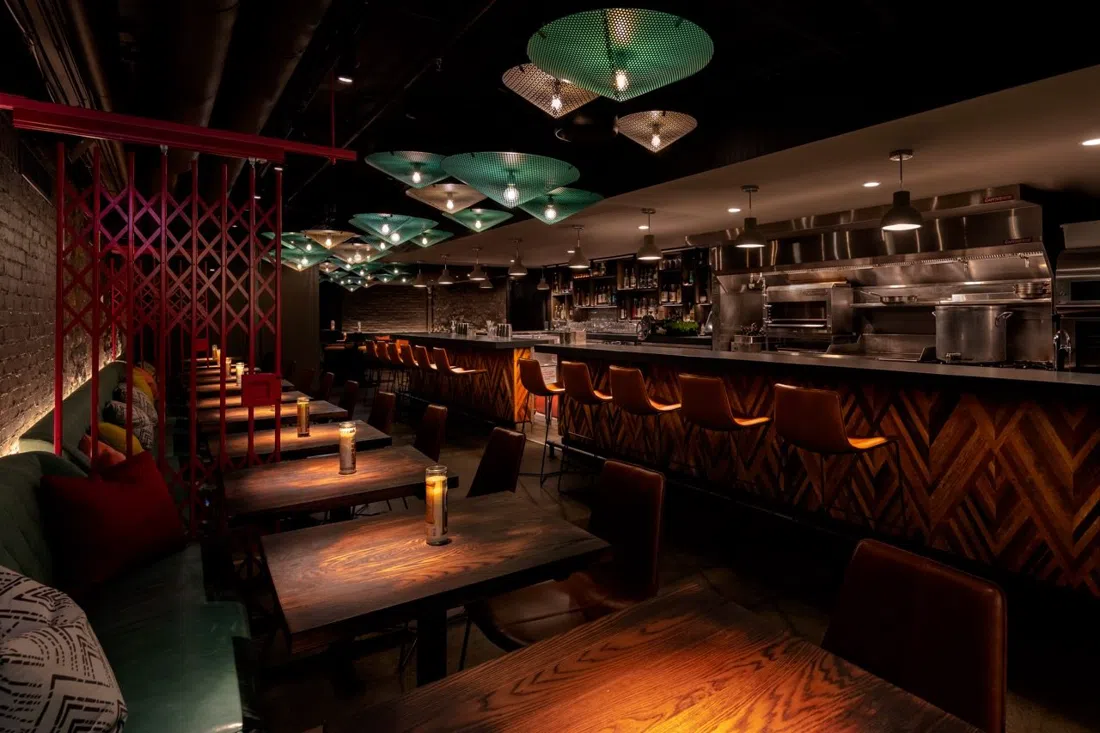
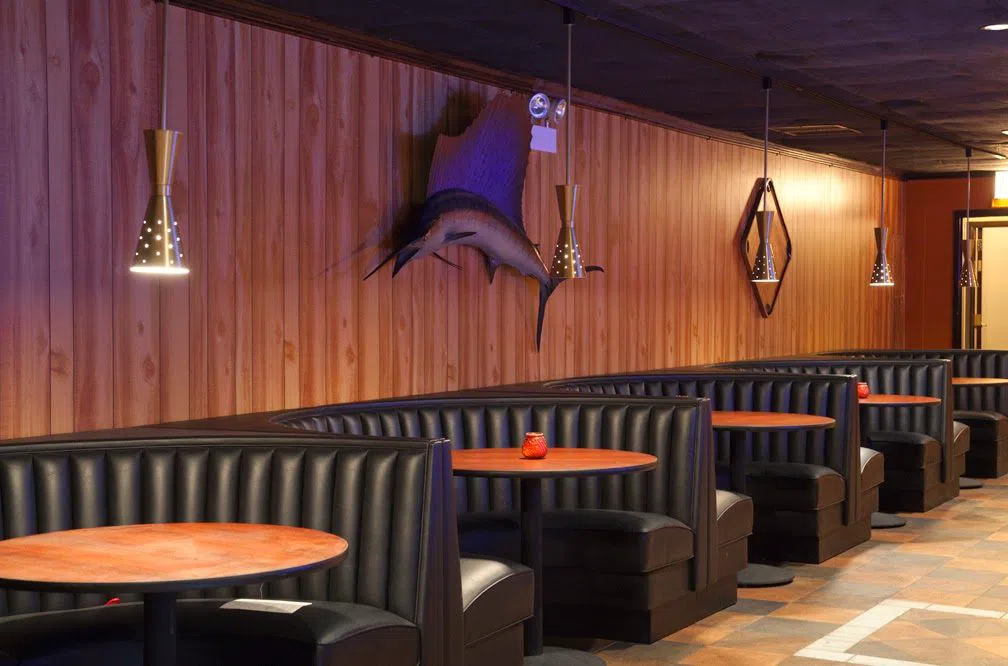
The Drifter (River North) is the closest thing the city has to an intact Prohibition room: renovators found the original escape hatch above the booths. It runs Wednesday to Saturday only, takes both walk-ins and reservations, and the room is small enough that anything over six should book. Cocktails are $15 to $18 and the menu is a deck of more than a hundred tarot cards the bartender deals you at random, with burlesque and variety acts on the hour. It is a better first stop than last: the seating turns over and the shows are timed.
A River North evening you can walk end to end
This is the leg to choose if you have one night. Four rooms, no transport between them, and a natural progression from cellar to spectacle.
Start underground at Bar Sótano (River North), Rick Bayless's agave cellar beneath Frontera Grill, with one of the largest mezcal lists in the United States and Mexican small plates to line the stomach. The freight-elevator descent is the best going-underground moment on this side of the river. Wednesday to Saturday only, reservations through OpenTable, comfortable for four to eight, and call directly for anything larger.
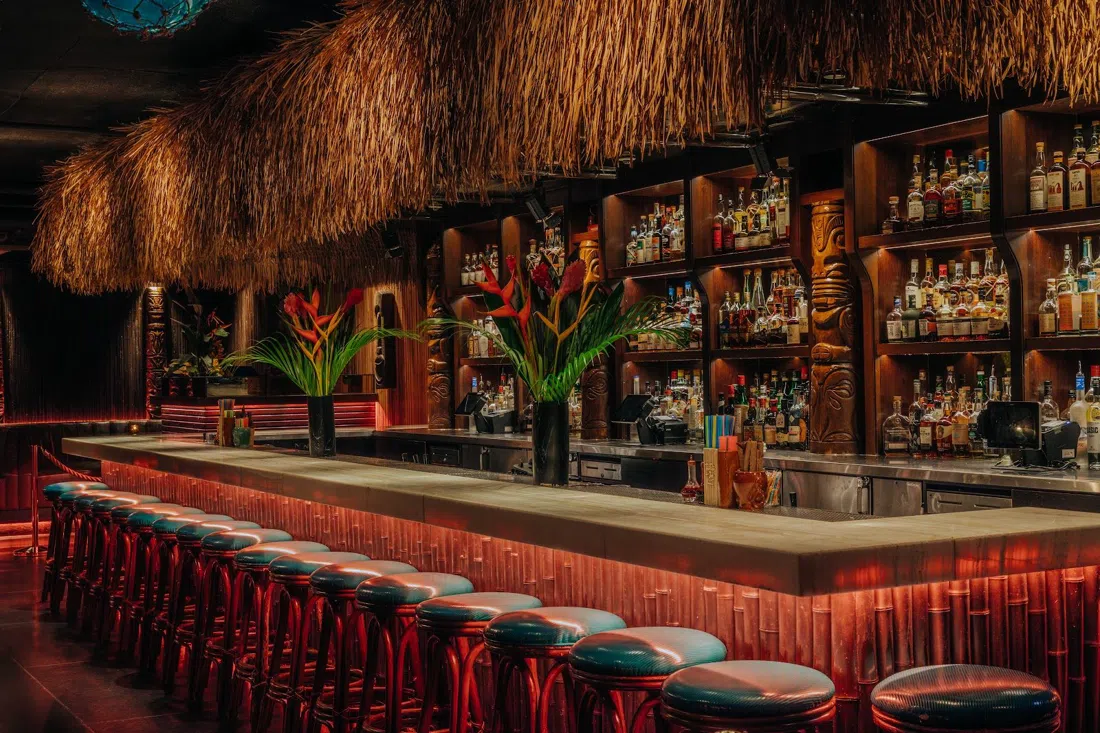
Move on to Three Dots and a Dash (River North), the purest hidden-doorway theatre in the district and consistently rated among the world's best tiki bars. It is 21-plus, takes OpenTable bookings, and is built for groups: shared punch bowls at $60 and up serve four to six, cocktails run $16 to $20, and there is private-event space. Inside it sits the sixteen-seat Bamboo Room (River North), a rum den run by the same operator but booked separately. It is worth the extra step if your party is two and pointless if it is eight.
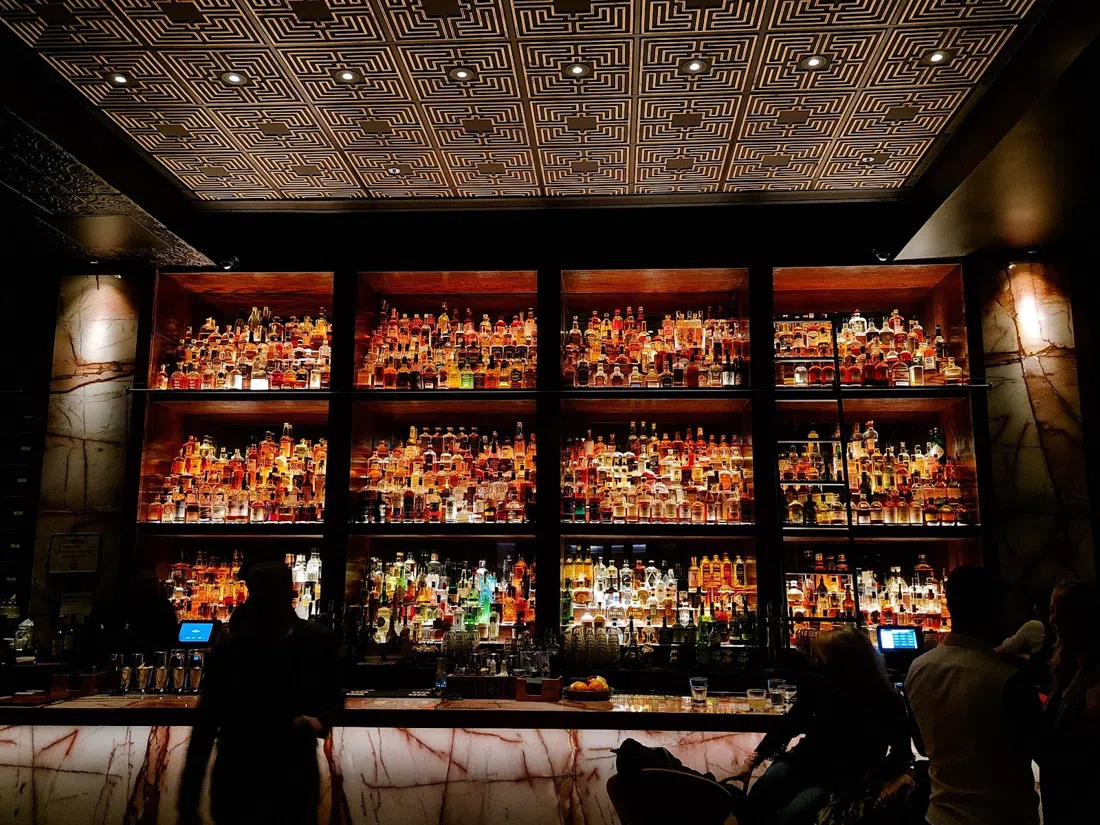
Untitled Supper Club (River North) is the strongest group option anywhere on this circuit. It holds one of the largest American whiskey collections in existence, runs weekly live jazz and the Thursday 'Unbridled' burlesque-and-variété show, and absorbs a party of twenty without strain. There is a full private-events programme and big-table dining, so if the night involves colleagues, a birthday or anyone who wants to sit down and eat, make this the anchor and fit the smaller rooms around it. The whiskey list runs from modest to collector-grade; the bill follows accordingly.
Finish at The Drifter, which is a five-minute walk away and open latest of the four.
The West Loop, where the door is the entire point
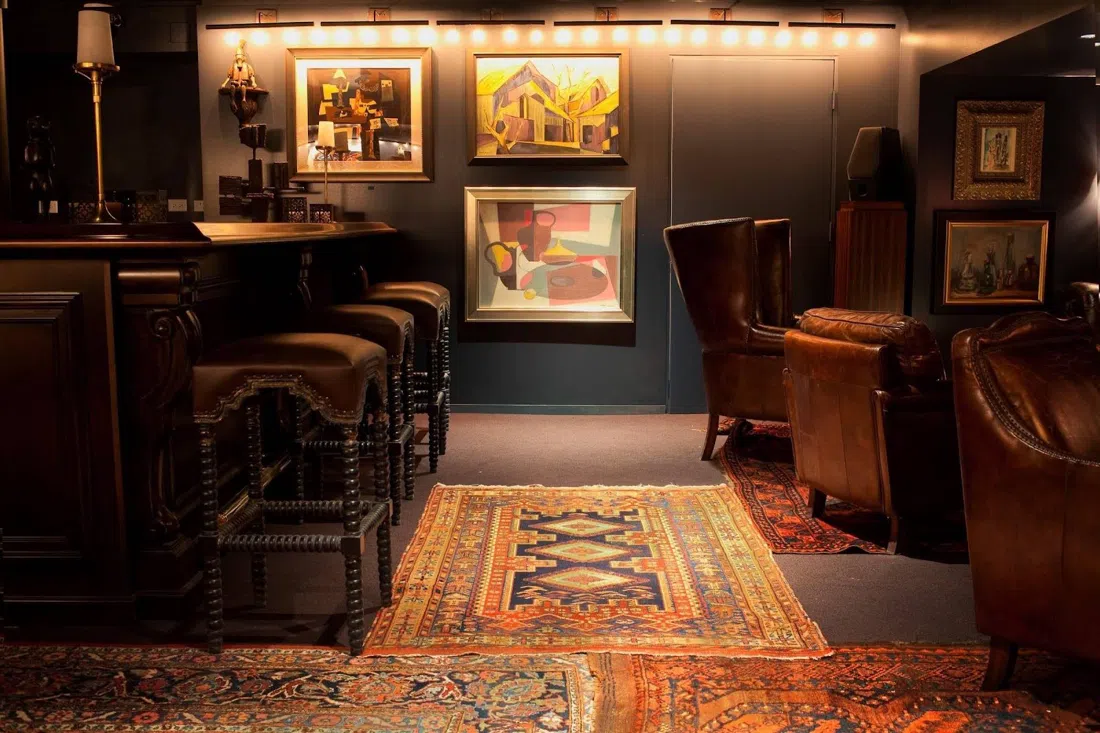
The Office (West Loop) is the Alinea Group's cellar bar and the most rigorous classic-cocktail room in the city. It is also the least forgiving door on the list in administrative terms: bookings for parties of one to ten go through Tock with a $50-per-person deposit, seven or more must go via the events team, and there are no walk-ins, ever. It is closed Sunday and Monday and books out weeks ahead. With the deposit and $25-plus cocktails this is a genuine splurge: the right call if the crawl includes exactly one, the wrong call if you are still deciding what kind of night it is.
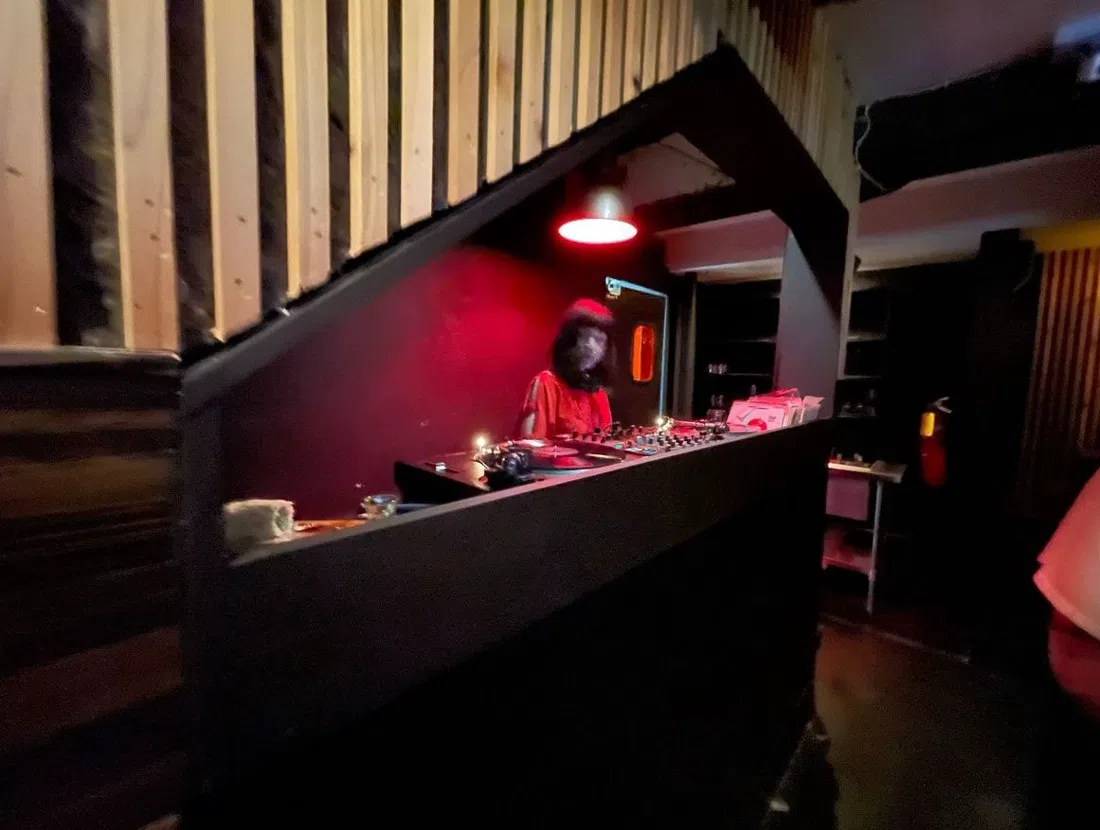
Booze Box (West Loop) is the opposite kind of difficulty: no website signage, no street sign, just an arrow, and it is the most satisfying door in the city to crack on your own. Underground, Japanese, with whisky and DJs from 8pm to midnight on Friday and Saturday, and it serves the full Sushi Dokku menu from the kitchen upstairs, so it doubles as dinner. Reservations via Tock; there is a party-enquiry form for birthdays and office nights.
North-side theatre and the strictest door in the city
Chicago Magic Lounge (Andersonville) has the most literal hidden doorway here, the laundromat front, and it is the easiest sell to anyone travelling with people who do not speak much English, because the gag lands regardless of language. Shows are ticketed seven nights a week at roughly $45 to $75 plus food and drink, with group and private bookings taken; the bar alone needs no ticket if you only want the room. Andersonville is a long way north, so pair it with the Uptown leg rather than treating it as an add-on to a River North night.
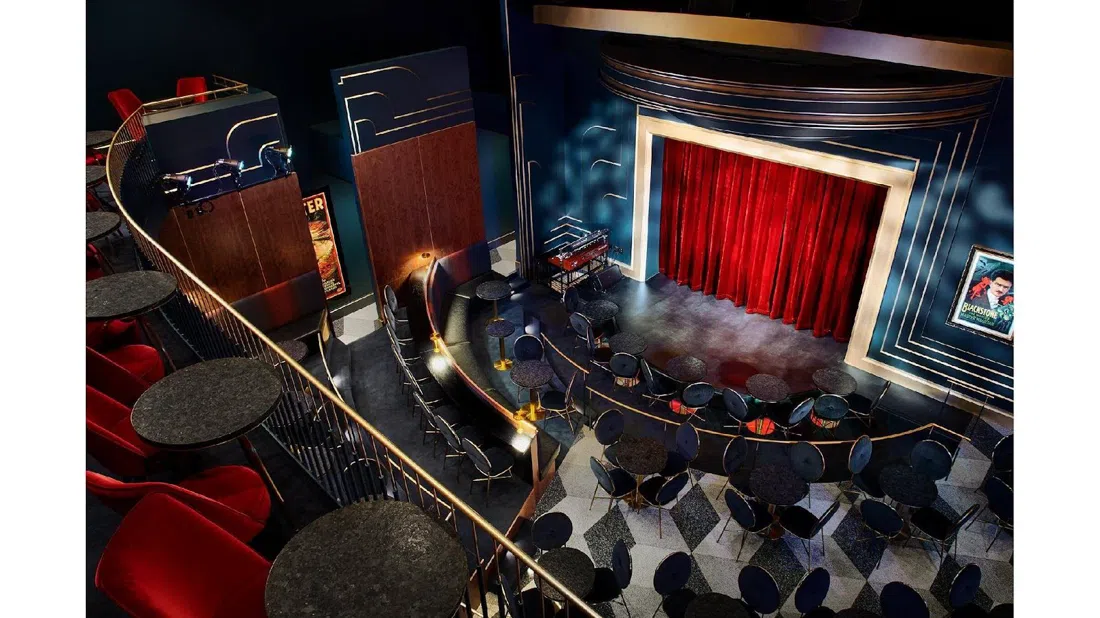
Room 13 (Lakeview) most resembles how a real speakeasy actually worked, which is to say it is not for you unless it decides otherwise. It opens select nights to inn guests and members, though prospective members can book a preview visit, and cocktail or business-casual dress is enforced at the door. Jazz Age recipes, best for two to six, never a walk-in. Its official website has lapsed, so book by phone on 773-472-2278 and confirm before crossing town.
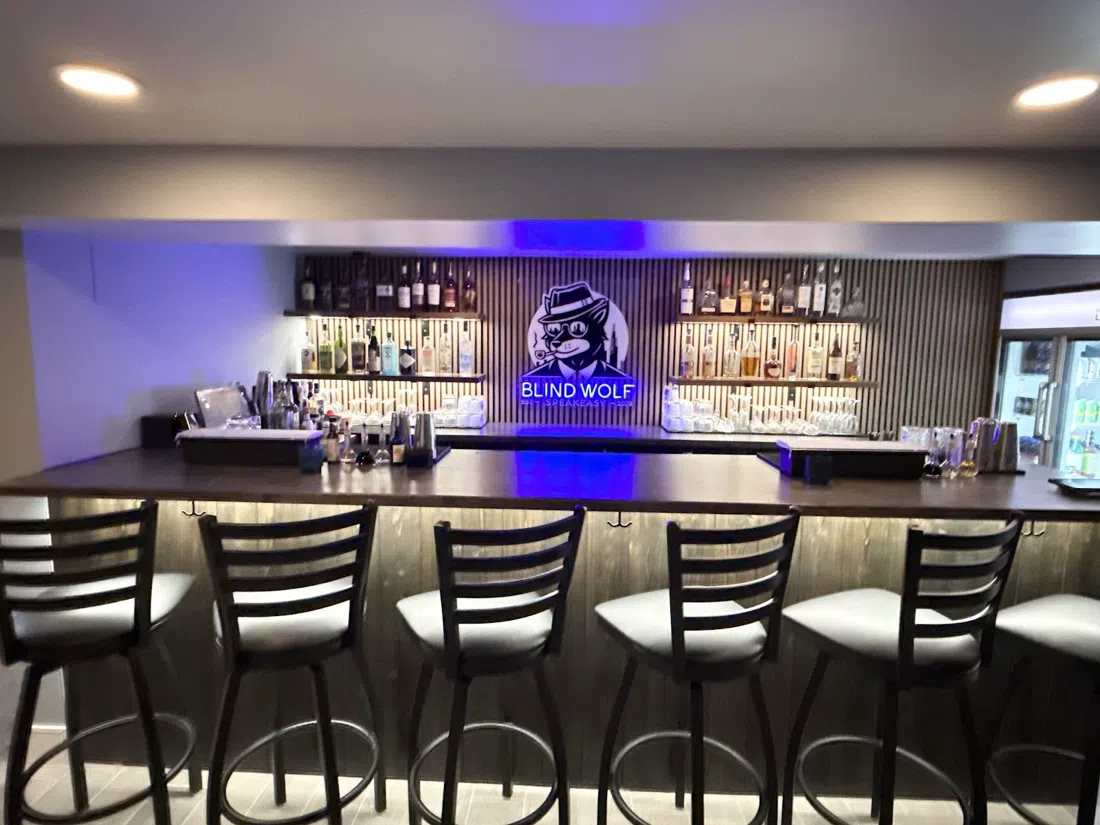
The Gatsby Speakeasy (North Side) is the most interactive door of the lot. The host hands you a riddle at the cafe counter, and solving it triggers the light that gets you admitted, which works far better as a group ice-breaker than it has any right to. Reservations on OpenTable, private hire through the cafe's events arm, Prohibition-era cocktails at the upper end of mid-range. It is modern rather than historic and does not pretend otherwise, but it delivers the ritual most visitors actually came for.
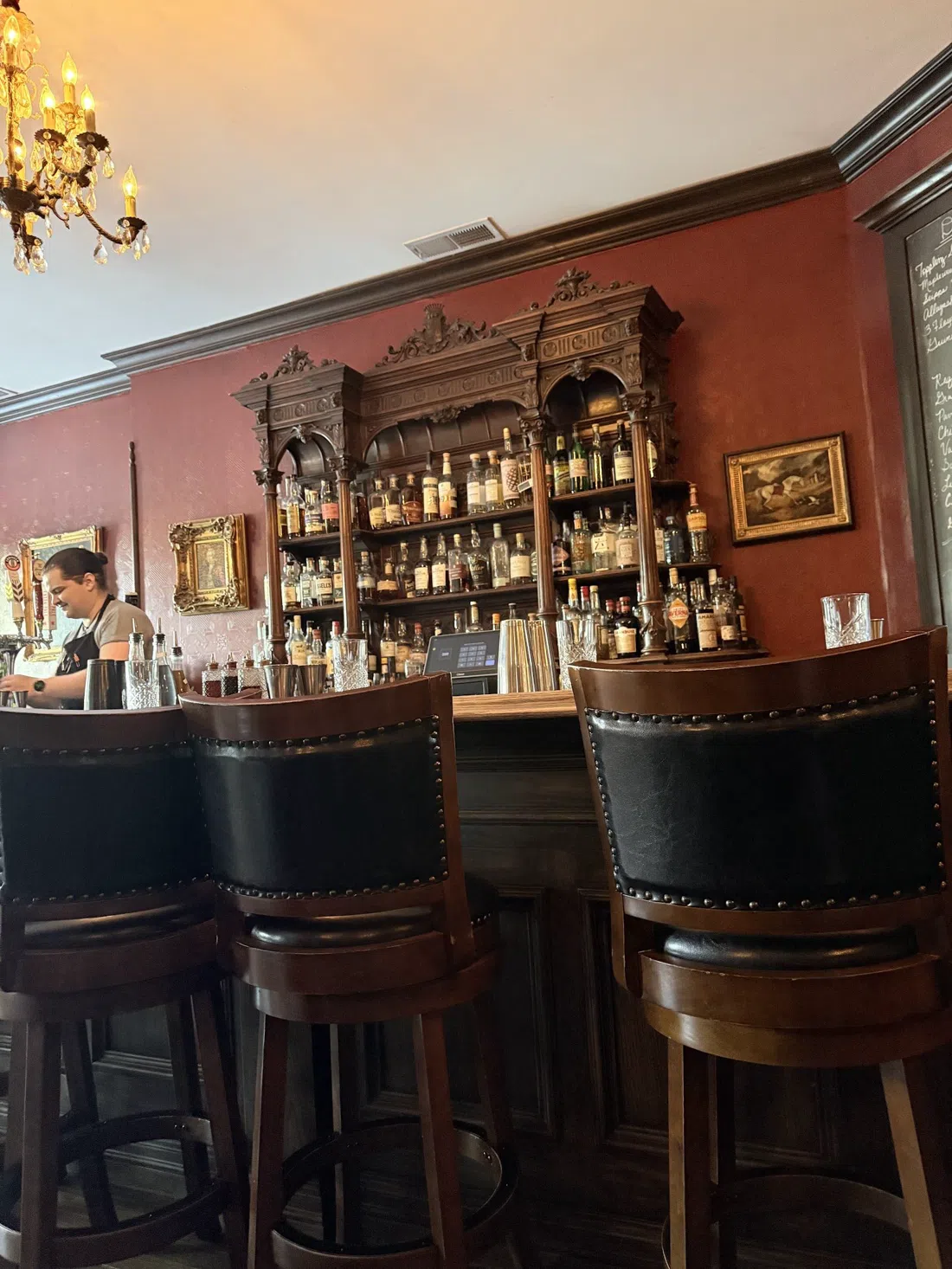
Milwaukee Avenue after dark
Bordel (Wicker Park) is in its twelfth year in 2026 and remains the city's best burlesque-and-live-jazz room, up a staircase you would walk past. Two shows nightly Thursday to Sunday, OpenTable bookings, private hire available, cocktails around $16 to $20 with a cover on some shows. The 3am Saturday licence makes it the natural last stop rather than a warm-up.
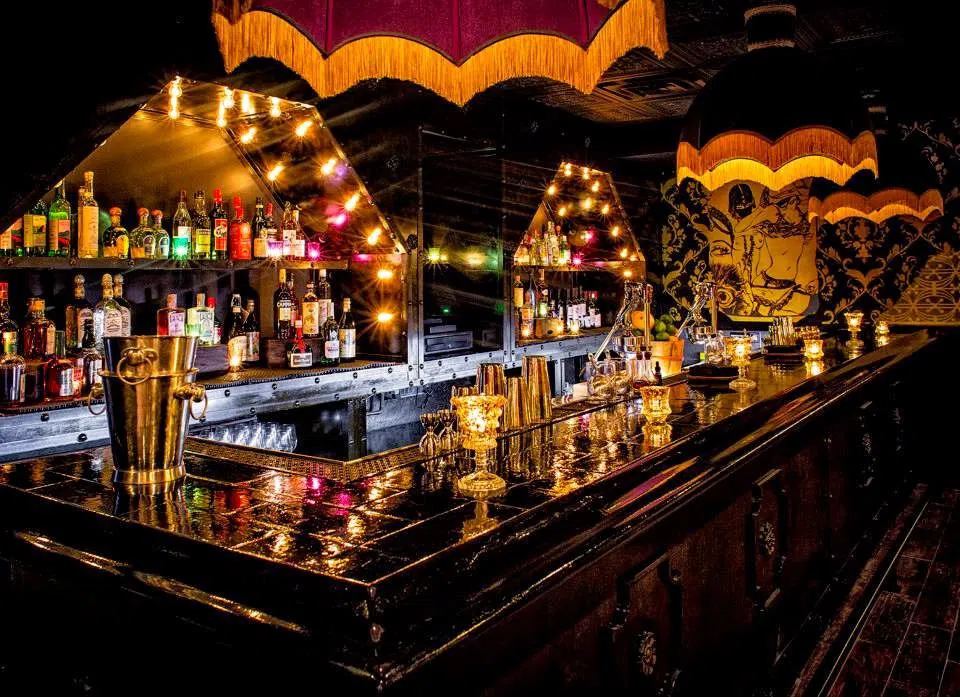
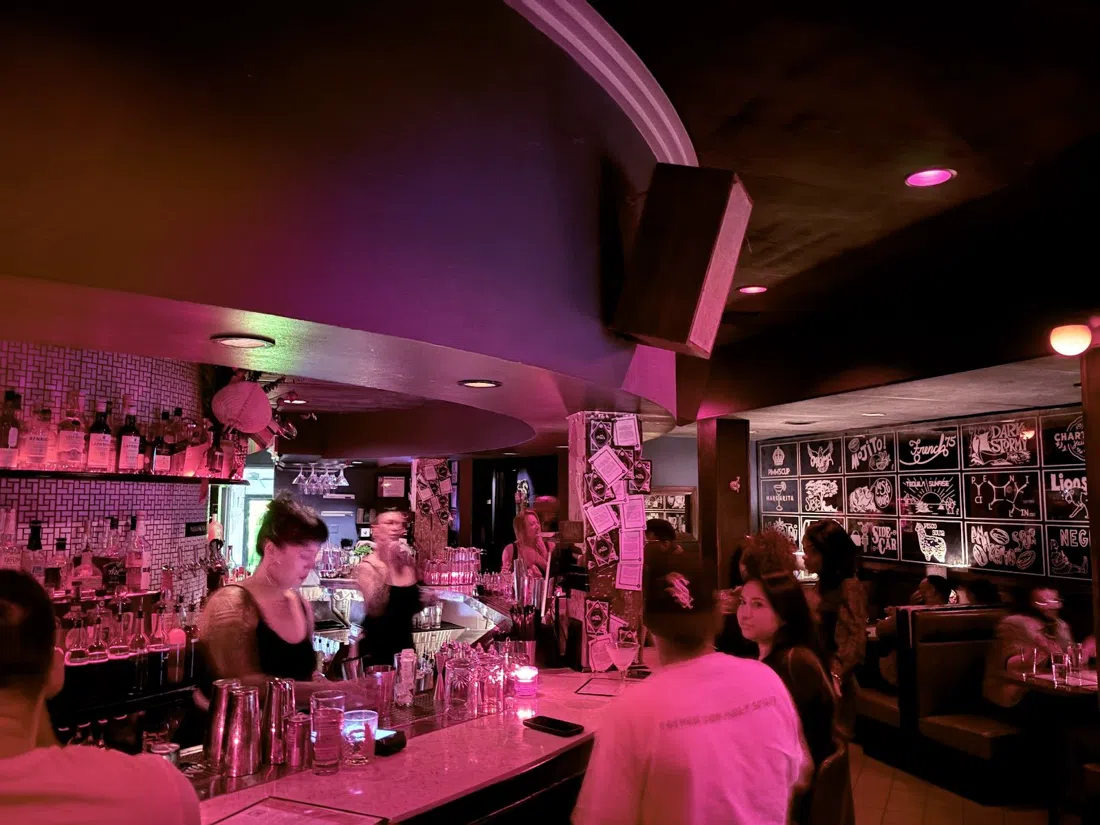
MONEYGUN (Logan Square) is unmarked, first come first served, and deliberately unfussy: classics around $14 in a room named among Esquire's best bars in America. Large groups either arrive early or book the private 'Money Pit' room. The MGXL 'Dirty Thirty' punch card, which rewards drinking your way through the essential classics with a plaque, is the rare bar gimmick that gives you a reason to come back rather than tick a box.
Two rides worth taking
Punch House (Pilsen) is the most relaxed stop on the circuit and the best value on it: shared punch by the bowl in a basement that feels like someone's rec room, plus bar food. Walk-in, no reservations, and busy after 10pm. Pilsen is a train ride from the centre, so give it its own evening rather than trying to bolt it onto a downtown leg.
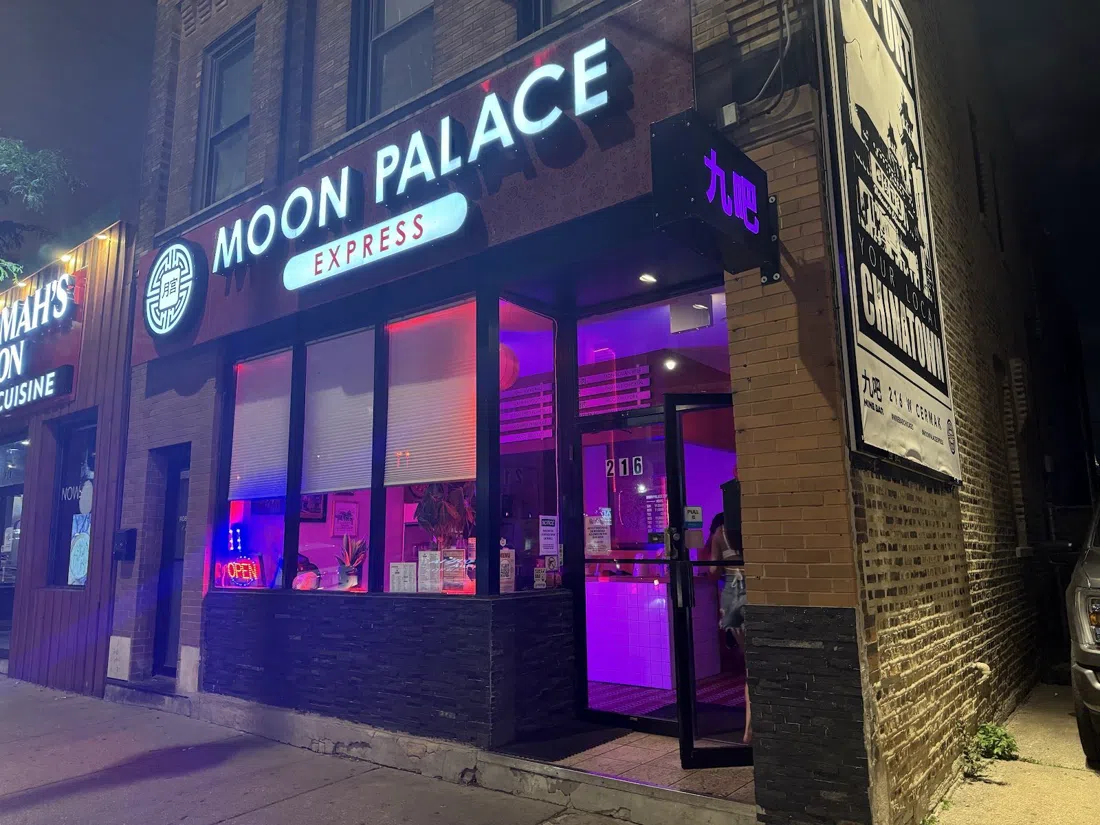
Nine Bar (Chinatown) is Chinatown's first proper cocktail bar, with a real behind-the-counter entrance rather than a themed approximation of one: you order at a takeout counter and keep walking. It was named among the best bar newcomers in the country, it is closed Tuesdays, and the back room is compact enough that parties of eight or more should call ahead. It adds a part of the city most visitors never reach, which is reason enough.
Getting around, paying and timing the night
The Red and Blue lines run 24 hours, which covers the Uptown, Old Town, Lakeview, Wicker Park and Logan Square legs at any hour. The Pink Line does not, so if you end a night in Pilsen, plan a rideshare home rather than discovering the timetable at 1am. River North to the West Loop is a fifteen-minute walk or a short ride; everything within River North is walkable.
Cards work everywhere, but carry $40 to $60 in cash: door covers are cash-preferred at Green Mill, and US tipping is real money, a dollar or two a drink at a bar and around 20% on a table bill. Budget roughly $80 to $120 a head for a three-stop night at mid-range rooms, $150-plus if The Office or a ticketed magic show is in the plan, and appreciably less if you build the evening around punch bowls and a jazz cover.
On timing: Coq d'Or opens earliest, from late morning; most cellar bars open early evening; and the shows (Bordel, Chicago Magic Lounge, The Drifter, Untitled's Thursday programme) run to schedules you should check when booking. Book The Office and Room 13 well in advance, book Bar Sótano, Booze Box, Bordel and The Gatsby a few days out, and leave Green Mill, MONEYGUN, Punch House and Twin Anchors as the walk-in options that make the night flexible. Staying central puts River North, the West Loop and the Gold Coast within walking distance of each other; a Chicago hotel search around those areas will save you two rideshares a night, which is roughly the price of another round.
Questions
Which Chicago bars actually operated during Prohibition?
Three on this circuit have a genuine claim. Green Mill Cocktail Lounge has been open since 1907 and poured through Prohibition under Capone-linked management, with the tunnel trapdoor still behind the bar. Twin Anchors ran as the Tante Lee Soft Drinks speakeasy and keeps both raid escape doors. Coq d'Or comes at it from the other side: it opened on 6 December 1933 as the second establishment in the city licensed after repeal. The Drifter is not documented as a Prohibition bar, but renovators found the original escape hatch above its booths.
Do I need reservations, or can I just turn up?
It depends entirely on the room. The Office takes no walk-ins at all: Tock only, $50 per person deposit, booked weeks ahead. Room 13 is reservation-only and gated to members and inn guests. Bar Sótano, Booze Box, Bordel, The Gatsby Speakeasy and Three Dots and a Dash all take online bookings and you should use them. Green Mill, MONEYGUN, Punch House and Twin Anchors are walk-in only, so build your night around those when plans are loose.
Can a group of eight or more do this crawl?
Yes, but choose carefully. Untitled Supper Club absorbs a party of twenty and has a full private-events programme; Chicago Magic Lounge sells ticketed group seating; Punch House is built entirely around shared bowls; Three Dots and a Dash has punch bowls for four to six and private space; MONEYGUN has the private Money Pit room. The Drifter, Bar Sótano, Nine Bar and Room 13 are small rooms, so call ahead or split the party.
How much should I budget for a night on the speakeasy circuit?
Around $80 to $120 per person for three mid-range stops, including tips. Cocktails run roughly $14 at MONEYGUN, $15 to $18 at The Drifter and $16 to $20 at Three Dots, Bordel and Coq d'Or. A magic show ticket is $45 to $75 on top of food and drink, and The Office means a $50 deposit plus $25-plus cocktails. Green Mill's $8 to $15 cover with cheap drinks and Punch House's shared bowls are the value end.
Is there a dress code, and how late do these bars stay open?
Only Room 13 enforces one: cocktail or business casual, at the door. Everywhere else, smart casual is fine and nobody expects period dress. Green Mill runs jazz to 4am Friday and 5am Saturday, Bordel holds a 3am Saturday licence, and Punch House gets busy after 10pm. The Drifter and Bar Sótano run Wednesday to Saturday only, The Office is closed Sunday and Monday, and Nine Bar is closed Tuesdays.
First published on chicagocitybreak.com, the Chicago guide.