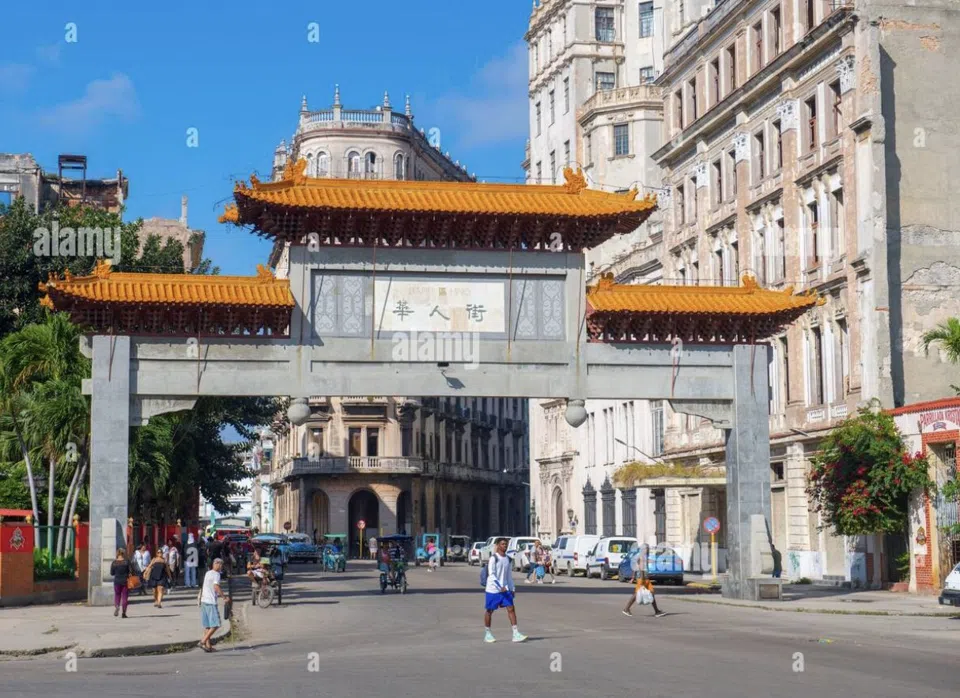
Dusk in Centro Habana usually arrives with a short silence. The grid sheds a block, fans stop, a television cuts off mid-sentence, and for a minute the street is only voices and dominoes knocking on a card table. Then the generators come up one by one down the road, a bar somewhere gets its speakers back, and the evening resumes at about eighty per cent of what it was. That minute of silence, and that eighty per cent, are what you are deciding about when you book.
What actually stops working
Three things go wrong in Havana, and they all come back to the same shortage. The national grid does not generate enough, so load is shed in rolling blocks. Your district might lose power for two hours or for most of the day, and the schedule circulated in the morning is a forecast rather than a promise. Water in a Havana building is pumped and held in tanks, so a long cut means the tanks stop refilling, and by the second day a house with no reserve has dry taps. Fuel is scarce, which thins out buses, shared taxis and anything that needs a car to cross the city.
What mostly does not go wrong is the part people worry about from a distance. The streets stay busy and walkable after dark, the old town fills up every evening, and restaurants and museums keep their published hours more often than not. Places usually stay open and degrade instead: half the lights on, a shortened menu, no ice, the lift out of service, the card machine unable to reach the bank.
So the planning rule is short. One fixed commitment a day, two reserves you can reach on foot, and no itinerary that requires three separate things to work in sequence.
The kitchens that carry their own power
La Guarida (Centro Habana, up a ruined marble staircase on Concordia) is still the benchmark paladar in the city, and more usefully, it is the kitchen most reliably running on its own power and water. That matters far more than the film history the guides lead with. Mains start around USD 29 and the tasting menus climb from there; there is a private room and a catering service, but the floors are small, so a table of six or more needs booking weeks ahead. Confirm by WhatsApp rather than email. The internet here is intermittent and a reservation reply can take days, which people read as a refusal when it is only the connection.
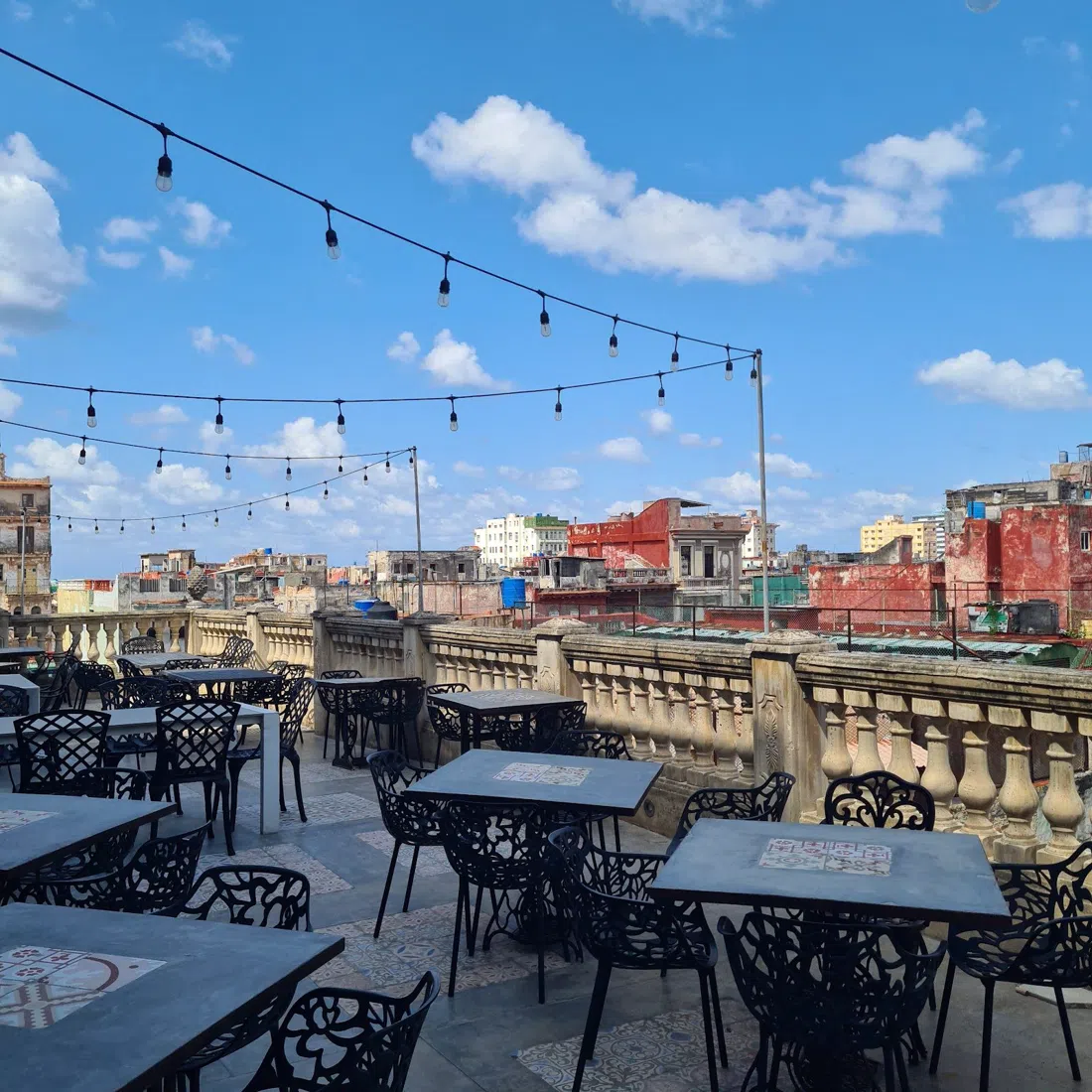
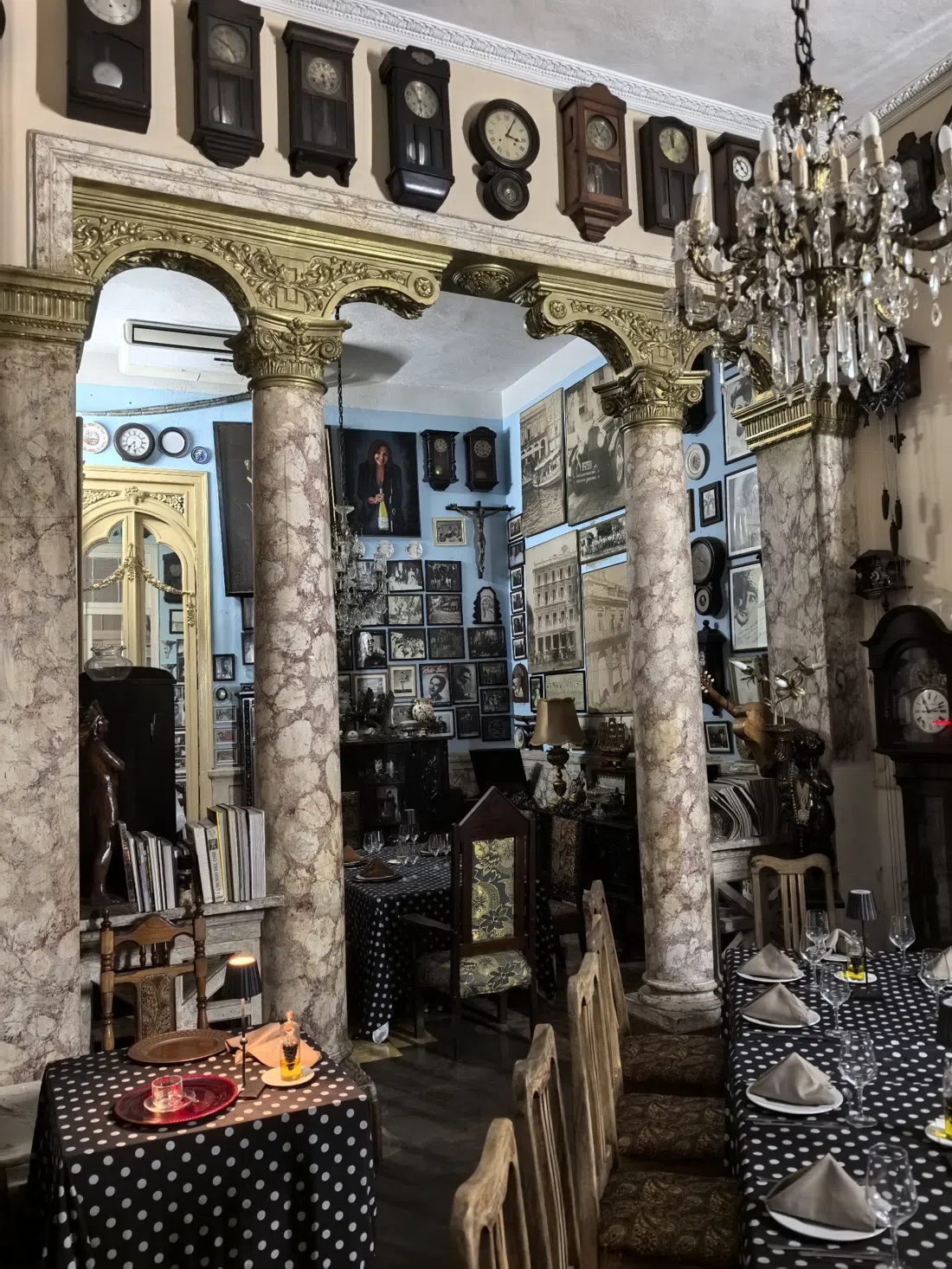
San Cristóbal Paladar (Centro Habana) is the one to hold for a bigger group: private rooms, live music and tables larger than most paladares can physically seat. Mains run roughly USD 8–14, Monday to Saturday, noon until midnight. It is closed on Sundays, which catches out more visitors than anything else on this list. The room is a dense clutter of photographs, santería figures and football shirts, which is the point, and the kitchen is considerably steadier than the street outside suggests.
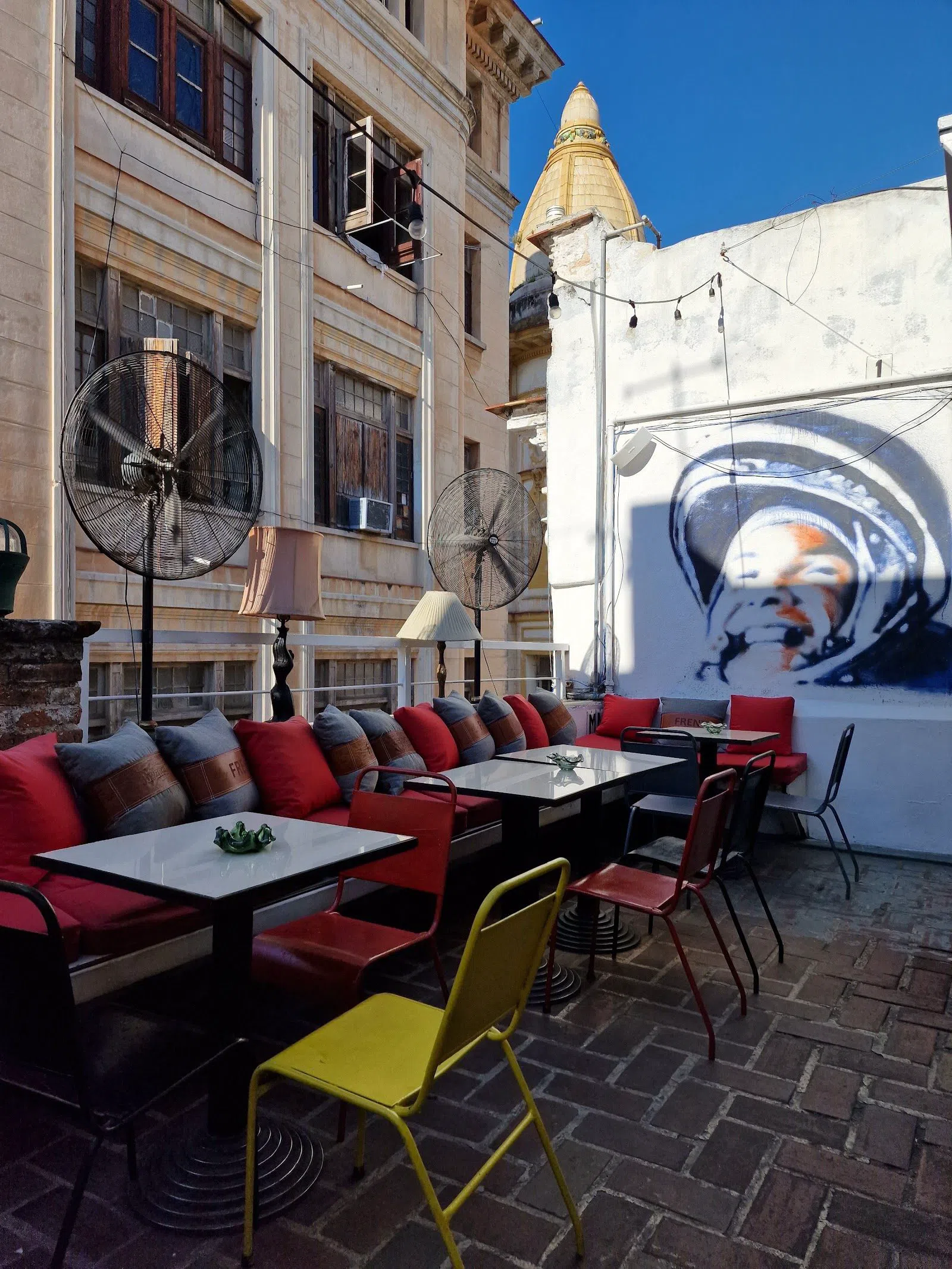
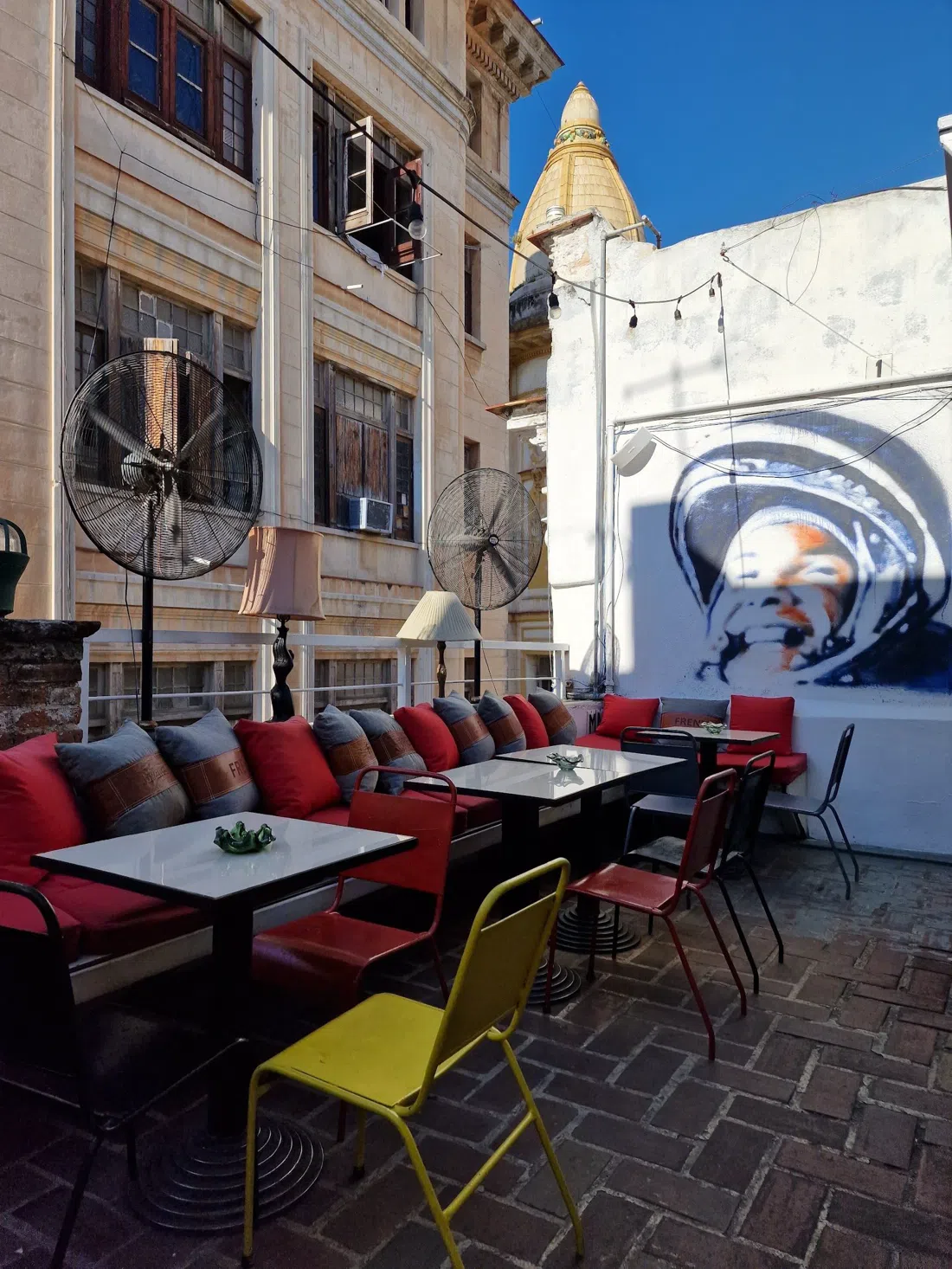
El del Frente (Habana Vieja, on O'Reilly) is the rooftop half of a pair run by the Imperatori brothers, the other being O'Reilly 304 across the street. This is the better first evening of the two: a walk-up terrace with plates at USD 8–14, open daily from noon to midnight. There are no proper reservations, so four people will be fine and six will be awkward. Go early in the evening and expect to spend the first half hour at the bar, which is no hardship.
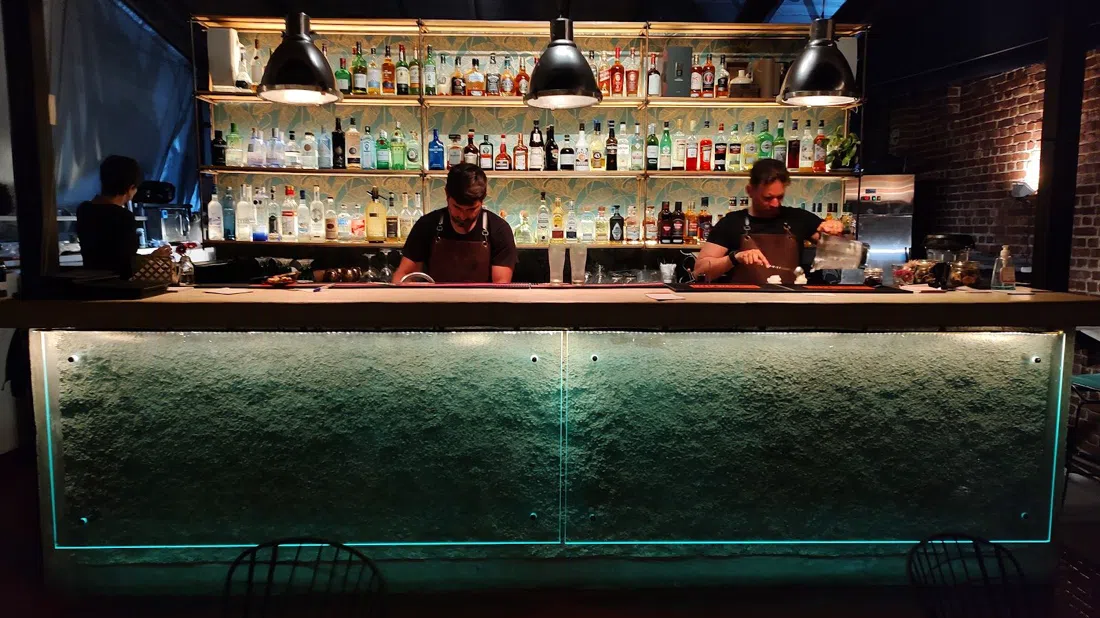
El Cocinero (Vedado, Calle 26) occupies the brick chimney of an old cooking-oil factory, with a terrace at the top and an events coordinator who genuinely handles private parties and corporate bookings. It is open daily, noon to midnight, mid-range Cuban and international food with proper cocktails. Worth knowing before you commit to the trip out there: the Fábrica de Arte Cubano next door has been shut since June 2026 with no announced reopening, so El Cocinero is now the only reason to make that journey, and it is still reason enough.
Terraces, beer and one landmark daiquirí
When the grid drops in the middle of a hot afternoon, the useful knowledge is which rooms have their own generators. El Surtidor Pool Terrace and Bar at the Gran Hotel Manzana Kempinski (Habana Vieja, above Parque Central) is the expensive answer: air conditioning that keeps working, a lavatory that flushes, and the best long view over the old town. It is open to all, not guests only. The cocktails are the priciest in Havana by some distance, and the terrace is big enough to absorb a group, though a party spread over the sun loungers will be asked to move to tables. Travellers holding a US passport should know the hotel sits on the US prohibited-accommodations and restricted-entity lists, which bars lodging there and complicates spending.
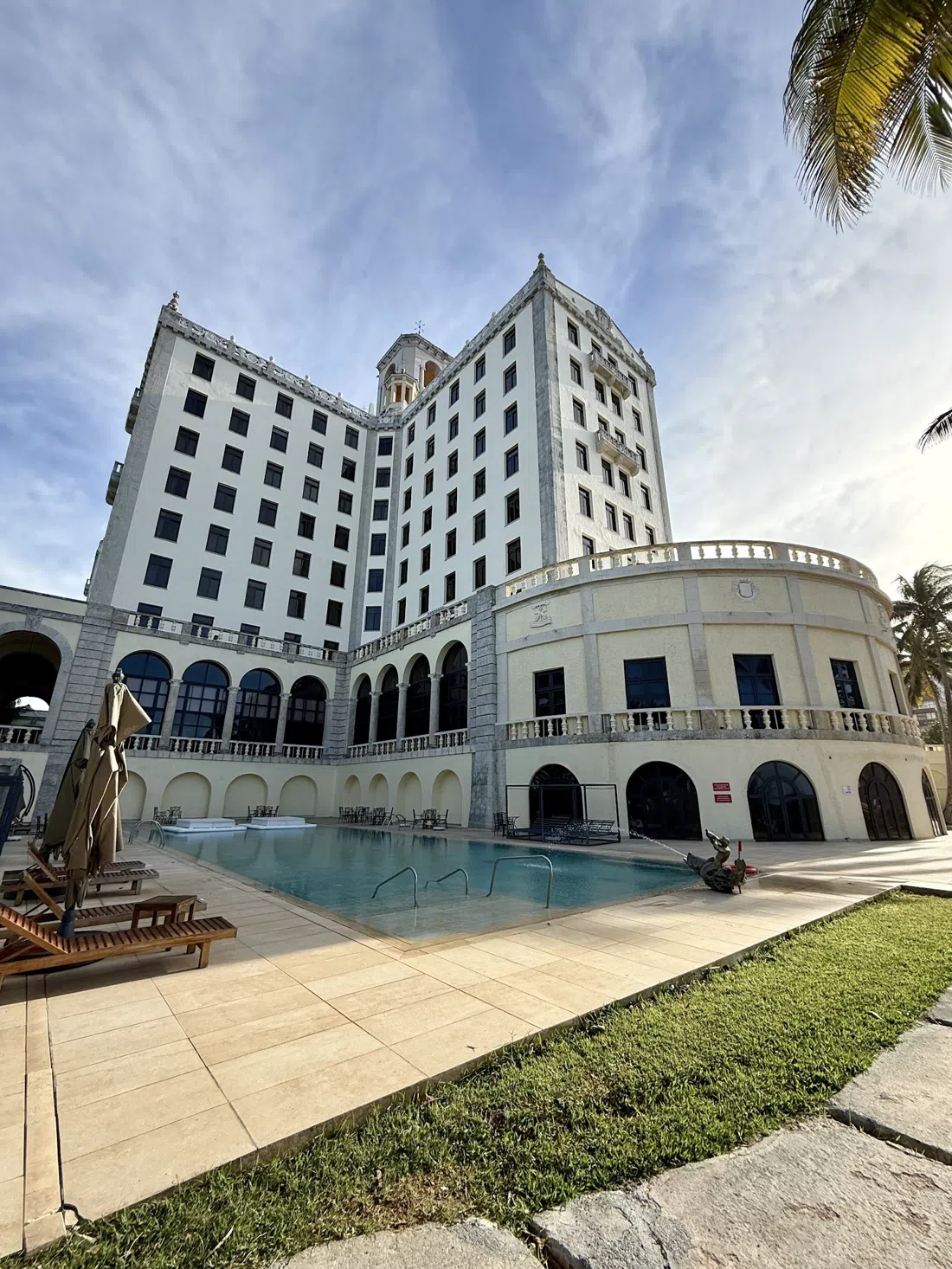
Hotel Nacional de Cuba (Vedado, on the bluff above the Malecón) is the cheaper and better-humoured version of the same trick. A mojito on the garden terrace costs what a mojito should, the walk-in lawn takes any number of people, and the staff are the single best source in the city on what is actually running today: which districts are dark, which roads are closed, whether the ferries are going. The same US restricted-list caveat applies. If you want a show without the coach-party premium, the Parisién's Habana de Fiesta runs Friday to Sunday from 21:00, show-only or show-plus-dinner.
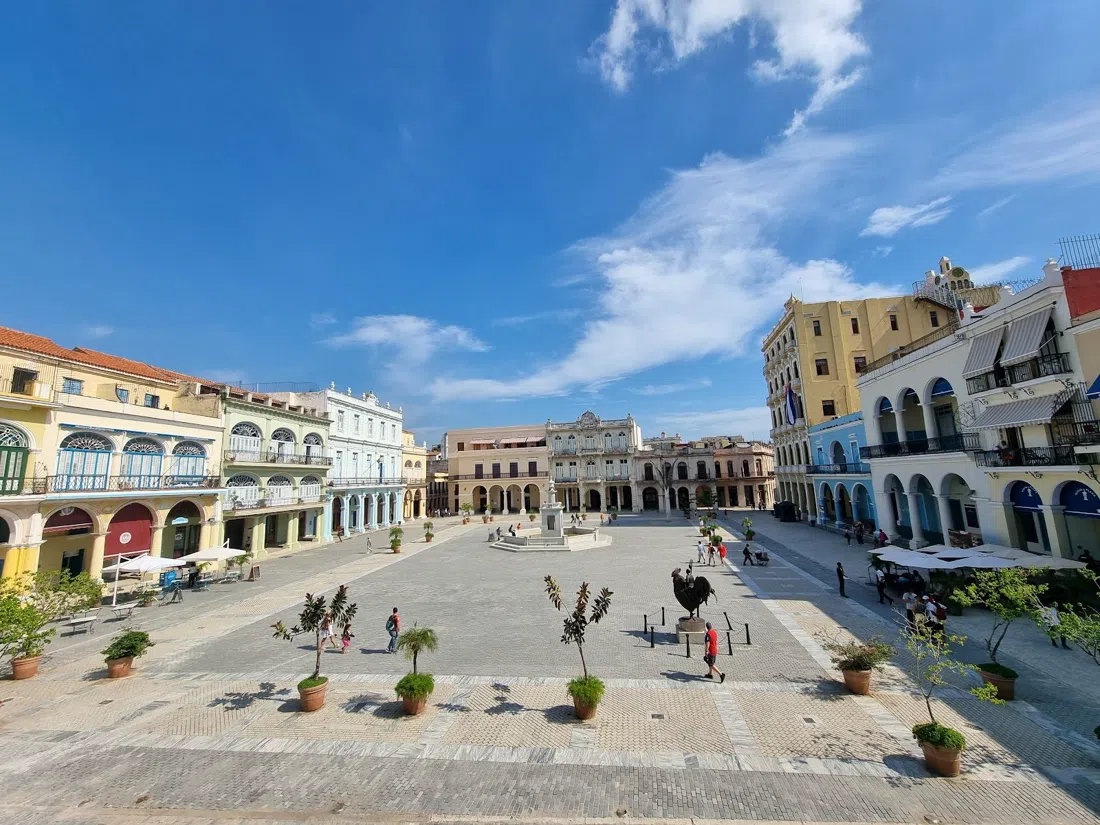
Factoría Plaza Vieja (Habana Vieja, on the square itself) brews its own light, dark and black beer on the premises, which is why it keeps serving when the bottled-drink shortages have emptied the shelves elsewhere. The metre-tall dispensers are built for sharing and a table of ten is entirely routine. It is the cheapest sit-down drinking on Plaza Vieja, loud, properly mixed between Cubans and visitors, with live bands most afternoons.
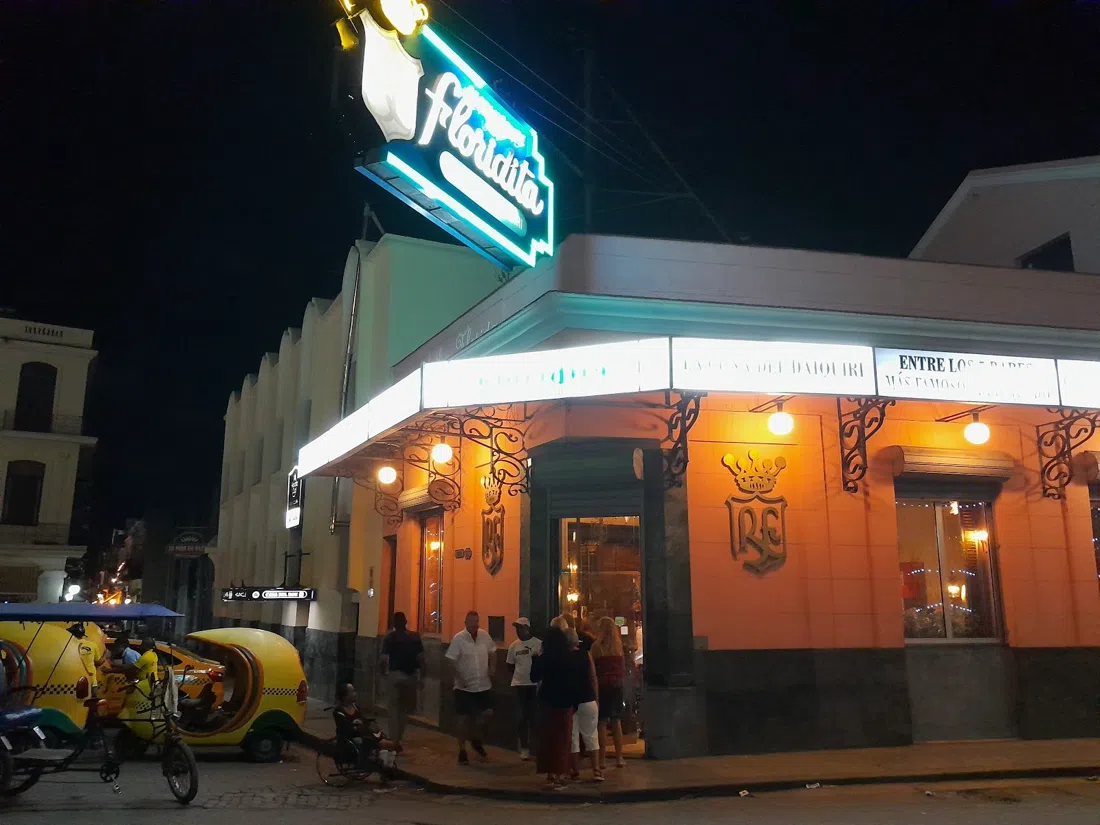
El Floridita (Habana Vieja, at the end of Obispo) is where the daiquirí was invented in 1817 and where it is now sold at about USD 7.50 a glass, frozen, from 11:30 to midnight daily. Its real value is that it is the most dependably open, air-conditioned bar in the old town, and it takes cards as well as cash more often than most. Tour groups arrive in waves, so a party of six should come before 13:00 or after 21:00 to get the bar rather than the back tables. Pay the landmark premium once, then go and drink better for less.
Where an afternoon goes when the plan collapses
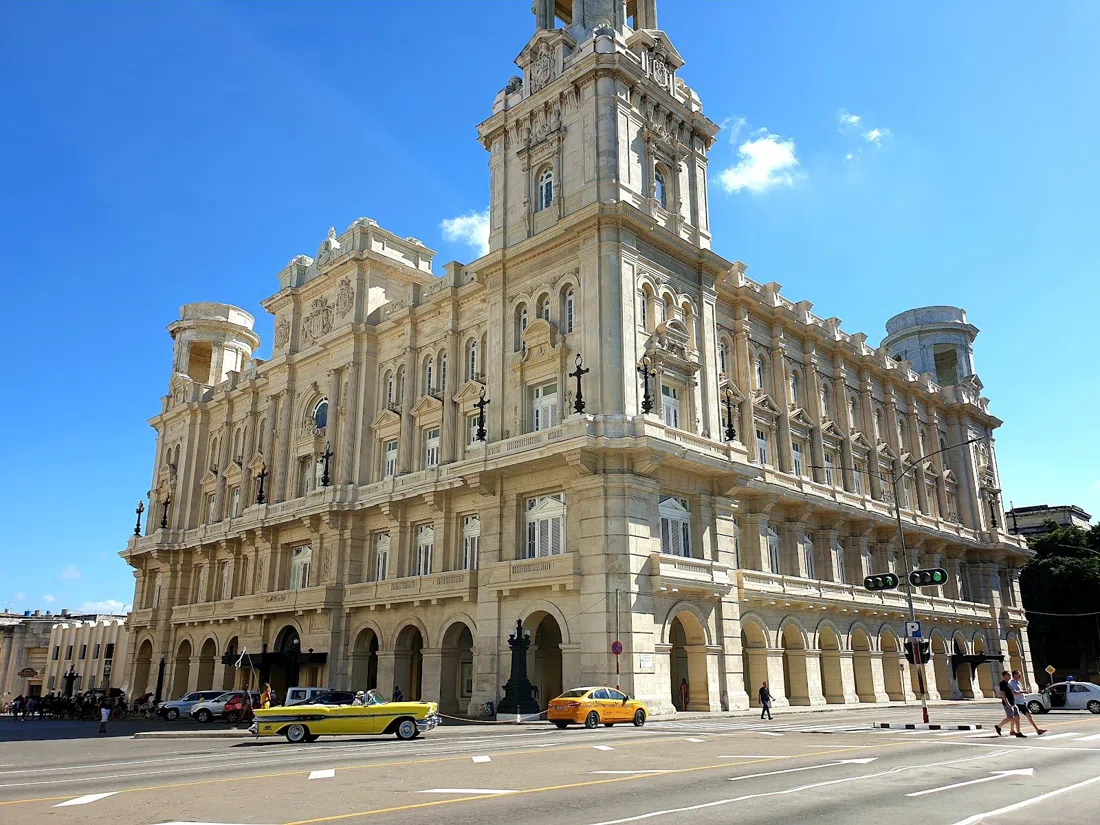
Every Havana trip needs a wet-weather, no-power, everything-fell-over reserve, and the Museo Nacional de Bellas Artes — Arte Cubano (Habana Vieja, a short walk from Parque Central) is the best one in the city. Two buildings on one combined ticket, a modest foreign-visitor price, Tuesday to Saturday 09:00–17:00 and Sunday 10:00–14:00. The Cuban collection is a genuine half-day and the single most rewarding indoor stretch here. Ask at the desk which floors are lit before you buy, because galleries are sometimes shut when power is short.
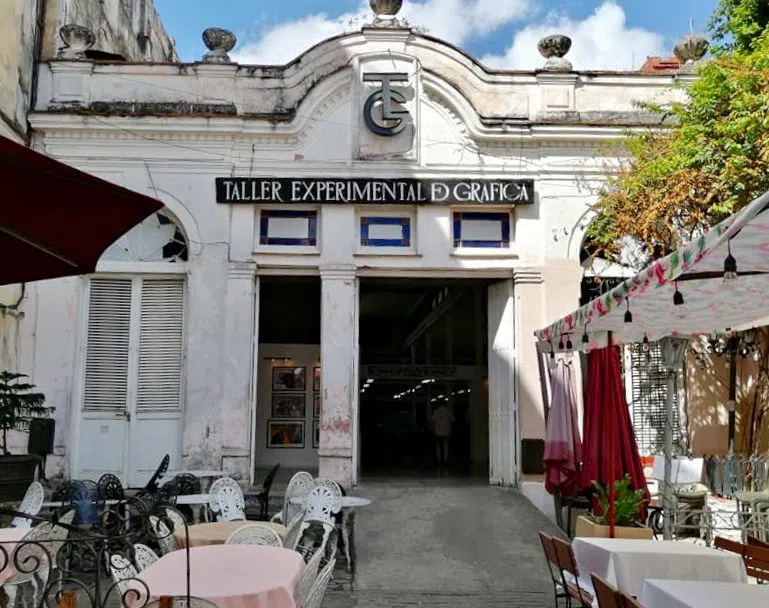
Ten minutes away, the Taller Experimental de Gráfica de La Habana (Habana Vieja, in the lane off Plaza de la Catedral) has been printing since 1962 and is still running exhibitions through 2026, weekdays roughly 10:00–17:00. Walking in is free; you will find presses in use, ink everywhere, and original signed prints starting at sums that embarrass the souvenir markets. The rooms are small, so a group should arrange an engraving master class in advance rather than turn up en masse. Buying a print here puts the money directly into the artist's hands.
Sunday morning in Cayo Hueso
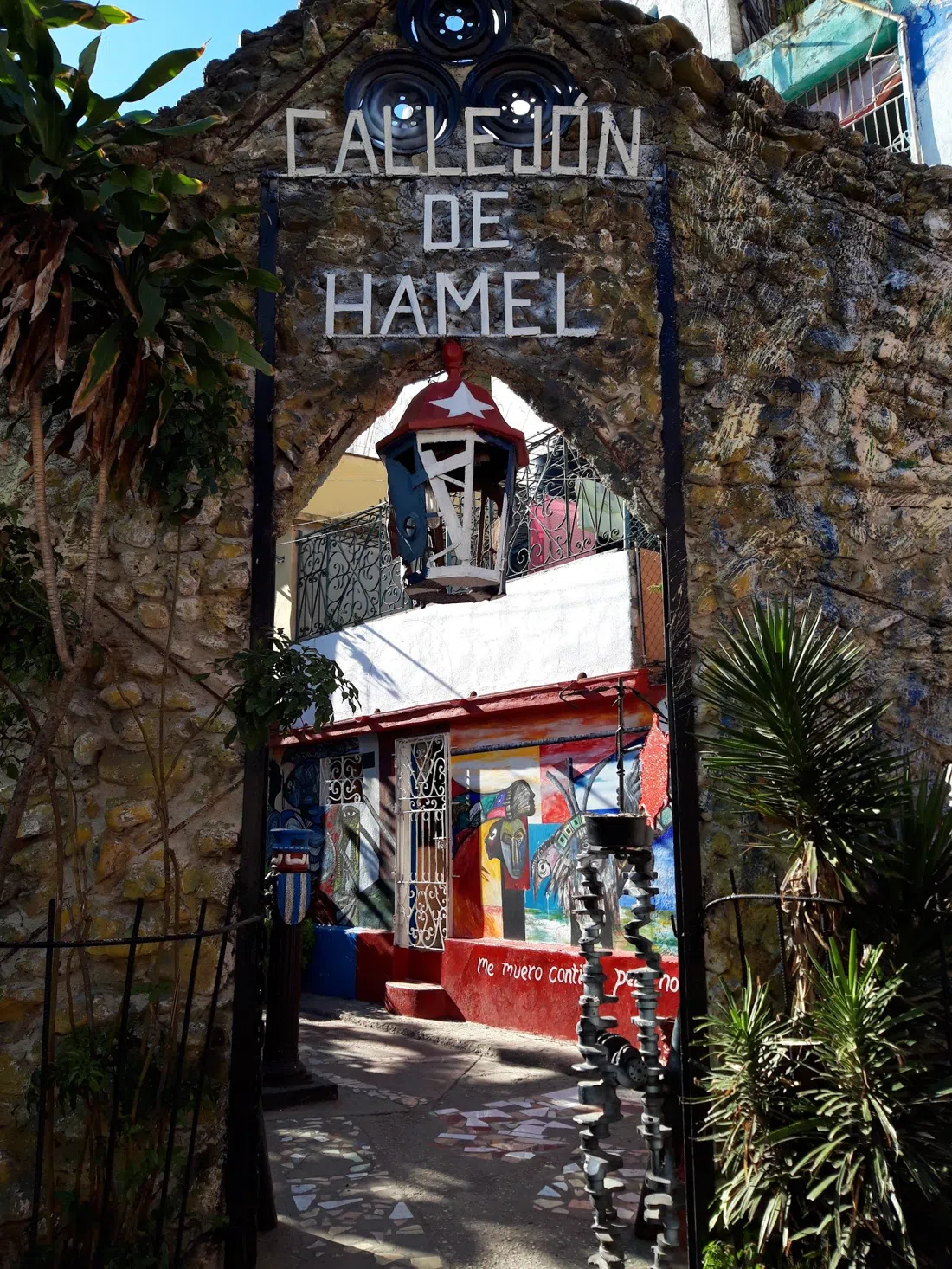
Callejón de Hamel (Cayo Hueso, Centro Habana) is free, open to the street, and the only fixed point in the week worth arranging your Sunday around. Salvador González began painting the alley in 1990 and died in 2021; the neighbourhood has carried the rumba on since, and it remains the real thing rather than a performance for a coach. Arrive before noon or you will spend the afternoon behind three rows of shoulders. A group simply joins the crowd. One caution: agree the price of any drink before it is poured, politely and firmly, because visitor pricing here is freehand.
The two nights you can genuinely book
Most evening plans in Havana are provisional. Cabaret Tropicana (Marianao, under the trees on Calle 72) is the exception, because it runs on its own power. Shows go Wednesday to Sunday with a 22:00 start, tables are sold by tier from about EUR 135 or USD 85–150 depending on the tier and whether dinner is included, and bookings can be rescheduled up to 24 hours beforehand, which is the flexibility you want here. Coach parties are standard and groups are easy. Be clear with yourself about what it is: open-air spectacle, feathers and a very good orchestra, not an evening out with Cubans.
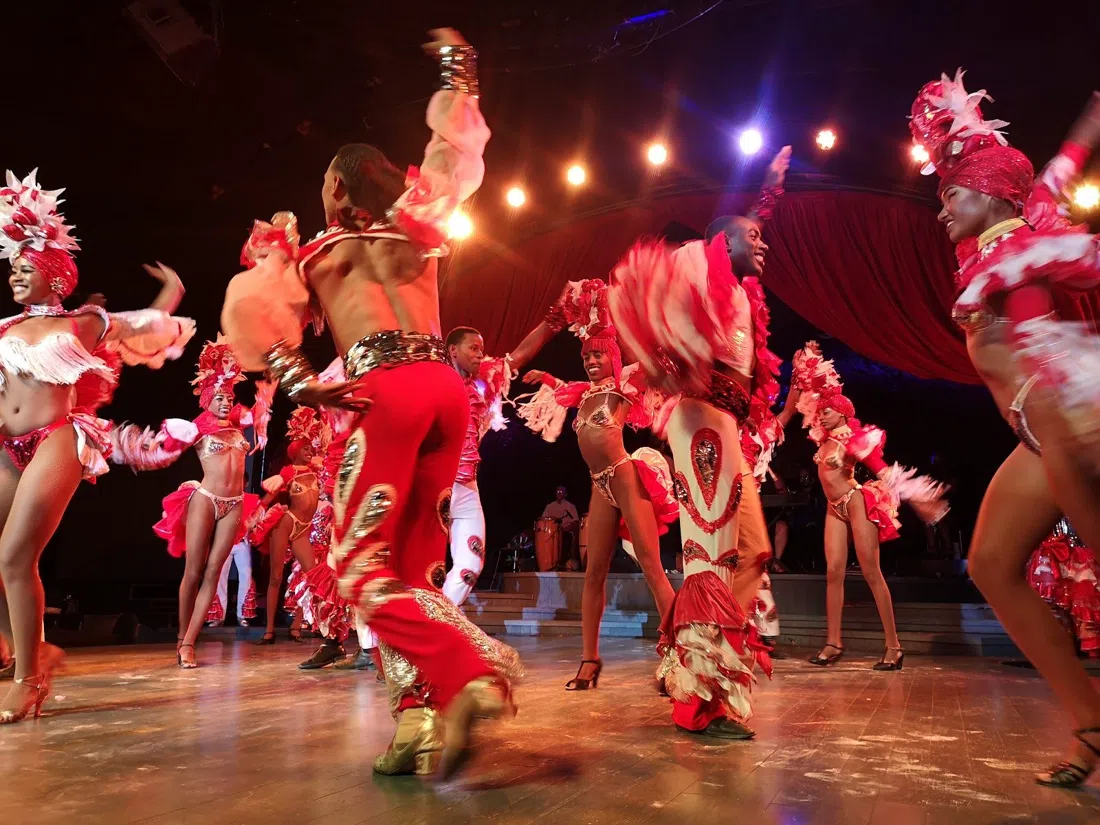
The other bookable night is the Nacional's cabaret, described above, at roughly half the money and a fifth of the scale.
Out of the centre on four old wheels
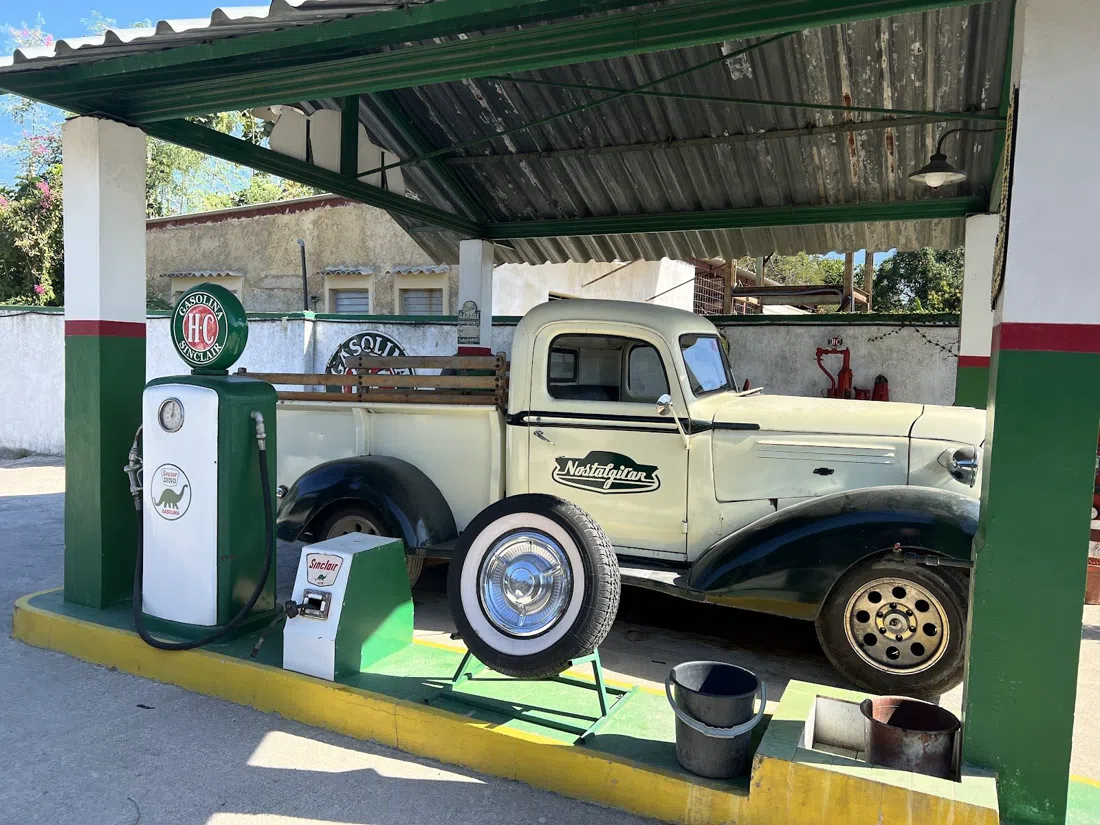
Fuel shortages make day trips the most fragile part of a Havana week, which is the argument for NostalgiCar (book direct by WhatsApp or through Airbnb Experiences). Julio Álvarez and Nidialys Acosta restore and maintain their own fleet, which is why their cars are still moving when parts and petrol are scarce. Four passengers per car, and they will run several in convoy for a larger group. They do hourly city drives up to full-day beach and countryside runs, and they take cash in pesos, dollars or euros. Check for the company logo before getting in: plenty of kerbside convertibles are neither insured nor roadworthy.
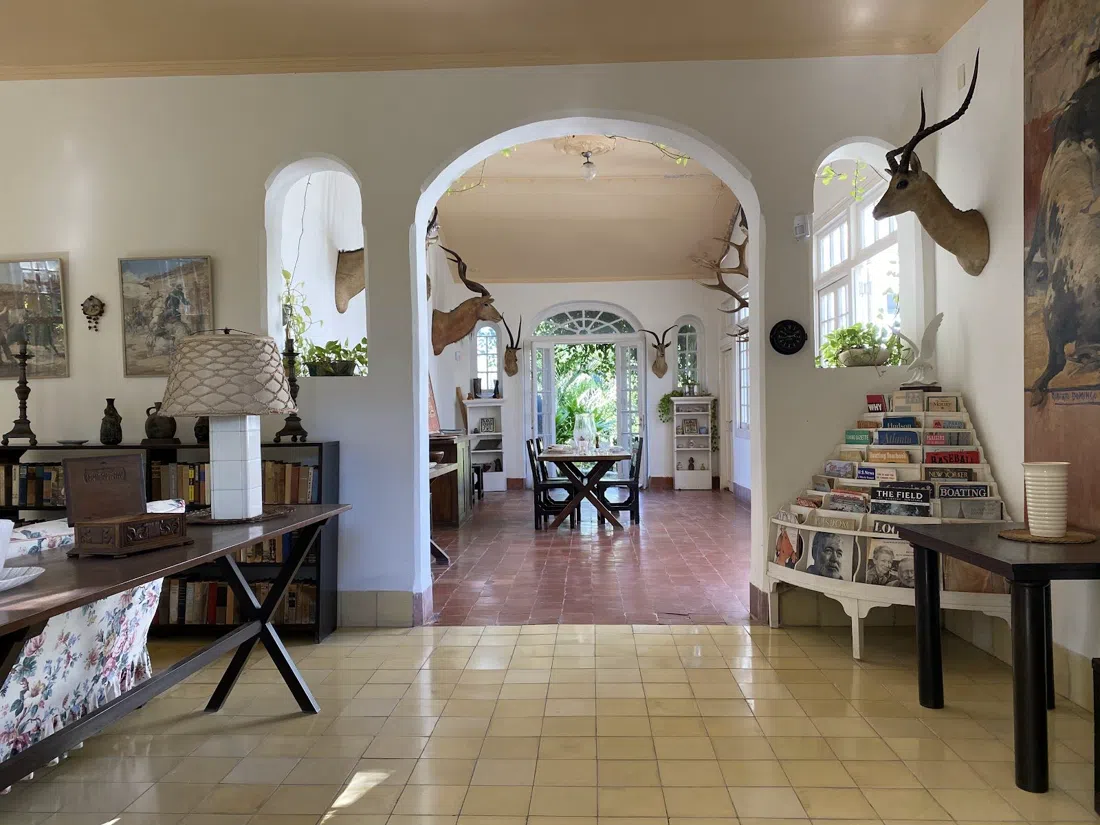
With a car already hired for the day, two destinations earn the mileage. Museo Hemingway Finca Vigía (San Francisco de Paula, fifteen kilometres out) is open Monday to Friday 10:00–17:00 and Saturday 10:00–16:00, closed Sunday, for a low peso ticket. Nobody goes inside the house; you look in through the opened windows and doors, so a group of twenty matters less than the weather does. Rain closes the shutters and there is then nothing to see, which makes it a good fair-weather reserve rather than a fixed booking.
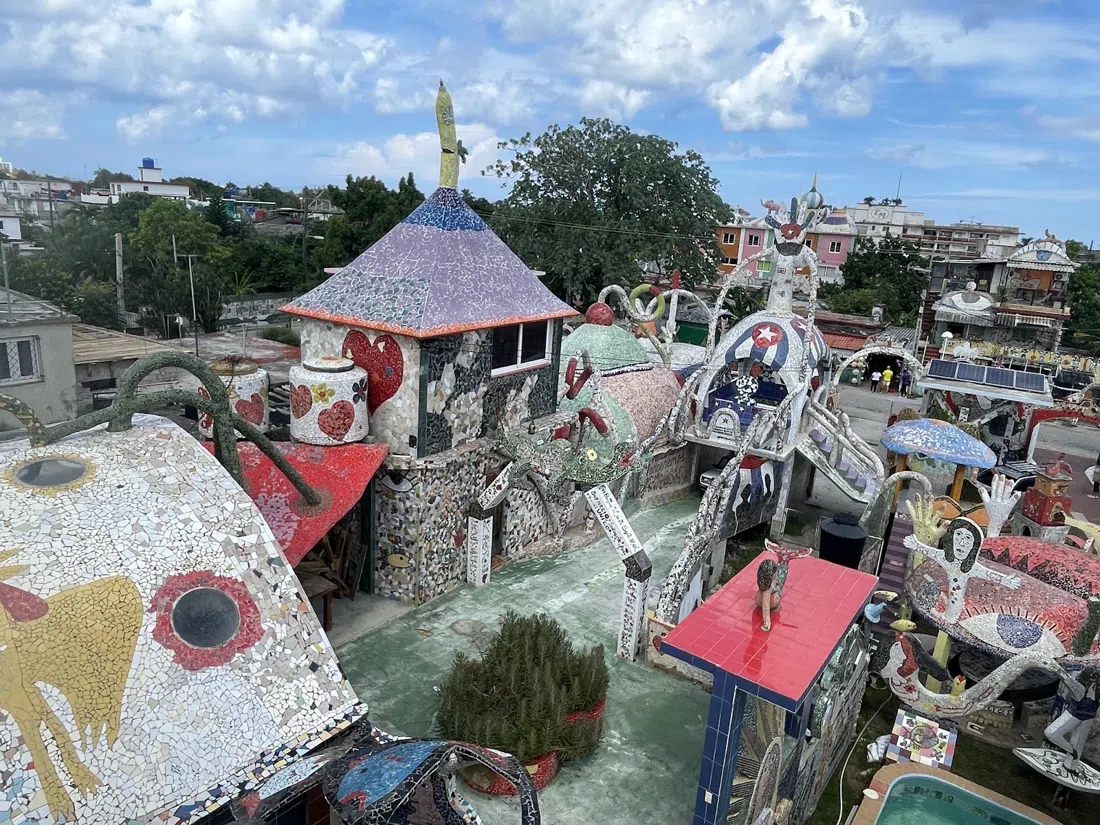
Fusterlandia (Jaimanitas, out past Miramar) is free and open to the street from morning until around 17:00. José Fuster is about eighty now and gets around on a mobility scooter, but the workshop and the neighbourhood tiling project are still running daily, spilling mosaic across garden walls, bus stops and doorways for several blocks. Buying a tile or a print is the expected exchange. Bring small notes, because there is nowhere out there to change money.
Why the size of your hotel matters here
A 400-room state hotel with a failed pump is a 400-room hotel with no showers. Paseo 206 Boutique Hotel (Vedado, on Paseo) has ten rooms, its own tanks and its own back-up arrangements, and copes with a water cut in a way the big houses cannot. A group of eight to twenty can take the whole house, which is the sensible way to book it; the Eclectico restaurant downstairs seats non-residents. Rates are small-luxury and meals are extra. The real dividend is that the staff will tell you honestly what is off today and what time it is likely back.
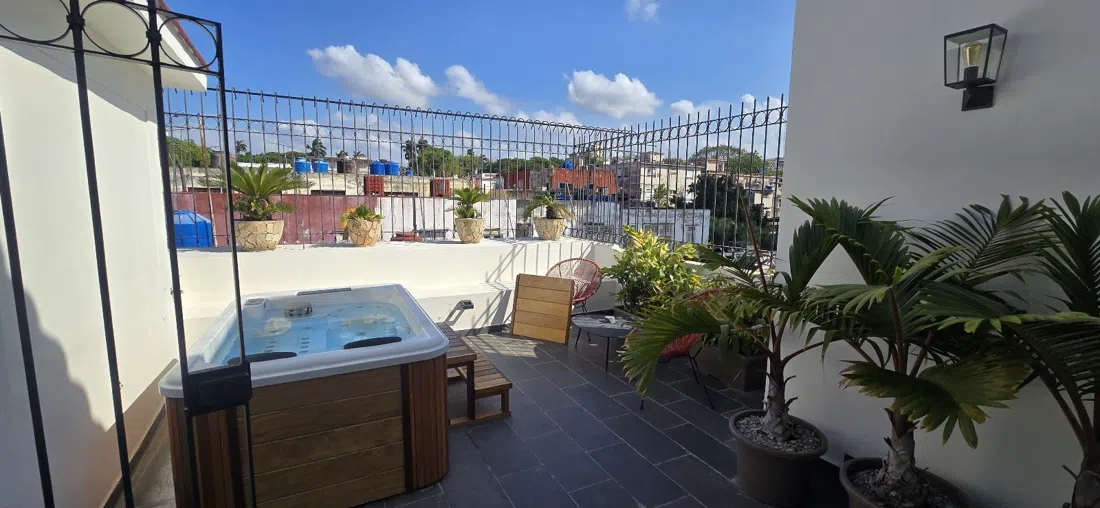
The same logic applies further down the price ladder: a well-run casa particular with a tank and a small generator beats a grander address without either. If you are comparing options, start with the Havana hotel search and filter for the small houses, then read the reviews specifically for the words water and generator. Our wider Havana guide covers the districts in more detail.
Who should come and who should wait
Come if you can hold a plan loosely, if a dark afternoon rerouted into a museum and a beer hall sounds like a decent day rather than a ruined one. Come if you are happy carrying a week of cash, walking a lot, and eating at 19:00 because that is when the kitchen has power. The reward is a city of extraordinary density and generosity, where the architecture, the music and the conversations are entirely undiminished by any of this.
Wait if your dates are short and your itinerary is rigid, if you need reliable air conditioning to sleep, if you depend on refrigerated medication or a powered medical device without your own battery, or if a failed card payment would strand you. None of those are pessimism; they are just the conditions.
Practical notes before you fly
Bring more cash than you think you need, in euros or US dollars, in a mix of small and large notes, and accept that you will not be able to draw more if it runs out. Cards fail routinely. Prices in restaurants are quoted in hard currency; street food, museum tickets and local transport run in pesos, and the informal exchange rate moves week to week, so change in modest amounts rather than all at once.
Fix a driver for the day rather than hunting one each time. It costs more and removes an entire category of failure. Habana Vieja, Centro Habana and the near end of Vedado are all walkable to each other; anything beyond needs a car.
Cuts are most common in the late afternoon and evening. Put your museum, your workshop visit and your long lunch in the morning, and hold the flexible things for after dark. Keep Sunday for Callejón de Hamel, and remember that Sunday also closes Finca Vigía and San Cristóbal.
A modest day of beer hall, street food, museum and a paladar dinner lands around USD 60–80 a head. Add a cabaret and a hired car and you double it. The gap between the cheapest and most expensive drink in this article is roughly tenfold, and the cheap end is often the better evening.
Pack a power bank, a head torch, a refillable bottle with a filter and a downloaded offline map. Nothing else on the packing list matters half as much.
Questions
How often does the power go out in Havana, and do restaurants close when it does?
Load shedding is routine and rolls by district, so an area may be dark for two hours or for most of the day, and the morning's schedule is a forecast you should not count on. Most restaurants stay open on generators with a shorter menu and no ice. La Guarida, Cabaret Tropicana and the Gran Hotel Manzana Kempinski's rooftop are the most reliably self-powered addresses here, and Factoría Plaza Vieja brews on site, so it keeps serving when bottled stock runs out.
Can I pay by card in Havana or do I need to bring cash?
Assume cash. Card machines need both power and a working connection, and they fail often enough that no plan should depend on them. Bring euros or US dollars in a mix of denominations, including small notes for Fusterlandia and Callejón de Hamel, where there is nowhere to change money. El Floridita is one of the more dependable places for a card to work. NostalgiCar takes pesos, dollars or euros, cash only.
What happens to the water when the power goes out?
Pumps and roof tanks supply the buildings, so a long outage stops the tanks refilling and taps run dry within a day or two. Small houses with their own reserves cope far better than large hotels. Paseo 206 has ten rooms, its own tanks and back-up arrangements, which is the profile to look for. When your accommodation is dry, the Kempinski rooftop and the Hotel Nacional garden terrace both have working lavatories.
Can travellers with a US passport use the Kempinski rooftop or the Hotel Nacional?
Both properties are on the US prohibited-accommodations and restricted-entity lists, which bars US travellers from staying there and complicates spending money on the premises. The lists are revised, so check the current version before you go. Nothing on them affects the paladares, Factoría Plaza Vieja, the museums, the print workshop, Callejón de Hamel or Fusterlandia, which are privately run or public.
What should I do with an afternoon when the plan falls apart?
Keep two walkable reserves. The Museo Nacional de Bellas Artes (Arte Cubano) is the best indoor half-day in the city, open Tuesday to Saturday 09:00 to 17:00 and Sunday 10:00 to 14:00, though ask which floors are lit. The Taller Experimental de Gráfica nearby is free to enter on weekdays and worth an hour. Finca Vigía is the opposite case, an outdoor visit where rain closes the shutters, so save it for a clear morning.
First published on thehavanaguide.com, the Havana guide.