You board at Central still inside the city: noodle steam drifting up from the lower deck, a trolley bag wedged against the rail, the towers stacked behind the gangway. Twenty-five minutes later the skyline has gone soft and grey in the haze and a concrete pier is coming up on the bow with a dog asleep on it. The islands run slower than the city, and the distance between the two speeds is one ferry ticket.
Where the ferries actually leave from
The Outlying Islands piers run in a numbered row west of the Star Ferry, and the walk out to them is under cover almost the whole way. From Hong Kong Station take Exit A2 up into the mall and follow the elevated walkway west; from Central Station, Exit A puts you on the same bridge. Allow ten minutes from the platform, fifteen the first time, because the signs send you one level higher than instinct says they should.
Pier 4 is Lamma. Pier 5 is Cheung Chau. Pier 6 is Peng Chau and Mui Wo on Lantau. Pier 9, a little further along the waterfront, is where the private restaurant shuttle boats tie up.
You tap through the gates with an Octopus card or buy a paper ticket at the window. Fares step up on Sundays and public holidays, which is why every price here is a range rather than a number. Fast ferries cost more and save fifteen to twenty minutes; ordinary ferries take longer and have an open deck at the stern, and on a clear afternoon that deck is worth more than the time it costs you.
The timetable will shape your day far more than the fare does. Sailings thin out in the evening on the smaller routes, and there is no night bus off an island, so the last boat really is the last boat. Photograph the return times on the pier board before you walk away from it. Everything below assumes you did. If you are still deciding where to base yourself between island days, the rest of our Hong Kong guide covers the city side of the harbour.
Walking Lamma from one pier to the other
The Lamma Island Family Trail (Lamma, Yung Shue Wan to Sok Kwu Wan) is the simplest trade of city for village anywhere in the territory, because there is a ferry pier at each end: you walk in one direction and never double back. It is roughly five kilometres, an hour to ninety minutes at a wandering pace, concreted the whole way, with no steps at all, flat enough for a stroller, which almost nothing else on this list is. It is free and there is nothing to book.
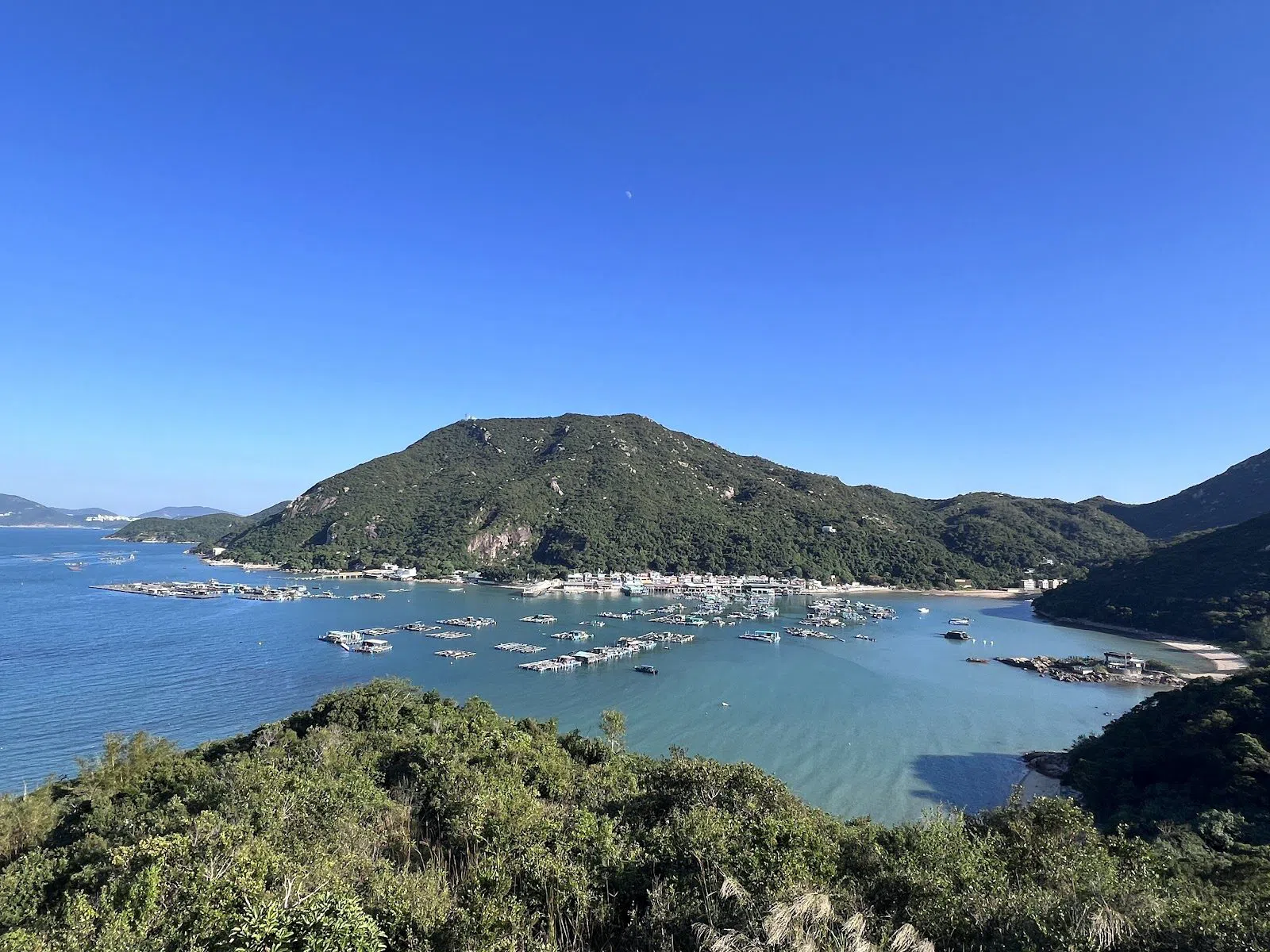
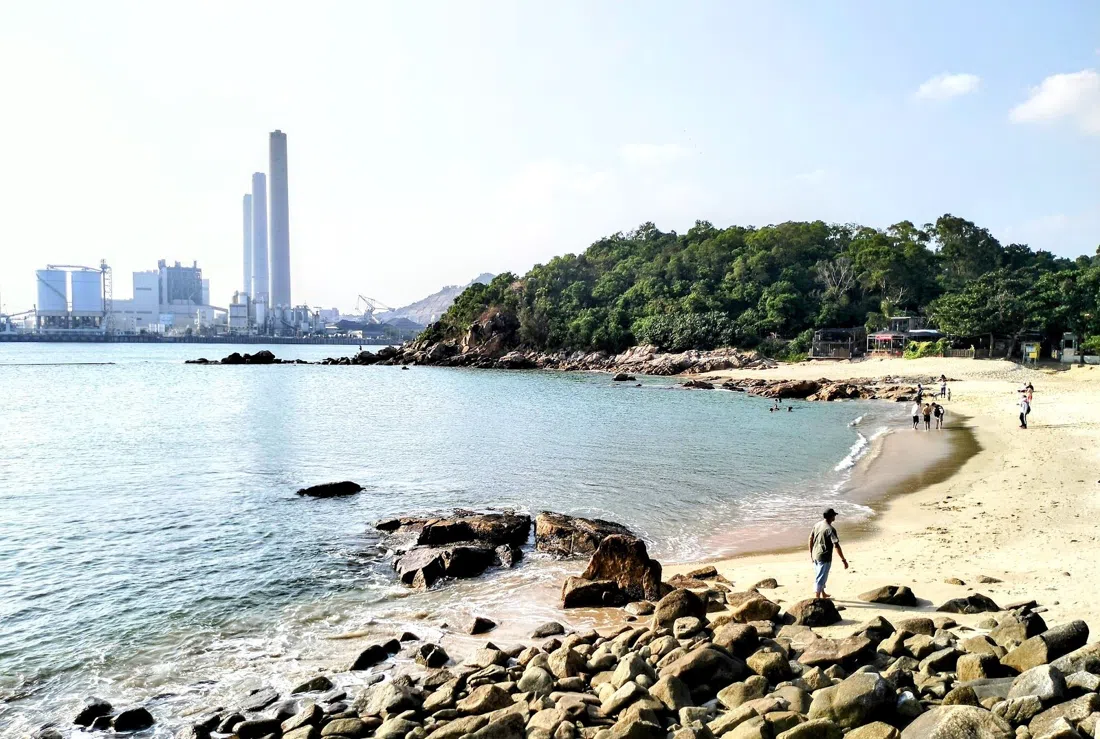
Go in at Yung Shue Wan, where the ferry from Pier 4 costs HK$20–28 each way. The village is one lane of bookshops, dive gear, vegetarian cafés and hardware shops, and it ends before you have quite finished looking at it. Then the path climbs gently out the back, past allotments and unhurried dogs, and yes, you will walk within sight of the power station chimneys. People warn you about them. They are part of the view and the view is still good.
About twenty minutes along you drop to Hung Shing Yeh Beach (Lamma, south of Yung Shue Wan), the most facility-backed swim on any of the outlying islands: lifeguards, showers and changing rooms through the April–October season, and barbecue pits that are gone by mid-morning on a weekend. If a barbecue is the plan for a big party, arrive early or accept that you are eating somewhere else.
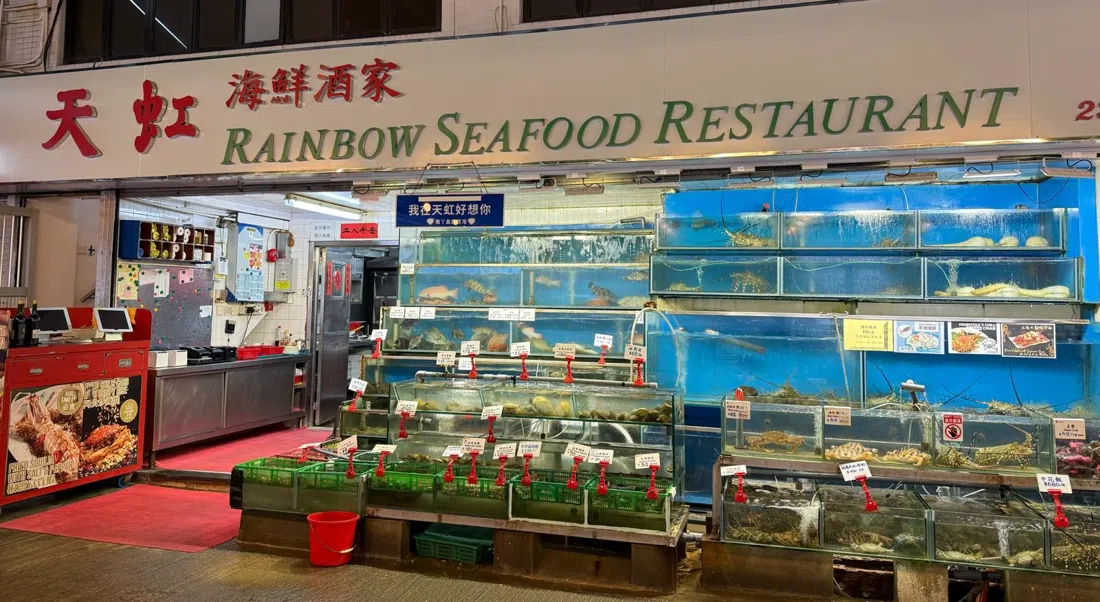
You come down into Sok Kwu Wan hungry, which is rather the point. Lamma Rainbow Seafood Restaurant (Sok Kwu Wan, on the waterfront) is around 850 seats of banquet hall on the water, with set menus priced by party size and a private VIP room carrying a minimum spend of roughly HK$8,000. Reckon on HK$200–400 a head. It runs a free shuttle boat for diners from Central Pier 9, Tsim Sha Tsui, Aberdeen and Cyberport, so reserve the boat when you reserve the table and the whole evening becomes one phone call. It is superb for a loud table of twelve and not remotely intimate. Book ahead in summer.
Cheung Chau moves at bicycle speed
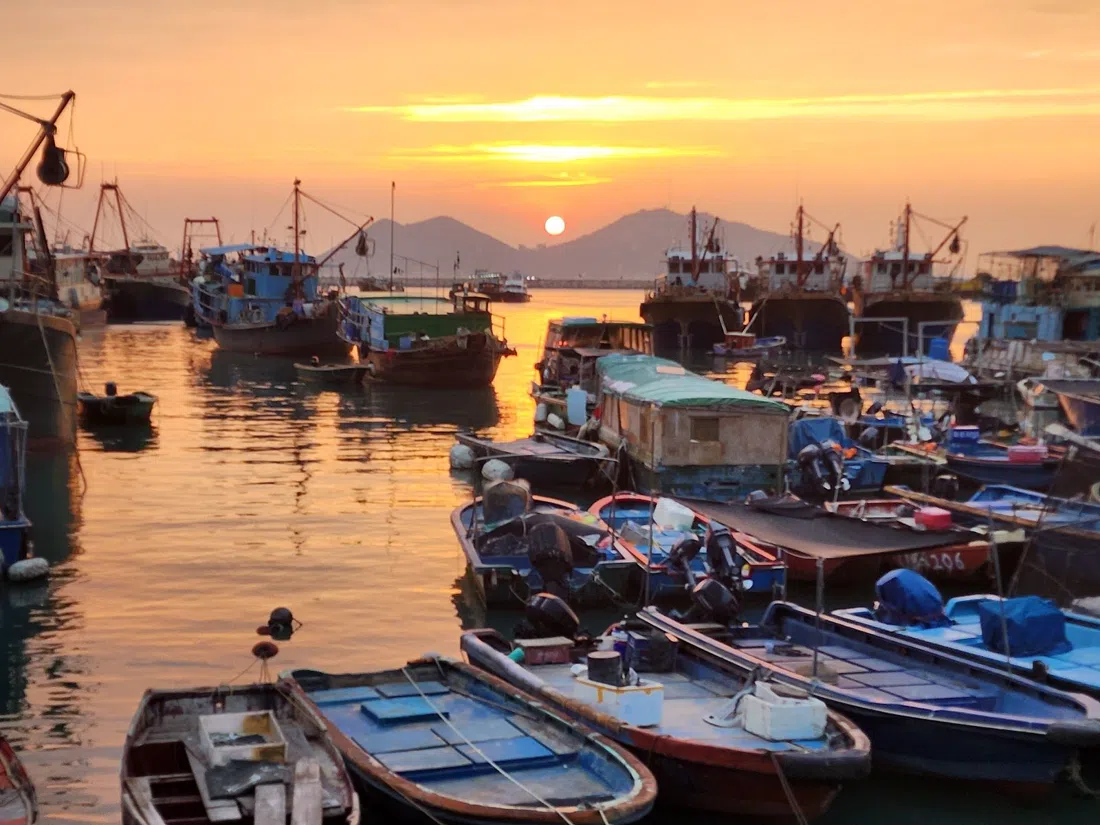
Cheung Chau village and the Praya (Cheung Chau, straight off the ferry) has no cars on it, and that one fact changes how the island sounds. You get bicycle bells, hawkers, mahjong tiles and the slap of water against the typhoon shelter, and nothing else. The ferry from Pier 5 runs HK$14–37 depending on class and day, and the fast boat is about half the crossing time of the ordinary one.
Hire a bike on Tai Hing Tai Road, two minutes from the pier. The shops take walk-ups, keep enough machines for a group, and charge about HK$50–100 for the day. Ride south along the harbour and out to Cheung Po Tsai Cave, a pirate's hideout in name and a narrow scramble in practice, so bring a torch and skip it in sandals, then loop back via the Pak Tai Temple. Bring cash. Most of the island does not take cards, and the ATMs cluster near the pier.
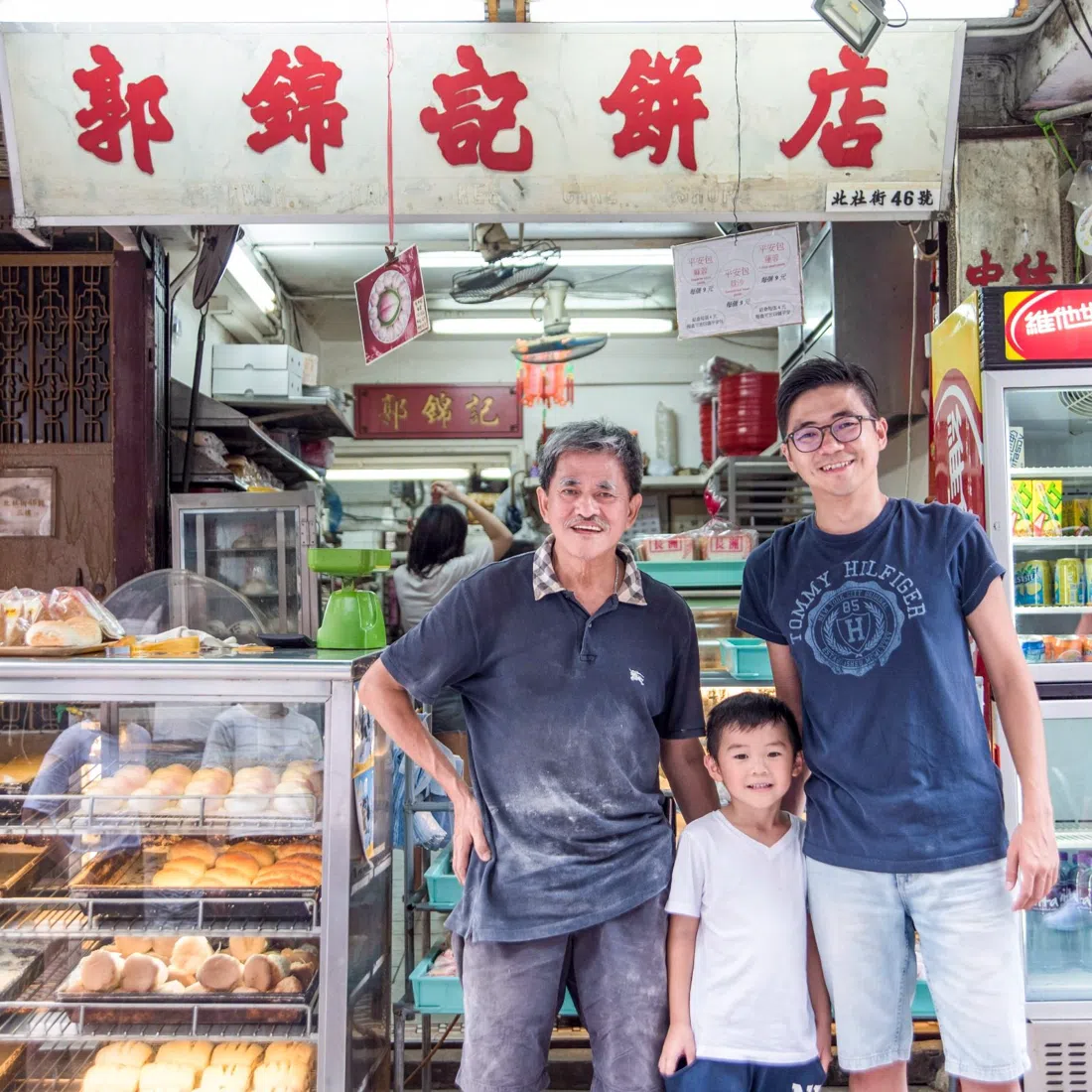
Time your morning around Kwok Kam Kee Cake Shop (Cheung Chau, near the Praya) badly and you will miss the thing you came for. Founded in 1972, it is the official bun supplier to the Bun Festival and turns out more than 60,000 of them for it; the lotus, sesame and red bean ping on buns come out of the oven around 2pm. Morning visitors get the shelf, not the batch. It is a takeaway counter with no seating, fine for buying forty for a crowd, but it is a queue rather than a destination.
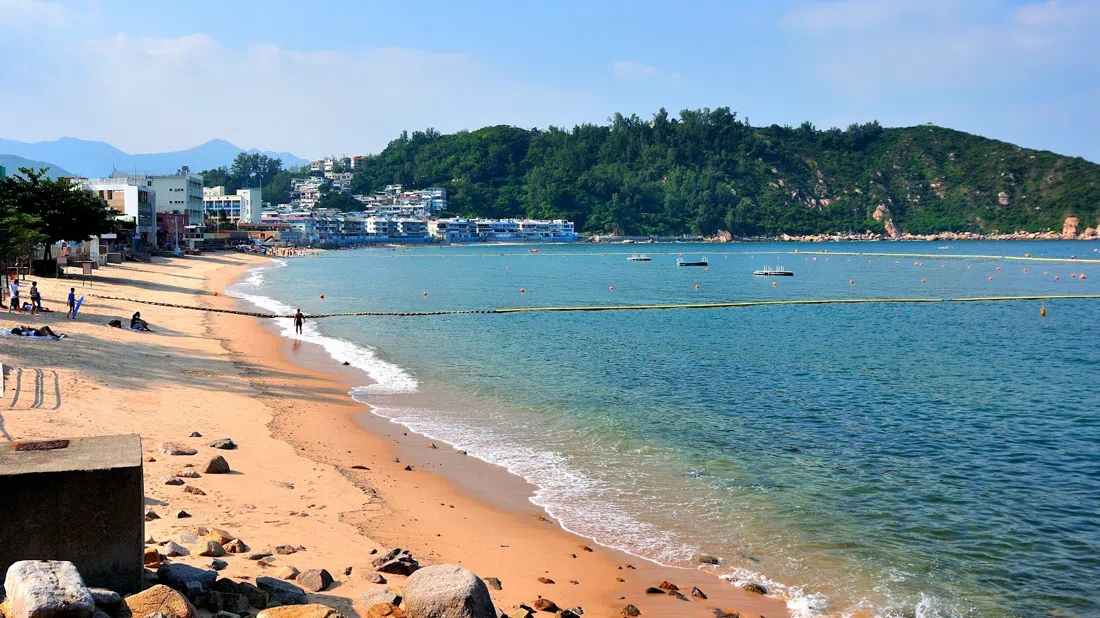
Tung Wan Beach (Cheung Chau, five minutes east of the pier) is a flat walk straight across the island's waist, which is exactly why it works: you need no transport and no plan to get there. It is also mobbed on summer weekends, so treat it as a half-day add-on rather than the reason for the trip.
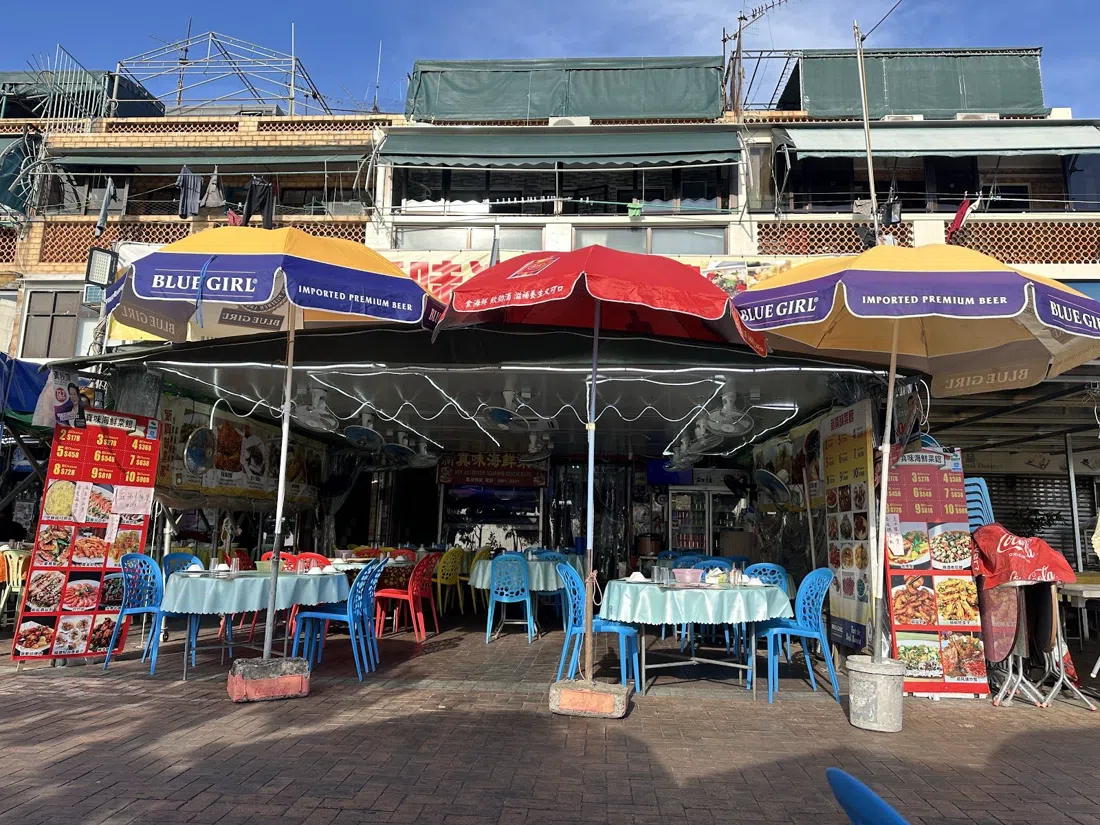
For dinner, New Baccarat Seafood Restaurant (Cheung Chau, Seafood Street) is five minutes from the ferry, with roughly 300 seats and tables built for ten. It cooks what came off the boats moored in front of it, prices at HK$150–300 a head, and gets properly full on a summer Saturday, so pre-book by phone on 2981 0606 and ask for a table on the water side. Two of you will still eat well; you will just be eating in the middle of somebody else's family reunion.
Tai O and the houses on stilts
Tai O (Lantau, the island's western tip) is the last continuously settled fishing village in Hong Kong, more than a century old and still working: nets drying, shrimp paste curing in the sun, salt fish hanging in doorways above tin-roofed houses on stilts over the tidal channel. It is free to walk and there is no gate, which is precisely the problem at weekends, when the boardwalks jam solid and the smell of the drying racks gets lost in the crowd. Go on a weekday if you can possibly arrange it.
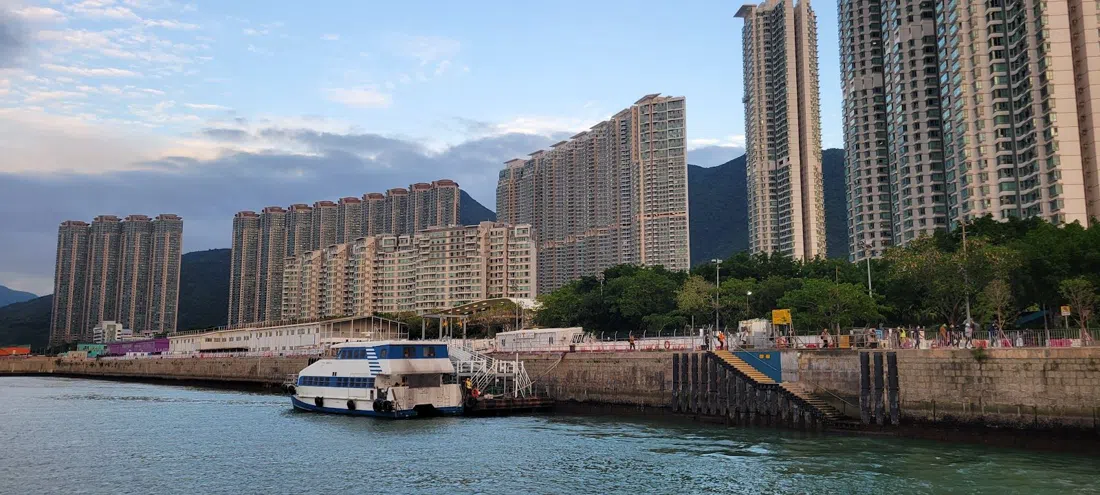
Getting there without a tour is easy and takes about an hour from the MTR. Tung Chung Station, Exit B, then New Lantao Bus 11 to Tai O, roughly fifty minutes of coastal road with the airport off to your right. Alternatively, take the ferry to Mui Wo from Pier 6 and pick up bus 1 at the pier-side terminus.
Sampan operators work the channel continuously with 20–30 minute trips at about HK$25–30 a person, and they will fill several boats back to back for a group, so a party of fifteen is not a problem. The boat noses out past the stilt houses and into open water looking for pink dolphins. Take the trip for the houses seen from the water and the run out through the channel mouth; if the dolphins show, count it as luck. They are never a guarantee, and nobody can honestly promise you one.
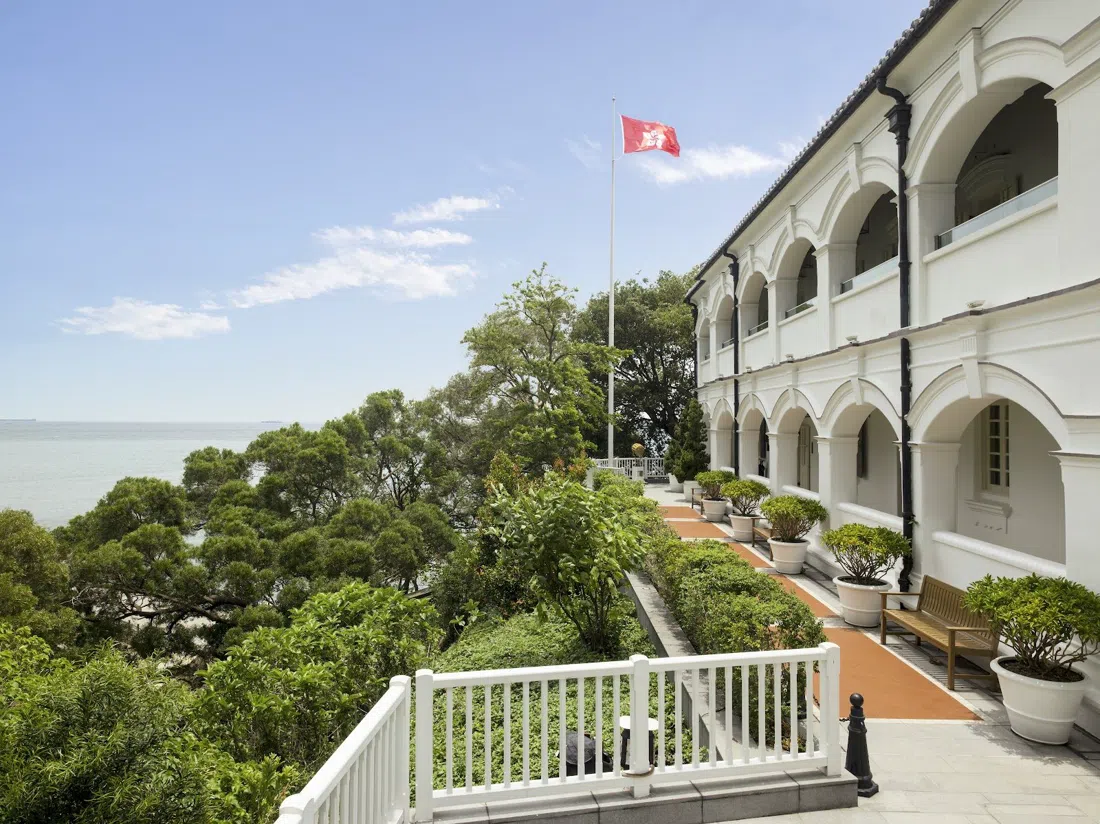
Up the slope behind the village, Tai O Heritage Hotel (Tai O, on the headland) was built in 1902 as a colonial police station guarding this shore against pirates, and it is now nine rooms and a glass-roofed restaurant, the Tai O Lookout. Nine rooms means small parties only if you want to stay, at HK$1,800–3,000 a night, but the Lookout takes reservations on 2985 8383 and handles larger lunch and afternoon-tea groups, with mains around HK$150–300. It is worth the walk up even if you never see a bedroom.
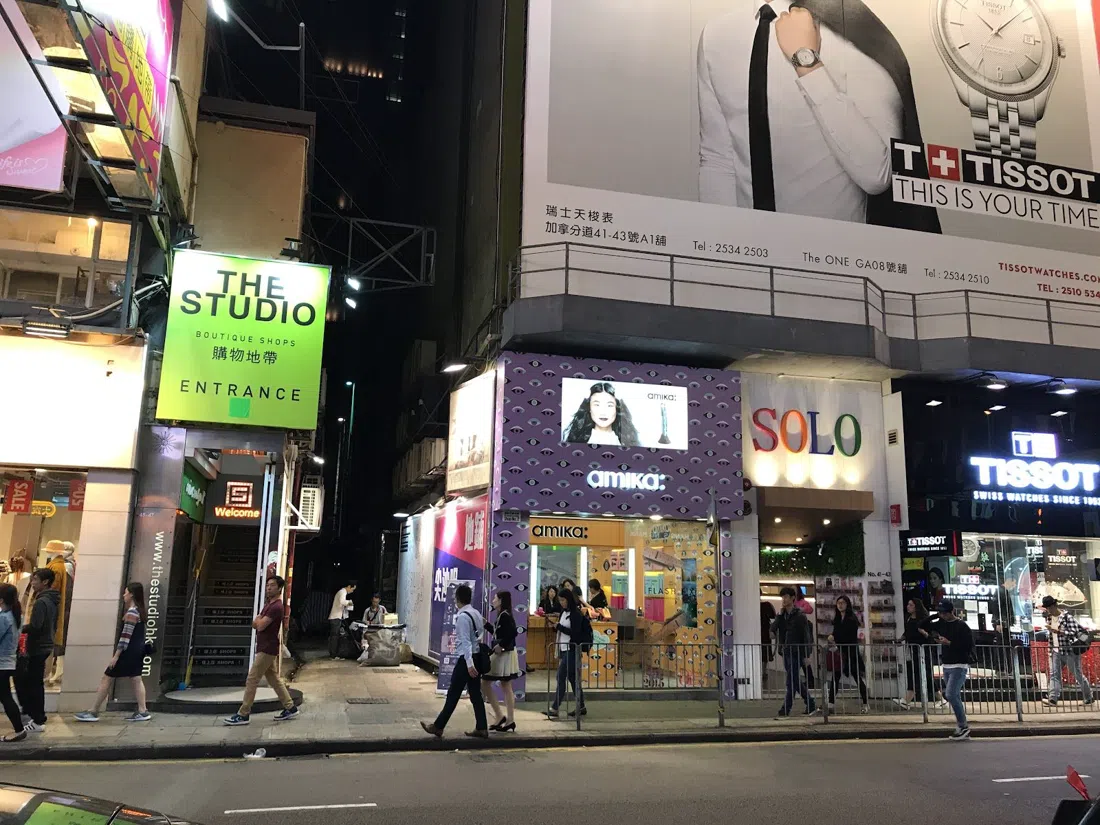
Down in the village, Solo (Tai O, 86–88 Kat Hing Street) is the one place where you can sit out over the water with a coffee rather than filing past it. It is tiny, a handful of tables with long waits at peak, so it is perfect for two and hopeless for eight, at HK$50–100 a head. Open 11:00–18:00 Monday to Saturday, closed Sundays.
The Buddha at the end of the bus line
From Tai O, bus 21 climbs to Ngong Ping in about twenty minutes, which lets you stack the village and the plateau into one day without backtracking to Tung Chung.
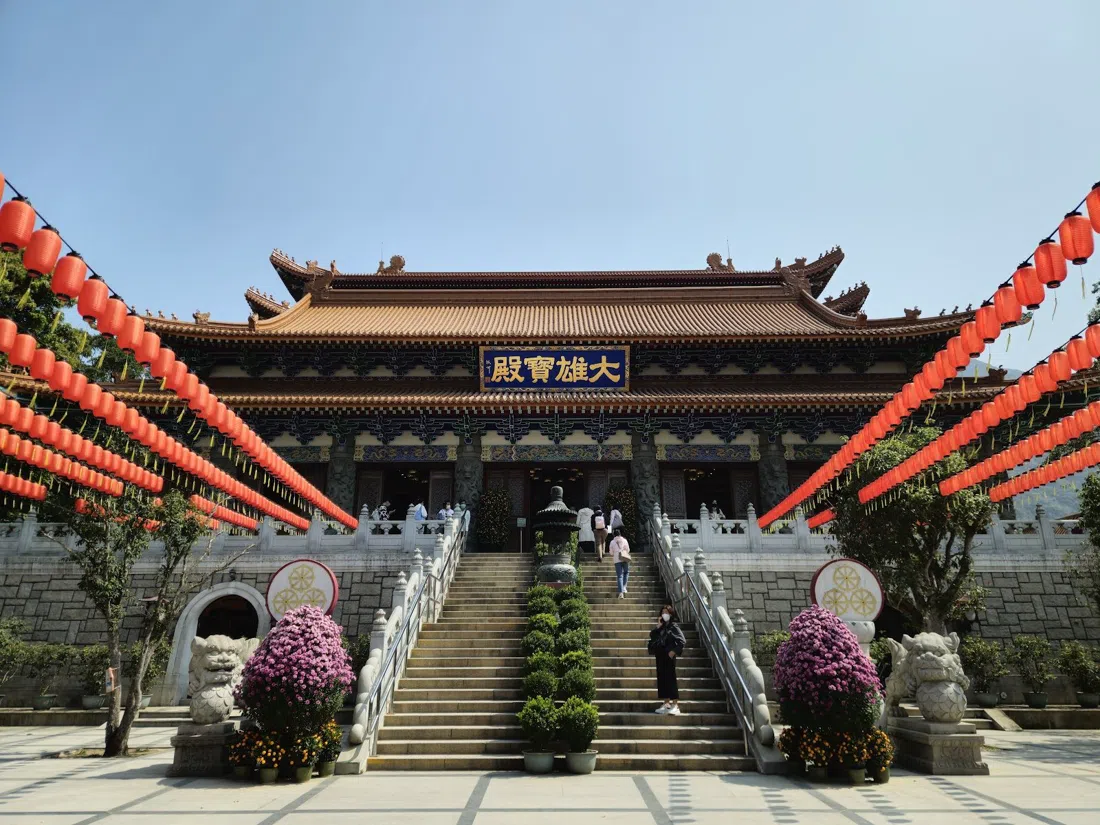
Po Lin Monastery and Tian Tan Buddha (Ngong Ping, Lantau) was founded in 1906 and is still a working monastery rather than a monument to one. Entry to the grounds is free; the 268 steps up to the seated bronze Buddha are the only real effort of the day. The vegetarian kitchen runs 10:30–16:30 and seats large parties on meal tickets, first come first served, at roughly HK$130–200 a ticket, which includes the museum inside the Buddha's base. Know this before you build a day around it: the Wisdom Path nearby has been closed for refurbishment since June 2025 and is only expected back late in 2026.
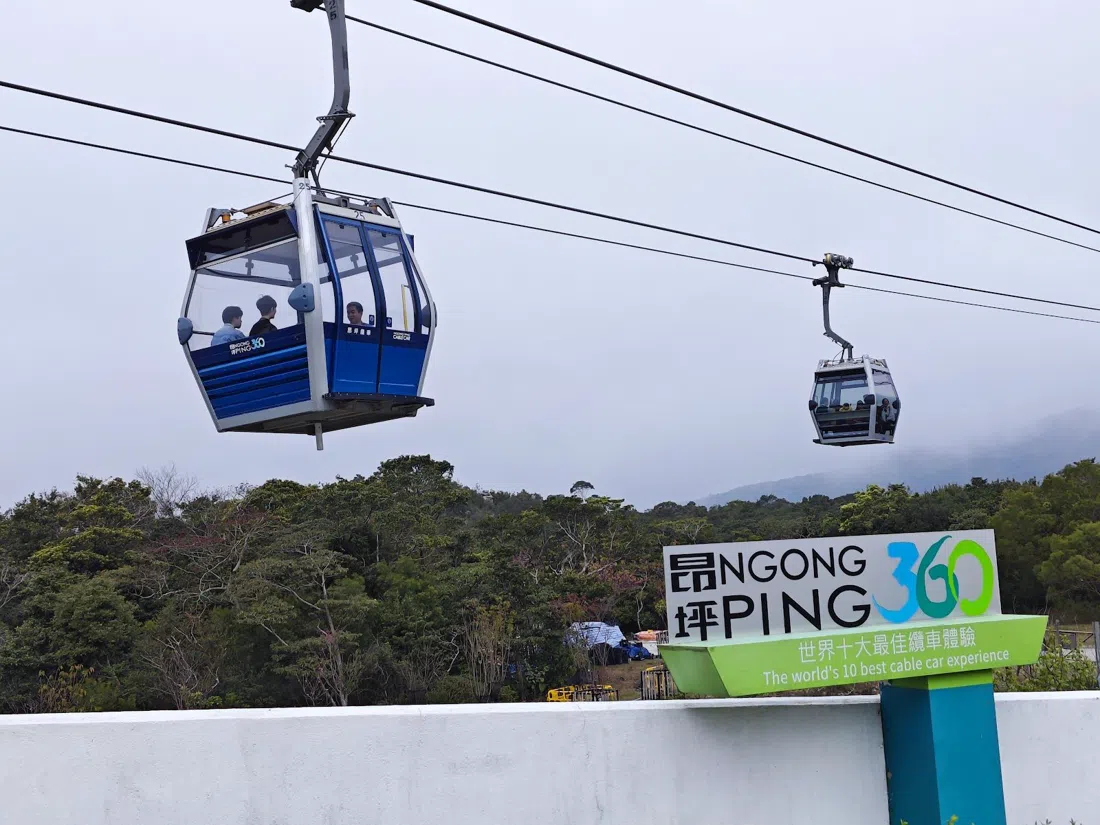
Come down on Ngong Ping 360 (Tung Chung, Lantau), the cable car that runs twenty-five minutes between the plateau and Tung Chung MTR. A standard adult round trip is about HK$295, with promotional fares often well below it, and at weekends you should book a timed slot online unless you enjoy the pier-side queue. Check the operator's site for scheduled maintenance days, when the cable car stops but the village stays open. Taxi drivers at Tung Chung will offer to drive you up instead. I took that road once, in rain, and I am not going to describe the ridge to you on the strength of a windscreen: ride the cable car or take the 23 bus and see it properly.
Islands for a second or third day
Peng Chau (Peng Chau, 30–40 minutes from Pier 6, about HK$20 each way) is the least touristed of the easy islands and the one I send people to when they have already done Lamma. An hour covers Finger Hill and the old factory site, and Kee Sum Cafe, going since 1970, makes the prawn toast people cross the harbour for. The cafés are small and many cut their hours midweek, so check before a weekday trip and split a group across two or three of them rather than trying to sit twelve anywhere.
Treasure Island Beach Club, Pui O (south Lantau) exists for a reason most visitors do not expect: a herd of feral water buffalo that wanders between the paddocks and the sand. The club is the only organised thing at Pui O and it is unapologetically built for volume, with groups of 50 to 100, corporate days, buffets, cabanas, camping, and kids' surf and adventure camps. Budget HK$150–350 a head for food and drink, packages on request, and book directly, because the hours lean heavily to weekends.
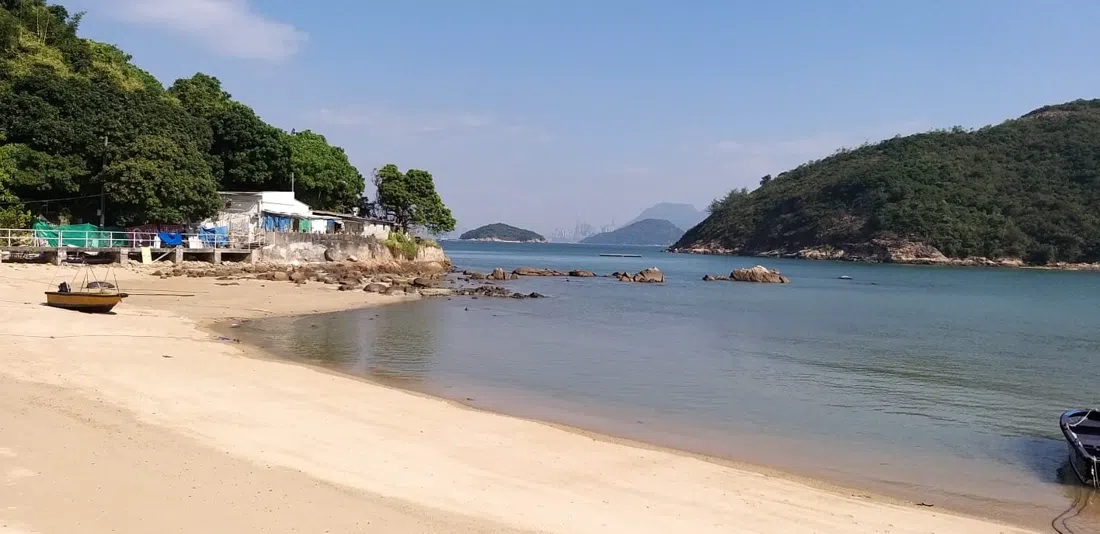
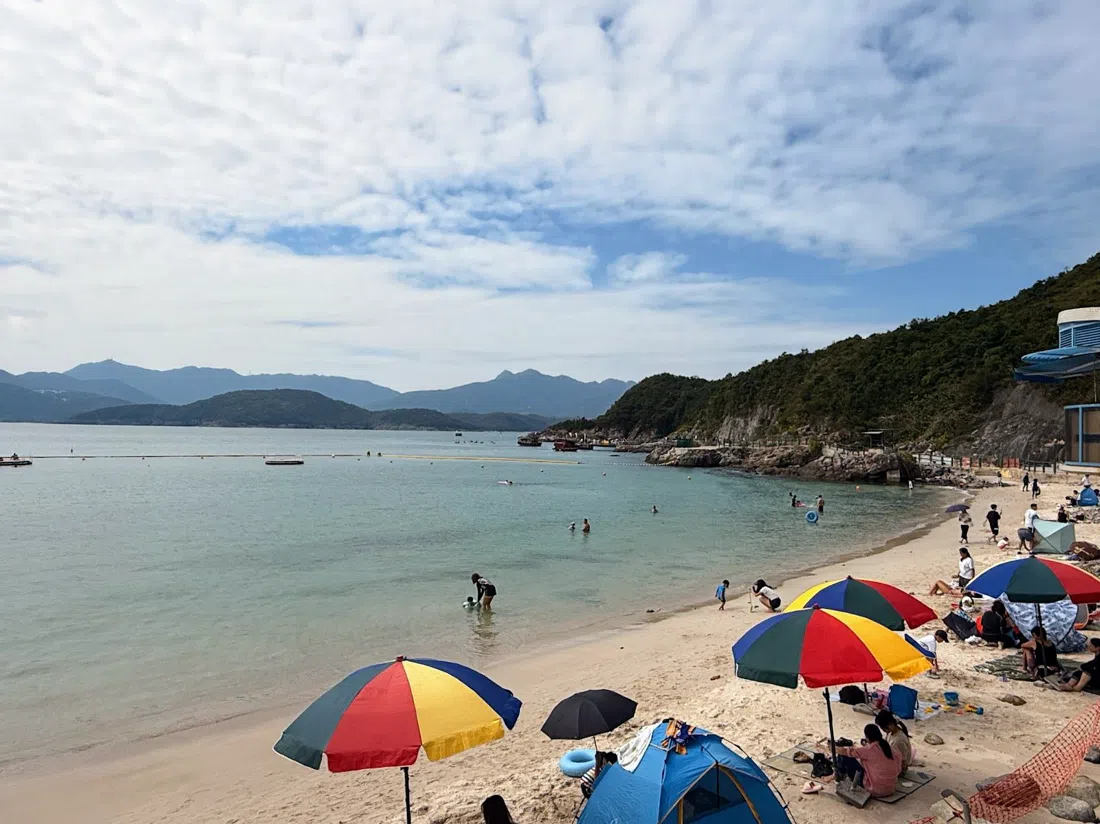
Sharp Island (Kiu Tsui Chau) (Sai Kung) sits ten to fifteen minutes offshore inside the UNESCO Global Geopark. Get to Sai Kung town first: Choi Hung MTR, Exit C2, green minibus 1A, then take a sampan from the public pier. They run roughly every 15 to 30 minutes between 9am and 6pm, cost HK$30–40 return and take cash on the spot, which makes moving a group over in relays straightforward. The draw is the gravel land bridge to the islet, and it only surfaces when the tide drops below about 1.4 metres. Check the tide table or you will simply have gone to a beach.
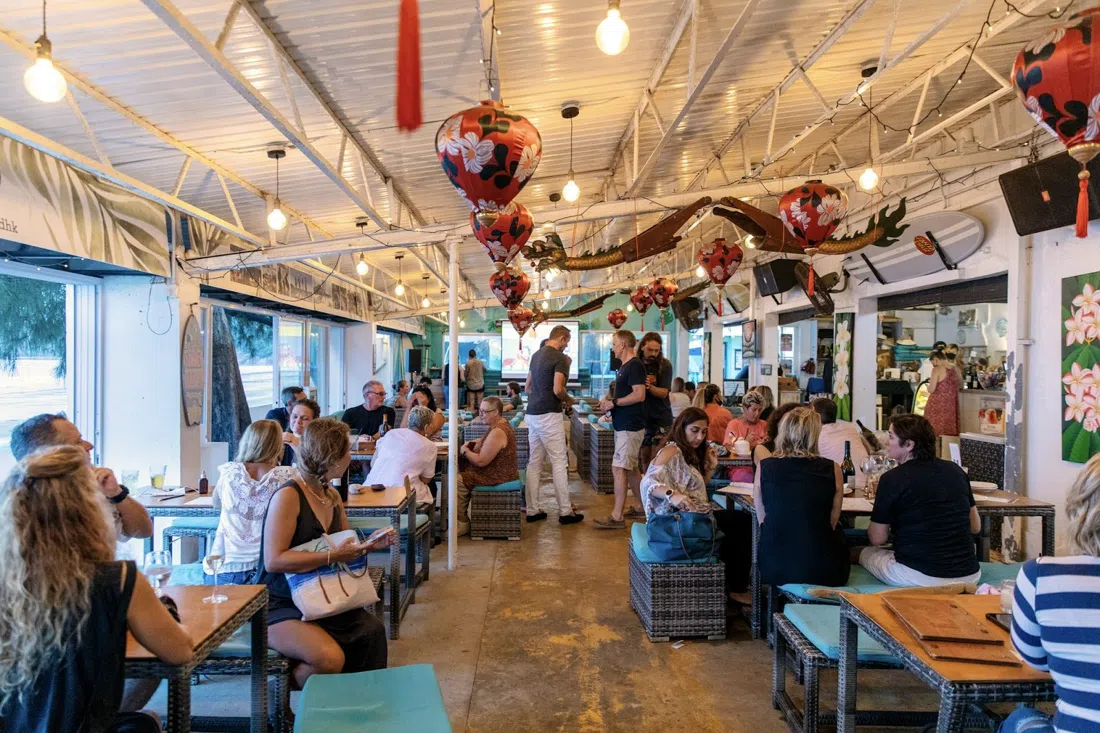
Ming Kee Seafood Restaurant, Po Toi (Po Toi, Hong Kong's southernmost inhabited island) is the hardest trip here and the most single-minded. The island is 45 to 50 minutes by ferry from Aberdeen or Stanley on a thin schedule, and this thirty-year-old deck restaurant is effectively the entire reason charter junks come. It takes group bookings, serves at HK$150–300 a head, is cash only and weekends only, and you must book ahead because there is no alternative on the island. Confirm the return sailing before you leave the pier, not after lunch.
Who each island actually suits
None of these places have a door policy in the nightlife sense, with no lists and no refusals. What limits you is capacity and cash. Rainbow and New Baccarat want a big table and reward one; Solo and the Tai O Lookout terrace are where two people should eat. Kwok Kam Kee is a counter, not a sit-down. Treasure Island is built for fifty and feels odd for a couple. Ming Kee works only if you have booked it.
For a first island day with mixed ages or a pushchair, take Lamma: flat path, two piers, a beach with lifeguards. For a day with children who want to move, take Cheung Chau and hire bikes. For the day you will actually remember, take a weekday and go to Tai O.
Ferries, cash and what a day costs
Ferries take Octopus at the gate; the islands largely do not take cards at all. Draw cash near the piers on Cheung Chau or Tai O before you start shopping, and carry small notes for sampans, which have no interest in your HK$500.
A full island day is cheap by Hong Kong standards. Return ferry HK$30–70, bike hire HK$50–100, sampan HK$25–40, lunch HK$150–300 a head at a seafood table or HK$130–200 for the monastery's vegetarian canteen. Add the cable car at about HK$295 return and a Lantau day is still under HK$500 before dinner.
Timing: leave Central before 09:30 to have a village to yourself, and avoid Sundays and public holidays on Cheung Chau and Tai O unless crowds are the appeal. Beach season with lifeguards runs April to October. Take more water than you think, sun cover for the exposed stretches of the Lamma path, and shoes you can get wet if Sharp Island's tide is dropping.
Stay on the Hong Kong Island or Kowloon waterfront and every pier here is a short MTR ride away. Compare rates on our Hong Kong hotel search before you fix your dates, because a harbour-side room is what makes a 09:00 ferry painless.
Questions
If I only have one day for the islands, which should I choose?
Lamma, if you want the easiest version: the Family Trail is about 5km of flat concrete path from Yung Shue Wan to Sok Kwu Wan with a ferry pier at each end, a lifeguarded beach halfway and a seafood dinner at the finish. Choose Cheung Chau instead for bikes and a working fishing harbour, or Tai O if the stilt-house village and a sampan ride matter more to you than a swim.
Do I need to book ferries to the outlying islands in advance?
No. The Central sailings to Lamma (Pier 4), Cheung Chau (Pier 5) and Peng Chau or Mui Wo (Pier 6) are turn-up-and-go, paid by Octopus tap or paper ticket, with fares from about HK$14 to HK$37 depending on class, route and day. What to check in advance is the last sailing back, because evening services thin out and there is no other way off an island.
Can I fit Tai O and the Big Buddha into the same day?
Yes, and it is the efficient way to do it. Take bus 11 from Tung Chung MTR Exit B to Tai O (about 50 minutes), spend the morning in the village and on a sampan, then catch bus 21 up to Ngong Ping in around 20 minutes for Po Lin Monastery and the Tian Tan Buddha, and ride Ngong Ping 360 back down to Tung Chung. The Wisdom Path has been closed for refurbishment since June 2025 and is not expected back until late in 2026.
Do the islands take credit cards?
Assume not. Ferries accept Octopus at the gate, but village shops, bike hire on Cheung Chau's Tai Hing Tai Road, sampan operators in Tai O and Sai Kung, and Ming Kee on Po Toi are cash businesses. Draw money before you leave the pier area and carry small notes. A sampan skipper will not break a HK$500.
Which island places actually work for a group of ten or more?
Lamma Rainbow Seafood Restaurant (around 850 seats, set banquet menus, plus a free shuttle boat from Central Pier 9, Tsim Sha Tsui, Aberdeen and Cyberport), New Baccarat on Cheung Chau (roughly 300 seats, book on 2981 0606), the Po Lin vegetarian canteen on meal tickets, and Treasure Island Beach Club at Pui O, which takes parties of 50 to 100. Solo in Tai O and the nine-room Tai O Heritage Hotel are the opposite, fine for two to four and unworkable for a crowd.
First published on hongkongguides.com, the Hong Kong guide.