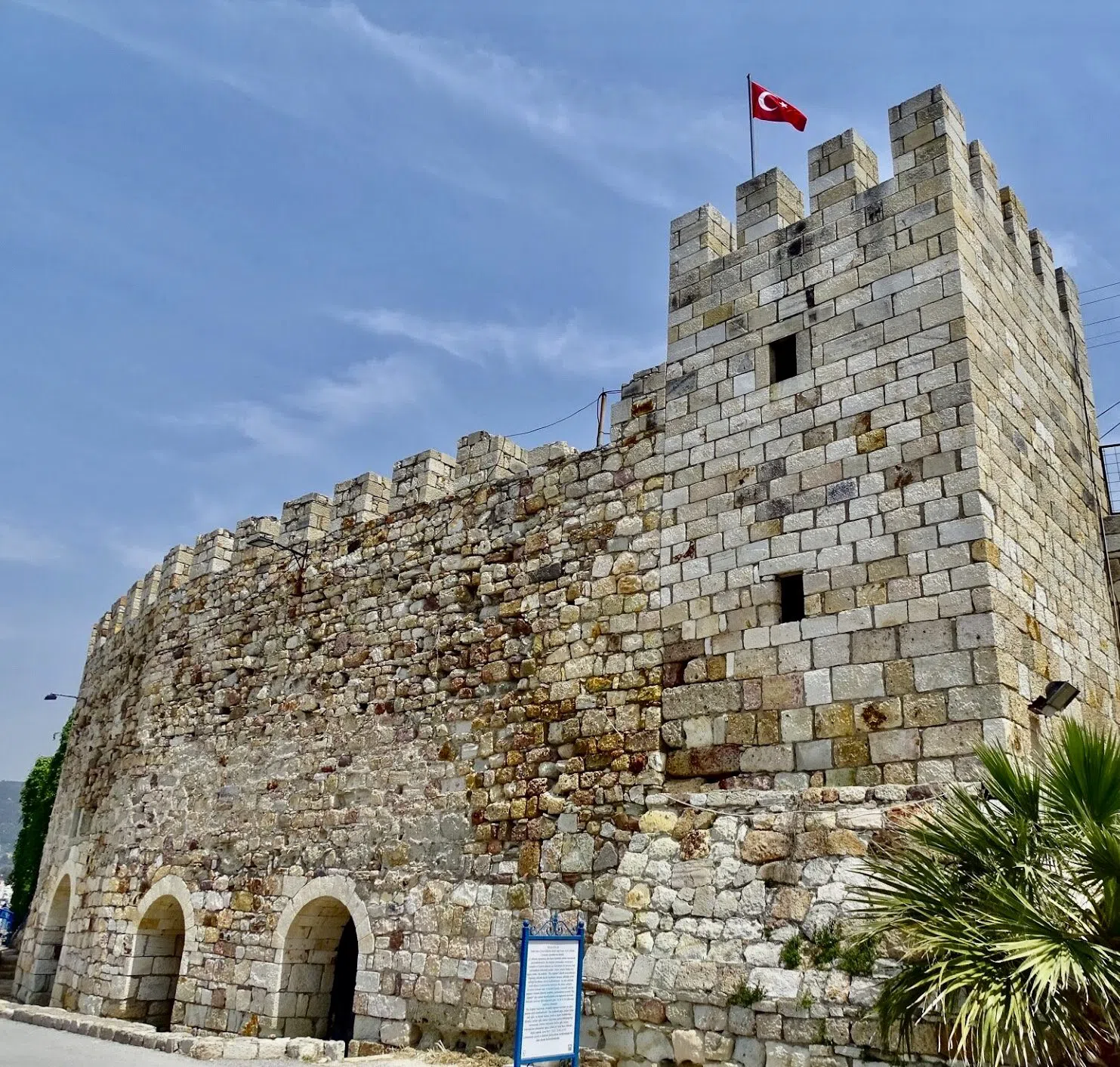
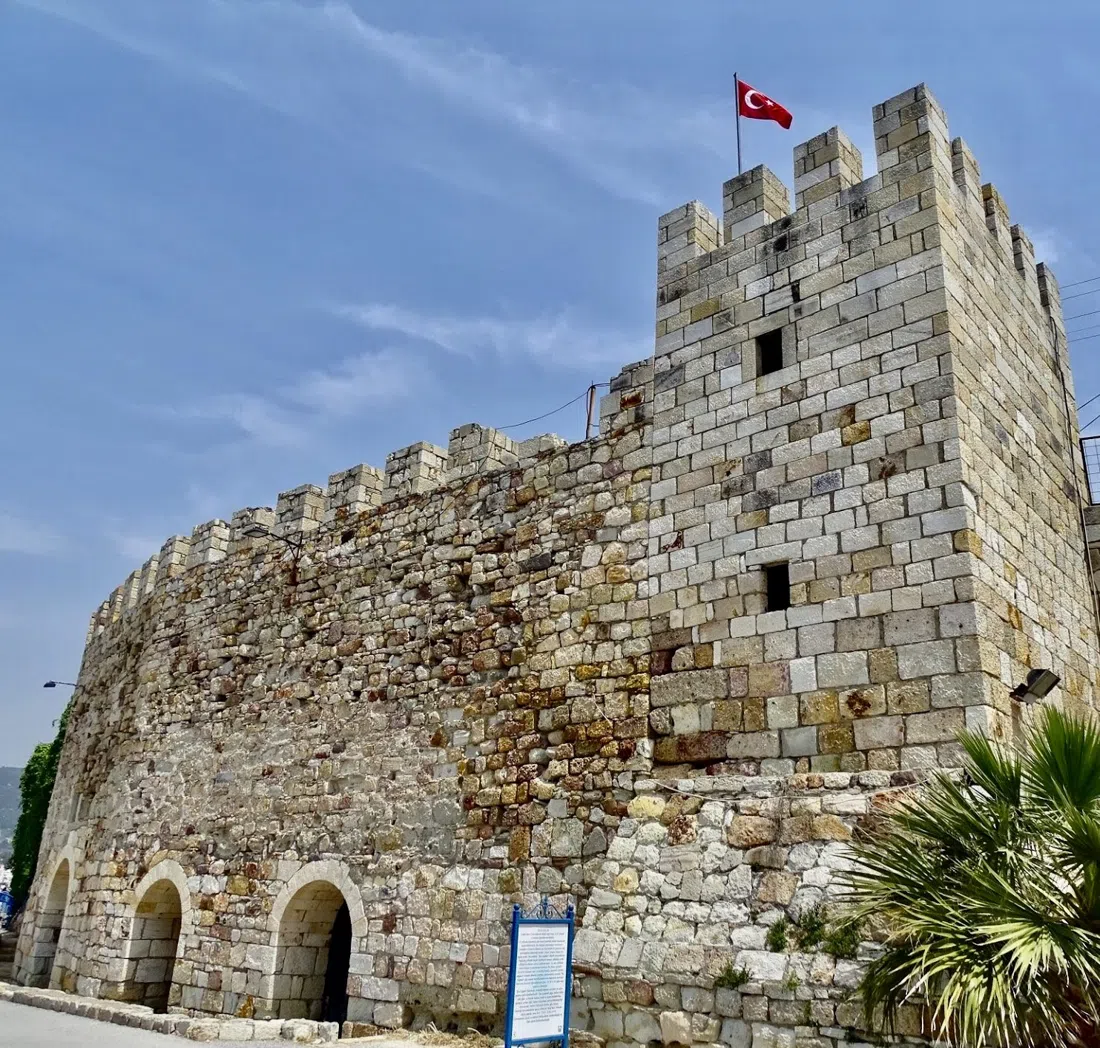
Beşkapılar Kalesi runs 290 m of restored Genoese and Ottoman rampart along the shore road in Eski Foça, and fishing boats pass below the arched sea gates. The inner gates are shut and the keep stays closed to visitors. The walls have been on UNESCO's tentative list since 2013.
The castle quarter
The curtain wall is dark grey stone. Ottoman inscription panels are set into the masonry and the water sits immediately below. Walk it at the end of the day, when the sun is low over the harbour. It is the town's symbol and the place everyone comes for sunset.
Foça's July film nights and August jazz days are staged at the walls. There is no ticket desk and no limit on numbers, because the site is open air on a public street.
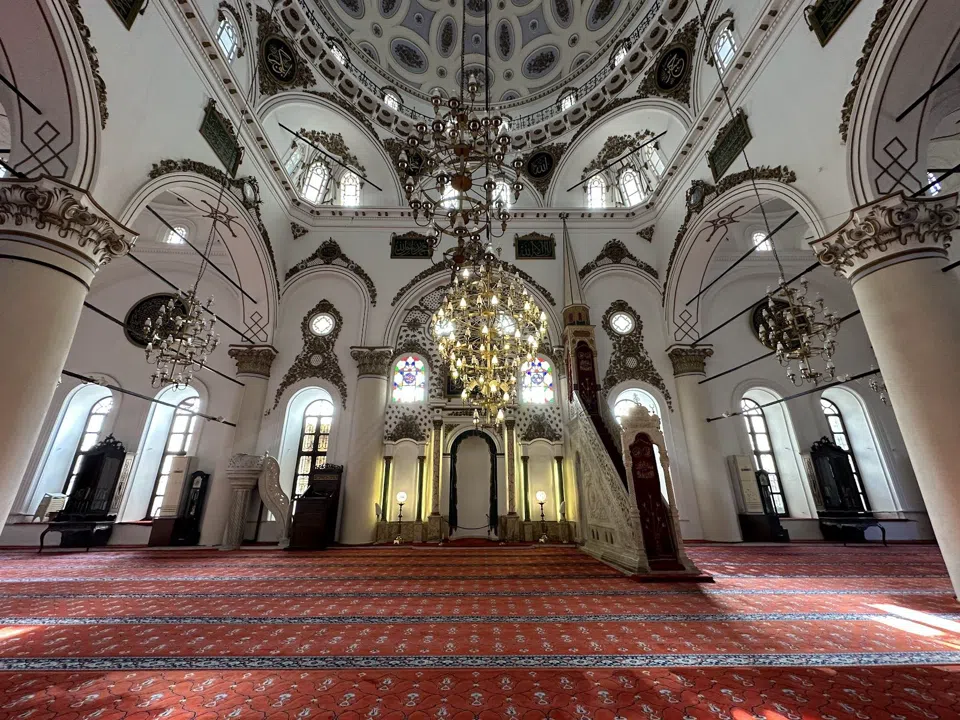
Two minutes' walk from the ramparts, Fatih Camii (castle quarter) was built in 1455, straight after Mehmed II took the town. It is the oldest surviving Ottoman building in the Foça district. The walls run in alternating courses of dressed stone and brick under a wooden roof, a six-column portico fronts the entrance, and the stubby cylindrical minaret has a single balcony.
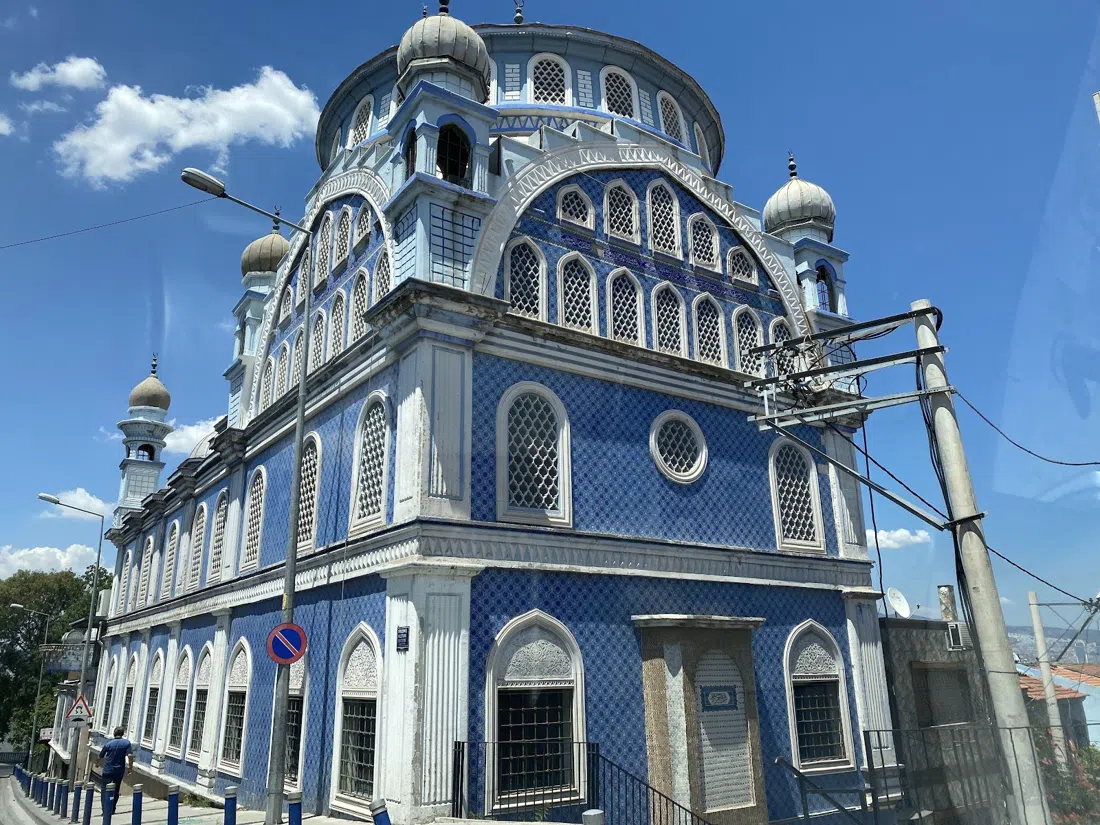
This is a working mosque. Come outside prayer times, leave your shoes at the door and cover shoulders and knees. Women need a head covering.
Foça Denizcilik Müzesi (near the castle) is run by the Turkish Naval Command base that dominates the headland. Ships' wheels and brass propellers stand on plinths. Model vessels sit in glass cases, and old valve radios and signed photographs fill the space around them. It is one modest hall, and it is good on Foça as a working sea town.
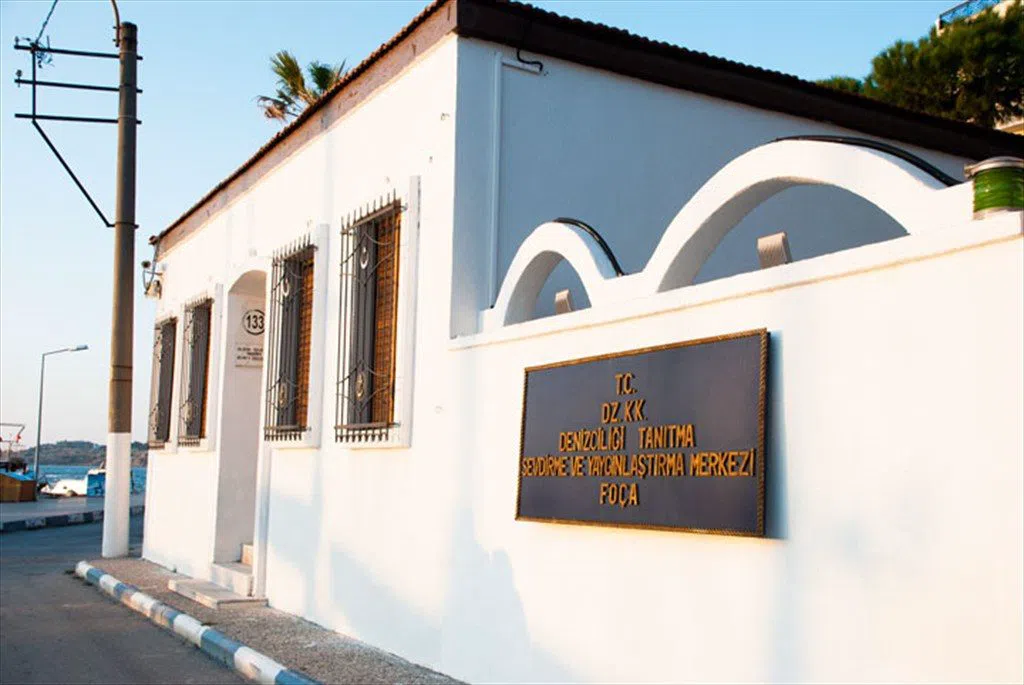
Hours are listed two ways, as 08:00 to 17:00 and as Tuesday to Sunday, 10:00 to 16:00. Call +90 232 812 15 22 before you walk over. The walls, the mosque and the museum sit in the same quarter and all three are free, so one loop covers them.
Değirmentepe and the ancient sites
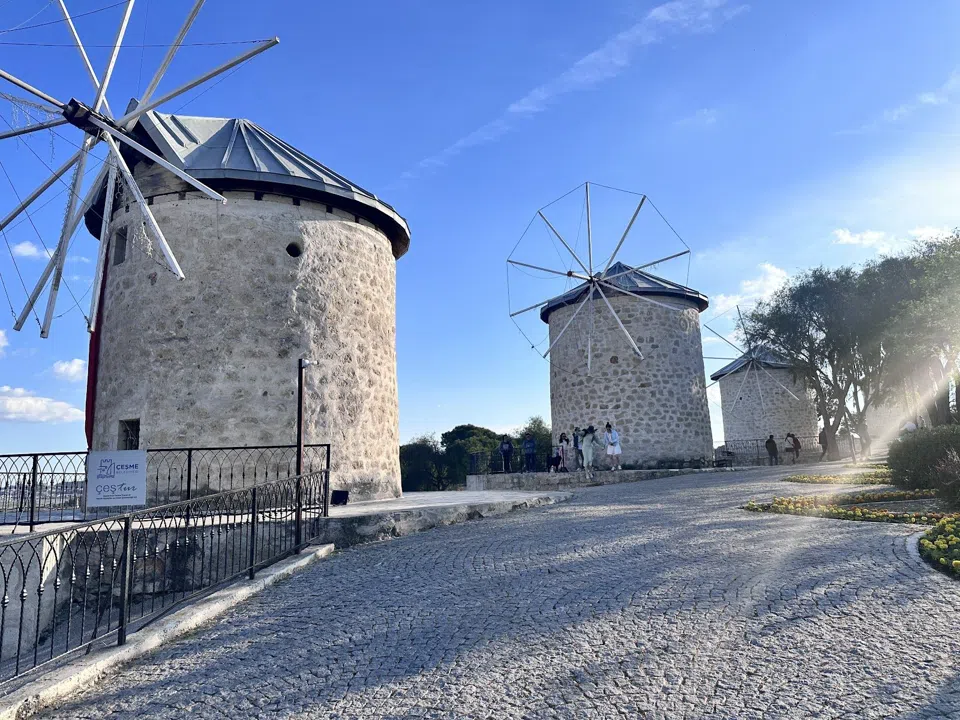
Foça Değirmenleri (Değirmentepe) is three squat round stone windmill drums on a bare, scrubby hilltop above the town. One has been restored and carries a conical cap. The other two stand roofless. The sixteenth-century mills look over both of Foça's harbours and the islands offshore. A road runs up to the hilltop and there is no gate.
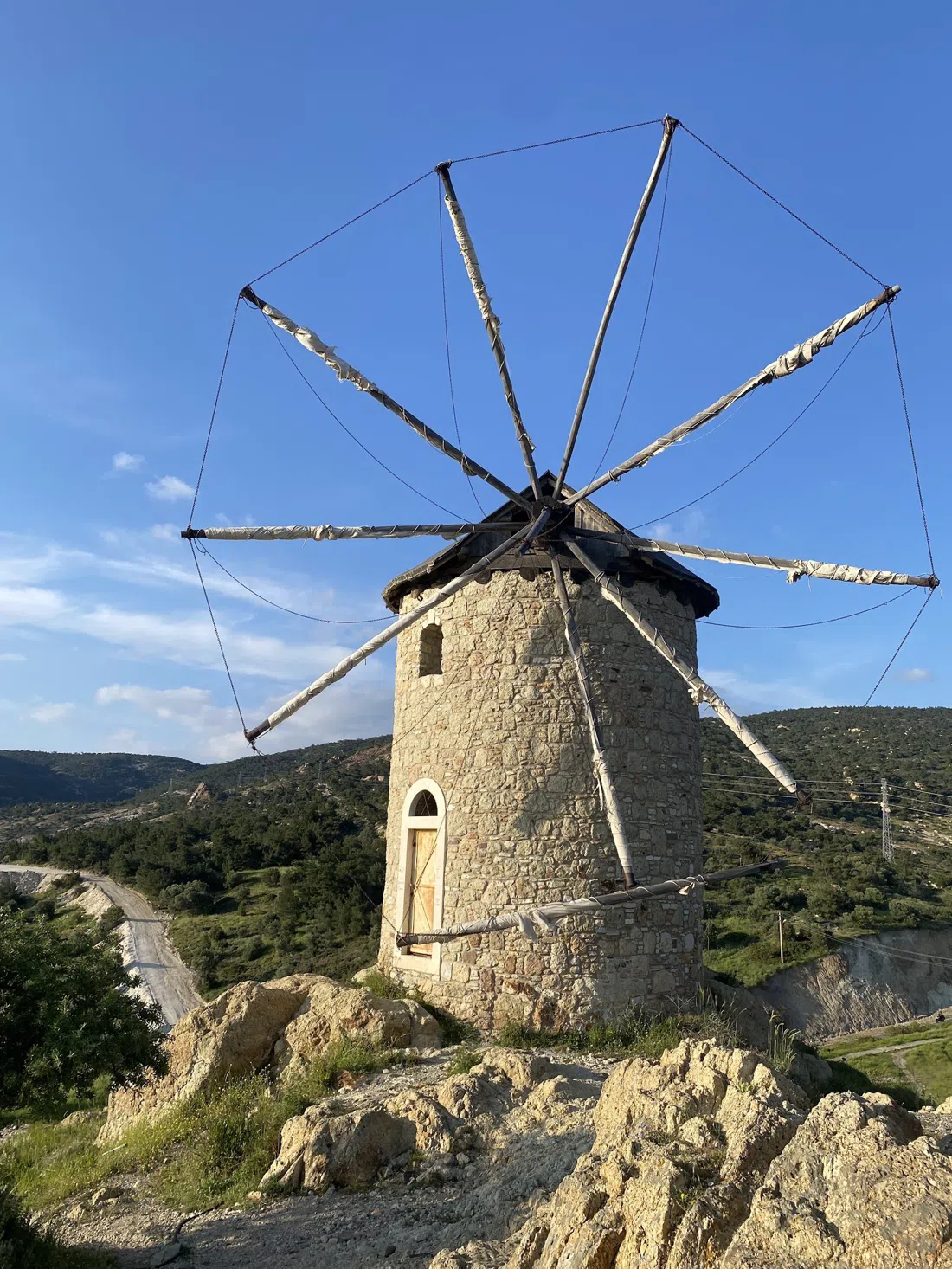
Come up for sunset. The interior of the restored mill is not reliably open, so plan nothing around seeing inside it. 150 Kybele rock niches are cut into the same hill.
Phokaia Antik Tiyatrosu (below the windmills) came out of the 1991 digs and is dated 340 to 330 BC. It is thought to be the oldest Ionian theatre known. You see it from the perimeter fence at the roadside: a shallow, partly excavated limestone cavea cut into the hillside, broken seat rows with grass growing between them, and modern houses pressing up against the edge.
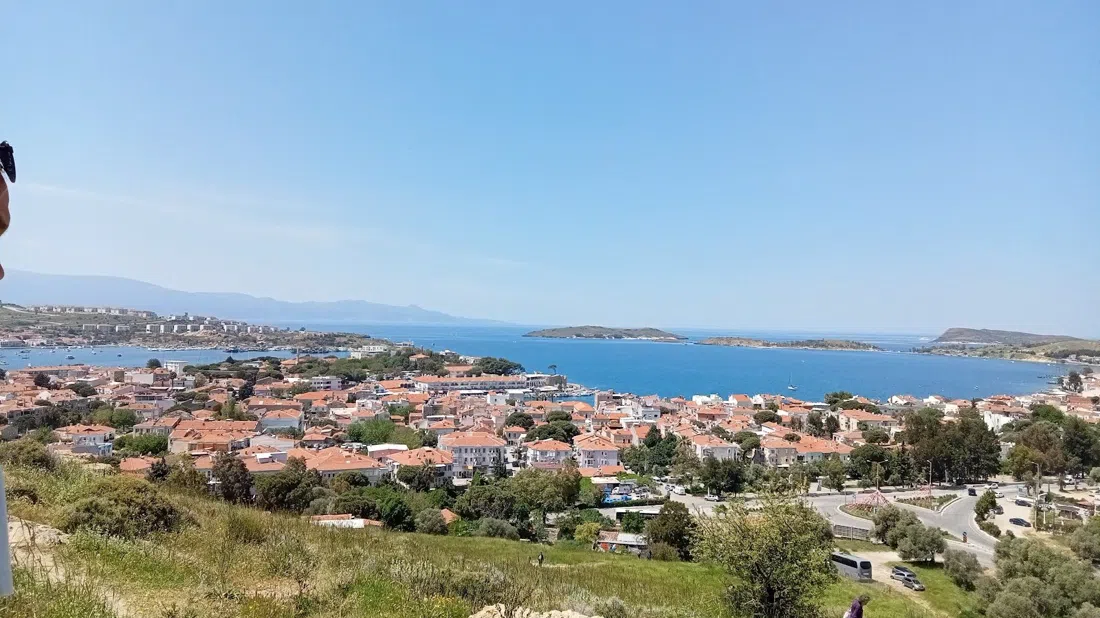
Only a fraction has been uncovered. If your time in town is short, give the theatre a miss and spend the hour on the ramparts instead.
Kybele Açık Hava Tapınağı (coastal rock terrace) was cut around 580 BC by sailors making offerings to the mother goddess as they left harbour. The niches once held marble Kybele figures, and the lamp slots are still visible in the stone. The terrace is a honeycomb of small rectangular niches chiselled into bare grey rock, with carved offering basins in the floor and open sea alongside.
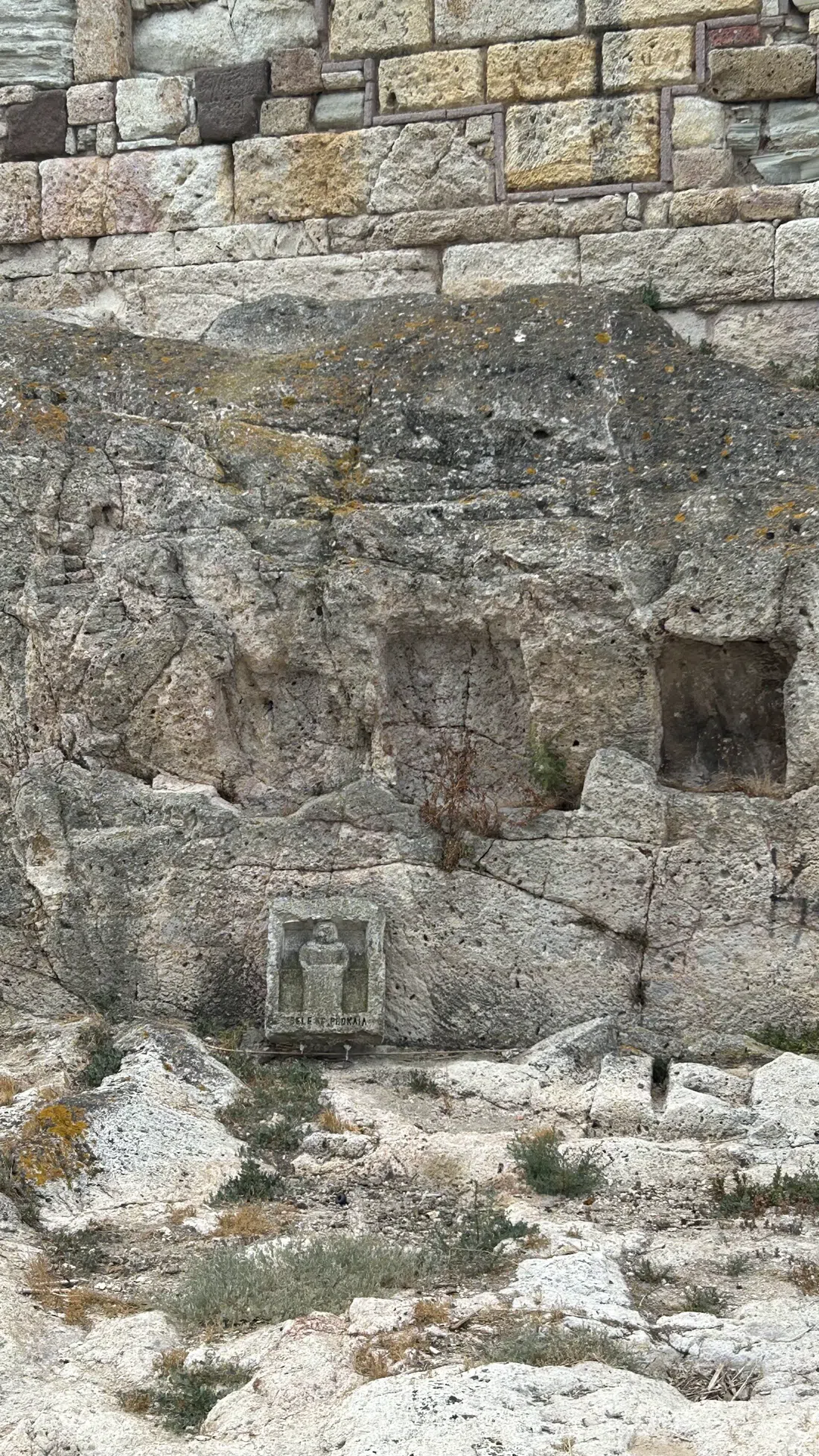
The terrace is unenclosed and the footing is uneven. There are no railings and no shade. Wear shoes with some grip. This coastal shrine is a separate site from the niches on the mill hill; the theatre is the one at the foot of Değirmentepe. All three sites are free and unstaffed, with no facilities.
Küçükdeniz and Büyükdeniz on foot
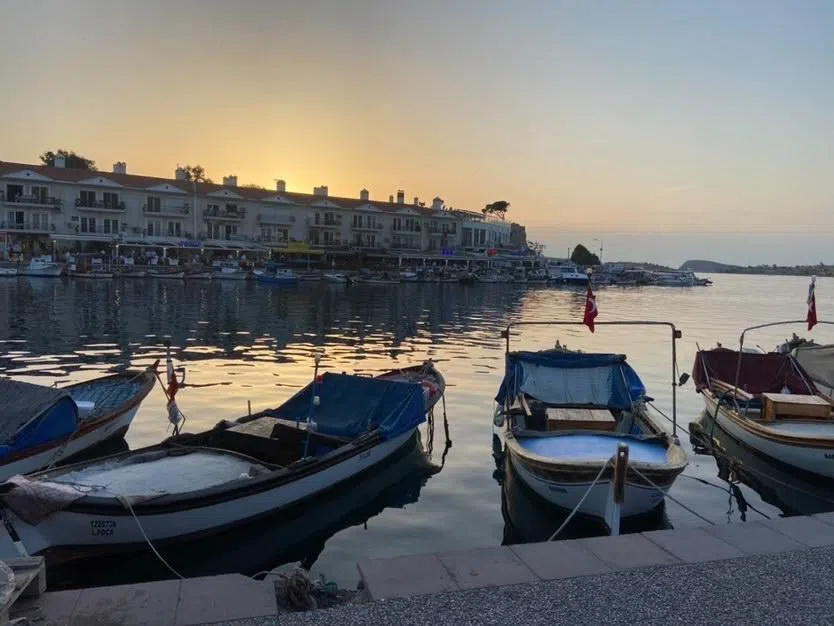
Aşıklar Yolu and the Küçükdeniz to Büyükdeniz waterfront are the main walk in town. Candy-coloured wooden fishing boats lie moored gunwale to gunwale along one side of a narrow shore road. Two-storey Greek stone houses with café chairs out front line the other.
Küçükdeniz holds the fishing fleet and the restaurant strip. Büyükdeniz is the quieter southern bay. Walk the two of them from 18:30 to sunset, when the low orange sun is on the water. The road narrows badly around the headland.
The boat out to the Siren Rocks
Yekta Kaptan Eski Foça Tekne Turu (Reha Midilli Caddesi) runs 11:00 to 17:00 at ₺1,500 per person, lunch and morning tea included. The boat is an 18 m white two-decker in wood, with an open sun deck and a shaded saloon below. The route passes the low, jagged Siren Rocks islets of the Odyssey and Orak Island, and there are swim stops at Hamamlık Cove and the islands.
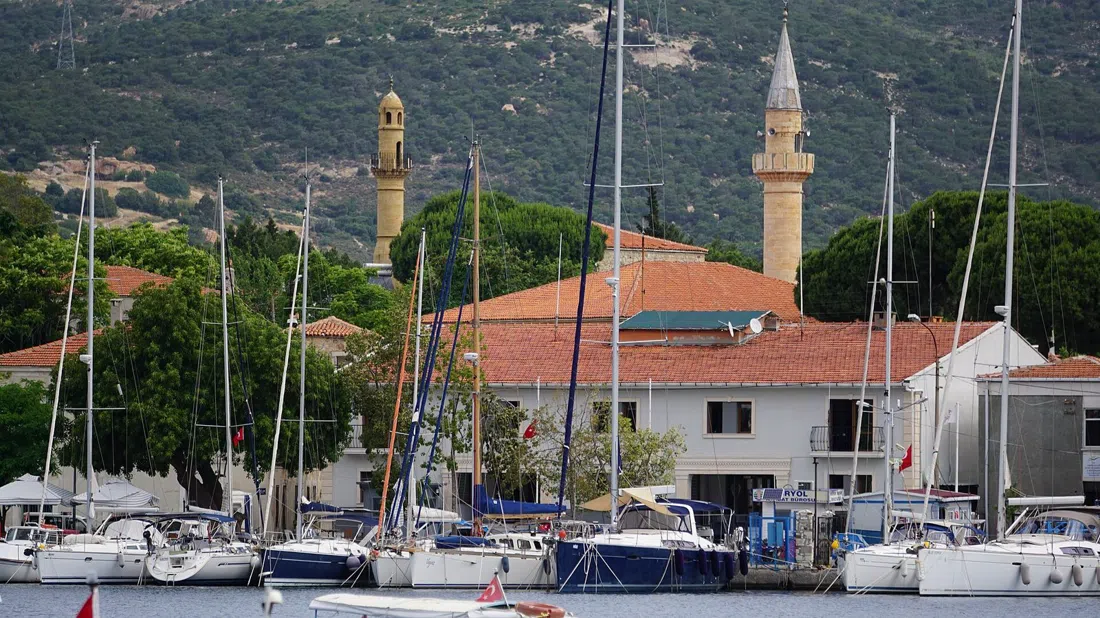
You may not land on the Siren Rocks or swim at them. The captain sets the route by the wind on the day. Book direct on +90 532 252 45 93. In June the tour runs on demand rather than daily. The boat carries 50 passengers and can be chartered whole. A 17:00 return gets you back in time for the 18:30 waterfront walk.
Fish dinners on the harbour
Fokai Balık Restaurant (121 Sokak) has been serving since 1984, behind the castle headland. Whole fish lie on ice at the entrance. The long terrace of white-clothed tables runs along the Küçükdeniz waterfront, with moored boats a metre from the diners, and one corner is given over to live music. Ask for adabeyi, the local scorpionfish Foça is known for. ₺₺₺, with outdoor seating and reservations on +90 232 812 21 86.
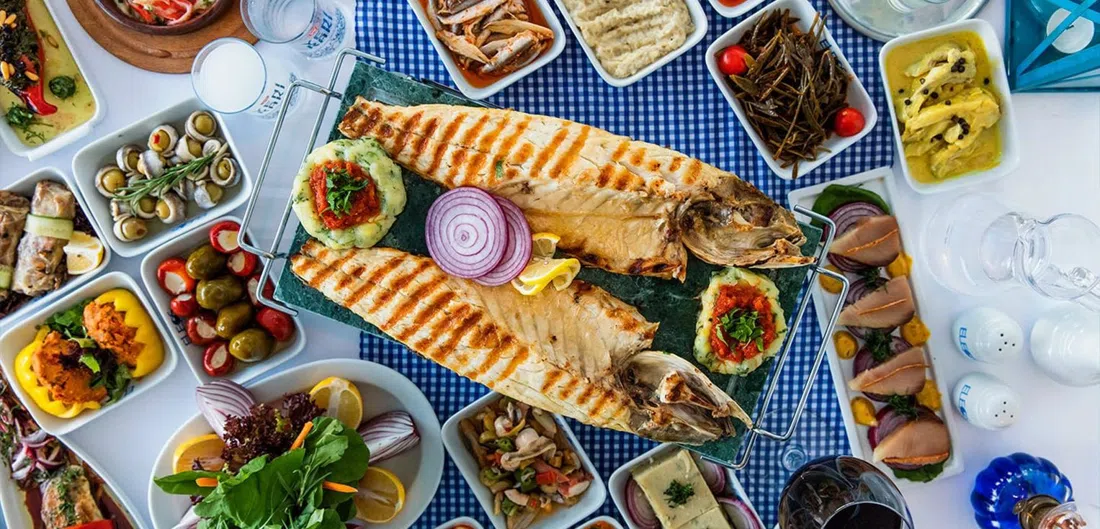
Letafet Meyhane (Fevzipaşa, 197 Sokak No:3) serves rakı and fish with inventive meze in a restored Foça stone house, whitewashed, with timber shutters and small tables spilling into a narrow back lane. Trays of cold meze arrive with a tall bottle of rakı on ice. It stays open to 01:00. ₺₺₺.
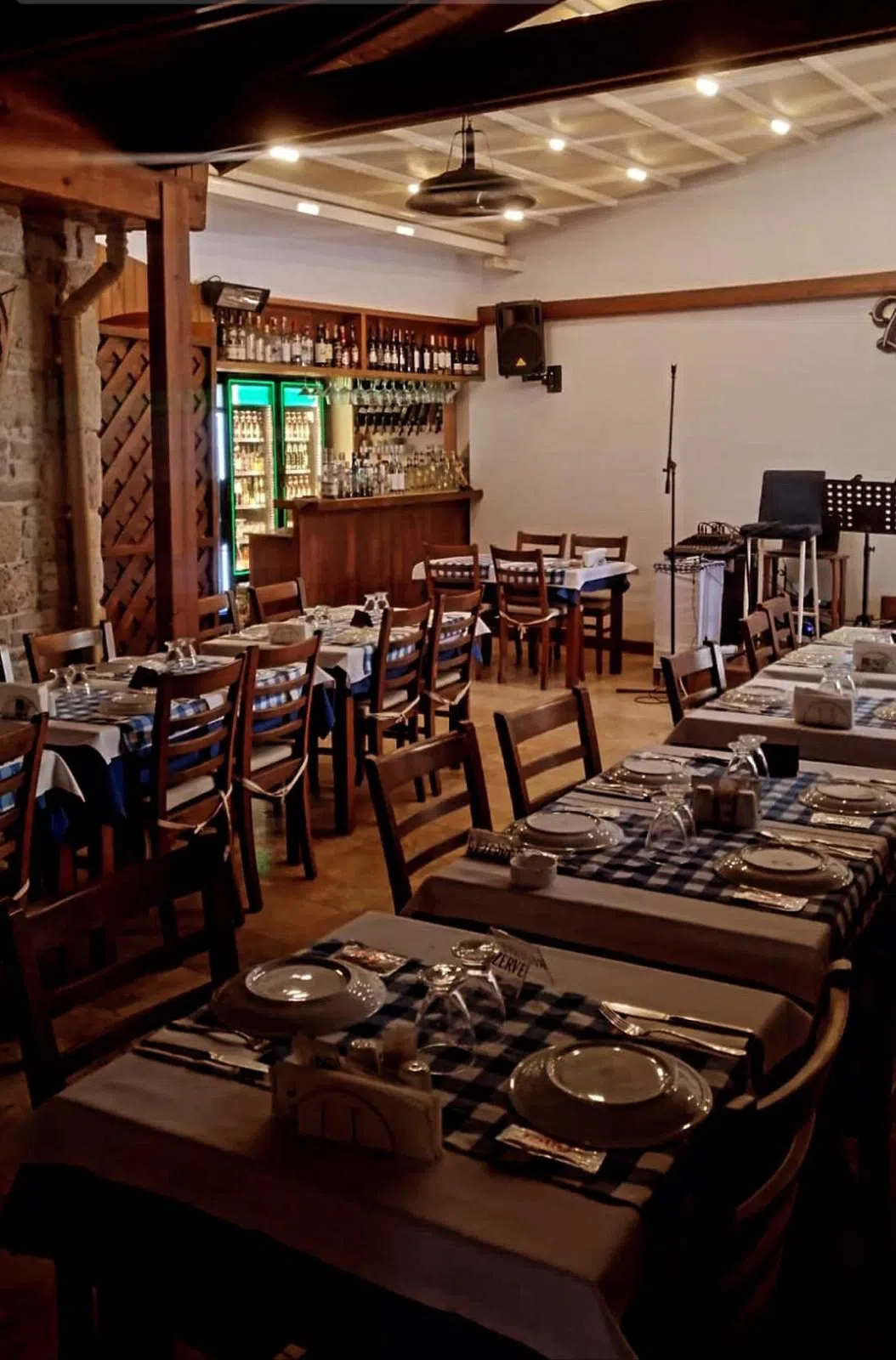
The rooms are small and this is the most-booked table in town. Reserve well ahead, and a long way ahead for July and August weekends.
Celep Restaurant (Reha Midilli Caddesi) has kept the same spot for more than 40 years. Simple chairs sit straight on the harbour paving, and charcoal-grilled calamari and shrimp come out of an open kitchen. Squid and shrimp are the strength of the place. It is plainer and cheaper than its neighbours at ₺₺, it opens late, and walk-ins are usually absorbed. The number is +90 232 812 14 95.
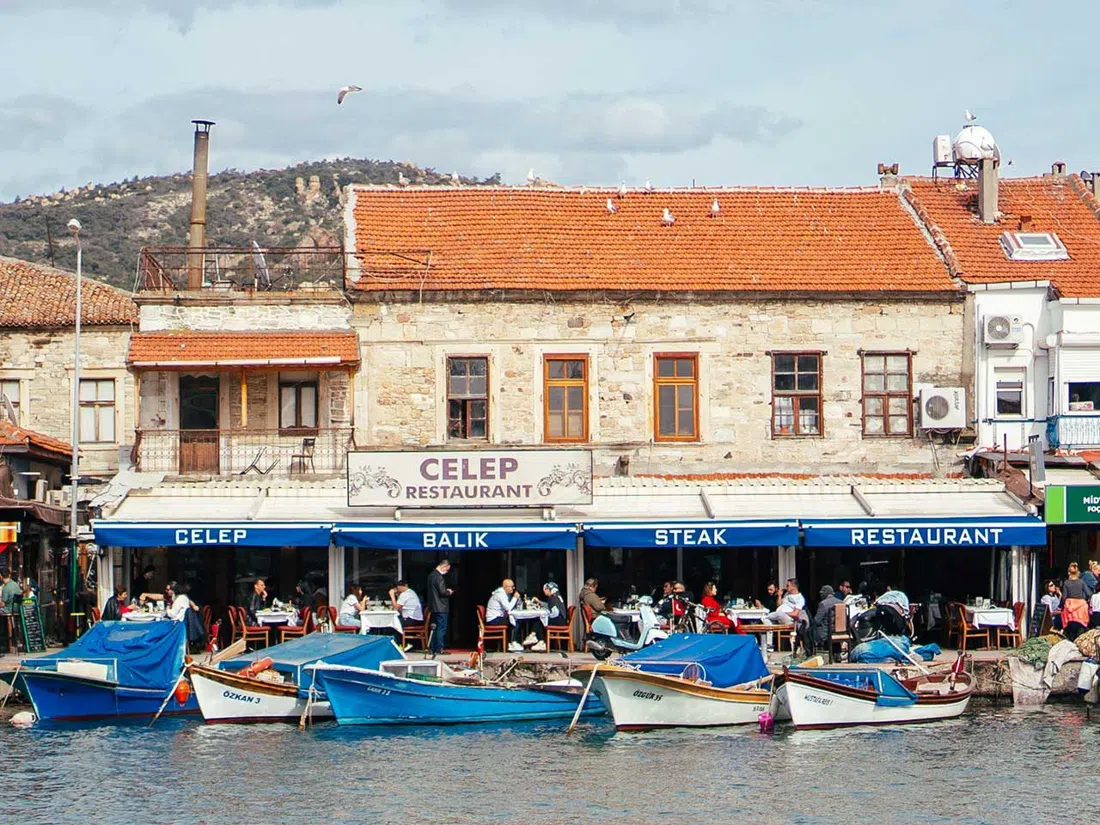
Book Letafet for one evening and Fokai for another, and keep Celep for the night you decide late.
Wine and live music after dinner
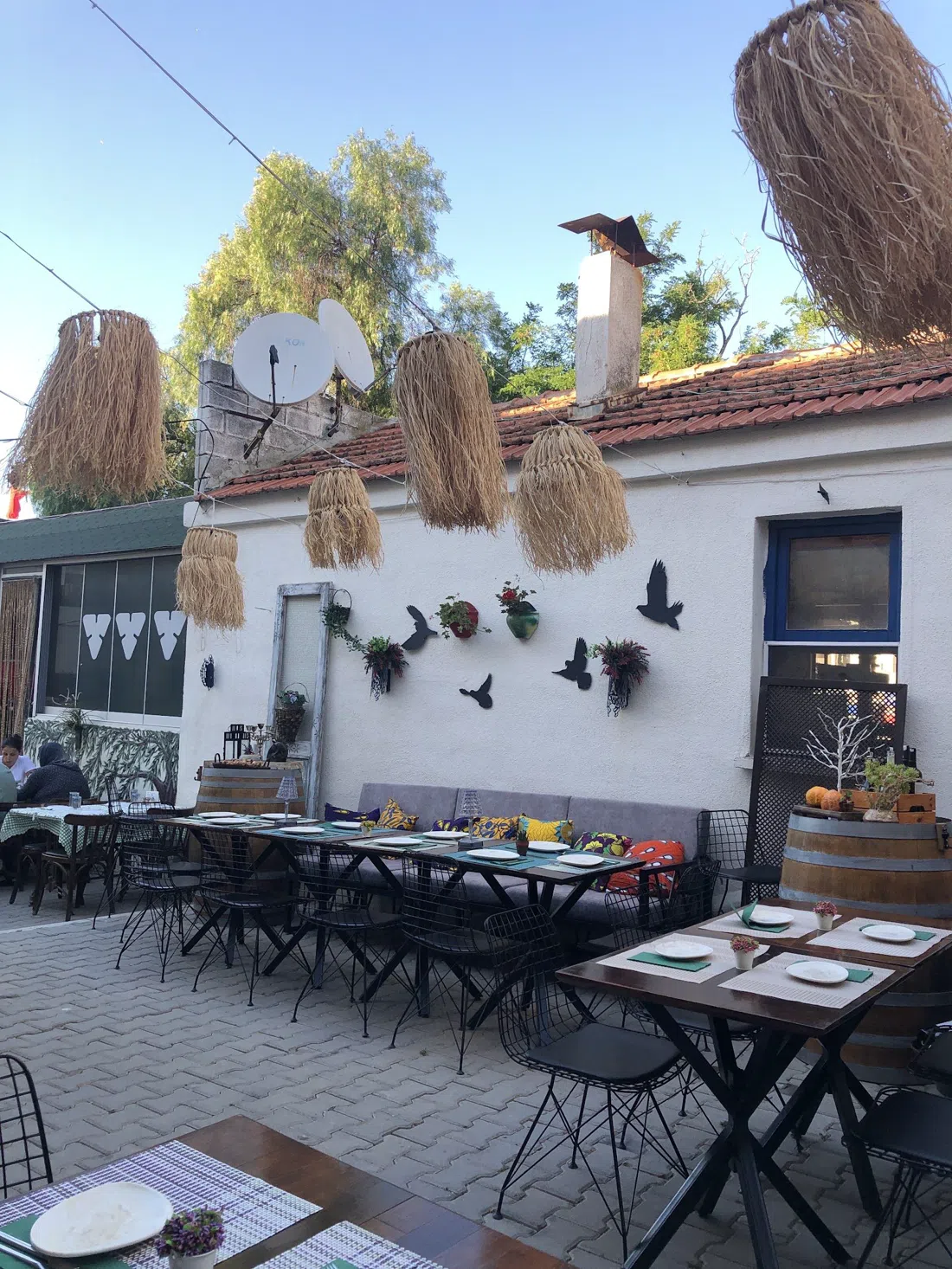
Adara Phokaia (194 Sokak) keeps more than 100 Turkish and Italian wines in a room the size of a front parlour, two streets back from the fish restaurants. Timber shelves of bottles run floor to ceiling, candlelit tables sit on the pavement against bare stone walls, and Neapolitan records play. ₺₺. Six or eight people fill the room; message +90 533 285 14 90 before you bring more.
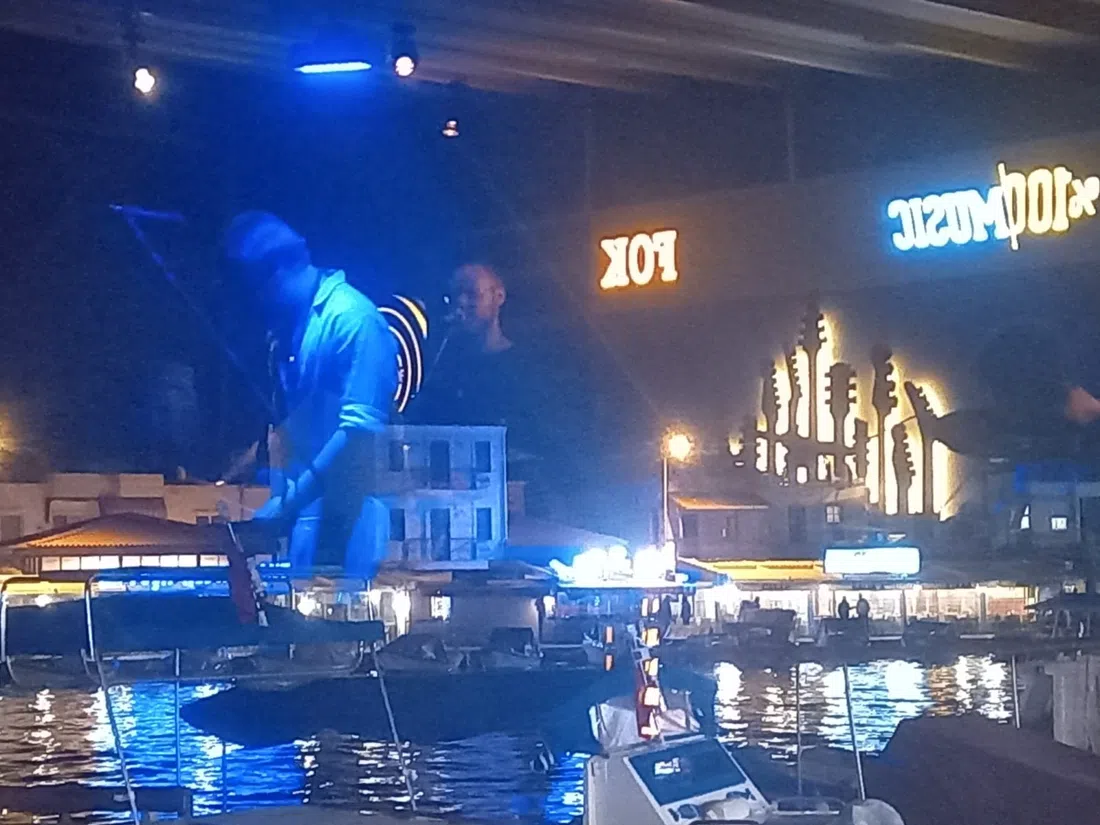
Fok Bar (Aşıklar Caddesi) is a small room covered in stickers and posters. A band squeezes into the corner and drinkers stand out on the street holding their beer bottles, the dark harbour behind them. ₺, and the gig calendar is still running through 2026. Most of the night happens outdoors in summer. The room is tight and there is no door policy.
The municipal hamam
Eski Foça Belediye Şehir Hamamı is the bath that Foça locals use. A marble göbektaşı sits under a low dome pierced with star-shaped glass lights. Battered copper bowls are to hand and the attendants are local, in peştemals. It opens daily, 08:00 to midnight, at ₺. There are no slots and no booking system. Walk in.
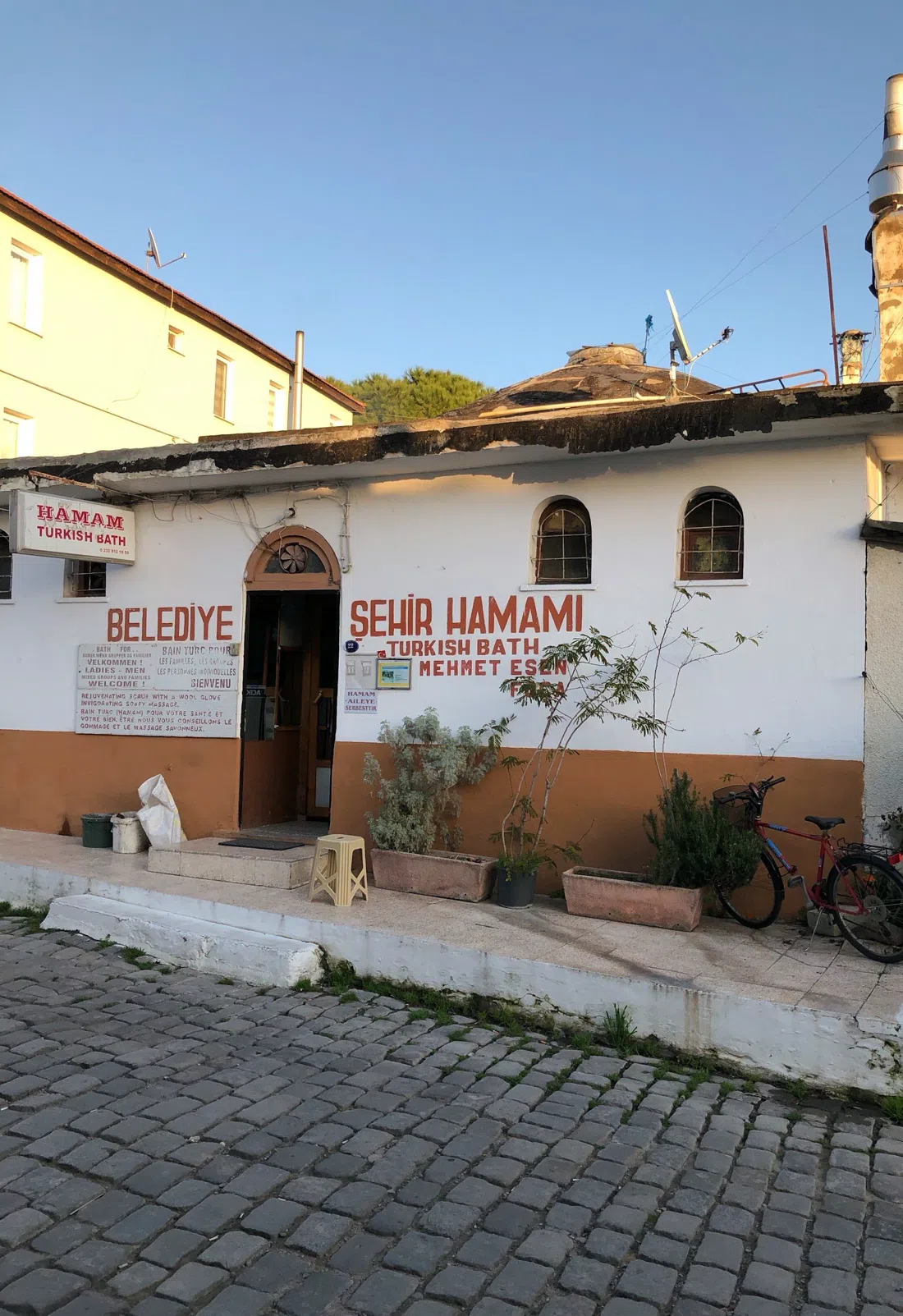
Sessions are single sex, so a mixed group splits up.
Do not confuse it with Şeytan Hamamı, a 4th-century BC rock tomb 2 km southwest of the town. That site sits inside a military zone and needs permission to enter.
Where to stay in Eski Foça
Foça Otel 1887 is a restored 19th-century Foça stone townhouse with shuttered windows and bougainvillea across the facade. Breakfast is laid out on long tables in a walled courtyard, and the breakfast is what guests write home about. ₺₺, or ₺2,000 to ₺3,500 for a bed-and-breakfast double, and everything in the old town is within walking distance. The house is small and family-run. Book early for summer on +90 232 812 39 30.
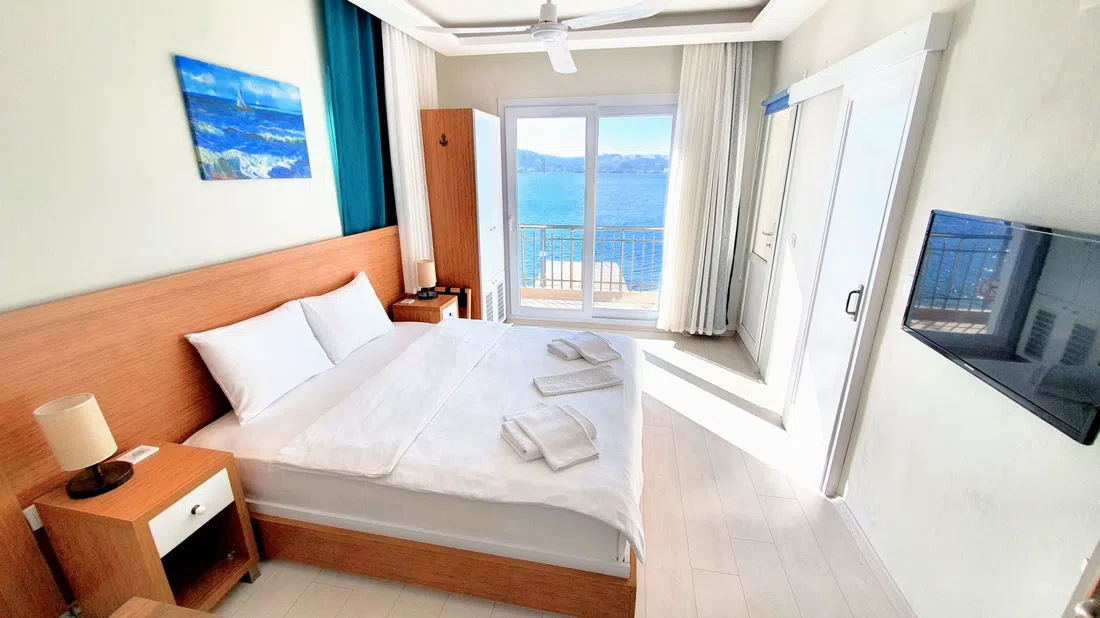
Midilli Konak (İsmetpaşa, 145 Sokak) is a stone konak on a side street five minutes' walk from the centre, above the café strip. The rooms are high-ceilinged, with original timber detail and sea-view balconies looking over the bay. ₺₺₺. It takes online bookings across five room grades with installment payment, which is useful if you are booking several rooms together.
Two places sit outside the old town and belong to a separate day out: the Taşkule Persian tomb, 7 km east on the İzmir road, and Yeni Foça, 20 km north.
Planning notes
Call the maritime museum before you set out, since its hours are published two ways, and phone ahead for Letafet Meyhane and Fokai Balık. In June, check the boat is running before you build a day around it.
See the Izmir guide and the Izmir hotel search.
Questions
Do you need a ticket for Beşkapılar Kalesi?
No. The castle is an open-air site on a public street with no ticket desk and no capacity limit, and entry is free. The inner gates are shut, so you cannot get into the keep; you walk the 290 m of restored rampart.
How much is the Siren Rocks boat trip, and what does it include?
Yekta Kaptan Eski Foça Tekne Turu charges ₺1,500 per person, lunch and morning tea included, and sails 11:00 to 17:00 with swim stops at Hamamlık Cove and the islands. You may not land on the Siren Rocks or swim at them. In June the boat goes out on demand, so book direct on +90 532 252 45 93.
Which Eski Foça fish restaurant should I book first?
Letafet Meyhane on 197 Sokak is the most-booked table in town and its rooms are small, so reserve well ahead, especially for July and August weekends. Fokai Balık takes reservations on +90 232 812 21 86. Celep on Reha Midilli Caddesi can usually take walk-ins.
Is the Foça Maritime Museum open every day?
The hours are listed two ways: 08:00 to 17:00, and Tuesday to Sunday 10:00 to 16:00. The naval command runs the museum, entry is free and the whole thing is one hall. Call +90 232 812 15 22 before you go.
Can men and women use the municipal hamam together?
No. Eski Foça Belediye Şehir Hamamı runs single-sex sessions, so a mixed group has to split up. It is open daily from 08:00 to midnight and takes no bookings, so you turn up at the door.
First published on izmirgetaways.com, the Izmir guide.