The ferry from Konak to Karşıyaka takes about twenty minutes, and on a Wednesday morning most of the people on it are going to buy tomatoes. İzmir runs on fixed days: a market here on Tuesday, another across the water on Friday, a village theatre that performs when the villagers have a play ready. Learn the calendar and the city stops being a waterfront promenade with a Roman agora attached, and becomes a place with a routine you can walk into.
The week starts at a market
The weekly pazar is where households shop rather than something laid on for visitors, and that is why it is worth a morning. Four are worth planning around, and because they fall on different days, four or five nights in the city will catch two or three of them without rearranging anything else.
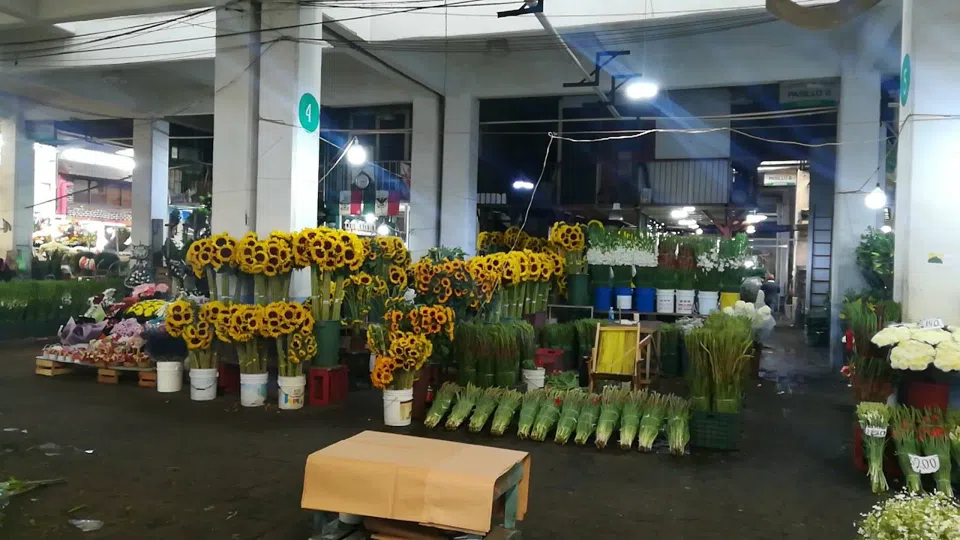
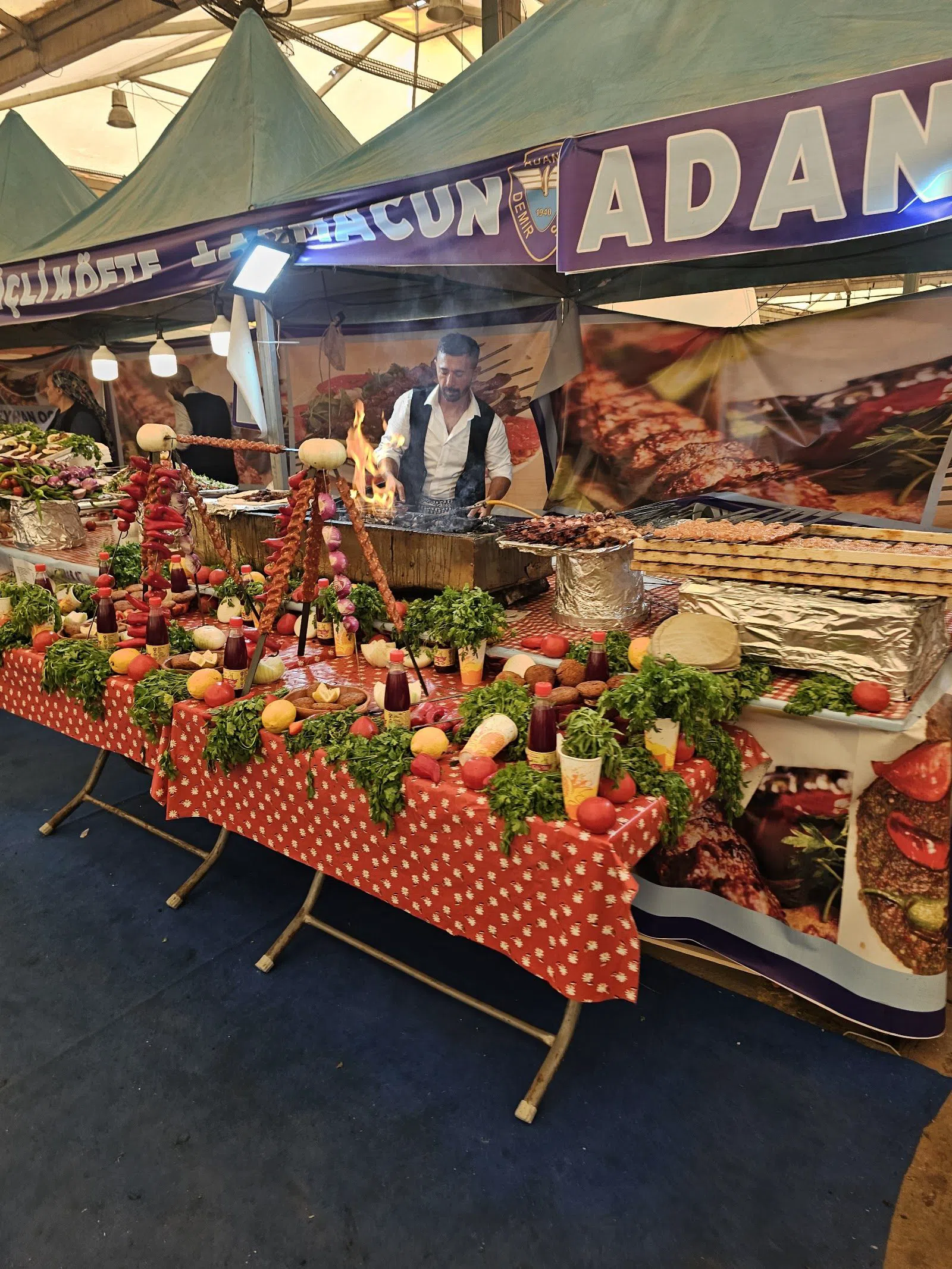
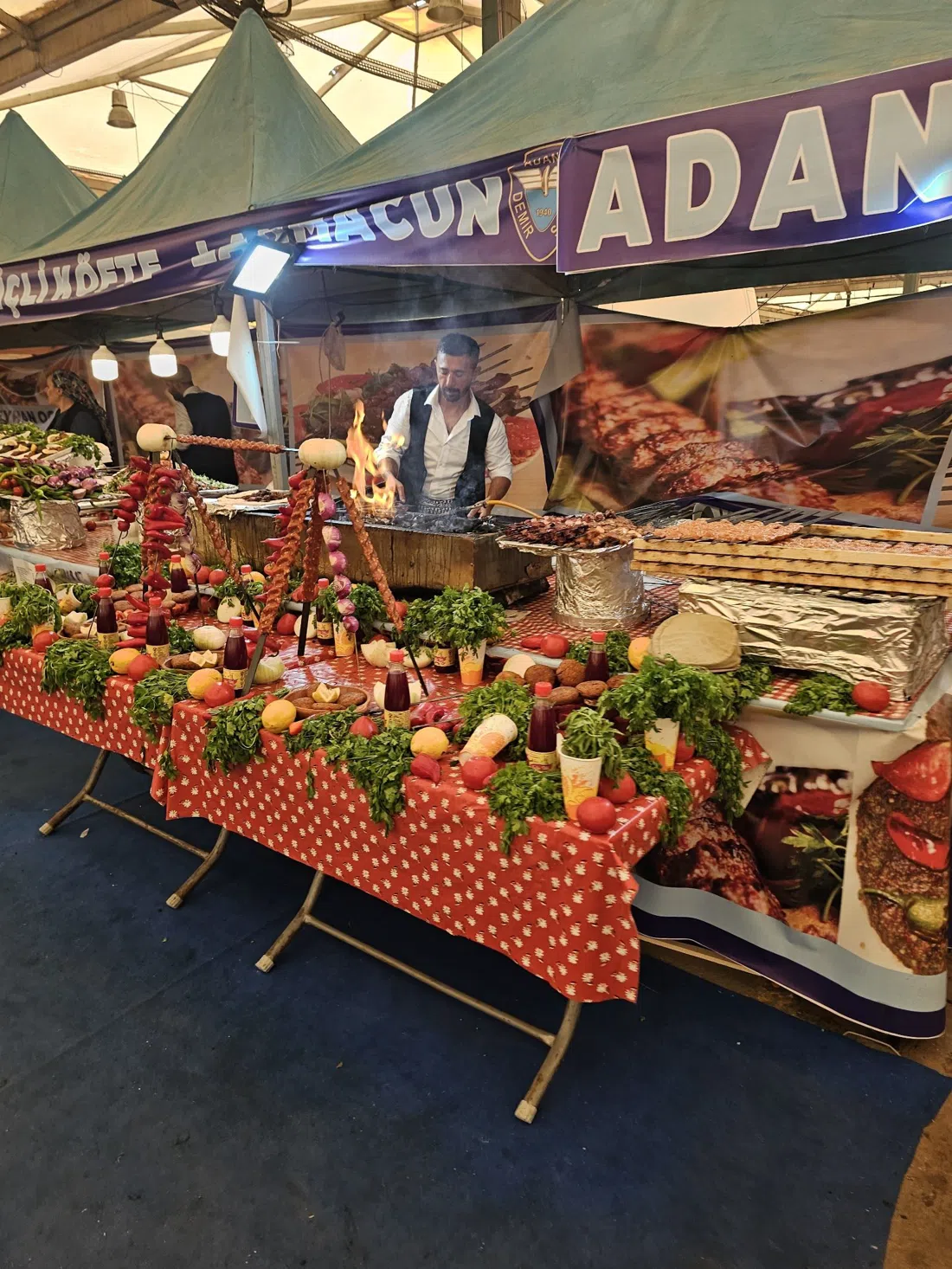
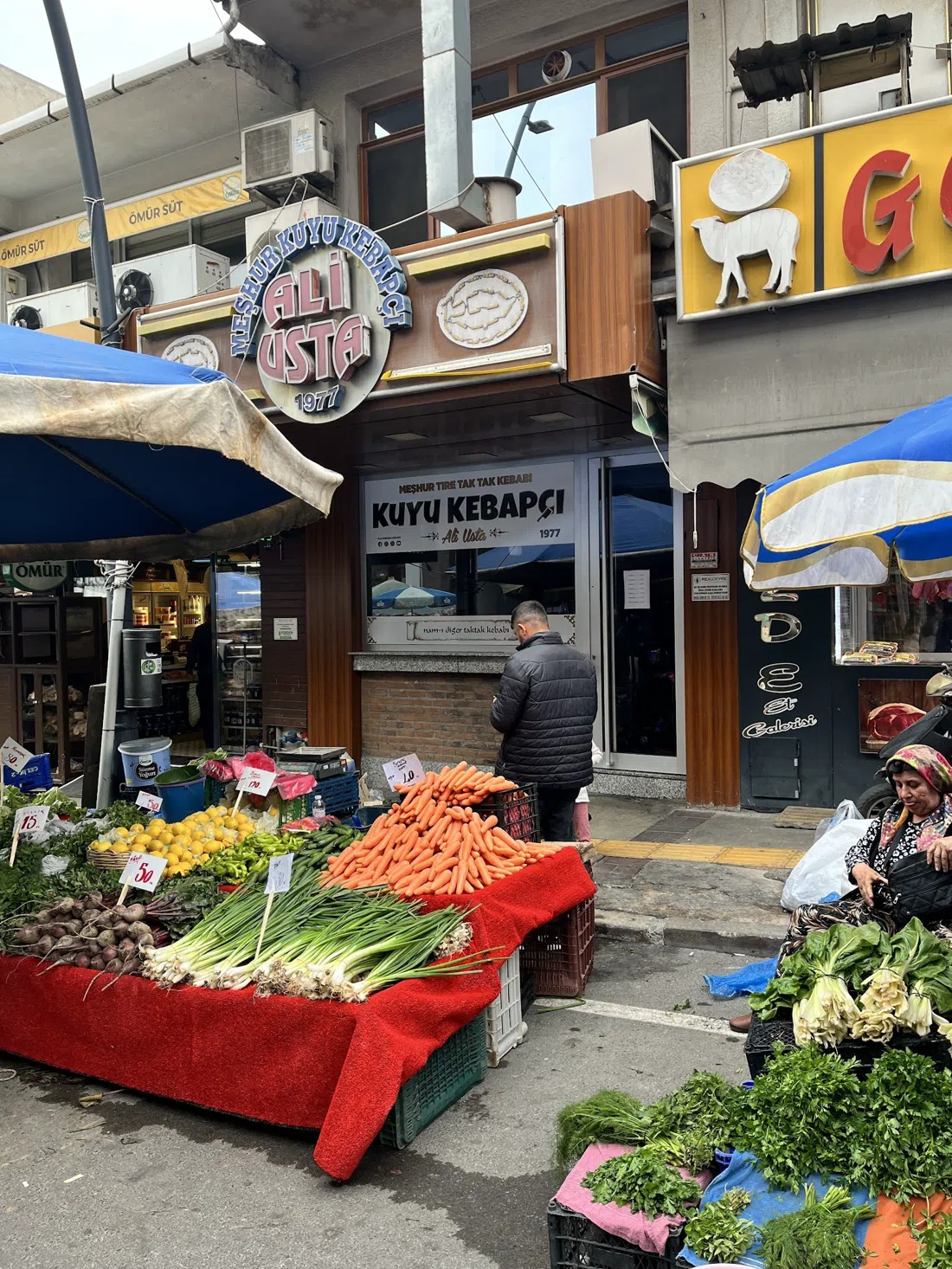
Bostanlı Pazarı (Bostanlı, Karşıyaka) sets up on Olof Palme Park Yolu in Atakent every Wednesday, 08:00 to 20:00, and is Karşıyaka's biggest weekly market. Entry is free and there is no door of any kind, so group size doesn't matter, but go in the morning. By late morning the aisles jam and moving three people down one takes longer than the shopping does. Produce is a few lira a kilo and you can eat at the stalls for under 200 TL. What you get is the everyday scene rather than a curated one: plastic crates, a shouted price, cheese and olives handed over on the tip of a knife to taste. Nobody is going to narrate Aegean cuisine at you.
Ekopazar İzmir is the opposite in scale. Certified organic, small, run for seventeen years with the Ecological Agriculture Organisation, with stalls inspected farm-to-stall rather than self-declared. It trades at Balçova's Kızılkanat Park on Tuesdays and at Bostanlı Kapalı Pazaryeri on Fridays, both 09:00–13:00. Walk in, no ticket. Prices run roughly 20–40% above the regular market, which is the honest cost of the inspection regime. Keep a group under about ten, since the aisles are narrow and the sellers are doing real business, and arrive by 11:00, because the good stalls start packing well before the official close.
Sığacık Kaleiçi Üretici Pazarı (Sığacık, Seferihisar) runs on Sunday mornings inside the castle walls, about an hour southwest of the centre by road. It is a producers' market in the strict sense: the women behind the tables grew or cooked what is on them. Jars and preserves run 100–300 TL; breakfast in the village afterwards is 300–600 TL. Groups are fine in principle, but the lanes inside the walls are single-file at peak, so split into twos and threes and agree a meeting point at the gate. This is the Cittaslow idea working as advertised rather than as branding.
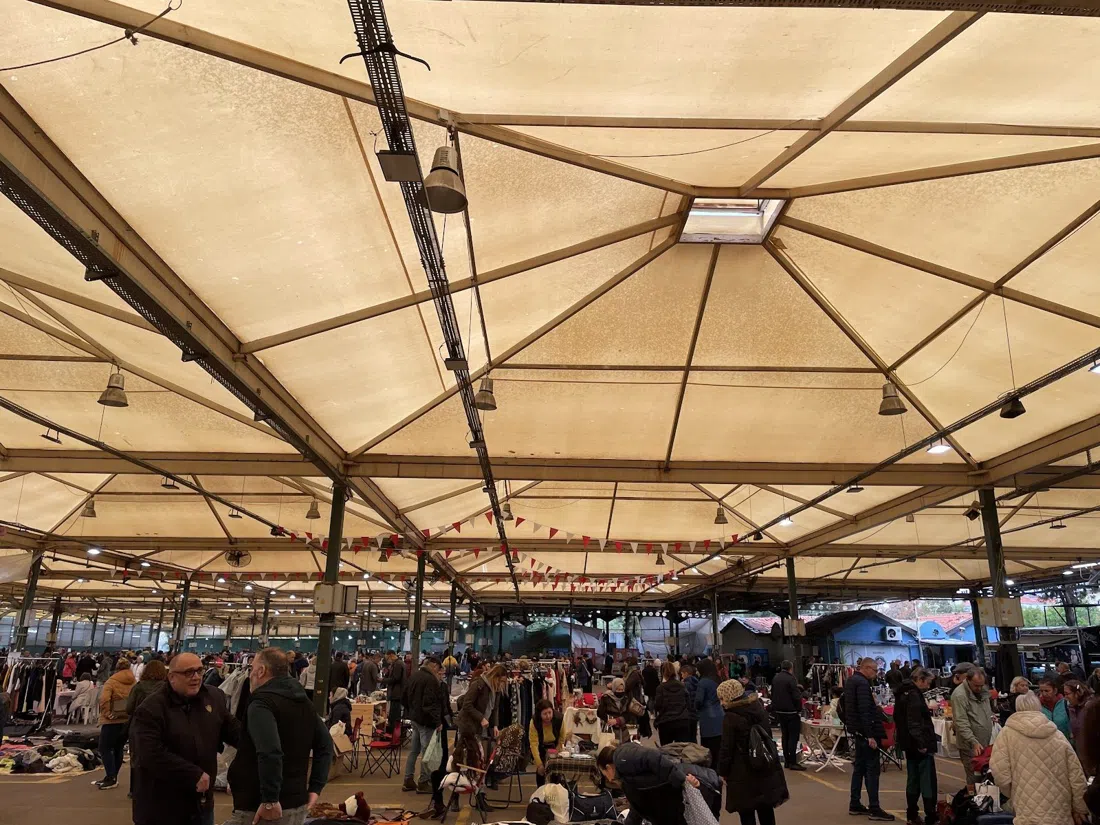
Tire Salı Pazarı (Tire) is Tuesdays only, the better part of two hours inland, and one of the largest open markets in the country. It is still a working craft market (saddlery, felt, copper) rather than a souvenir one, and the herb sellers are the actual reason to make the drive. Entry is free; organised day trips from İzmir run roughly 800–1,500 TL per head, and coaches come weekly, so a group of any size is routine here. Note the clash: Tire and the Balçova Ekopazar are both Tuesday. Pick one.
Urla and the villages behind it
Urla is roughly forty minutes west of the centre by car along the peninsula, longer on Friday afternoons. Four separate things sit within about twenty minutes of each other there, and they suit different people.
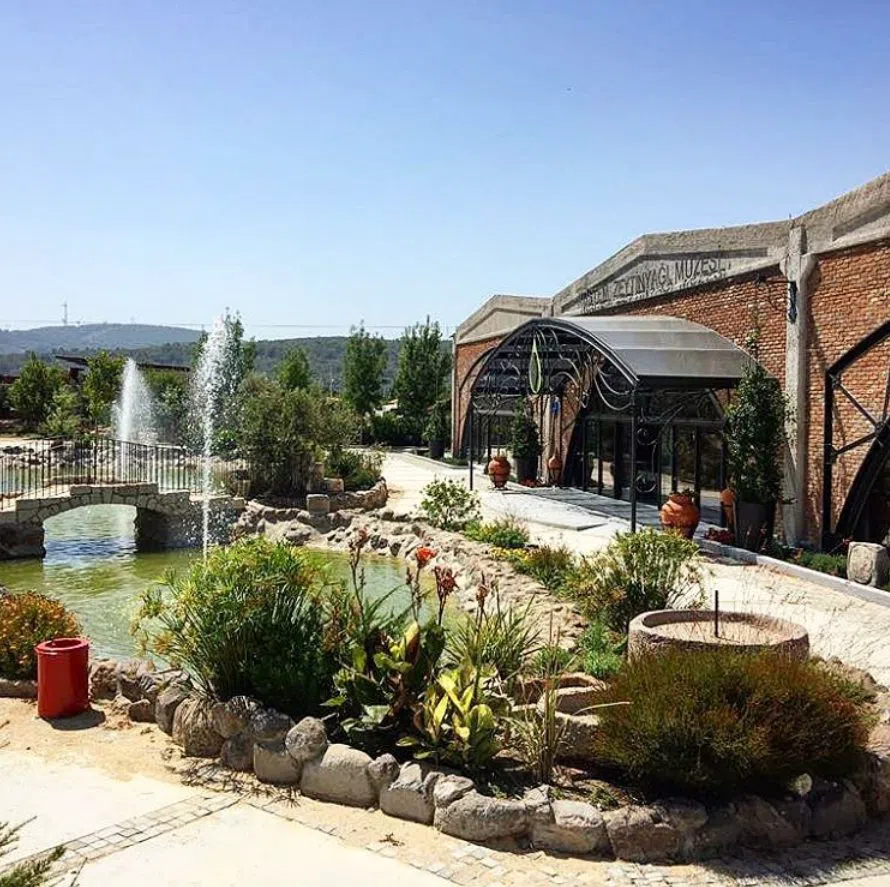
Köstem Zeytinyağı Müzesi (Urla) is closed Mondays and open Tue–Fri 10:00–18:00, Sat–Sun 10:00–19:00. Entry is roughly 200–350 TL with workshops charged on top, bookable in advance on +90 537 911 2323. It was purpose-built for group and school visits, which cuts both ways: it absorbs a coach without strain, and it can feel busy at weekends. Spend your time in the pressing hall. It explains the whole Aegean rural economy in one room, which is more than most regional museums manage in ten.
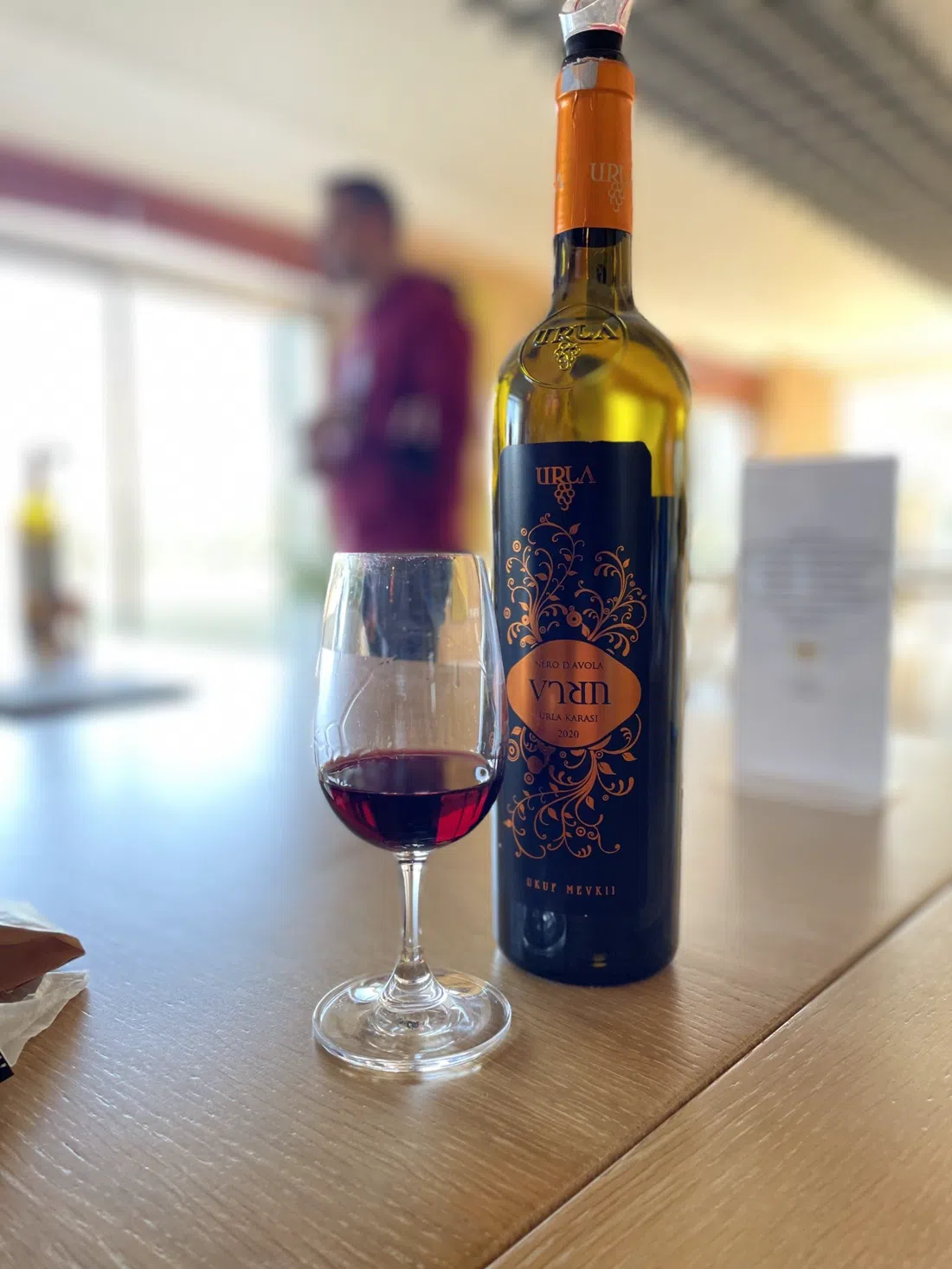
Urla Şarapçılık (Urla) pours from about 13:00, with a tasting flight at roughly 500–900 TL a head and a reservation required for parties over eight. It is a tasting room rather than a restaurant, working native Aegean grapes alongside international varieties. Book, taste, then eat in Urla afterwards. It suits couples and small groups; arriving at noon expecting lunch will not work.
Barbaros Köyü (Urla) is a village rather than a venue, with a square, cafés, herb-jam stalls and breakfast or börek for 200–500 TL, and was named by UN Tourism as one of Türkiye's Best Tourism Villages. The Oyuk Festival runs 21–23 August and is free and genuinely crowded; if crowds are the thing you came to avoid, go literally any other week, because the village kitchens are there year-round.
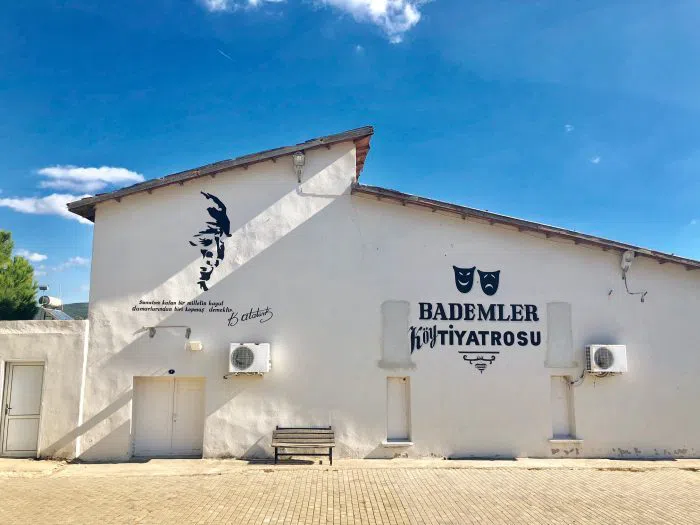
Bademler Köy Tiyatrosu (Bademler, Urla) was founded in 1932 as the country's first modern village theatre and is still acted by villagers. Tickets are typically 150–400 TL for a small indoor hall with a large garden stage in summer. The programme is irregular, so ring or message ahead both to confirm a performance date and to arrange seating for a group. Do not drive out on spec; a dark hall in a village is a wasted evening.
Ninety minutes inland
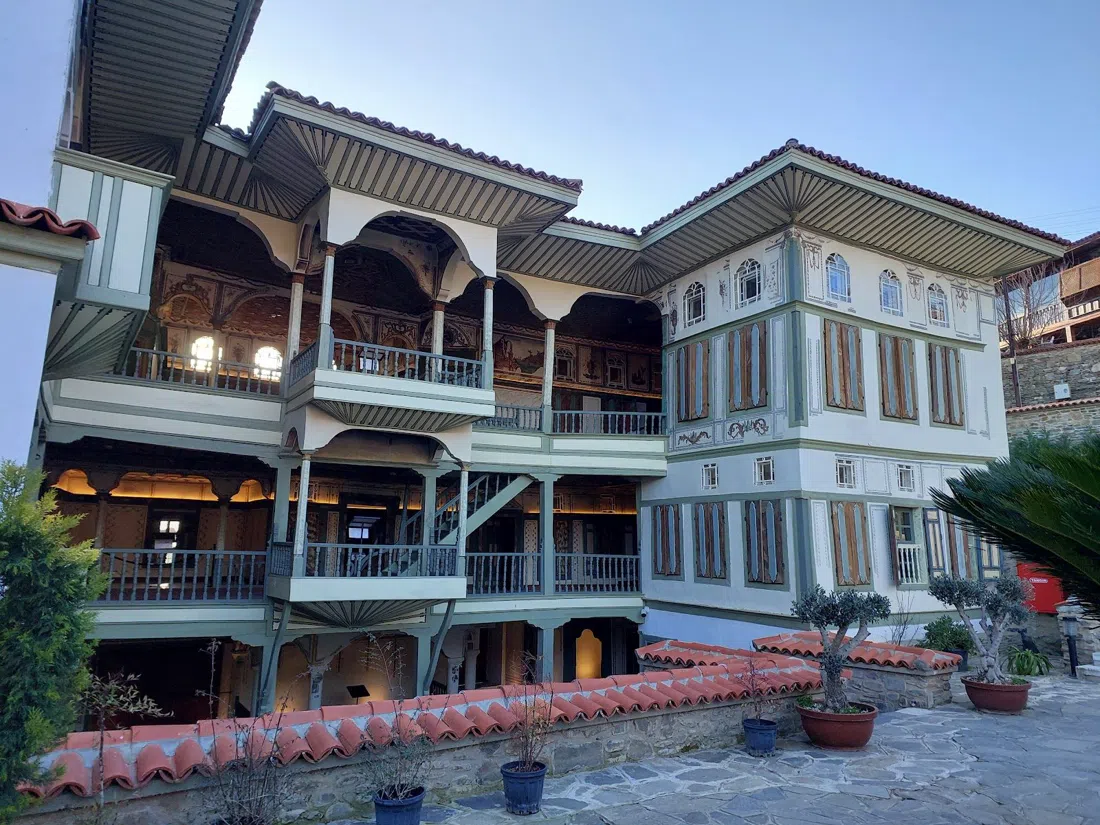
Birgi and the Çakırağa Konağı (Birgi, Ödemiş) sits about ninety minutes inland and is on UNESCO's tentative list. Entry to the konak is nominal, roughly 5–10 TL, with Müzekart valid; hours are 08:30–19:00 in summer and 08:30–17:30 in winter. The painted rooms are the finest surviving Aegean domestic interiors within reach of the city, but the rooms are small and the stairs are steep, so take a group up in batches of four or five or you will spend the visit queueing on a staircase. With a car, the sensible pairing is Tire's market in the morning and Birgi in the afternoon; the two are close enough to do properly in one Tuesday.
Green ground in the city, and water beyond it
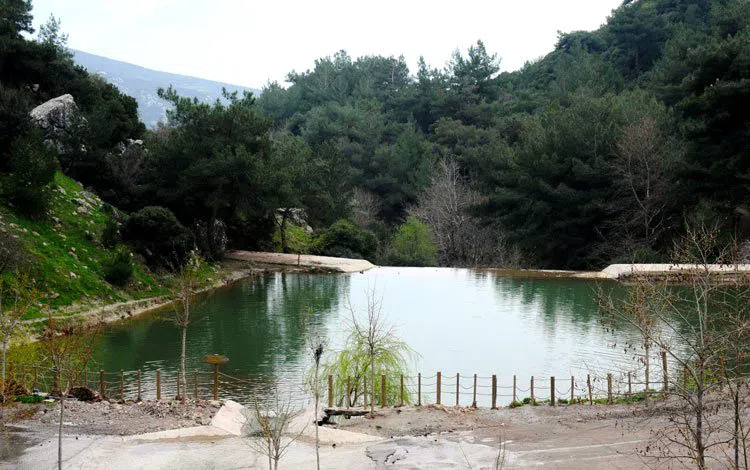
Homeros Vadisi (east of the centre) is open 24 hours, free, and needs no booking. Inside the metropolitan boundary it holds 182 plant and 103 bird species, with picnic areas and a paintball field that handle groups. Go on a weekday; at weekends it fills with local families and the picnic tables go early. It is a valley walk rather than wilderness, and it costs nothing and requires no plan.
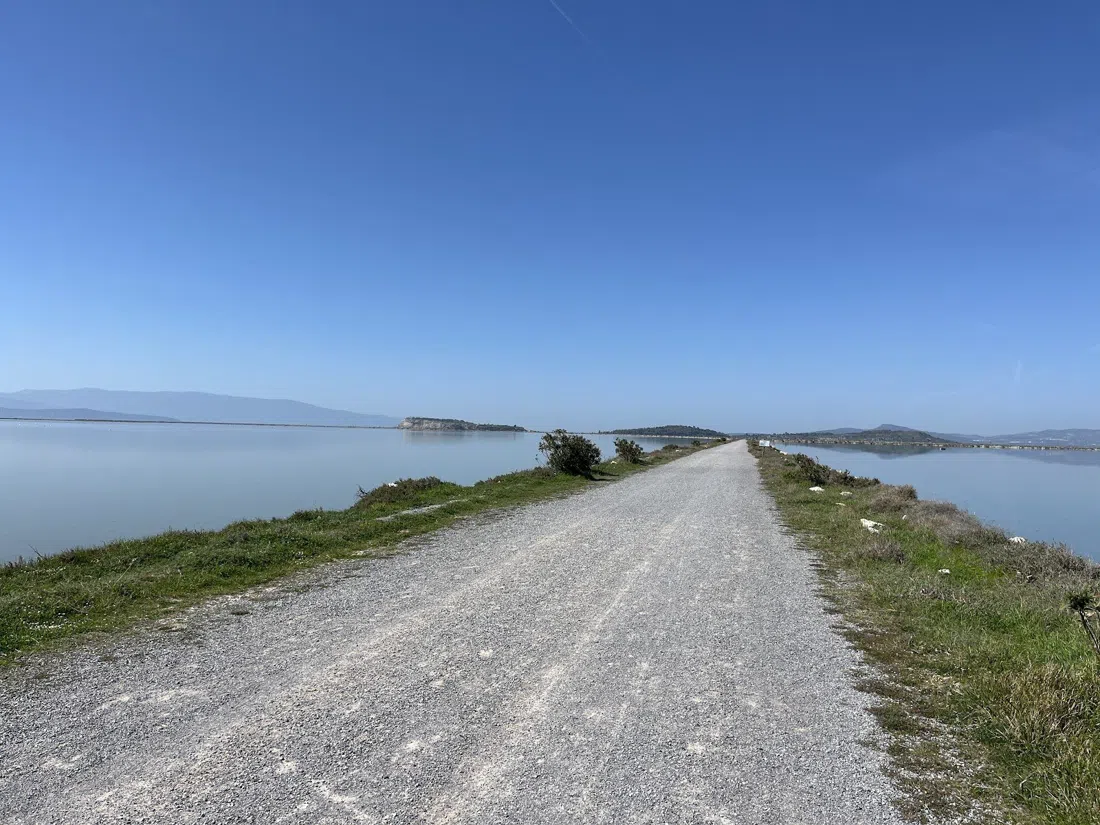
İzmir Kuş Cenneti / Gediz Deltası (Sasalı, Çiğli) is twenty minutes from Karşıyaka and almost entirely missed by visitors: 289 recorded bird species and the world's largest artificial flamingo island. Guided minibus tours run the Kaklıç–Degaj route from the Sasalı entrance; organised groups arrange visits through the Ministry's 4th Regional Directorate. The fee is modest, typically under 200 TL. Bring binoculars, because the flamingos are a long way out and without glass you will see a pink line and little else.
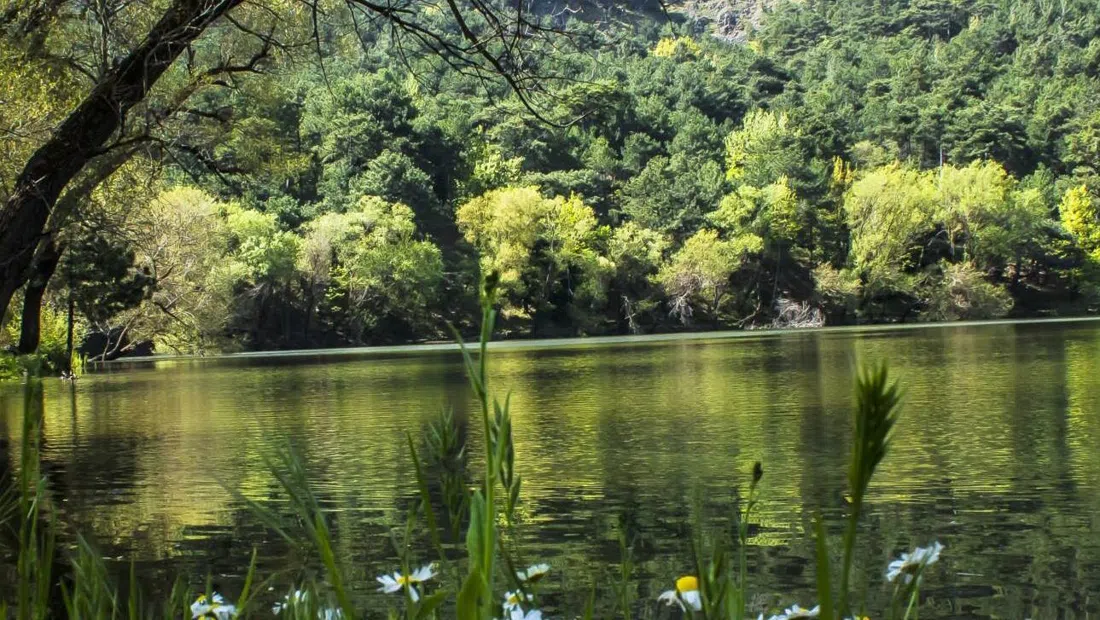
Karagöl Tabiat Parkı (Yamanlar, above Karşıyaka) is forty minutes uphill from the north shore and about ten degrees cooler in summer, which is the entire reason people go. Open 08:00–18:30; 21 TL on foot, 65 TL per vehicle, camping 240 TL. Picnic units, camping and caravan pitches take groups without booking. It is a crater lake with tea and grills around it rather than a hiking destination, and it works as the standard local escape from August heat.
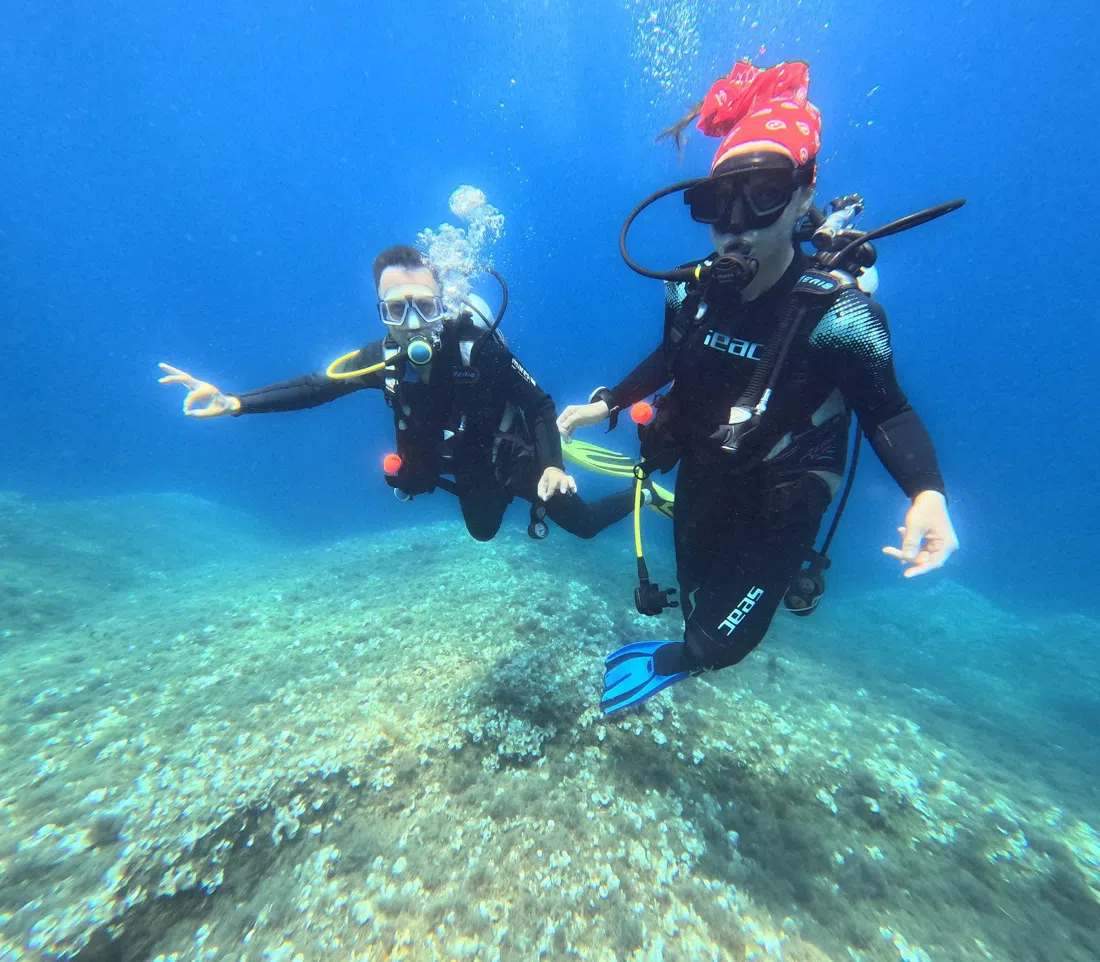
Foça Dive Center (Foça) is the only proper dive operation within an hour of the city: an active PADI centre, shop #26636, with three instructors, a boat, rental gear and adaptive diving, open daily 09:00–18:00. A try-dive is roughly 2,500–4,000 TL; an Open Water course starts around 12,000 TL. The coastline is Mediterranean monk seal habitat, which sets the tone of the briefings. Group courses and trips are standard, but book ahead in summer.
Where the city makes its noise
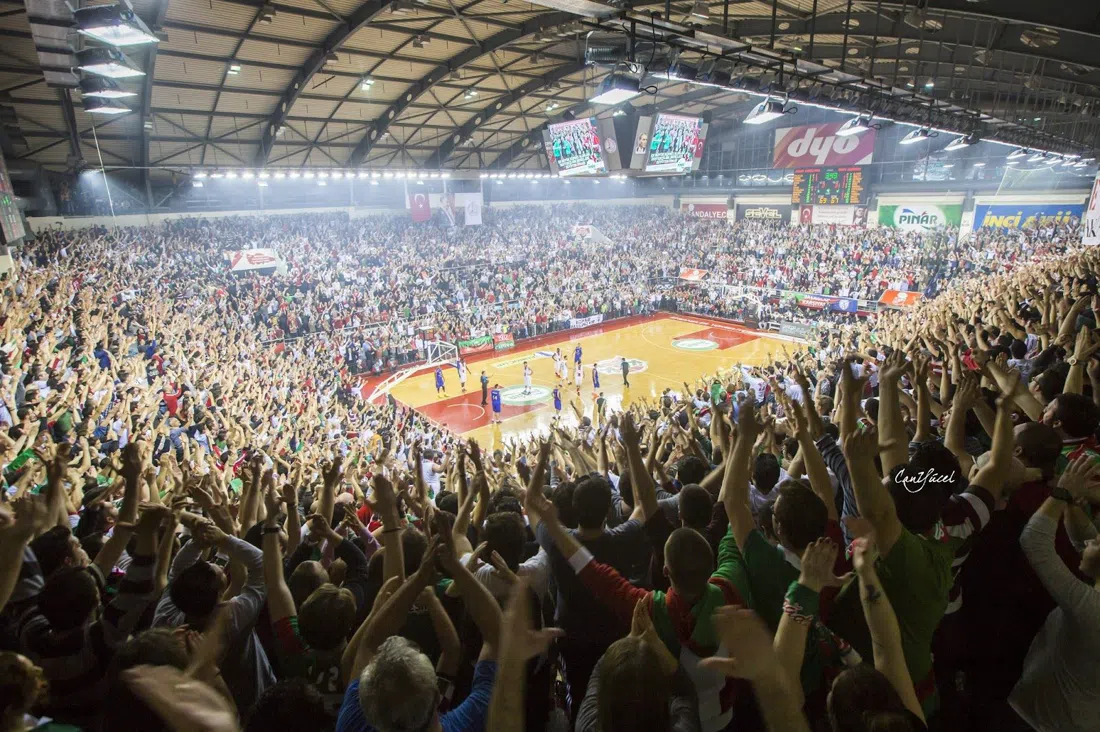
Pınar Karşıyaka play at the Mustafa Kemal Atatürk Karşıyaka Spor Salonu, in the Basketbol Süper Ligi's 16-team field for the 2026-27 season, which tips off in October. Tickets go through Biletix and Bubilet, blocks of seats are easy to buy together, and the arena is small enough that arriving early matters. The noise in that hall is the best argument there is for crossing to the north shore. Prices start around 110 TL and reach 400–1,750 TL for the big fixtures.
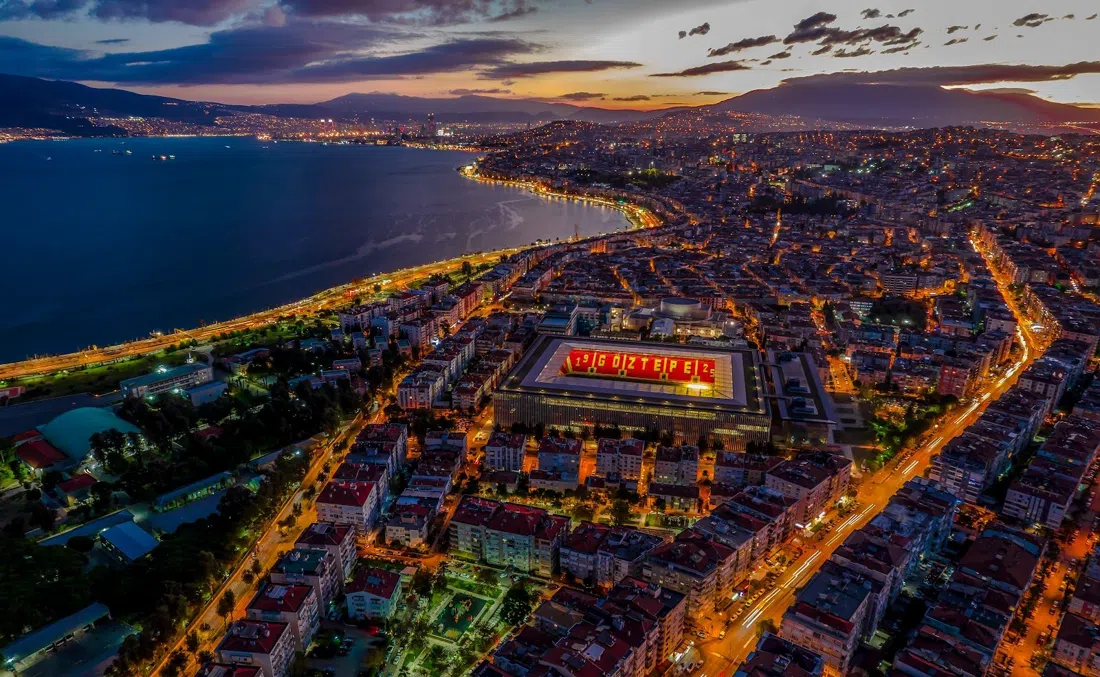
Göztepe SK play Süper Lig football at the Gürsel Aksel Stadyumu, rebuilt to UEFA specification in 2020. Tickets and season combines are sold through the club and Passo, and Turkish ticketing is ID-linked: every person in your party needs their own registration, in their own name, with their own passport details. Register the Passo account before you travel. Doing it on match day, in Turkish, with kick-off approaching, is how people end up outside. Expect roughly 400–1,500 TL depending on fixture and stand.
A bath that was never built for visitors
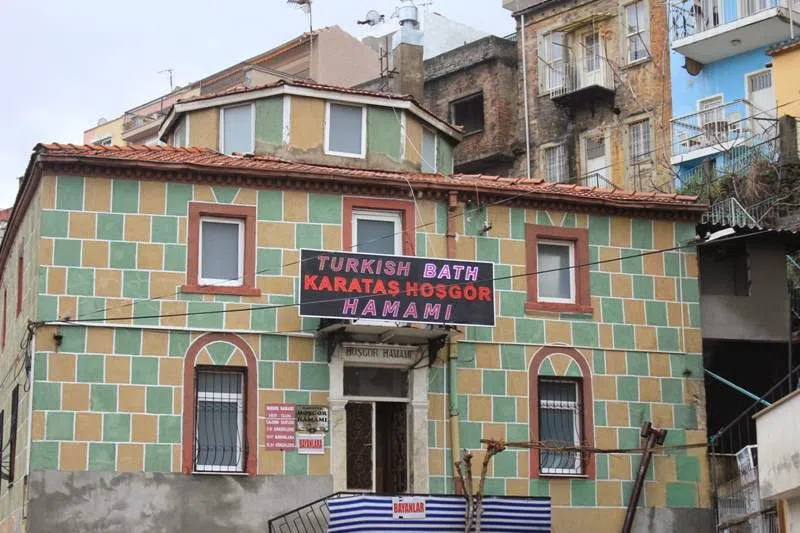
Tarihi Karataş Hoşgör Hamamı (Karataş, below the Asansör) is a working neighbourhood bath in the old Jewish quarter, open daily 07:00–23:00 with separate men's and women's sessions, women roughly 11:00–17:00. Those times shift, so check for your gender before turning up rather than after. Bath, scrub and foam come to roughly 400–800 TL, which is cheap by Turkish standards and reflects what it is: a local facility rather than a spa, without a spa's staffing or its English. Small groups are fine; call ahead for more than a handful. If you want robes, tea service and a menu, book a hotel hamam instead and be happier.
Getting around, paying and timing it
Transport. The ferries are the best thing in the transport network: Konak to Karşıyaka or Bostanlı puts you within walking distance of the Wednesday market and the basketball arena. Buy an İzmirim Kart at any kiosk and load it; it covers ferries, metro, tram and buses, and a single card can usually pay for several people. Urla, Sığacık, Bademler, Karagöl, Tire and Birgi are all easier with a car, and the last three are effectively car-only if you want to be back the same evening. Buses and dolmuş minibuses reach Urla and Foça reliably; Bademler and Birgi need patience or a hire car.
Cash. Markets are cash, in lira, in small notes. Nobody at a produce stall wants a 500. Draw before you go, because ATMs at Sığacık and in the villages queue up on market mornings. Museums, the winery, the dive centre and ticketed sport take cards.
Timing. Build the week around the fixed days: Ekopazar or Tire on Tuesday, Bostanlı on Wednesday, Ekopazar again on Friday, Sığacık on Sunday. Markets are morning affairs and start winding down well before their published close. Basketball and football run October to spring; diving and Karagöl are summer; Bademler is whenever the villagers have staged something. High summer inland, at Tire and Birgi, is hot enough that an early start is not optional.
Budget. A market-and-valley day, transport and lunch included, lands comfortably under 500 TL a head. A day out to Urla with the museum, a tasting and a village breakfast runs 1,200–1,800 TL. A dive or a big-fixture ticket is the one line that jumps. Staying on the north shore, in Karşıyaka or Bostanlı, puts the ferry, the market and the arena within walking distance and usually costs less than Alsancak; compare both sides in the Izmir hotel search. For the centre itself, the waterfront, the agora and everything within tram distance of Konak, start with the Izmir guide.
Questions
Which days should I be in İzmir to catch the markets?
The calendar is fixed: Ekopazar at Balçova and Tire's craft market on Tuesday, Bostanlı Pazarı on Wednesday (08:00 to 20:00), Ekopazar at Bostanlı on Friday (09:00 to 13:00), and the Sığacık producers' market on Sunday morning. A stay from Tuesday to Sunday catches all four; any four consecutive nights catches at least two. All are morning events in practice, whatever the closing time says.
Do I need a car, or can I do this on public transport?
Bostanlı, Ekopazar, Homeros Vadisi, the Karataş hamam and both sports venues are all reachable on the İzmirim Kart network: ferry, metro, tram and bus. Urla and Foça are served by buses and dolmuş. Bademler, Karagöl, Tire and Birgi are realistically car trips if you want to return the same day.
How do foreign visitors buy football and basketball tickets?
Göztepe tickets go through the club and Passo, and Turkish ticketing is ID-linked, so every person in your group needs their own Passo registration with their own passport details. Set that up before you travel. Pınar Karşıyaka basketball is simpler: Biletix or Bubilet, blocks of seats bought together, from about 110 TL and up to 1,750 TL for big fixtures.
Is a neighbourhood hamam suitable if I've never been to one?
Yes, with the right expectations. Tarihi Karataş Hoşgör Hamamı is a working local bath open 07:00 to 23:00 with separate men's and women's sessions, women roughly 11:00 to 17:00, though times shift, so check before you go. Bath, scrub and foam run roughly 400 to 800 TL. There is no spa service, robe ritual or reliable English; if you want those, book a hotel hamam.
How much cash should I carry, and where are cards accepted?
Carry lira in small notes for markets, village breakfasts, picnic-park entry and dolmuş fares; a day of markets and walking rarely exceeds 500 TL a head. Museums, Urla Şarapçılık, Köstem, Foça Dive Center and online sports tickets all take cards. Draw cash before heading to Sığacık or the inland villages, where queues form at the ATMs on market mornings.
First published on izmirgetaways.com, the Izmir guide.