At ten on the first Sunday of the month the dealers are already buying from each other, a silver caster or a boxed set of fish knives crossing a trestle table before the public has found the lift. Johannesburg made its money in a hurry, and the Randlords who made it filled their Parktown houses with Victorian mahogany, plated silver and shipped-in porcelain that their grandchildren sold off piece by piece. Those cast-offs still move every Sunday through fairs, a rooftop and a handful of crammed shopfronts in the old mining suburbs. What no listing tells you is how much of the trade is shut on the one day you have free.
What Sunday actually gives you
The collectors' calendar here has two speeds. Two of the best events run on the first Sunday of the month only, and a small group of markets and shops open every Sunday. The rest of Johannesburg's antique trade, including the street the dealers themselves call Antique Street and the largest second-hand bookshop on the continent, keeps dealer's hours and locks up on Sunday entirely.
So if you can pick your weekend, pick the first one of the month. If you cannot, there is still a good day here, but it leans towards markets and general stock rather than serious furniture and silver. Plan early. Nothing on this circuit runs into the evening: the first doors open at 09:00, the earliest closes at 14:00, and by 16:30 the whole thing is over.
The first-Sunday fairs worth setting an alarm for
The Firs Antique Fair (The Firs, Rosebank) is the anchor of any real collectors' Sunday and the country's longest-running tabletop fair: up to 70 dealers, first Sunday only, 10:00 to 16:00, free entry and no door policy. Stock runs from R150 trinkets to R50,000 and above for furniture and fine silver, with the usual thick middle of costume jewellery, brass, militaria and boxed cutlery in between. Be there at 10:00 sharp, not 11:00. Dealers trade among themselves the moment the tables are laid, and the good silver and the unusual small furniture are the first things to move. The aisles between the tables are narrow, so a party larger than about six should split and re-form at the entrance instead of moving as a block. The fair used to run at Nelson Mandela Square in Sandton and older listings still carry that address. It is the same fair, not a second one.
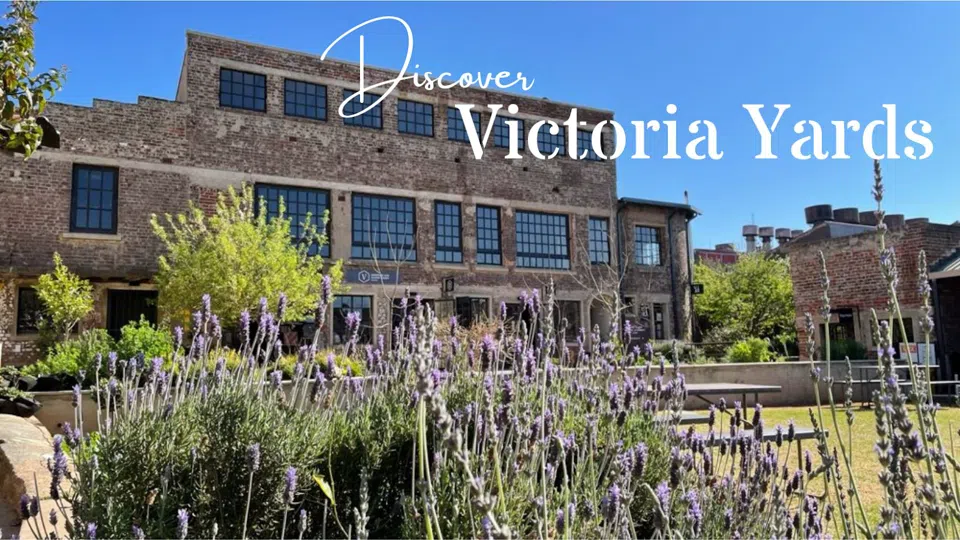
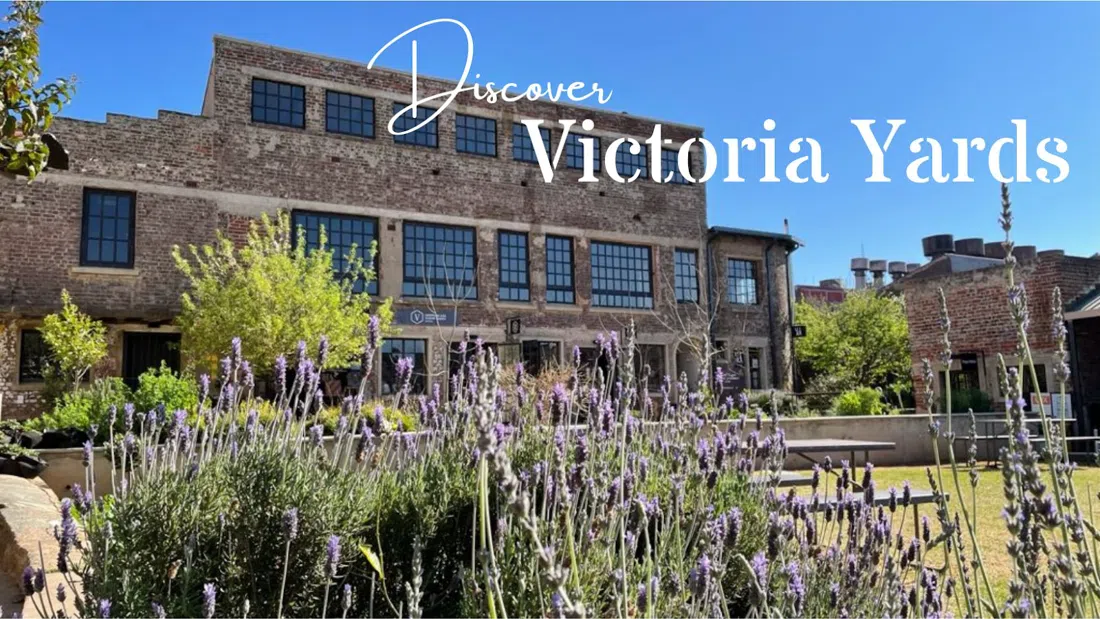
First Sunday at Victoria Yards (Lorentzville, east of the inner city) runs 10:00 to 16:30 on the first Sunday of every month except January, and is confirmed running through 2026. It is a rehabilitated industrial block in one of the grittier old eastern suburbs, and it opens its resident artists' and makers' studios to the public, with work and salvage from around R100 up to gallery prices. Do not come hunting period silver. You buy from the maker rather than the middleman here, and it suits an afternoon rather than competing with the morning fairs. Groups are welcome and free, and the precinct can arrange a guided walkabout for a larger party. Drive or ride in and park inside rather than walking there through the surrounding streets.
Rosebank on any Sunday of the month
Rosebank Sunday Market (Rosebank) is the only every-Sunday fixture on this list: 09:00 to 16:00, free, on a rooftop deck with easy parking on Level 4. It has been running over 30 years and it absorbs groups of any size, with wide aisles, no door policy and no booking. For collectors the draw is a large stall specialising in antique jewellery, where prices climb into the thousands, alongside second-hand books and vinyl and a broad band of bric-a-brac from about R20. Vintage clothing sits roughly R100 to R600.
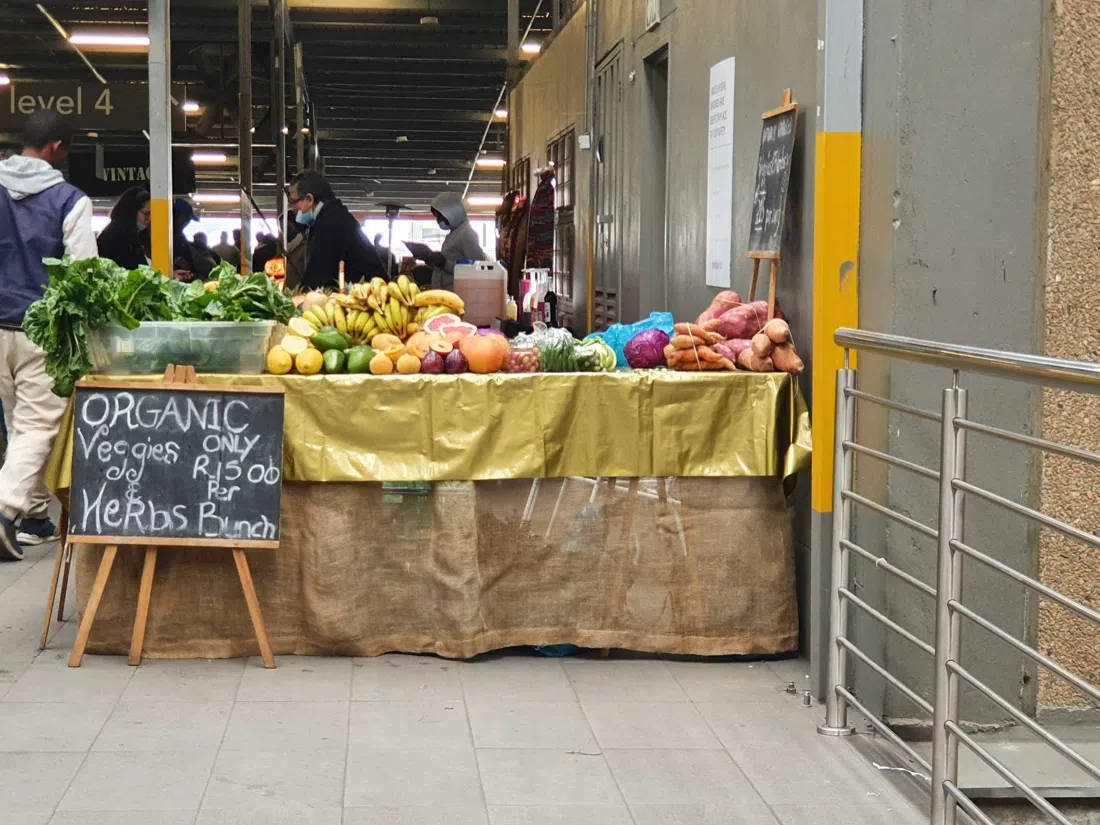
Time it for the last Sundays of the month if you can, when the car-boot sale fills the deck with private sellers clearing houses. That is the same market's own event rather than a separate venue, and it is the closest thing Johannesburg has to buying directly from the family that owned the thing. On a first Sunday, open here at 09:00 and walk to The Firs when it opens at 10:00. Both are in Rosebank and the two together make an unhurried first two hours.
One walkable hour in Milpark
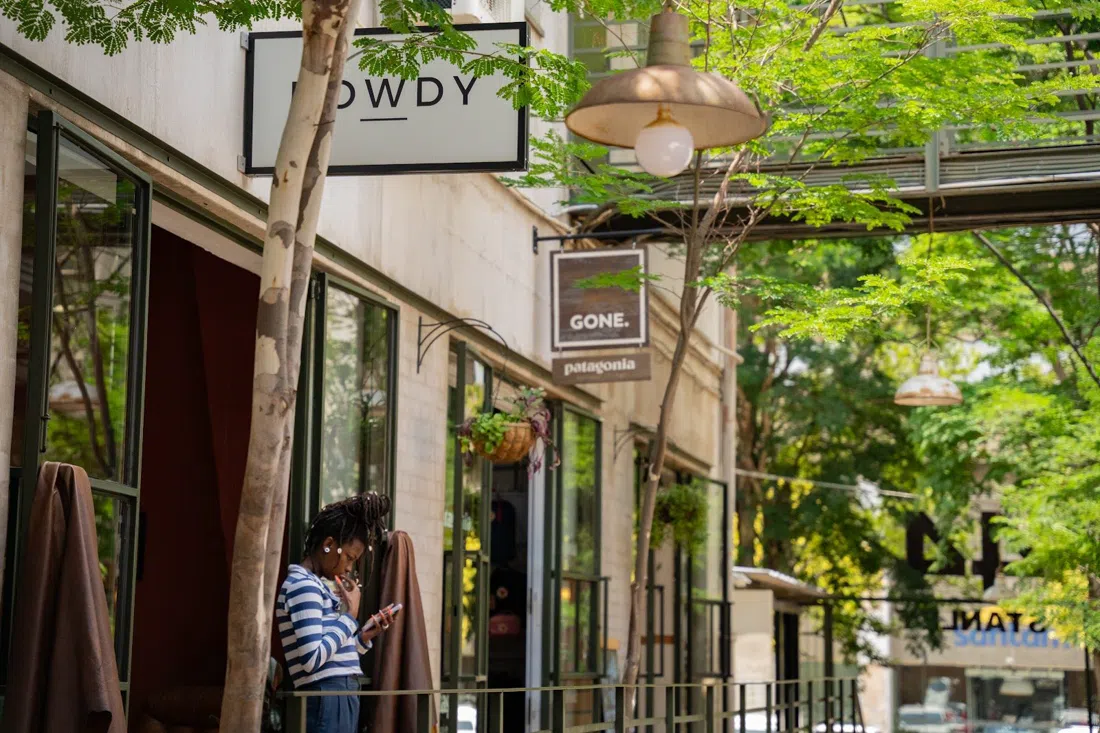
44 Stanley (Milpark) is the stop that feels most like an international city: a converted industrial precinct of small shops around planted courtyards, free to browse, pleasant to walk and easy to spend an hour in without a car. Watch the Sunday hours closely, 09:00 to 14:00, the shortest on the circuit. Three addresses matter here. L'Elephant Terrible for collectible books, Mr Vinyl for second-hand records, and the Drum Archive shop for South African magazine history, which is the most specifically local thing you can carry home from the day. Books and records run roughly R100 to R1,500; design pieces go higher. The individual shops are tiny, so a group should spread out between the courtyards and the cafés instead of queuing into one doorway.
Directly opposite the Bamboo centre, Reminiscene Vintage (Milpark) is the serious vintage-clothing dealer in this city, a curated floor rather than a thrift rail, with garments and jewellery mostly R150 to R2,500. It is also one of very few specialist shops on the Milpark and Melville line that actually opens on a Sunday, 10:00 to 15:00, closed Monday. The floor is small enough that two or three people at a time is the comfortable limit; a couple will enjoy it, a party of eight will not fit and should rotate through while the others sit at 44 Stanley.
Across town to Kensington
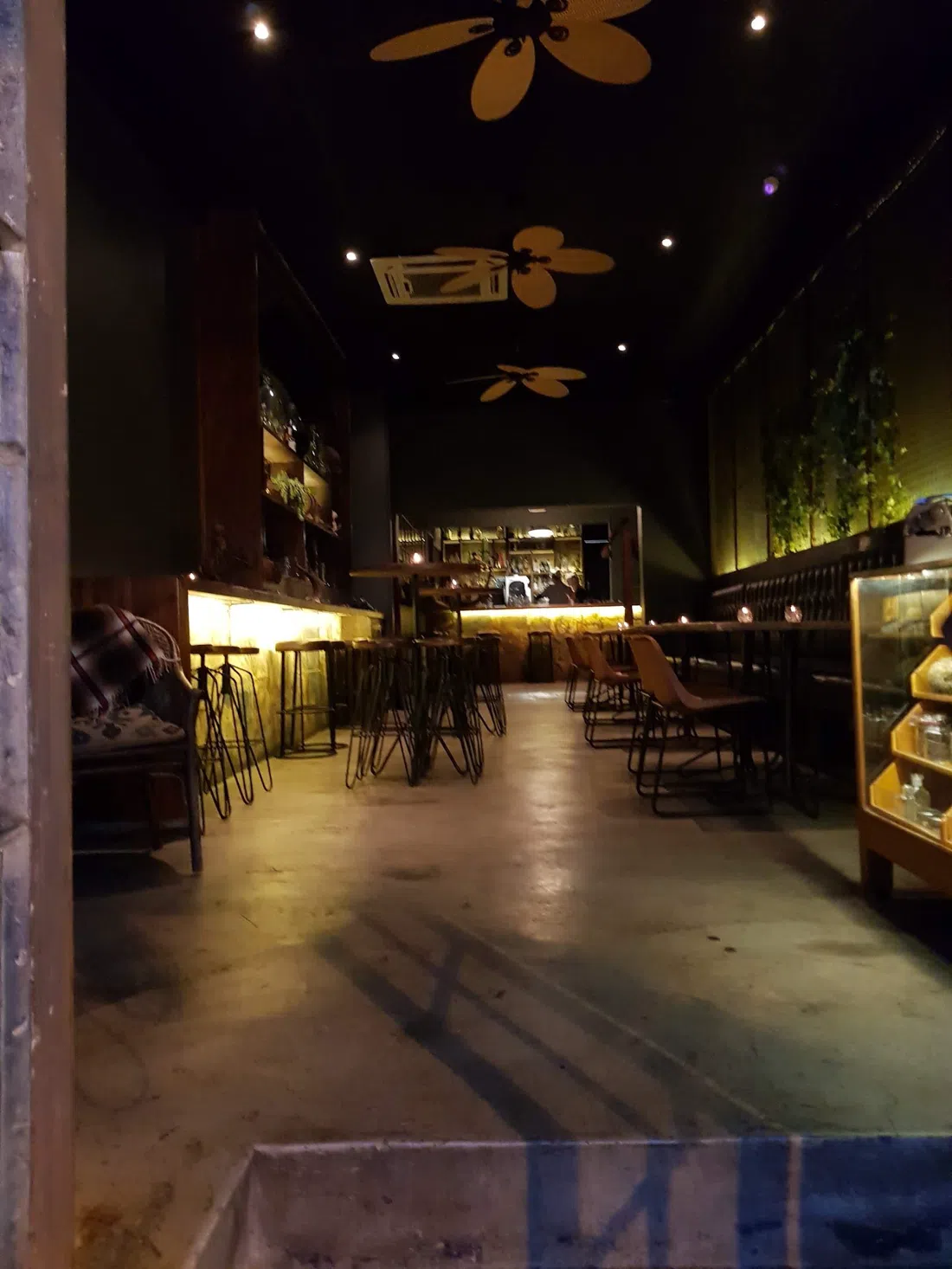
Kensington Trading (Queen Street, Kensington) is the strongest reason to drive east, and the reason is simple: it opens on Sunday, 10:30 to 15:00, when almost every comparable dealer does not. Trading since 1985, it runs from R50 vinyl and small collectables up to about R30,000 for restored furniture, and the stock is deeper than the frontage suggests because the business also restores furniture and rents props to film productions. In practice that means rooms crammed floor to ceiling and movement that is single-file in places, fine for walk-ins including groups, but not a place to browse three abreast.
One correction to old blog posts and map pins: Barter Buy, further up Queen Street, has closed. Do not build a Kensington afternoon around it.
Downtown for design, records and lunch
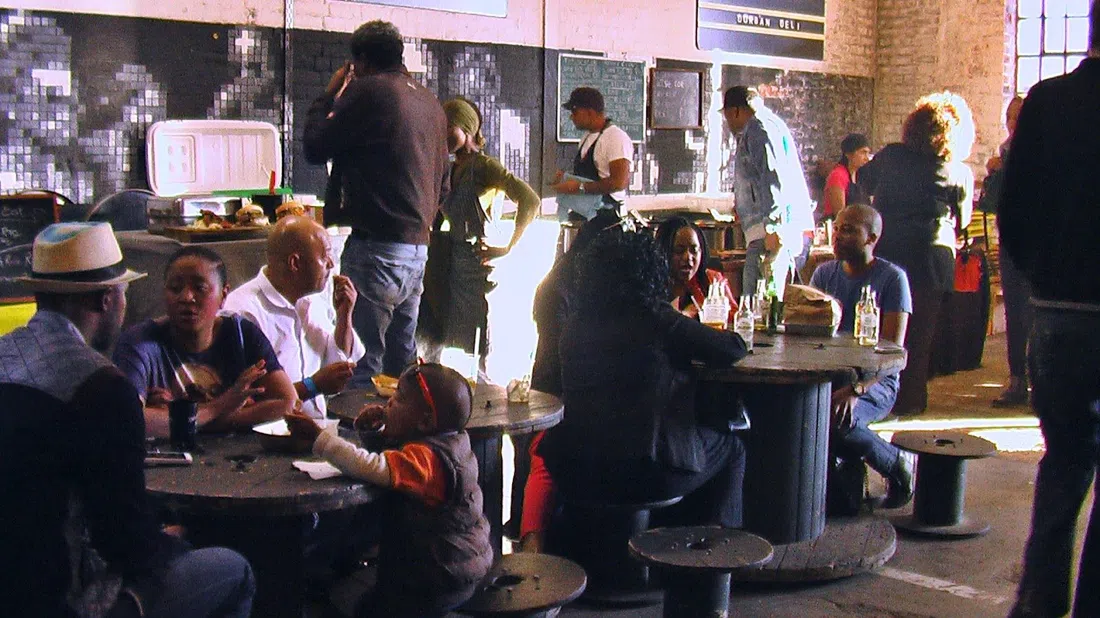
Market on Main (inner city) runs every Sunday, 10:00 to 15:00, in a converted warehouse, free to enter, very group-friendly and at its loudest between 11:00 and 14:00. Most stalls sit between R50 and R800. It is a curated design-and-food market with records and makers, not a hunting ground for hard antiques. Come for the street-food lunch and the crate-digging rather than Georgian silver. It is the easiest place on the circuit to park a mixed group of people where only half of them care about old things.
The Sandton fallback when everything else is shut
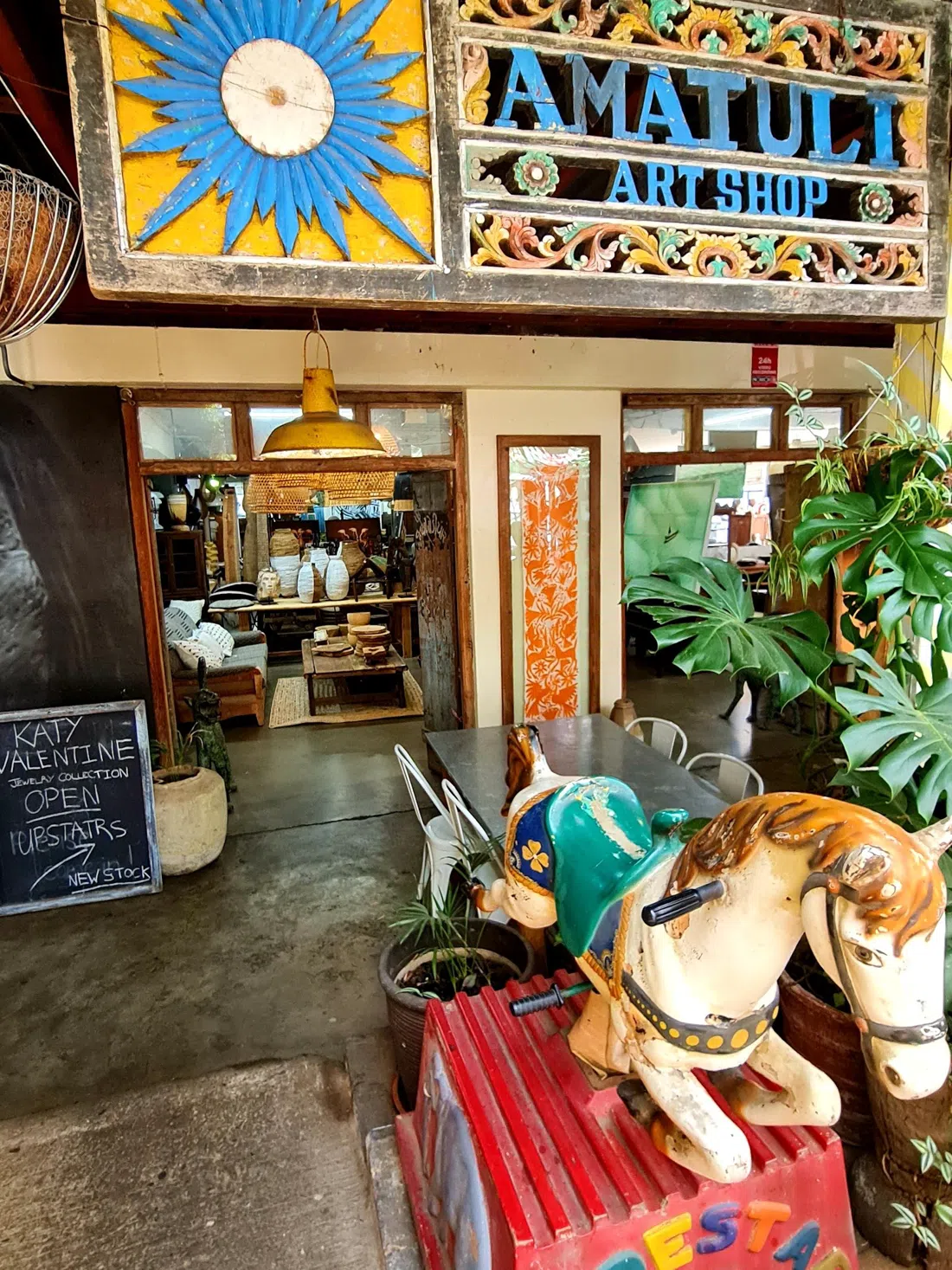
Amatuli Artefacts (Kramerville, Sandton) is the one dealer here working at international scale, a large warehouse floor that swallows a group without effort, open to the public without an appointment, and open on Sunday, 10:00 to 15:00. Prices run from around R400 for baskets and small pieces to R100,000 and beyond for major African artefacts. Two caveats. Kramerville sits north in Sandton, well off the old mining-suburb line, so treat it as a planned afternoon leg rather than a drop-in. And if you are buying artefacts to ship, ask for written provenance and the export paperwork before you pay, not after.
The Saturday leg you cannot do on a Sunday
Long Road, the strip locals call Antique Street, is the densest concentration of real dealers in Johannesburg, and every one of them is closed on Sunday. If antiques are the point of your trip, give it a Saturday morning.
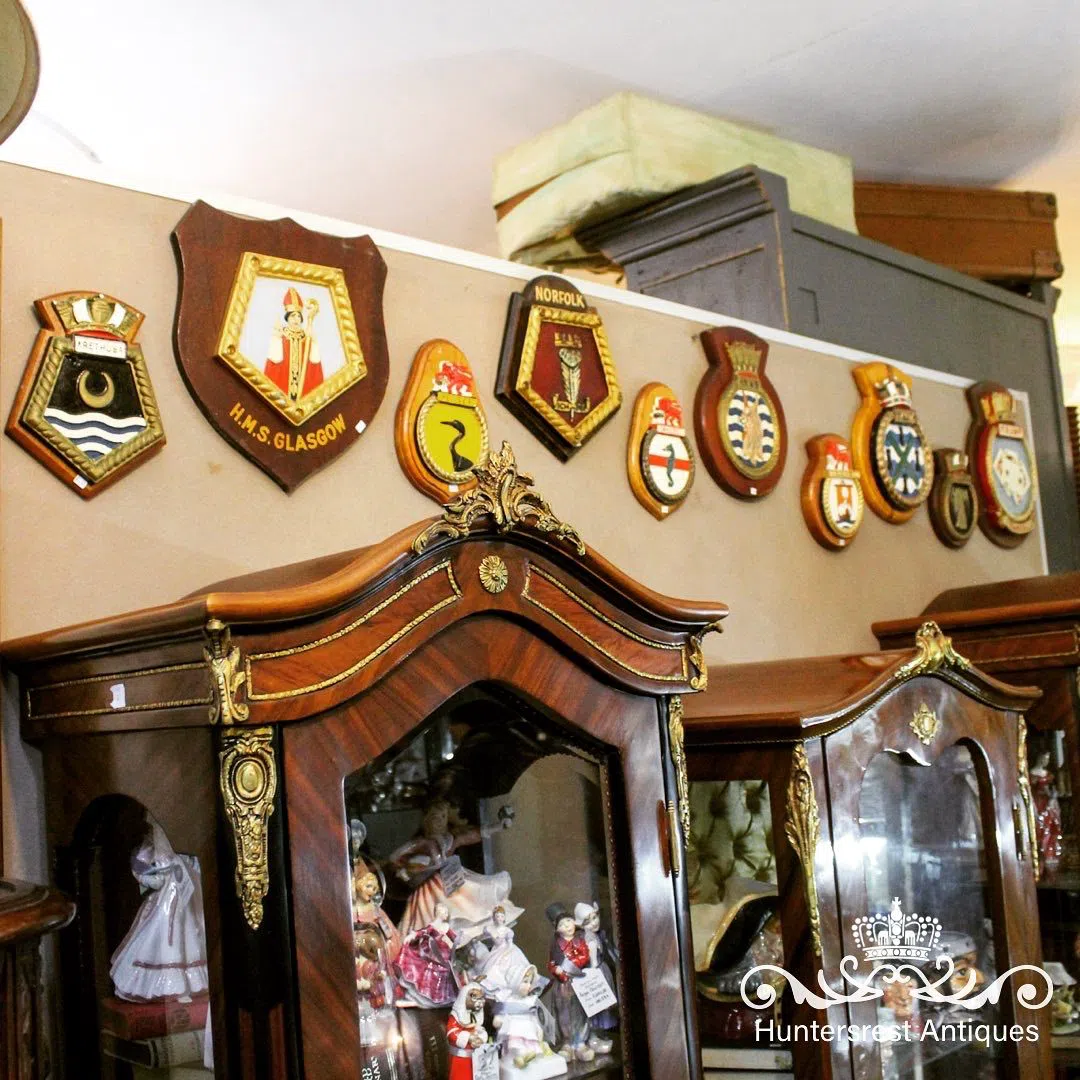
Hunters Rest Antiques (Long Road) has been run by Deon and Kitsa De Kock since 1997 and is the most rewarding single stop on the street, from R50 small collectables to R25,000 furniture. Hours are weekdays 10:30 to 15:00 and Saturday 08:00 to 14:00, closed Sundays and public holidays; on Saturdays there is free cappuccino and cake for browsers, which tells you how they expect you to shop. Cowboys and Angels Antiques (Long Road) is the specialist to see for enamel signage and militaria, R300 for small silver up to R60,000 for important pieces, and it is a member of the South African Antique Dealers Association, the quality filter worth trusting on this street. Owner Andre Nel is a known figure in the local trade. The premises are small, so phone ahead for anything larger than a few people, and ring 072 962 5468 the day before to confirm, because the hours are not formally published.
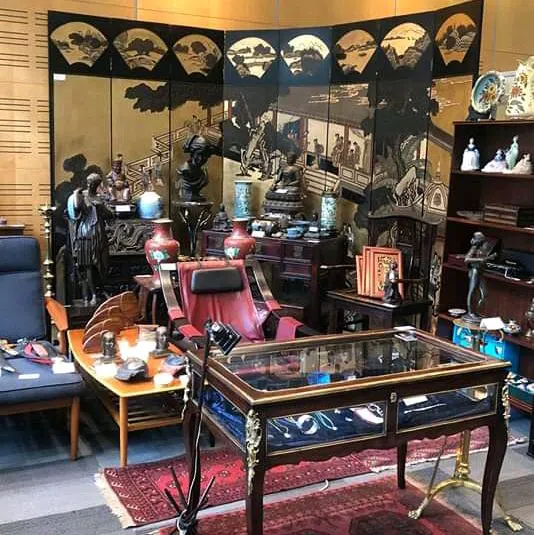
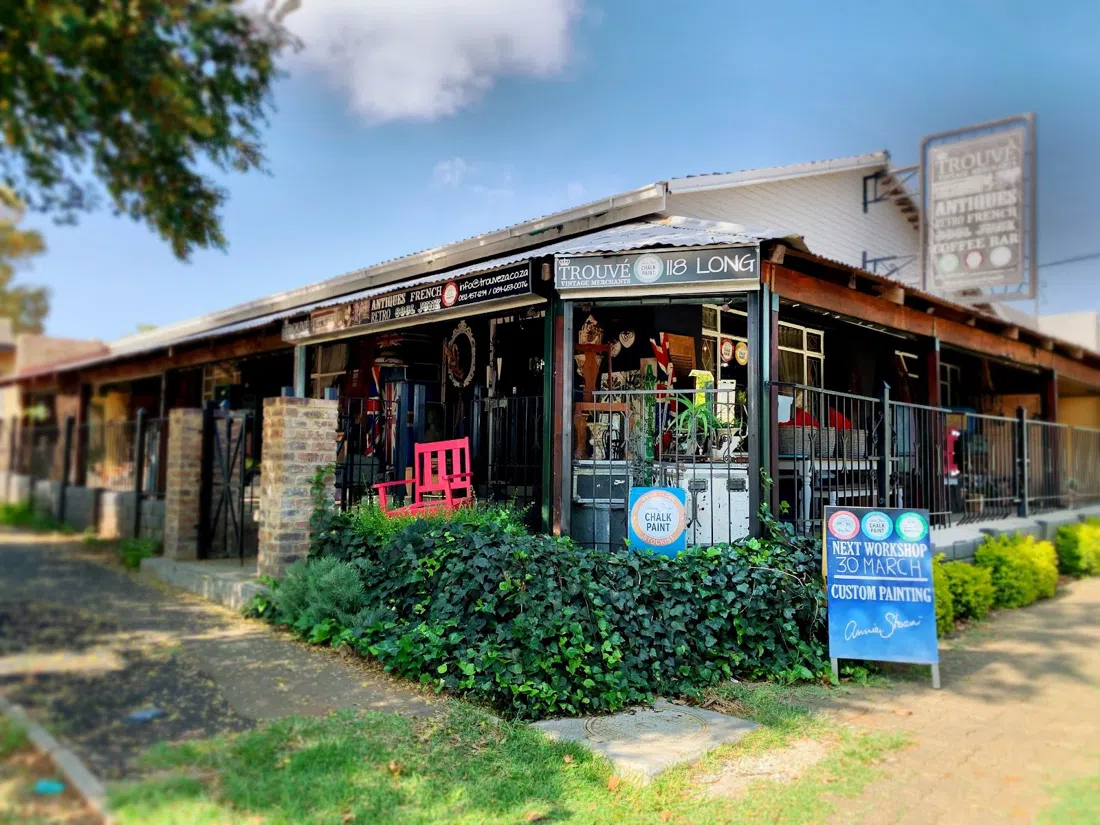
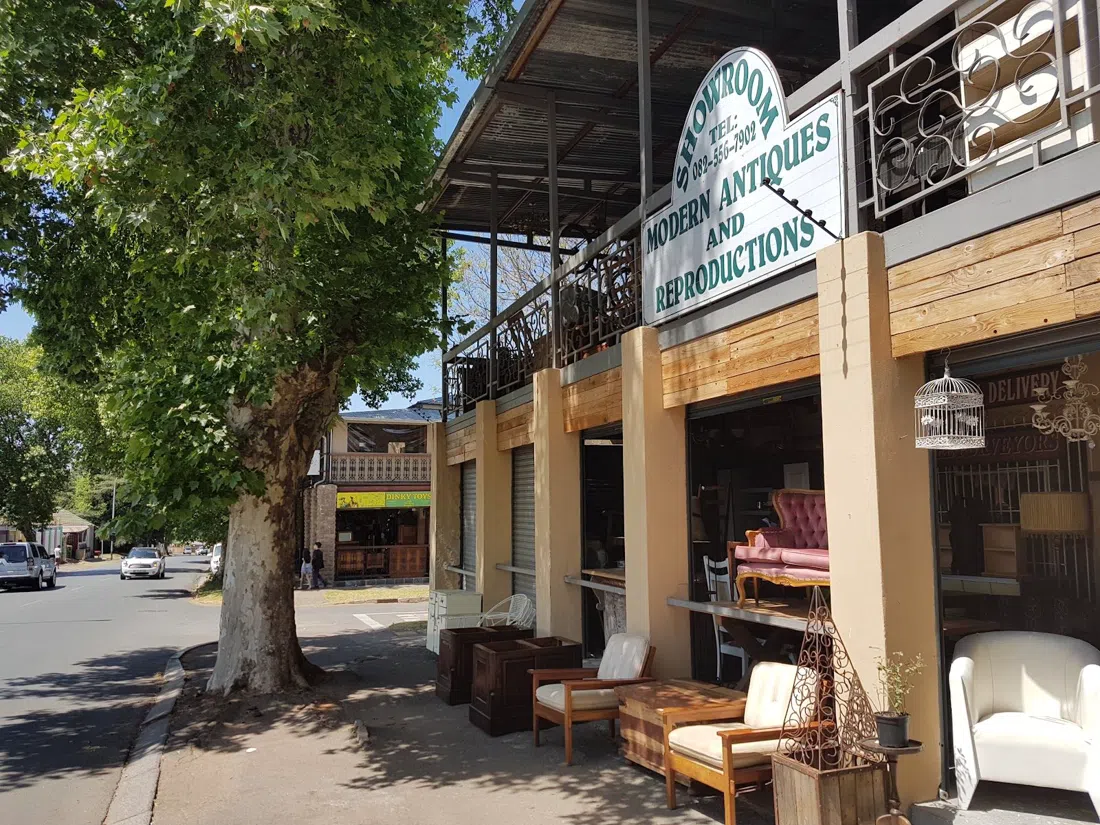
Grand Hotel Antiques (Long Road) is the oldest business on the street, established in 1987, and the strongest for unusual one-off pieces and complete furniture sets running from Victorian through to the 1960s, R100 curios to R40,000 for a set. Visitors regularly lose an hour in there, though the aisles are tight. Call +27 11 673 2345 first. Modern Antiques (Long Road) is the practical end of the strip: owner Tanya Geyer keeps genuine collectors' items alongside restored and upcycled furniture and imported reproduction pieces, R500 to R35,000 depending on the piece and the restoration, with a team of about ten on site so someone is always free to talk. Ask plainly which category a piece falls into, original, restored, or reproduction, and expect a straight answer. It is confirmed trading into 2026; call +27 11 477 8940 for hours. Finish at Trouvé Vintage Merchants & Coffee (Long Road), the best-styled shop on the street, R150 for homeware up to R15,000 for furniture, with a coffee bar at the back at about R35 a cup that makes it the natural regroup point for a party working the strip. Tuesday to Friday 09:00 to 17:00, Saturday 09:00 to 14:00, closed Sunday and Monday.
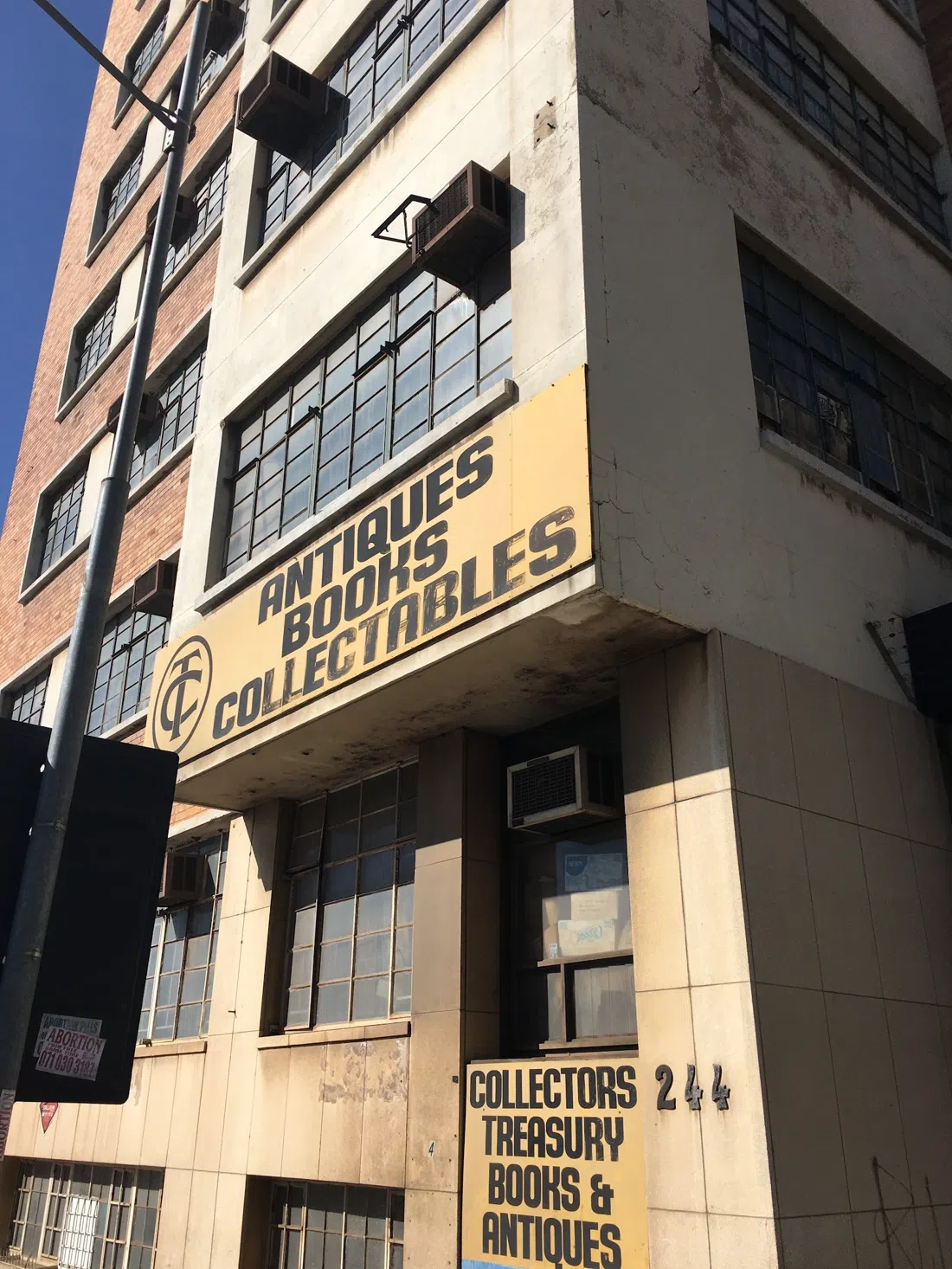
One more Saturday obligation. Collectors Treasury (inner city) holds two million items across multiple floors and has traded since 1974, the largest used and rare bookshop in Africa and the most extraordinary shop interior in the city, books from R50 to rare items in the tens of thousands, free to browse. It is closed on Sundays, open Monday to Saturday 09:00 to 17:00. The owners will take a small group up through the building, but the staircases are steep and packed with stock, so keep the party to three or four. Arrive by car or on a guided walking tour rather than wandering into the inner city on foot.
How to buy without being sold a reproduction
Ask three questions at every table: what is it, when was it made, and has it been restored. A reputable dealer answers all three without flinching and will tell you when a piece is a reproduction or an upcycle; several shops here stock those openly and legitimately alongside period stock. Association membership is a useful signal on Long Road. For silver, check for hallmarks in daylight rather than under a stall lamp. For furniture, ask what has been replaced. For African artefacts, provenance and export documentation matter more than price, and any dealer operating at scale will have both ready. Prices at fairs have some give in them, especially late in the day, but the opening hour is when the good things are still on the table, so you are choosing between a discount and the best stock.
Practical notes for the day
Drive or use ride-hailing between every stop; these suburbs are not stitched together by pavement and nobody here walks from Milpark to Kensington. The Gautrain serves Rosebank and Sandton usefully if you are only doing those two legs. Carry cash. Entry is free everywhere on this list, but private sellers at the Rosebank car-boot and many small stall traders will not take a card, while the established dealers will. Draw cash before you set out rather than at a market ATM.
A workable first-Sunday route: Rosebank Sunday Market at 09:00, The Firs at 10:00, 44 Stanley and Reminiscene from 11:30 until the precinct closes at 14:00, then either Kensington Trading before 15:00 or Victoria Yards until 16:30. On any other Sunday, open at 44 Stanley at 09:00, take Reminiscene at 10:00, eat at Market on Main around midday, and finish at Kensington Trading or Amatuli by 15:00. Budget the day itself at almost nothing (parking, a R35 coffee, and lunch inside the R50 to R800 stall band) and set your real number for the one thing you actually came to buy. Stay in Rosebank if you want the first-Sunday pair on foot; see the Johannesburg hotel search for what is near the markets, and the wider Johannesburg guide for the rest of the city around this circuit.
Questions
Which Johannesburg antique places are actually open on a Sunday?
Rosebank Sunday Market (09:00-16:00), 44 Stanley in Milpark (09:00-14:00), Reminiscene Vintage (10:00-15:00), Kensington Trading (10:30-15:00), Market on Main (10:00-15:00) and Amatuli Artefacts in Kramerville (10:00-15:00) open every Sunday. The Firs Antique Fair (10:00-16:00) and First Sunday at Victoria Yards (10:00-16:30) run on the first Sunday of the month only, and Victoria Yards skips January.
What is closed on Sundays that I should plan a Saturday for?
The whole Long Road strip closes on Sunday: Hunters Rest Antiques, Cowboys and Angels, Grand Hotel Antiques, Modern Antiques and Trouvé. So does Collectors Treasury in the inner city. Saturday mornings are the window: Hunters Rest runs 08:00-14:00, Trouvé 09:00-14:00, Collectors Treasury 09:00-17:00.
Do I need cash, or will dealers take cards?
Established dealers and shops take cards. Private sellers at the Rosebank car-boot Sundays and many small stall traders want cash, so draw a few hundred rand before you set out. Entry is free at every venue on this circuit.
Is this circuit suitable for a group?
It depends on the stop. Rosebank Sunday Market, Market on Main, Victoria Yards and Amatuli's warehouse floor handle any group size. The Firs has narrow aisles, so parties over about six should split. Reminiscene Vintage comfortably holds two or three people, and Collectors Treasury's stacked staircases suit three or four at most. Phone Cowboys and Angels on 072 962 5468 before bringing a group.
Can I ship an antique or African artefact home from Johannesburg?
Yes, though ask for written provenance and the export paperwork before you pay. Amatuli Artefacts works at international scale and handles this routinely, while smaller dealers vary, so confirm what documentation comes with the piece and who arranges the crating.
First published on johannesburgguides.com, the Johannesburg guide.