By mid-afternoon on 1 November the light over Krakow has already gone thin and grey, and the tram stops along the ring road fill with people carrying cellophane-wrapped lanterns in both arms. By six it is fully dark and the cemeteries are alight, tens of thousands of candles banked against headstones until the gravel paths run between low walls of red and amber glass. None of it is staged for visitors. It is a family day that happens to be the most beautiful thing the city does all year, and a traveller's only job is to turn up quietly and dress for the cold.
What the first of November actually looks like
All Saints, Wszystkich Świętych, falls on Sunday 1 November in 2026, and it is a national public holiday in Poland. The rhythm of the day is consistent: graves are cleaned and re-planted in the days beforehand, families arrive through the morning and early afternoon, candles go on at dusk, and the crowds thin out by mid-evening. Expect shops shut, most museums shut, a holiday tram timetable with extra services pushed toward the cemeteries, and restaurant opening hours that cannot be trusted to an app.
Plan the day in three parts and it works: a slow morning, an indoor church or crypt in the early afternoon, and the cemeteries from dusk onward. The candles then burn on through 2 November, All Souls, when the crowds have gone home and you can walk the same avenues alone. If your dates are flexible, the 2nd is the better photograph and the worse atmosphere, and reasonable people choose differently.
Rakowicki at dusk, and why you should not arrive at seven
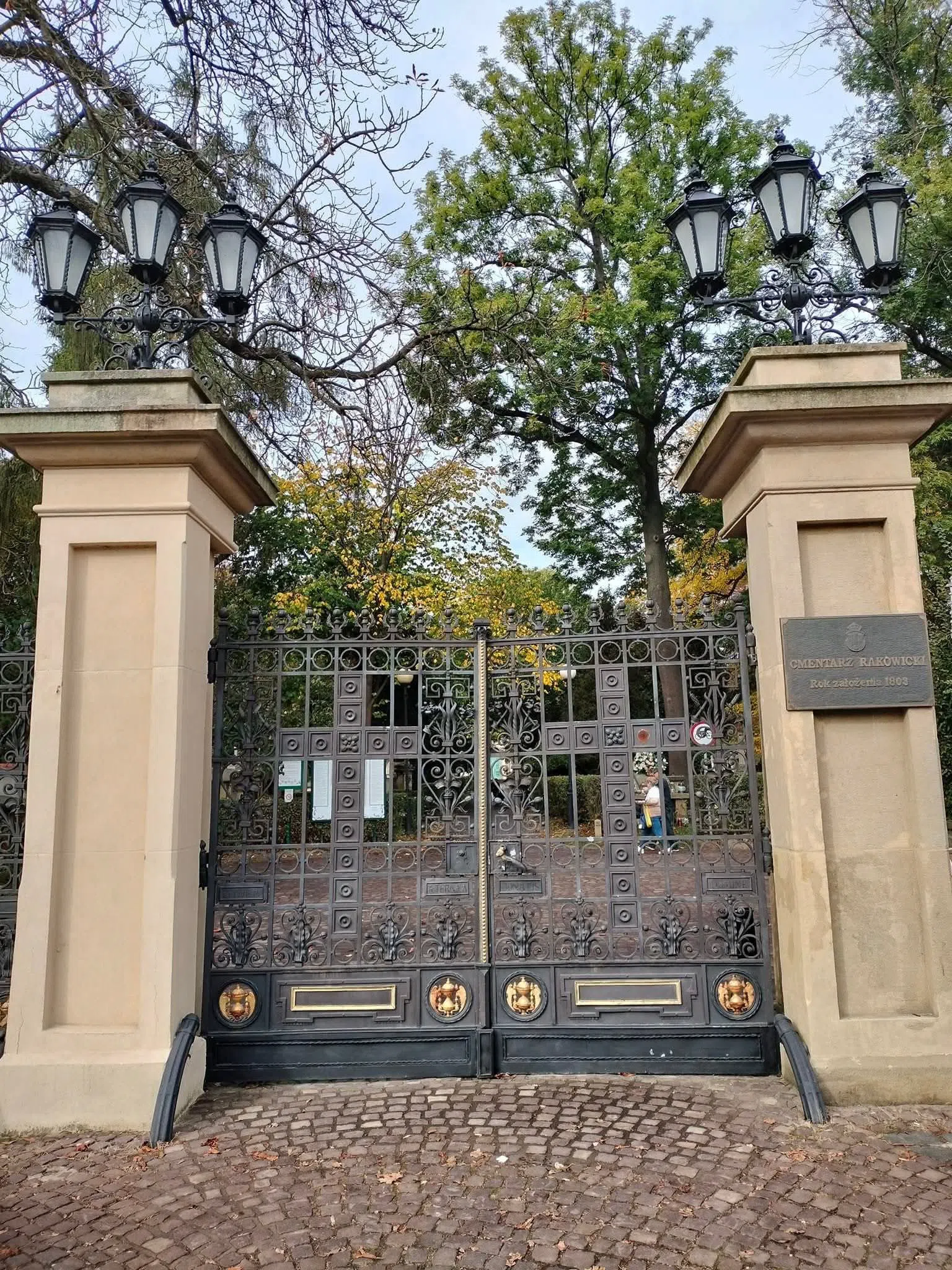
Rakowicki Cemetery (Cmentarz Rakowicki, in Wesoła, a quarter of an hour's walk north-east of the Main Market Square) is the city's principal necropolis and the single best place to see the candlelight, for a reason you can count: 42 hectares and roughly 75,000 graves, which is enough ground for the lanterns to run away from you in every direction. Jan Matejko lies here, and the actress Helena Modrzejewska, in a civic cemetery where the painters and the tram drivers are a few rows apart.
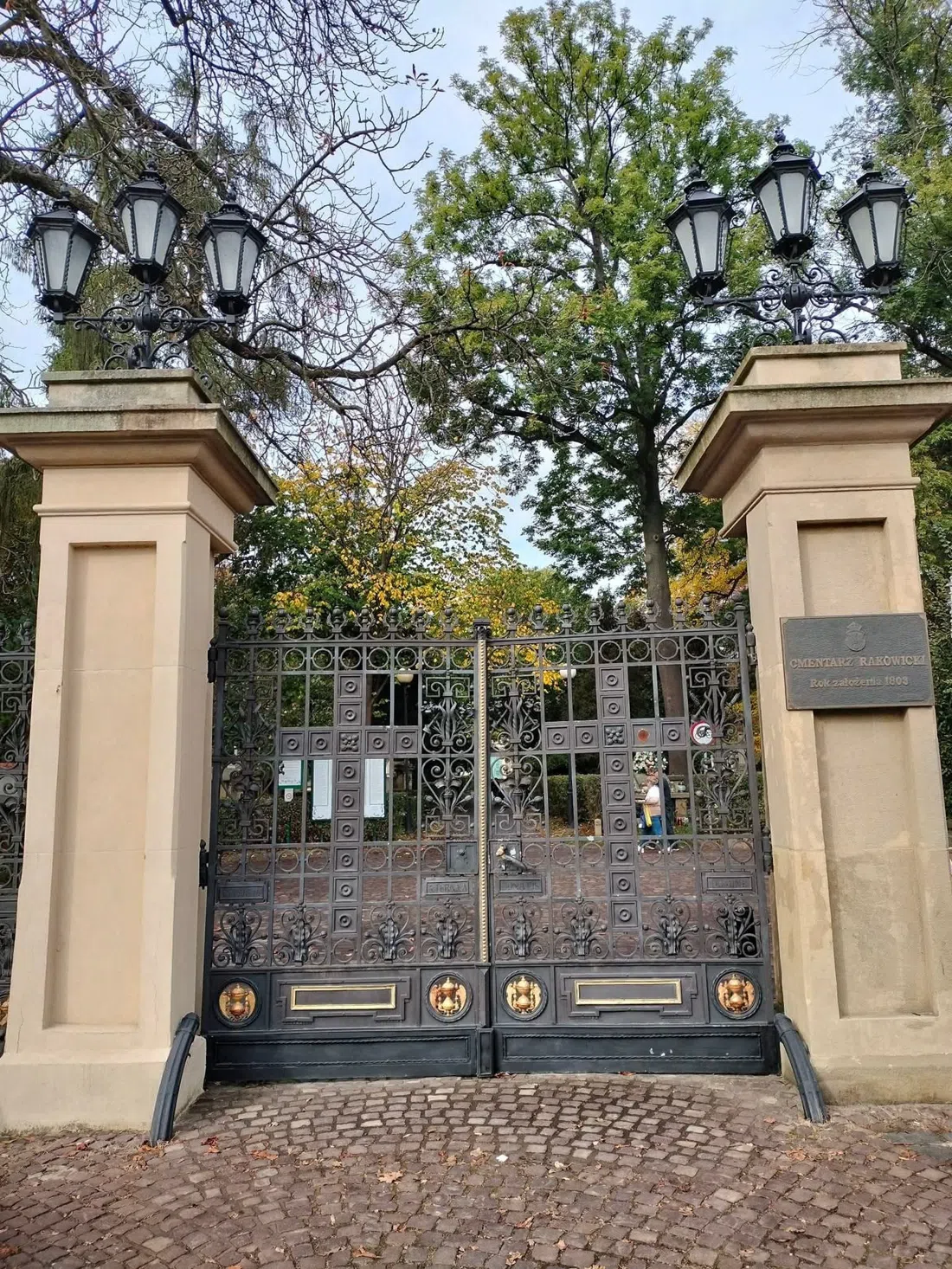
On 1 November it opens at 06:00 and stays open until the last visitor leaves. There is no ticket and no booking, so any size of group is fine in principle, but all the traffic funnels through a handful of gates, with extra temporary entrances opened for the day, and it is very easy to lose four people out of six in the first two minutes. Agree a meeting point outside the walls, not inside them.
The crush peaks from sundown to about 20:00. Arrive at dusk, around half past four, and you get the whole transition: the last grey light, the flames catching one plot at a time, and the paths still walkable. There is a concert, Memento Vitae, at 19:00, worth timing for if you want the day to have a formal centre rather than just a wander.
The quieter half of the night across the river
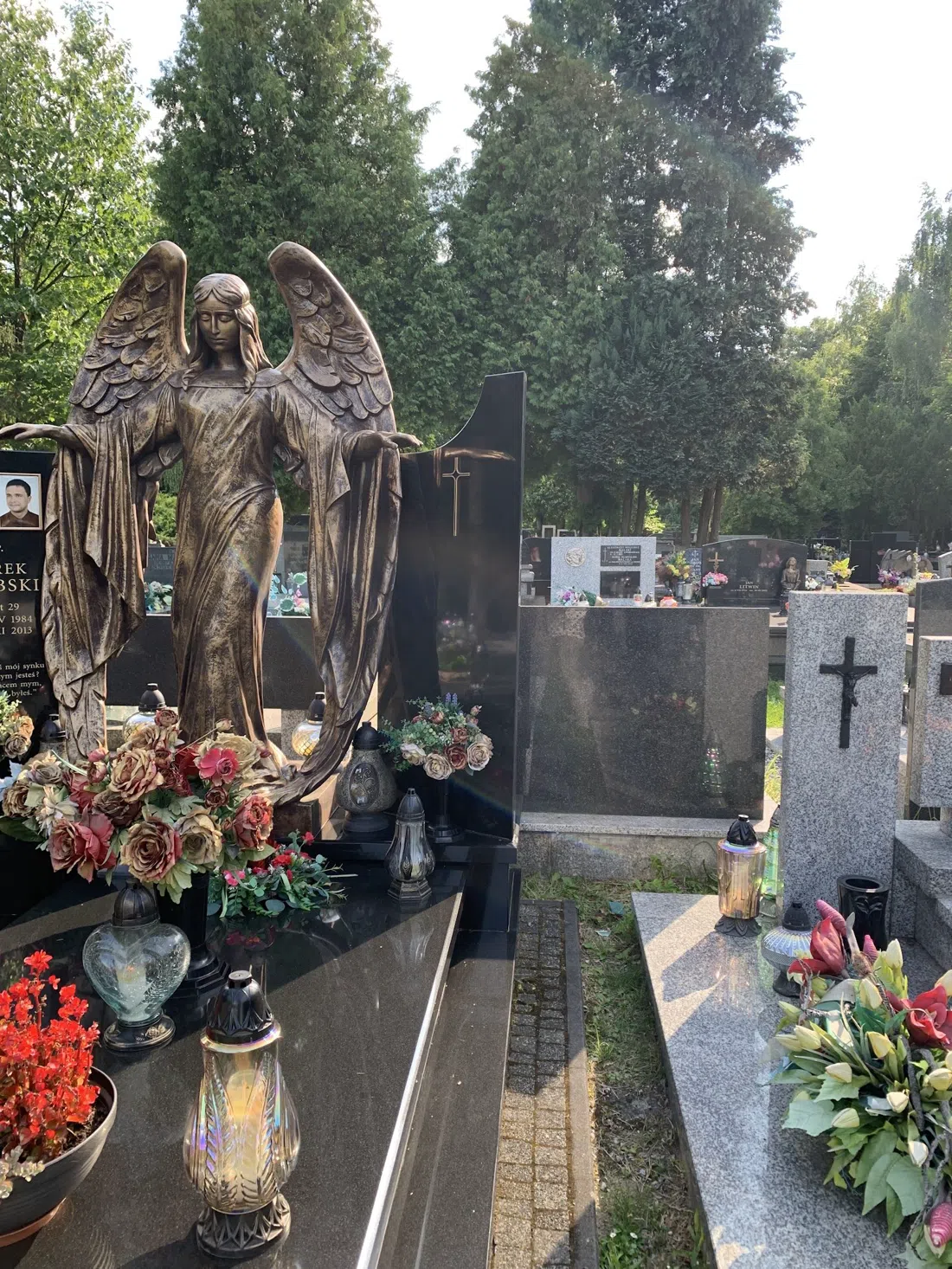
Rakowicki has the scale. Podgórze has the better shape. New Podgórze Cemetery (Cmentarz Podgórski, ul. Wapienna, in Podgórze) opened in 1900 and covers 8.3 hectares in a shallow basin, and the basin does the work: from the upper edge the lanterns stack into tiers of colour rather than spreading flat. It is free, ungated and far calmer than Rakowicki, which makes it the one cemetery where a walking group can realistically stay together. Take the tram to the stop named Cmentarz Podgórski and you are at the gate.
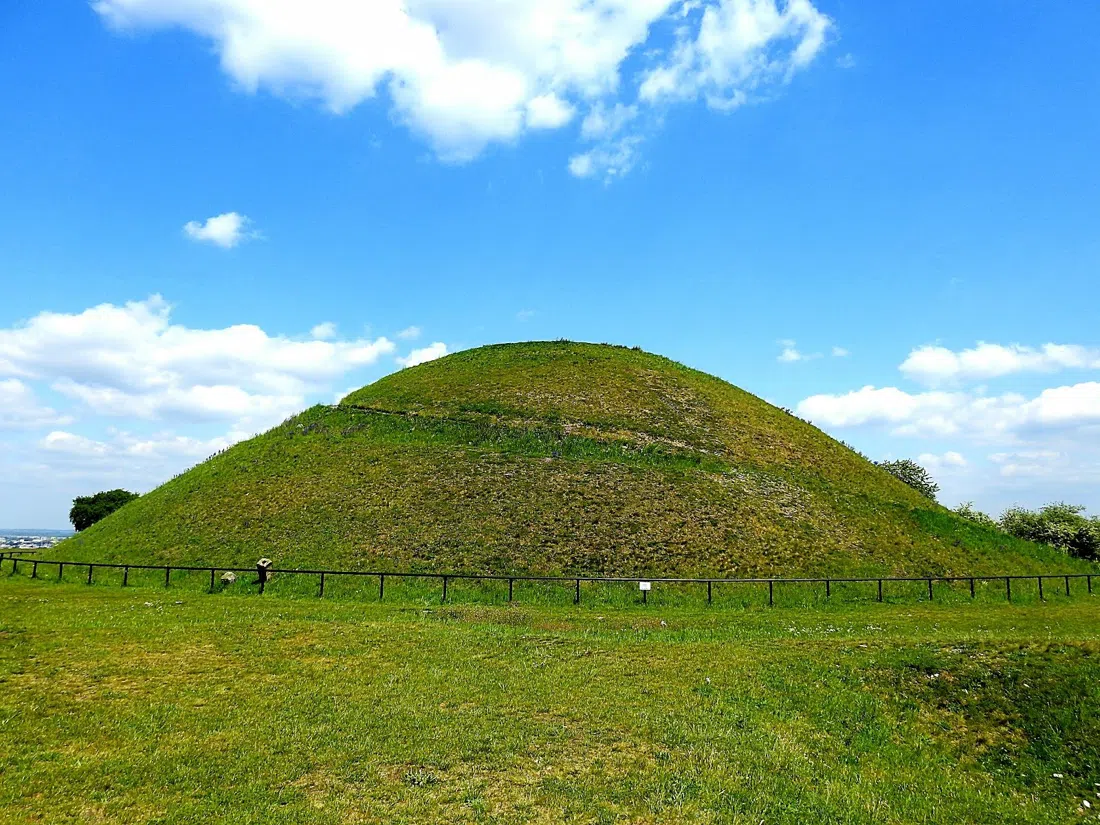
Do it in this order. Start twenty minutes before sunset at Krakus Mound (Kopiec Krakusa, Podgórze), the prehistoric earthwork the city has always attached to its legendary founder. It is open around the clock, with no gate and no charge, and it takes about five minutes of climbing from the base. From the flat top you look straight down onto the Podgórze cemetery as it lights, with other cemeteries glowing across the river. It is the best free vantage point of the whole event, and the only one where you see both banks of the Vistula burning at once. The path is unlit and slick in November, so wear shoes with a grip and carry a phone torch for the way down.
From the mound it is a short walk down into the cemetery, and from the cemetery about five minutes to dinner. That is the tidiest half-day in this article.
Salwator, for the view back over the city
Salwator Cemetery (Cmentarz Salwatorski, in Zwierzyniec, west along the river) is the parish option with an outlook. It was consecrated in 1865, holds around 25,000 burials, and the roll call is unusual even for Krakow: Stanisław Lem, Andrzej Wajda, the actor and director Juliusz Osterwa. From the upper walls you look down on the rest of the city glowing, which is a different pleasure from standing among the candles.
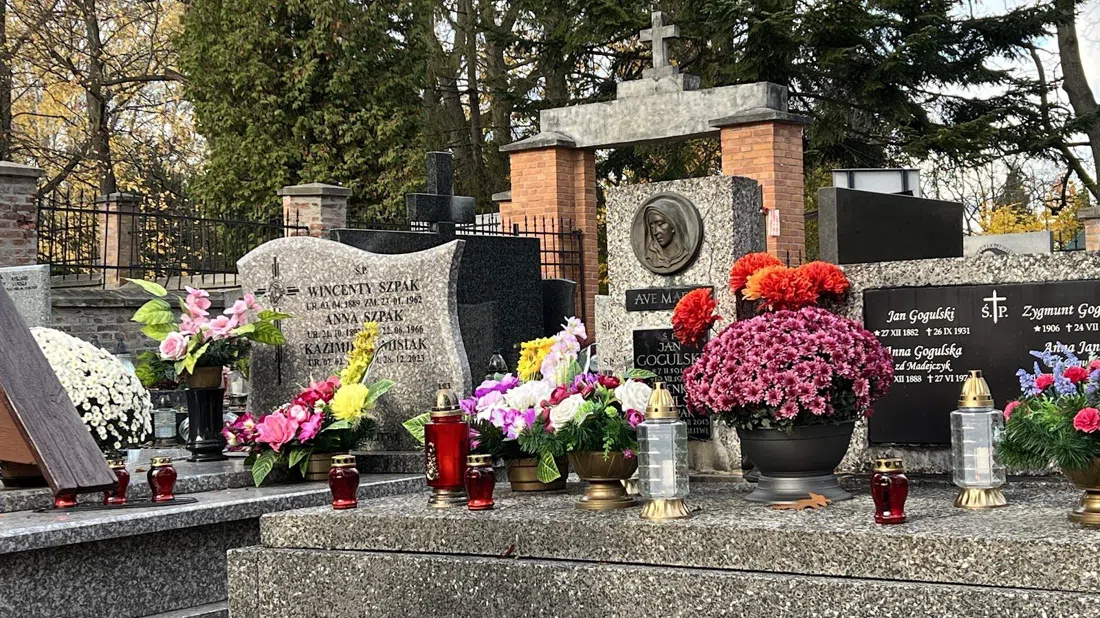
It is free, unticketed and parish-run, with no crowd control because it does not need any. The catch is the approach, a ten-minute uphill walk from the Salwator tram terminus, in the dark, on a cold evening. If anyone in your party is unsteady on their feet, send them to Podgórze instead and meet afterwards.
A cemetery that keeps a different custom entirely
New Jewish Cemetery (Nowy Cmentarz Żydowski, ul. Miodowa 55, Kazimierz) is not part of All Saints, and the contrast is the reason to include it. Founded in 1800 and still Krakow's only working Jewish cemetery, it keeps its own practice: no candles on the graves, stones left on the ledgers instead, placed by hand and left to accumulate.
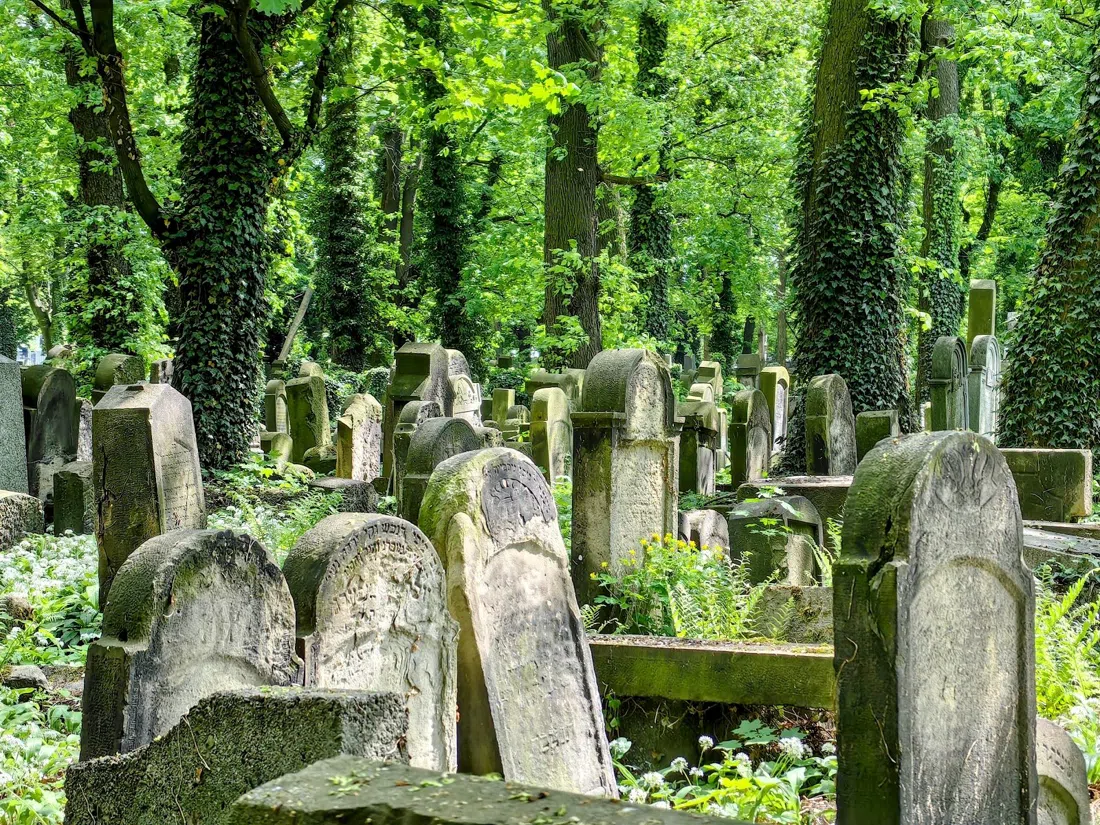
It opens Sunday to Friday, 09:00 to 16:00, closed on Saturdays and Jewish holidays, so it happens to be open on Sunday 1 November 2026. It is not observing anything that day, and it would be wrong to visit as though it were. Entry is free with a donation box at the gate, groups are welcome, and men are asked to cover their heads; kippot are kept at the gate for anyone without a hat. Go in the morning, when everything else in the city is shut anyway, and treat it as its own visit rather than a stop on a candle tour.
Where to be indoors before the light goes
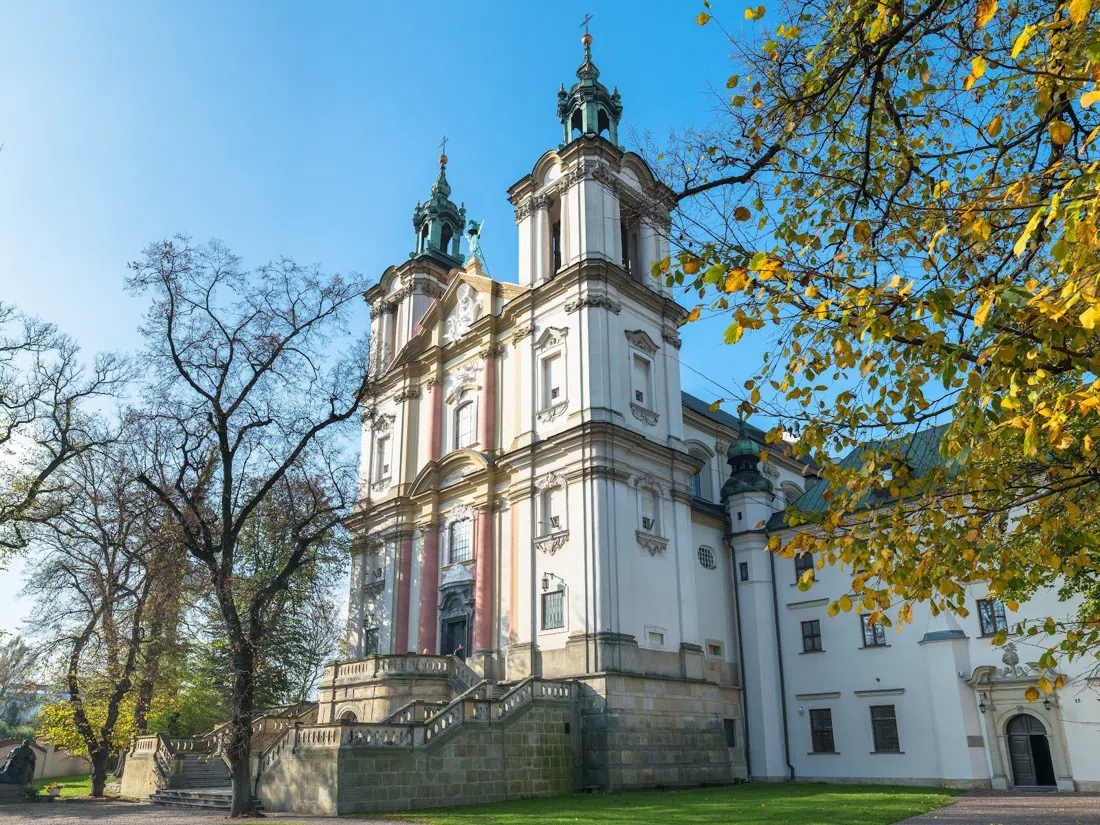
The strongest thing to do before dark on 1 November is Skałka (the Church on the Rock and the Crypt of the Distinguished, Kazimierz), Poland's national pantheon compressed into a single room, with Jan Długosz, Stanisław Wyspiański, Jacek Malczewski, Józef Ignacy Kraszewski and Czesław Miłosz all interred within a few metres of each other. The church runs roughly 07:00 to 20:00; the crypt 10:00 to 17:00. Report at the monastery gate. The white-habited Pauline fathers take guided visits of ninety minutes to two hours and will handle groups by arrangement, by email to [email protected]. Do that in advance, not on the day. The church is free, the crypt a few złoty, a guided tour a little more.
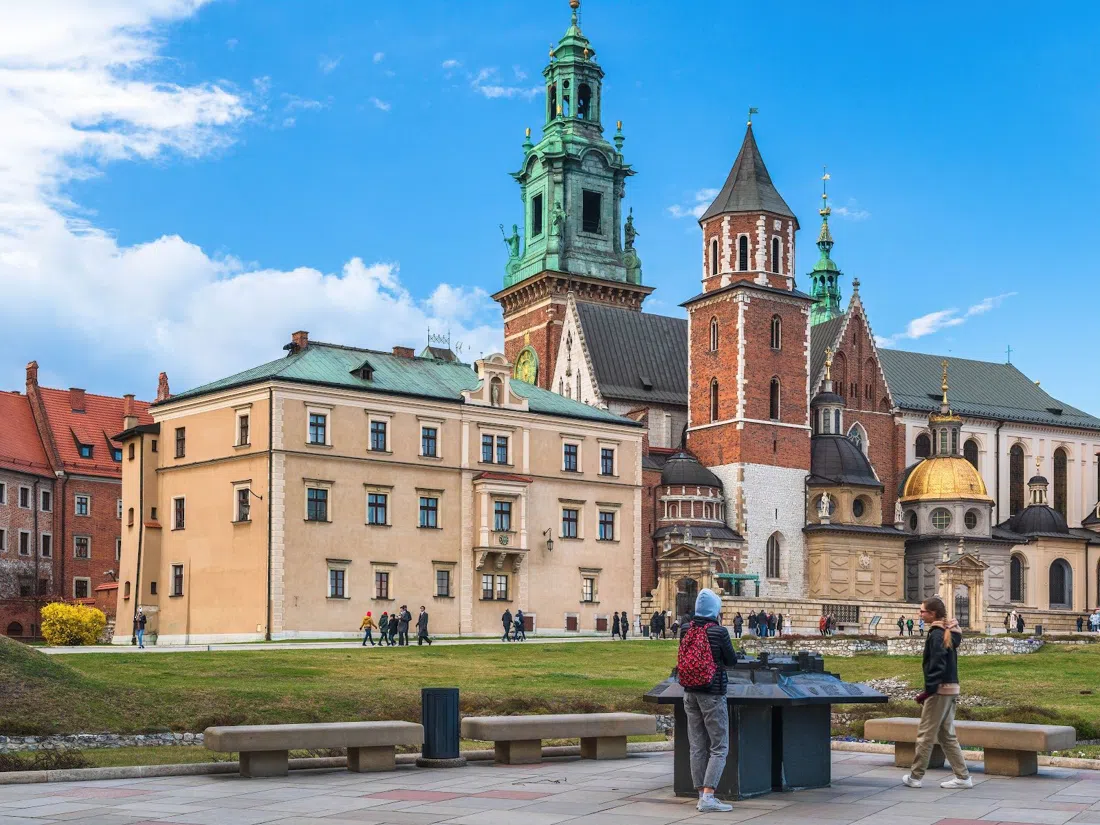
Wawel Cathedral (Wawel Hill) is where Polish remembrance turns institutional rather than domestic, and the royal tombs and crypts are the reason to go. The timing matters: on a Sunday or holiday in November, sightseeing runs 12:30 to 16:00 only, and the Cathedral Museum stays shut on holidays. This is a lunchtime stop, never a morning one. Entry is 26 zł, 18 zł concession, dropping to 23 zł a head for parties of eleven or more; groups of 25-plus must hire the wireless guide system.
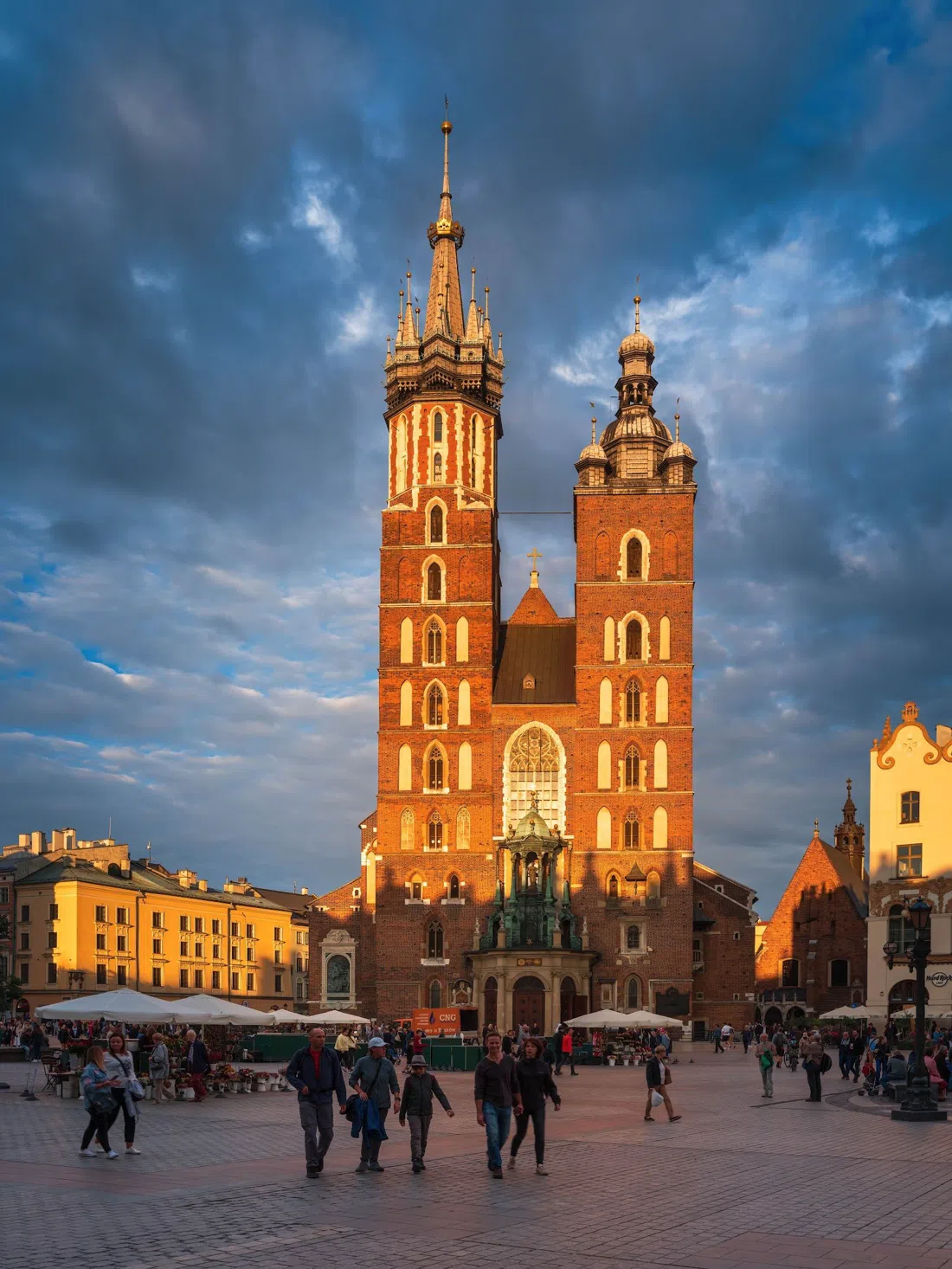
St Mary's Basilica (Main Market Square, Old Town) is one of the few ticketed interiors that genuinely opens on the holiday, but only in the afternoon: the tourist half of the church from 14:00 to 18:00 on Sundays and holidays, with the Veit Stoss altar unfolded from 14:10. Tickets are 20 zł, 10 zł reduced. Groups are admitted, though half the nave stays reserved for prayer throughout, and the tower climb is closed from November to April, so do not promise anyone the trumpet call from up top.
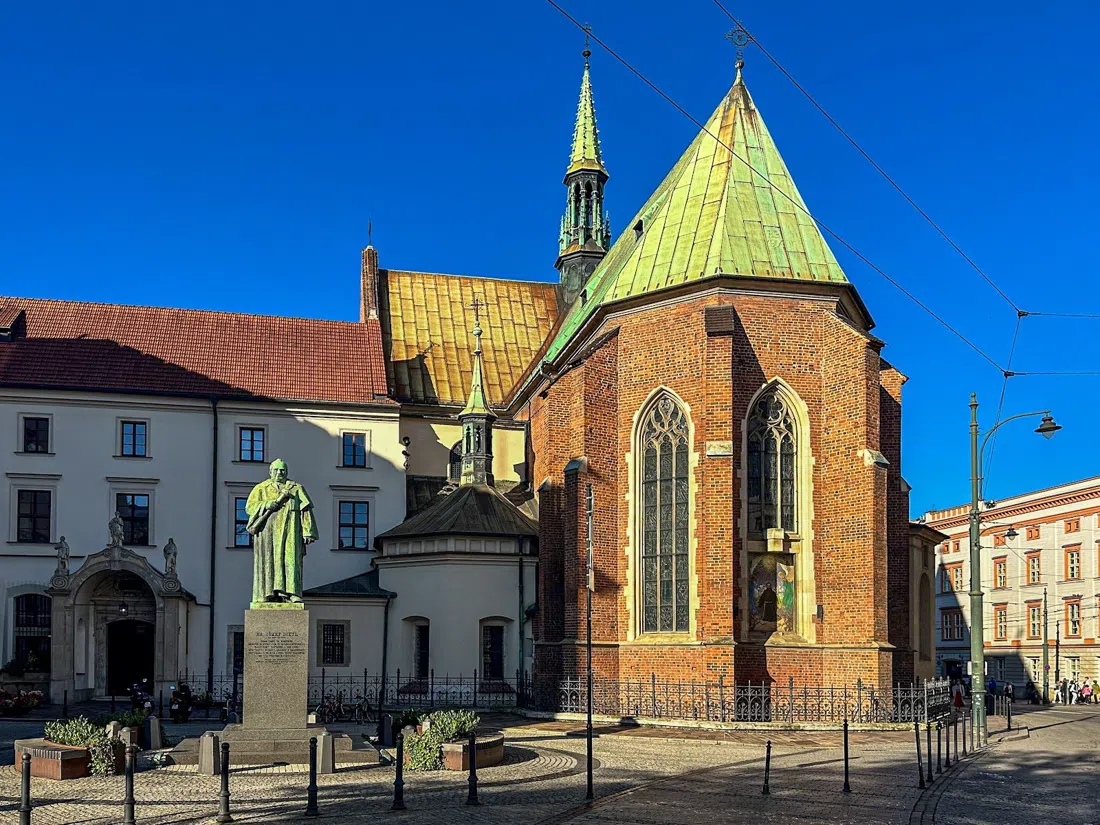
The Basilica of St Francis of Assisi (Old Town, on ul. Franciszkańska) is free, and for this article it is the right register: Wyspiański's stained glass turns the nave the colour of a lit candle, which is the same colour you will be looking at all evening. The sightseeing window is narrow on a Sunday, roughly 13:00 to 15:00, and on a major feast the mass schedule takes priority over visitors. Small groups only, and stay out of services.
South of the centre, the Sanctuary of Divine Mercy (Kraków-Łagiewniki) is open when the museums are all shut and busy with real local observance rather than tourism. The basilica runs about 07:30 to 18:30, the adoration chapel around the clock, and St Faustina's tomb from 06:00 to 21:00; entry is free with donations. One caveat worth printing: the viewing tower keeps reduced winter hours and has closed outright in past winters, so it is the basilica you are going for, not the panorama.
Eating on a day when half the city is shut
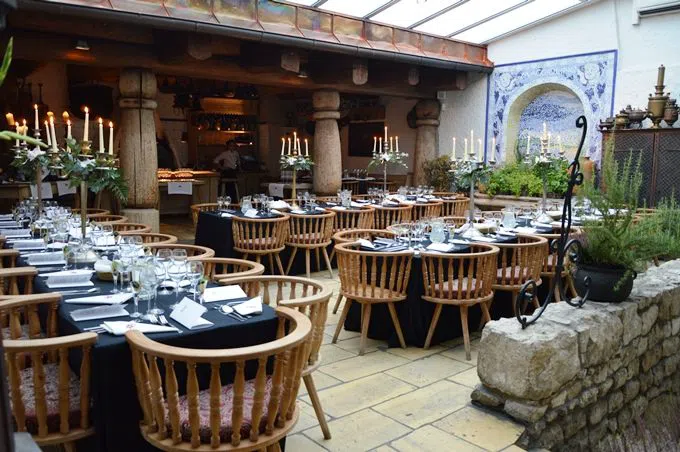
Restauracja Pod Aniołami (ul. Grodzka, Old Town) is the dependable holiday dinner, family-run on the same site since 1893, open daily 13:00 to 23:00 including holidays, with a beechwood grill that suits the weather. It is built for groups and takes large table reservations by phone on +48 12 421 39 99. Mains run roughly 70 to 140 zł. Book, because everyone else is also eating out that day.
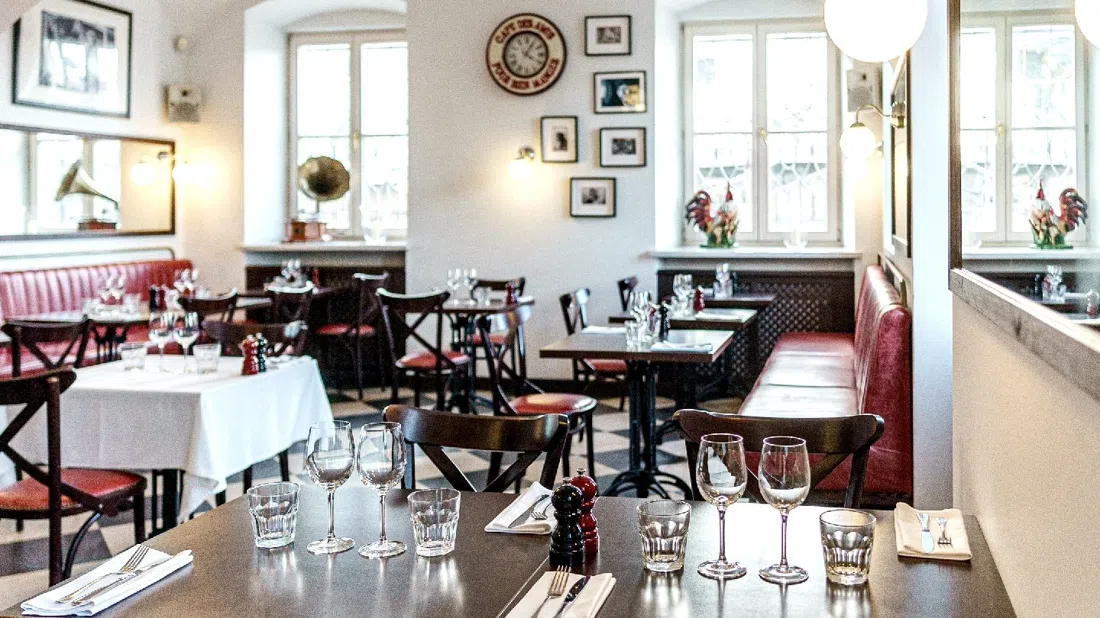
For the Podgórze half of the evening, ZaKładka Bistro de Cracovie (Podgórze) is five minutes from both Krakus Mound and the Podgórze cemetery, opens Sunday 13:00 to 22:00, and cooks proper French: snails, frogs' legs, sauces that have had time spent on them. It is Michelin Guide-listed and mains are about 60 to 110 zł. The dining rooms are small, so parties above eight need to give notice.
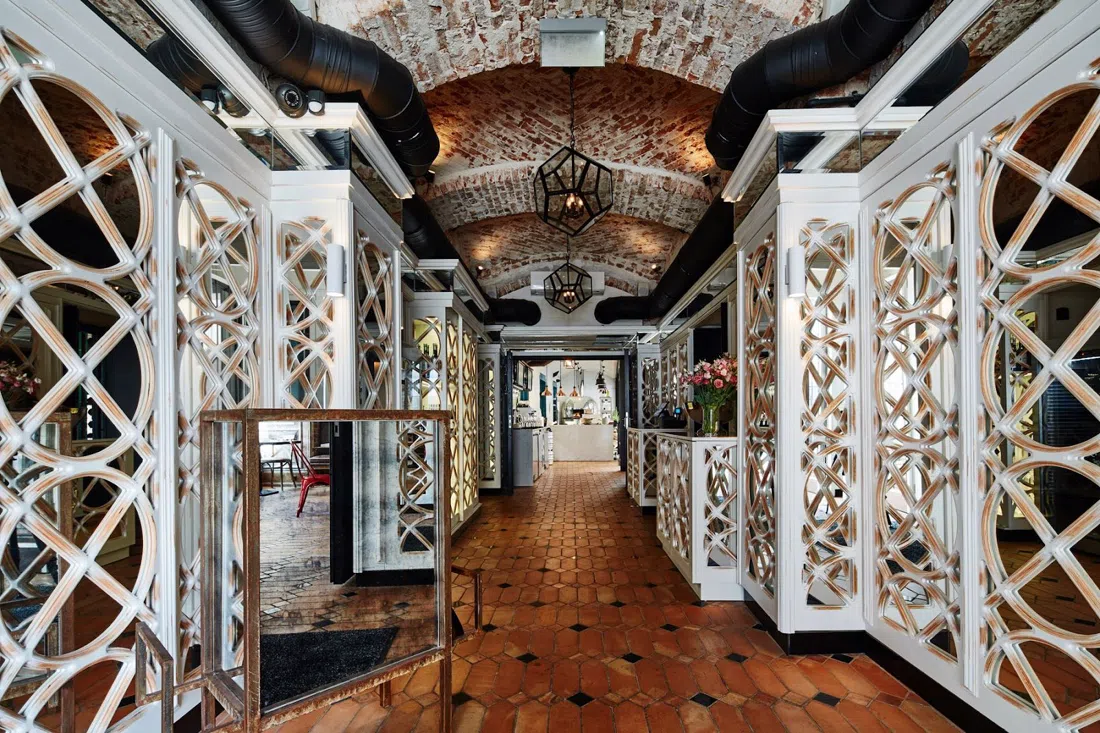
If you want the splash-out, Fiorentina Dom Polski (Old Town) is the Michelin Guide entry that actually trades on a Sunday holiday. The city's two-star Bottiglieria 1881 closes Sunday and Monday, which rules it out entirely on 1 and 2 November. Published hours for Fiorentina differ between listings, so telephone and confirm the 1 November sitting rather than trusting an app; private-room dining is available for groups by arrangement. Budget 200 zł and upward a head.
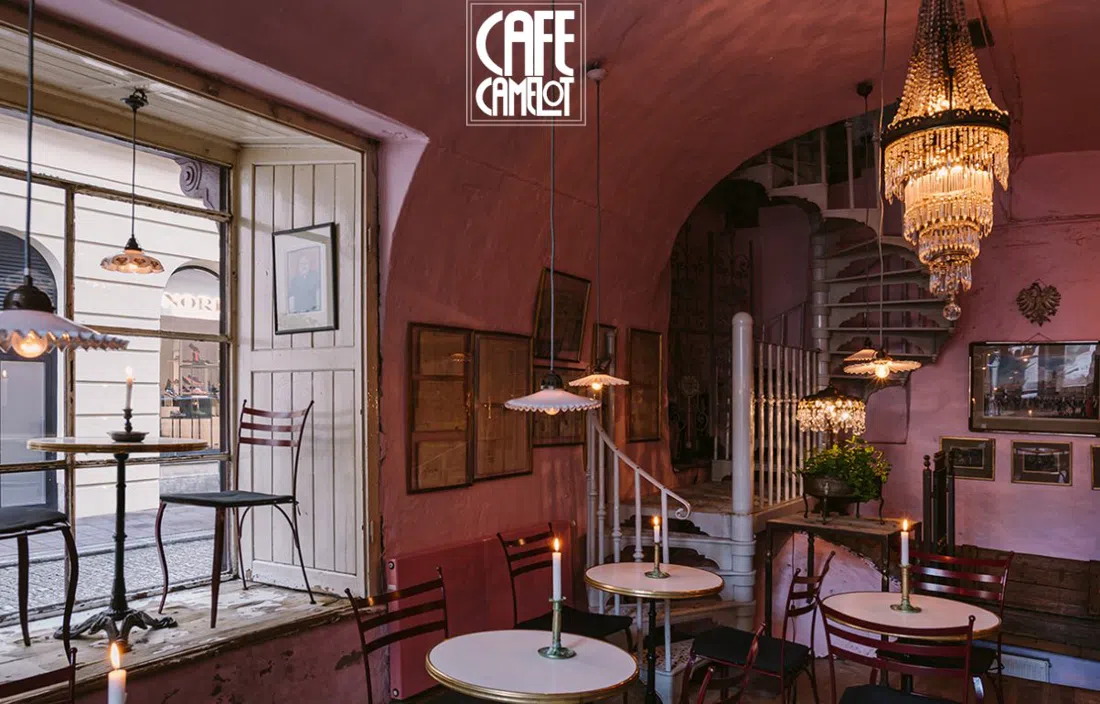
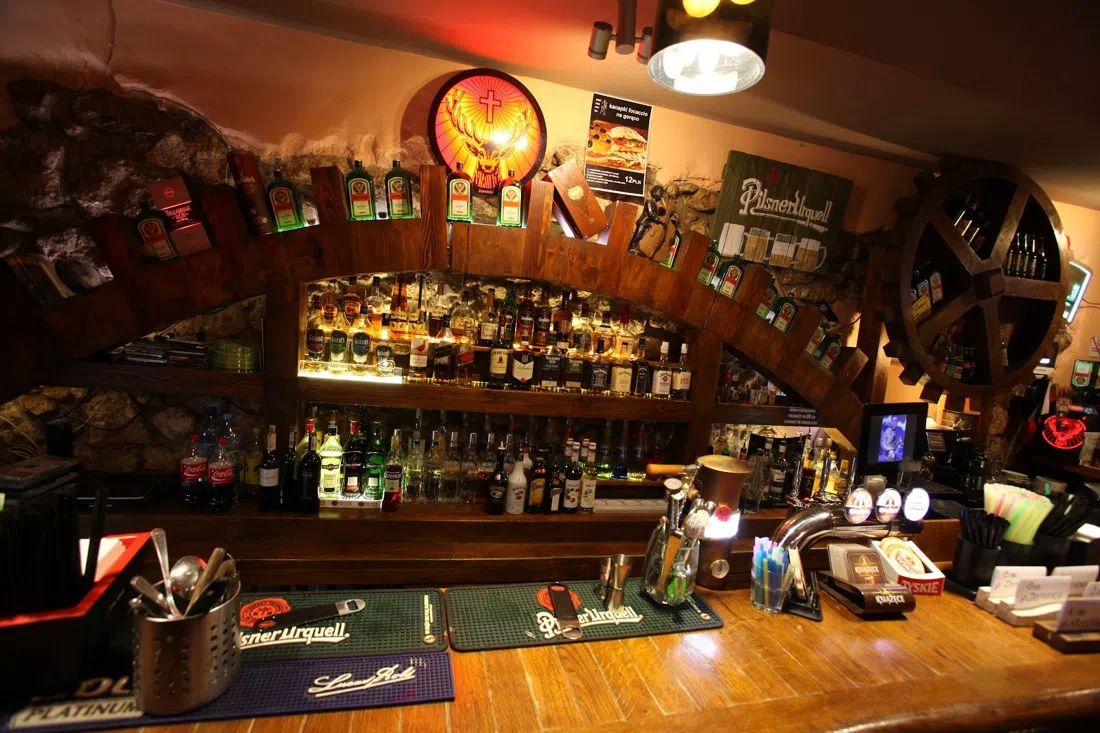
For something smaller, Café Camelot (Old Town, off ul. św. Tomasza) is candlelit by habit rather than for the occasion, opens daily from 09:00 until around 23:00, and is the natural first or last stop of a 1 November walk. There is no booking culture and the tables are genuinely tiny, pairs and fours rather than parties. Order the apple cake. When the question at eleven at night is what on earth is still open, Harris Piano Jazz Bar (Main Market Square, Old Town) trades every day of the year, opens from noon at weekends and runs live music nightly. The cellar is small and fills for the late set, so anything over six people should ring ahead. Coming in off a cold cemetery into a jazz cellar is the correct sequence.
The argument for staying past the second
Krakow keeps its own All Souls tradition in music. The Kraków All Souls "Zaduszki" Jazz Festival (Krakowskie Zaduszki Jazzowe) has run since 1954 and reaches its 71st edition on 3 to 7 November 2026, spread across four venues: Kraków Opera, the Kraków Philharmonic, the Nowa Huta Cultural Centre and the Rutkowski Music School. It does not happen on 1 November, so do not build your day around it. It is the reason to stay a few extra nights instead of flying out on the 2nd. Tickets go through ebilet.pl, block bookings are straightforward, and the Philharmonic nights sell first. If you are extending, fix the beds before the festival dates firm up. Start with a Krakow hotel search and stay central or in Podgórze, both of which put you within a tram ride of every cemetery in this piece.
Getting around, paying, and timing the day
Trams run to a holiday timetable on 1 November, with extra capacity aimed at the cemeteries, and traffic around Rakowicki is heavy from mid-afternoon. Do not plan to drive or take a taxi anywhere near a cemetery gate between 16:00 and 20:00, because you will sit still. Everything here is reachable by tram, and Podgórze and Salwator both have stops named for their destinations.
Poland uses the złoty, and cards are near-universal in restaurants. Carry small notes and coins anyway: for the donation boxes at the Jewish cemetery and Łagiewniki, for the few złoty at the Skałka crypt, and for candles if you want to leave one. Wawel at 26 zł and St Mary's at 20 zł are the only real admission charges in the day.
The shape of the day runs like this. Morning: the Jewish cemetery or a slow coffee. Early afternoon: Skałka, then Wawel from 12:30 or St Mary's from 14:00. Dusk, around 16:30: Krakus Mound, then Podgórze, or go straight to Rakowicki before the peak. Evening: dinner booked in advance, then the jazz cellar.
A full day including two church admissions, tram fares and a mid-range dinner lands around 200 zł a head. The best part of it, meaning the cemeteries, the mound and the whole spectacle, costs nothing at all.
November evenings here are a few degrees above freezing and the cemetery paths are unlit gravel and mud. Bring proper shoes, a warm coat, gloves, and a torch you do not mind holding for two hours. For everything else in the city outside this one weekend, see the full Krakow guide.
Questions
Is everything closed in Krakow on All Saints Day?
Most shops and museums are, because 1 November is a national public holiday. Churches stay open, the cemeteries are open all day and free, and a few restaurants trade normally: Pod Aniołami from 13:00, ZaKładka from 13:00, Café Camelot from 09:00, and Harris Piano Jazz Bar, which opens every day of the year. Wawel Cathedral opens for sightseeing only from 12:30 to 16:00, and St Mary's Basilica only from 14:00.
Which cemetery has the best candlelight without the crowds?
New Podgórze Cemetery on ul. Wapienna. It opened in 1900 and sits in a shallow basin, so the lanterns stack into visible tiers instead of spreading flat. It is far calmer than Rakowicki, and the only one where a group can realistically stay together. Climb Krakus Mound first for the view down onto it.
What time should I go to Rakowicki Cemetery on 1 November?
Arrive at dusk, around 16:30. It opens at 06:00 and stays open until the last visitor leaves, but the crush runs from sundown to about 20:00 and all the traffic squeezes through a few gates. Agree a meeting point outside the walls. There is a Memento Vitae concert at 19:00 if you want the evening to have a centre.
Can I see the candles on 2 November instead?
Yes. The candles are still burning on 2 November, All Souls, and the crowds have gone. You lose the atmosphere of the families arriving and gain empty avenues of lit glass. If you only have one evening and want the event rather than the picture, take the 1st.
Is it acceptable for visitors to walk through the cemeteries that day?
It is, provided you behave as a guest at someone's family occasion. Keep your voice down, stay on the paths, do not photograph people at graves, and do not block gates or narrow avenues. The New Jewish Cemetery follows a different custom: no candles, stones left on the graves, and men are asked to cover their heads, with kippot available at the gate.
First published on krakowcitybreaks.com, the Krakow guide.