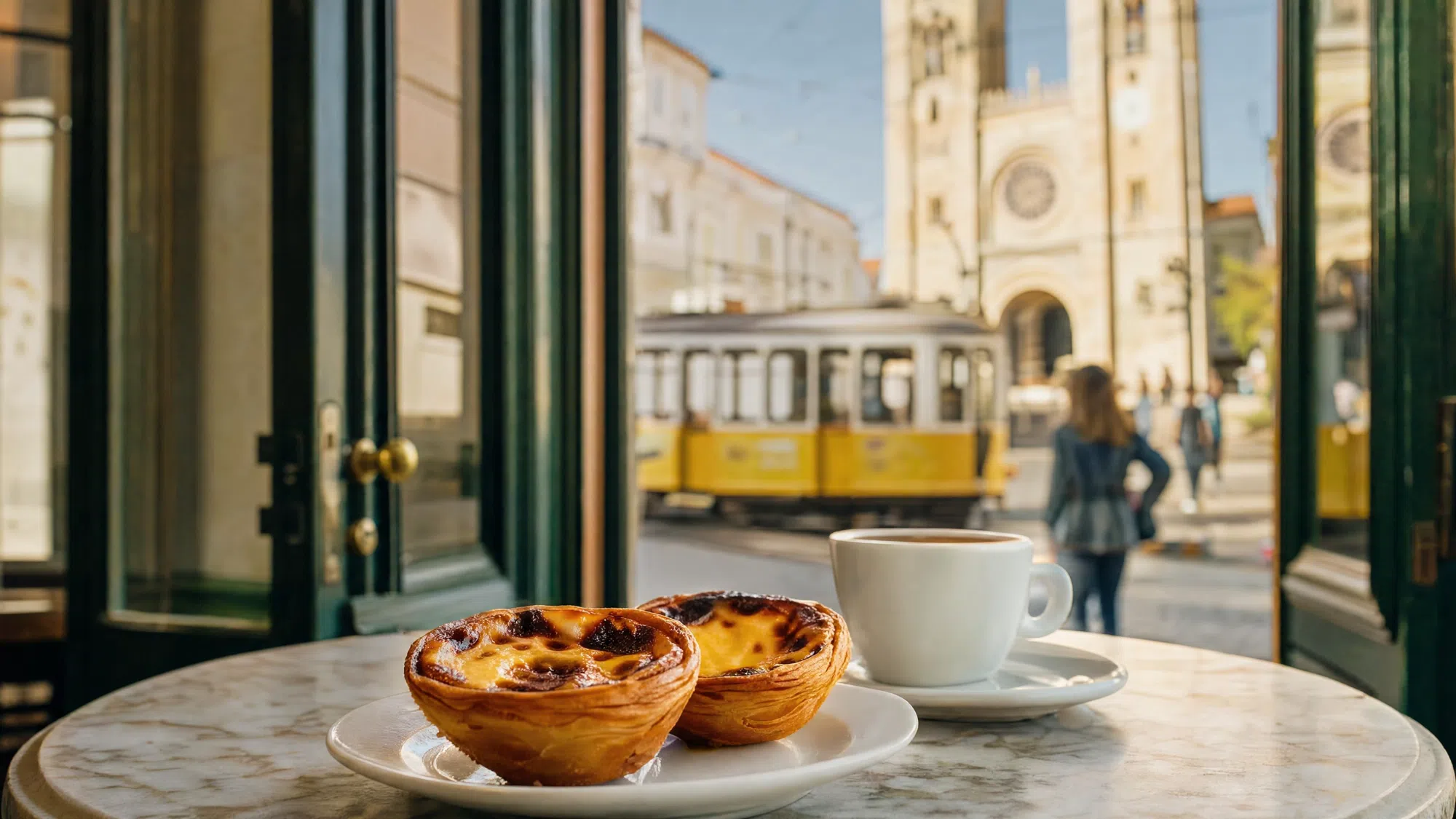
Lisbon agrees on almost nothing about its custard tart except that it is the best pastry made anywhere, and then spends the rest of the argument working out whose oven proves it. The pilgrimage that follows starts at a monastery-recipe bakery by the river and ends, several trams and one steep hill later, in a square in Campo de Ourique with a coffee going cold. Do the whole route in a single day if your knees can take it — the debate at the centre of it is the actual point, not any single tart.
The Origin: Belém's Monastery Recipe
Everything on this list answers to one bakery, so start there rather than saving it for last. Pastéis de Belém (Antiga Confeitaria de Belém), Belém, sits a tram ride west of the centre — about 25–30 minutes on the 15E from Praça da Figueira or Cais do Sodré, or a 10-minute walk if you're already out by the Jerónimos Monastery and the tower. The recipe is monastery-derived, kept inside a handful of hands for generations and still baked on site in the room behind the counter; in 2026 TasteAtlas named the tart made here the best pastry in the world, which is the kind of claim that starts arguments in every other bakery on this list. Tarts run €1.30–1.50.
The door policy here matters more than at any other stop. The sit-down rooms — and there are several, tiled and cavernous, further back than the shopfront suggests — queue hard at peak hours, roughly 11am to 4pm, and a group of four or more can lose the better part of an hour waiting for a table. Skip that queue entirely: there's a takeaway counter at the side door that moves fast regardless of how packed the dining rooms look, and it's built for exactly the volume a crawl group produces. Get your tarts there, eat standing on the pavement outside, and use the cinnamon and icing-sugar shakers by the till. Go before 10am if you want even the takeaway line thin.
Chiado's Rival Counters
Back in the centre — flat walking from Baixa, no hills to speak of — is where the modern argument against Belém lives.
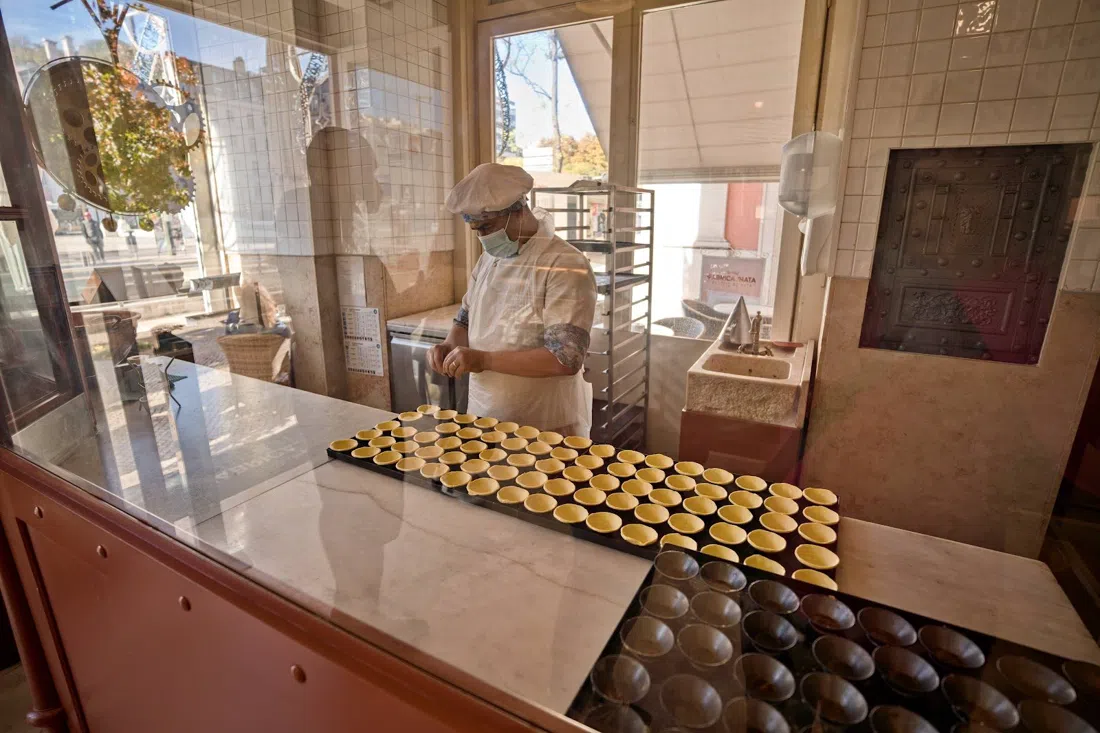
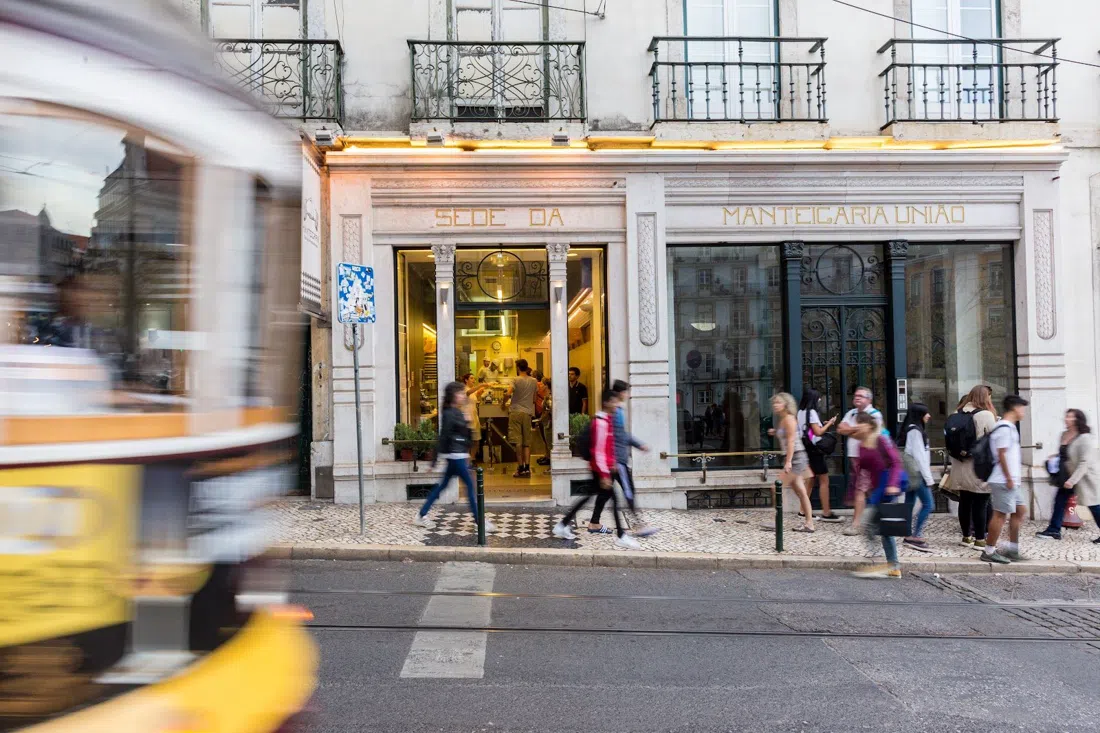
Manteigaria, Rua do Loreto, Chiado, is the name that comes up whenever a taxi driver or a guidebook wants to start the Belém-versus-Manteigaria fight. There's no reservation system and nowhere to sit beyond a standing counter facing the open kitchen, which is deliberate: you watch the laminated butter dough get rolled, cut, and blistered black-edged in an oven hot enough to finish a batch in a minute or two, and that theatre is half of what you're paying for. Tarts are €1.20–1.40. The counter physically cannot hold more than two or three people comfortably, and there's no regrouping space once you're inside — fine for a couple or a small cluster, genuinely awkward for anything bigger. Larger groups should plan to split and rotate through rather than arrive as one unit.
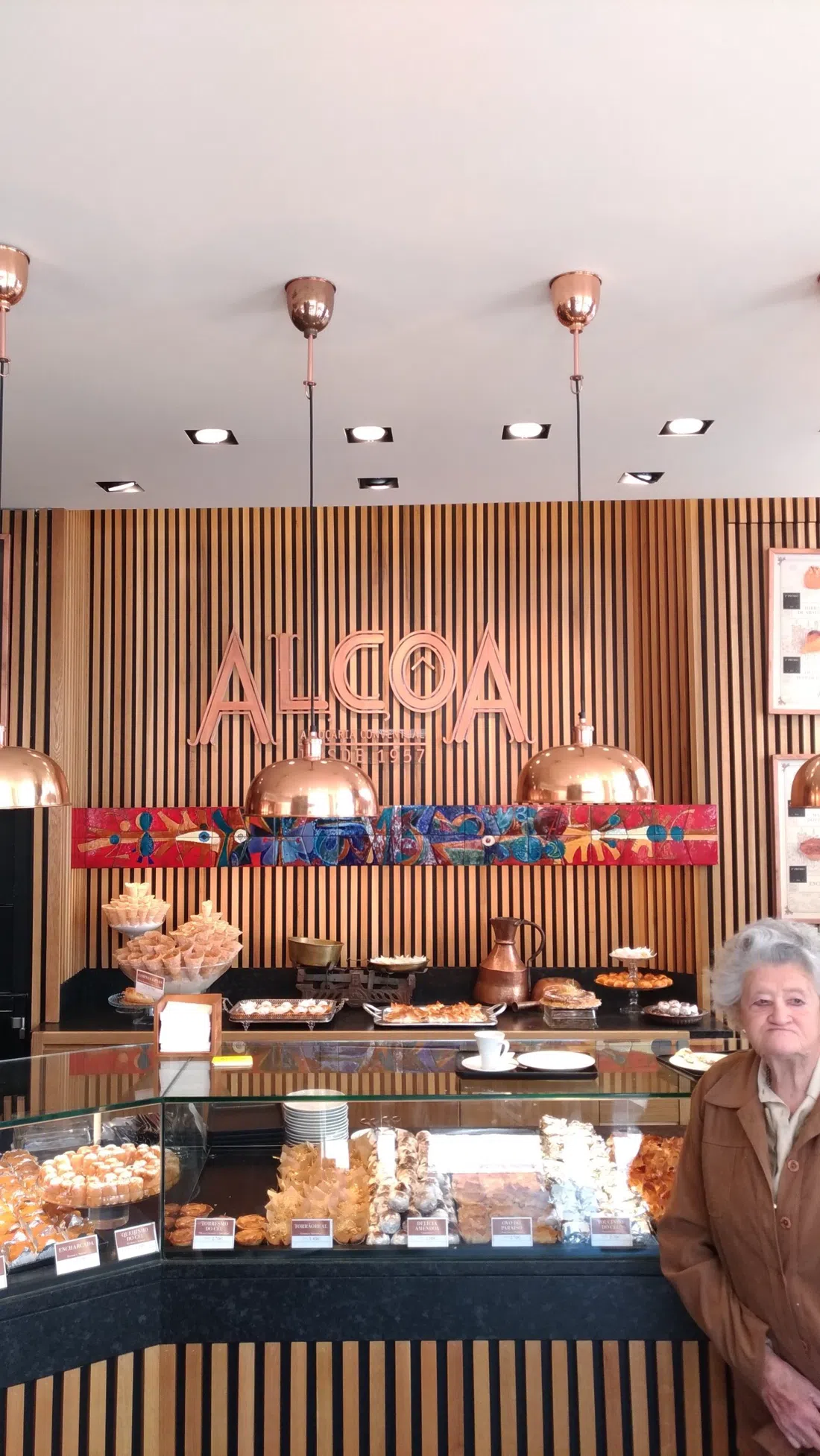
Five minutes downhill toward Rua Garrett is Pastelaria Alcôa (Chiado), close enough to Manteigaria that doing both back to back is the obvious same-morning comparison. Alcôa's tarts come out of a convent-sweets lineage rather than Belém's monastery line, another point of difference worth tasting for. It's counter-only with no seats at all, so treat it as a five-minute stop: a group can huddle on the pavement outside comparing notes, but there's nowhere to sit down together. €1.20–1.40.
Baixa's Old Guard
Baixa's grid is where the tart's history predates the argument by a century.
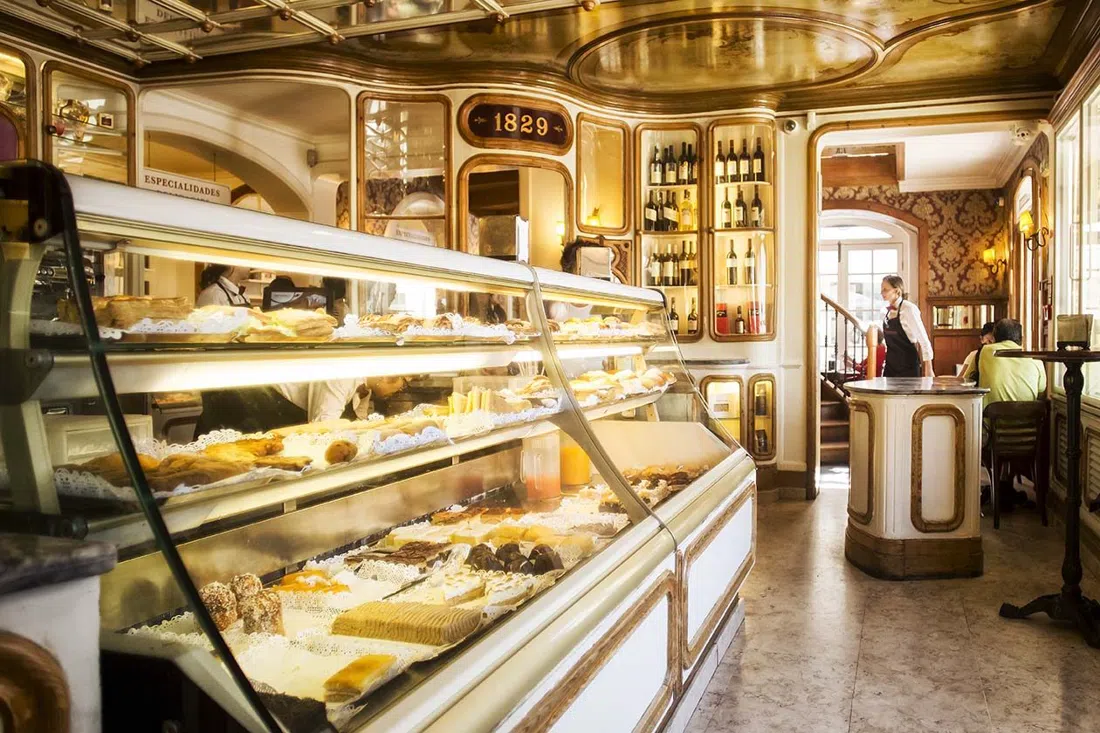
Confeitaria Nacional, Praça da Figueira, Baixa, has been trading since 1829 — Lisbon's oldest working bakery, open long before either Belém or Manteigaria had reason to compete. It has real café seating under ornate mirrors and handles groups reasonably well, which makes it the crawl's best stop for a genuine sit-down rather than another grab-and-go: order a bica alongside, take fifteen or twenty minutes, let the day slow down once. €1.30–1.60 per tart, more once you add table service.
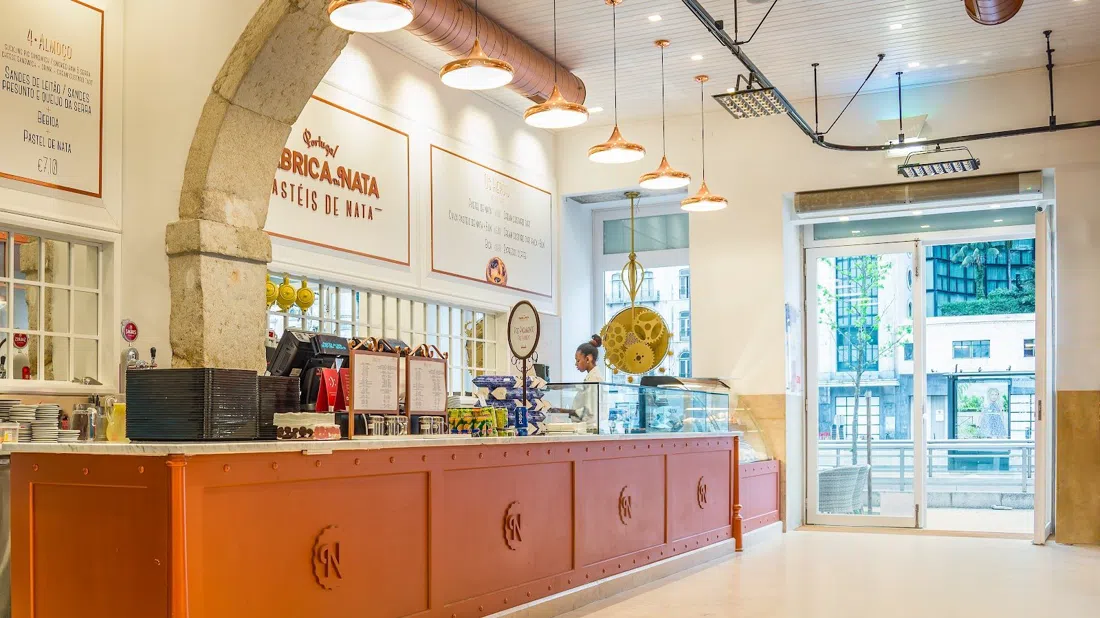
Two minutes' walk uphill is Fábrica da Nata, Praça dos Restauradores, part of a small chain and built for footfall rather than atmosphere. It's the easiest stop on the entire route for a large, scattered group — wide open layout, a fast counter, no door policy to navigate, open till late if your timing slips. It isn't the most interesting tart here, but it's the one that keeps a big group's day on schedule when six people all want something different, fast. €1.20–1.40.
Scattered between Baixa and Chiado are several branches of Nata Lisboa, a reliable backup for filling gaps in the route rather than a planned destination in itself. If the group has split up and someone's flagging three stops in, there's usually a branch within a few streets. Individual shops are small, so it works better as an emergency resource than a stop you build the itinerary around. €1.10–1.30.
Alfama and Campo de Ourique: The Neighbourhood Detours
These two need actual planning, not just crossing a square — one for the hills, one for the distance.
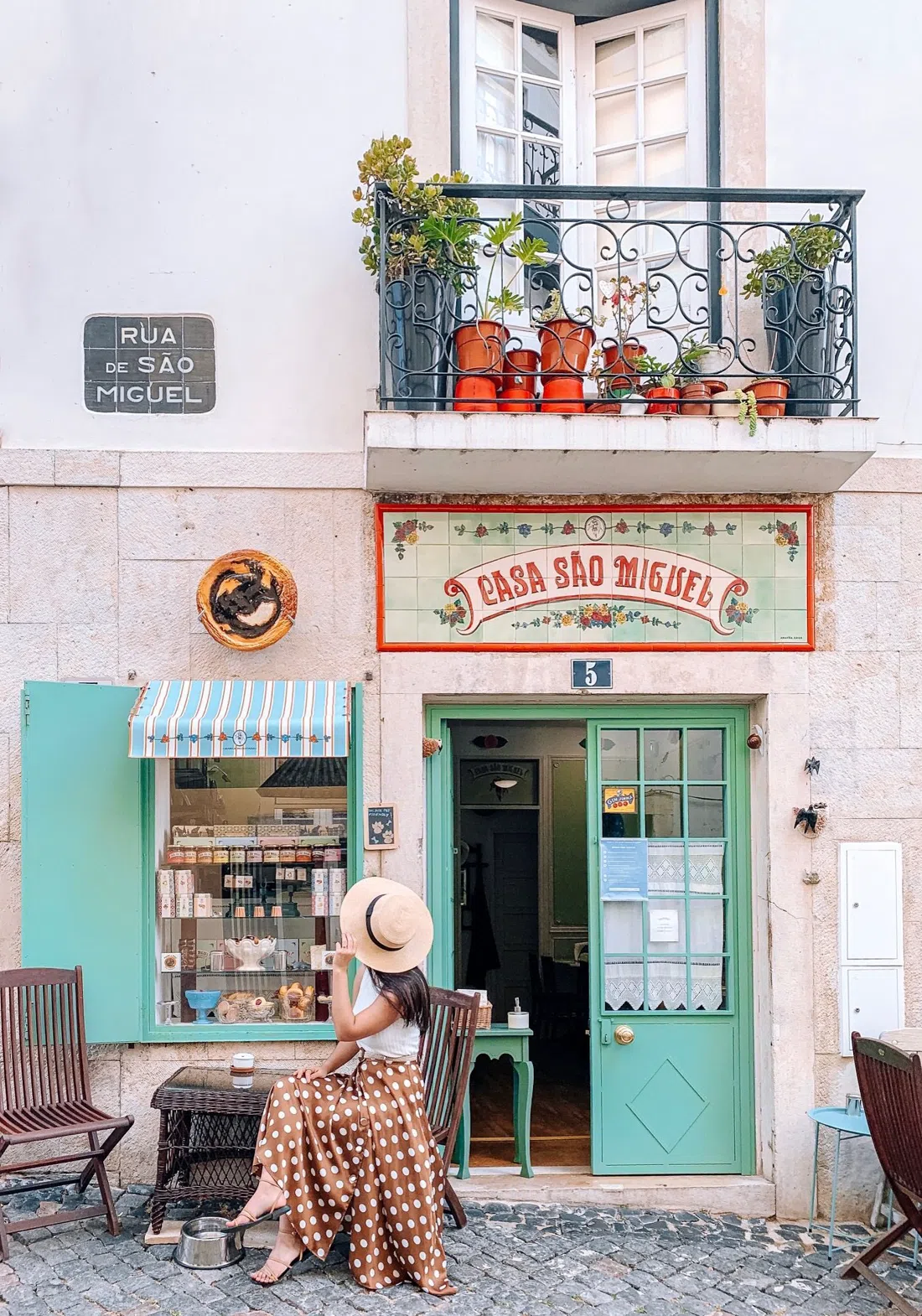
Casa São Miguel, Alfama, sits up in the steep tangle of steps below the castle, and getting there on foot from Baixa means a genuine climb — budget 20 minutes uphill in comfortable shoes, more if you're stopping for the views, which you will. It opened in 2020 but was built to feel a century older, all Art Nouveau tile and brass fittings, and gets cited often as Alfama's answer to Belém; it earns that comparison on atmosphere even though the pedigree is younger. The space is compact, best suited to pairs or a small group who can linger over a table rather than a fast in-and-out — there's nowhere for six people to fit at once. €1.20–1.40.
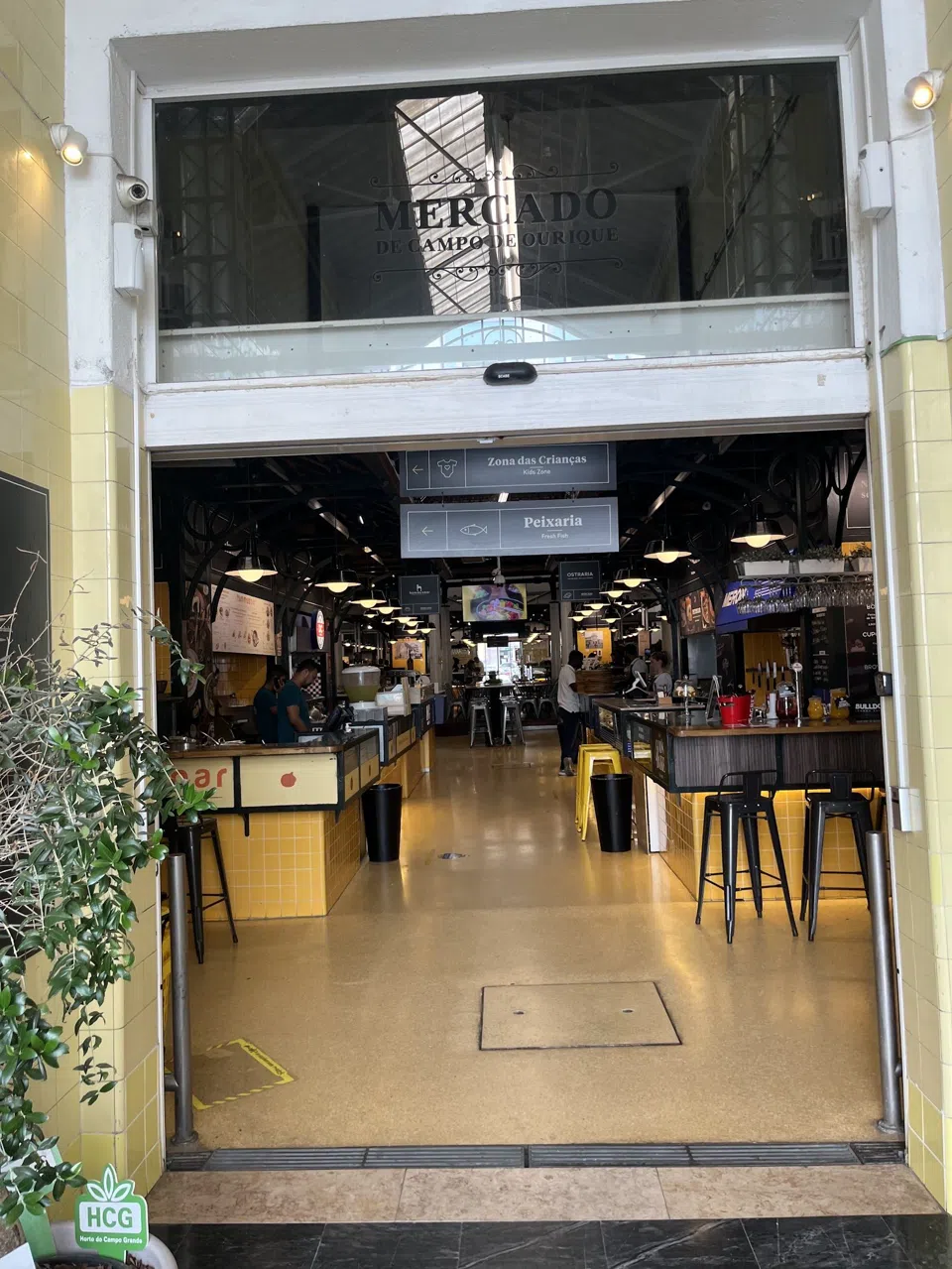
Pastelaria Aloma, Campo de Ourique, is a tram or taxi ride west of the centre — figure 15 minutes from Chiado — and worth the detour for one specific reason: it's the most-decorated bakery in Lisbon's official Melhor Pastel de Nata contest history. No queue theatre, no monastery legend attached, just a small local café that keeps winning a contest most tourists have never heard of. It suits pairs or trios; it isn't built for a coach-sized group and doesn't pretend to be. €1.10–1.30 — the proof stop on this crawl that the most famous name isn't automatically the best tart.
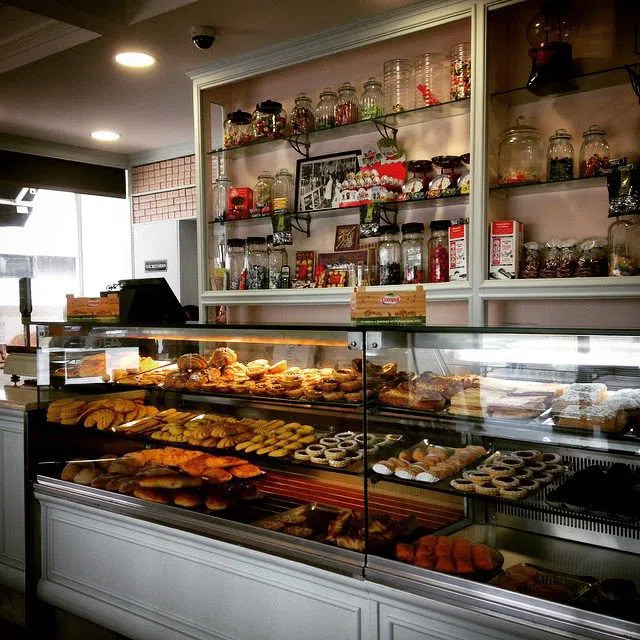
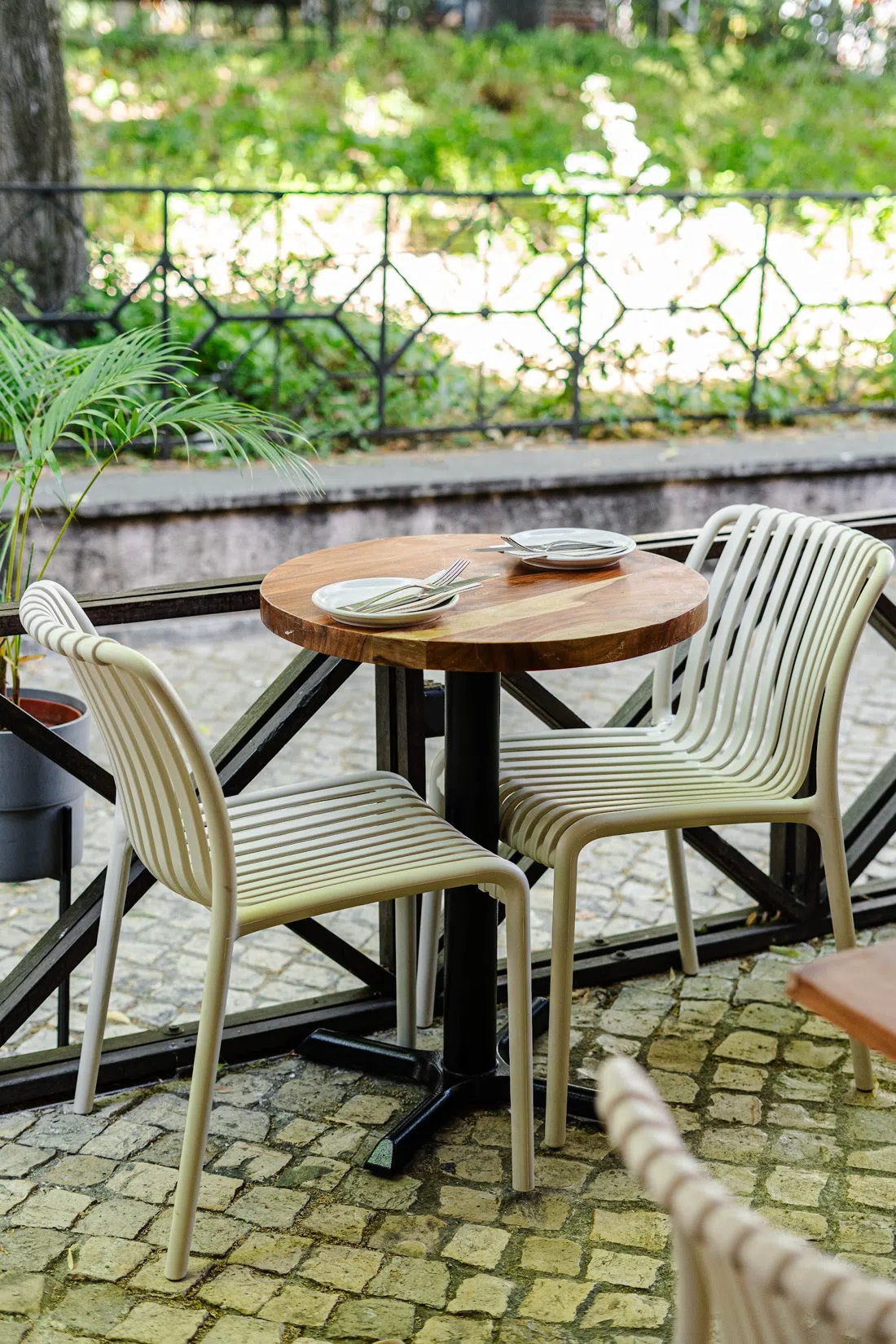
A short walk away, facing the Jardim da Parada, Pão de Canela, also Campo de Ourique, is the right place to end the day rather than start it. It's an all-day neighbourhood café with real seating and a terrace, comfortably takes a group especially outside peak brunch hours (Saturday late morning gets busy — avoid it if you can). €1.30–1.60. By the time you're here, the pilgrimage has stopped being about hunting tarts and turned into sitting in a square with a coffee, which, four or five bakeries in, is the part that actually matters.
Sit-Down Theatre and the One Stop Worth Booking
Two more stops round out the crawl, and both solve a problem the counters above don't: somewhere to actually sit as a group, and something to do beyond eating.
Pastelaria Versailles, Avenidas Novas, near Saldanha, is a belle-époque tearoom with chandeliers and waistcoated waiters — the grandest room on this entire list by some distance. It's also genuinely one of the better group-booking options in the whole crawl: call ahead for a bigger party and you'll be seated together, which isn't something you can say for most of the counters above. €1.30–1.60 per tart, more with full tea service. Use it as the stop where the crawl actually slows down — order a full chá, watch the room work, give it half an hour instead of five minutes.
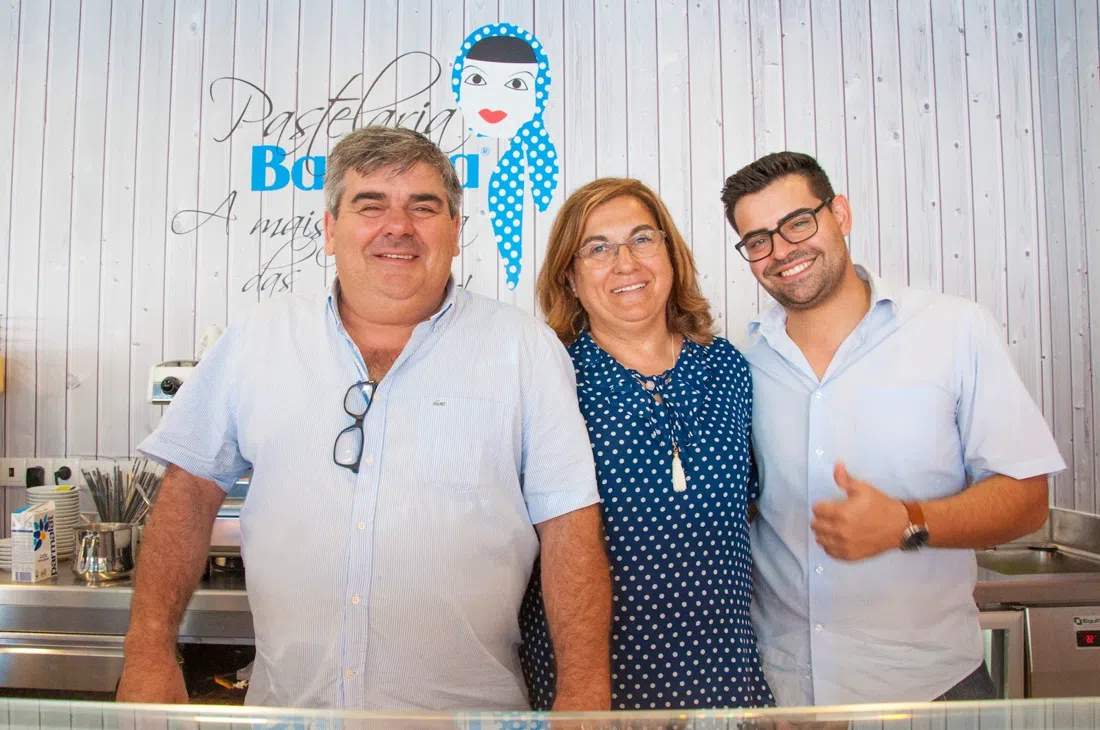
Pastelaria Batalha is the one stop explicitly built for groups rather than tolerant of them: alongside the bakery counter, it runs a backstage tart workshop where visitors fold the dough, shape their own tarts, and bake a batch in the same oven the shop uses. Book ahead — it fills, and it's the single link in this entire crawl worth reserving in advance rather than turning up cold. The workshop runs roughly €45–55pp on top of the €1.20–1.40 per tart at the counter. If your group has anyone who gets restless watching other people bake, this is the stop that fixes it.
The Practical Bit
Getting around: do Belém by tram, not on foot — the 15E from Praça da Figueira or Cais do Sodré takes 25–30 minutes and there's no good walking route along that stretch of riverfront. Everything else in Chiado, Baixa, and central Alfama is close enough to link on foot, 15–20 minutes between stops, though Alfama's climb from Baixa is real and worth budgeting extra time and flat shoes for. Campo de Ourique needs a tram or a short taxi — about 15 minutes from Chiado — so treat Aloma and Pão de Canela as their own late-afternoon leg rather than trying to bolt them onto the central run.
Cash and cards: most counters take cards now, but the Belém takeaway line and some of the smaller Chiado and Alfama counters move faster if you're already holding coins — keep a stash of €1–2 pieces for exact change.
Timing: hit Belém before 10am if you want the takeaway counter without a real wait; work through Chiado and Baixa across the middle of the day, when they're all open and none of them require booking; save Versailles or Pão de Canela for the slow finish in the afternoon, once the group's legs and appetite for standing at counters have both had enough.
Budget: figure roughly €12–18 per person for six or seven tarts and a couple of coffees across the full day, or add roughly €50pp on top if you book the Batalha workshop. If you're in the city for more than a day or two, base yourself somewhere between Chiado and Baixa — a Lisbon hotel search filtered to that stretch puts eight of these eleven stops within a 20-minute walk of your door, Belém and Campo de Ourique excepted. For what the city does well beyond pastry, the Lisbon guide covers the rest of it.
Questions
Is Pastéis de Belém actually better than Manteigaria?
They're different enough that the argument never settles: Belém's recipe traces to the neighbouring monastery and is baked on site, while Manteigaria works from a modern laminated-dough method with an open exhibition kitchen. TasteAtlas named Belém's tart the world's best pastry in 2026, but plenty of locals still order Manteigaria first. Do both back to back — Chiado to Belém is a short tram ride — and decide for yourself.
Do I need to book anything for this crawl?
Only one stop: Pastelaria Batalha's hands-on tart workshop fills up and should be reserved ahead. Pastelaria Versailles is worth a call if you're a larger group wanting a table together. Everything else — the counters in particular — is walk-up only, and Manteigaria and Alcôa don't take reservations at all.
How many pastéis de nata should I actually plan to eat?
Six or seven across a full day is realistic if you're hitting most of the list — one or two at each of four or five stops, rather than a full tart everywhere. Split them between two or three people if you're doing all eleven stops in one day; the point is comparing bites, not finishing every plate.
Can I do this whole crawl without a car?
Yes, and you shouldn't try it with one — parking in Chiado and Baixa is difficult and none of it saves time. Take the 15E tram out to Belém, walk the central stops between Chiado, Baixa, and Alfama, and use a tram or short taxi to reach Campo de Ourique for Aloma and Pão de Canela.
Which stops work best for a big group?
Fábrica da Nata, Confeitaria Nacional, and Pastelaria Versailles (booked ahead) handle larger groups comfortably. Manteigaria, Alcôa, and Casa São Miguel are counter-only or short on space and suit pairs or small clusters far better — plan to split up rather than force a big group through those doors at once.
First published on lisbongetaways.com, the Lisbon guide.