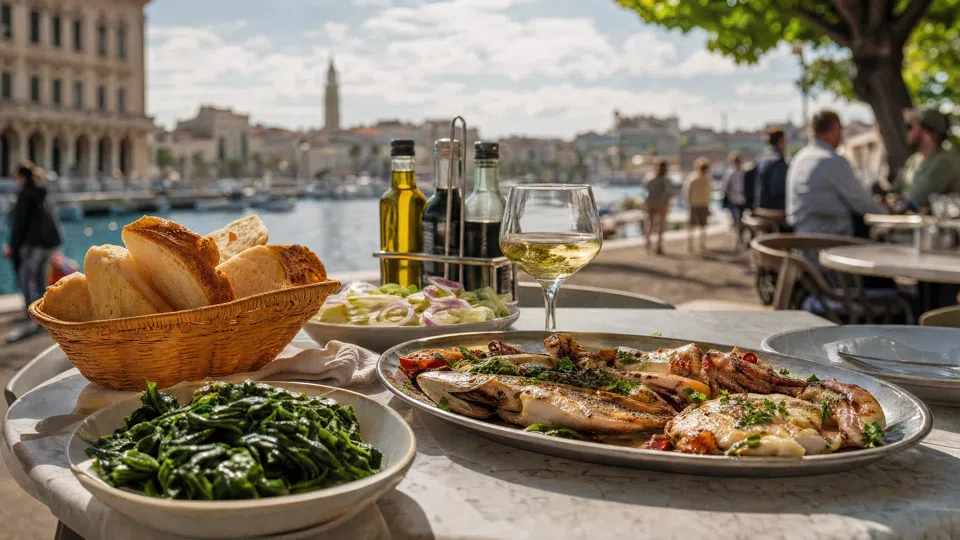
The Naviglio Grande runs dead straight through Milan, a 12th-century canal walled in stone and ochre stucco, crossed by low iron footbridges, café tables on both banks. Every address worth eating at here is within a 15-minute walk of those banks, and walking the towpath costs nothing.
The towpath, the washhouse lane and the dock
Naviglio Grande (Alzaia and Ripa towpaths) is a public path with no door policy and no fee. Plane trees and café tables run along the Alzaia towpath on both banks, and rusted mooring rings still sit in the stone where boats tied up. On the Ripa side the path narrows to single file at the café terraces, which decides the direction you walk at aperitivo hour. Take the Alzaia when you want to move.
Vicolo dei Lavandai (off the canal) keeps its washhouse intact: a wooden roof over sloping stone washing slabs, set above a running water channel. Ivy and shuttered pastel houses close in the brick alley. Entry is free at any hour, and 10 to 20 minutes is enough to read how the building worked. The lane is narrow enough that a party of more than about 10 blocks both the alley and the photograph.

The canal meets a second one at the Darsena di Milano (public quayside), a wide rectangular basin with stepped stone quays dropping to the water and houseboats moored along them. The Porta Ticinese arch stands behind the market building. It was a derelict cargo dock until the restoration for Expo 2015 turned it into an urban park, and the broad steps are now the district's meeting point. Make it the start or the end of the day; the eating runs in both directions from here.

Standing lunch at Macelleria Popolare
Macelleria Popolare (Darsena market hall) is Giuseppe Zen's whole-animal, grass-fed counter. Carcasses hang behind glass and the cuts are chalked up by hand. Mondeghili and offal sandwiches come across the counter and you eat them standing, or outside on the communal wooden benches facing the water.
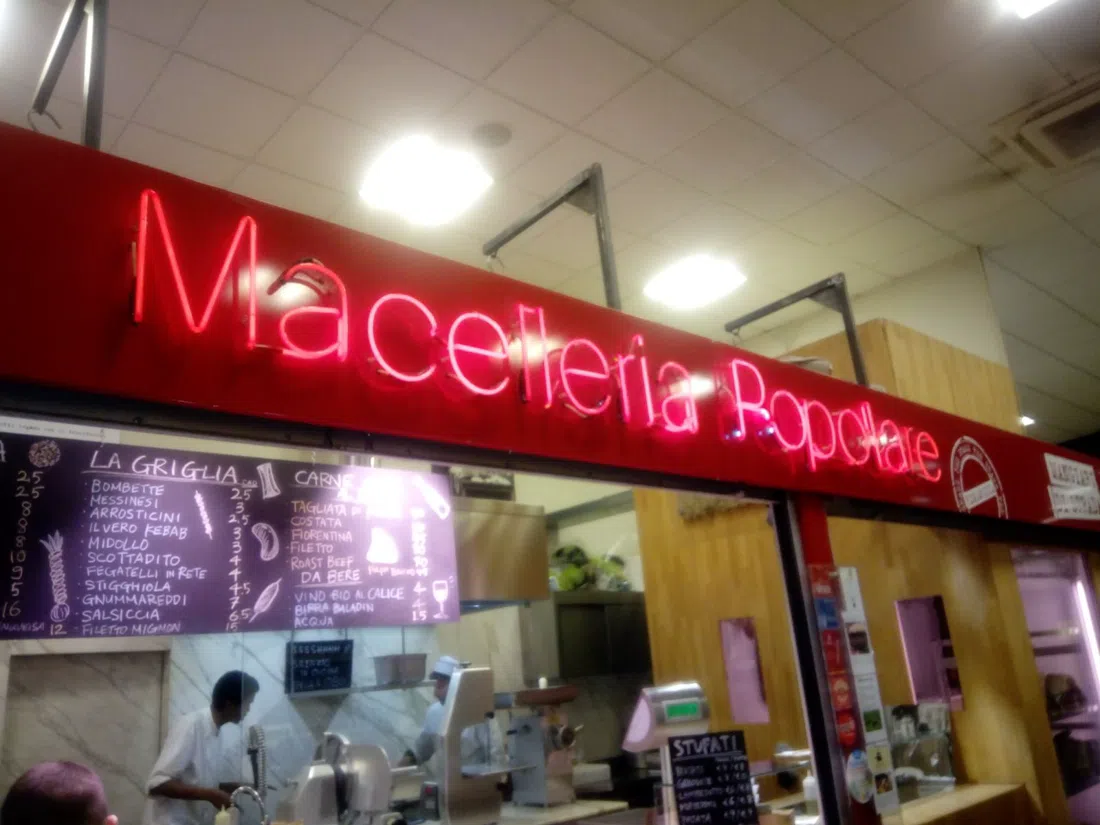
They take no reservations, so the queue at the counter stays honest. Prices run at €€, and it closes Sunday and Monday.
Coffee, pastry and gelato
Pasticceria Cucchi (Porta Genova) opened in 1936 and is 90 years old. Brass-and-glass display cases line a mirrored 1930s interior, the staff work in white jackets, and the pavement terrace sits under striped awnings. Panettone is sold year-round. The Monti family took the shop over from the Cucchi family in 2023.
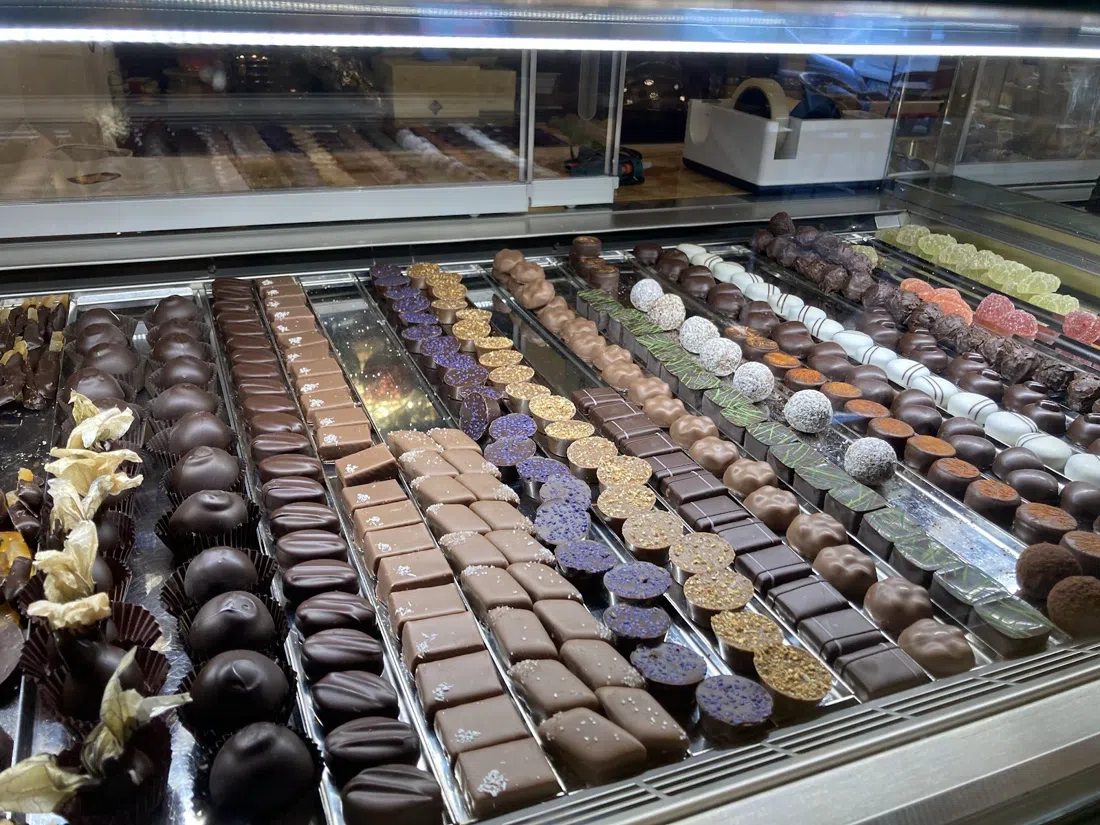
Drink your coffee standing at the bar. The seated terrace carries a service charge and fills at weekends. Prices are €, and it closes Mondays.
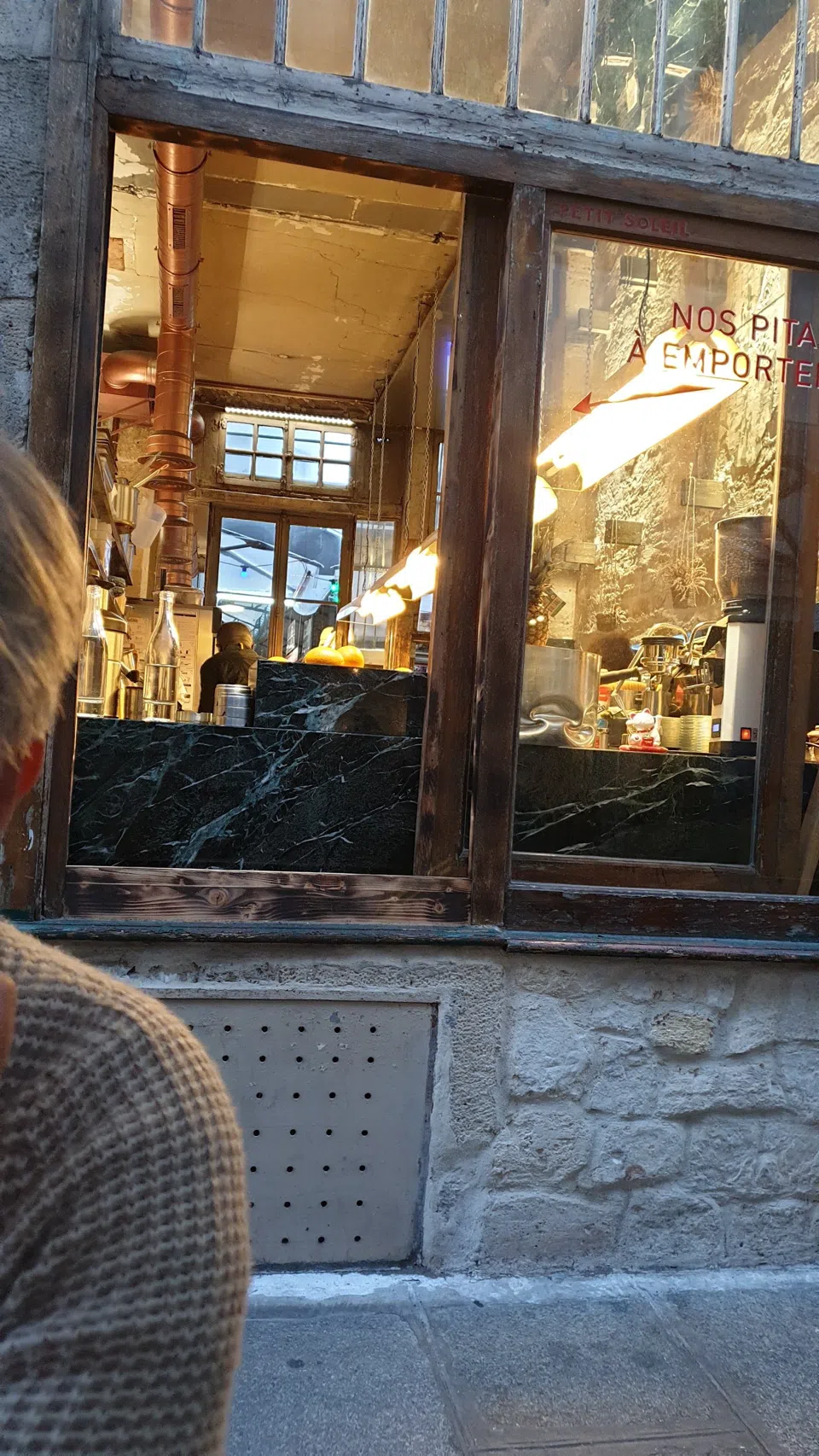
Taglio (Via Vigevano) is a pale industrial room where the shelves of jars and bottles are all priced for sale. A marble counter holds a single-origin espresso setup at one end and a slicer for cured meats at the other. It is a roaster, a deli and a restaurant at once, open all day, and the one address on this walk that takes coffee seriously. Book for dinner. Prices are €€.

La Gelateria della Musica (side street near the canal) was founded in 2008 by a jazz musician who names every flavour after a singer. The tubs carry musicians' names, and vinyl sleeves and instruments hang on the walls. Counter service only, and the queue spills onto the pavement. Prices are €, and it closes Mondays.

Sit-down meals on the water and inland
El Brellin (mouth of Vicolo dei Lavandai) is built into the washhouse itself, a 1700s building divided into five small rooms over two floors, with an ivy-draped internal garden and tables on the canal. The name is the wooden kneeler the washerwomen and washermen worked from. Nothing else on the water puts you this close to the trade the lane was built for. Book dinner ahead by email, [email protected]. Prices are €€€.

Trattoria Ponte Rosso (Ripa side) is a small canal-front room, walls cluttered with old photographs and prints, tables packed close under a red awning. The same kitchen direction has held for more than 20 years. The dining room is small and walk-ins are often turned away at dinner, so call before you cross the bridge. Prices are €€.

Trattoria Madonnina (a few streets inland) has paper-topped tables, a tiled floor and a gravelled courtyard garden used in warm weather. It is the benchmark here for risotto alla milanese and cotoletta at non-tourist prices, and the short walk inland is what holds those prices down. Reserve by phone for lunch and for dinner. Prices are €€, and it closes Sunday evening.

Osteria Conchetta (just off the Naviglio Pavese) sits on a site that has been trading since 1885. The interior is dark wood, with a vaulted back room behind it and a vine-shaded courtyard beyond that. Risotto all'onda, ossobuco and cassoeula come out of a 140-year-old address that stays local through high season. Midweek it serves dinner only, and bookings go through its own online system. Prices are €€.

Drinks after dinner
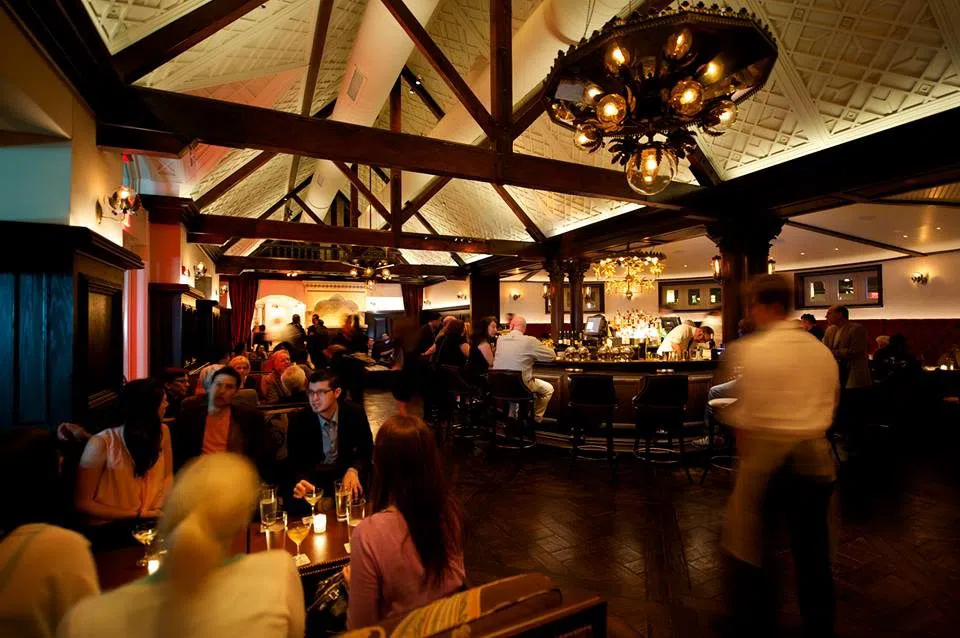
Rita & Cocktails (one street back from the water) has a curved mahogany bar under low warm lighting, and the bartenders crush fresh ginger for the house Gin Zen. It has been open since 2002 and was ranked 49th on Europe's 50 Best Bars in 2026. The room is small and most of the crowd stands; tables need booking days ahead, and a large party will struggle to get one. Prices are €€, and it closes Sundays.
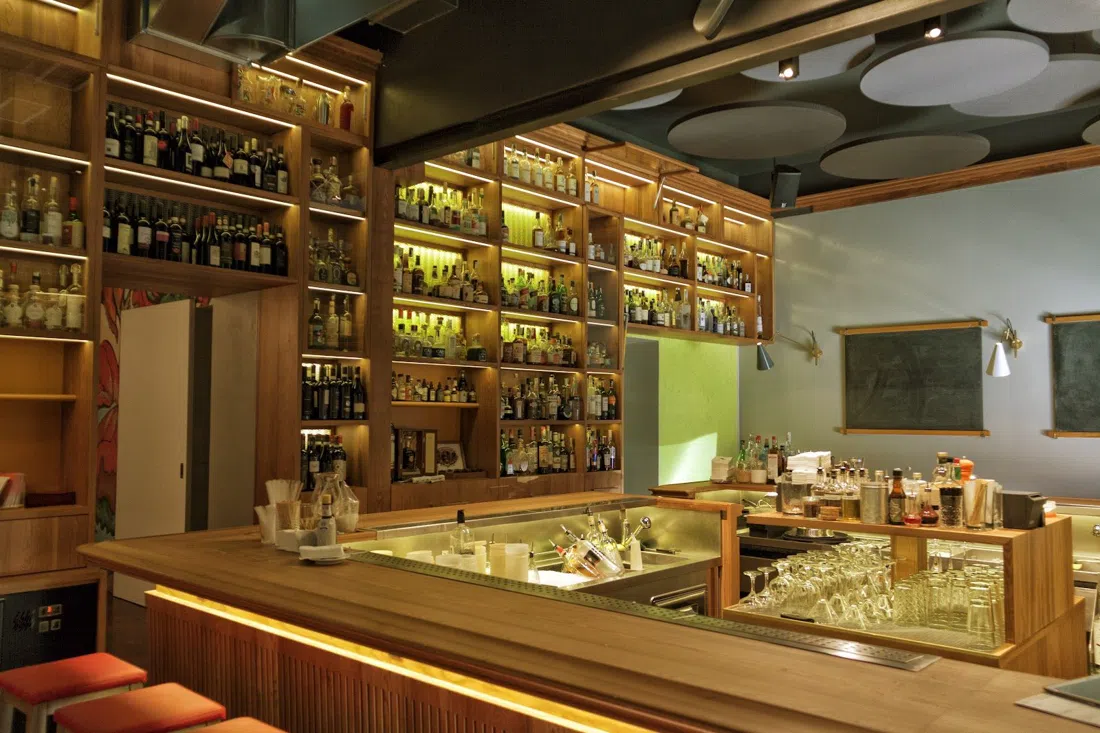
Mag Cafè (Ripa) salvaged its antique bar back from an Argentine pharmacy and built the rest of the room to match: a vintage apothecary of mismatched armchairs and candle stubs, with pavement seating out on the canal. Espresso and pastries come in the morning, cocktails at night. Walk-in only, no reservations. Prices are €€.

MUDEC and the church at the end of the towpath
MUDEC – Museo delle Culture (Via Tortona) is the former Ansaldo steelworks: bare industrial brick outside, a curved white free-form glass atrium under a steel roof inside. It is a 10-minute walk from the canal. The permanent collection is €5 and temporary exhibitions are €15 to €20. Timed entry is mandatory for the big temporary shows at weekends. It closes Mondays, so check mudec.it before you build a day around it.

Basilica di San Cristoforo sul Naviglio (on the canal bank) is two brick churches side by side, a Romanesque nave beside a Gothic ducal chapel with a rose window and a small bell gable. Gian Galeazzo Visconti had the chapel built as a plague offering around 1400. Entry is free, it closes during services, and the hours shift with pastoral needs. Use it as the turnaround point of a towpath walk, and keep your voice down inside.

Walking it yourself or booking a guided tasting walk
The towpath, the washhouse lane, the Darsena and the church all cost nothing to enter, and the counters serve you as you arrive. What you pay for on your own is what you eat.
Guided food and drink walks of the canal run seven days a week. Some departures are already sold out on 2026-11-10, 2026-12-24, 2026-12-25, 2026-12-26, 2026-12-31 and 2027-01-01, and other dates are still bookable. Book ahead if you want a specific evening rather than whatever is left.
Best time to go
Mag Cafè pours espresso from 07:30, which makes it the first door open on the Ripa. Walk Vicolo dei Lavandai next; mornings there are far quieter than the aperitivo crush, and the washhouse photographs better with nobody in it.
Keep the Darsena for the end of the afternoon. The stepped quays are the best sunset viewpoint in the district, and the market hall counter is behind you. Drinks hold the rest of the evening, and Mag Cafè is at its busiest after 22:00.
Who the walk suits
It suits a visitor with a full day who will eat standing as readily as sitting down. The route is flat, the sights on it are free, and the money goes on four or five short stops rather than one long lunch.
Before you set out
Monday closes the most doors on this walk and Sunday closes several more, so check the day before you plan the order. Reserve the two trattorie, the osteria and El Brellin before you travel. See the Milan guide and the Milan hotel search.
Questions
How long does a food walk along the Naviglio Grande take?
Plan a full day if you want the lot. Every address is within a 15-minute walk of the canal banks. Vicolo dei Lavandai takes 10 to 20 minutes and MUDEC is a 10-minute walk inland from the water; the rest of the time goes on the stops themselves.
Is the Naviglio Grande free to visit?
Yes. The towpath is an open public path with no door policy, and Vicolo dei Lavandai, the Darsena di Milano quayside and the Basilica di San Cristoforo sul Naviglio are all free. MUDEC charges €5 for the permanent collection and €15 to €20 for temporary exhibitions.
Do I need to book restaurants on the canal?
For the sit-down rooms, yes. Trattoria Ponte Rosso has a small dining room and often turns walk-ins away at dinner, Trattoria Madonnina recommends reservations for lunch and dinner, Osteria Conchetta books online, and El Brellin takes dinner bookings at [email protected]. Macelleria Popolare and Mag Cafè take no reservations at all.
What closes on Mondays?
Pasticceria Cucchi, La Gelateria della Musica and MUDEC all close on Mondays, and Macelleria Popolare closes Sunday and Monday. Trattoria Madonnina closes on Sunday evening and Rita & Cocktails closes Sundays.
Can a large group do this walk?
Mostly, with two limits. Vicolo dei Lavandai is tiny, and a party of more than about 10 blocks the lane. Rita & Cocktails is a small standing room where tables need booking days ahead, so a large party will struggle. The Darsena steps are the one place in the district where a big group can gather comfortably.
First published on milancitybreaks.com, the Milan guide.