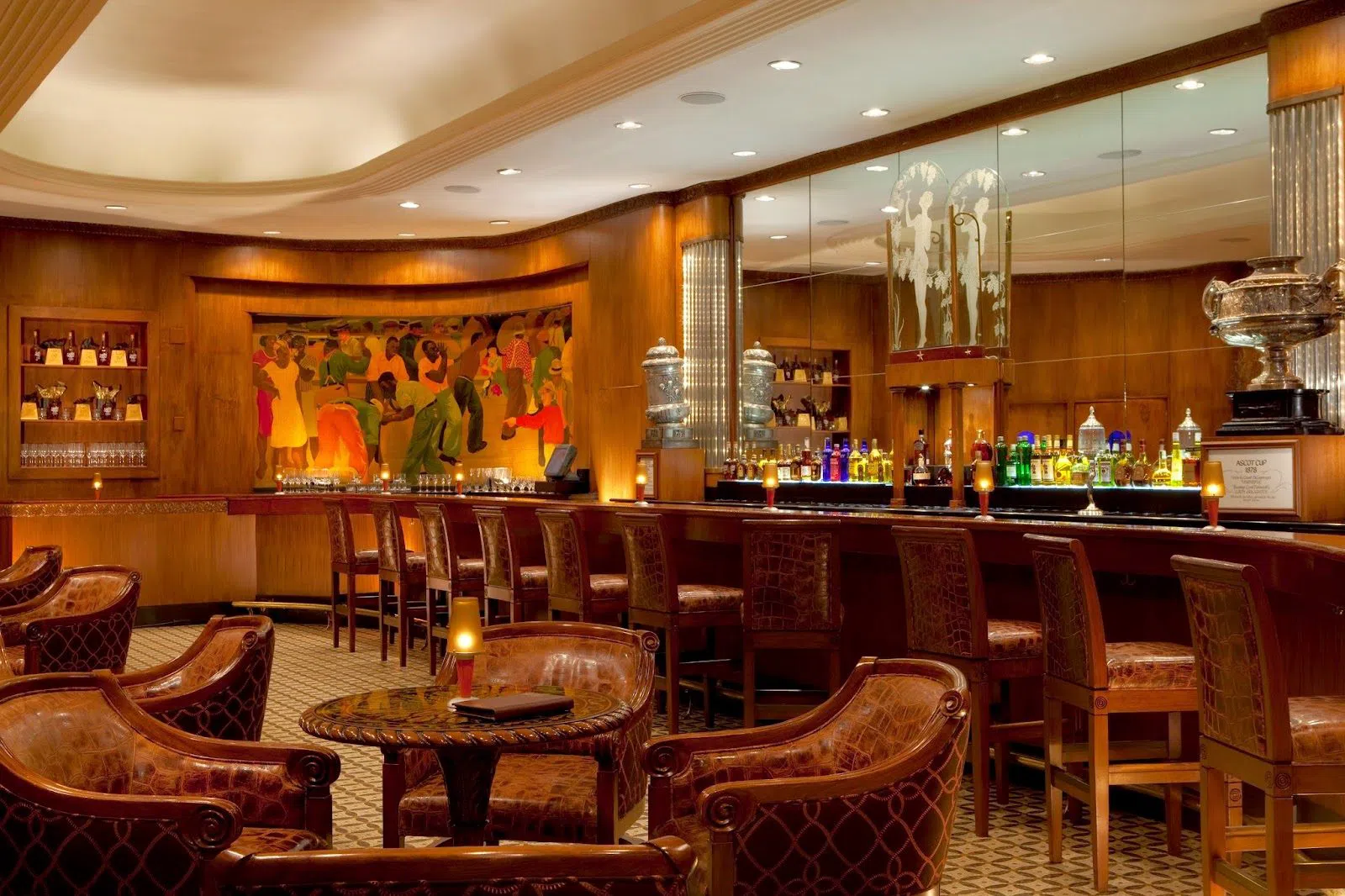
The Sazerac Bar wasn't decorated to look important — it was built by people who assumed it already was. That's the tell that runs through New Orleans drinking culture: the good rooms don't perform history, they just kept doing the same job long enough that history caught up with them. This is a walk through where that culture actually lives in 2026, from the marble-topped hotel bars that wrote the rulebook to the Mid-City dive that proves nobody in this city ever stopped caring about the drink in front of them.
Where the Sazerac Was Actually Named
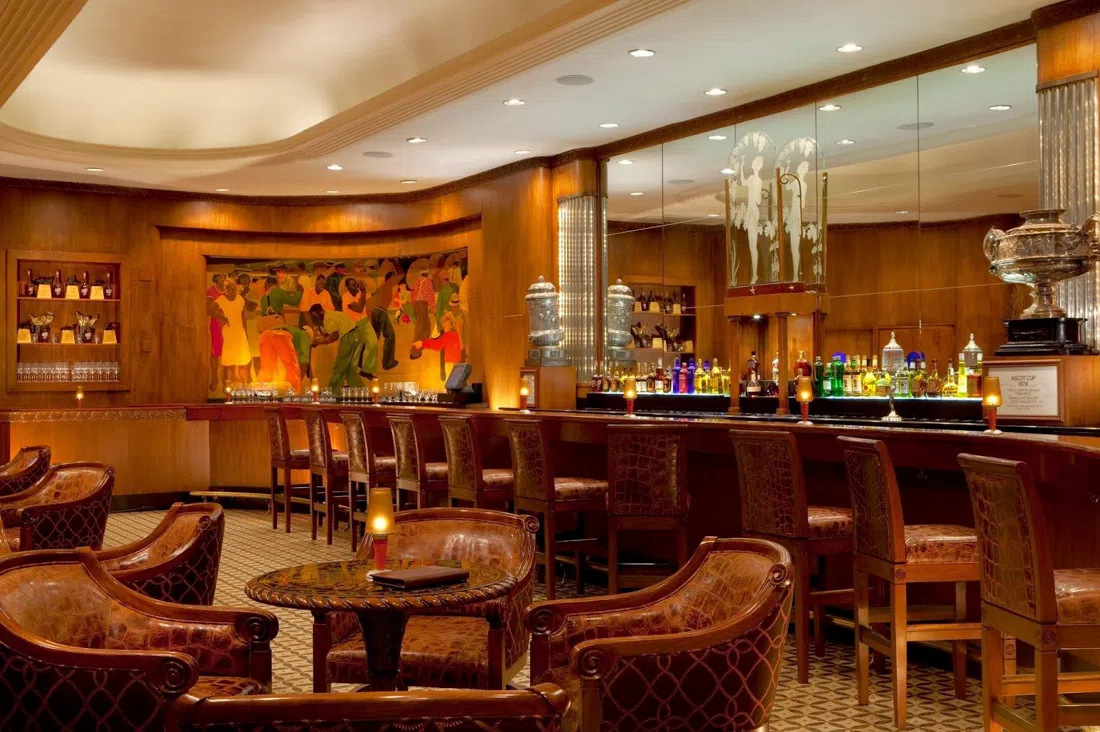
Start at the source. Sazerac Bar (Central Business District, inside the Roosevelt Hotel) is the room the cocktail itself is named for — a long African-walnut bar under Paul Ninas murals, big enough to absorb a group without losing the sense of occasion. Order it here rye-forward, with the absinthe rinse and a dash of Peychaud's, exactly as the house codified it decades ago. It's also the bar with the strongest claim on the Ramos Gin Fizz: for most of the 20th century the Roosevelt lined up a brigade of bartenders on New Year's Eve to hand-shake the egg-white, cream, and orange-flower-water fizz in relay, because a single shaker can't keep up with demand for a drink that needs a genuinely long shake to emulsify properly. Walk-ins are fine, tables turn, and at $16-20 a cocktail it's not cheap but it's not a tourist markup either — you're paying for the room as much as the glass.
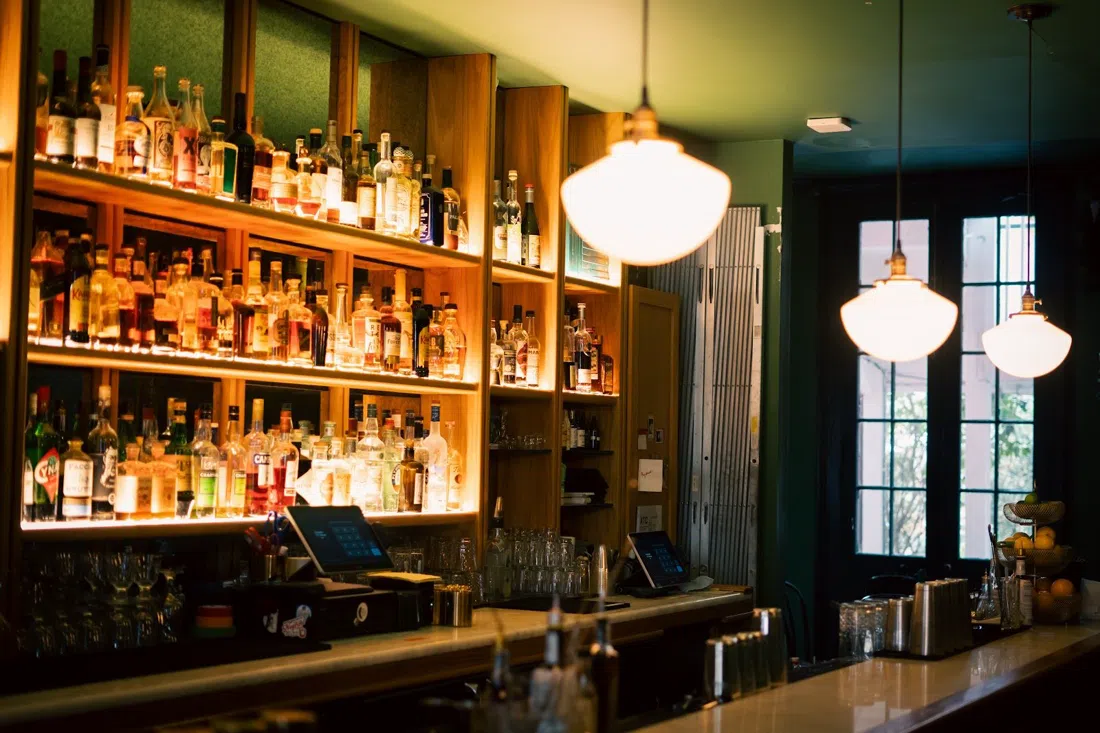
A five-minute walk away, Peychaud's (Toulouse Street, French Quarter) makes the more direct claim: it's sited in the actual former home of Antoine Peychaud, the apothecary whose bitters give the Sazerac its color and half its aroma. The bar occupies a lush courtyard behind the building, which is the best seat in the house and the reason to book ahead — walk-in space is limited and this isn't a bar that wants you standing three deep at the rail. It's a small-to-medium-group room, not a large one, and the courtyard alone is worth the reservation.
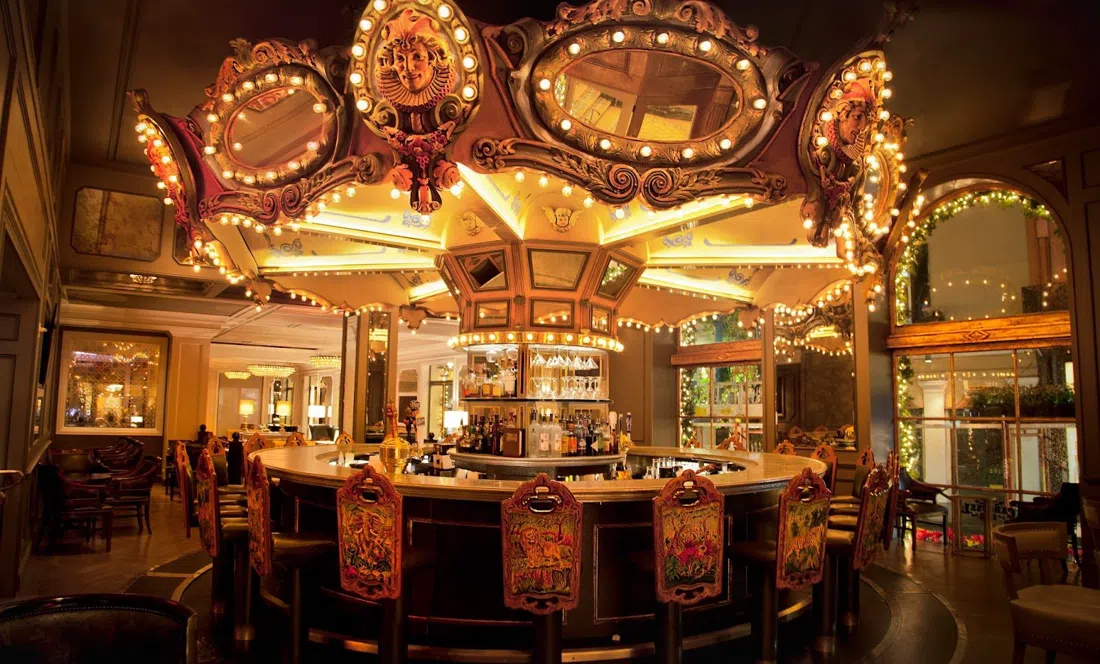
Then there's the mechanism nobody else in the city can copy. Carousel Bar & Lounge (French Quarter, inside Hotel Monteleone) is New Orleans' only revolving bar — twenty-five stools on a slow-turning carousel, a genuine engineering quirk rather than a gimmick built for a photo. Faulkner and Hemingway both drank here, and the ring itself doesn't take reservations, so the honest advice is to go early, before 6pm on a weekend, if you want a seat on the actual carousel. The surrounding lounge seats larger parties comfortably if the ring is full. Cocktails run $15-18, and it's one of the few historic rooms in the Quarter genuinely suited to a group that wants to sit together.
The Modern Craft Revival, and Where to Actually Order a Ramos Gin Fizz
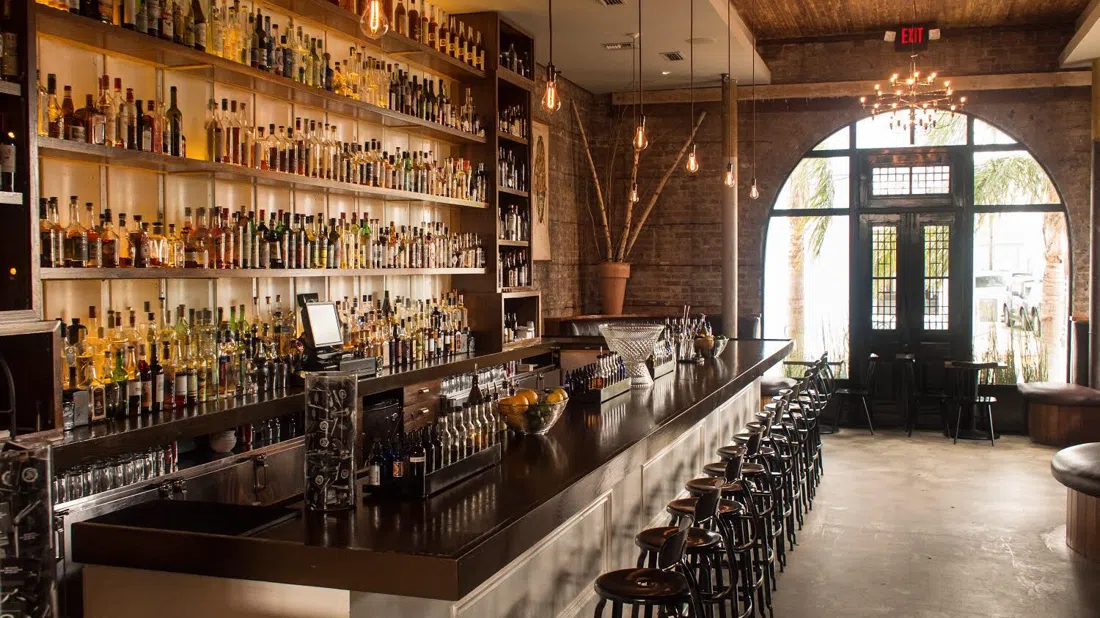
New Orleans' contemporary cocktail scene has a specific birthday. Cure (Freret Street, Uptown) opened in a former firehouse in 2009 and is widely credited with kickstarting the city's modern craft cocktail movement — and, not incidentally, with reviving the whole Freret Street corridor after Katrina. The floor plan is spacious, the back bar enormous, and it still sets the pace: a 2026 Nikka Highest Climber Award sits alongside its James Beard pedigree. It handles groups well and takes reservations helpfully on weekends, but doesn't require them the way some of the newer French Quarter rooms do.
Note: the above line was a placeholder error and is corrected below.
Questions
placeholder
placeholder
First published on neworleansguides.com, the New Orleans guide.