
The Tigers played six home games in 2026 inside a stadium they do not own, and on those nights (7 to 9 August, then 18 to 20 August) the crowd sat in two colours, yellow-and-black against navy, each half convinced it was the host. Nobody here finds that strange. Osaka has been arguing about baseball since before the war, and the argument has never really been about the standings. It is about which rail line your family rode, which department store your mother shopped in, and which counter you sit at once the last out is recorded.
Koshien belongs to the Tigers and sits outside Osaka
Hanshin Koshien Stadium (阪神甲子園球場) is 15 minutes west of Umeda on the Hanshin line, just over the prefectural boundary into Hyōgo. Visiting fans should absorb that early, because the address is not Osaka and the fandom unmistakably is. It opened in 1924 to host the national high-school tournament and has never stopped being a schoolboys' ground that lends itself to a professional club. There is no roof. The outfield walls carry ivy that the groundstaff clip rather than strip. The Tigers have played here since 1935, and 42,600 people still fill the bowl for an ordinary midweek Central League fixture, which no other Japanese club manages with any consistency.

Where you sit matters more here than almost anywhere else, because the two halves of the ground are two different evenings. The outfield cheering sections are standing-room scrums, with trumpets, a separate call-and-response for every batter in the order, and no realistic chance that a party of six stays together once the inning turns over. Tickets run ¥2,000 to ¥7,000 depending on the block, and the club sells group and season allocations, so a larger party that wants to sit shoulder to shoulder and talk should buy infield and accept the upper end of that range. Couples do better in the outfield, oddly: two people can wedge in anywhere, and the crowd itself is the spectacle.
Gates open roughly two hours before the first pitch, and that early window is worth taking. You get batting practice, the vendors still moving freely, and the slow filling of the stands, which is the most Osakan part of the night. The regular season runs from late March into autumn, and in 2026 there were still home dates on the Koshien calendar in October, so a shoulder-season trip is not a wasted one.
The dome is Orix's house with a Hanshin lease every August
Kyocera Dome Osaka (京セラドーム大阪), in Kujō in Nishi-ku, is the newer building and the far more complicated allegiance. It opened in 1997 as the Osaka Dome and housed the Kintetsu Buffaloes, an Osaka team funded by an Osaka railway with an Osaka following. In 2004 Kintetsu was merged out of existence with a club from further along the coast; the players struck, the first stoppage in Japanese professional baseball history, and what emerged was the Orix Buffaloes. A great many people in this city support the badge while resenting how it came to exist, which is a very local position to hold.
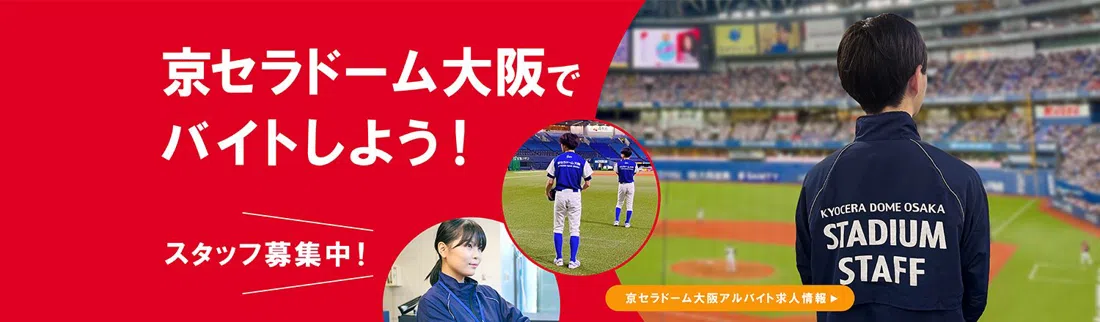
The dome seats 36,627 for baseball and tickets sit between ¥1,800 and ¥6,000, which makes it the cheaper and more weather-proof way to watch top-flight baseball in the city. Groups have two good options: the second-floor outfield restaurant tables, sold to parties and genuinely suited to eight people who want to eat and argue at normal volume, and the behind-the-scenes dome tour at around ¥3,000 a head. The tour carries a large minimum party size, so it works for a company trip or a family block and not for two.
Then there is August. The high-school tournament takes Koshien for a fortnight every summer and the Tigers move in here as tenants. In 2026 that meant those six dates, with the stands split down the middle and both sets of songs running at once. If you only get one matchday in Osaka and the timing is yours to choose, take one of these. They explain the rivalry in a way an ordinary fixture cannot, and they sell fastest, so buy as soon as the schedule drops.
Why a schoolboy tournament outranks the professionals
No foreign visitor arrives understanding why a teenage knockout competition commands more emotion than either professional club, and the Koshien History Museum (甲子園歴史館), attached to the stadium in the same complex, is the only place that explains it properly. Walk-up entry is ¥900, with a published group rate of ¥700; the stadium tour is ¥2,000 walk-up or ¥1,600 for groups, which makes this one of the few places in the city where booking as a party actually saves money.
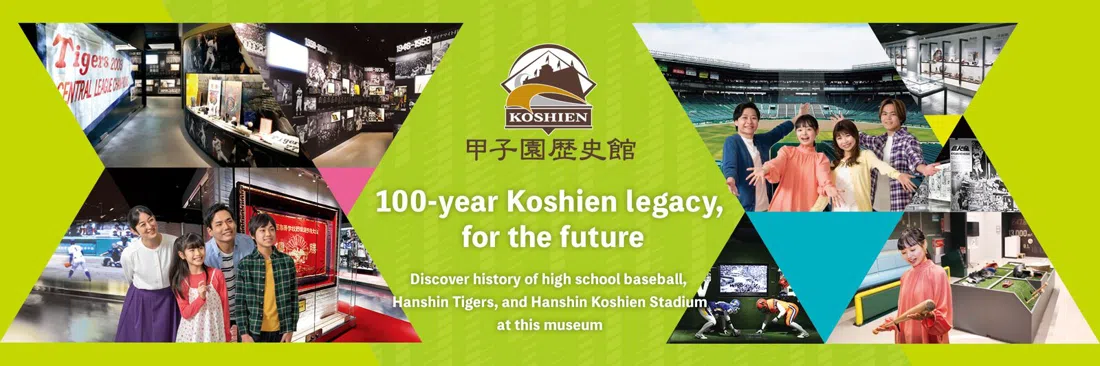
Take the Tigers Course tour. It puts you trackside during pre-game practice, close enough to hear the ball off the bat, and it changes what you are looking at. The 1924 stadium becomes the building every Japanese ballplayer has been trying to reach since they were fifteen. The museum closes on Mondays except when a game is on, so check the fixture list before you plan a quiet Monday around it.
The tribe the city lost in 1988
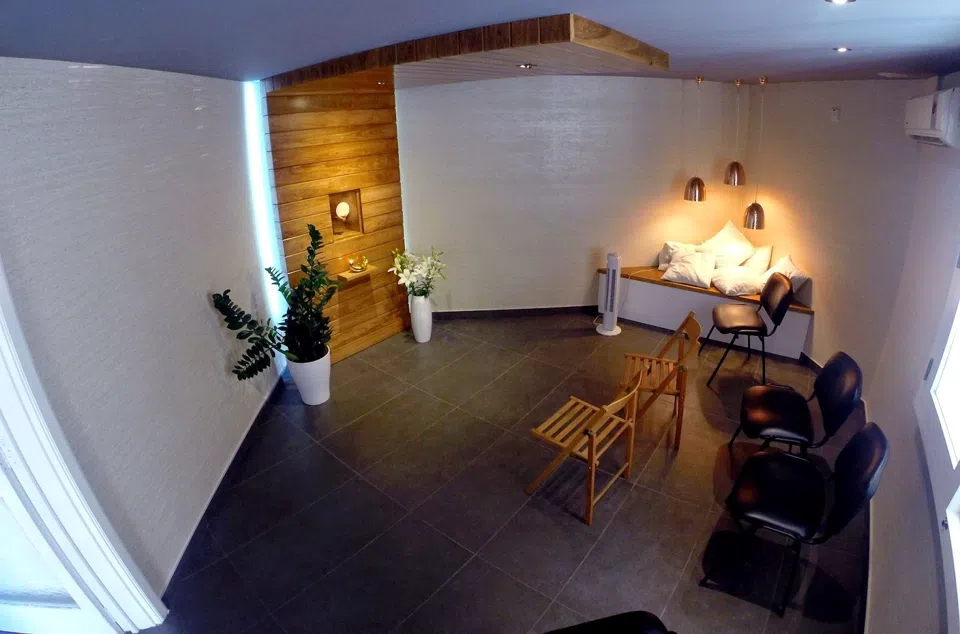
Two-tribe shorthand is tidy and slightly dishonest, because Osaka had a third team and had it taken away. Namba Parks & the Nankai Hawks Memorial Gallery, in Namba in Naniwa-ku, sits on the site of Osaka Stadium, where the Nankai Hawks played until the club was sold in 1988 and moved to Kyushu. The ground came down in 1998 and the terraced mall went up in its place. The gallery, refitted by crowdfunding in 2021, is a single small room of pennants, photographs and kit.
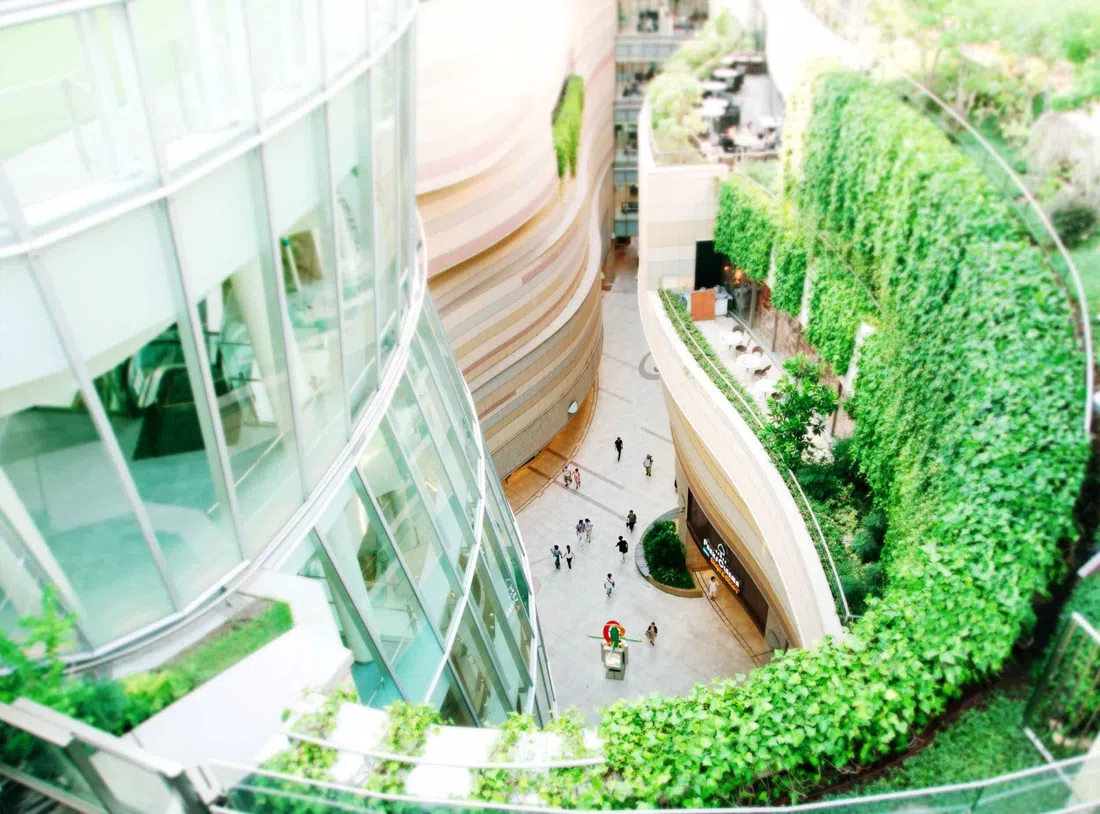
Entry is free and there is no booking, so in principle it suits any size of party. In practice the room holds about six people comfortably, so a group should filter through while the rest take the roof gardens. Give it twenty minutes. It is the cheapest context you will buy in Osaka, and it explains why older men in this city will tell you, unprompted, that the real argument ended decades ago.
Lawn seats, prospects and a ballpark that runs on nothing
If the top-flight tickets are gone or the budget is thin, the farm system is the better ticket anyway. Nittetsu Kohan SGL Stadium Amagasaki (日鉄鋼板 SGLスタジアム 尼崎), reachable on the same Hanshin line that carries you to Koshien, opened in March 2025 as the Tigers' self-described Zero Carbon Baseball Park and now hosts the club's second team. Unreserved outfield lawn costs ¥700 to ¥1,000; reserved blocks and season seats run ¥1,700 to ¥4,000 and are sold through Lawson Ticket, including blocks large enough for a school group.

This is the most unguarded version of Hanshin fandom you will find. The crowd is small, the songs are the same, and you are near enough to hear a coach correcting a nineteen-year-old's footwork. Western League fixtures ran through September in 2026, so the calendar is shorter than the top flight's. Confirm a date exists before you make the trip out.
The argument moves to the dinner table
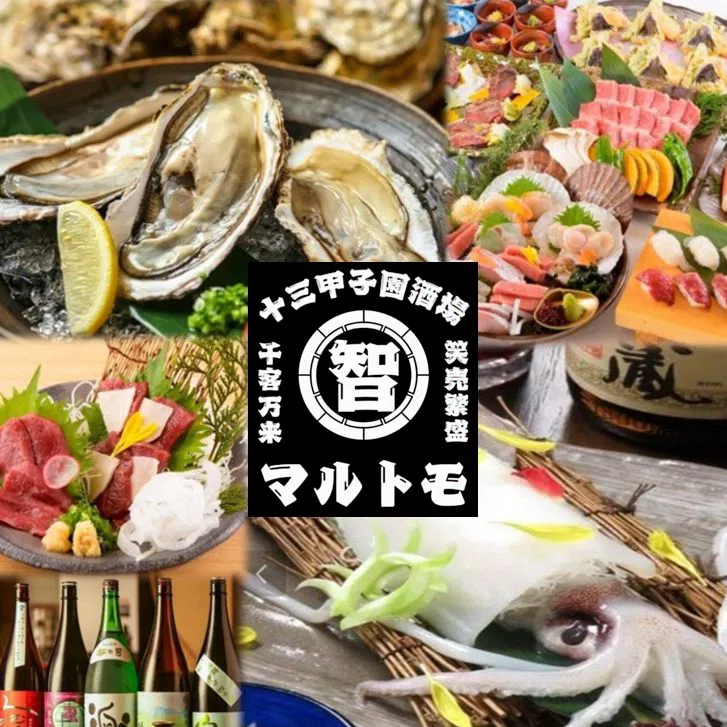
The stadiums are where Osaka performs the rivalry. The counters are where it picks sides. Juso Koshien Sakaba Marutomo (十三甲子園酒場マルトモ), in Juso in Yodogawa-ku, is the Tigers' house: a skewer izakaya reckoning on ¥3,000 to ¥4,000 a head, taking net reservations, and occasionally running meet-the-player nights with Hanshin old boys. Use the current name, because it rebranded from 十三串焼酒場 in November 2024 and the old sign still turns up online. It closes Mondays, except on Mondays when Hanshin play, which tells you more about this city than any statistic. The geography carries a quiet joke too: Juso is a Hankyu town, and Hankyu and Hanshin only became corporate siblings in 2006.
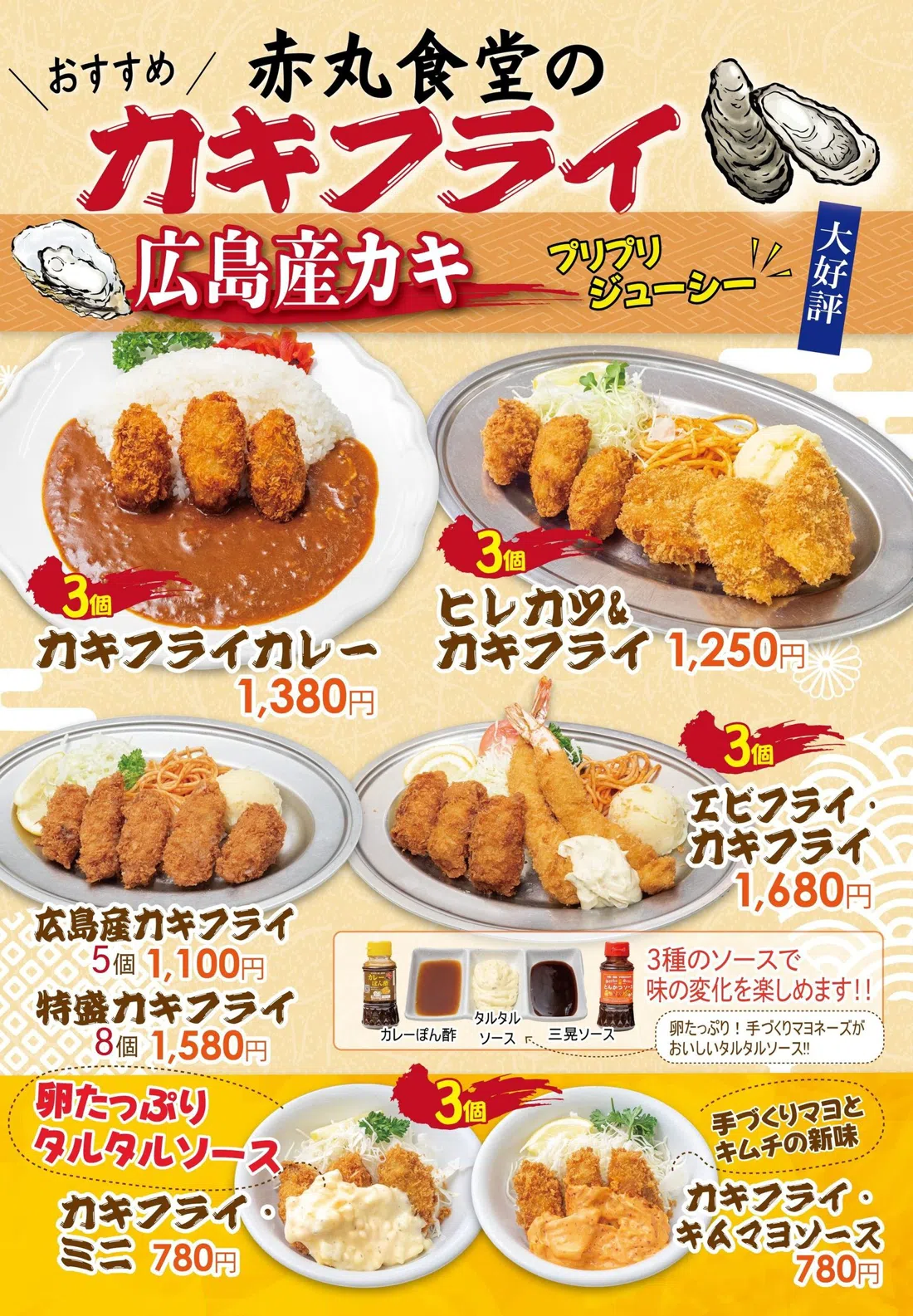
The Orix answer is Akamaru Shokudo (赤丸食堂), out toward the bay between the dome and Maishima: a post-war-style shokudo serving set meals at ¥1,000 to ¥2,000 a head, an official club sponsor, and the de facto team canteen. Walk in. There is no door policy, the seating is tables rather than a counter scrum, and an Orix fan-club card plus ¥1,000 of spend gets you a free drink. It is the better of the two for families and for anyone who wants to eat properly rather than drink properly. Note the closures: Tuesdays and Wednesdays, both of them.
Booking either one around a fixture is worth the small effort. Both fill with people who have just come from, or are about to go to, the same game you are.
The one bar where both tribes drink
BallparkBar, in Senba in central Chūō-ku, is the exception, and for a specific reason: the owner draws for a weekly baseball magazine rather than for a club, so the walls are league-wide and the conversation stays civil. Expect ¥2,000 to ¥4,000 a head. It is small, there is no stated private hire, and four to six people is the realistic ceiling. Phone ahead on 06-6226-7300, which is also how you should confirm the hours, because the website is visibly out of date. It closes Sundays, Mondays and public holidays. For a couple on a non-matchday evening, this is the single best hour of baseball talk available in the city.

A department store that owns a baseball team
The ownership here is not abstract. Hanshin Umeda Main Store (阪神梅田本店), at the Umeda end of Kita-ku, holds TEAM SHOP CLUBHOUSE on the first floor, open 10:00 to 20:00. It is the Tigers' flagship, with merchandise from ¥1,000 keyrings to ¥20,000 replica kit and a passport discount for foreign visitors. No booking, any group size, though the shop gets tight an hour before a home game.

Go downstairs afterwards. The basement and first-floor food halls reopened after renovation in November 2025, so the famous ikayaki counter (squid and batter pressed flat, from under ¥200) is fresh rather than tired, and Snack Park is a stand-up food court where a group of ten can graze without a reservation existing anywhere. It is the most efficient cheap meal in Umeda and the only place where buying a cap and eating lunch are the same errand.
Sleeping within earshot of the crowd
For a matchday at Koshien, Hotel Hewitt Koshien (ホテルヒューイット甲子園) is the only serious option within walking distance of the gates: 412 rooms, none smaller than 28 square metres, and eight function rooms, the largest seating over 700, which is why supporters' clubs and company parties book it out. Rooms run ¥12,000 to ¥30,000 a night and spike hard on game days. Ask for a high floor on the stadium side, and book months ahead for August, when the high-school tournament fills every bed for miles.
Staying in the city and commuting to the baseball is reasonable enough, given that the dome and the izakaya are both in Osaka proper. Compare rates and districts through Osaka hotel search and stay near Umeda, one line from Koshien and two stops from the Tigers' own shop floor.
Getting there, paying and timing it
Koshien station sits on the Hanshin Main Line, about 15 minutes from Osaka-Umeda, and the walk to the gates takes five. Kyocera Dome has three doors: Dome-mae Chiyozaki on the Hanshin Namba Line, Dome-mae on the Metro Nagahori Tsurumi-ryokuchi Line, and Taishō on the JR Osaka Loop Line. Buy an ICOCA or use a phone-based IC card; paper train tickets waste the ten minutes you will want after a game, when both stations run at crush loading for half an hour.
Carry cash. The shokudo and the izakaya in this piece are small businesses and several are cash-first, as is the ikayaki counter. Match tickets are best bought through the clubs' official channels or at convenience-store terminals; they go on sale well in advance and the August dome fixtures go first.
A realistic day costs ¥2,000 to ¥7,000 for the seat, ¥1,000 to ¥4,000 for food and drink either side, and nothing at all for Namba Parks. A two-ballpark trip (one night at Koshien, one at the dome, the museum in between) works comfortably in three days, and if you want to build the rest of the itinerary around it, start from the Osaka guide. Come in August if you can take the heat and the prices; come in late September or October if you would rather have the seat you chose.
Questions
Is Koshien Stadium actually in Osaka?
No. Hanshin Koshien Stadium is just over the prefectural line in Hyōgo, about 15 minutes west of Osaka-Umeda on the Hanshin Main Line and a five-minute walk from Koshien station. The support is thoroughly Osakan; the address is not.
Why do the Hanshin Tigers play home games at Kyocera Dome Osaka?
Every August the national high-school tournament takes over Koshien, so the Tigers move into Orix's home for a short run of games. In 2026 that meant six dates, 7 to 9 and 18 to 20 August, and the stands were split between the two sets of fans.
Which ballpark is better for a group that wants to sit together?
Kyocera Dome. It sells its second-floor outfield restaurant tables to parties, and tickets run ¥1,800 to ¥6,000. Koshien's outfield cheering sections are standing-room scrums, so a group that wants to sit together needs infield seats at ¥2,000 to ¥7,000.
How much does a baseball ticket cost in Osaka in 2026?
Roughly ¥2,000 to ¥7,000 at Koshien and ¥1,800 to ¥6,000 at Kyocera Dome. The Tigers' farm team at SGL Stadium Amagasaki costs far less: ¥700 to ¥1,000 for unreserved outfield lawn and ¥1,700 to ¥4,000 reserved.
Where can you watch or talk baseball on a non-matchday?
BallparkBar in Senba is neutral ground and the best hour of baseball conversation in the city, though it holds only four to six comfortably and closes on Sundays, Mondays and holidays. The Koshien History Museum opens most days except Mondays and explains the whole rivalry for ¥900.
First published on osakaguides.com, the Osaka guide.