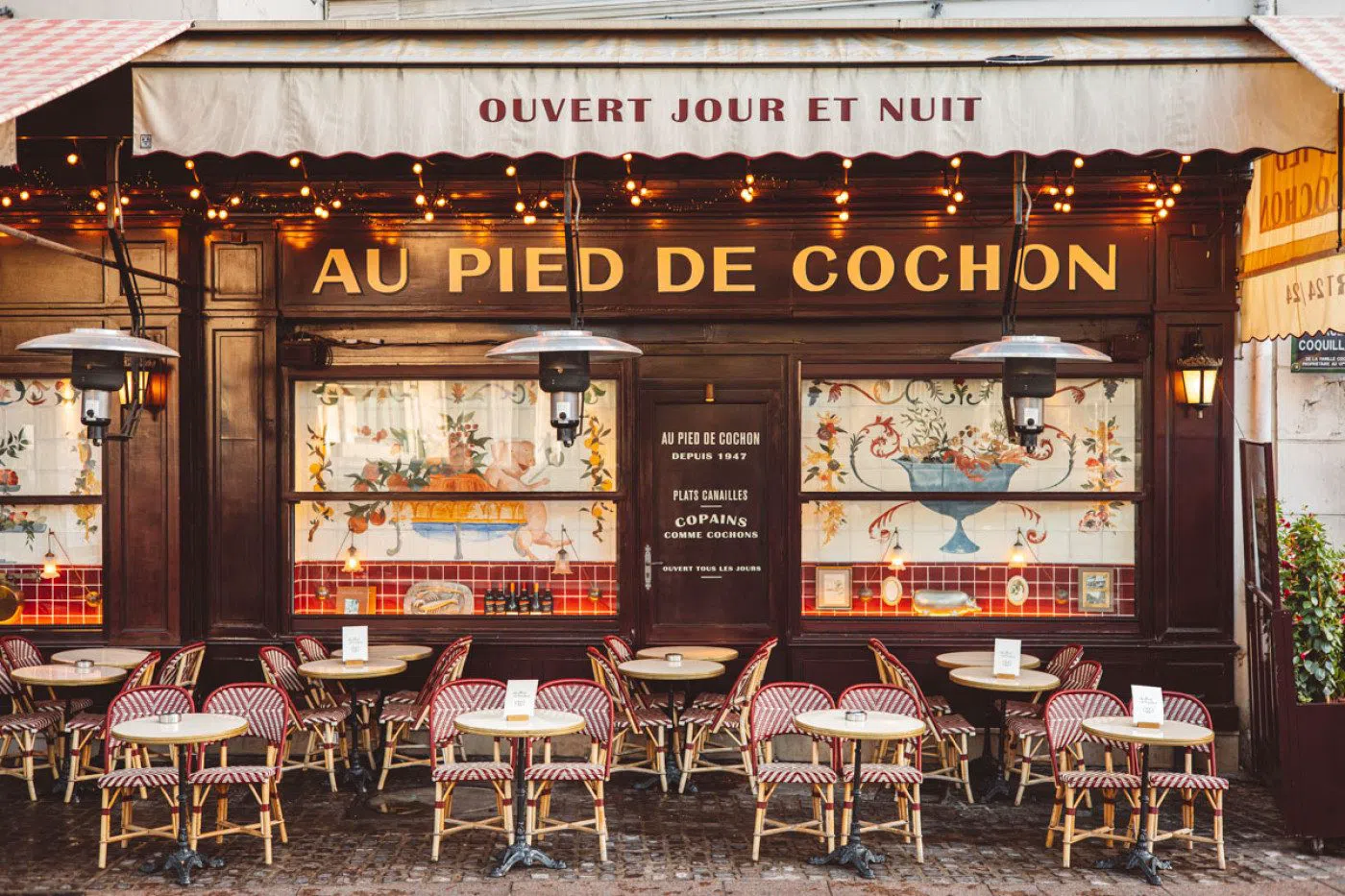
The last Métro has gone from Châtelet, the rue Coquillière smells of scorched Gruyère, and behind a fogged window a man in chef's whites is working through a dozen oysters alone. Paris did not invent supper, but it did invent the idea that a serious city should be able to feed anyone properly at any hour: first the market porters, then the printers, the actors, the nurses coming off shift. That machinery is still running, and walking between its dining rooms after midnight shows you a working city the daytime itinerary never reaches.
Two traditions doing two different jobs
The brasserie arrived from the east in the nineteenth century: beer, choucroute, seafood on ice, waiters in long aprons, and a kitchen that kept going because the people around it worked nights. The bouillon came out of the same decades from the opposite direction, a workers' canteen selling broth and a plate of meat for coins, fast, enormous and cheap. Both survived, and both are worth your evening, but the difference that matters when you are planning is the clock.
Today's bouillons, for all their queues and their tilework, shut at midnight. The brasseries take over from there and run to four, five, sometimes seven in the morning. So a 2am crawl in Paris almost always begins early and cheap in a bouillon and ends slow and expensive in a brasserie, and the hour between midnight and one is when the city hands off from one to the other. Plan to be walking to your second room by then, not looking for it.
The market quarter still eats last
Les Halles lost its wholesale market in 1971, when the trade moved out to the suburbs and the iron pavilions came down, but the restaurants that fed the porters stayed exactly where they were. The 1er still keeps the strangest hours in the city.
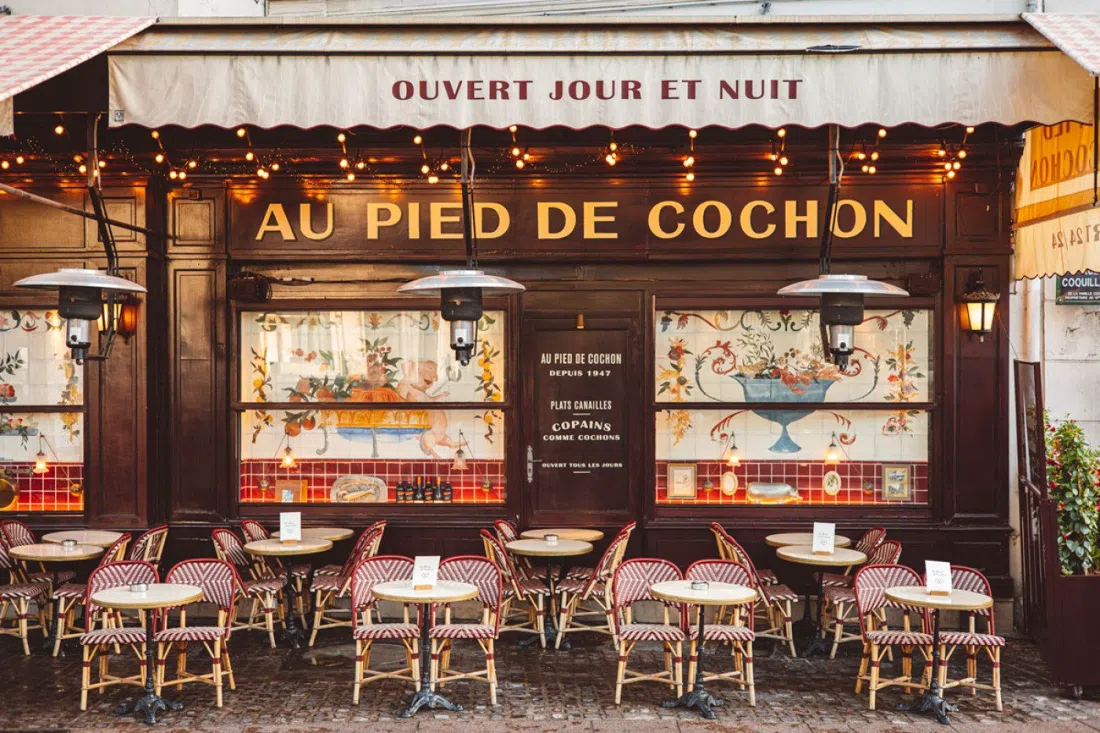
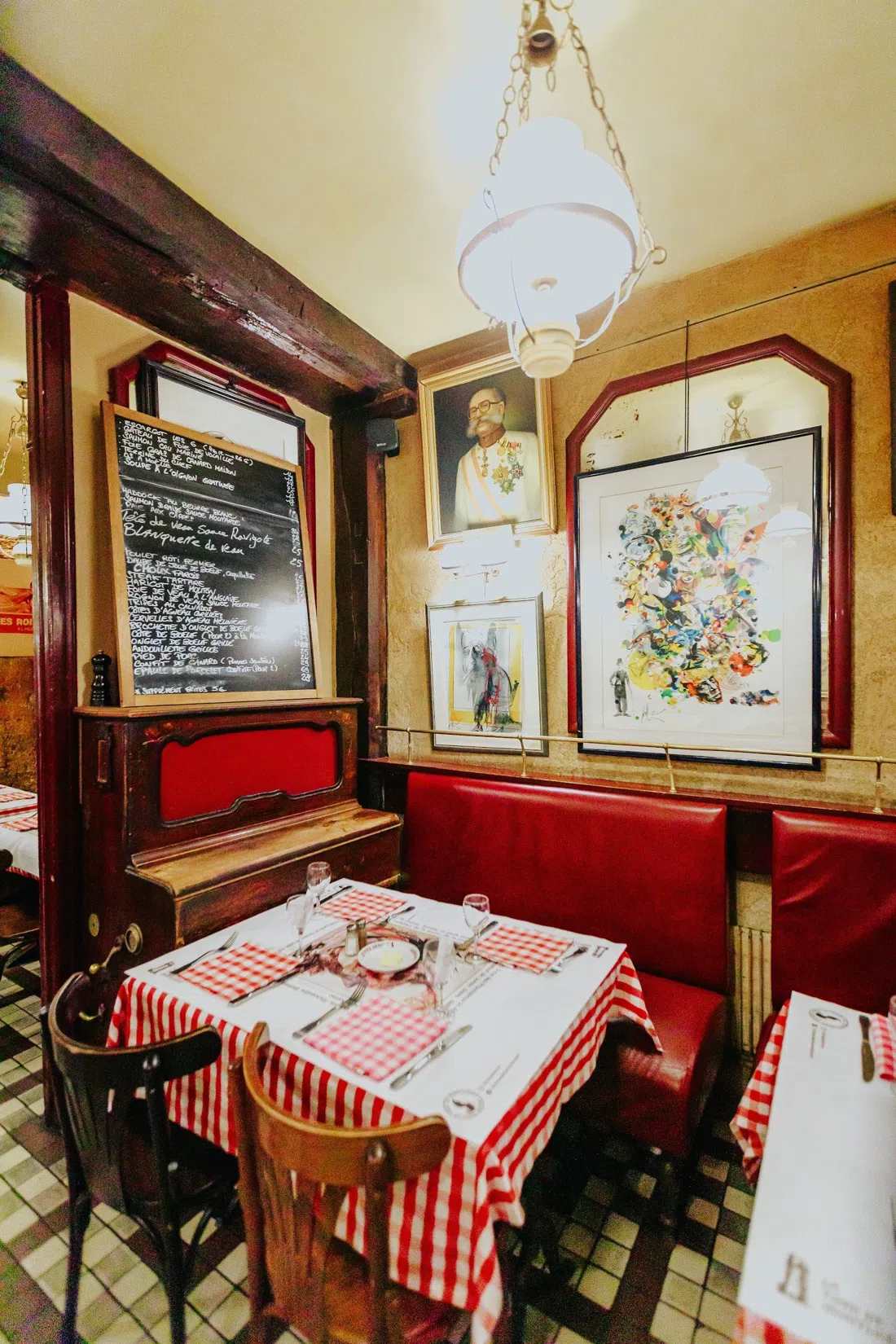
Au Pied de Cochon (Les Halles, 1er) is the anchor of any night like this. Continuous service from 8am to 5am, seven days a week, on the ground the market used to occupy. The onion soup gratinée at three in the morning is the original version of a ritual the rest of the world has since copied badly, and the pig's trotter the house is named for is not a novelty item. Around €45-60 a head with wine. Walk-ins are absorbed all night, since the room is large and the staff are practised at it, but a table for eight at 1am should be booked, and there are several salon configurations upstairs if you want space of your own. It belongs to Groupe Bertrand, which also owns two other rooms below; the group hand is light here, but it is there.
A few streets west, Chez Denise — La Tour de Montlhéry (Les Halles, 1er) is the last true market restaurant left, and the one with the hardest rule attached. It serves 7:30pm until 5am Monday to Friday, and it is closed Saturday and Sunday, the single fact in this article most likely to ruin somebody's plan. The room is small and the tables sit close, wine arrives in pitchers, and the portions are the kind that make a table go quiet. Roughly €45-60 a head. It takes groups, but the room decides the size; book a day or two ahead and be honest about numbers.
Le Tambour (Montorgueil side of the 2e) is ten minutes north and a different register entirely: open 7am to 2am, and through to 5am on Friday and Saturday, decorated in salvaged street furniture and old Métro signage, and cheerfully loud. €25-35 a head. Walk-ins are the point, but the room is tight, so anything over eight should ring first. It is not the place for a conversation you need to hear.
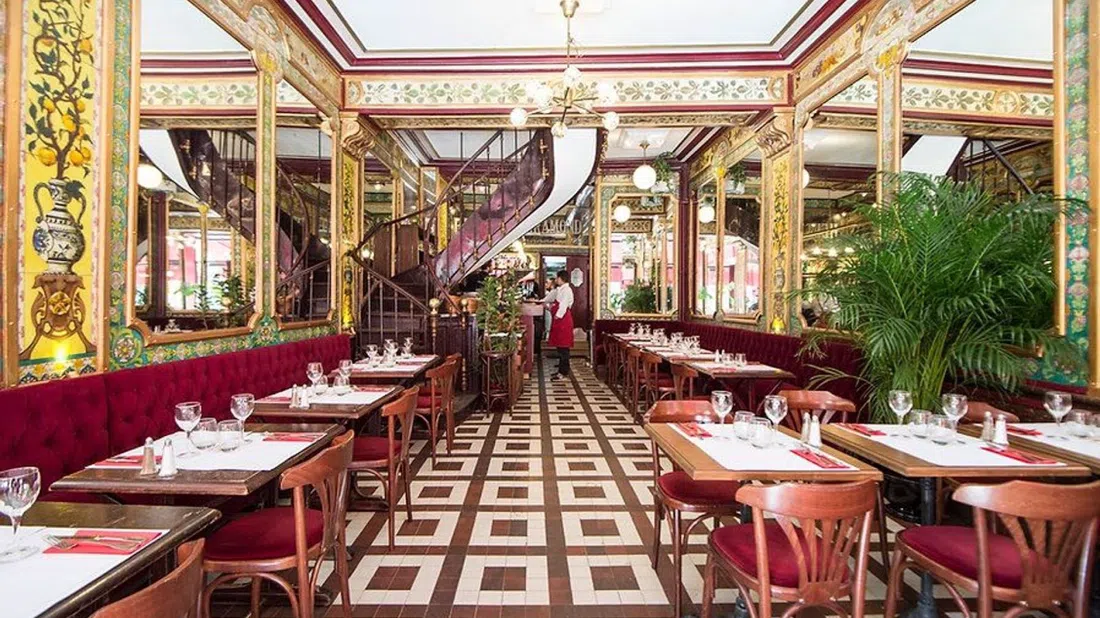
Le Petit Bouillon Pharamond (Les Halles, 1er) closes the circle. Founded in 1832 and converted to a bouillon in 2019, it kept its listed tilework and its Norman tripe, serves continuously from noon to midnight, and costs €25-30 a head. It is the closest bouillon to the night crawl, which makes it the sensible first act: eat well for the price of a cinema ticket, then walk two hundred metres and let the brasseries take the rest of the night. The first floor holds a dozen or so, so book, and warn them it is a group.
A workable route through the quarter: Pharamond at eight, Le Tambour at eleven, Au Pied de Cochon or Chez Denise at one.
The rooms that never close
L'Alsace (Champs-Élysées, 8e) is open twenty-four hours a day, 365 days a year, and it is the only grand brasserie on the avenue that will put a group choucroute in front of ten people at four in the morning. The address is as touristed as any in Paris and the kitchen is serious anyway; €50-70 a head, more once seafood platters are involved. The first-floor private room seats about seventy-two, and large late parties are routine rather than an imposition.
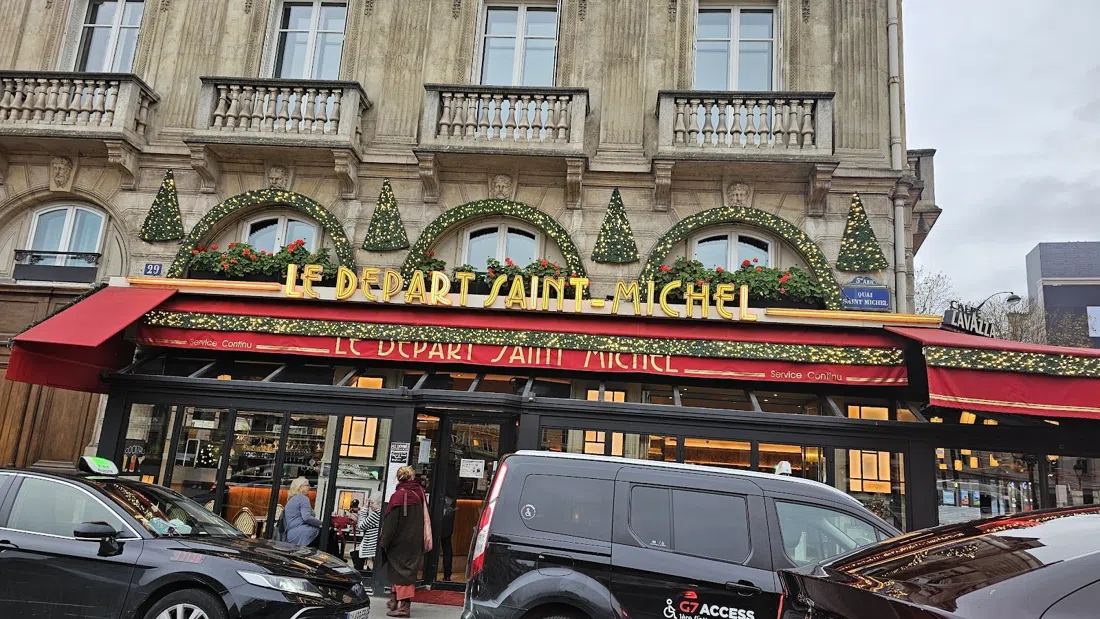
Le Départ Saint-Michel (Saint-Michel, Left Bank) is the other clock that never stops: open 24/7 on the busiest corner on that side of the river, with a terrace that gives you the water at three in the morning for €20-30 a head. Be clear about what it is. Solid brasserie cooking, not gastronomy. It earns its place on this list on hours and position, and it is the cheapest honest late plate here. No door policy worth the name, informal service, big tables on the terrace; call ahead for ten or more.
Pigalle, the Grands Boulevards and the club exodus
Northern Paris is where the late crowd is thickest, and where the bouillon revival began.
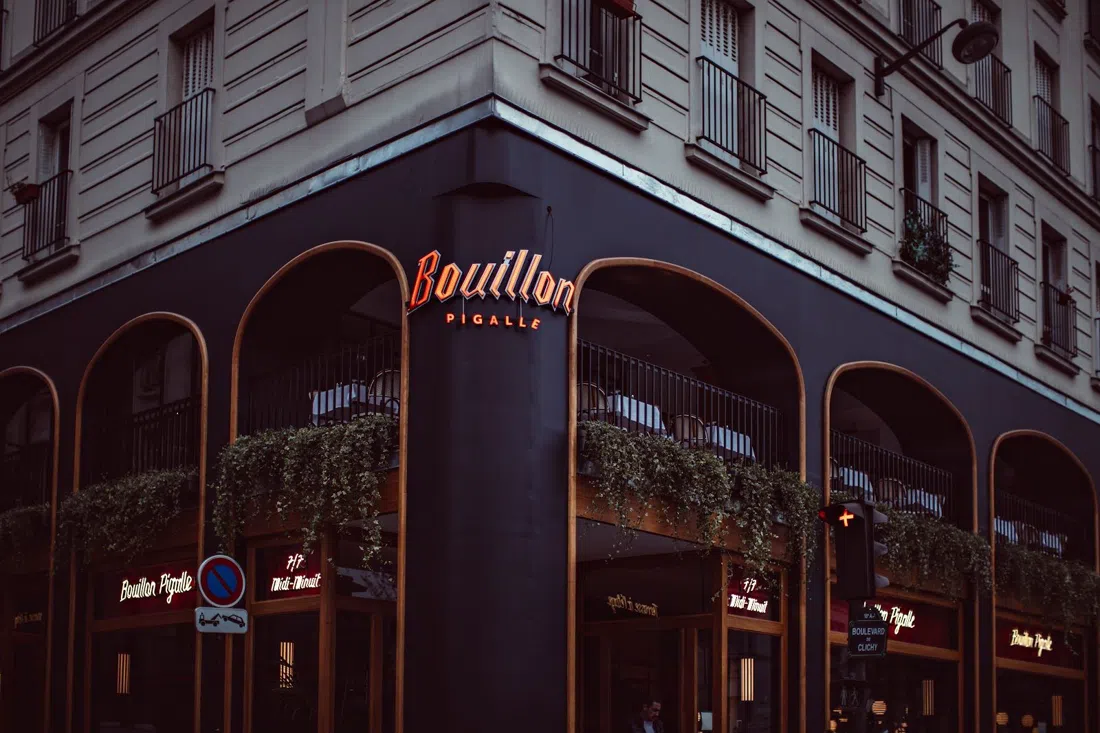
Bouillon Pigalle (Pigalle, 18e) opened in 2017 opposite the Moulin Rouge and restarted the whole category: €5 leeks vinaigrette, €12 blanquette, three courses for around €20, served until midnight. The Moussié brothers now take reservations online, which removes the old queue problem, and their sibling room, Bouillon République at 39 boulevard du Temple, has private spaces for parties of fifteen to a hundred and forty. Send anything genuinely large there rather than trying to fold it into Pigalle.
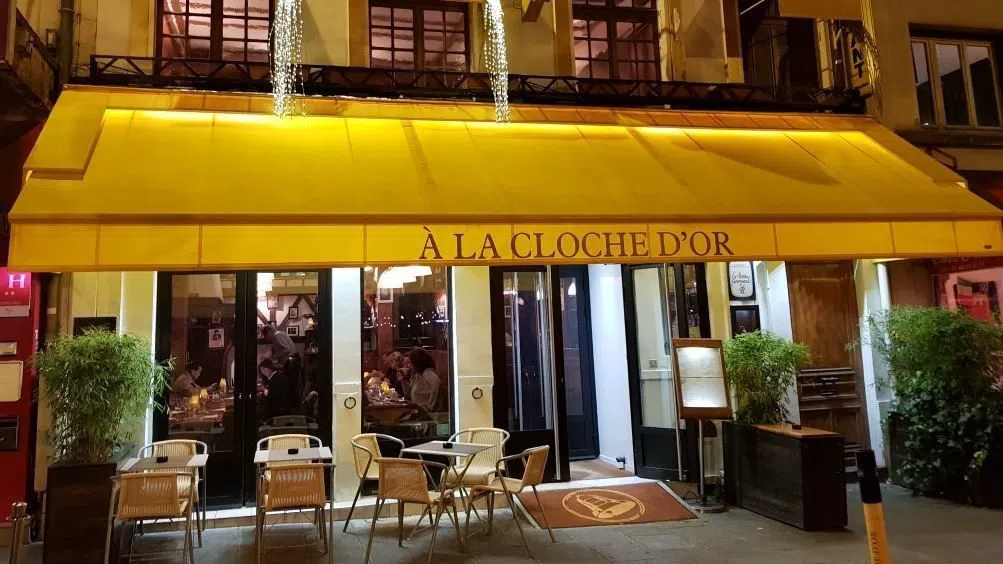
A short walk away, À la Cloche d'Or (Pigalle, 9e) has been a supper room since 1928, when Jeanne Moreau's father founded it, and it still serves into the small hours, to around 4am, closed Sunday. The rooms are small, which makes it ideal for six to twelve and awkward above that, and €45-60 a head buys the kind of late dinner that theatre people have eaten here for a century.
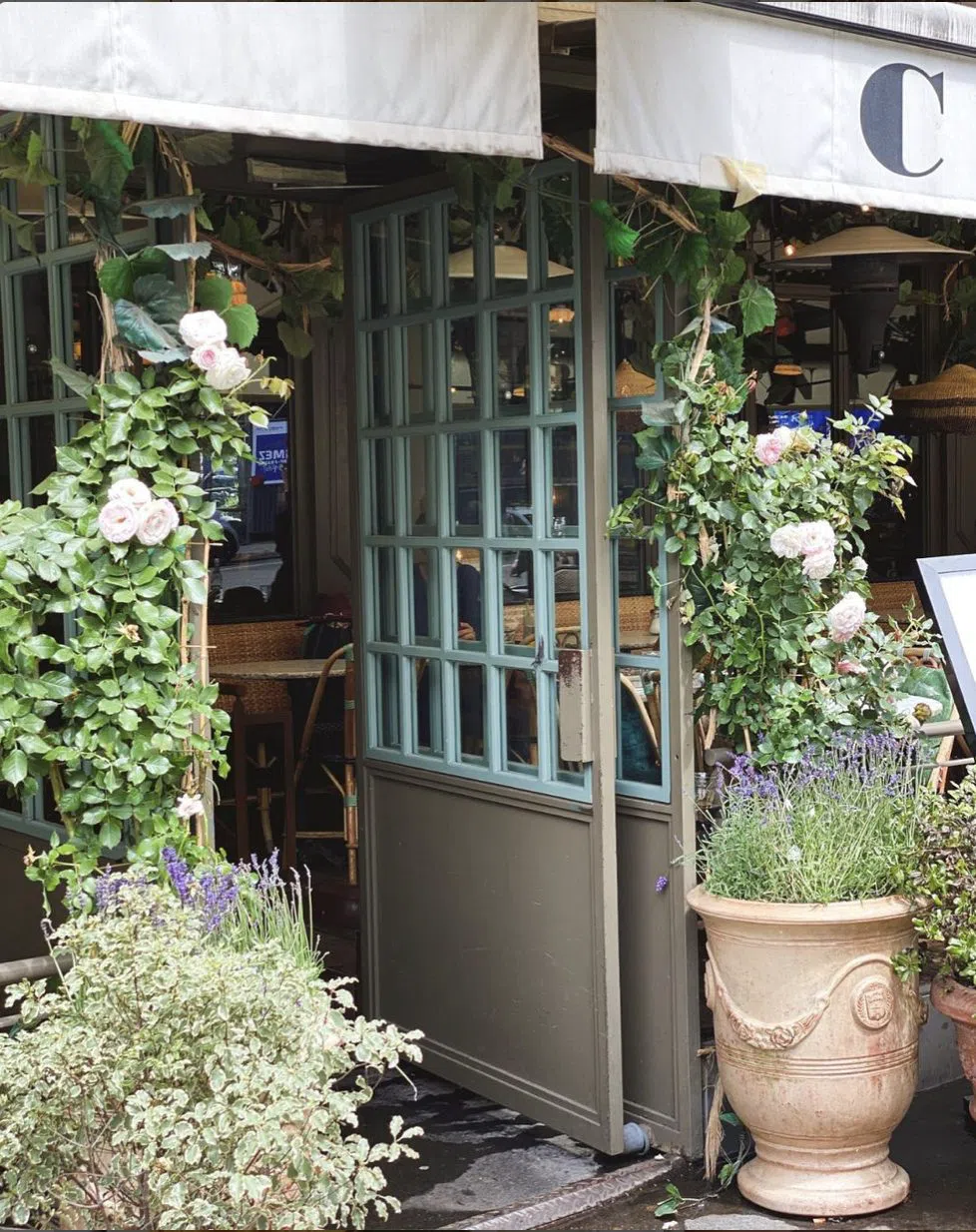
Le Brébant (Grands Boulevards, 9e) runs from 7:30am to roughly 4:30am with the kitchen going to the end, which is rarer than the hours alone suggest: plenty of late rooms stop cooking long before they stop pouring. It is a 160-year-old café address with multiple rooms and a large terrace, it books easily, and it still does the job it was built for, catching the club exodus off the boulevards at €35-50 a head.
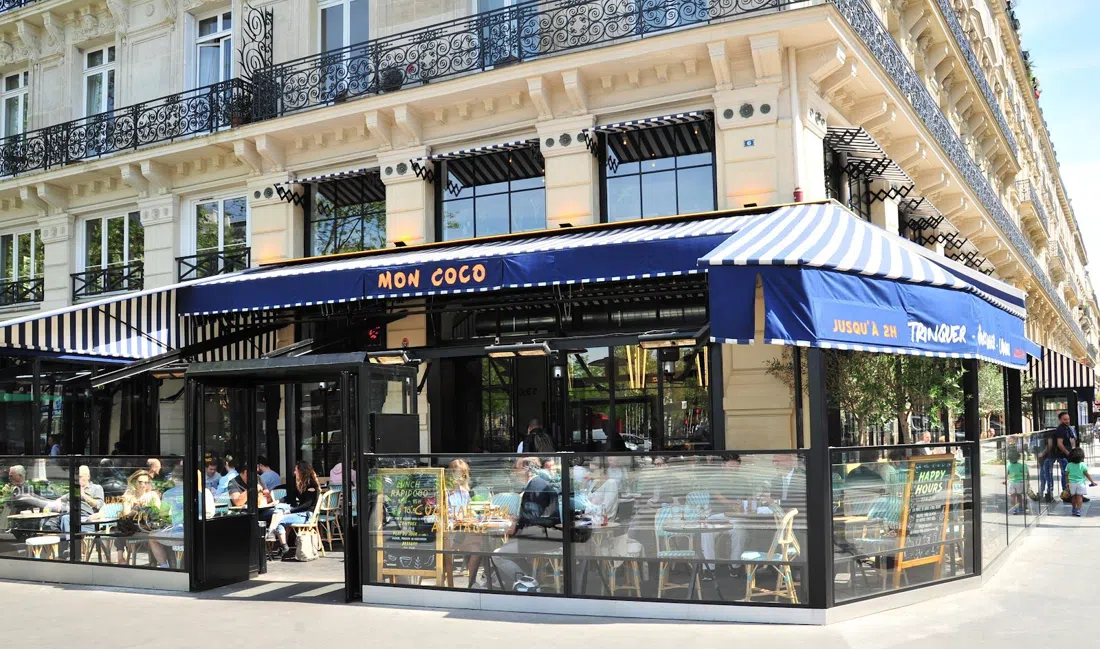
Mon Coco (Right Bank) is the modern end of the tradition and, for a party of ten, the easiest table in this entire guide. Three floors, bookable areas, full privatisation, DJs at weekends; it serves to 2am early in the week, 4am midweek and 5am on Friday and Saturday, with the kitchen closing about an hour before the room does. €30-45 a head. Check which service you are aiming at: arriving at 4am on a Tuesday gets you a drink, not dinner.
The Left Bank keeps its own hours
Brasserie Lipp (Saint-Germain-des-Prés, 6e) has served from 9am to 2am daily since 1880 and has been the political and literary canteen of the Left Bank for most of that time. €55-75 a head. Two honest warnings. First, seating on the famous ground floor is the maître d's judgement, not your reservation's, so ask for it plainly, because upstairs is exile, and a group should book formally rather than turn up hopeful. Second, 2am is Lipp's closing time, not its late shift: this is a first room in a long night, or a whole evening on its own, never a destination at half past one.
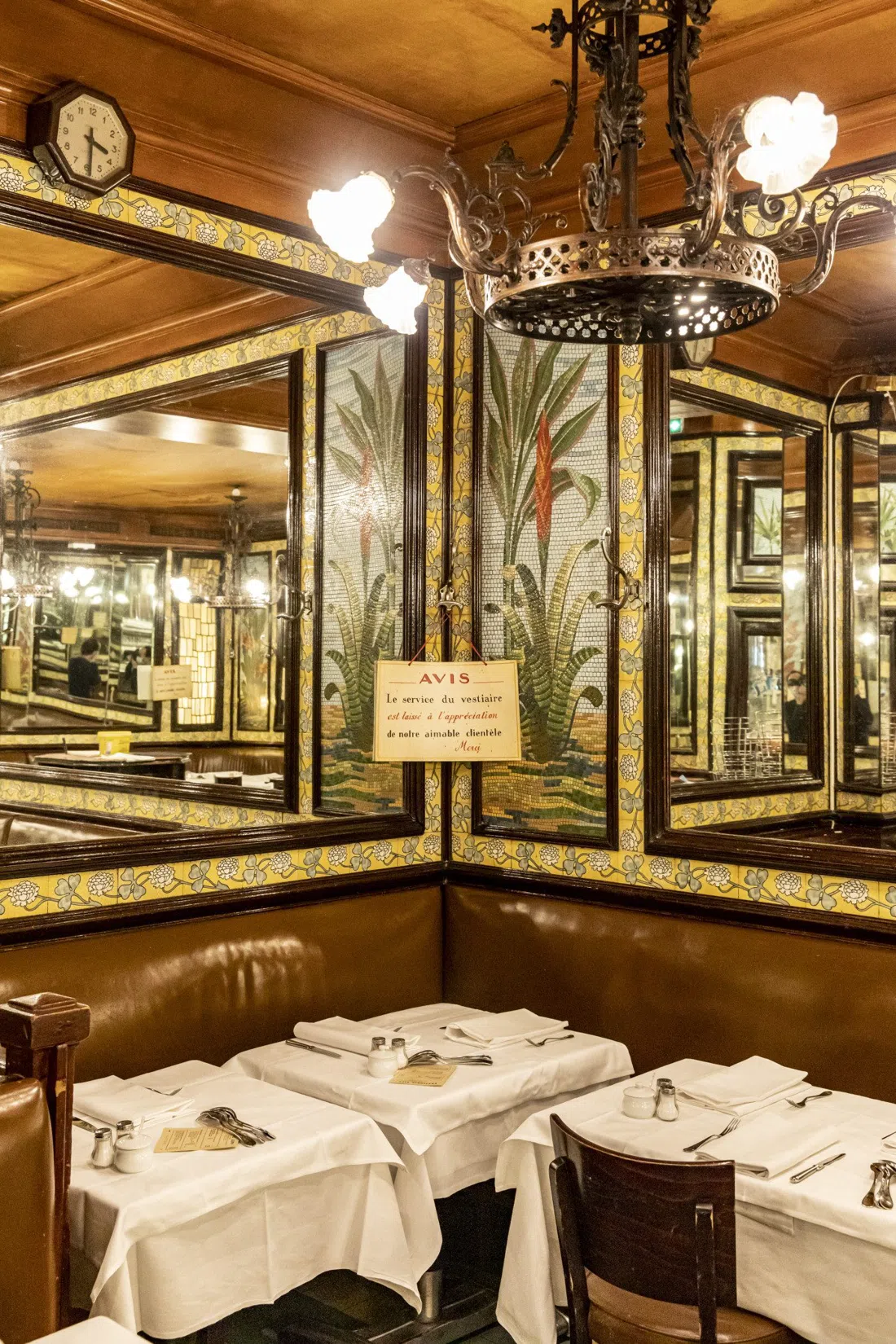
Le Select (Montparnasse, 6e) opened in 1923 as the café that first kept the quarter awake, and unlike its grander neighbours on the same boulevard it is still independently run. Open 7am to 2am, and to 3am on Friday and Saturday, at €30-45 a head. The terrace swallows large groups without fuss (book for ten or more), and the door is as relaxed as it was when the painters were running tabs here.
East and west for oysters and beef
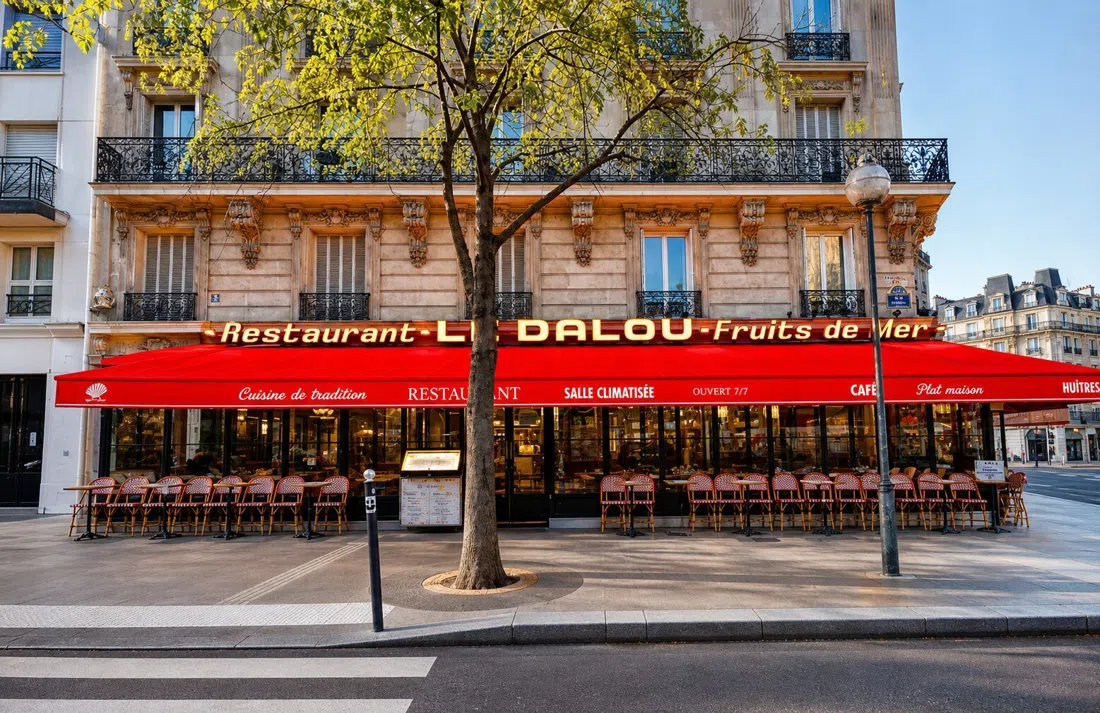
Le Dalou (eastern Paris, 11e) keeps hours that read like a typo: open from 5am to 3am, and to 4:45am Thursday through Saturday, with oysters and lobster landing daily from the Brittany coast. €35-50 a head, more if a full seafood tower appears. It is the eastern anchor of a night crawl, far less touristed than anything in the centre, and the door is unpretentious; reserve only if the table is large.
La Maison de l'Aubrac (off the Champs-Élysées, 8e) is the beef answer to the same question. It runs to 1am early in the week and until roughly 7am Wednesday through Saturday, with a cellar that rewards attention, and it is where Parisians go when the bars have shut and they want a proper steak rather than a kebab on the walk home. €55-80 a head. It is explicit about groups: tasting menus, private spaces, birthdays and company dinners are all normal here.

Bouillons and the €20 dinner that still works
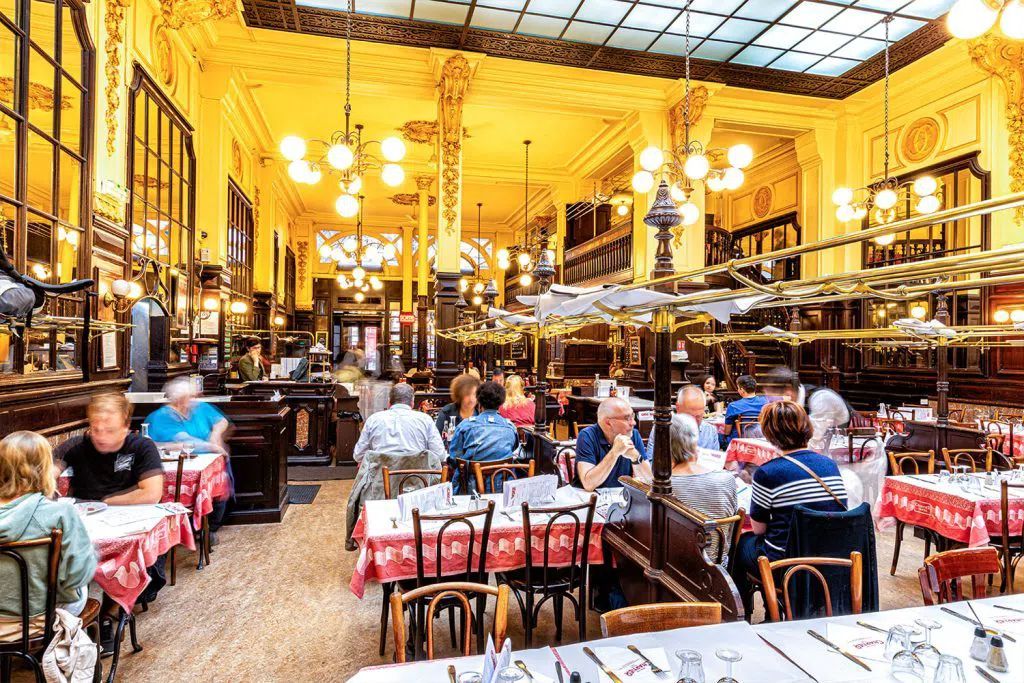
Bouillon Chartier (Faubourg-Montmartre, 9e) is the 1896 original and the template every later bouillon copied: a vast galleried hall, waiters writing your order on the paper tablecloth, starters from €1, mains from about €7, and a full meal comfortably under €20. It takes no reservations at all, ever. Everyone queues, and groups are seated at shared tables as space opens, which suits a sociable party of six and frustrates anyone who needs to sit together at a fixed time. Open 11:30am to midnight, 365 days, with sister rooms at Montparnasse and Gare de l'Est running the same menu and the same queue.
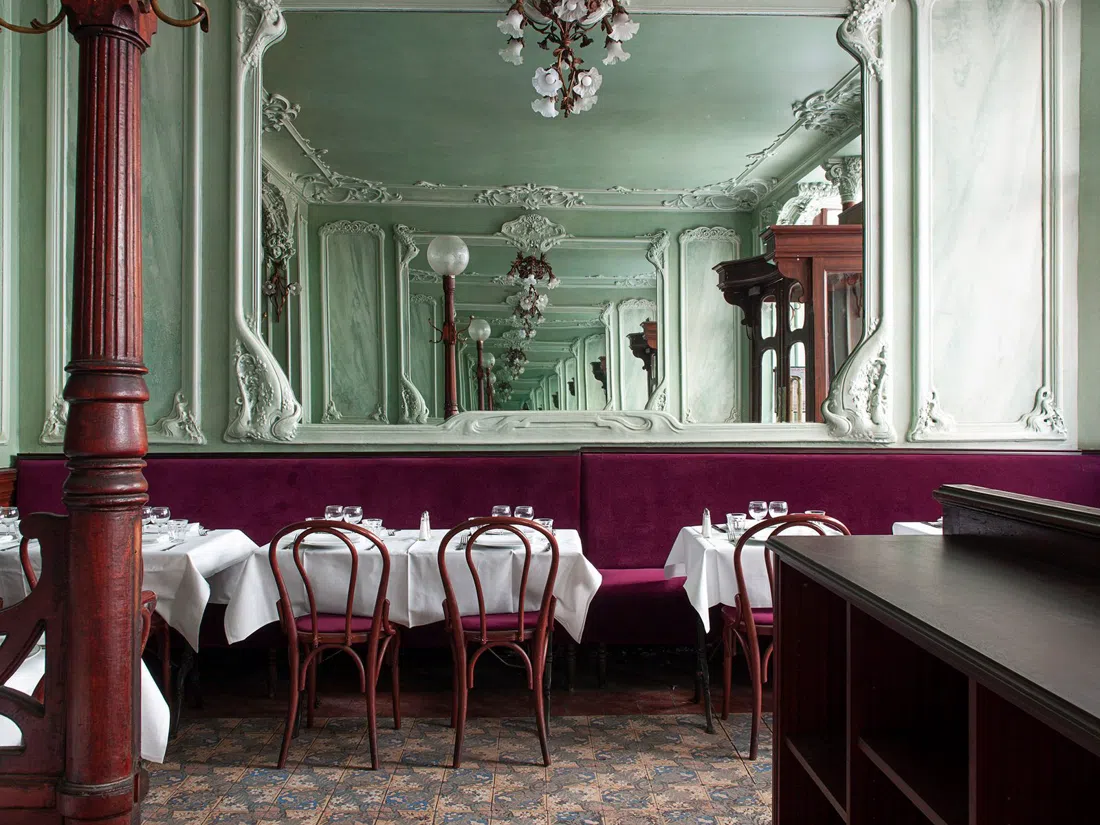
Bouillon Julien (Faubourg Saint-Denis, 10e) is the one to see if you only see one. The Art Nouveau interior is a protected historic monument, and it charges bouillon prices inside it: à la carte roughly €14.50 to €27.40, about €30 for a full meal, served 11:45am to midnight daily. Book, because waits are long and the room is no secret. Parties over twenty can take it as a privatisation, which is a good deal for a celebration.
Doors, groups and what to book
There is no velvet rope anywhere on this list. Late-night Paris does not run a door policy in the club sense, and the question is never whether you will be let in. It is whether the room can physically hold your table. Couples and pairs are best served by the small rooms: Chez Denise, À la Cloche d'Or, Le Tambour, Le Dalou. Parties of ten and up should go where the architecture already agrees with them: Mon Coco, L'Alsace, Le Brébant, Bouillon République, La Maison de l'Aubrac. Bouillon Chartier cannot be booked by anyone under any circumstances, so treat it as lunch or an early first course, not as the plan. Lipp is the single address where your reservation is the beginning of a negotiation rather than the end of one.
Getting home, cash and timing
The Métro runs until about 1:15am, and to roughly 2:15am on Friday and Saturday nights and the eves of public holidays; the first trains are back around 5:30am. The gap in between is covered by the Noctilien night buses, which radiate from Châtelet, Gare de l'Est, Gare de Lyon, Gare Montparnasse and Saint-Lazare and accept the same Navigo passes and tickets. Vélib' bikes work all night and are often faster than anything else across the centre. For taxis, walk to a rank rather than trying to hail one at 3am; ride-hailing apps work normally and surge around club closing.
Cards are accepted everywhere on this list, including the bouillons. Service is included by law (service compris), so rounding up a euro or two is generous, not expected, and no one will chase you for more. Budget €20-30 a head for a bouillon, €35-50 for a mid-range brasserie, €45-80 once you are into the grand rooms with wine or seafood. A realistic full night, bouillon at eight, a drink somewhere in between, brasserie at one, lands around €60-80 per person.
The practical geometry matters more than the map suggests. Les Halles, the Grands Boulevards and Pigalle sit within a long walk of one another and hold most of the late kitchens, so staying on that stretch of the Right Bank means you can finish your onion soup at 3am and be in bed in fifteen minutes; start a Paris hotel search there before you book anything further out. And if you are building the daylight half of the trip around this one, the rest of the city is covered in our Paris guide.
Nobody at these tables at 2am is performing for you. The people eating are coming off shifts, closing deals, leaving theatres, or simply not ready to go home. That is who Paris built these rooms for, and it is why they are still worth sitting in.
Questions
Which restaurants in Paris are genuinely open at 2am?
L'Alsace on the Champs-Élysées and Le Départ Saint-Michel are open 24 hours a day. Au Pied de Cochon serves continuously from 8am to 5am every day, Chez Denise runs to 5am Monday to Friday only, Le Brébant to around 4:30am, À la Cloche d'Or to around 4am, Le Dalou to 3am (4:45am Thursday to Saturday), and La Maison de l'Aubrac to roughly 7am Wednesday through Saturday. Le Tambour and Mon Coco both push to 5am on Friday and Saturday.
Are the bouillons open late too?
No, and it is the most common planning mistake. Bouillon Chartier and Bouillon Pigalle serve to midnight, Bouillon Julien to midnight, and Le Petit Bouillon Pharamond to midnight. They are the cheap early half of a late night rather than the 2am half. Eat in a bouillon first, then move to a brasserie before the kitchens change over.
Do I need to book, or can I just walk in after midnight?
Walk-ins are normal at Au Pied de Cochon, Le Départ Saint-Michel, Le Tambour, Le Select and Le Dalou. Bouillon Chartier takes no reservations at all and everyone queues. Book ahead for Chez Denise, Bouillon Julien, Bouillon Pigalle, Brasserie Lipp, and for any table of eight or more anywhere on this list, where the constraint is almost always room size rather than a door policy.
What is the difference between a brasserie and a bouillon?
A brasserie is the nineteenth-century beer-and-choucroute dining room: seafood on ice, waiters in long aprons, long hours and €35 to 80 a head. A bouillon was the workers' canteen of the same era, broth and a plate of meat served fast and cheap, and the modern ones hold to that, with full meals for €20 to 30. Brasseries stay open late; bouillons close at midnight.
How do I get home when the Métro has closed?
The Métro stops around 1:15am, or 2:15am on Friday and Saturday nights and before public holidays, and restarts near 5:30am. In between, Noctilien night buses run from Châtelet, Gare de l'Est, Gare de Lyon, Gare Montparnasse and Saint-Lazare on the same tickets and Navigo passes. Vélib' bikes work all night, taxi ranks are more reliable than hailing, and ride-hailing apps surge around club closing.
First published on theparistravel.com, the Paris guide.