The terrace furniture goes into storage in late October, and by the first week of November Old Québec is a walled town on a cliff again rather than a backdrop for other people's photographs. The wind off the river has an edge to it, and the light is flat and low by four in the afternoon. Once the first freeze arrives, the cobbles ring differently underfoot. November is also when the serious kitchens have tables free, the fortress tour runs with a handful of people on it, and the stone staircase up the escarpment belongs to whoever is willing to climb it.
Climb the Cap-Blanc stairs, then get in the water
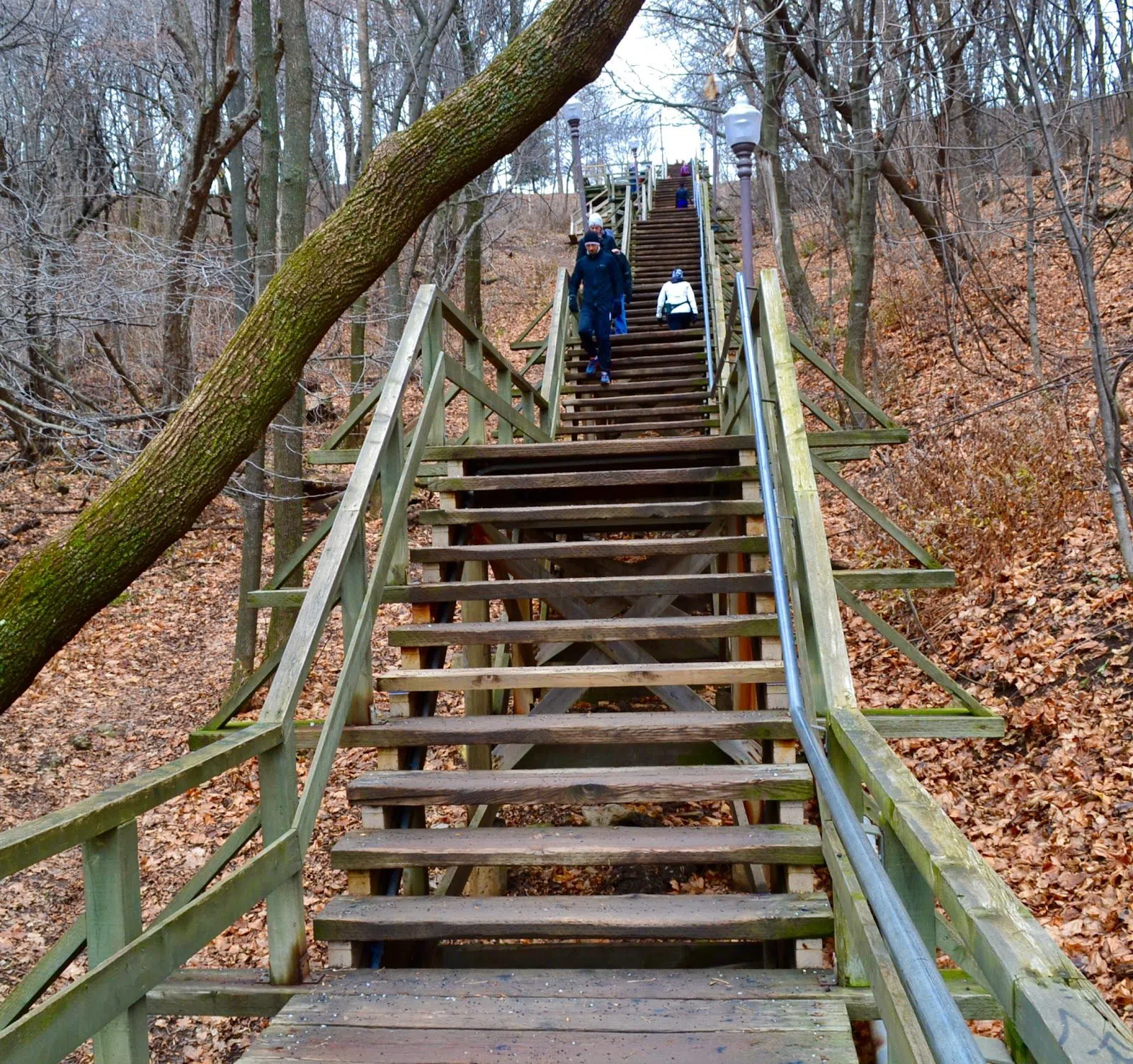
Start at the bottom of the cliff, in the narrow riverside strip of Cap-Blanc, at the foot of the Escalier du Cap-Blanc (Cap-Blanc, below the escarpment). It is the longest staircase in the city, built in 1868 to move Cap-Blanc workers up the rock face to the munitions plants above, and it is the one genuinely strenuous thing in Old Québec that costs nothing. There is no door, no ticket and no booking, so any size group can climb it. The flights are narrow enough that a large party goes single file and strings out over a couple of landings, so agree where you are regrouping at the top before you start.
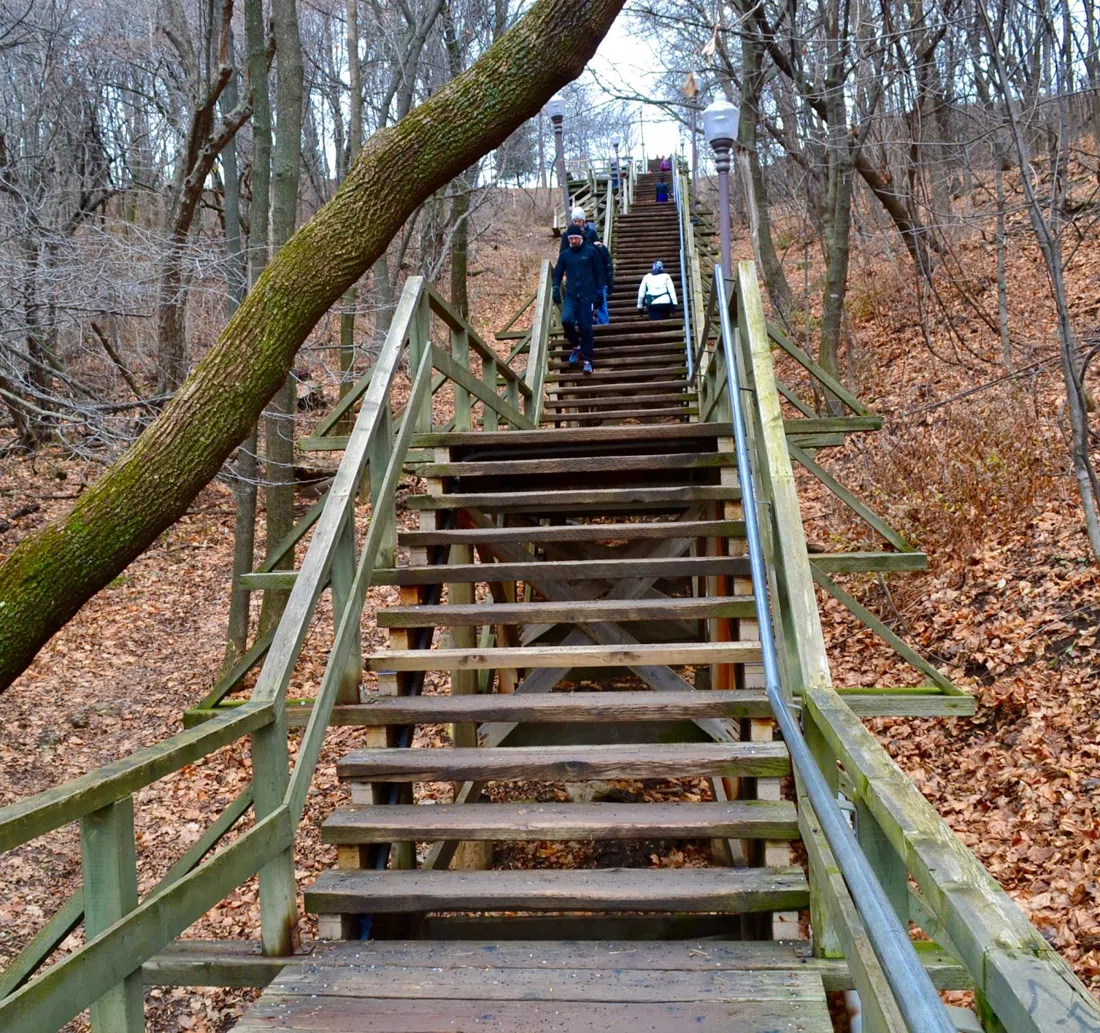
The treads ice up after the first freeze and the handrail is cold metal, so wear boots with real lugs rather than city shoes, and take the descent slowly if you do it at all. Most people climb up and walk back along the top. If you are working from older directions that send you down a small unnamed stair to the Anse-Brown wharf nearby, they no longer work: the Port of Québec removed that stair permanently in autumn 2025. The Cap-Blanc staircase is a different structure and is still open.
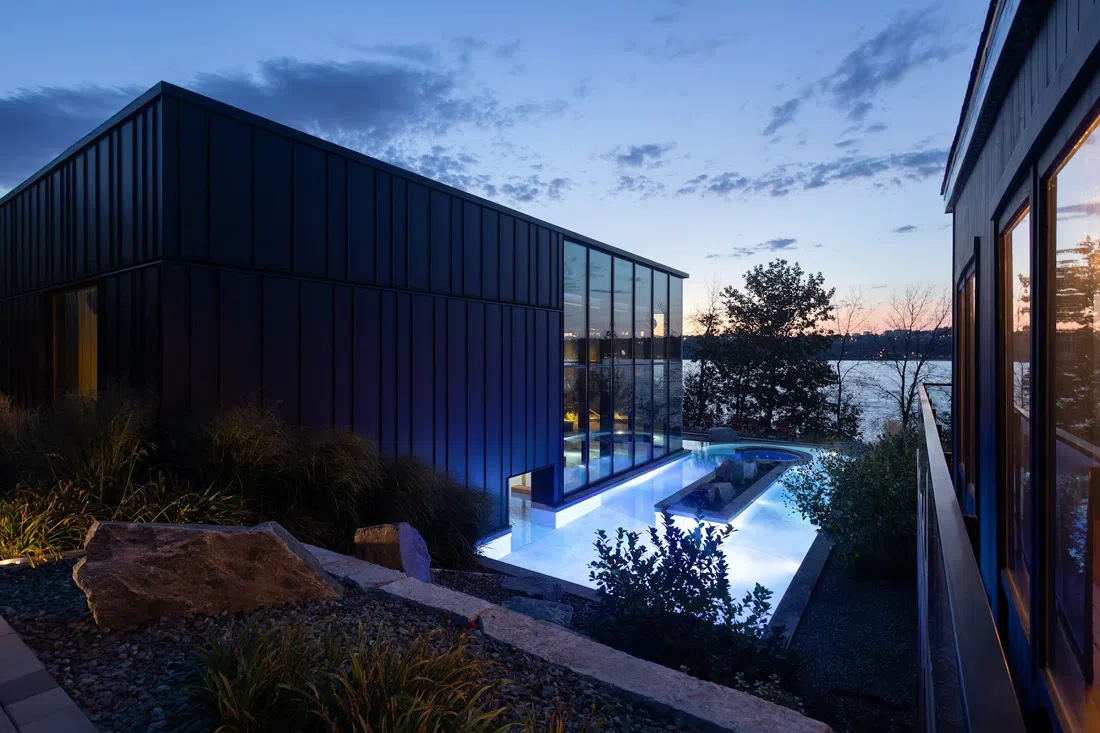
The reward sits at the foot of the same cliff. Strøm spa nordique Vieux-Québec (Cap-Blanc, riverside) runs an outdoor thermal circuit of hot baths, cold plunges and rest, with the Saint Lawrence directly in front of you, and 3°C and drizzle improves it rather than spoiling it. Robe, towel and locker are included, and the thermal experience starts at $69 after 5pm, rising to as much as $104 on weekends, holidays and in high season. Two rules matter: it is strictly 16 and over, and the circuit runs on silence. That makes it right for two people or a quiet group of four, and wrong for a stag party. Tickets are untimed, so a group arriving on different trains, or at different speeds off the staircase, does not need to walk in together.
Tables you could not get in July
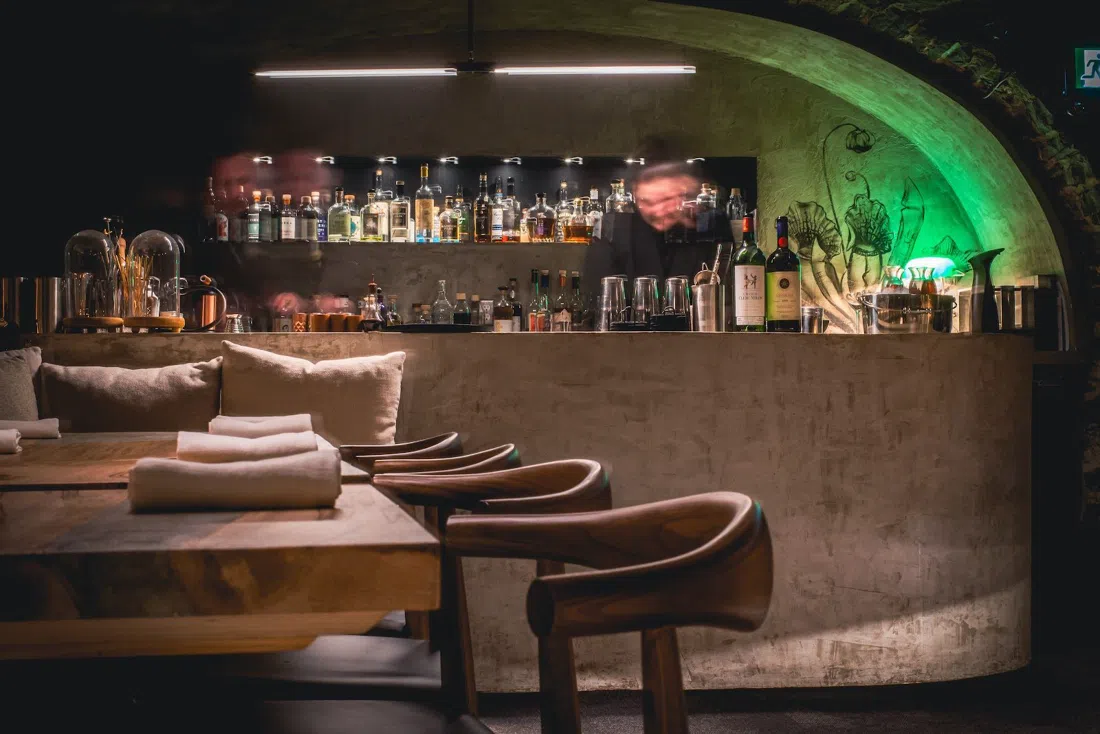
In November the reservation system stops being your enemy. Tanière³ (Old Québec, rue du Don-de-Dieu) is the most technically ambitious table in the city, two Michelin stars, 12 to 18 courses built entirely from Québec terroir and served in a set of small stone vaults below street level. It is reservation-only, and you are sent an access code with your confirmation rather than looking for a sign. Budget $300 for the tasting menu, $20 more for the chef's counter, pairings on top. The vaults suit a couple or a party of four to six; anything larger has to be arranged with the restaurant directly. The November advantage is that there is no queue out on the street above, and the underground room feels like the right place to be when it is dark at half past four.
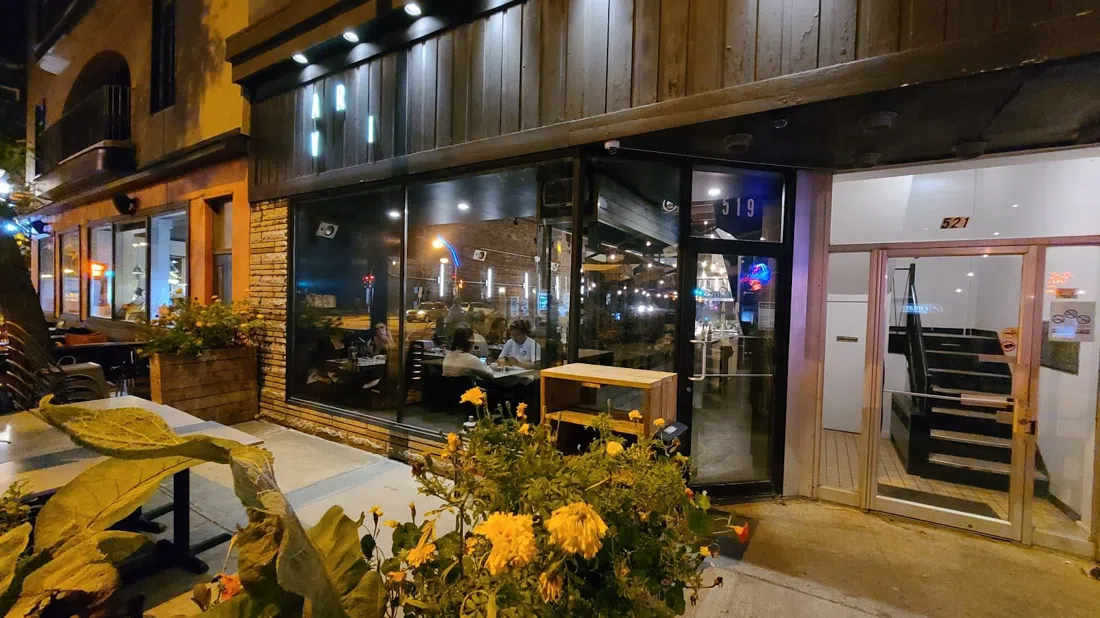
For one star with less ceremony, cross the Saint-Charles into Limoilou for ARVI (Limoilou, north of the river). The room is small, it opens evenings only from 6pm, and the menu is five courses with a vegetarian version of the same. Two to six books without drama; larger tables need a phone call well ahead. What makes the crossing worth it is that the same small team cooks and serves, so the person describing the plate in front of you is the person who made it.
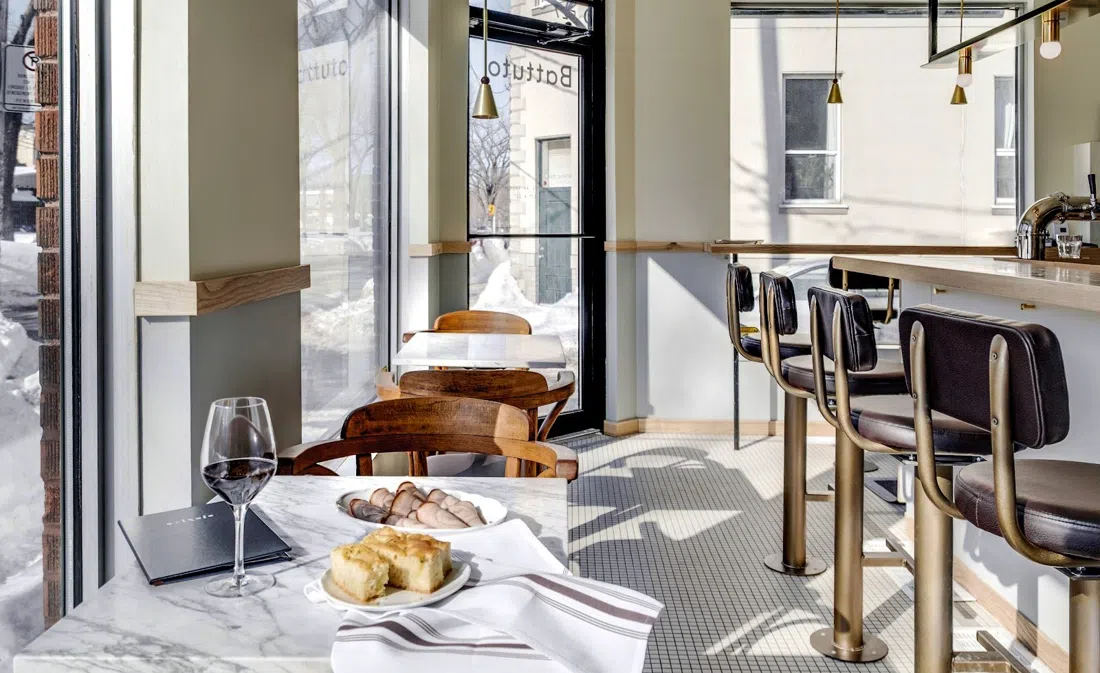
Battuto (just outside the walls) holds a Michelin Bib Gourmand and is effectively a counter: handmade pasta and seasonal plates such as halibut crudo or burrata with celeriac pesto, cooked with a precision that does not announce itself. There are no group tables. Four is a realistic maximum, and the reservations vanish within minutes of the booking window opening, off-season included. Set a phone reminder for the moment the window releases. Getting a seat is the hard part here, and turning up hopefully does not work.
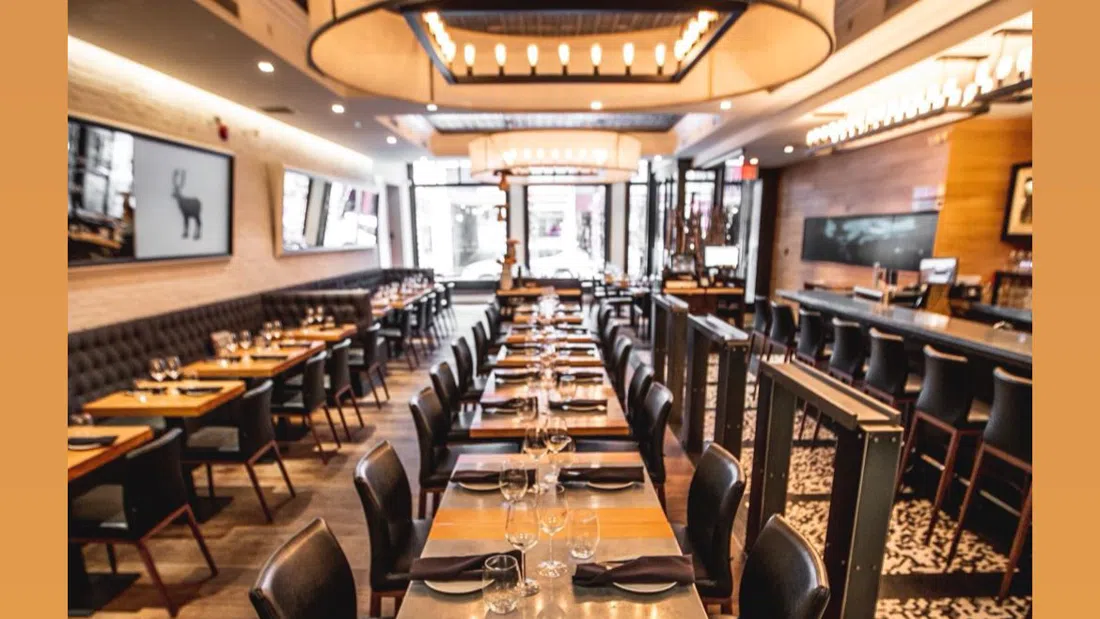
If you are a real group, go to Chez Boulay – Bistro Boréal (Old Québec, inside the walls). It is in the 2026 Michelin Guide, and it is the clearest introduction in the city to boreal cooking, the northern larder of Québec, which makes far more sense over a cold, wet evening than it does in July. It is also one of very few high-quality rooms that will seat a coachload: the bistro menu covers parties under 30, there is a dedicated banquet menu above 30, and the group line is 418 380 8237. Book the group side of it in advance, because walking in with 22 people is a different conversation.
Afternoons for the rain
November here reliably supplies grey wet afternoons, so plan two indoor anchors and treat the walking as what happens between them.
The newest is Espace Riopelle at the Michael Audain Pavilion, Musée national des beaux-arts du Québec (beside the Plains of Abraham). An $84M building holding roughly 100 Riopelle works, it only opened on 22 October 2026, which makes November the first properly quiet month to see it. Adult general admission runs up to $28, with as much as $3 off when you book online and family packages from $54. The museum is closed Mondays, and the Gérard Morisset and Charles Baillairgé pavilions remain shut for construction, so the site is smaller than the map suggests. Groups are well handled, guided and self-led visits both, with a dedicated coach drop-off, but book them in advance through the MNBAQ rather than arriving and asking.
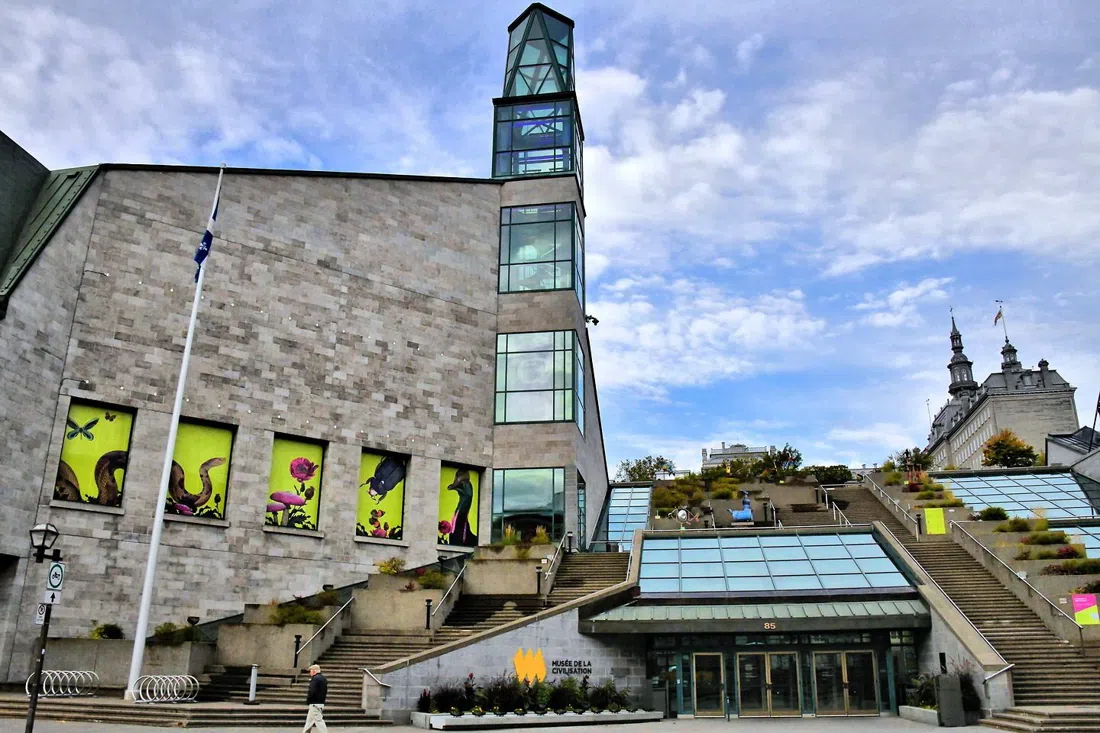
Down in the Old Port, a few minutes from Place-Royale, the Musée de la civilisation is the mainstream option and none the worse for it. It opens 10am to 5pm daily except Mondays, costs less if you buy online, and was built from the ground up for school parties and tour groups, with advance group booking through the museum. Its long-running exhibition Pleasures continues to April 2027, so there is substance inside whatever the weather does. One correction to older itineraries: the outdoor guided tour of Place-Royale that the museum runs finishes on 12 October, so do not build an afternoon around it.
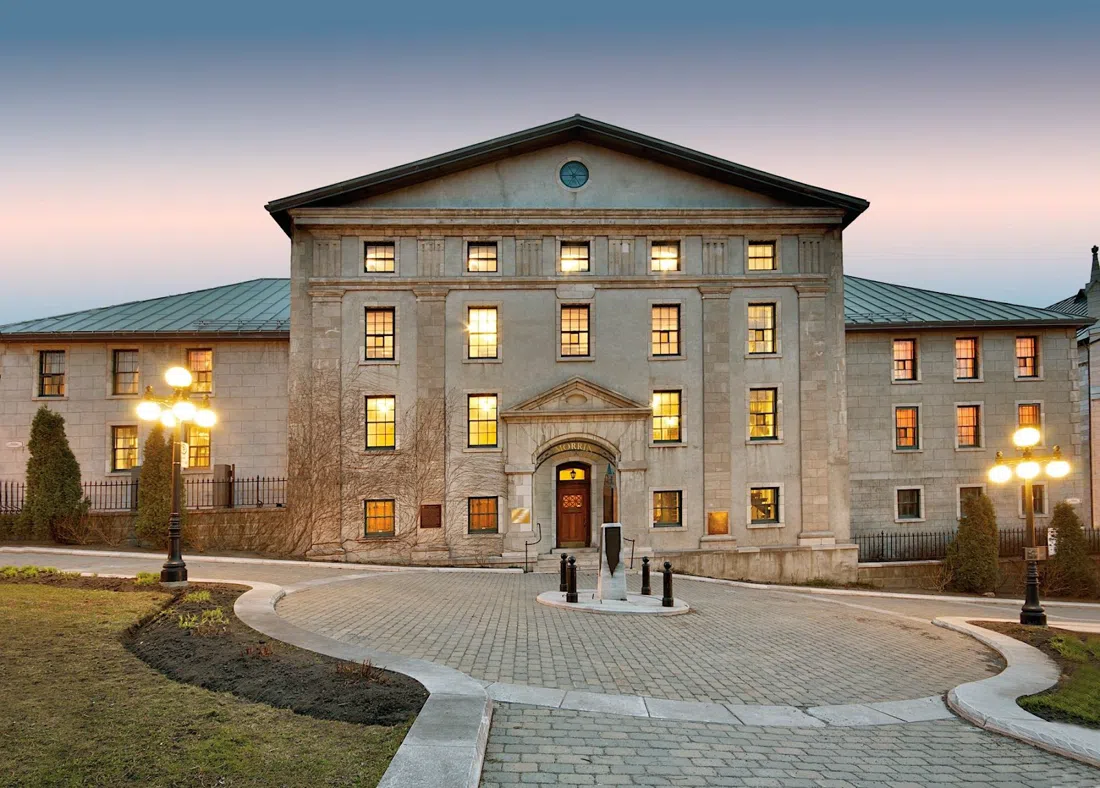
The most atmospheric hour indoors is at the Morrin Centre (Old Québec, inside the walls), which was the city's first prison, then an English-language college, and is now a Victorian library that has aged extremely well. Entry is by one-hour guided tour only, $18.50 adult and $16.50 for seniors and students, and they strongly advise booking online in advance. The tour is the natural unit for a group, and the Behind Bars exhibit in the old cells is the part people remember. Off-season the schedule thins out, so read the timetable rather than turning up at random.
The Citadelle on a winter footing
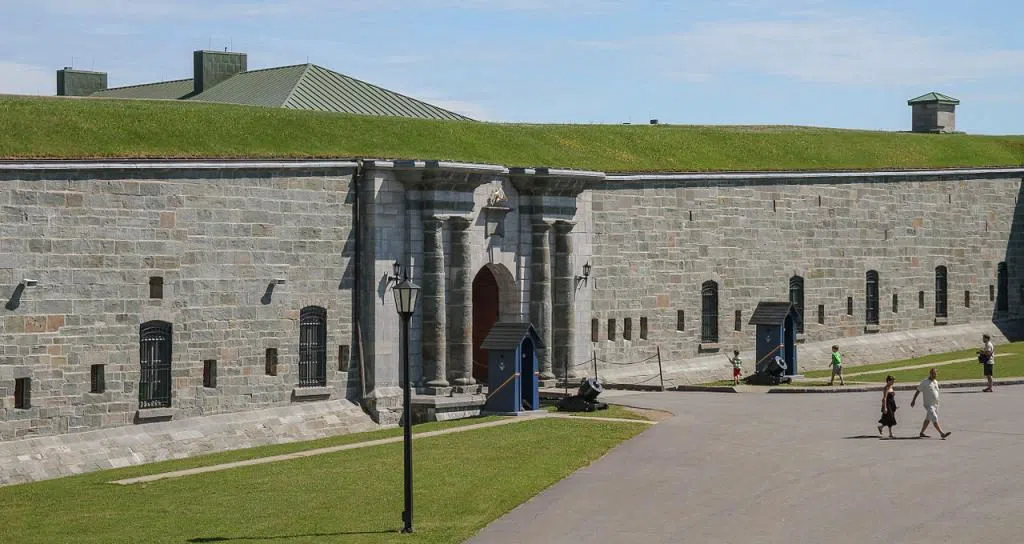
From November through April, La Citadelle de Québec (Old Québec, on Cap Diamant) can only be visited on a guided tour, roughly 10am to 4pm, with the Royal 22e Régiment Museum included. That restriction is the reason to come now: you walk the bastions with a small group and an actual guide instead of shuffling through with a summer crowd. Winter departures are fewer, so book your slot ahead, and be clear with anyone you are travelling with that the Changing of the Guard runs only from late June to early September. It is not on in November, and expecting it is the single most common disappointment of an off-season visit.
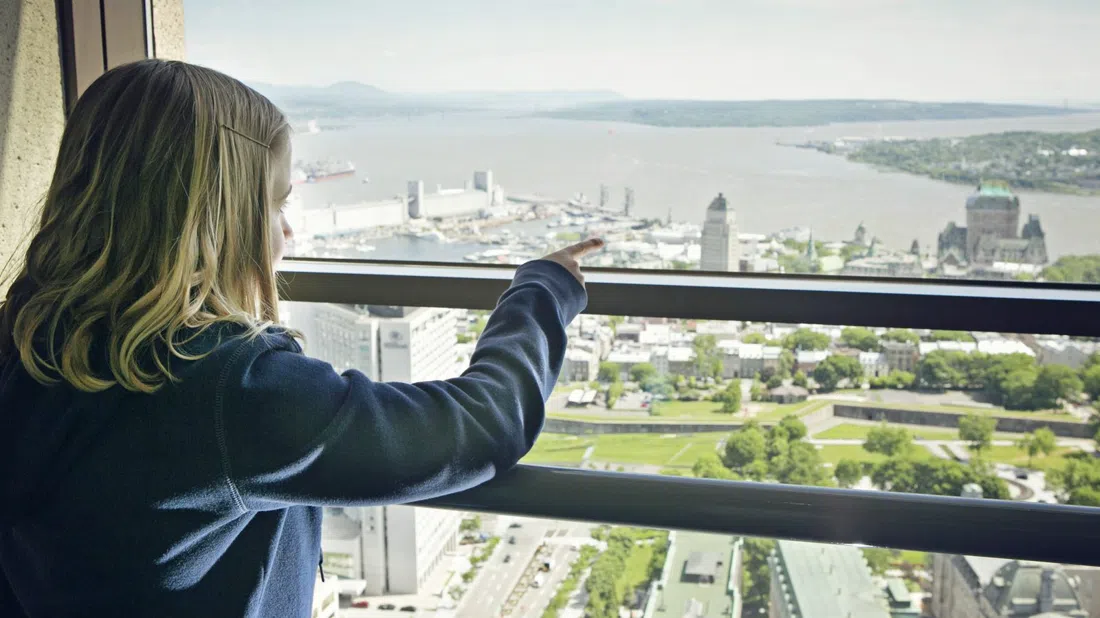
For height, the Observatoire de la Capitale (the government tower just outside the walls) is open year-round, 10am to 5pm, at $14.75 for an adult, by a wide margin the cheapest high view in the city. There is an explicit group rate of $7 per person for 15 or more, booked through [email protected] or 418-644-9841. Time it rather than schedule it: the low sun and the cold, scrubbed air behind a passing front give visibility that summer haze never does. In fog, which November also supplies, skip it and go to a museum instead.
Markets that start after the 19th
If your dates are movable, arrive after 19 November. That is when the Marché de Noël allemand de Québec opens across five free open-air sites in the Old Town, Thursday to Sunday, running to 23 December 2026, with around 125 exhibitors. Entry is free and you pay per stall, and there is no booking and no door policy, so any size group works. Weekend evenings get genuinely dense, so if you want to talk to the makers rather than queue behind a wall of coats, go on a Thursday.
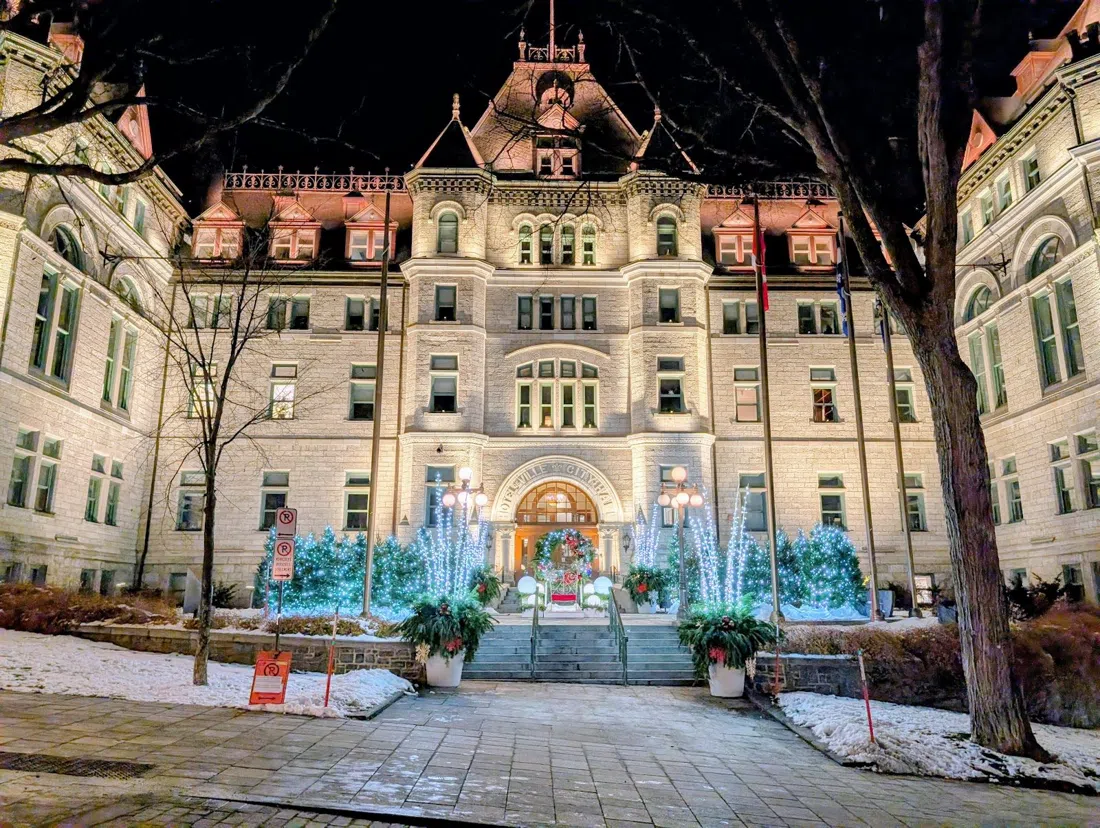
The year-round alternative is Le Grand Marché de Québec (the exhibition grounds, north of the walls), a big covered hall open Monday to Friday 9am to 6pm and weekends 9am to 5pm, with two hours of free parking on site. This is where the Île d'Orléans and Beauce producers sell once their own farm shops have wound down for the season, which is exactly the situation in November. Its own Grand Christmas Market overlays the hall from 21 November. As a group stop the logistics work in your favour: everyone grazes at their own pace and regroups by the doors.
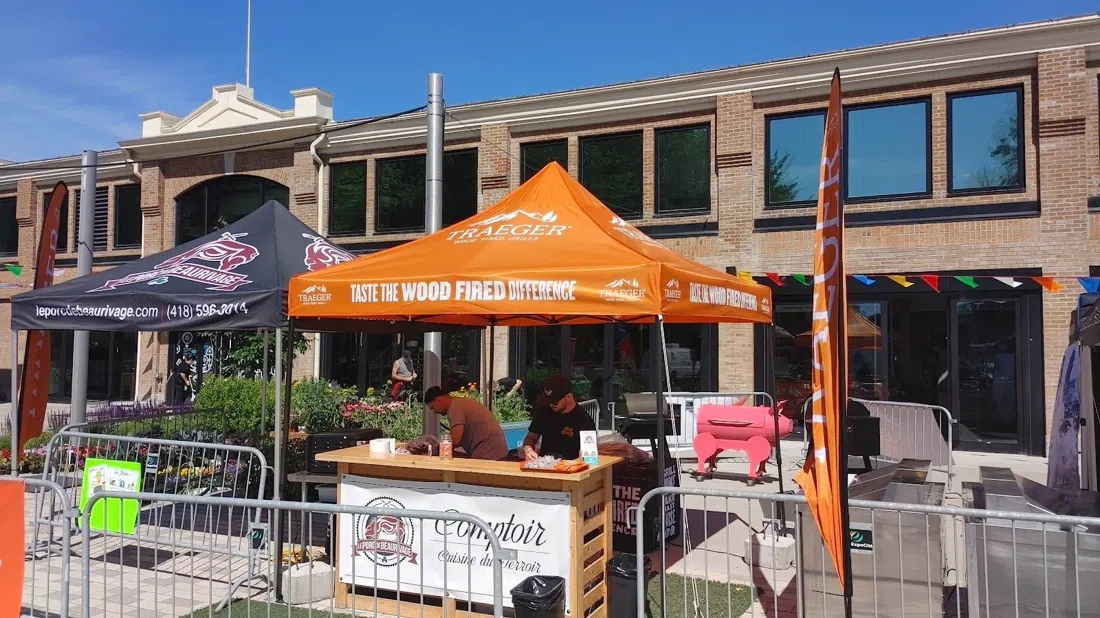
Île d'Orléans after the harvest
The island is the standard summer day trip and most visitors write it off in November, which is half right. The cideries and terraces close after the apple harvest, and a loop planned from a July itinerary will find locked doors. Two addresses hold.
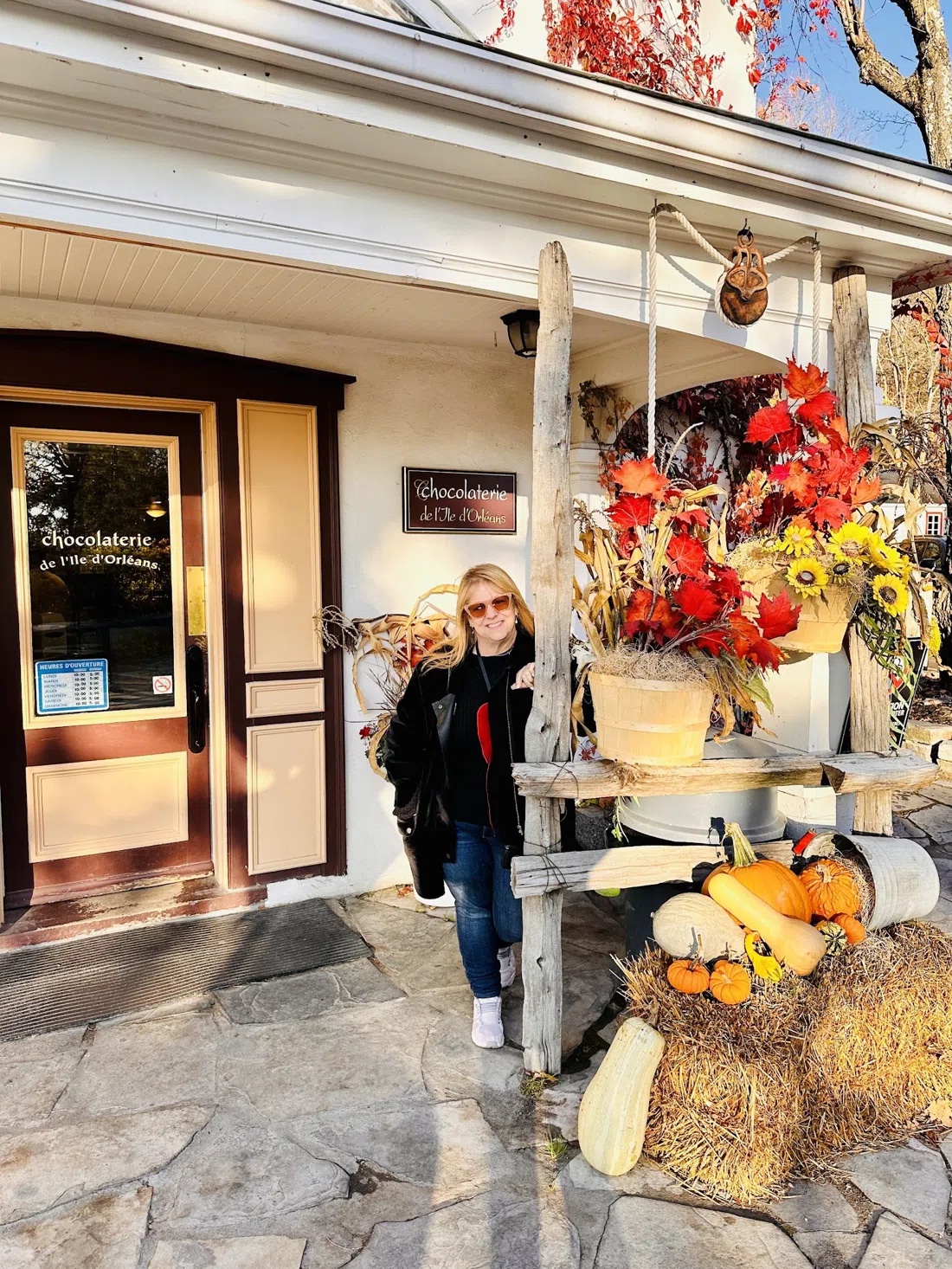
Chocolaterie de l'Île d'Orléans (Île d'Orléans, 6km past the bridge) stays open through the off-season, shop 9am to 5pm and dairy bar 9am to 6pm daily, which makes it the natural first stop once you are over the water. The shop is small: a group passing through is fine, but call 418-828-2252 ahead for anything organised, because there is not much room to stand about inside.
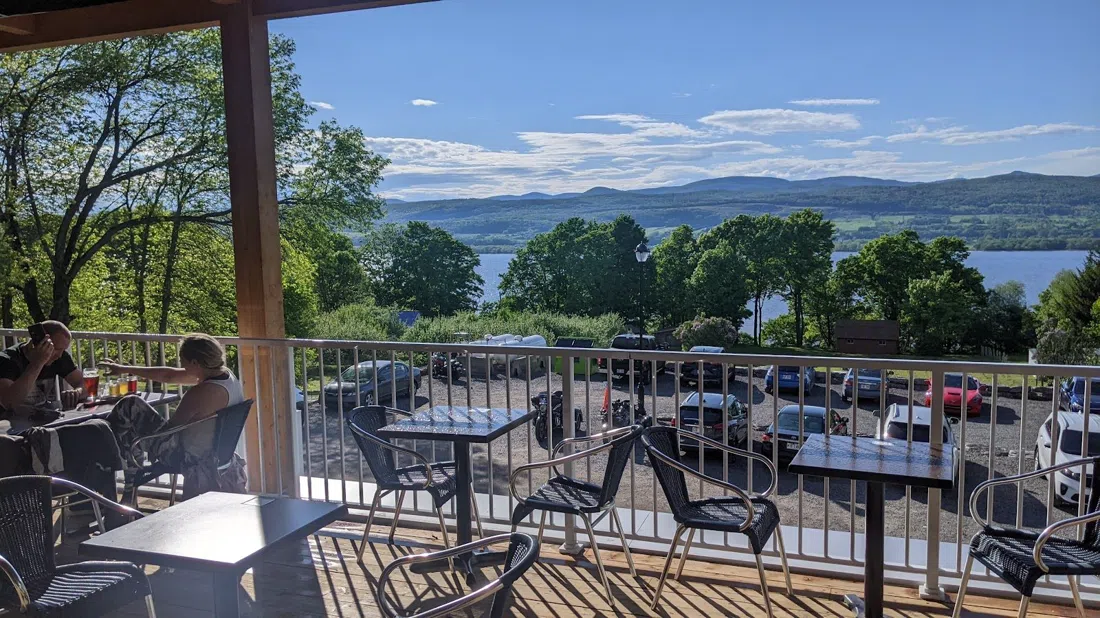
Further round the island, Microbrasserie de l'Île d'Orléans (Pub Le Mitan) is the reliable meal. It opens daily with the pub running 11:30am to 10pm and later on Fridays, it takes reservations, and it has a proper dining room plus a covered terrace, one of the few island addresses that can actually seat a real group in November. Beer is brewed on site and there is a boutique if you want to carry some back. The number is 418 829-0408.
Twelve minutes across the river
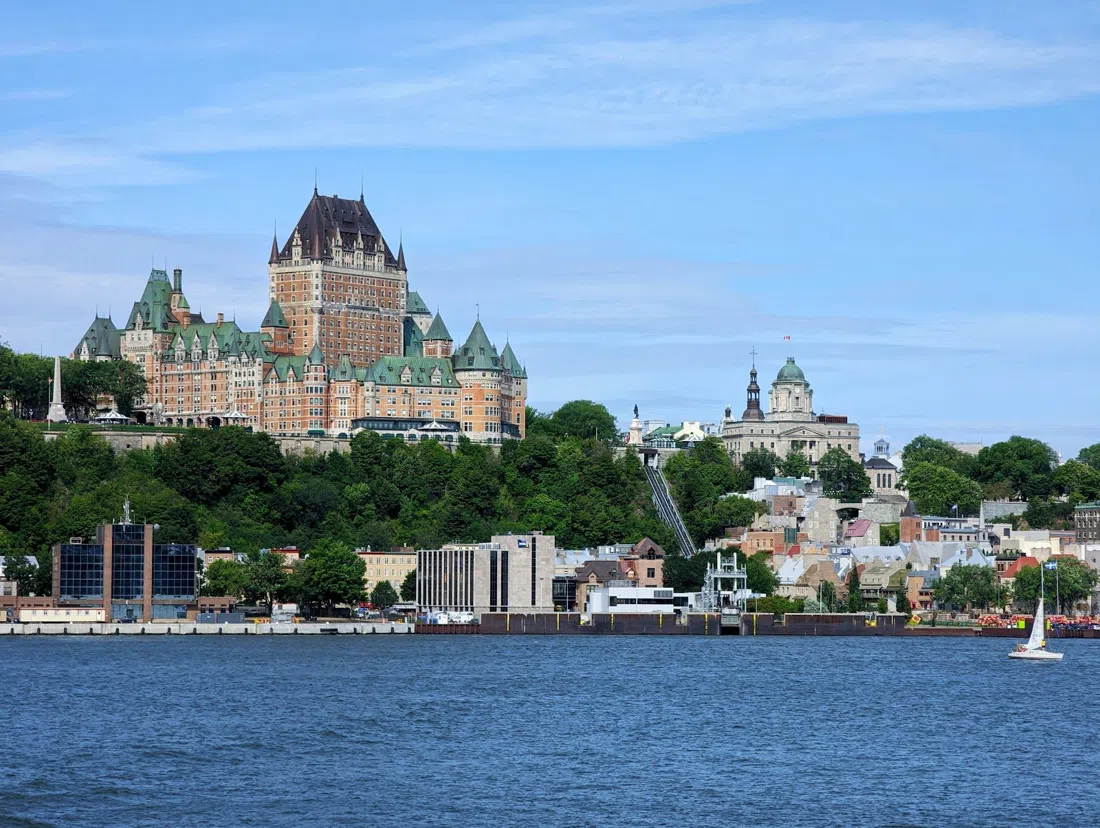
The cheapest good thing in the city is the Traverse Québec–Lévis (Old Port terminal), about $4.50 an adult each way, twelve minutes on the water, running from roughly 6am to 2:20am. Walk on: no booking, any group size, and foot passengers, cyclists and cars all carried. Stand on the outer deck, which in November is cold and largely empty, and watch the Old Town stack itself up the cliff behind you. The view is why you go, and if the far shore does not detain you, ride straight back on the next sailing. Go after dark for the lit version.
Practical notes
Most of Old Québec is walkable, but it is walkable vertically: the upper and lower towns are separated by a cliff, and in November that means wet stone and, after the first freeze, ice. Boots with grip do more for your trip than any other single item. Budget a taxi or bus for Limoilou, the exhibition grounds and the museum, and a car for Île d'Orléans, which has no useful transit.
Cards work everywhere, but carry some cash for market stalls. For rough per-day costs: free for the staircase, the Christmas market and both market halls; $4.50 to $15 for the ferry and the observation deck; $18.50 to $28 for the guided historic sites and museums; $69 and up for the spa; and anywhere from bistro pricing at Chez Boulay to $300 a head at Tanière³. Two structural things to plan around: Mondays close both museums, and the Christmas market only exists from the 19th. Reserve Battuto and Tanière³ the moment their windows open, and phone the group lines for anything over six.
For where to sleep, inside the walls puts you within walking distance of most of the above; compare rates on the Quebec hotel search, which drops sharply between the autumn colour season and the December market rush. More on districts, day trips and getting around is in the Quebec guide.
Questions
How cold is Quebec City in November, and what should I pack?
Expect temperatures around freezing to a few degrees above, with rain early in the month and the first hard freeze usually later on. Plan around the ground rather than the air: the old town is steep, the stone stays wet, and the Cap-Blanc staircase ices up. Bring boots with real grip, a windproof layer for the ferry deck and the bastions, and a swimsuit if you are going to the spa.
Is the Christmas market open in November?
The Marché de Noël allemand de Québec runs from 19 November to 23 December 2026, Thursday to Sunday, across five free open-air sites with around 125 exhibitors. Le Grand Marché de Québec adds its own Grand Christmas Market from 21 November. If your dates are flexible, arriving after the 19th gives you the market and still avoids the December crush.
Can I still see the Changing of the Guard at the Citadelle?
No. The Changing of the Guard runs only from late June to early September. From November through April the Citadelle is open on guided tours only, roughly 10am to 4pm, with the Royal 22e Régiment Museum included. Winter departures are fewer, so book a slot in advance. In exchange you walk the bastions with a small group rather than a summer crowd.
How far ahead do I need to book the good restaurants?
Battuto is the hard one: effectively a counter with no group tables, four is a realistic maximum, and reservations disappear within minutes of the window opening, off-season included. Tanière³ is reservation-only and sends an access code with your confirmation. ARVI opens evenings only from 6pm and books comfortably for two to six. For parties over six, phone ahead; Chez Boulay has a dedicated group line on 418 380 8237.
Is Île d'Orléans worth the trip in November?
Yes, if you plan it around what is actually open. The cideries and seasonal terraces shut after the apple harvest, but Chocolaterie de l'Île d'Orléans stays open daily, 6km past the bridge, and Microbrasserie de l'Île d'Orléans (Pub Le Mitan) serves from 11:30am to 10pm and takes reservations for real groups. You need a car, since there is no useful transit on the island.
First published on quebeccitybreaks.com, the Quebec guide.