The sea is west of everything here, and on a first day alone that single fact does most of your navigating for you. Walk downhill from almost anywhere in the centre and you will reach sand; turn left along it and keep going and you will reach a working harbour thousands of years older than the city standing behind it. Tel Aviv was laid out in 1909 on dunes north of Jaffa, and the two halves still read differently underfoot: plaster and grid in the north, stone and stairs in the south. The route below is about nine kilometres, broken by food, shade and water, and I have walked every metre of it.
Let the day of the week set the plan
Work out which day you have before you decide anything else. The week matters more here than the hour, and a first-timer who ignores that spends the afternoon standing in front of shutters.
Shabbat starts on Friday afternoon and ends after dark on Saturday. Markets wind down early on Friday and are closed all day Saturday. Most of the eating and museum plan below assumes Sunday to Thursday, the ordinary working week here.
If your one day is a Tuesday or a Friday, you get the craft fair as a bonus and should start early. A Saturday is still a good day, but it is a different one. Sarona Market (Sarona, east of the centre) is the one central food hall that stays open through Saturday, the Ilana Goor Museum (Old Jaffa) is one of the few museums open then, and the bars and restaurants of the Jaffa flea market quarter open on Saturday even though the stalls do not. A free municipal Bauhaus walk leaves from 46 Rothschild on Saturday mornings, the cheaper option when the paid tours are not running. Beaches, the promenade and the harbour are open regardless.
Morning in the market lanes
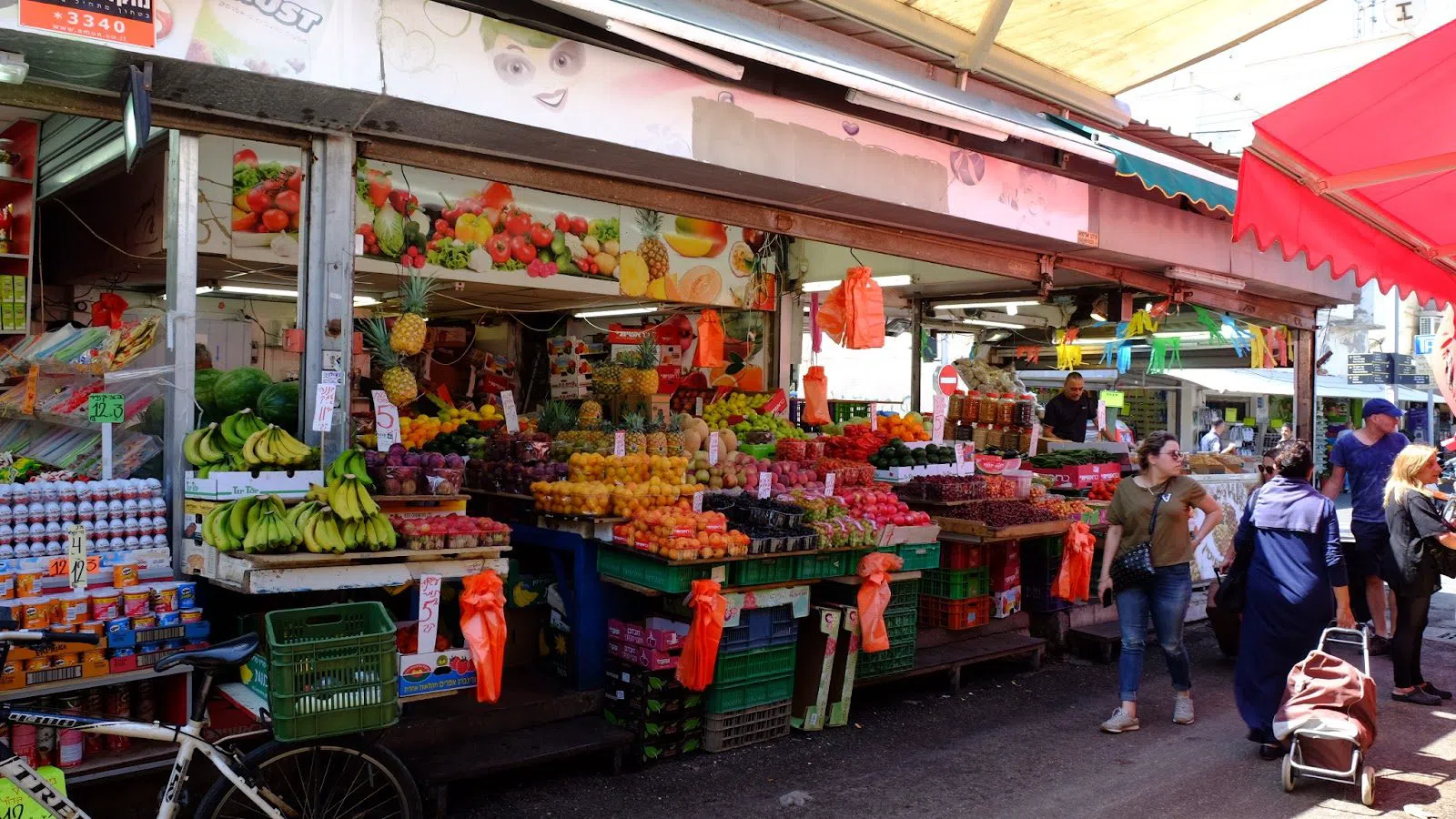
Start at Carmel Market (Shuk HaCarmel, off Allenby) between 08:00 and 09:00, before the tour groups thicken the main lane. It is an open public market with no door and nothing to book. Walking it alone is the easiest thing in the world; a group of more than four will string out single-file in the central lane and lose each other, so agree a meeting point at the top before you go in. Entry is free and street food runs ₪20–60, enough for a first breakfast of a pastry, a juice and something fried you cannot yet name. It trades Sunday to Friday from around 08:00, closes early on Friday afternoon and shuts on Saturday.
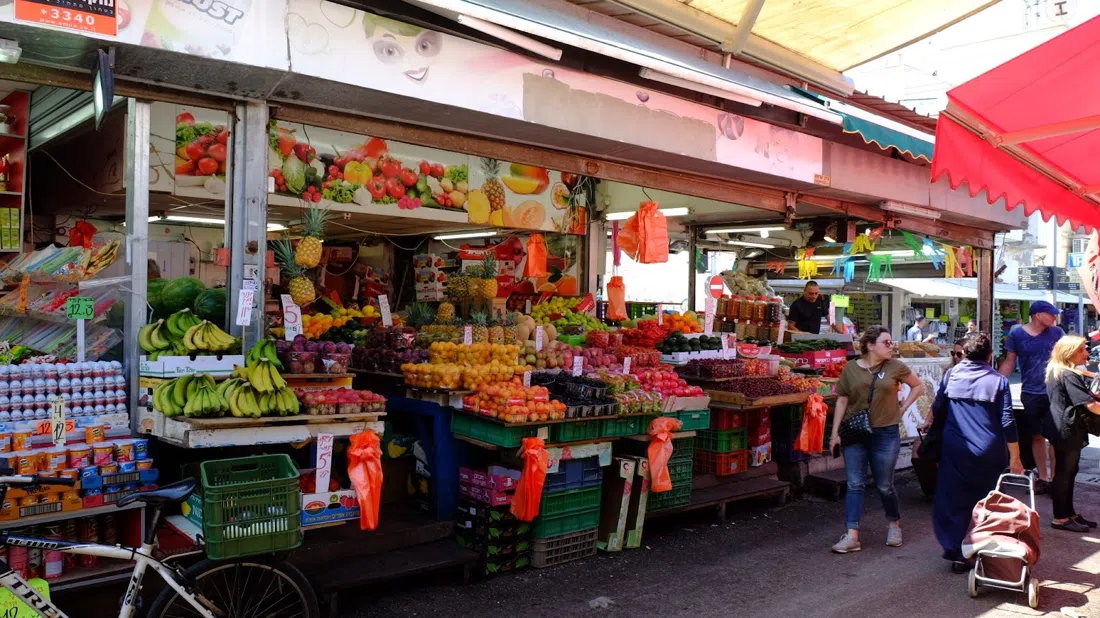
A first morning here calibrates you. You learn what things cost, how loud the city is comfortable being, and how the week is shaped.
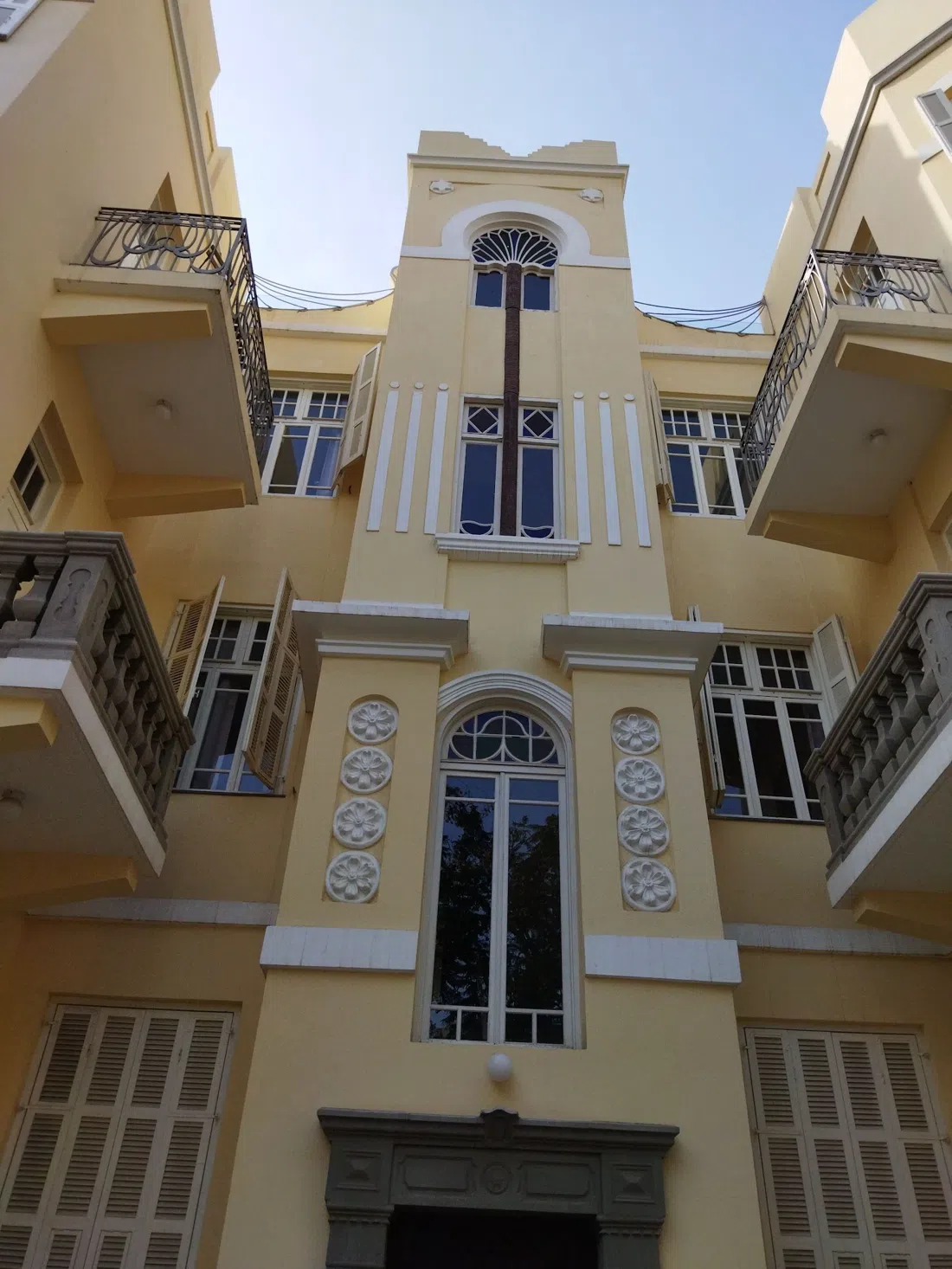
If it is Tuesday or Friday, walk straight out of the market's northern end into the Nahalat Binyamin Arts and Crafts Fair (Nahalat Binyamin, pedestrianised). Around 220 makers hold fixed pitches along the street, so unlike the market lane a group can spread out and regroup without drama. Browsing is free, pieces start around ₪40, and it runs roughly 10:00 to 18:00, closing nearer 16:30 in winter. On any other day the street is still worth the three minutes it takes to walk it, for the balconies alone.
Then, when you are ready for a second and better breakfast, go north to HaKosem (Shlomo HaMelech, by King George). It is a falafel counter with a handful of stools, ₪25–60, open Sunday to Thursday from 10:00 with a shorter Friday. The queue moves fast. Eating alone standing at the counter is normal here and nobody will look at you twice. Four or more at peak lunch is awkward; order takeaway and eat on the street, which is what half the customers do anyway.
Plaster, shade and the grid north of the market
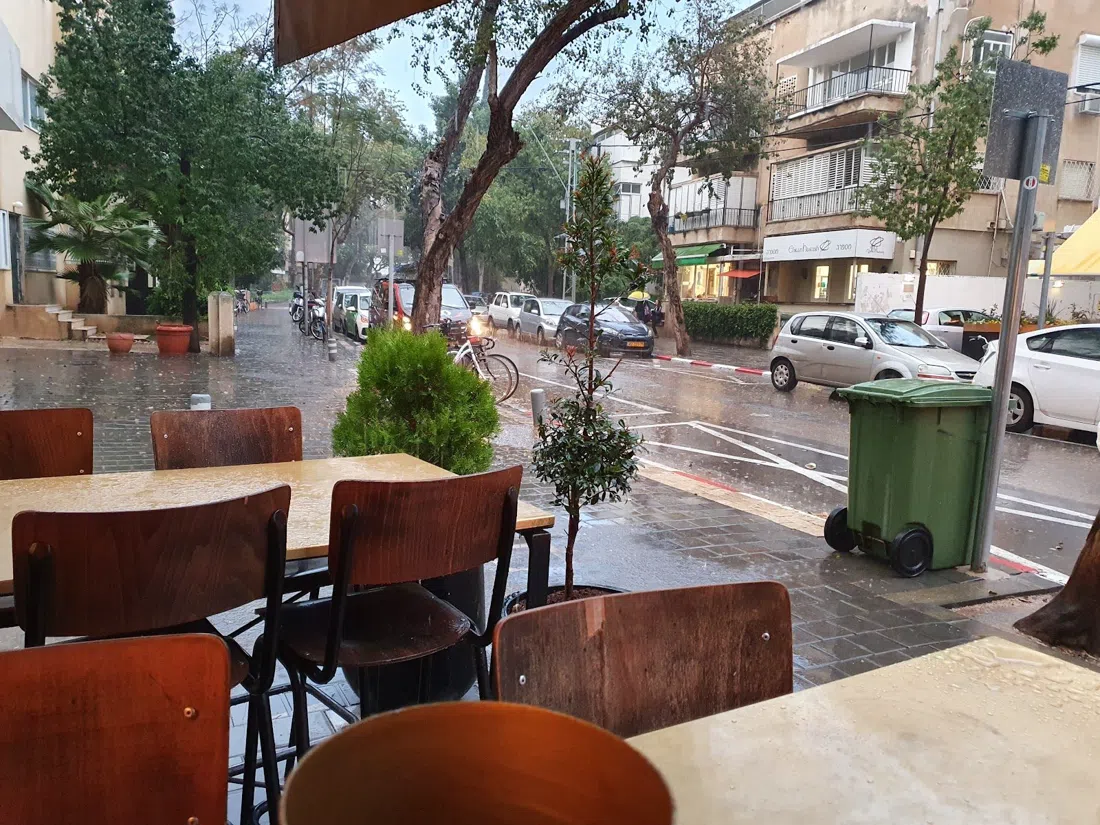
Tel Aviv holds the largest concentration of 1930s International Style buildings anywhere, put up by architects who arrived carrying the ideas of a German design school and adapted them to heat: deep balconies, thin horizontal windows, raised pilotis to let the sea breeze through. Once you have been shown three examples you cannot stop seeing them, and that is the point of the next hour.
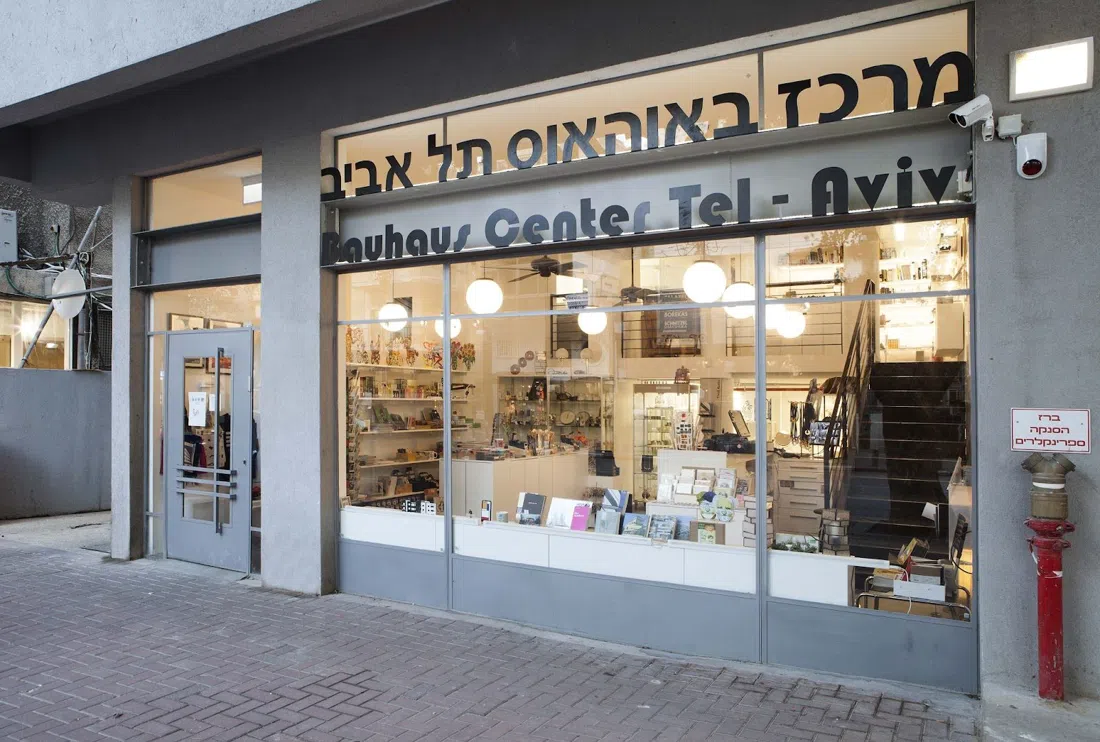
Bauhaus Center Tel Aviv (Dizengoff 77) is a walk-in gallery and shop, free to enter. Note the address. It moved from Dizengoff 99, and older listings will send you to the wrong door. The audio guide is around ₪110 and lets you walk the streets at your own pace, which suits a solo day better than a timed group. Scheduled English guided walks leave on Fridays and Sundays at 10:00 and cost about the same; private group tours can be booked ahead. If your day is Saturday, take the free municipal walk from 46 Rothschild instead.
Walk it as a loop: Dizengoff south, then east along the tree-shaded central strip of Rothschild Boulevard, where the benches and the kiosks are and where the city does its slow midday version of a paseo. This is flat, easy walking with continuous shade, the only stretch of the day where you do not need to think about the sun.
When you want a longer view of the city and its people, the Tel Aviv guide covers the districts this route only clips.
Where to go when the sun turns hostile
Between about 12:00 and 15:00 from spring to autumn, walking stops being pleasant. Plan to be indoors.
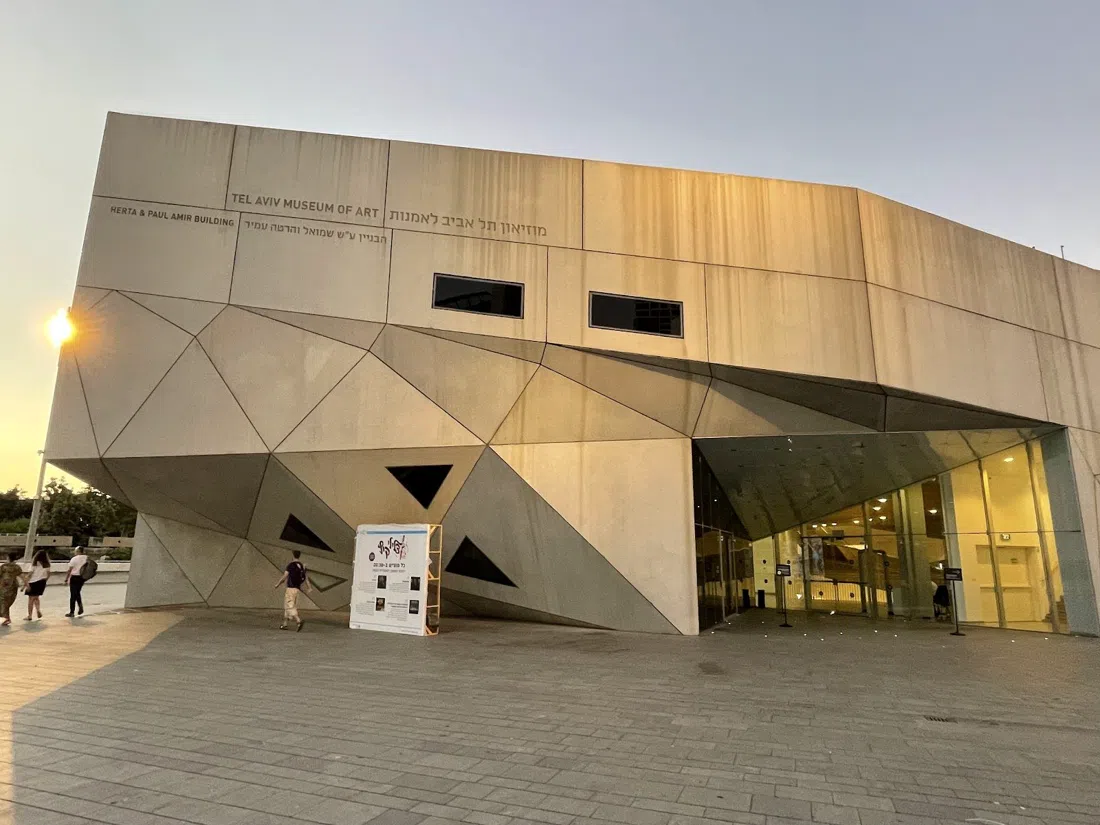
Tel Aviv Museum of Art (Sha'ul HaMelech, near the courts) is ticketed and takes groups; guided group visits are bookable by phone. Adult entry is ₪50, students ₪40, seniors ₪25, under-18s free. Entrance is currently through the Amir Building while work continues on the older wing, so follow the signage rather than your map pin. It has late openings on some evenings, which makes it a flexible block: if your afternoon is brutal, go now; if you would rather swim first, come back after six.
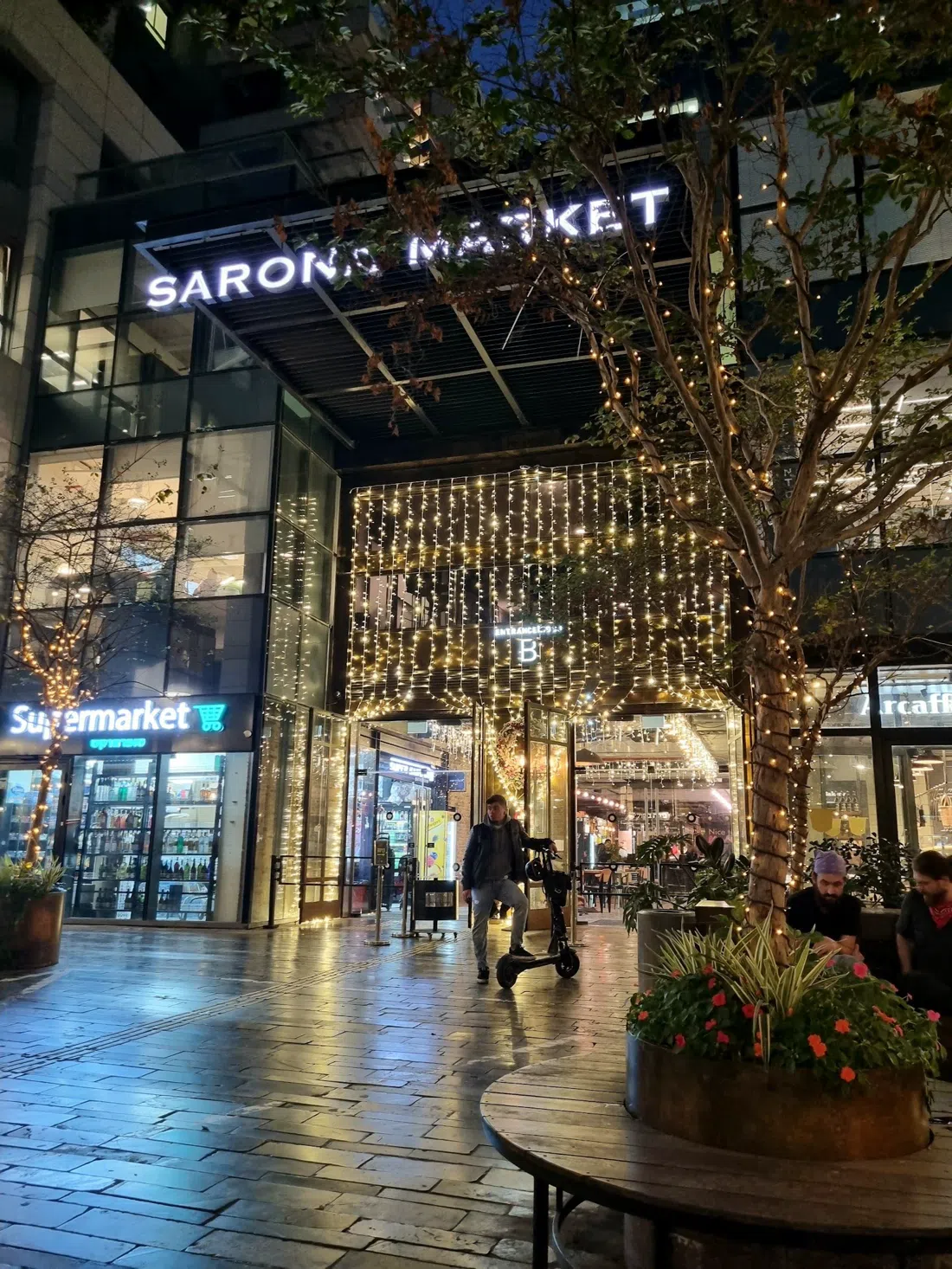
A ten-minute walk south brings you to Sarona Market, the indoor hall in the restored German Templer colony whose small stone houses were moved, restored and rebuilt into the compound you are standing in. No booking for the stalls, open seven days. Dishes run ₪40–90. The communal counters and outdoor tables absorb groups without friction and let everyone eat something different, which makes it the easiest lunch in the city for a mixed party. Eating alone at a shared counter here is unremarkable. There is a hummus counter inside from the Jaffa house you will meet later, if you cannot get to the original in its opening hours.
An hour of water on your own terms
Come back to the sea in the late afternoon. Gordon Beach (seafront, by the marina) is a free public beach with sunbed and umbrella hire at roughly ₪20–30 per person.
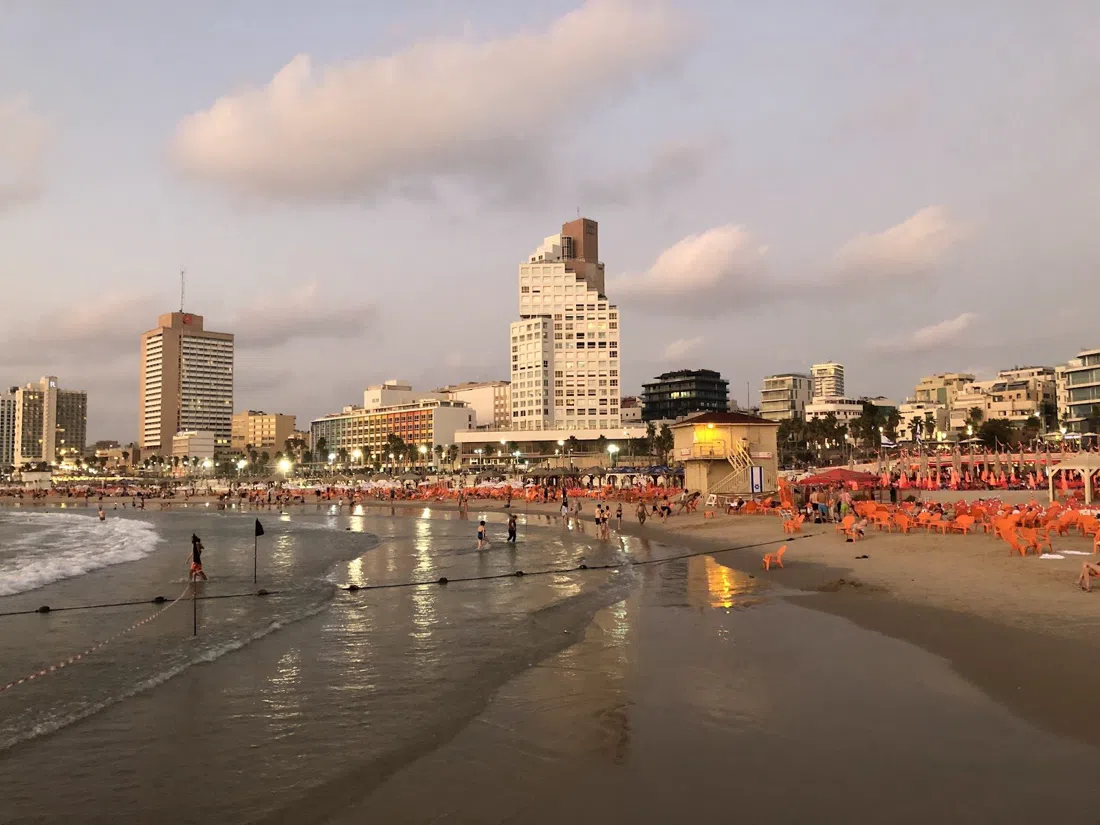
Be careful here, because this is the one part of the day that can genuinely hurt you. Lifeguards work from 07:45 to sundown in summer and only until 13:45 in winter, and swimming outside those hours is prohibited. The undertow is real and it takes strong swimmers. Read the flags rather than the crowd, because a busy beach can still be a dangerous one, and a black flag means the sea is closed however many people are standing in the shallows.
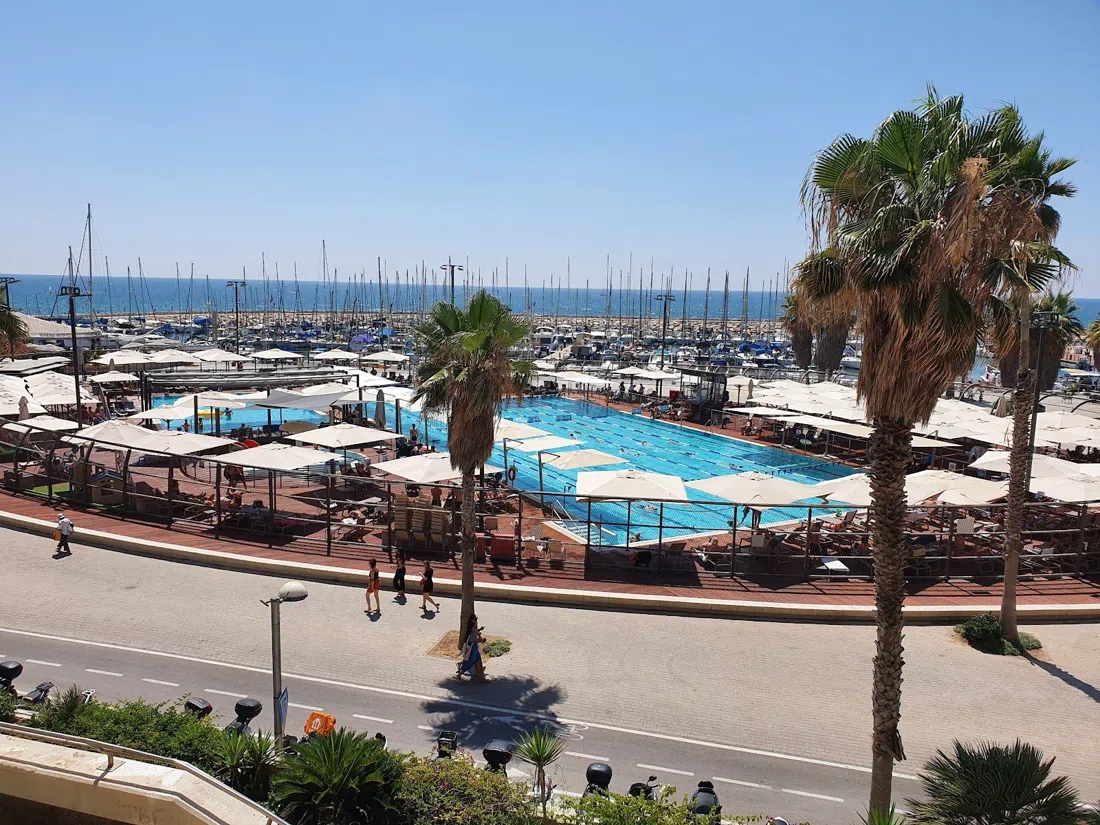
If you are swimming alone and not confident in an open-sea current, use Gordon Pool (beside the marina) instead. It is a municipal saltwater pool filled daily with mineral-rich groundwater, ₪69 on weekdays and ₪79 at weekends, paid per head at the gate, open from 06:00. No group restriction and no group discount either. Calm water, lane discipline, and a view of the same sea you are choosing not to fight.
South along the sand into Jaffa
Now walk the promenade south. Give it an hour with stops. The city thins, the buildings get older, and at the far end the minaret and the clock tower come up out of the haze.
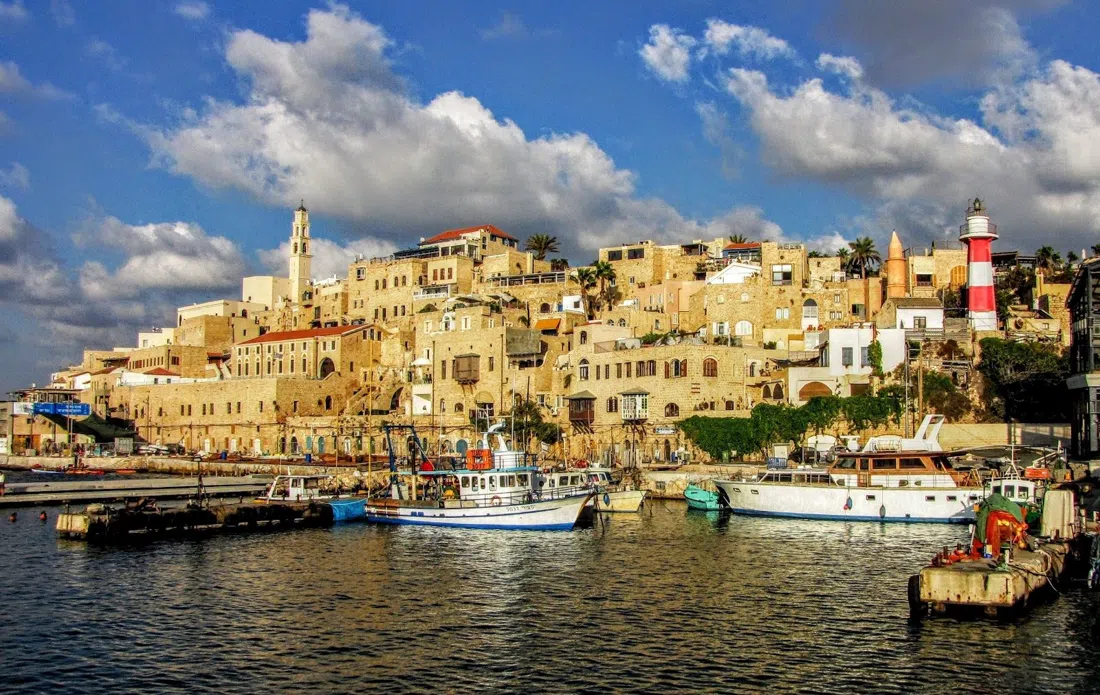
Old Jaffa Port (Namal Yafo) is the reason to time the day this way. It is still a working harbour, with boats coming in around sunrise and dusk, and the quayside is open, free, day and night. The late light on the stone is the whole argument for walking south rather than north. Harbour fish restaurants take group reservations and run ₪120–250 a head.
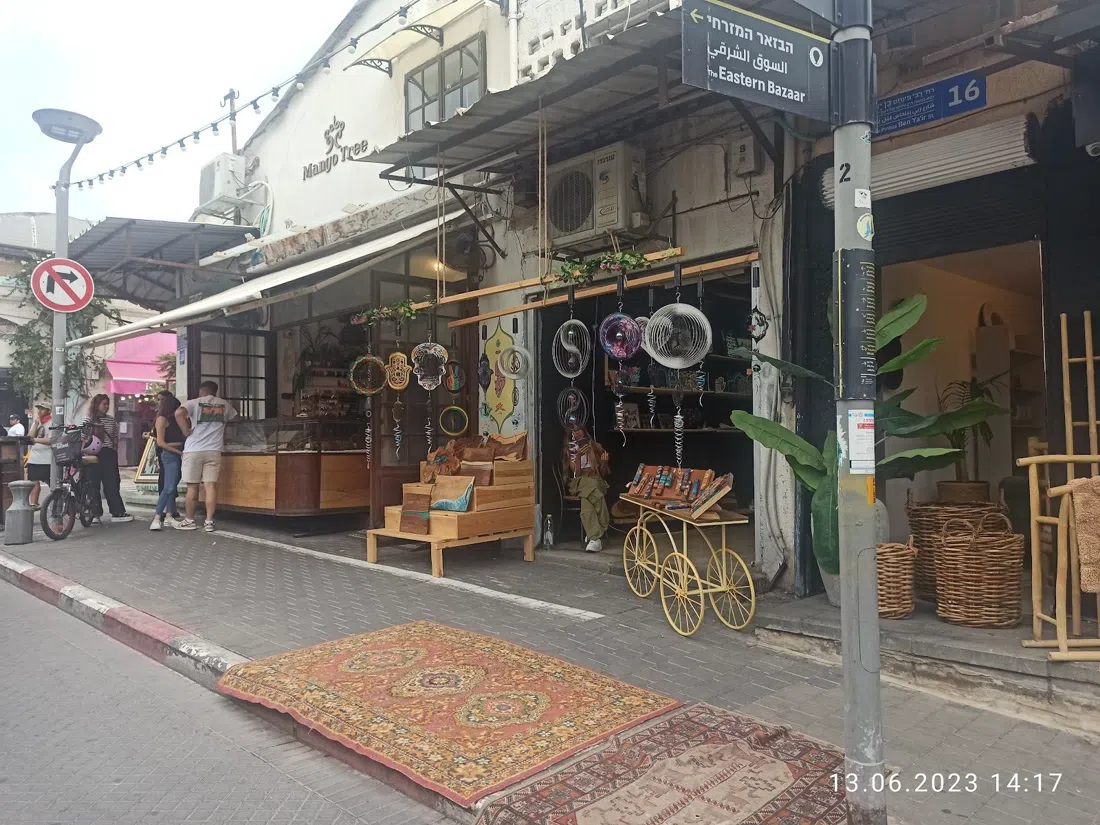
Above the port, Jaffa Flea Market (Shuk HaPishpeshim) has no door policy at all. Stalls trade Sunday to Thursday 10:00–18:00 and Friday until 14:00, closed Saturday, but the bars and restaurants open on Saturday and that is when the quarter is at its best. The bars spill onto the pavement and swallow groups happily, though the lanes are too tight for six people to move as a unit, so expect to walk in twos.
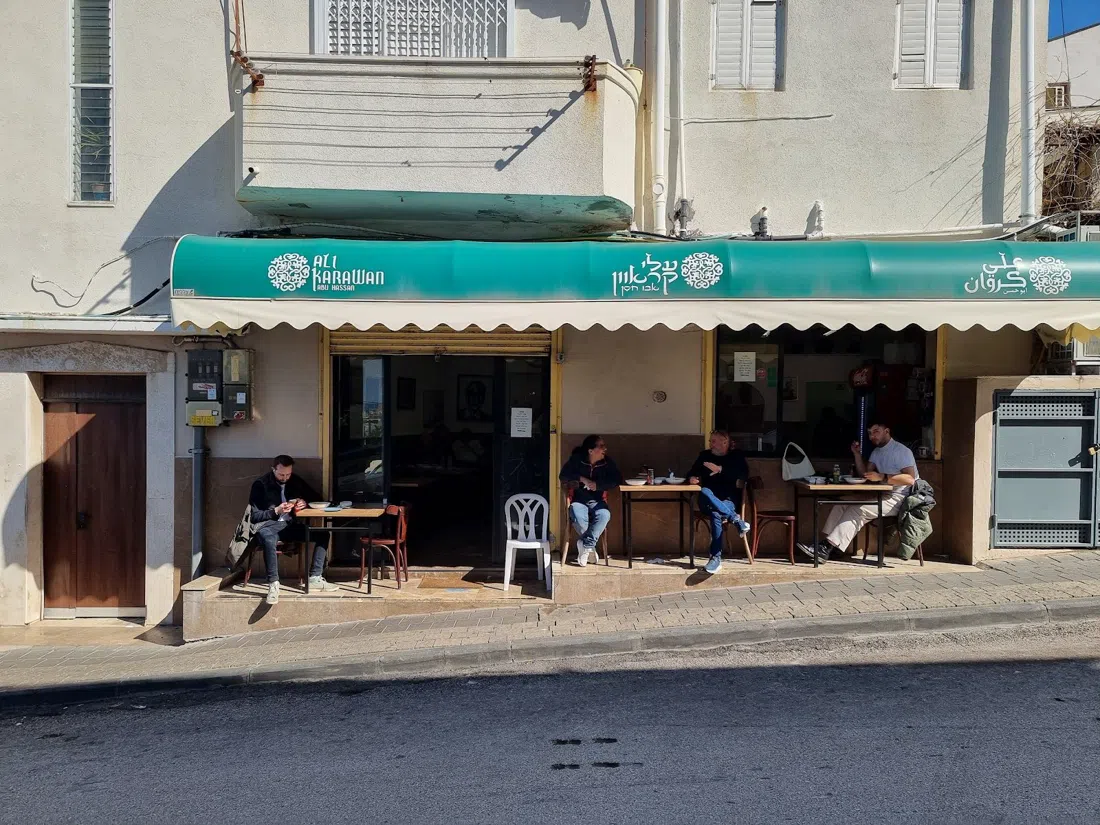
Two things here need earlier planning than most people give them. Abu Hassan (Ali Karavan, Dolphin Street, Jaffa) serves hummus from about 07:45 until 14:45, or until it runs out, ₪25–40. It is not dinner and never will be. Go before 12:00, seat yourself among strangers at a communal table, and expect a group of more than four to be split up. Turnover is measured in minutes and nobody expects conversation. If you want it, swap it in for the museum block and eat late morning.
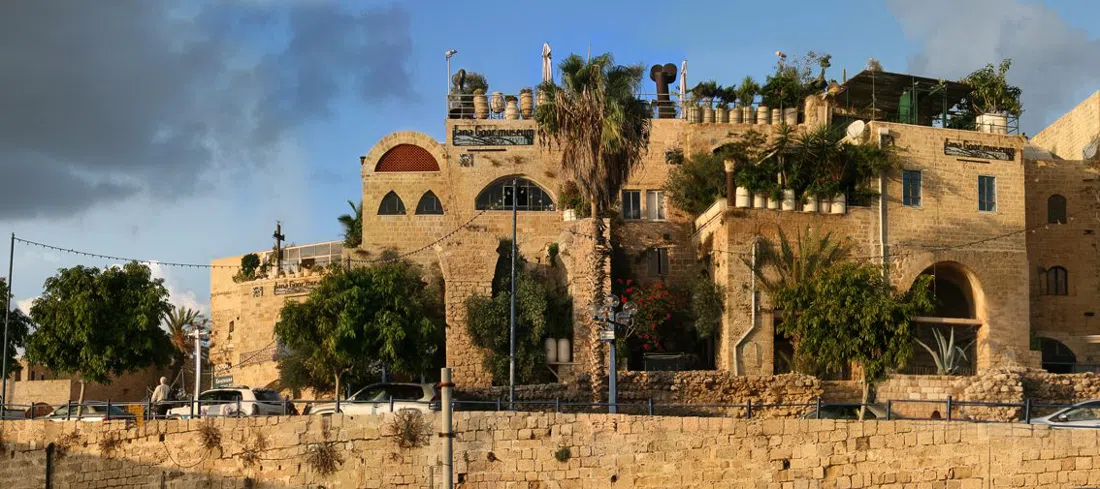
The Ilana Goor Museum (Old Jaffa) is the sculptor's own house above the port, around ₪45 for an adult and ₪100 for a family ticket, open Sunday to Thursday and Saturday 10:00–16:00, Friday to 14:00. Groups by arrangement on 03-683-7676; the building is stair-heavy and suits small groups far better than large ones. The Friday 'Out of the Box' tour is suspended, so do not build a Friday around it.
Eating and sitting alone after dark
A first evening alone is easier if you give yourself something to face other than a table.
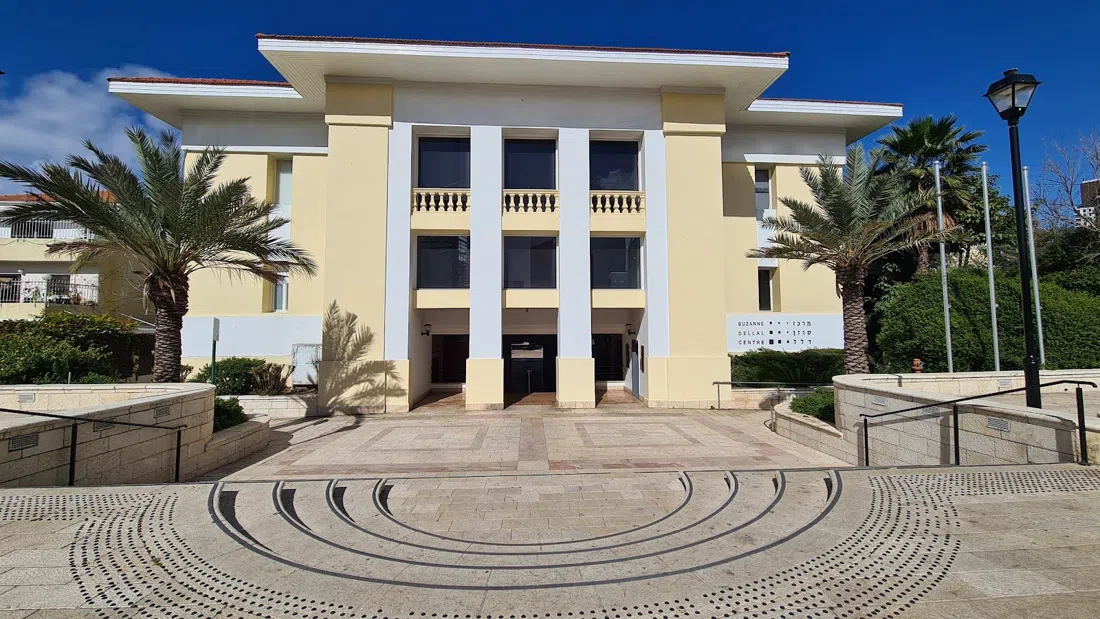
Suzanne Dellal Centre for Dance and Theatre (Neve Tzedek) does exactly that. The courtyard, with its orange trees and pale stone, is free and open to wander at any hour. Performance tickets run roughly ₪100–200 and programming runs through September 2026. A single dance ticket is the least self-conscious evening in the city: nobody notices one empty seat, and you leave with something to think about.
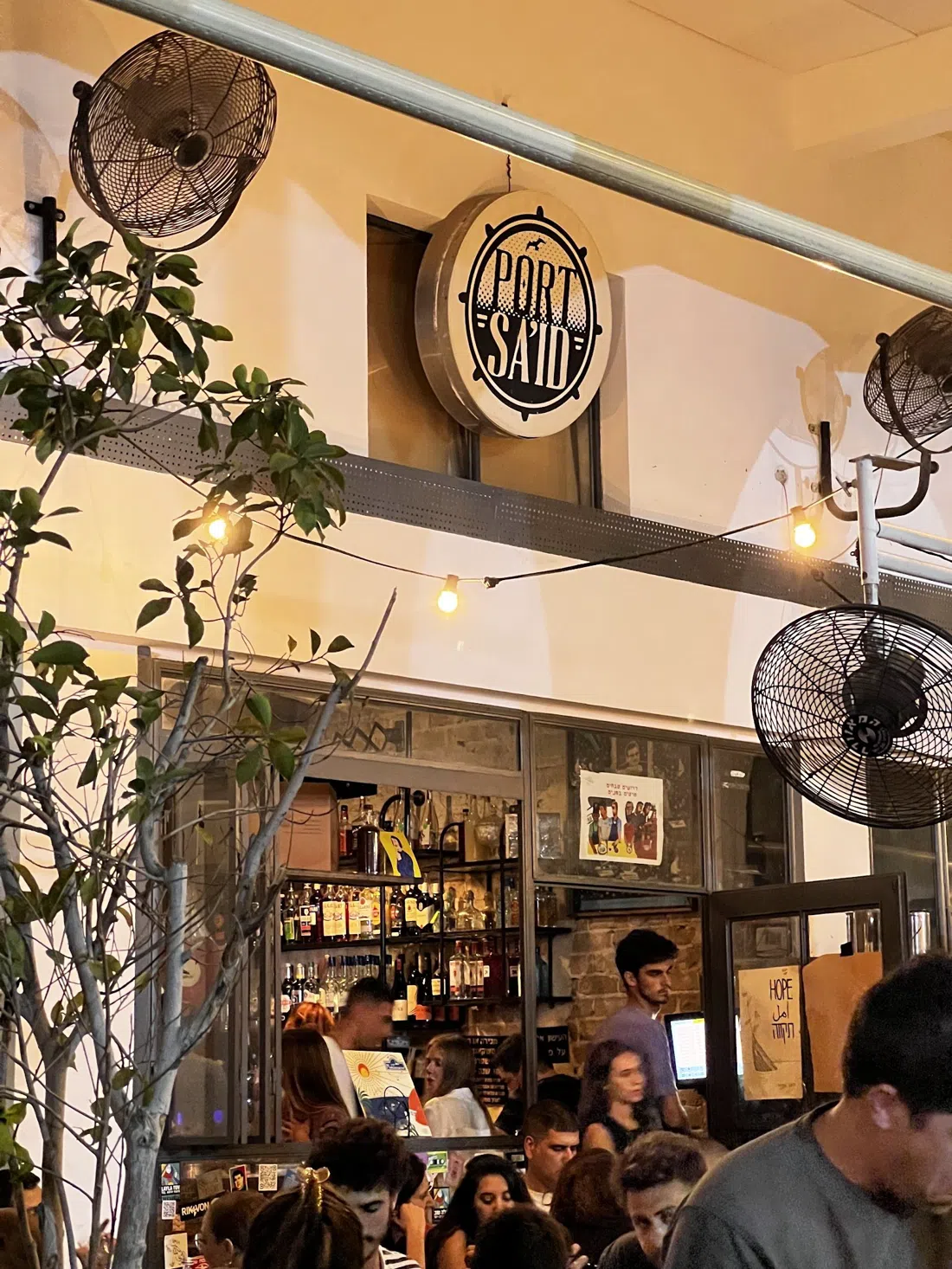
For dinner, Port Sa'id (Har Sinai, by the synagogue off Allenby) takes no reservations at all, ever. First come, and a solo diner or a pair will get a seat long before six people do. Shared plates run ₪35–60, drinks ₪30–45, and it goes until around 05:00. A bar seat, one plate at a time, records too loud to make small talk compulsory: this is where eating alone stops feeling like a compromise.
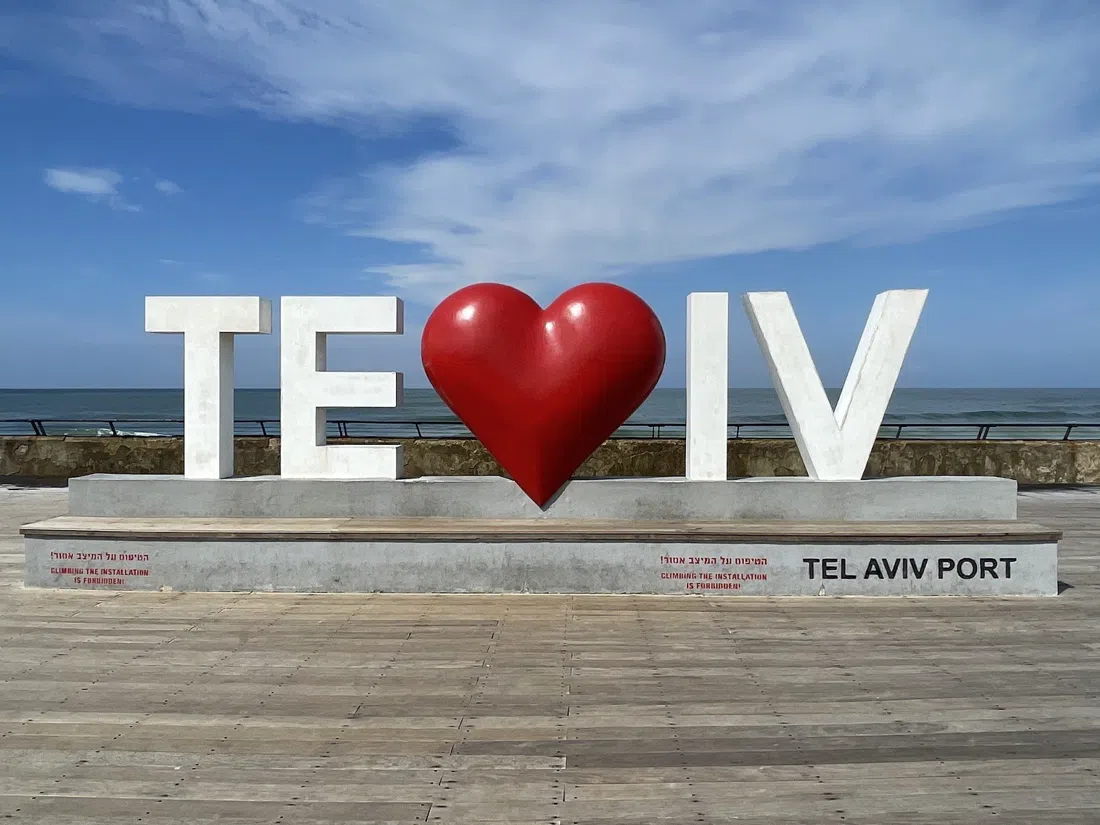
If you would rather walk than drink, go north to Tel Aviv Port (Namal Tel Aviv). The undulating deck is open with no door, free, and the boardwalk is wide, busy and well lit late, which makes it the most comfortable place in the city to walk on your own after dark. Market dishes run ₪40–90, restaurants take group bookings, and the Friday farmers' market outside Hangar 12 is the reason to come in daylight instead.
Moving, paying and timing the day
On foot, everything above except the museum is walkable along two axes: the seafront, and the spine that runs from Carmel to Rothschild. Wear shoes you can do twelve kilometres in. Jaffa's lanes are uneven stone and the port has no handrail worth the name.
Buses and the light rail cover the gaps, and you pay by contactless card or a transit app rather than hunting for a paper ticket. Most public transport stops from Friday afternoon until Saturday night for Shabbat, though the city runs limited free lines then, so check the day before rather than at the stop. Shared minibus taxis and metered cabs run throughout. In a taxi, ask for the meter before you set off; ride-hailing apps are widely used and remove the argument entirely.
Cards work nearly everywhere, including most market stalls. Carry ₪100–200 in small notes anyway for the flea market, the sunbed hire and the hummus counter.
Dress is casual to the point of indifference, and nobody here is dressing up for dinner. Bring a hat, sunglasses and more water than you think, plus something with sleeves for an air-conditioned museum or a late sea breeze.
Walking alone in the centre, the seafront and Jaffa at night is ordinary here, and the promenade stays populated late. The genuine risks on this route are the sun and the sea current, in that order.
A realistic solo day: ₪40 market breakfast, ₪45 falafel lunch, ₪50 museum, ₪69 pool or ₪25 sunbed, ₪120 dinner and a drink, so roughly ₪330–400, or about ₪600 with a dance ticket and a harbour fish dinner. Staying central saves you the most time; compare rates on the Tel Aviv hotel search and pick something between Rothschild and the sea so the whole day starts at your front door.
Questions
Is it safe to walk around Tel Aviv alone at night?
Walking alone in the centre, along the seafront promenade and around the Jaffa flea market bars is ordinary here, and the Tel Aviv Port deck stays busy and well lit late. Take the usual city precautions with bags and phones. What injures visitors on this route is the sun and the sea current, not crime: swim only within lifeguard hours, which run 07:45 to sundown in summer and only to 13:45 in winter.
Can I do this day on a Saturday, during Shabbat?
Yes, but it changes shape. Carmel Market, Nahalat Binyamin, HaKosem, Abu Hassan and the Jaffa flea market stalls all close. Sarona Market stays open through Saturday, the Ilana Goor Museum opens 10:00 to 16:00, the Jaffa bars and restaurants trade, and there is a free municipal Bauhaus walk from 46 Rothschild in the morning. Beaches, the promenade and Old Jaffa Port are open as normal. Most public transport stops from Friday afternoon to Saturday night, so plan to walk or take a taxi.
How much should I budget for one day alone in Tel Aviv?
Around ₪330 to 400 covers a market breakfast at ₪20 to 60, falafel at HaKosem for ₪25 to 60, the Tel Aviv Museum of Art at ₪50, a sunbed at Gordon Beach for ₪20 to 30 or Gordon Pool at ₪69 weekday, and dinner with a drink at Port Sa'id for about ₪120. Add a Suzanne Dellal dance ticket at ₪100 to 200 or a Jaffa harbour fish dinner at ₪120 to 250 and you are nearer ₪600.
Do I need to book anything in advance for a solo day?
Almost nothing. You walk straight into Carmel Market, Nahalat Binyamin, Sarona Market, Gordon Beach, the Jaffa flea market and both ports, with no ticket and no booking. Port Sa'id takes no reservations at all, so turn up and wait, which is quick for one or two people. Book ahead only for a Suzanne Dellal performance, a Bauhaus Center guided walk, or a group visit to the Tel Aviv Museum of Art or the Ilana Goor Museum, the latter on 03-683-7676.
What should I wear, and is eating alone awkward here?
Dress is casual everywhere on this route, including the evening venues; bring a hat, sunglasses, plenty of water and shoes that handle Jaffa's uneven stone. Eating alone is unremarkable here: the counter at HaKosem, the communal tables at Abu Hassan where you are seated with strangers anyway, the shared counters at Sarona Market and a bar seat at Port Sa'id are all built for it.
First published on telavivguides.com, the Tel Aviv guide.