The bus sets you down outside the walls and for a minute Acre looks like nothing much: a car park, a bay of coaches, a rampart with grass growing out of the top of it. Then you go through the gate, the street narrows to the width of two loaded donkeys, and you see what you are standing on. An Ottoman town built directly on top of a Crusader one, with the Crusader one still there, sealed underneath. Almost nothing you came for is visible from the street.
What is actually under Acre
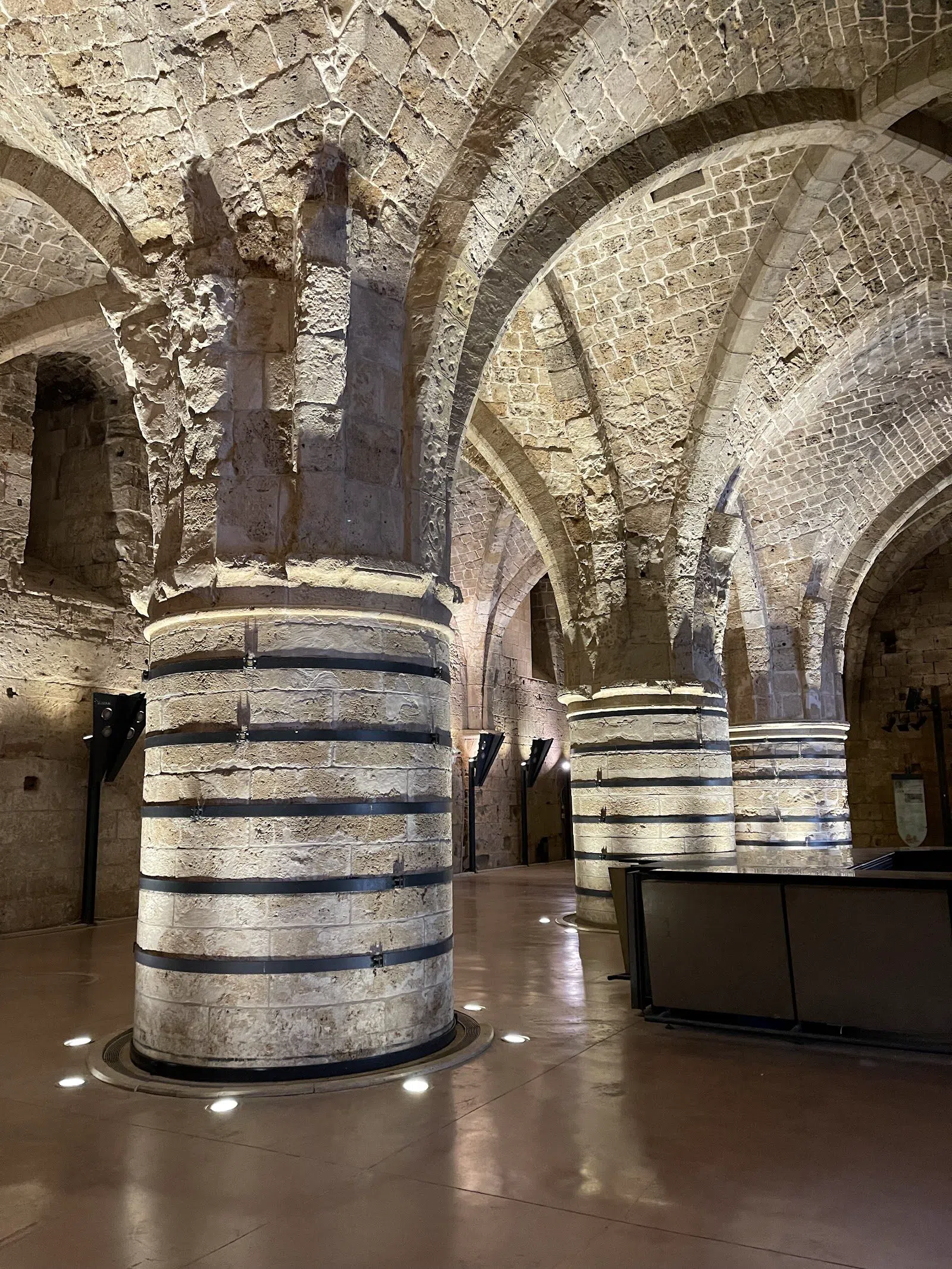
Acre was the capital of the Crusader kingdom for the hundred years after 1191, and the last city of it to fall, in 1291. What destroyed it also preserved it. The rubble was left in place, and when Ahmed al-Jazzar rebuilt Acre as an Ottoman provincial capital at the end of the eighteenth century he built on the flattened layer instead of clearing it. The vaulted halls of the military orders spent six hundred years under somebody's kitchen floor. Excavation began in the 1950s and is still going, which is why the visitor route runs down a staircase, along a corridor and back up into daylight three streets from where it started. You are not looking at ruins from behind a fence; you are walking through rooms.
Start at the knights' halls at nine
Hospitaller Fortress (Knights' Halls), in the Old City immediately inside the northern wall beside the visitor centre, is the anchor of the whole thing and the reason the combined ticket exists. The route is one-way: the courtyard, then the Gothic halls of the Hospitaller order, then the long pillared refectory, then the latrines, then a low passage out. Allow forty-five minutes to an hour if you read the panels, half that if you do not.
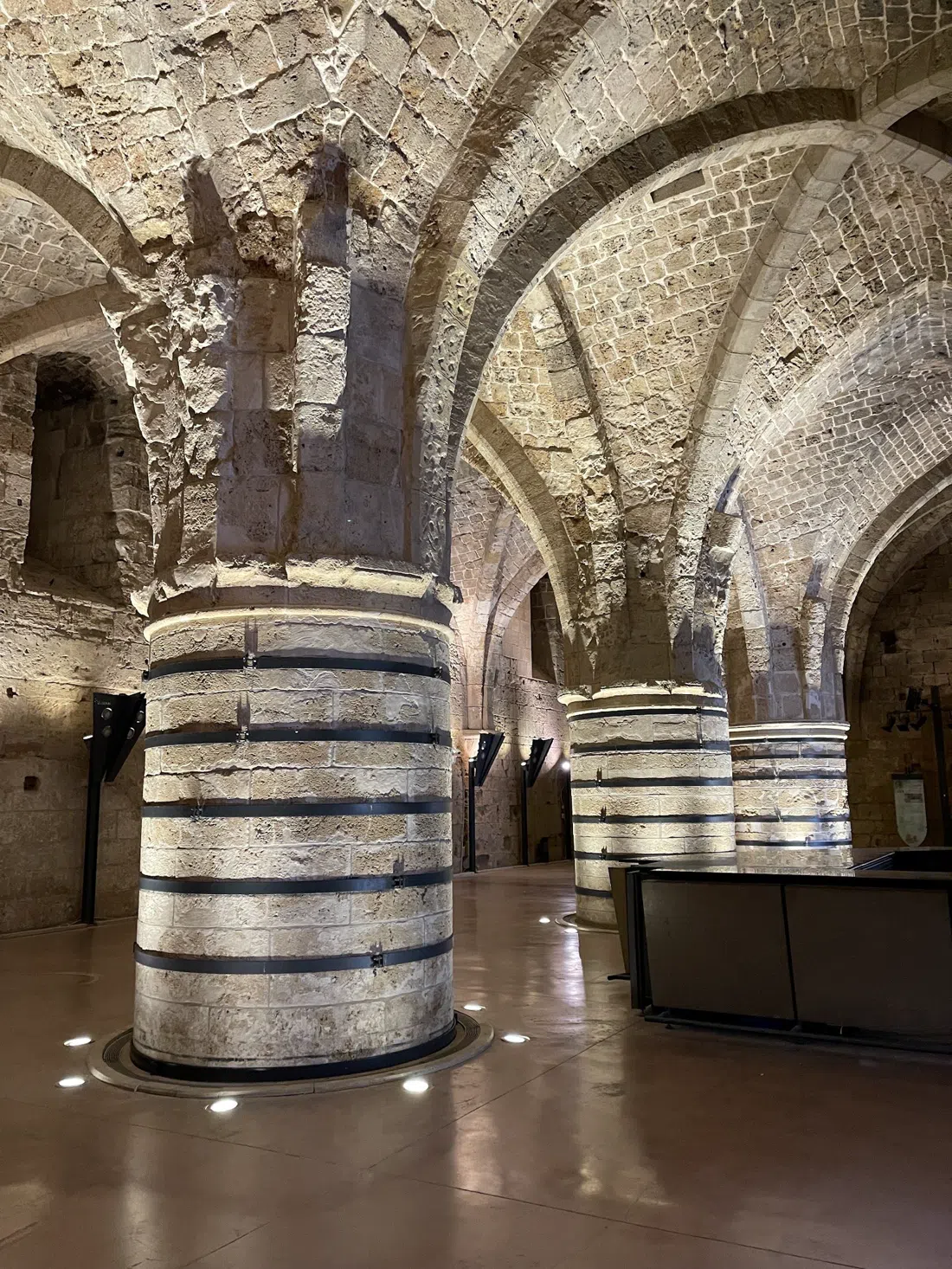
Go at opening, 9:00. Coach and cruise parties funnel through that same single route every day, and by late morning you are shuffling behind a raised umbrella in a room built for silence. At 9:00 you get the refectory to yourself for about ten minutes, and that is worth catching an early train for on its own.
The ten minutes under the Templars' quarter
Templars Tunnel, in the Old City, running from the Templars' quarter down towards the harbour, is the part people describe afterwards. It is a cut-and-vaulted passage the knights used to move between their fortress and the port, lost until a resident's blocked drain led back to it in 1994. You go in single file, one way, stooping in places, with water running beneath the walkway. Ten minutes end to end.
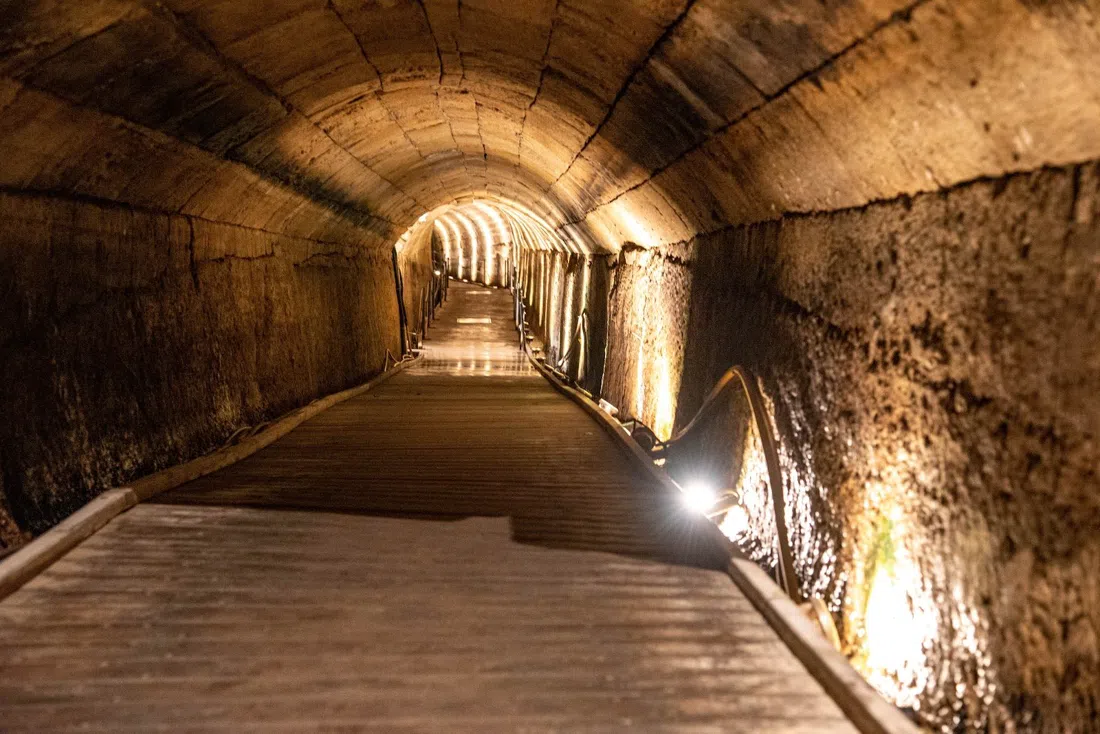
Entry is timed by flow rather than by booking, so there is no slot to reserve; guides split larger parties and feed them through in batches. Settle one thing before you commit, though. The lift at the tunnel is out of service, so it is stairs and stooping only, and there is no step-free version of it.
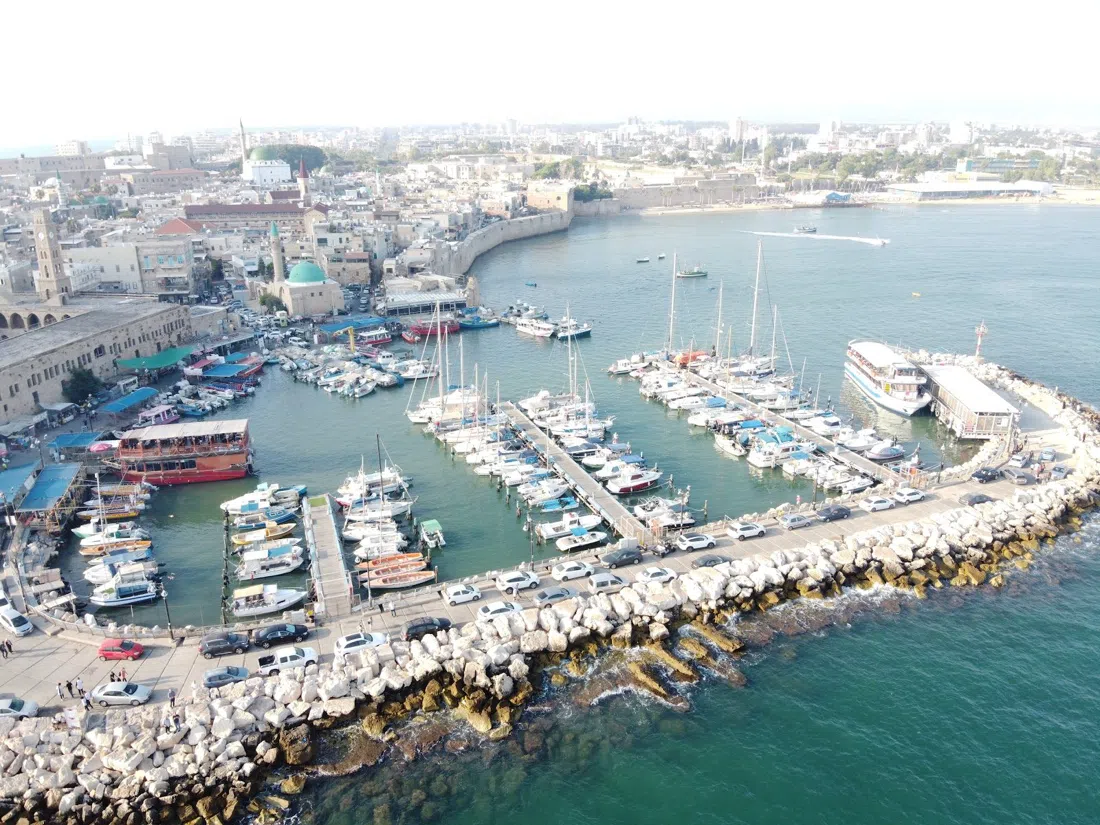
You come out at the Akko Fishing Port and Marina, the harbour at the southern tip of the Old City, among nets, cats and small blue boats. Short sightseeing boats leave when they fill, bought at the quay with no advance booking, around 20-35 NIS a head for a twenty-minute loop. It is the only way to see the sea walls from the water, which is the angle every force that ever attacked Acre saw them from.
The four quieter stops on the same ticket
The combined adult ticket is roughly 49-55 NIS and covers six sites, which is why nobody buys them singly.
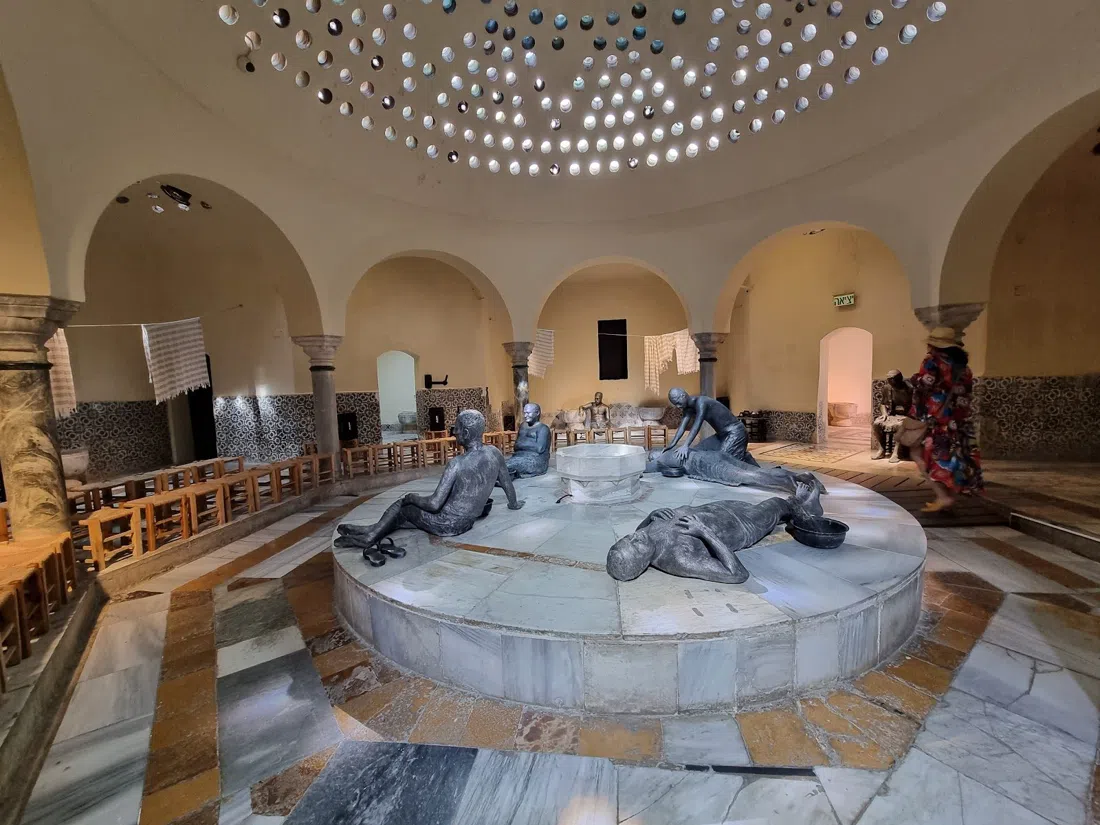
Hamam al-Basha (Turkish Bath House), in the Old City two minutes' walk from the fortress, is al-Jazzar's 1795 bathhouse, which went on working as a bathhouse until 1947. It now runs as a timed multimedia show of about thirty minutes in several languages, with visitors admitted in batches. That makes it the softest landing for children and for anyone who has had enough archaeology, and also the one place in Acre where a queue reliably forms, because entry is timed.
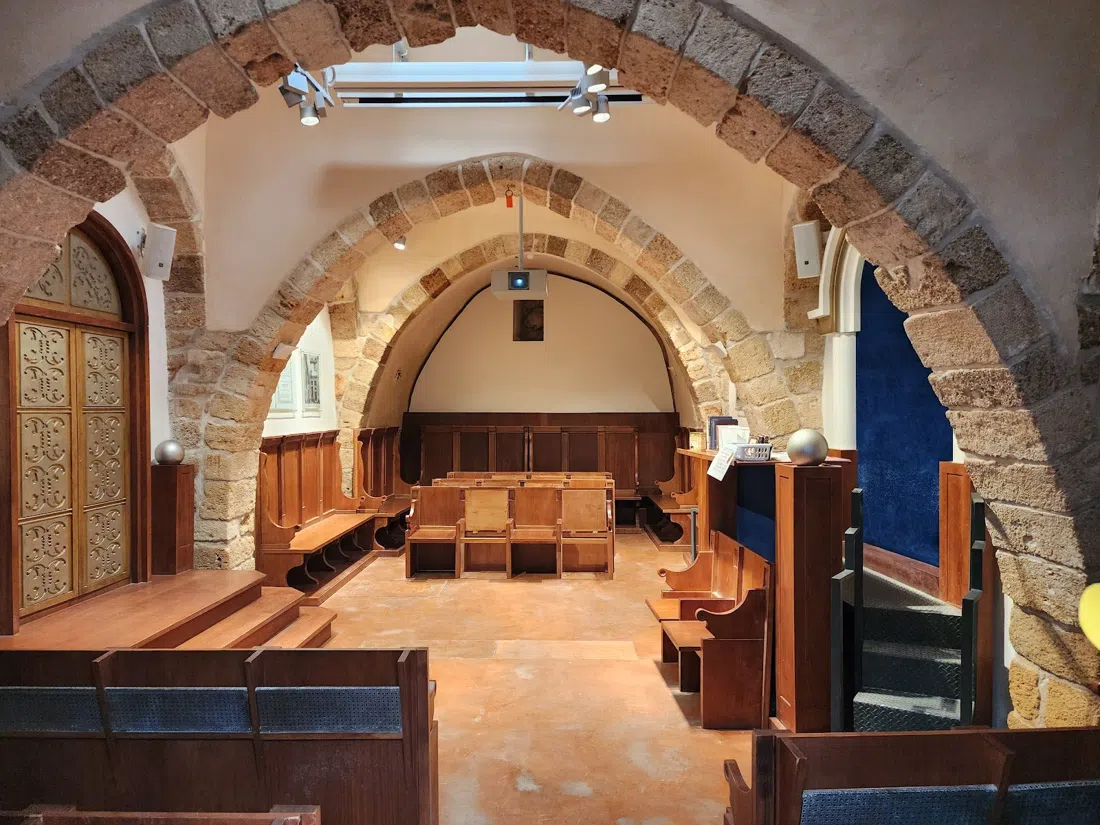
Ramchal Synagogue and Jewish Heritage Center, in the Old City towards the market end, is the newest addition to the ticket and the only site that tells Acre's medieval Jewish story. The rooms are small; parties over about twenty-five get staggered through. It closes on Saturdays and holidays, and last entry on Fridays is 15:00.
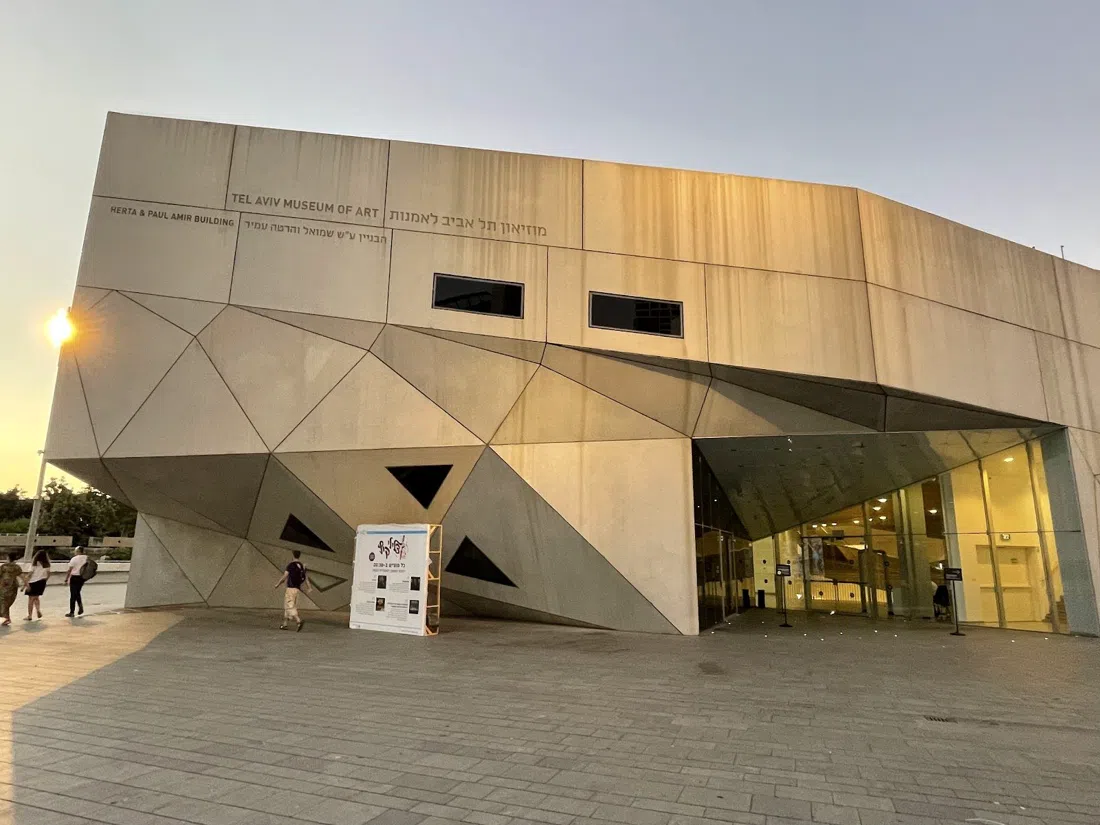
Okashi Art Museum, in the Old City next door to the Knights' Halls, is twenty minutes of paintings and cool air, typically open 09:30 to 15:00. In August it is the coolest and emptiest room inside the walls, and it costs nothing extra.
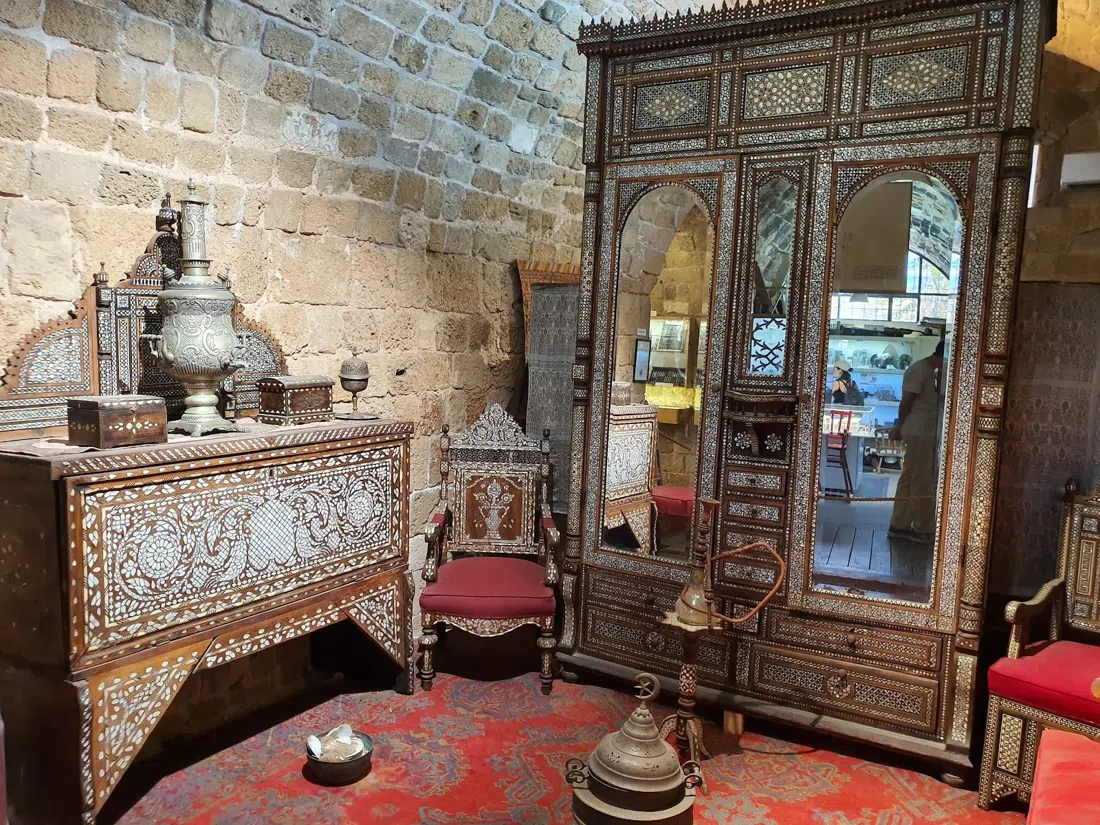
Treasures in the Walls Ethnographic Museum, in the Old City inside the rampart casemates by the Land Gate, roughly 10:00 to 16:00, sits physically within the city wall, which is half the reason to go. The collection is tools, trades and household objects: how Acre actually made its living between the Crusaders and now. It is the least crowded stop on the ticket.
The mosque and the two markets
Al-Jazzar Mosque, in the Old City on al-Jazzar Street above the fortress, costs about 10 NIS at the door and is the largest Ottoman mosque in the north of the country. It is also a working mosque, not a monument: shoulders and knees covered, headscarf for women (loaners at the gate), shoes off at the door, and it shuts to visitors around each of the five prayer times. Groups are admitted outside prayer, with guides briefing on dress before they go in. The arcaded courtyard, with its sundial and its palm shade, is the calmest square metre in Acre at midday.
Old Acre Market (the souk, Market Street), in the Old City, the spine running from the mosque down towards the harbour, is the living city rather than the museum city: fish on ice, sacks of spice, knafeh trays, a man calling prices at nobody in particular. Street food runs about 15-40 NIS. It peaks mid-morning, most stalls are winding down by 16:00, and Friday afternoon is the busiest slot of the week. A small group walks it fine; a coach party clogs it, and everyone in the lane knows it.
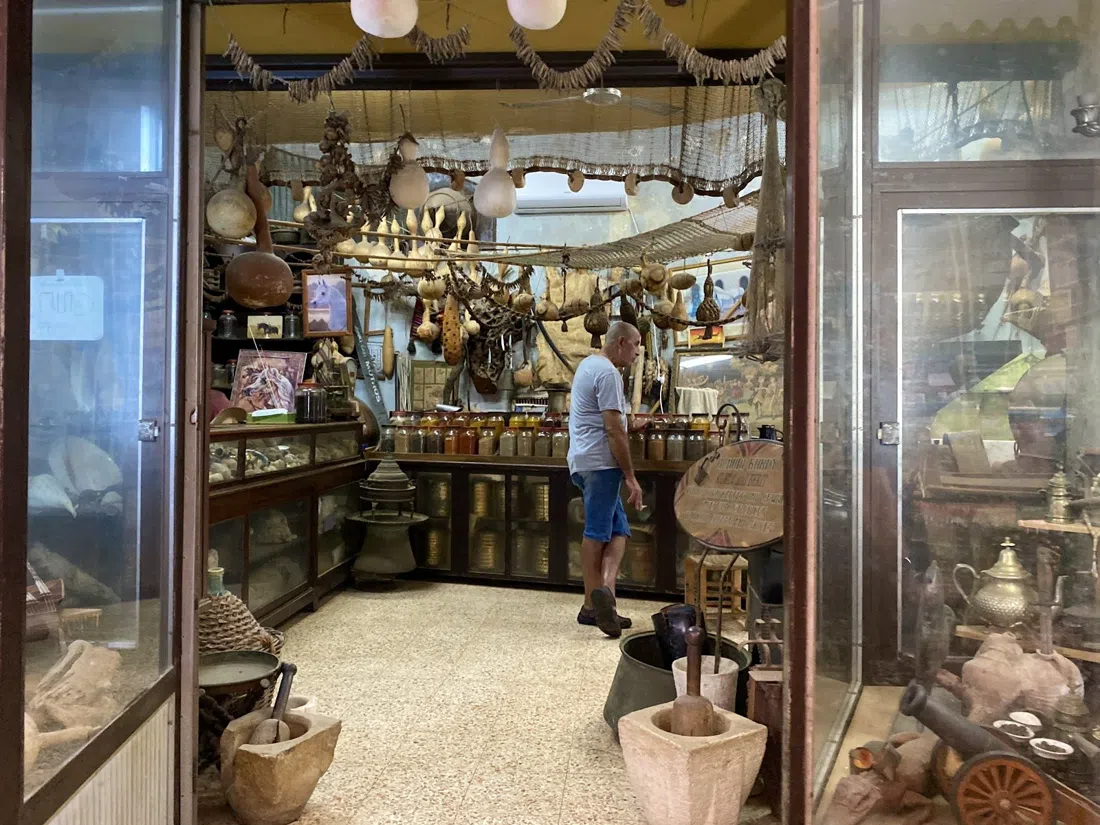
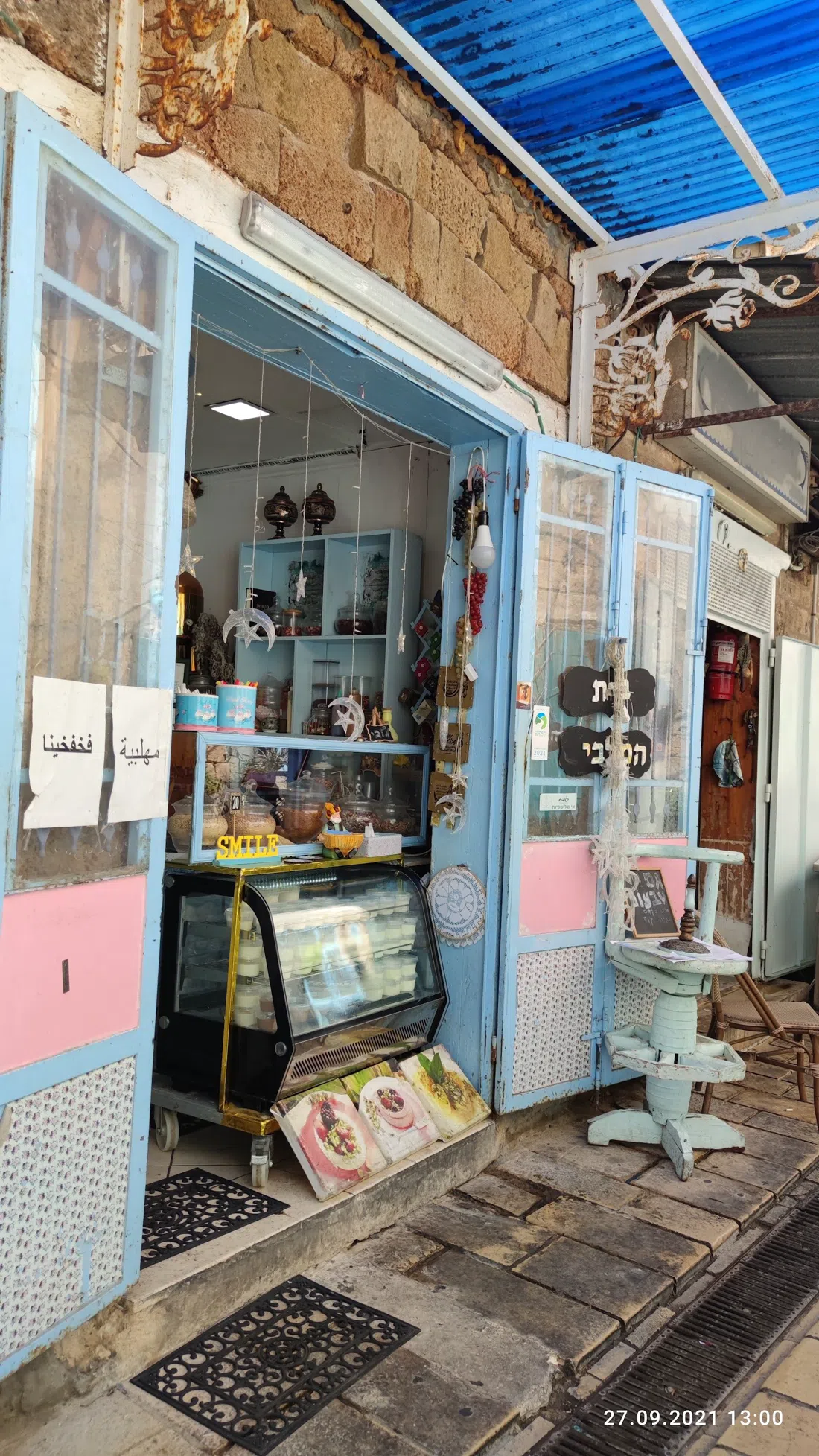
Akko Turkish Bazaar, in the Old City, a wide restored arcade off the market, stood derelict from 1948 and reopened after restoration in 2012. It is craft workshops, galleries and coffee now, roughly 12-18 NIS for a coffee and from about 50 NIS for the crafts. The arcade absorbs walking groups easily, though the individual shops are small enough that guides hold their parties in the central aisle. Late morning is when all the galleries are actually open.
Eating, and why it sets the schedule
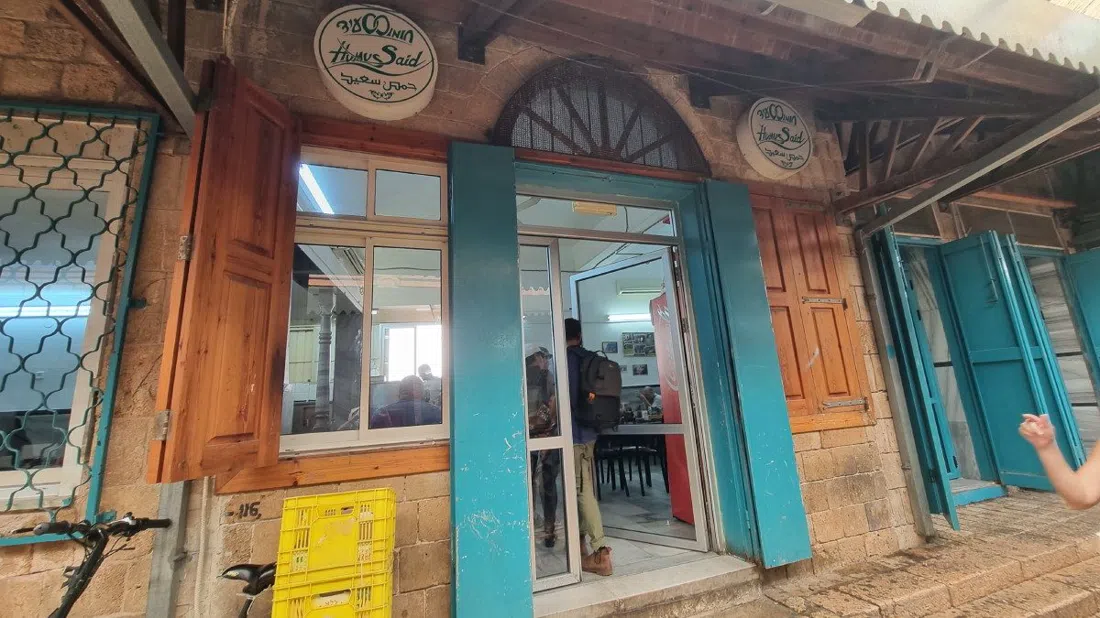
Hummus Said, in the Old City inside the market, opens roughly 06:00 to 14:00, Sunday to Friday only, takes no reservations, and runs about 20-35 NIS a head. It is the benchmark for hummus in the north and the whole region knows it, so you either arrive before noon or you queue. Communal tables and fast turnover mean a group gets seated eventually; a Saturday visit means you do not eat there at all. Build the morning around it instead of hoping to fit it in.
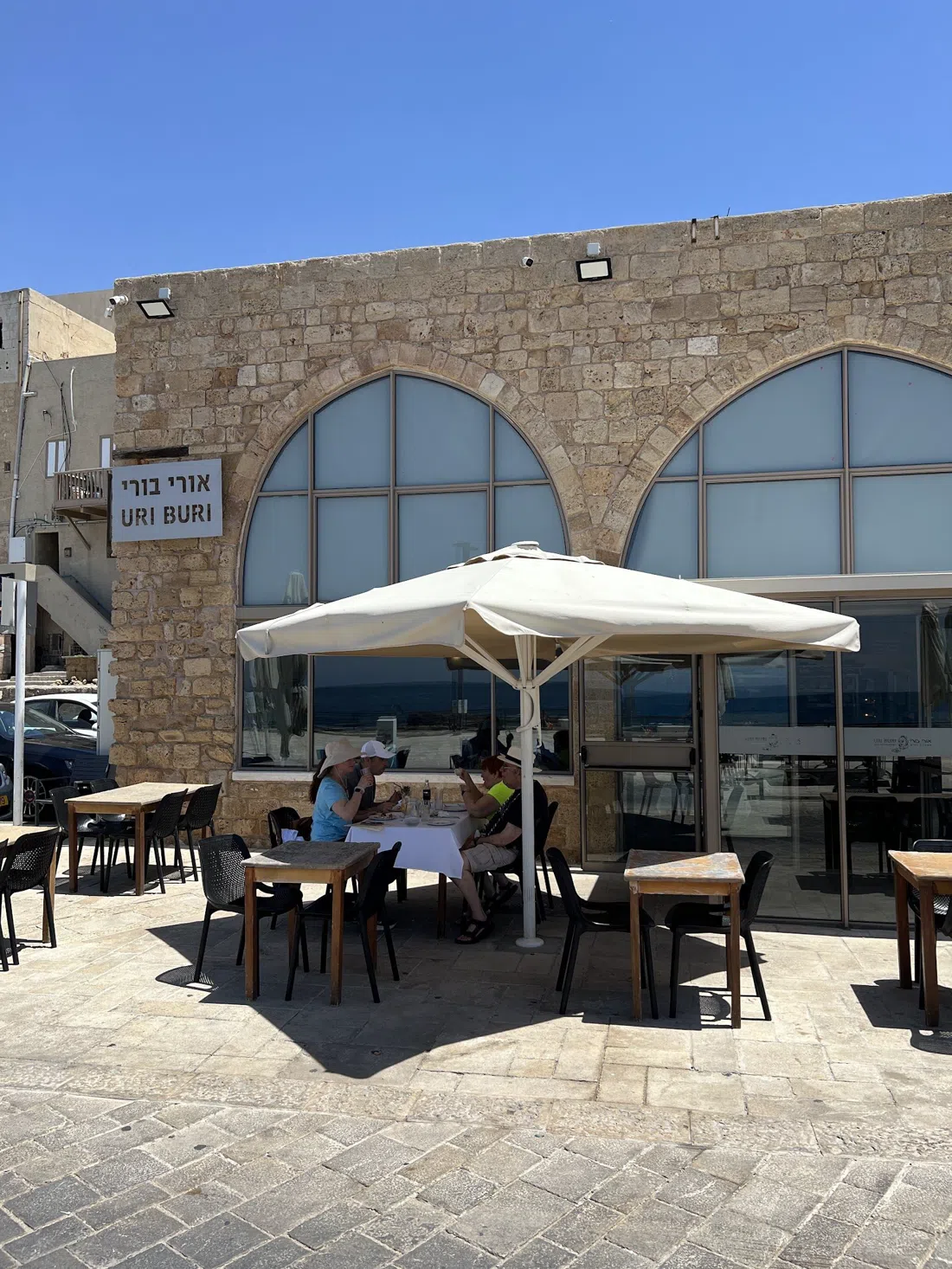
Uri Buri, in the Old City at the lighthouse end of the sea wall, is the restaurant that put Acre on the map for people with no interest in Crusaders, open daily 12:00 to 22:00, about 250-400 NIS a head. The tasting sequence runs long. Treat it as the afternoon, not as a stop inside the afternoon, and book well ahead, particularly at weekends. There is a private section seating up to twenty-four, which is the only sensible way to bring a group through the door.
The prison in the citadel
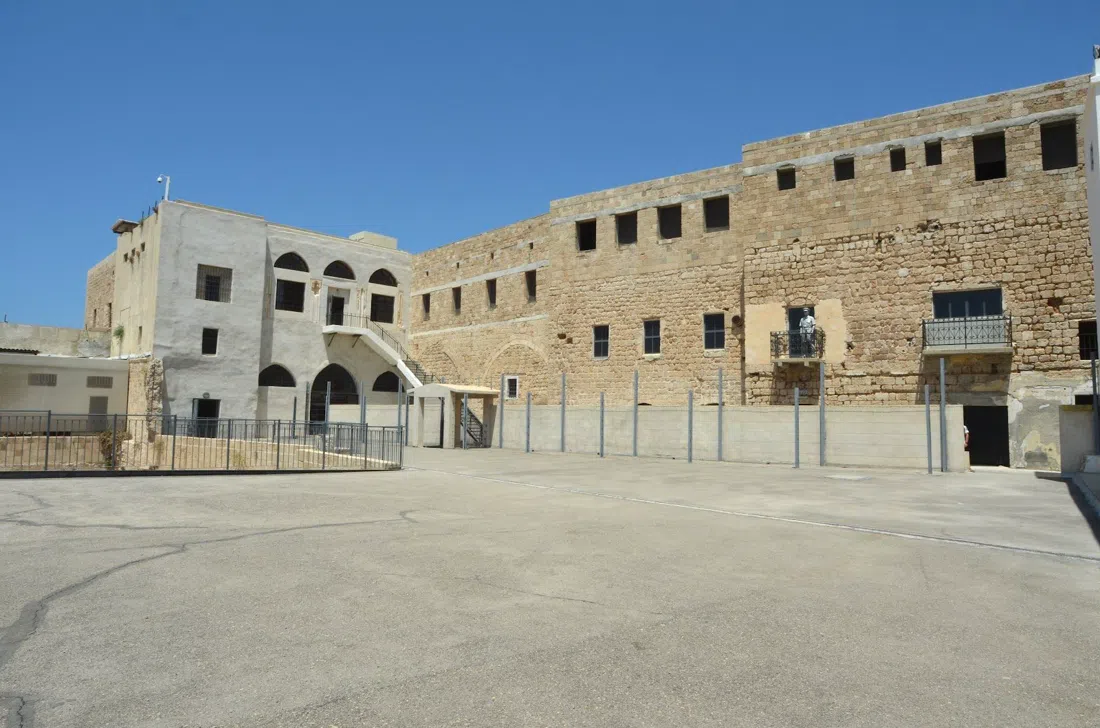
Museum of Underground Prisoners, Acre, in the Old City, in the citadel above the Knights' Halls, is a separate ticket at about 15-25 NIS and is not part of the combined one. It occupies the British Mandate prison inside the citadel and tells the story of the 1947 prison break and the executions that preceded it. Allow ninety minutes; guided tours must be booked in advance. It is the one site here that genuinely unsettles some visitors, and it opens Sunday to Thursday only, which makes it the easiest thing to miss on a weekend day trip and a good reason to come mid-week if this part of the story matters to you.
The free half
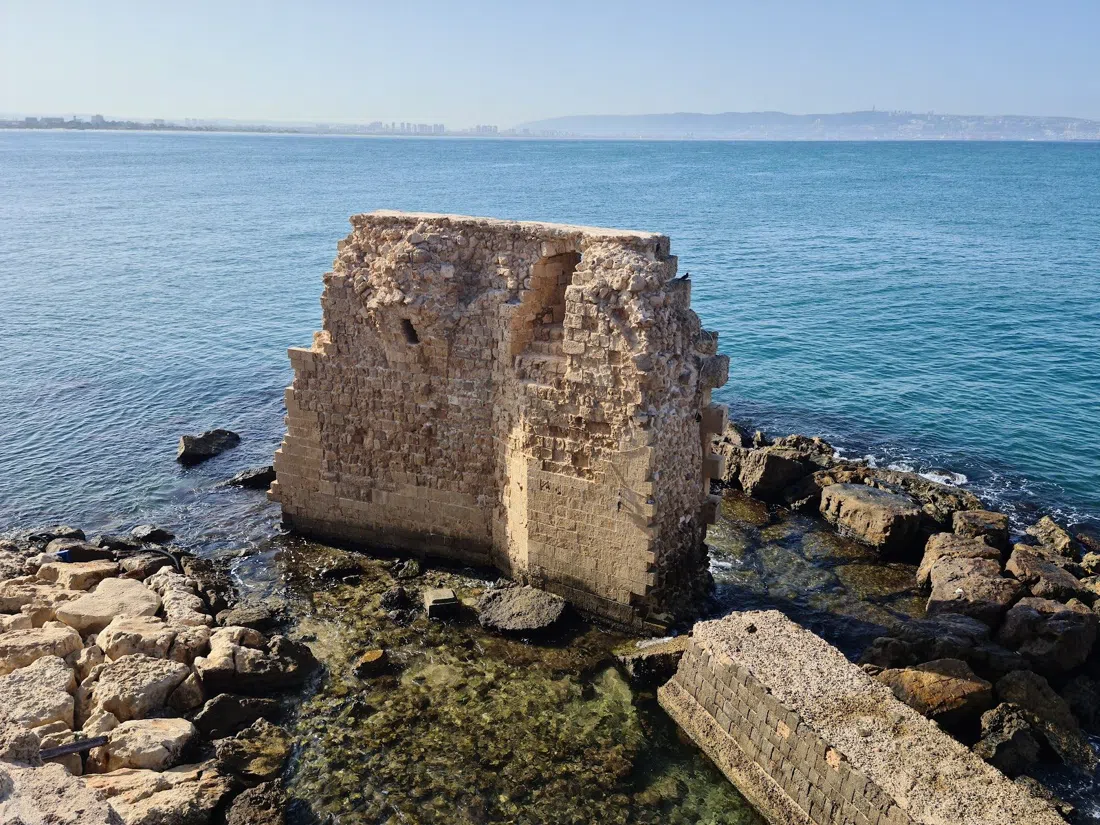
Acre Sea Wall and Land Wall Promenade, the circuit of the ramparts, costs nothing, needs no ticket and has no limit on group size. It is also the best hour of the day. Walk the sea wall out towards the lighthouse in the last light, once the coaches have gone back down the coast: the stone holds the heat, the wind comes straight off the water, and the Old City behind you empties. In winter the wall is exposed and properly cold, so carry a layer you would not think to bring in Tel Aviv.
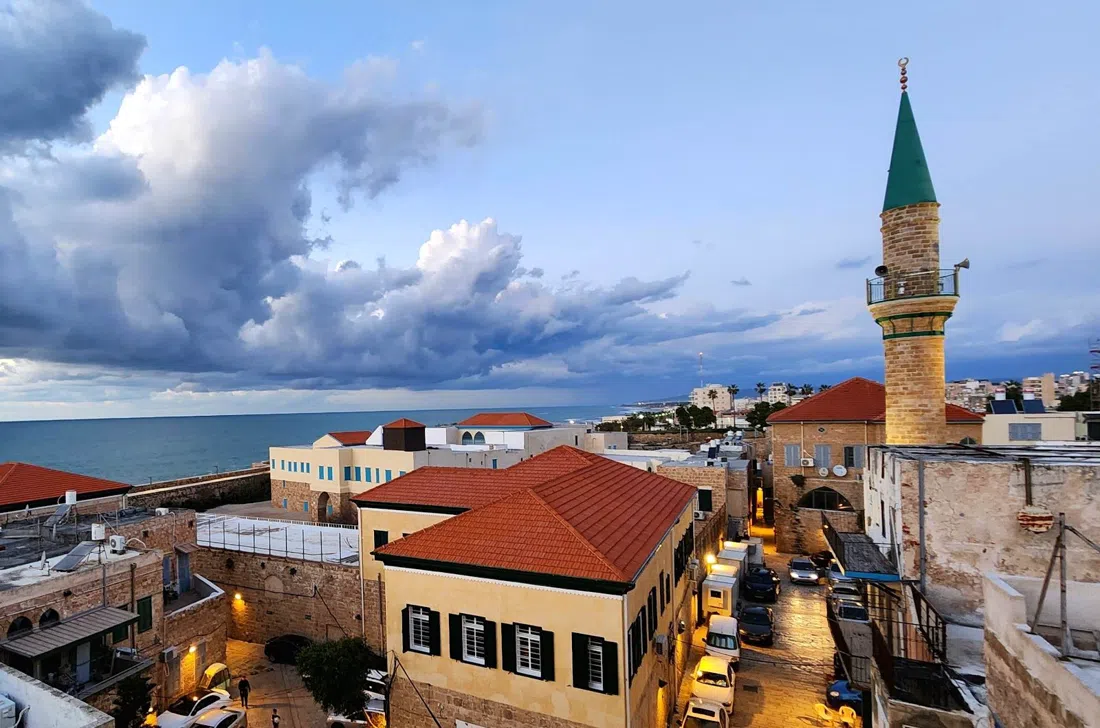
If you want that hour without watching a train time, The Efendi Hotel, in the Old City in two restored Ottoman merchant houses, has twelve rooms from about $350 a night and a hammam in the basement. It is the only way to be inside the walls after the day trippers leave. Its culinary walk through the market is a legitimate alternative to a conventional guided tour, and it hosts small private events, though a group stay means taking the whole house. Most people do Acre in a day and sleep back down the coast, which the Tel Aviv hotel search covers.
Tickets at the door or a guide booked ahead
The door works. You buy the combined ticket at the visitor centre, the sites are signed, and the halls and the tunnel largely explain themselves. Nothing on the combined ticket can be reserved for a fixed time, since entry is by flow, and the queue that forms is at the timed bathhouse show, not at the gate.
A guided option exists, and it is a different product, not a queue-skip. A private half-day walking tour of the Old City starts from 422 USD per person, runs seven days a week, and is confirmed manually by the operator with up to 48 hours' notice, so it is not something you arrange over breakfast on the morning you travel. Book it days ahead or plan without it. The money buys you someone who can tell you which wall is Crusader and which is al-Jazzar's, and who will route you against the coach flow. If you read the panels and arrive at 9:00, you do not need one.
Access, dress and the things that catch people out
The Old City is cobbles, ramps, steps and raised thresholds. The Templars Tunnel lift is out of service, so treat the tunnel as stairs-and-stooping only; the Knights' Halls involve stairs; the rampart promenade is mostly walkable but needs steps to get up onto the wall. A pushchair is possible on the main streets and miserable everywhere else, so a carrier is the better call.
For the mosque: knees and shoulders covered for everyone, headscarf for women, shoes off, and no entry around prayer times. Nobody will be rude about it, but you will be turned back at the gate in shorts. Sort it out before you walk up, not on the step.
Is it worth it
Yes, on one condition: give it a full day rather than three hours. Acre repays walking, not ticking. Six sites for roughly 49-55 NIS is one of the more honest cultural tickets in the country, and the free hour on the wall at the end is the part most people talk about afterwards.
It suits couples, solo travellers, anyone who likes archaeology at close range, and families with children old enough for the tunnel, since the bathhouse show carries the ones who are not. It suits coach parties less well than coach parties expect: the halls, the tunnel and the souk all bottleneck at the same hours. It does not suit anyone who cannot manage stairs, and it does not suit a rushed half-day arriving at noon, because noon is exactly when the one-way route is fullest and Hummus Said is about to close.
Best time to go
Mid-week, Sunday to Thursday, and early. That is the only combination where everything is open at once: the Museum of Underground Prisoners runs Sunday to Thursday, the Ramchal Synagogue closes Saturdays and holidays, and Hummus Said does not serve on Saturday. Friday works if you accept a compressed day, with 15:00 last entry at Ramchal and the souk at its weekly busiest in the afternoon. Saturday is the weakest day for the ticketed sites, though the walls, the market street and the harbour are all still there.
Within the day: 9:00 at the fortress, the tunnel and the harbour before 11:00, the market and the bazaar late morning, hummus before noon, the quiet museums through the hot middle of the afternoon, the wall at sunset. Season matters less here than at most Israeli sites because so much of Acre is underground, but April to June and September to November are the comfortable months. July and August are heavy and humid, which is when Okashi's cool rooms earn their place on the ticket. Winter is fine inside and genuinely cold on the ramparts.
Practical notes
Getting there: the direct train from Tel Aviv runs up the coast to Akko station in roughly an hour and a half to two hours, and it is about a twenty-minute walk or a short local bus from the station to the Land Gate. Trains do not run from Friday afternoon to Saturday evening. For a weekend trip that settles it: drive, or pick another day. Driving takes about ninety minutes without traffic; park outside the walls, because you are not taking a car into the Old City.
Money: the combined ticket is about 49-55 NIS, the prison museum 15-25 NIS on its own, the mosque about 10 NIS, the harbour boat 20-35 NIS. Cards work at the ticket offices and the restaurants; carry a couple of hundred shekels in cash for the souk, the bazaar and the boat.
Time and budget: allow five to six hours inside the walls plus travel, or seven if you are doing Uri Buri properly. Excluding that long lunch, a realistic day costs 100-150 NIS per person in tickets and street food, plus the train.
For the other end of the line (where to base yourself, how to reach the station, what to do with the evening you come back to), start with the Tel Aviv guide.
Questions
Can you visit Acre as a day trip from Tel Aviv, and how long does it take?
Comfortably, yes. The direct train up the coast takes an hour and a half to two hours to Akko station, then about twenty minutes on foot or a short local bus to the Land Gate. Allow five to six hours inside the walls on top of the travel. Trains do not run from Friday afternoon to Saturday evening, so in those hours you drive (about ninety minutes) or go another day.
How much does it cost to get into the Acre sites?
The combined adult ticket is roughly 49 to 55 NIS and covers the Hospitaller Fortress, the Templars Tunnel, Hamam al-Basha, the Ramchal Synagogue, the Okashi Art Museum and Treasures in the Walls. The Museum of Underground Prisoners is separate at about 15 to 25 NIS, Al-Jazzar Mosque is about 10 NIS at the door, and the harbour boat loop is 20 to 35 NIS. The ramparts are free.
Do you need a guide, or can you just turn up?
You can turn up. The combined ticket is sold at the visitor centre, the routes are one-way and signed, and nothing on it takes a timed reservation. A private half-day guided walk runs seven days a week from 422 USD per person, but the operator confirms it by hand with up to 48 hours' notice, so it cannot be arranged last minute. It buys you context and a way round the crowds, though it does not skip queues.
Which day of the week is best, and what closes when?
Sunday to Thursday. The Museum of Underground Prisoners opens Sunday to Thursday only, the Ramchal Synagogue closes Saturdays and holidays with 15:00 last entry on Fridays, and Hummus Said serves Sunday to Friday, roughly 06:00 to 14:00. Friday afternoon is the souk's busiest slot. On Saturday the walls, the market street and the harbour still work, but several ticketed sites do not.
How accessible is Acre's Old City, and what should you wear?
Not very. The streets are cobbled with steps and raised thresholds, the Knights' Halls involve stairs, and the lift at the Templars Tunnel is out of service, so that tunnel is stairs and stooping only, single file, with no step-free alternative. A carrier beats a pushchair. For Al-Jazzar Mosque, cover shoulders and knees, women wear a headscarf (loaners at the gate), shoes come off at the door, and it closes to visitors around each of the five prayer times.
First published on telavivguides.com, the Tel Aviv guide.