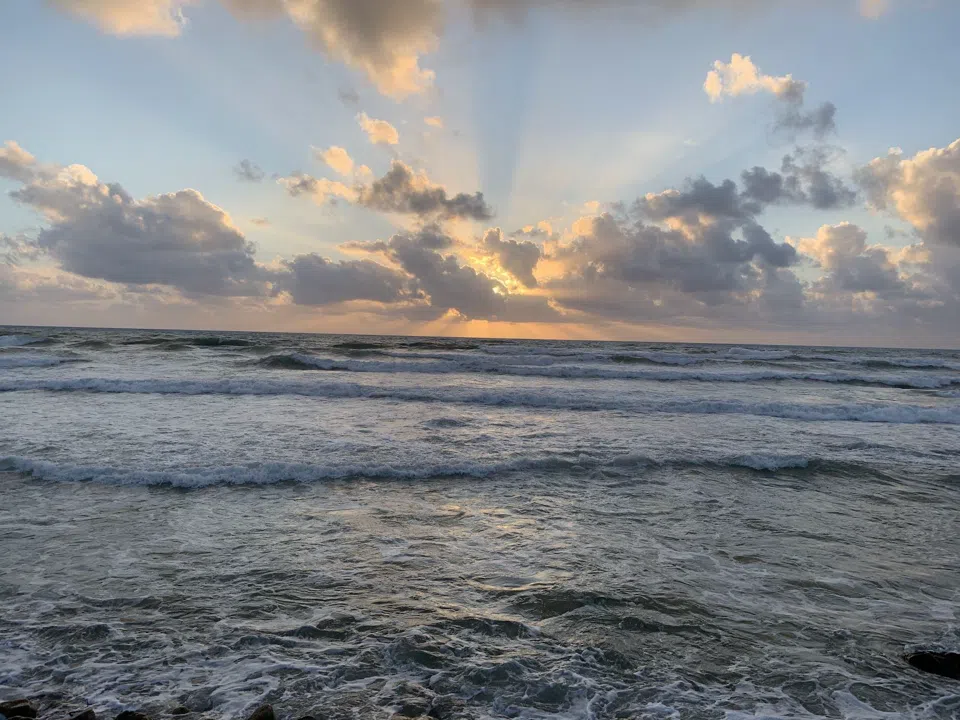
The sea in October is still warm enough to swim in, warmer than the air on a grey morning, and most of the month behaves like a long soft summer. Then, somewhere after the middle, the first front of the year comes in off the water: twenty minutes of rain heavy enough to fill the gutters on Ibn Gabirol, a break of hard sunshine, another band an hour later. Nothing closes for it. Tel Aviv has always had a wet season, and its rain is short and violent rather than the all-day grey of northern Europe.
So you don't write the day off. You pin it to one indoor anchor with a café within a hundred metres, and let the gaps between the bands carry you from one to the next. What follows is the indoor city I use when a beach morning falls apart at breakfast, with the door policies noted, because some of these places will seat a group of twelve without blinking and one of them will make two people queue in the doorway.
Collections big enough to outlast a downpour
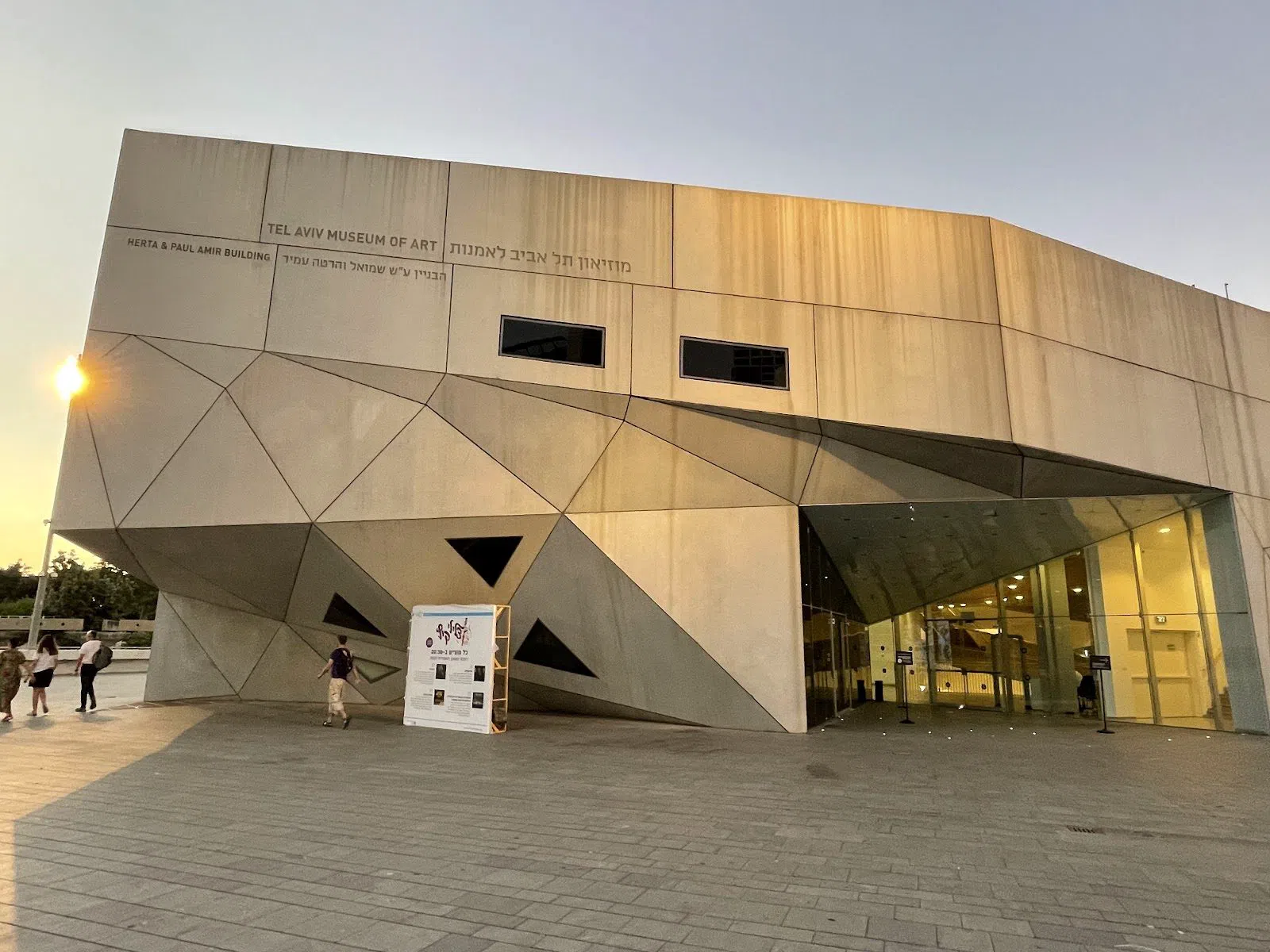
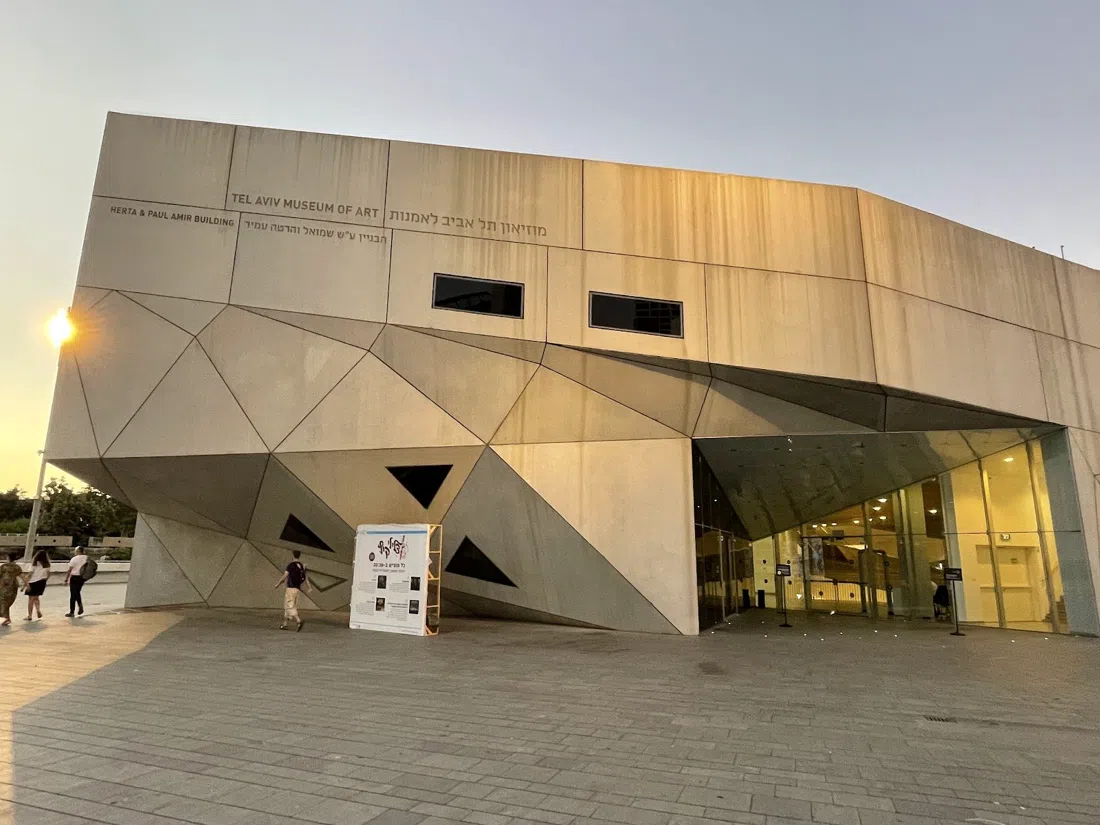
Tel Aviv Museum of Art (Shaul HaMelech, the civic quarter) is the one to reach for when the radar shows three hours of weather. Walk in from Shaul HaMelech, past the plaza, and you are in a set of galleries deep enough that you will lose track of the sky: Israeli art, European modernism, temporary shows, and the folded concrete of the newer wing, which throws daylight down five storeys even under cloud. The museum began in 1932 in the mayor's own house on Rothschild Boulevard and only moved up here decades later, which is why the collection feels older than the building holding it. Adult entry is ₪55, students ₪45, seniors ₪27, under-18s free. Two things to check before you cross town: it is closed on Sundays, and the Eyal Ofer Pavilion is currently shut, so a chunk of floor you may have read about is not available. Groups are easy here. The education department books guided tours in English, and the galleries swallow a wet-day crowd without feeling crushed.
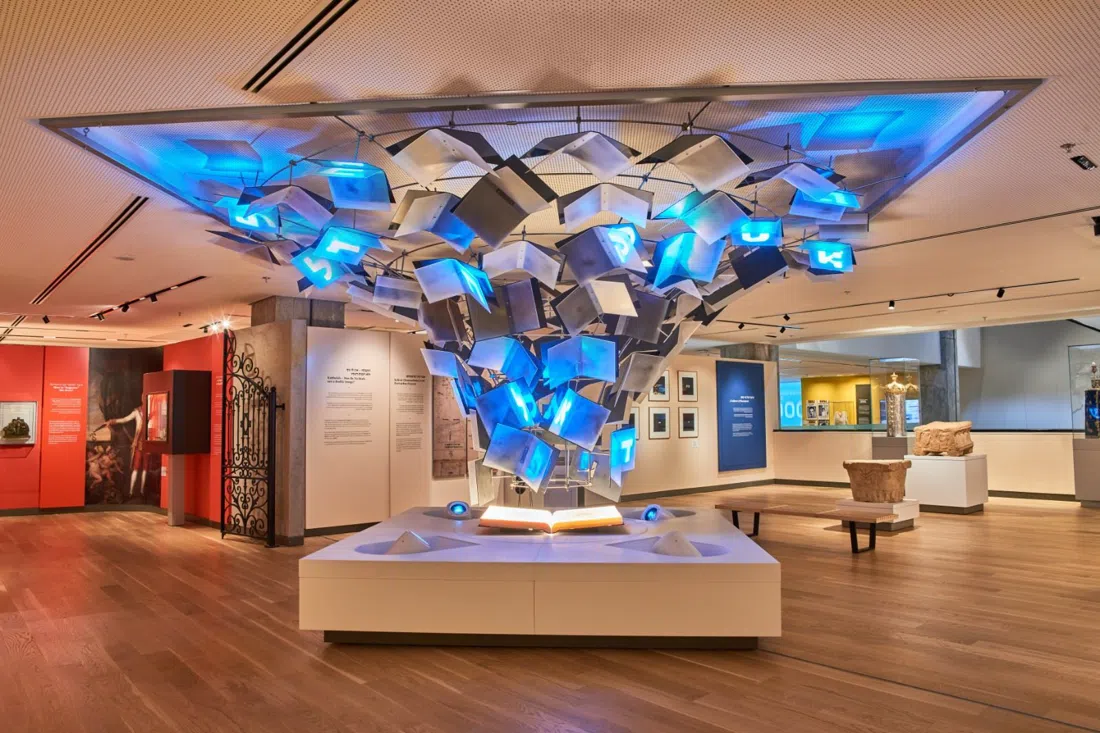
ANU – Museum of the Jewish People (Ramat Aviv, on the university campus) is the other genuinely large indoor day, and a very different kind of building. It was Beit Hatfutsot for decades, a museum of scale models and dioramas; the rebuild turned it into a narrative museum that runs top-down over three floors, and it now carries the argument rather than illustrating it. Allow two and a half hours, more if you read labels. Adult ₪52, concessions ₪42, and entry is free on Fridays if you book ahead, worth knowing, because Friday is the day half the city is shopping and cooking anyway. It is built for groups: advance-booked guided tours in English and several other languages, with school and tour-group slots as standard. One date to write down if you are here mid-month: it is closed on 11 October 2026.
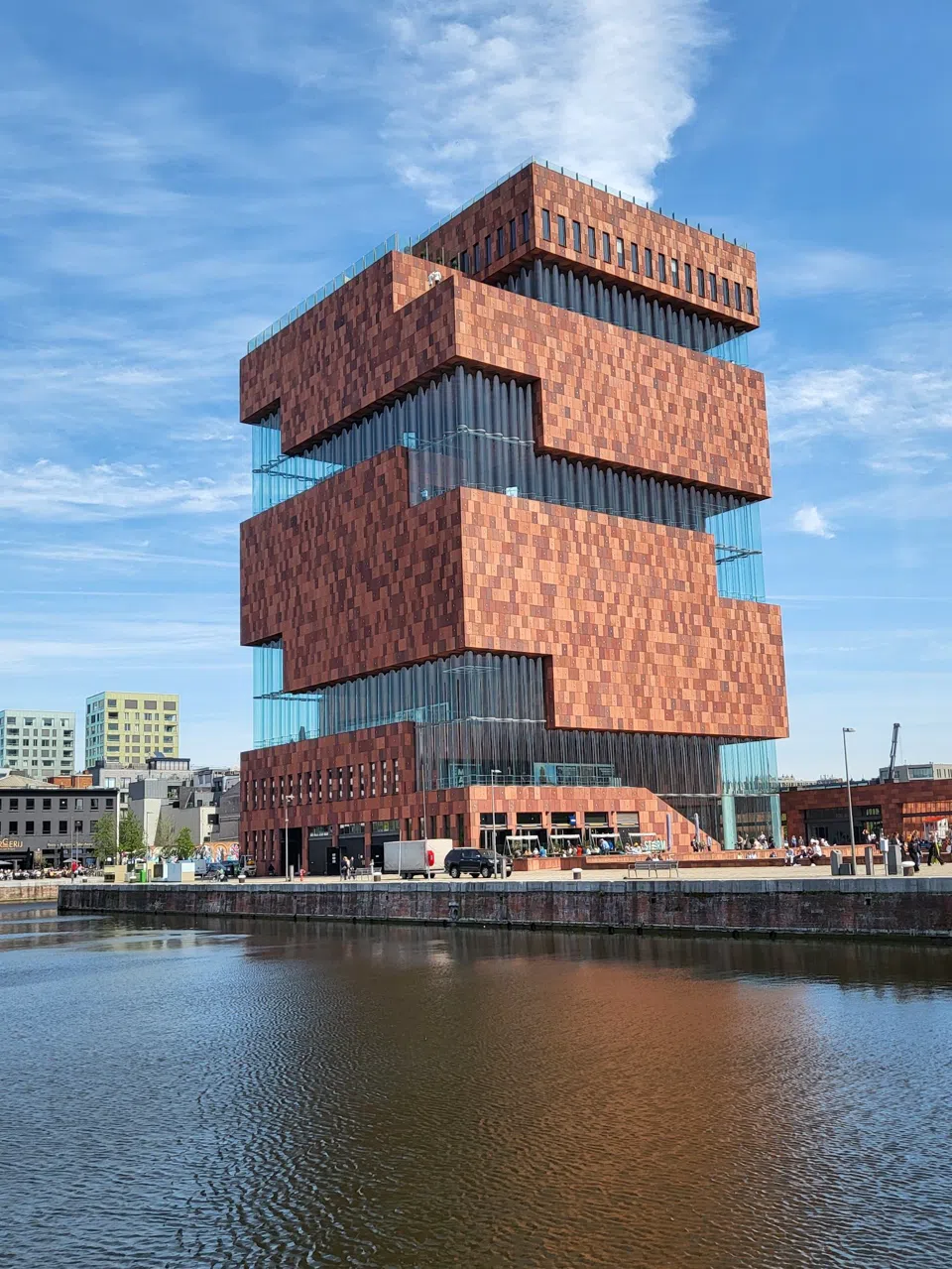
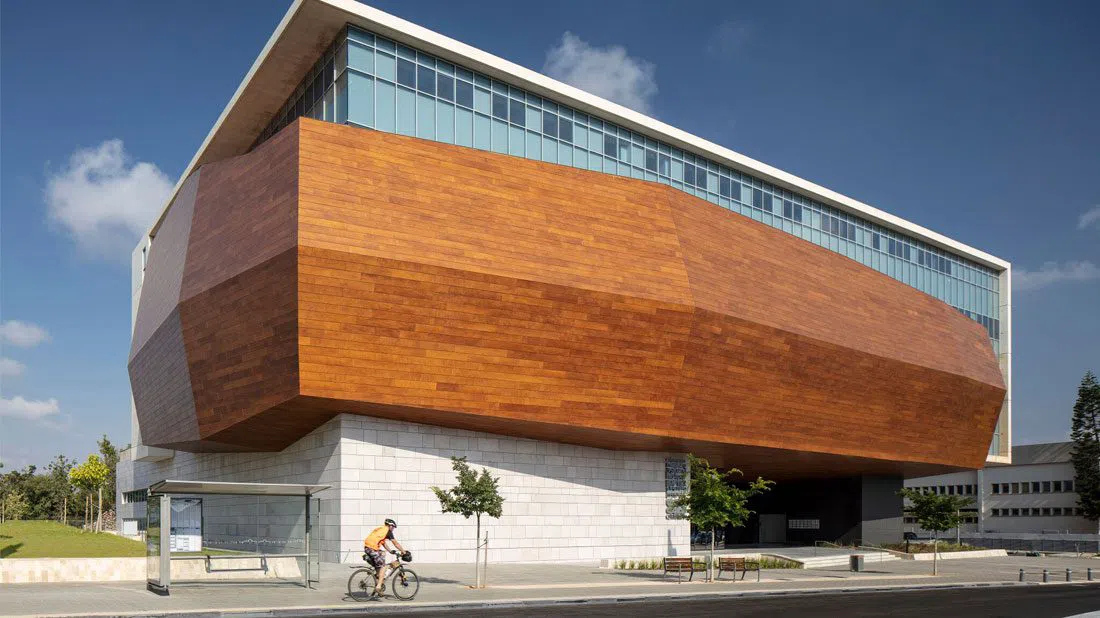
Steinhardt Museum of Natural History (Ramat Aviv, a few minutes' walk across the same campus) pairs with ANU on the same trip, and the walk between them is short enough to time between rain bands. This is the national collection: 5.5 million specimens, held in a building that reads as a stack of boxes. The captions run in Hebrew, English and Arabic, which is rarer in this city's museums than it should be, and it makes the difference if you are travelling with children who read none of them fluently. Adult ₪52, concessions ₪42, family of four ₪168. Tickets are sold online only, so decide before you leave the hotel rather than at the door. Hours shift with the season and last entry is two hours before closing, which catches people out on short October afternoons. Groups of ten to twenty can book a visit, and there is a 195-seat auditorium if you are travelling with something larger.
The city explaining itself out of the weather
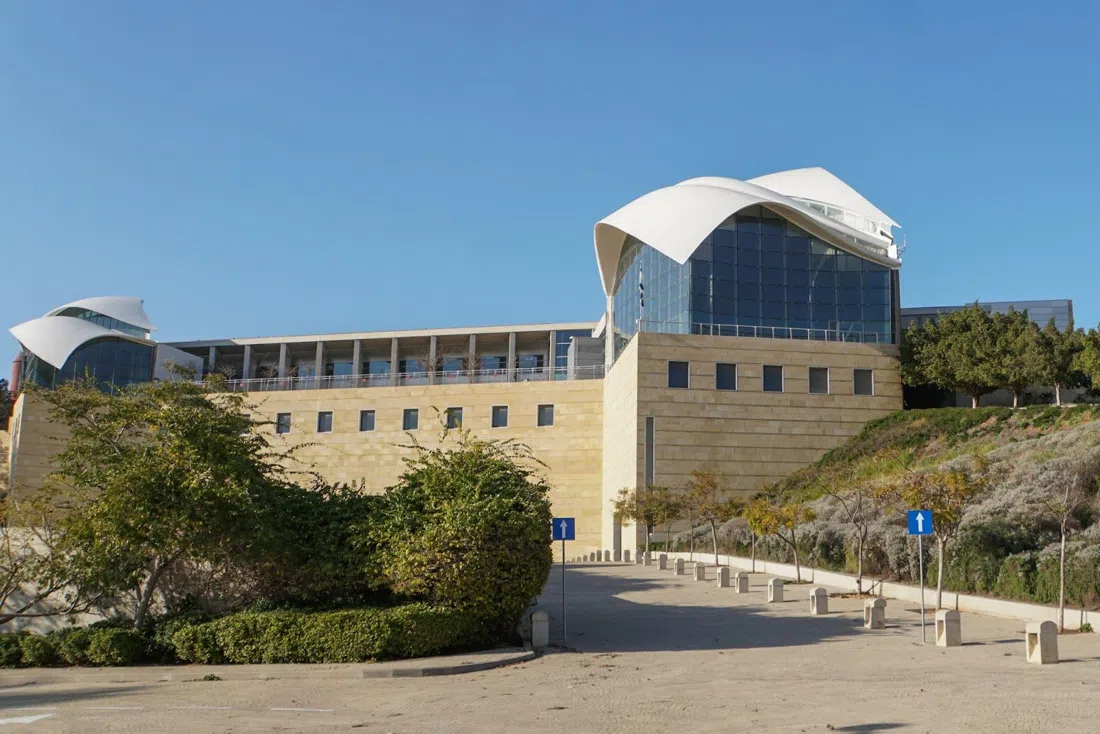
Yitzhak Rabin Center (Ramat Aviv, a short walk from the campus museums) is the clearest single account of modern Israel a visitor will get in one building, and it works because it tells the story through one life rather than trying to cover everything. You spiral upward through parallel timelines, the man on one side, the state on the other, and the assassination in 1995 happens a few kilometres from where you are standing, in the square that now carries his name. Guided tours run in English, Hebrew, Arabic, French, Spanish and Russian, and they must be booked in advance; the exhibition is not really designed to be wandered alone. Adult ₪50, concessions ₪25. It is closed on Saturdays and holidays, so this is a weekday plan, not a Shabbat one.
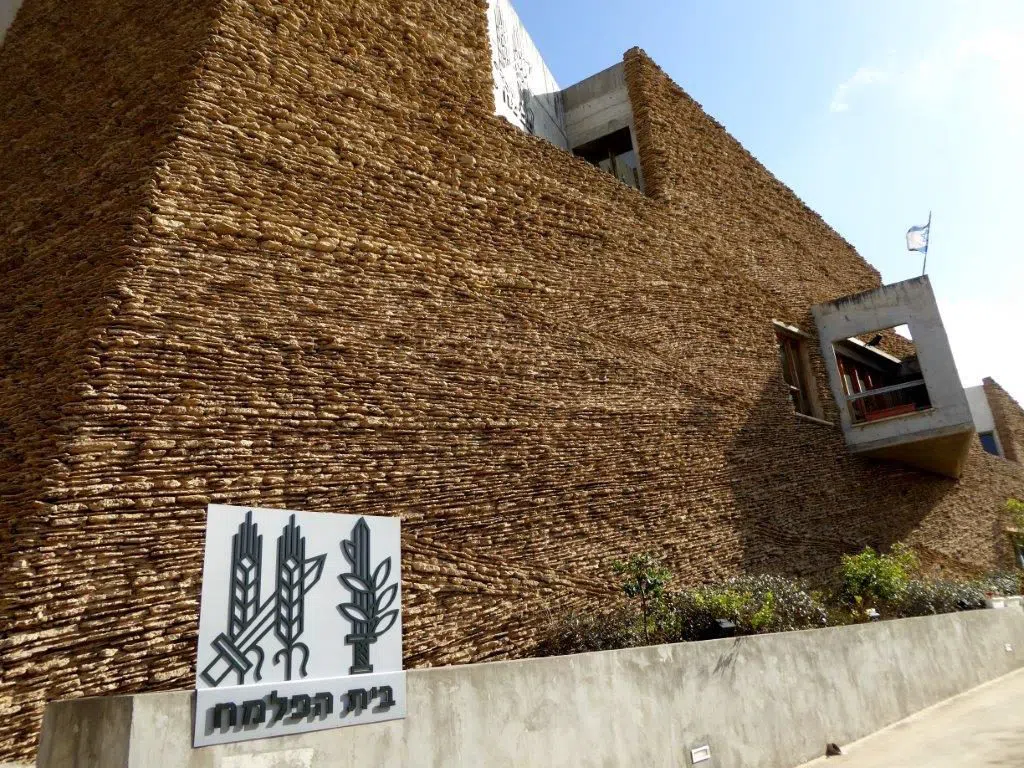
Palmach Museum (north Tel Aviv, on the same northern spine) is the most structured hour indoors in the city and the least flexible. You cannot wander in at all: entry is only on a booked 90-minute guided tour, up to roughly 25 people, in English, Spanish, French or Russian. There are no display cases either. You move through rooms as a group, following a squad of young recruits in the pre-state strike force of the 1940s, with the set changing around you. Reserve by phone or online, bring ID, and allow the full 90 minutes, because there is no leaving halfway through a room. Adult ₪30, child ₪20. For a family or a group of friends this is the best-value ticket on this list; for a solo traveller on a whim it is the worst, because you are tied to a slot.
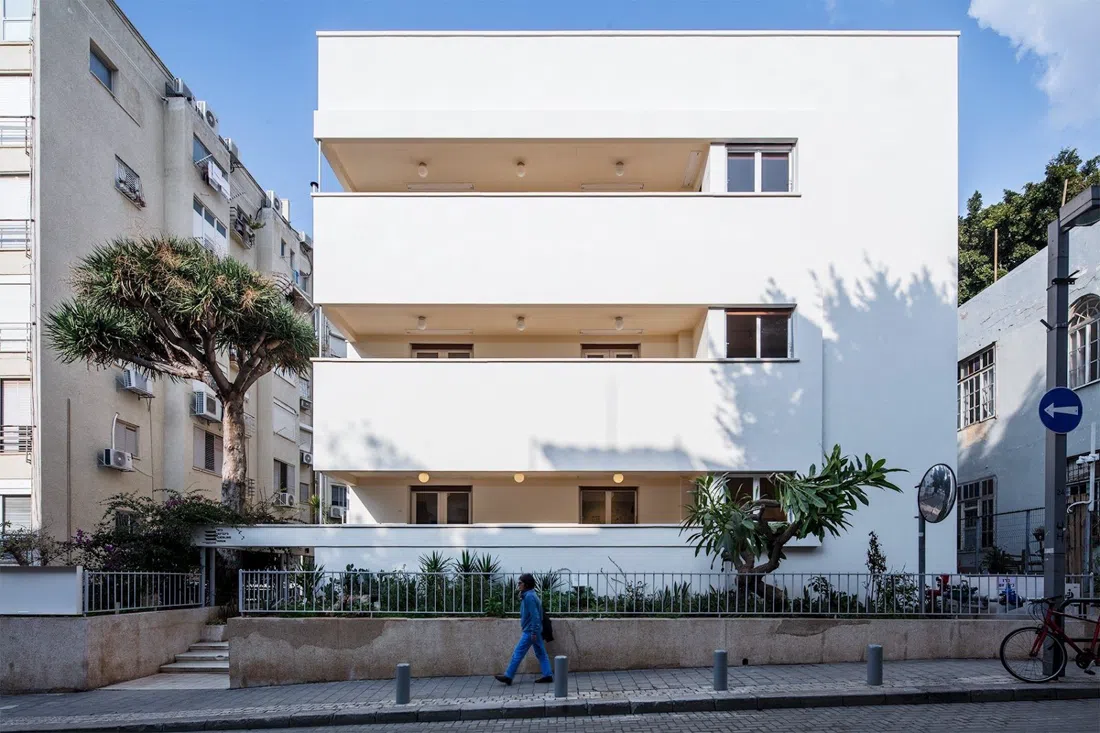
Liebling Haus – The White City Center (Idelson Street, a minute off Rothschild) is the honest way to understand Bauhaus Tel Aviv without walking the streets in a downpour. It occupies a 1936 apartment house, restored rather than prettified, and the point of the place is that you can see how the building was made: the cantilevered balconies, the thermal logic, the repairs. Entry is free; the café and the tours are charged separately. Current shows include 'Heritage of the Future', running to 26 December 2026. Guided Haus tours and workshops can be booked for groups, and there is a weekly White City walking tour at noon on Saturdays, though that one runs in Hebrew. If your Hebrew is not up to it, stay inside and take the Haus tour instead.
Houses you walk through room by room
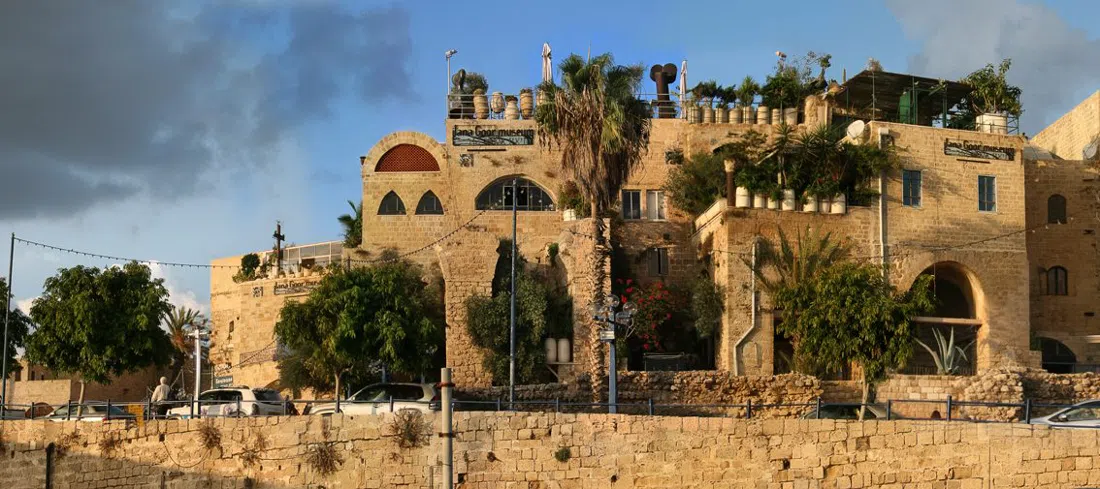
Ilana Goor Museum (Old Jaffa, in the lanes above the port) is still the artist's own house, which is why it earns a wet day. Rather than one large hall you get a sequence of interiors: an eighteenth-century stone building, sculpture in the stairwells, furniture you are not always sure is art, and a roof terrace you will look at rather than stand on if the rain is in. Under ₪50 for an adult, with tickets on the museum's own site. Guided tours in several languages can be arranged, but the rooms and stairs are genuinely tight, so groups are kept small. Call ahead rather than turning up with ten people. Note that the 'Out of the Box' tour is currently on hold.
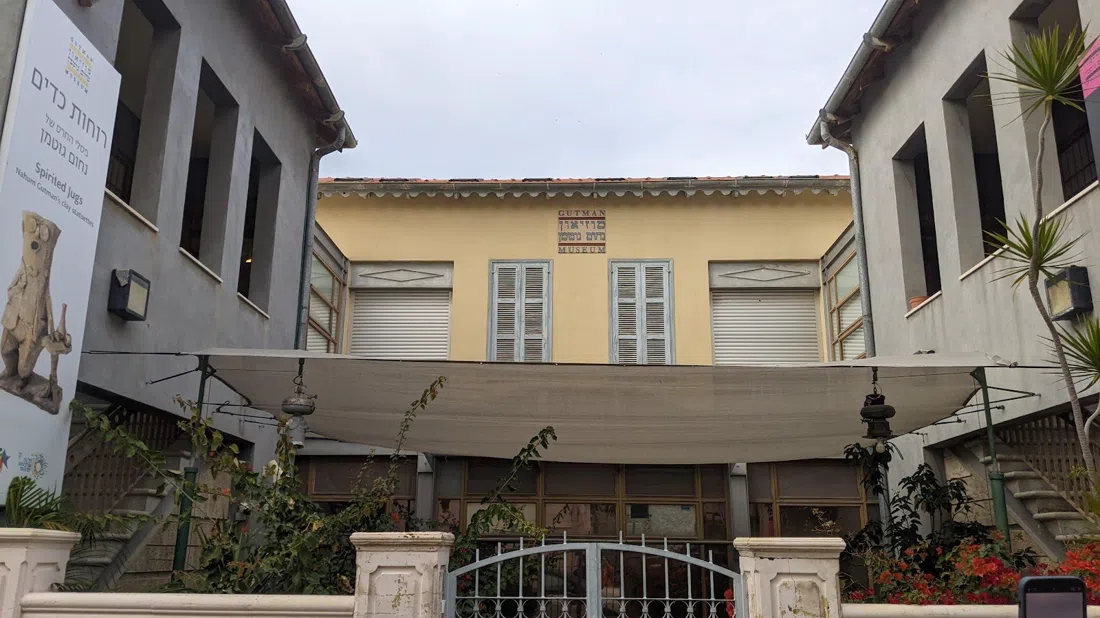
Nahum Gutman Museum of Art (Neve Tzedek) is a one-hour museum in the prettiest lane in the city, and it sits in the quarter that was built in 1887 as the first settlement outside the old town. Gutman painted that world, the sand, the donkeys, the young town, and seeing it two streets from where he saw it is the point. Roughly ₪25 to ₪30 for an adult. Small groups are fine and guided tours are available, but this is not a coach-party venue. Its real advantage in October is the calendar: it opens on Saturdays, which most museums here do not, and when the rain eases you are already standing in the part of town best suited to a slow wet-cobble walk.
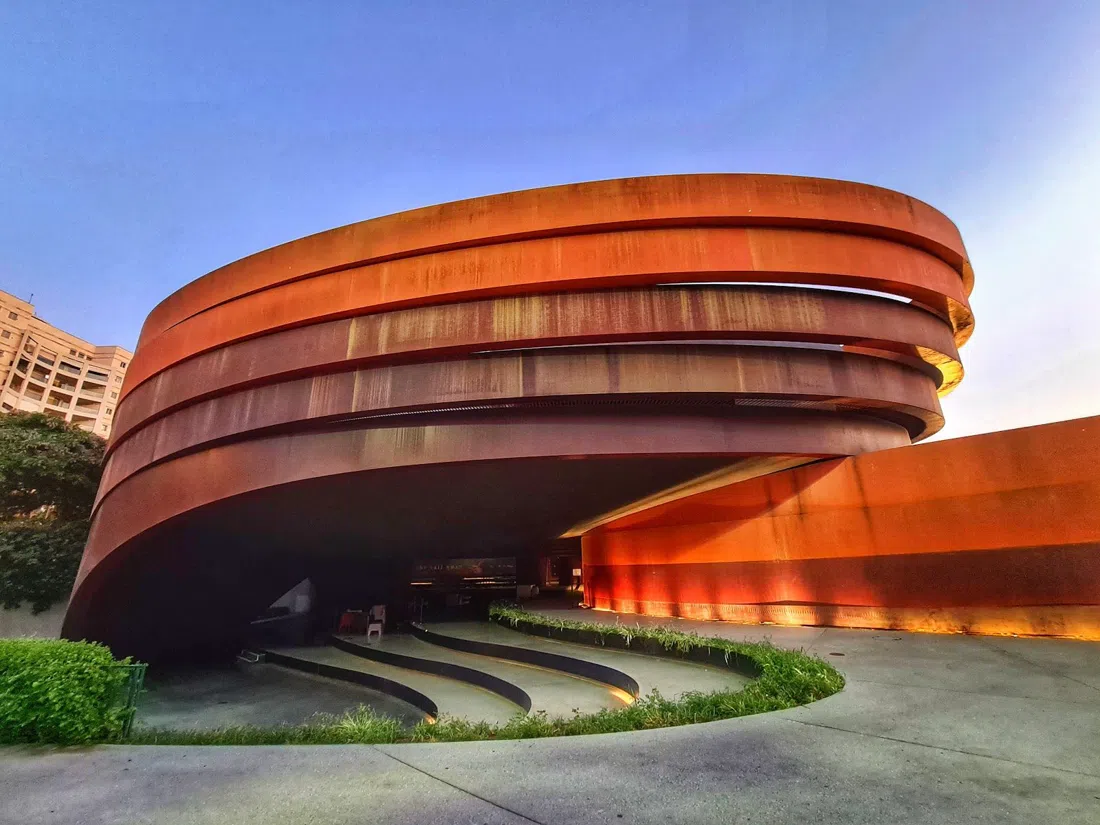
Design Museum Holon is twenty minutes south of the centre and worth the ride on a grey day, because the building, five ribbons of weathered steel wrapped around a courtyard, is the exhibit before you buy a ticket. Inside there are only two galleries, so a very large group will be split, and tours are arranged through the box office. Adult ₪45, youth ₪35, students ₪30. Closed Sundays. Go for the architecture and one good exhibition; do not go expecting to fill a whole afternoon.
Lunch when the beach morning has already failed
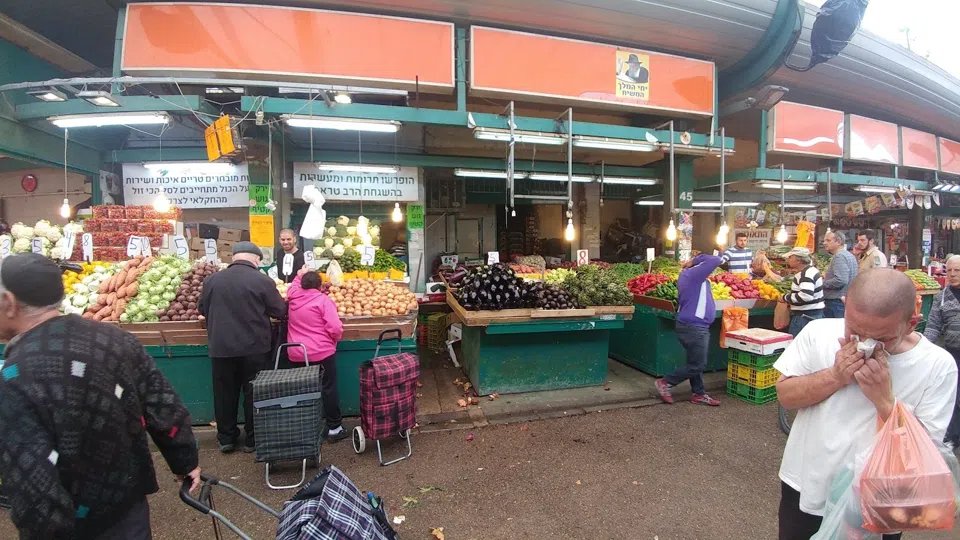
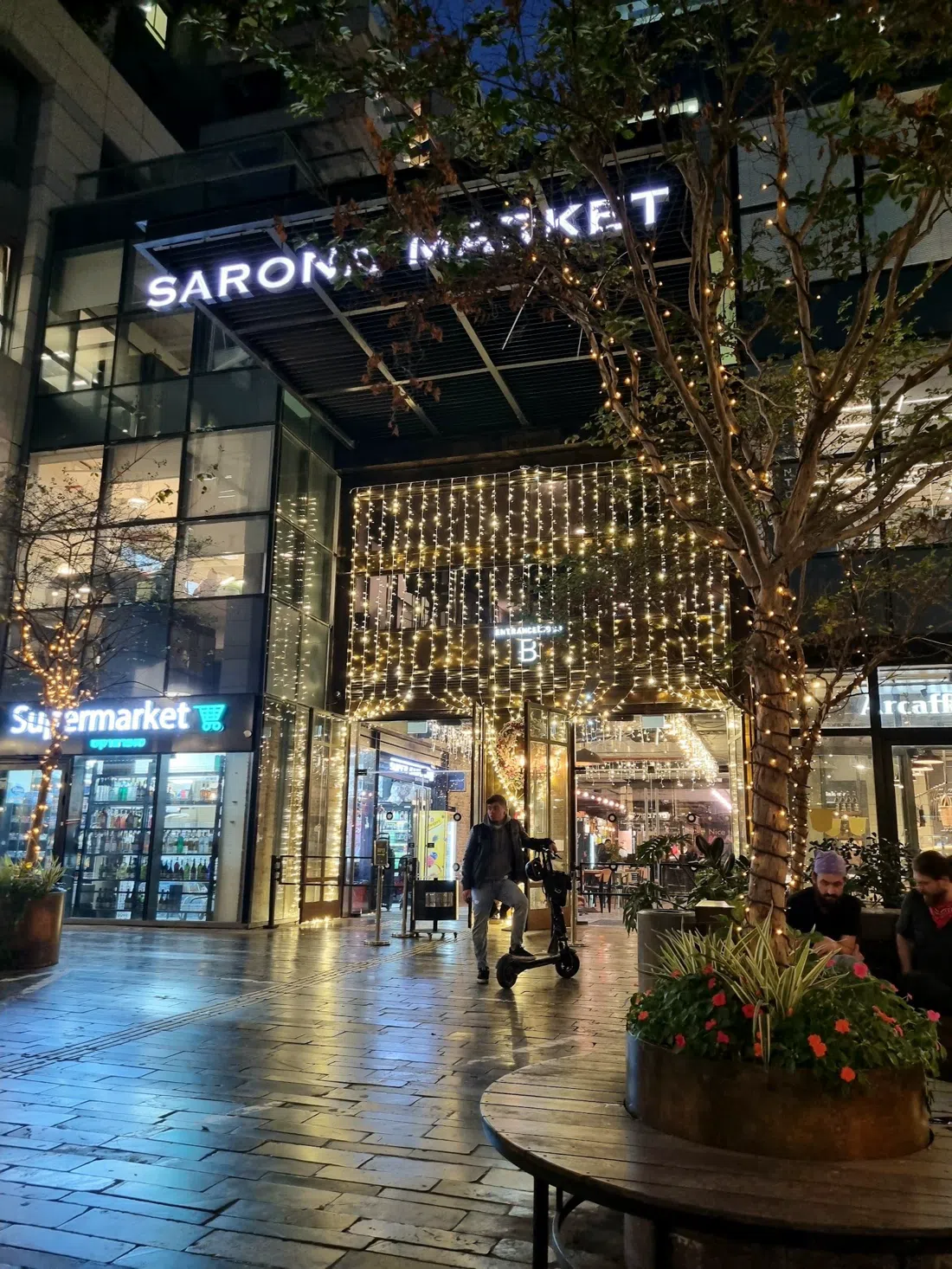
Sarona Market (Sarona, off Kaplan) is the default answer when the day collapses at breakfast. It is the country's largest indoor food market, sunk beneath a restored Templer farming compound whose 1870s houses still stand in the gardens above, and it opens seven days a week including Shabbat, which, on a wet Saturday, narrows the field considerably. There is no door policy: walk in with any number of people, split up, graze counters, regroup. Reckon ₪40 to ₪120 a head depending on how many counters you work through. Several of them take reservations, and the site lists event and private-hire options if you are feeding a real group. The one caveat is noise. This is not a place for a conversation you care about.
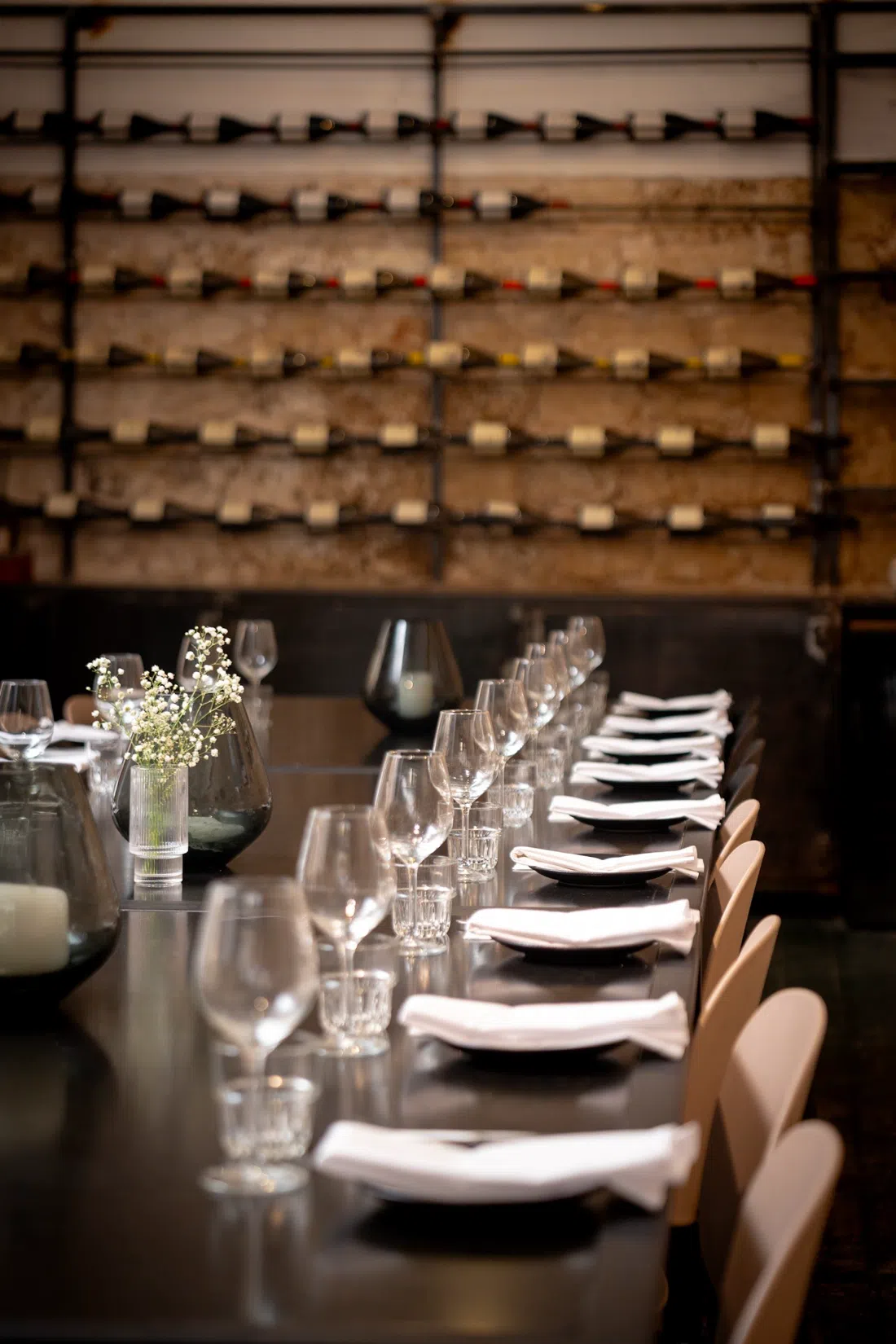
Beit Kandinof (Jaffa, on Rabbi Yohanan Street) is the evening version of the same idea: dinner, drinks and changing contemporary art under one very old roof, in a building whose vaults and courtyard do more for a rainy night than any amount of design. Mains run roughly ₪50 to ₪95, and happy hour is 18:00 to 19:00 Monday to Thursday. It opens at 18:00 Sunday to Thursday, with afternoon hours on Friday and Saturday. Group bookings and private events are taken, but reserve either way, because the rooms are small and they fill fast when the weather turns.
Evenings that need a ticket in hand
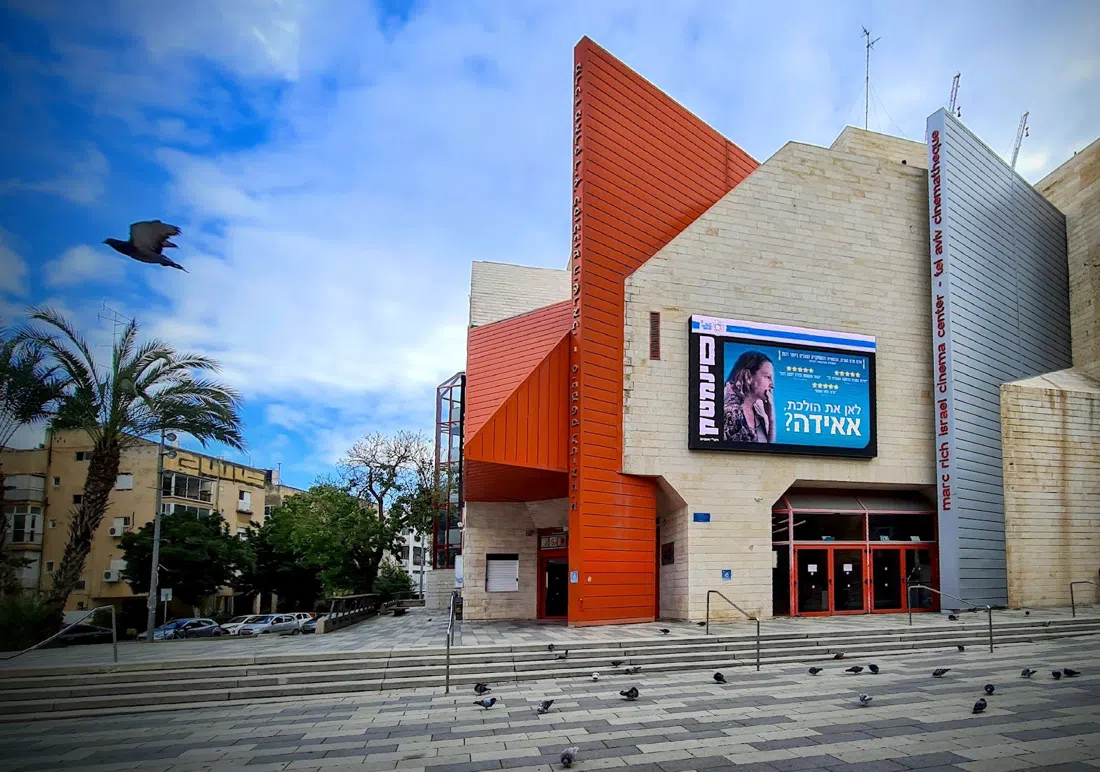
Tel Aviv Cinematheque (Ha'Arba'a Street, walking distance from Sarona) is the low-effort fix. The programme runs from restored prints (Blade Runner turns up regularly) to new documentaries, and many titles carry English subtitles, though you need to check per screening rather than assume. Tickets are about ₪45, with membership discounts, and you can buy a block of seats online for any size of group; there is no door policy to negotiate. If you are here in the last ten days of the month, TLVFest, the city's LGBTQ+ film festival, takes over the building from 22 to 31 October 2026, which is worth planning around in either direction.
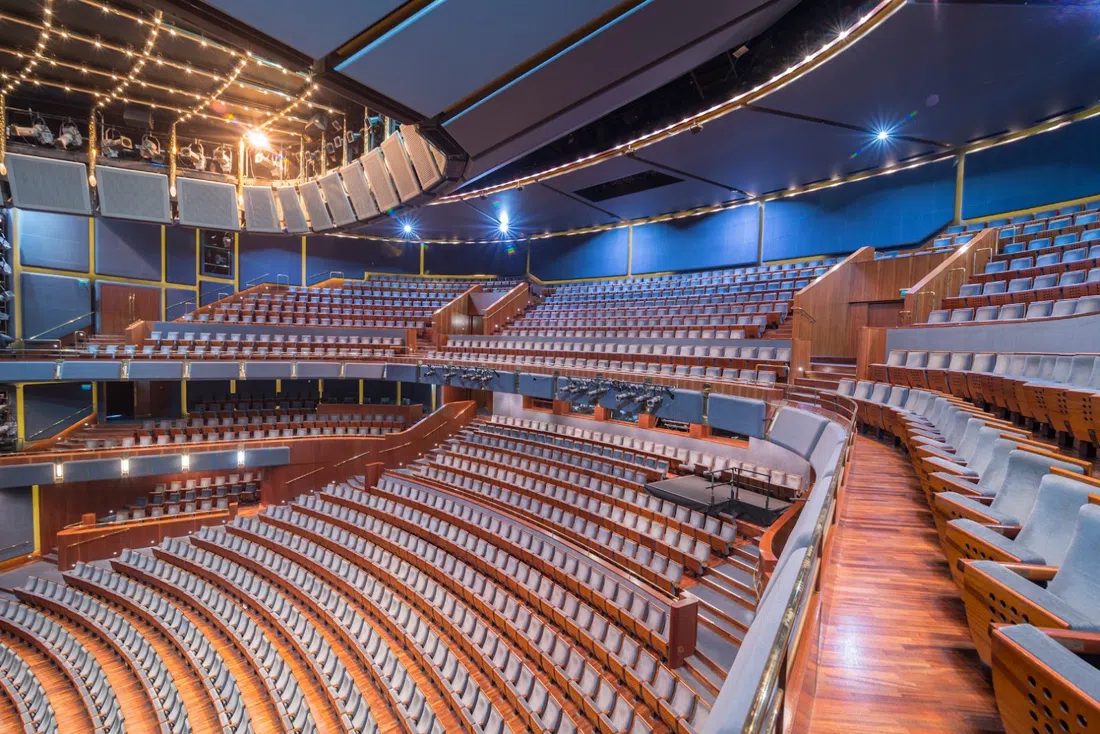
The Israeli Opera (Shaul HaMelech, in the performing arts centre beside the art museum) is the one indoor evening that needs booking well ahead. Mozart's The Magic Flute opens the 2026-27 season on 16 October 2026, and seats run roughly ₪200 to ₪500. The main auditorium holds around 1,500, so there is real capacity, and there is a dedicated subscription and group booking desk on 03-6927777. Use it rather than trying to assemble a party seat by seat online.
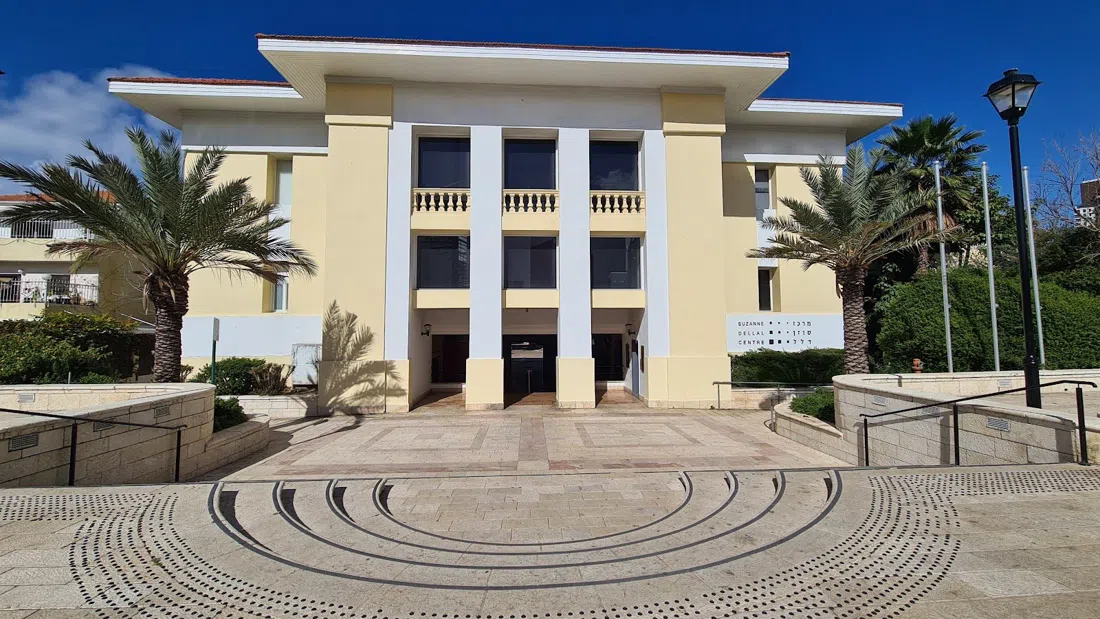
Suzanne Dellal Centre for Dance and Theatre (Neve Tzedek, five minutes from the Gutman museum) is the home stage of Israeli contemporary dance, set in restored 1890s school buildings around a courtyard. It is the right recommendation for visitors with no Hebrew, because the art form does not need any, and with more than 750 events a year, availability is wide. Tickets run about ₪120 to ₪250 and groups book through the ticket office on 03-5105656. One warning: renovations are under way and some performances are relocating to Arison Hall on Saadia Gaon Street, so read the address on your ticket rather than walking to the courtyard out of habit.
One small room, two or three people
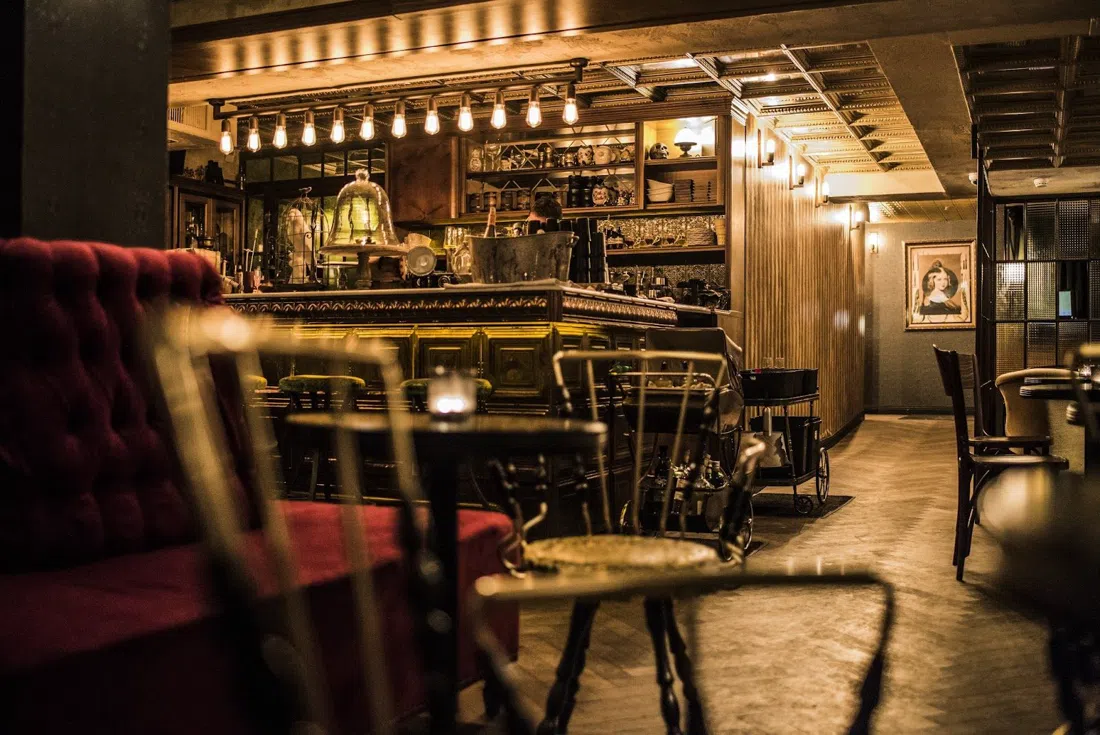
Bellboy (Berdichevsky Street, below the hotel of the same name) is the most theatrical hour indoors in the city and, for a group, the worst bet on this page. The room is small, there is no large-party door policy, and you should expect to queue. This is a place for two to four people who do not mind standing in a doorway for twenty minutes. Cocktails run about ₪60 to ₪80, it holds a World's 50 Best Discovery listing, and its sister bar Butler sits behind it with twelve stools, which tells you everything about scale. Daily 18:00 to 03:00. If you are six or more on a wet night, book a table at Beit Kandinof instead and drink there.
Getting around a wet week
Buses and the light rail both take a Rav-Kav card or a payment app; buy or load one at any station and stop thinking about it. Public transport stops from Friday afternoon until Saturday evening, so a rainy Shabbat means share taxis, a ride-hailing app, or planning a day you can walk, which is one more argument for anchoring on Neve Tzedek or Jaffa, where three of these venues sit within fifteen minutes of each other on foot. The northern cluster (ANU, Steinhardt, the Rabin Center, the Palmach Museum) is one bus ride over the Yarkon and is best done as a single weekday trip, since two of the four close at weekends or on holidays.
Prices are in shekels and cards work almost everywhere, including at market counters; still, carry a couple of hundred in cash for a taxi driver who would rather not tap. Book what has to be booked: Steinhardt sells online only, the Palmach Museum admits no one without a reserved tour, the Rabin Center wants its tours arranged in advance, and the opera will be gone if you leave it to the day. Budget roughly ₪110 for two museums, ₪60 to ₪80 for lunch at a market counter, ₪45 for a film, and ₪200 upward if you are adding a stage.
One last piece of timing. October afternoons close earlier than you expect, several museums stop admitting two hours before they shut, and the rain tends to come through in the late afternoon rather than the morning. Put the big collection first, the house museum second, and the ticketed evening last, and the weather has to work around you. If you are still deciding where to sleep, a central base between Rothschild and Neve Tzedek puts most of this within walking distance; compare rates on the Tel Aviv hotel search. For the dry-weather version of the same city, the markets, the coastline, the food, start with the Tel Aviv guide.
Questions
Does it really rain in Tel Aviv in October?
Usually only in the second half of the month, and in short heavy bands rather than all-day grey. Most October days stay warm and dry; the first front of the season typically comes in after the middle of the month, drops a lot of water in twenty minutes, then clears. Plan one indoor anchor a day and you will rarely lose a whole day.
Which museums are open on Saturday?
Fewer than you would hope. The Nahum Gutman Museum of Art opens Saturdays, which is unusual here, and Sarona Market opens seven days a week including Shabbat. The Yitzhak Rabin Center is closed Saturdays and holidays; the Tel Aviv Museum of Art and Design Museum Holon are closed Sundays. Check each one before crossing town.
Can you still swim in Tel Aviv in October?
Yes. The sea holds its summer warmth well into the month and is often warmer than the air on an overcast morning. What changes is the surf and the lifeguard schedule after the first fronts arrive, so treat a grey day as a swim-then-museum day rather than a beach day.
What has to be booked in advance?
The Palmach Museum admits no one without a reserved 90-minute guided tour, the Steinhardt Museum of Natural History sells tickets online only, the Yitzhak Rabin Center wants its guided tours arranged ahead, ANU's free Friday entry must be pre-booked, and the opera and dance tickets go early. Bellboy takes no large-party bookings at all, so you queue.
What does a rainy day in Tel Aviv cost?
Roughly ₪110 for two museums (most adult tickets sit at ₪45 to 55), ₪40 to 120 a head at Sarona Market depending on how many counters you graze, about ₪45 for a film at the Cinematheque, ₪120 to 250 for dance, and ₪200 to 500 for an opera seat. Liebling Haus is free.
First published on telavivguides.com, the Tel Aviv guide.