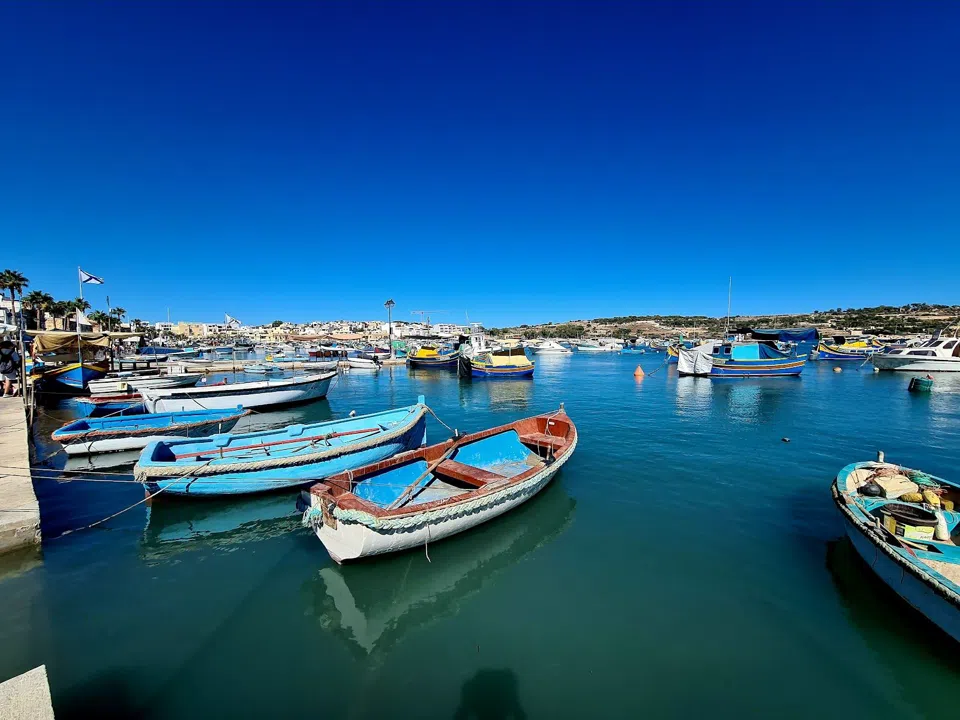
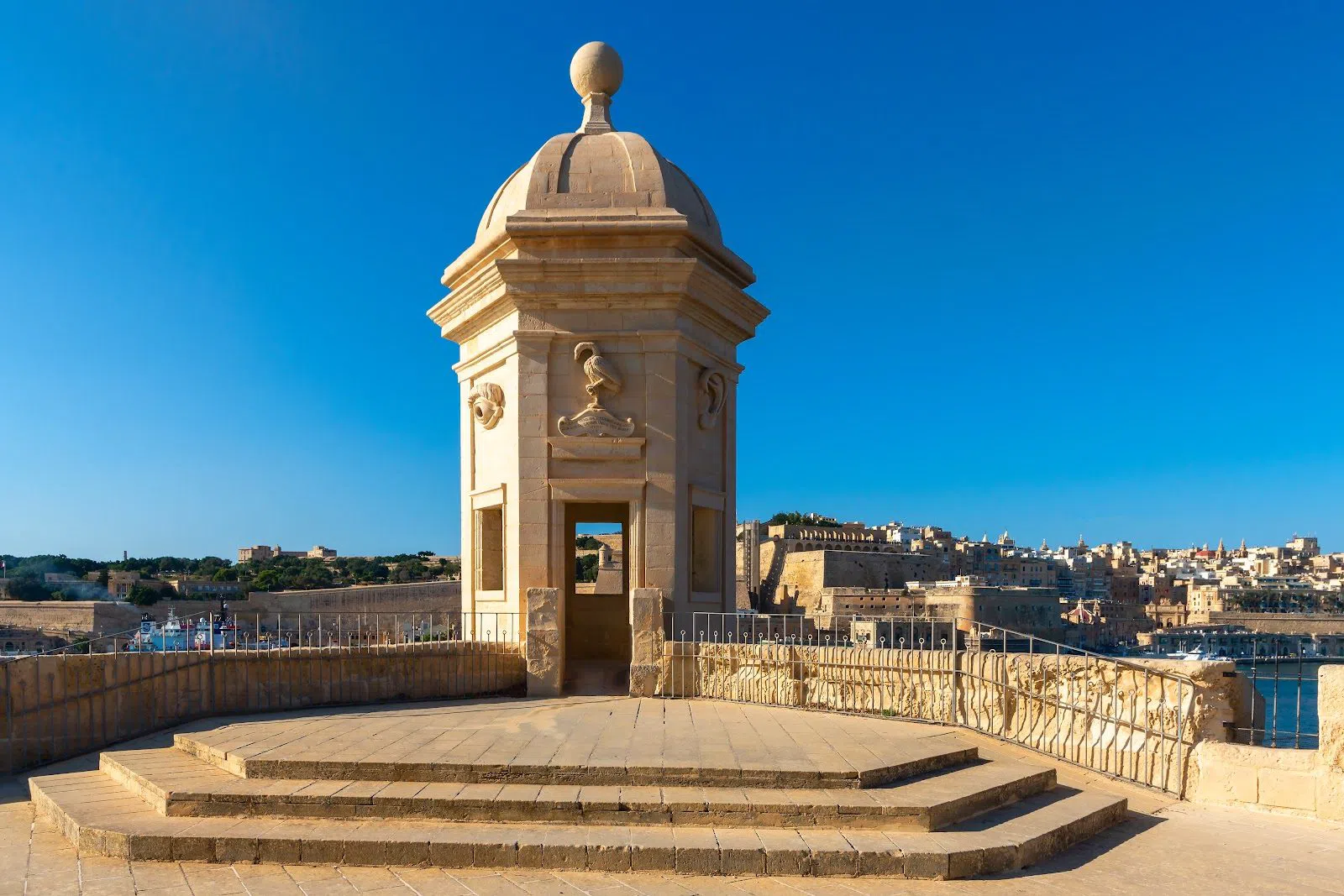
Senglea is a peninsula about six hundred metres long, one street running down its spine, and a stone watchtower where the land stops. Valletta stands directly opposite across the Grand Harbour, near enough that you hear the gun fired from its bastions at four in the afternoon. Most visitors give the place twenty minutes, take the photograph everyone takes from the corner of a small garden, and leave on the next boat.
What Senglea actually is
The town fills a narrow finger of rock between two creeks, and the geography does the navigating for you. Enter at the landward end, keep walking downhill, and you arrive at the point. The ridge street is lined with flat-fronted limestone houses and enclosed wooden balconies, a good share of them post-war: this was one of the most heavily bombed places in Malta during the siege, and much of what you see was rebuilt on the old plots. That is why the streetscape reads as ancient and recent at once.
It is a residential town rather than a heritage site. Nobody takes a ticket at the gate, there is no visitor centre, and the shops are shops. You pass grocers' doorways, cats asleep on warm stone, laundry over the street, and usually someone repainting a boat by hand at the water's edge. Expect people to be going about a Tuesday.
Budget ninety minutes to walk Senglea itself properly. Three to four hours covers it with the waterfront promenade and one paid museum added. A full day works if you are staying for dinner. The ground drops steadily from the top of the town to the water, so the way down is effortless and the way back up is the part people underestimate in July and August. It is a continuous slope of a few hundred metres, not steps, but it is exposed.
The vedette at the end of the point
Gardjola Gardens (Safe Haven Gardens), at the very tip of the Senglea peninsula, is the thing you came for. It is a small walled garden on the bastion corner, free, unticketed and open air, with a stone sentry box, the vedette, cantilevered out over the water. The carvings on it are an eye and an ear: a watch that was meant never to sleep. From the wall beside it you get the whole harbour in one turn of the head: Valletta's bastions opposite, the creek and the boatyards below, cruise ships coming in past the breakwater.
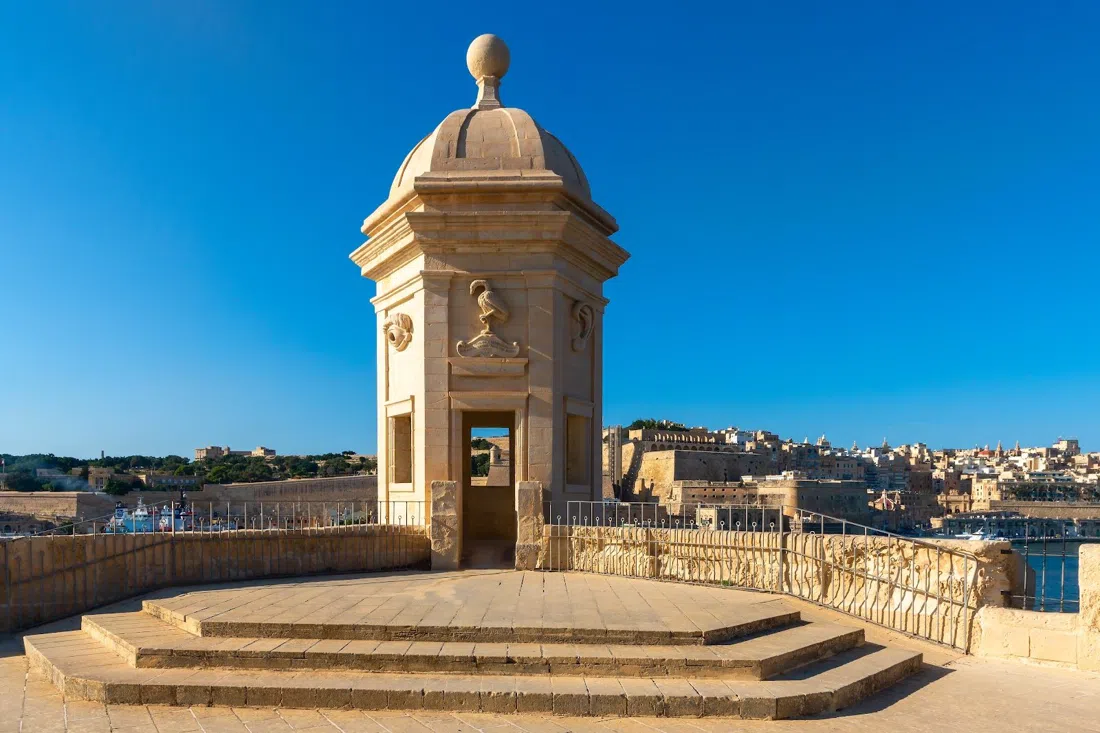
The problem is scale. The garden holds a fair number of people, but the platform beside the vedette where the photograph actually works takes a handful at a time, and there is no queue system, just people politely taking turns. From roughly 11:00 to 15:00 the coach groups arrive and that narrow terrace is where they all stand. Come before 09:00 and you will often have it to yourself. The other good window is shortly before 16:00, when the gun is fired from the Valletta side and everyone on the wall turns to watch it.
Twenty to thirty minutes is enough here unless you sit down, which is worth doing. Bring water; there is shade under the trees but none at the corner itself.
The basilica on the way down
Basilica of the Nativity of Mary (Our Lady of Victories), standing over the Senglea ridge street, is the town's emotional centre rather than a museum piece. Entry is free outside services with a donation box inside, and the dress code is the usual one: shoulders and knees covered. Fifteen to twenty minutes is plenty unless you want to sit.
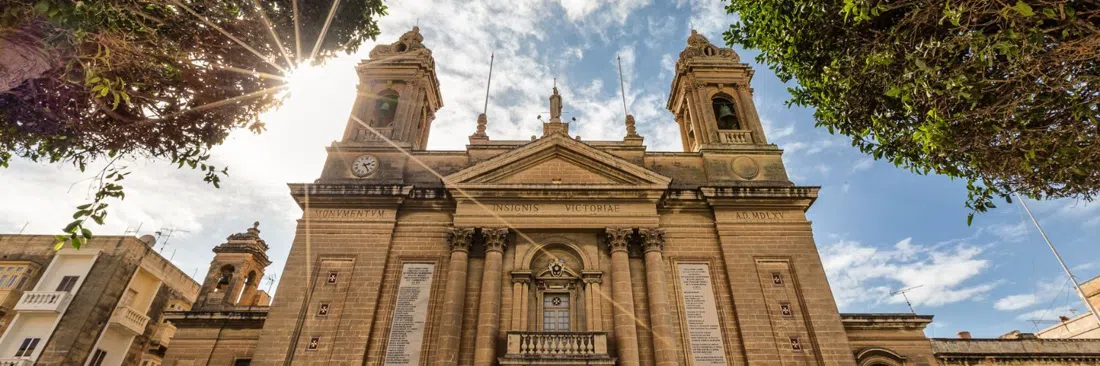
The statue known locally as il-Bambina is genuinely venerated here, not displayed, and that changes how you behave in the building. Keep quiet if Mass is running. A couple or a small group can come and go at almost any hour without friction; a large organised group should stay away on Sunday mornings entirely. In September the town's feast takes over the streets for days: colour, bands, crowds and no parking anywhere. Plan around it or plan for it, but do not arrive unaware.
Crossing the harbour
Valletta Ferry Services runs the walk-on public boat between Valletta and the Three Cities: no booking, no allocated seat, roughly every half hour in summer and less often in winter. A single is €2.00 in summer and €1.50 in winter, or €0.75 with a Tallinja card. Groups simply board. The crossing takes a few minutes and gives you the harbour from water level, which is the view the postcards do not have.
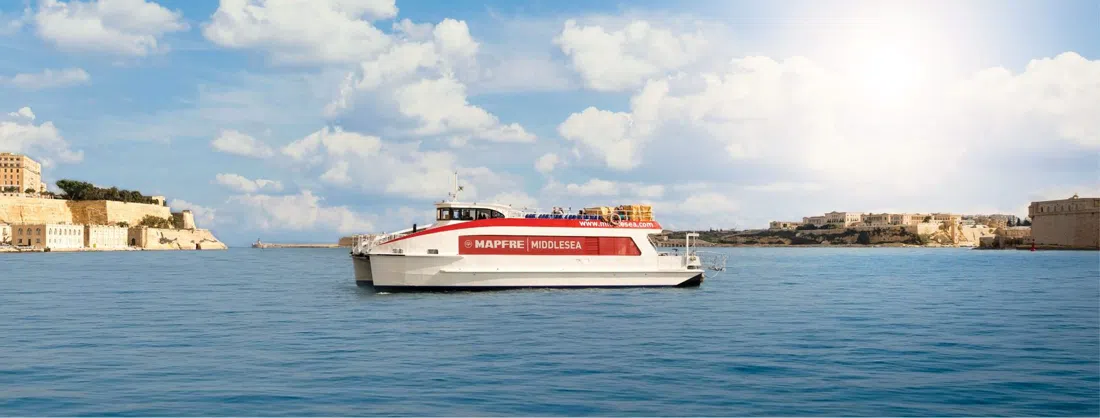
The ferry lands at Cospicua, not at Senglea. From the terminal it is a flat ten-minute walk round the head of the creek to Gardjola Gardens. Nothing about it is difficult, but if you have timed your arrival for the 16:00 gun, leave on the boat before the one you think you need.
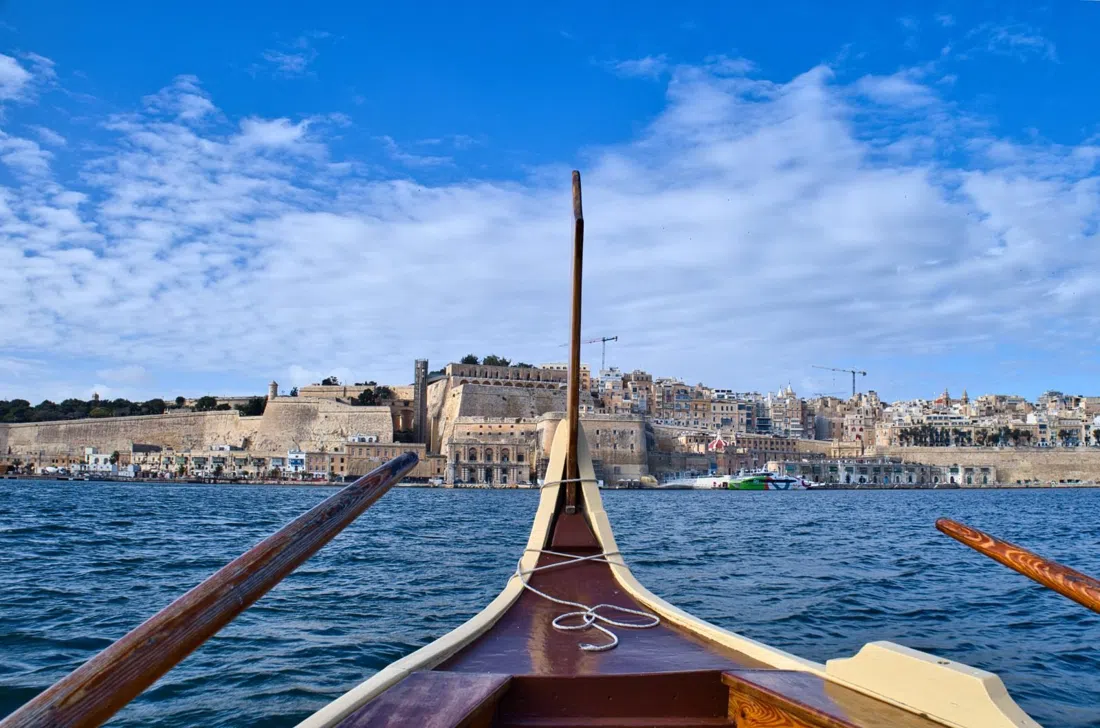
The alternative is Koperattiva tal-Barklori, the boatmen's own co-operative working the Senglea and Birgu quays in traditional dgħajjes, high-prowed wooden boats rowed or motored by the men who own them. This is not a packaged product; it is a working crossing that tourists also use. The public crossing rate is around €2-3 per person and a short spin around the harbour runs to roughly €10 per person. It is cash only. Agree the price before you step in, and if someone quotes you something well above the crossing rate for a crossing, say so plainly. Each boat takes a small party, so a group of twelve means three or four boats. Phone +356 27805278 to organise anything of that size rather than turning up and negotiating on the quay.
The flat walk round the creek
Grand Harbour Marina (Vittoriosa Yacht Marina), along the quay between Senglea and Birgu, is free to walk and open at any hour. The promenade is public, level and partly shaded, and it takes about ten minutes end to end. The berths and the restaurant strip along it are private businesses, so you are walking past yachts rather than among them.
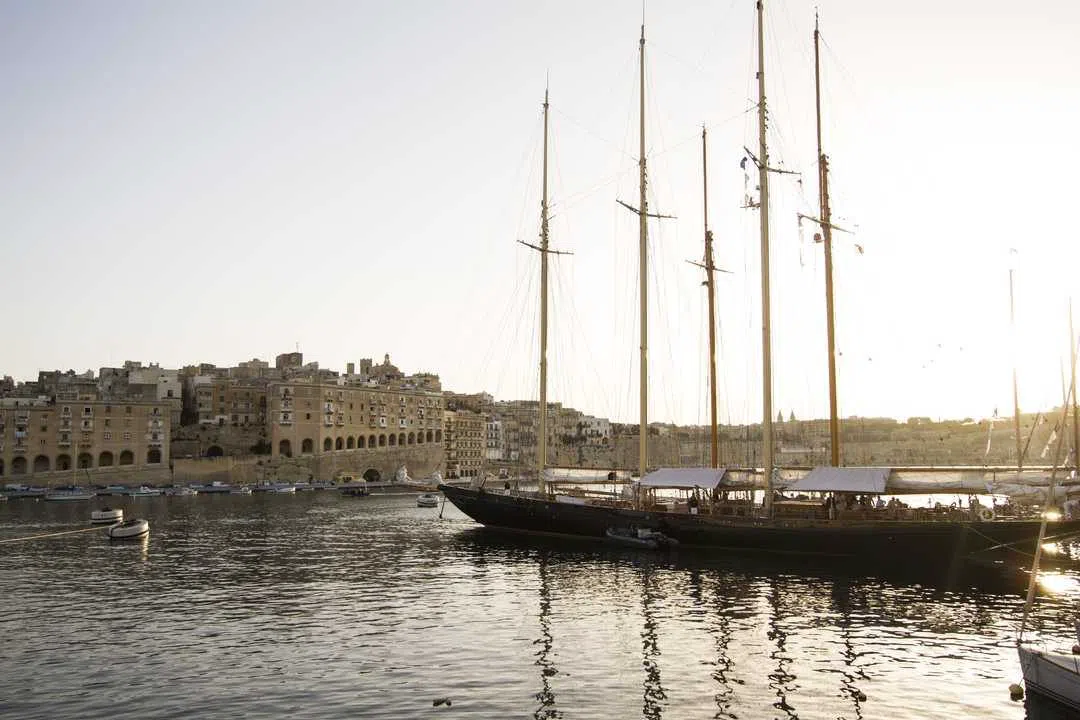
This is the route to use if anyone in your party has a pushchair, a bad knee or no appetite for gradients. It is the only way to link the two towns without climbing anything, and it is pleasant at dusk when the masts start clinking.
The paid sights within ten minutes
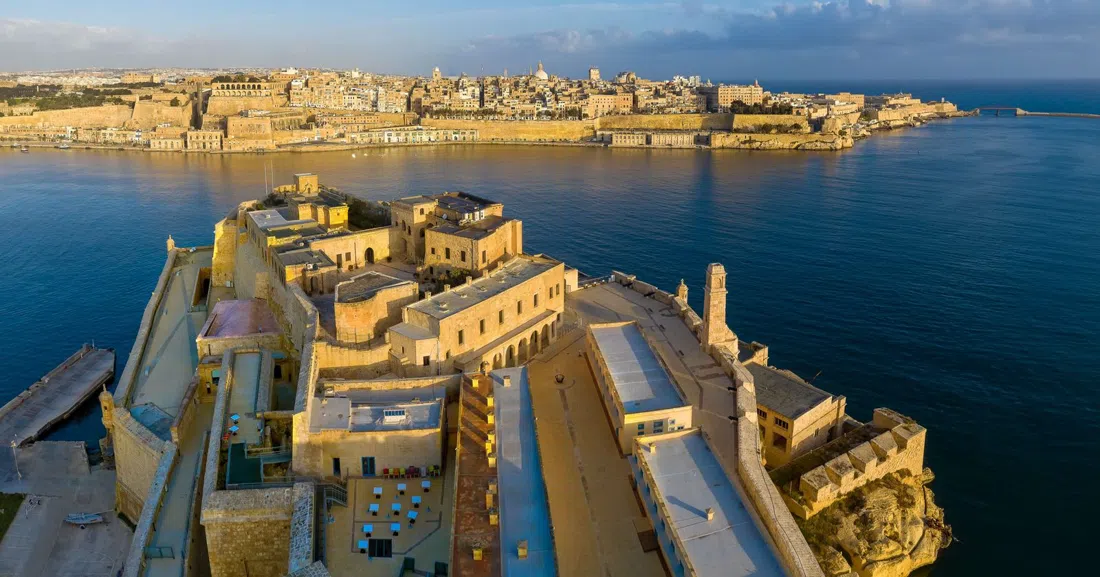
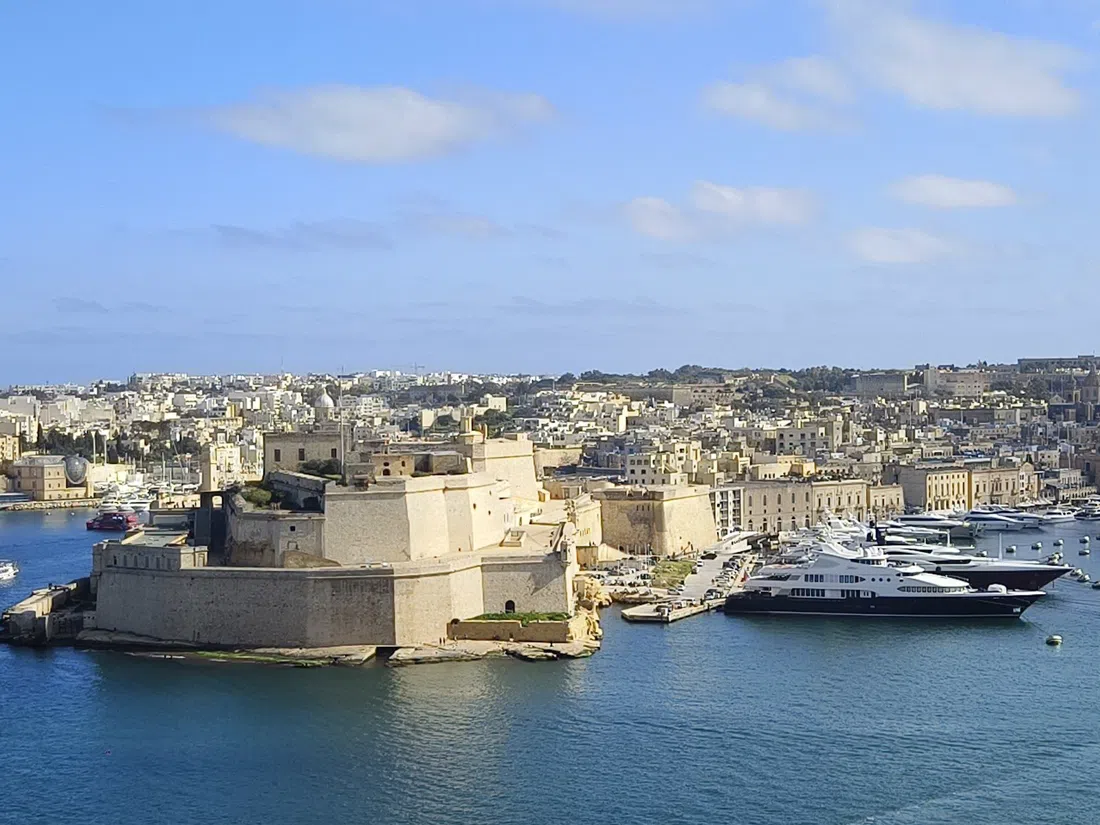
Fort St Angelo, on the Birgu point across the creek, is the counter-view to Gardjola Gardens: you look back at Senglea from it, and the scale of the harbour finally makes sense. Entry is €10 adult, €6 youth, senior or student, €4 child aged 6-11. Allow about two hours. Group bookings and audio guides in seven languages are available. The upper fort is reached only by steps, so the site is partly inaccessible to anyone who cannot manage them. Heritage Malta runs a live timetable rather than fixed year-round hours, so phone before you commit an afternoon to it.
Inquisitor's Palace, a few streets inland in Birgu, is €6 adult, €4.50 concession, €3 child 6-11. It is one of very few Inquisition palaces in Europe open to the public, and it is never crowded, so pre-booking only really matters on festival weekends or for an organised group. If the weather turns, this is the hour to spend indoors.

Malta at War Museum, near the Birgu land gate, costs €14 adult, €12 concession, €8 child aged 7-15, and opens Mon-Sat 10:00-16:30 with last entry at 16:00, closed Sundays and public holidays. The rock-cut air-raid shelter beneath it is the point of the visit rather than the galleries above. Allow an hour to ninety minutes. The tunnels are narrow and noticeably cool, so bring a layer even in summer and skip it if confined spaces bother you. It is also the single site that explains why so much of Senglea looks rebuilt.
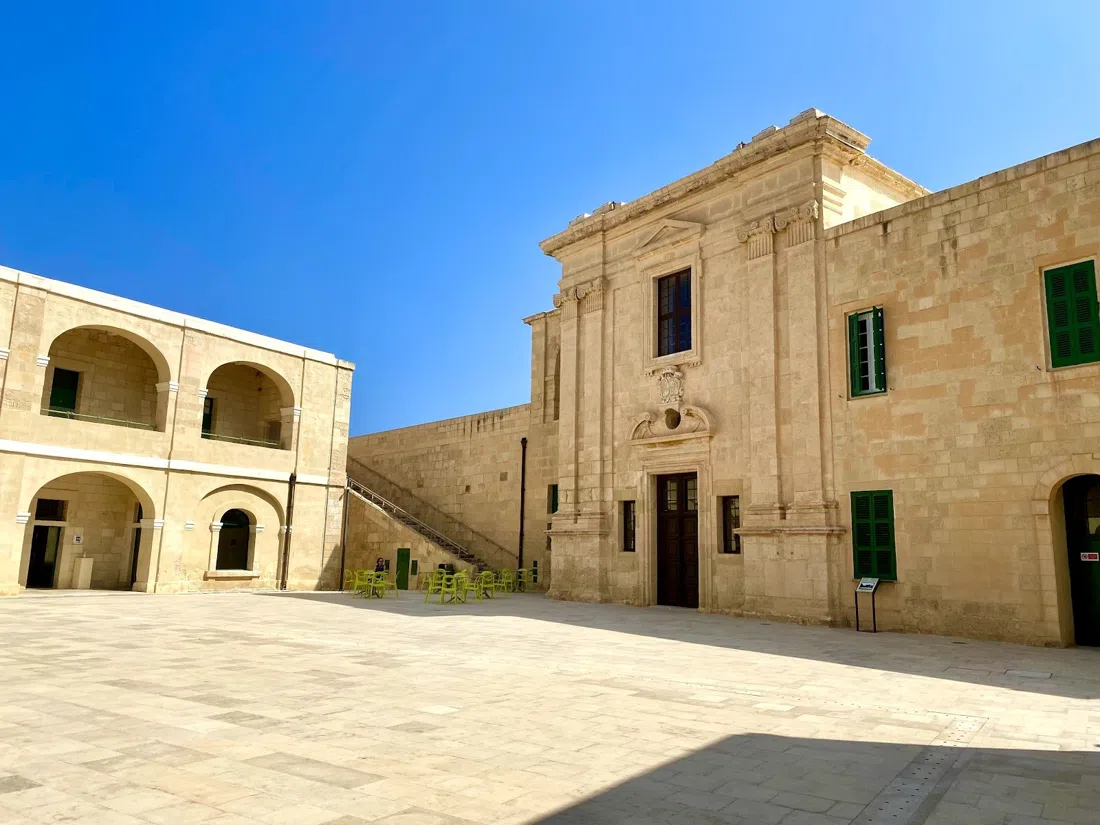
Saluting Battery, Upper Barrakka, on the Valletta side of the water, fires Mon-Sat at noon and 16:00. Tickets are €6 adult, €3 child 5-15, €15 family. Arrive fifteen minutes before the firing and buy in advance; groups should pre-book. Watching from the gardens is free and watching from the battery is paid, and doing both on the same trip is the complete version of the experience.
Eating on the Senglea seafront
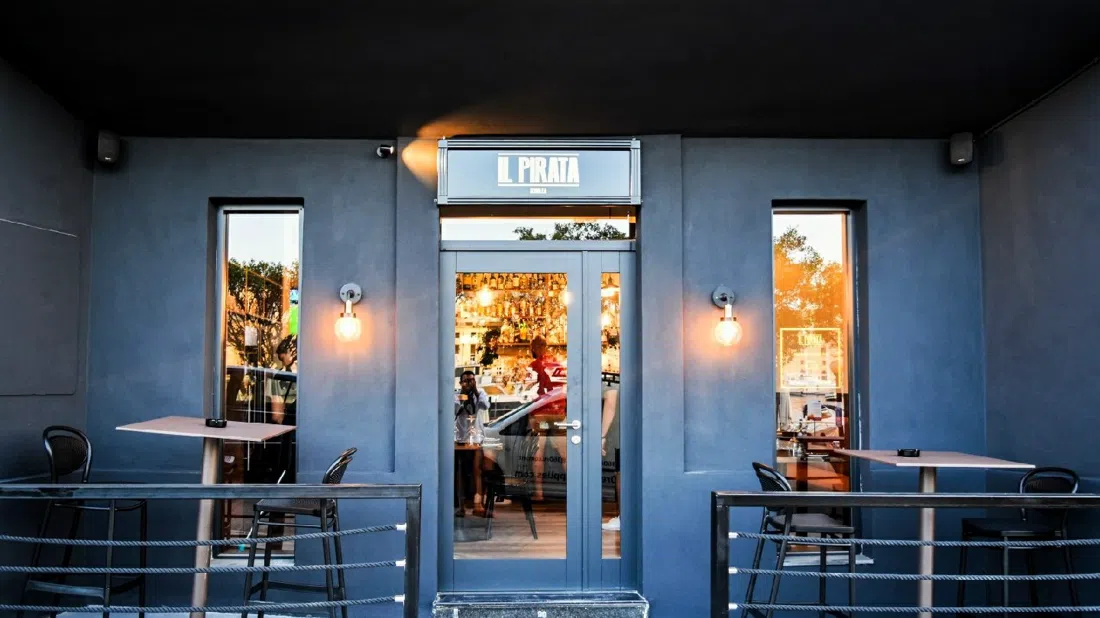
Il Pirata Senglea, on the Senglea waterfront, is the room to choose for a group that will not agree on anything: long tables, quick service, fresh pasta, pizza and daily fish specials at around €€. Book by phone on +356 7774 6116. It serves dinner only on Monday, Wednesday and Thursday, with lunch as well from Friday to Sunday.
Novità, on the same marina terrace, is the more grown-up option at €€-€€€, Mediterranean and seafood-led, a mixed grill and harbour lights rather than a view with pizza. It takes group reservations on the terrace, but the indoor room is compact, so book ahead if the weather is uncertain.
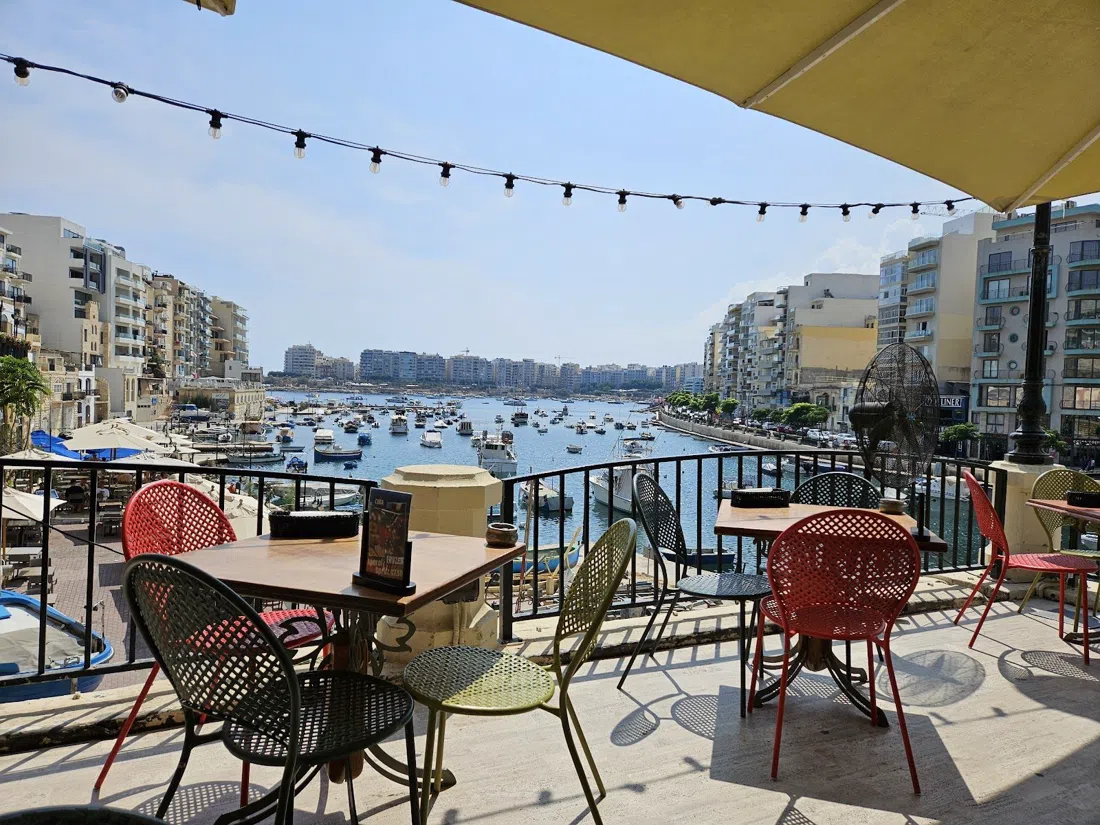
Le Regatta, a few doors along the Senglea waterfront, has the seat most people want at sunset and prices accordingly at €€-€€€. It closes Monday and Tuesday, and it serves lunch only from Thursday to Sunday, which catches people out. Book the terrace rather than hoping. It will also privatise the whole venue for a party or a corporate dinner, which is an email conversation rather than a walk-in request.
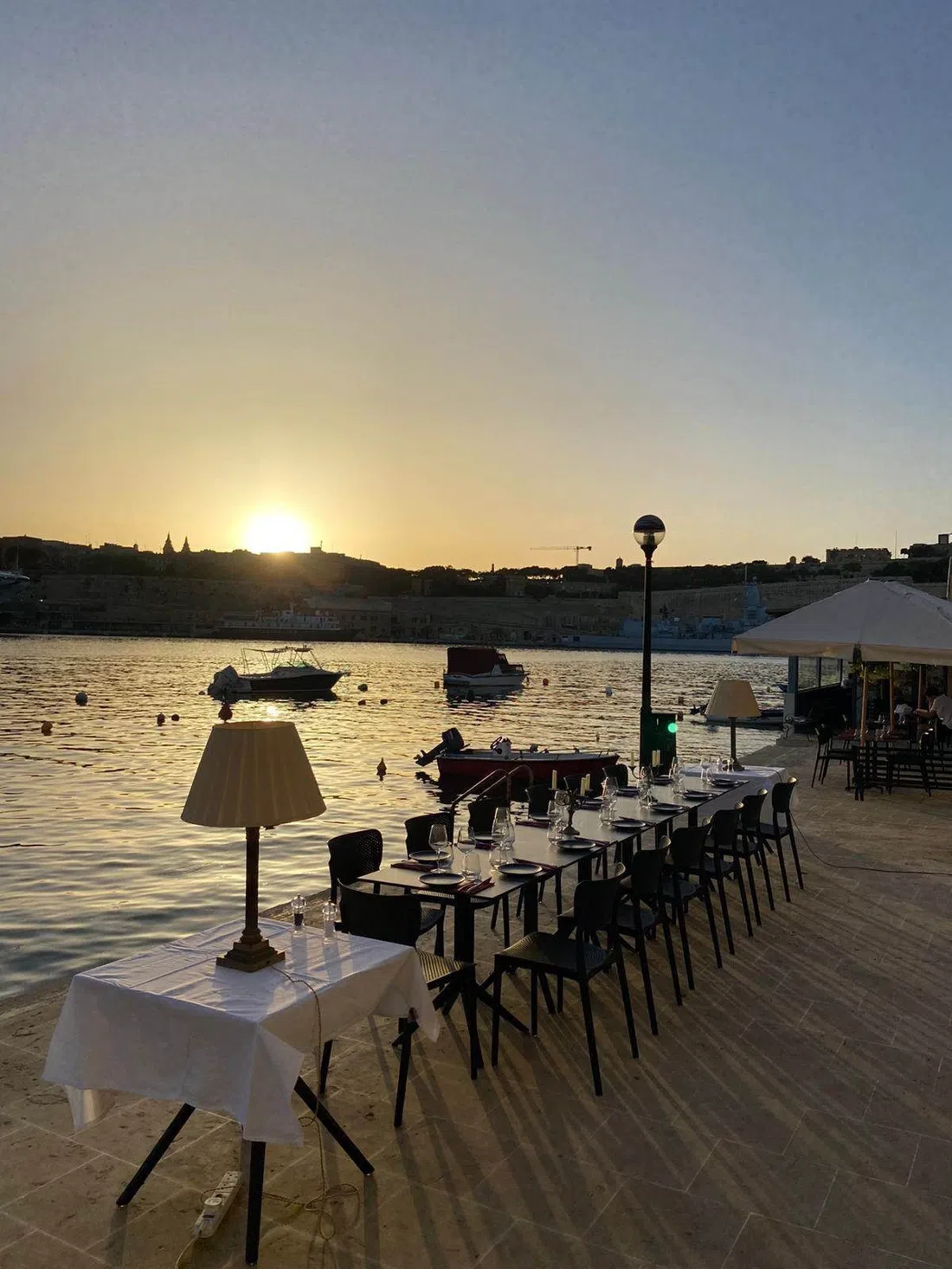
AROY-D, on the harbour front, is the fallback and a good one: open 11:00-23:00 every day at €-€€, which means it is serving in the dead hours when the marina restaurants are between services. The terrace is small, fine for six or eight and worth a call for more.
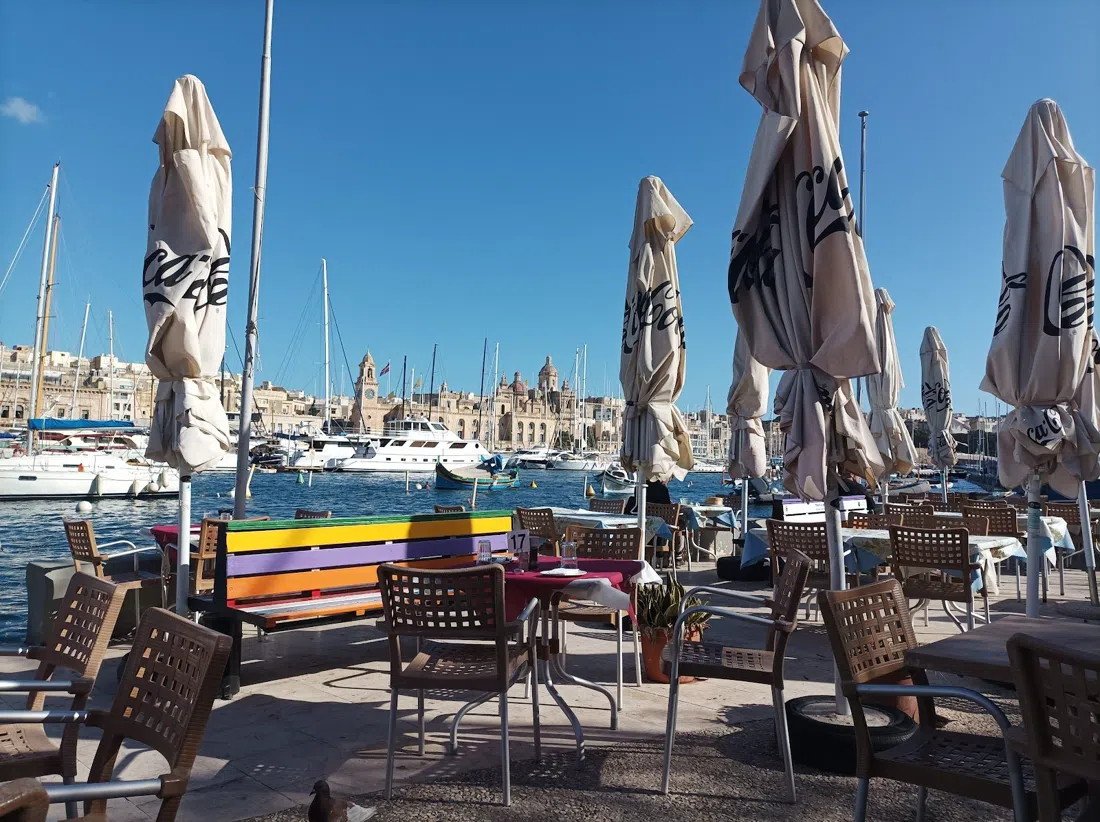
A drink, a cellar and a table of your own
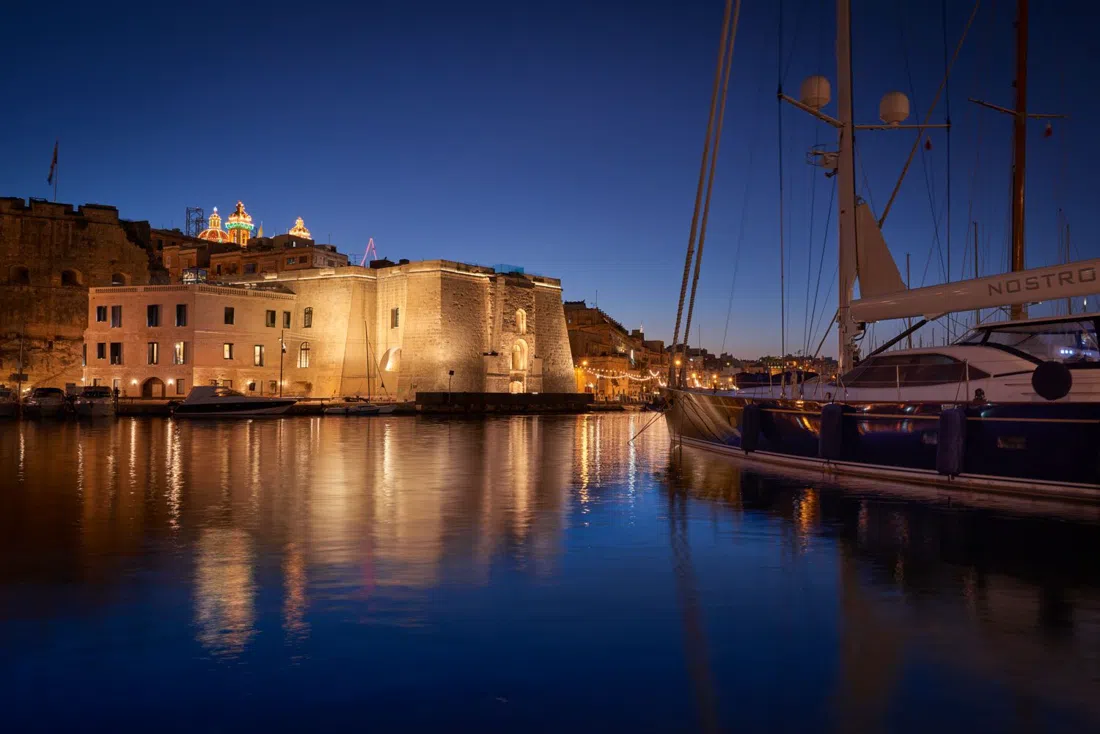
Cugó Gran Macina Malta, on the Senglea waterfront, is the converted landmark you have already photographed without knowing it. It has 21 suites, five-star rates and premium drink and dinner prices, and the terrace and wine cellar can both be booked, though with a property that small, anything above a handful of people needs a phone call first. A drink on the terrace at dusk is the cheapest way to use the building. Beds on this side of the harbour are scarce, so if it is full or beyond budget, compare what is available across the water with a Valletta hotel search and take the ferry over each morning.
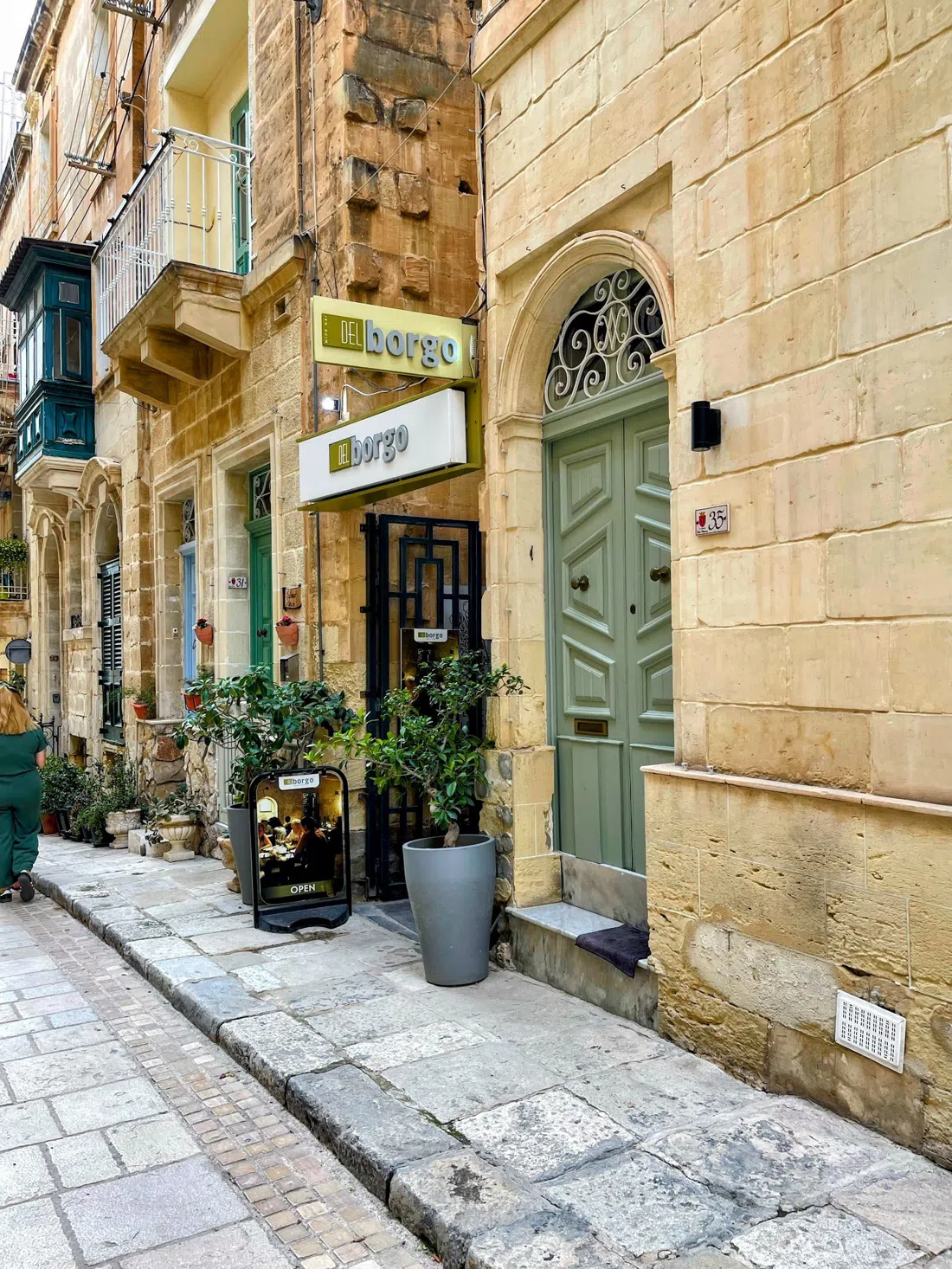
Del Borgo, five minutes away in Birgu, opens Mon-Sat from 18:00 and keeps over 300 wines in a real vaulted cellar, with platters and small plates at €€. The vaults suit a medium-sized group, but book, because it fills on weekend evenings. It is the obvious move after the sunset photograph.
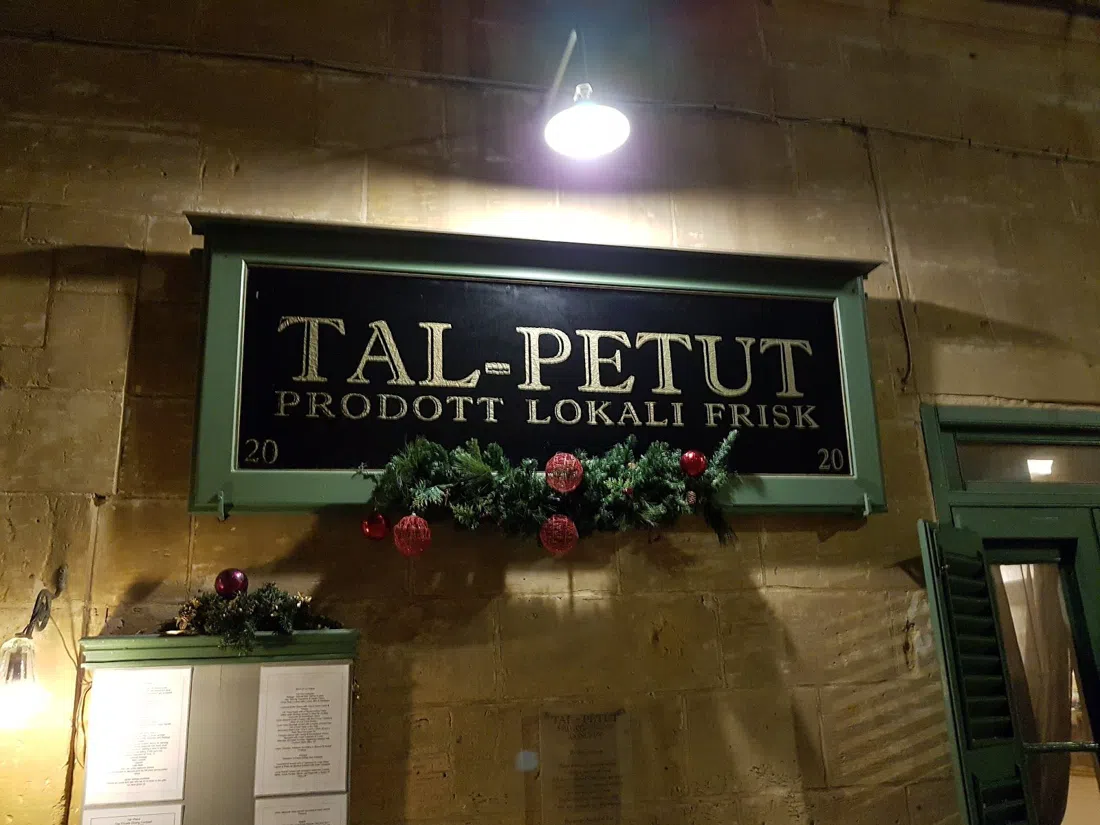
Tal-Petut, also in Birgu, is private dining in the proper sense: you can book the whole house for your party, dinner starts from 18:30, and there is no set menu. Chef Donald cooks what the market gave him that morning and talks you through it, at an agreed per-head price of around €€€. Reservation is essential. As a walk-in it does not exist.
Tickets, queues and what to book ahead
The main sight costs nothing and cannot be booked. Gardjola Gardens has no ticket, no gate and no queue. The constraint is the physical width of one terrace, which is solved by choosing your hour rather than by planning. The basilica is the same: free, open, no reservation.
The paid sites behave like small museums. You can walk up to the Inquisitor's Palace and the Malta at War Museum on almost any day and get in, with festival weekends and organised groups as the exceptions. The Saluting Battery is the one to buy in advance, because the firing happens at a fixed minute and latecomers watch it from behind other people. For Fort St Angelo, phone rather than trusting a printed opening time.
Restaurants are where advance effort actually pays. Terraces on the seafront go first, and three of the four places here have closed days or lunch-only days that will waste a walk if you ignore them.
A guided option exists if you would rather not assemble the day yourself, and it is attached to this page as a separate card. There are 462 traveller reviews across the bookable tours here, the top one rated 5.0 out of 5 from 179 reviews, and it runs seven days a week. The booking platform also flags that top tour as likely to sell out, so if a guided day is what you want, arrange it before you fly rather than on the morning.
Is it worth it
Yes, with a condition attached: Senglea is worth a half day, not a fifteen-minute stop, and the half day is what makes it good. Treated as a photo op it is one wall and one watchtower, and you will wonder what the fuss was. Treated as a town (church, slope, quay, boat, dinner) it is the most intact piece of ordinary Maltese harbour life within walking distance of the capital.
It suits people who like walking a place slowly, anyone who has already done Valletta and wants the view from the other side, photographers willing to get up early, and families who can pair the free wandering with the shelter museum or the fort. It suits couples very well in the evening.
It does not suit you if you want shops, nightlife or a beach, because there are none here. Anyone who cannot manage steps should know in advance that the upper level of Fort St Angelo will be off-limits, and that the walk back up through the town is the day's real effort.
Best time to go
For the day: before 09:00 or after 16:00. The middle of the day brings the coach groups to the one narrow terrace and brings heat to a town with a continuous uphill return. Late afternoon has the additional advantage of the 16:00 gun across the water, followed straight on by dinner on the seafront.
For the week: Wednesday to Friday is the sweet spot. Monday and Tuesday thin the waterfront out (Le Regatta is closed and Il Pirata does dinner only), while the Malta at War Museum is shut on Sundays and public holidays and the Saluting Battery fires Monday to Saturday only. Sunday mornings belong to the basilica and its congregation; visit quietly or come later.
For the year: the shoulder months are the sensible choice, with warm evenings on the terraces and manageable temperatures on the slope. Midsummer is hot enough that the walk back up matters. Winter is quiet and the ferry single drops to €1.50, but boats run less often, so check the last sailing before you order another glass. September brings the town's feast: vivid if you want it, impossible if you wanted a quiet afternoon.
Practical notes
Getting there. The public ferry from Valletta is the easy route: no booking, roughly every half hour in summer, €2.00 single (€1.50 winter, €0.75 with a Tallinja card), landing at Cospicua with a flat ten-minute walk round to the gardens. A dgħajsa from the co-operative lands you closer and costs €2-3 per person for the crossing. Buses reach the top of the town, which means you walk down and back up.
Cash. The boatmen are cash only, and cash is also the right answer for the basilica's donation box. Everything else (museums, restaurants, the hotel terrace) takes cards.
Timing. Ninety minutes for Senglea alone; three to four hours with the marina promenade and one museum; a full day with dinner. Add fifteen minutes' slack for the walk from the ferry terminal.
Budget. A free day is entirely possible: the gardens, the basilica, the promenade and the view of the gun cost nothing. A realistic middle version runs around €30-40 per person with the ferry, one museum and a seafront lunch. Add €10 for Fort St Angelo, €14 for the shelter museum, €6 to watch the gun fired from the battery side. Dinner on the marina sits at €€-€€€, and the hotel terrace is a step above that.
Wear. Flat shoes with grip, because the limestone polishes underfoot, and something that covers shoulders and knees if the church is on your list. Water in summer, a layer for the shelter tunnels in any season. For everything on the other side of the water, start with the Valletta guide.
Questions
How do I get to Senglea from Valletta?
Two ways. The walk-on public ferry needs no booking, runs roughly every 30 minutes in summer and costs €2.00 single in summer (€1.50 winter, €0.75 with a Tallinja card), but it lands at Cospicua, so allow a flat ten-minute walk round to Gardjola Gardens. The alternative is a traditional dgħajsa from the boatmen's co-operative, about €2 to €3 per person for the crossing, cash only; agree the price before you step in.
Do I need a ticket for Gardjola Gardens?
No. It is a free, unticketed public garden with no gate and no queue. Space is the constraint: the terrace beside the vedette holds only a handful of people at a time, so between roughly 11:00 and 15:00 the coach groups fill it. Go before 09:00 or shortly before 16:00.
How long should I spend in Senglea?
Ninety minutes covers the town on foot: the ridge street, the basilica and the gardens at the point. Three to four hours lets you add the marina promenade and one paid museum. Allow a full day if you are eating on the seafront in the evening.
Is Senglea suitable if I can't manage steps or steep slopes?
Partly. The quayside promenade at the marina is flat and free, and it is the easiest walking in the area. The town itself slopes continuously from the top down to the water, easy on the way down and harder coming back up in summer heat. Steps are the only way to the upper level of Fort St Angelo, so it is not accessible.
Should I book a guided tour or do it independently?
Senglea is straightforward to do on your own: the main sights are free and unticketed, and the ferry needs no booking. There is a guided option if you would rather have the logistics handled. It runs seven days a week, the bookable tours here carry 462 traveller reviews between them, and the top one is rated 5.0 out of 5 from 179 reviews. The booking platform flags that tour as likely to sell out, so arrange it in advance rather than on the day.
First published on explorevalletta.com, the Valletta guide.