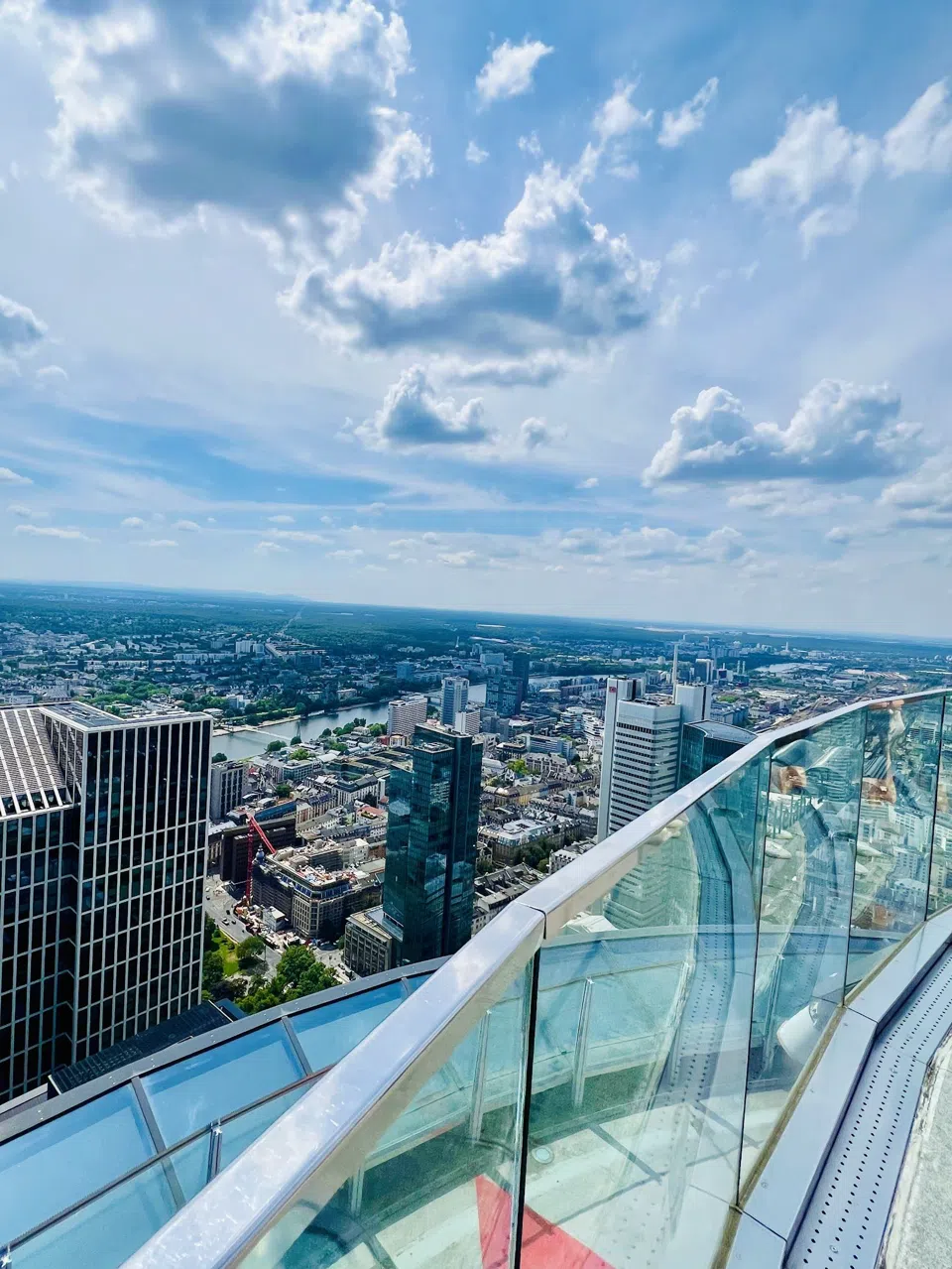
Washington was laid out to be seen from a distance, all long axes, white stone and sightlines that flatten the place into a postcard you have already seen. Two blocks off any of them the scale drops to something human: a market hall trading since the 1870s, a beer garden where the tables are communal on purpose, a jazz room of 125 seats down a Georgetown alley. Travelling alone, that second city is much the easier one to be in, and everything below sits inside it.
Base yourself where the evenings are
The first decision of the weekend is which side of the city you sleep on, not which monument to skip. Stay around U Street, Shaw or Dupont Circle and nearly every evening below is a walk of fifteen minutes or less. Sleep out by the big convention hotels near the Mall and you will spend two days riding trains back and forth for dinner, because that part of town empties out after the museums close. The Green and Yellow lines run through Shaw and U Street, the Red line through Dupont, and both drop you inside the ring of places that stay open past ten. Compare rooms with the Washington hotel search and filter for those areas before you filter for anything else.
One piece of orientation saves an hour of walking. Numbered streets run north–south, lettered streets run east–west, and the quadrant on the end of an address (NW, NE, SE, SW) is not decoration. 7th Street NW and 7th Street SE are a long way apart, and typing an address without the quadrant is the most common way a first-time visitor ends up on the wrong side of the Capitol.
Saturday morning belongs to Eastern Market
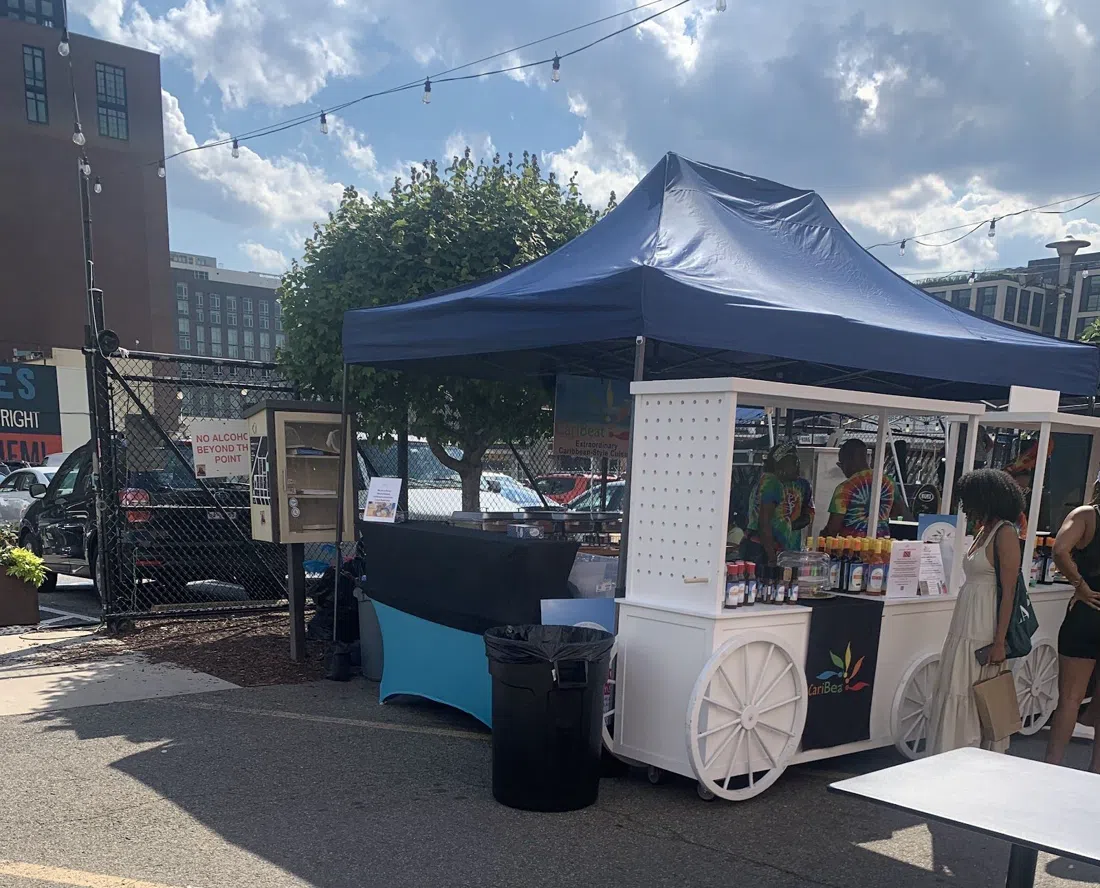
Eastern Market (Capitol Hill) is one block from Eastern Market Metro and is the best solo anchor in the city on a Saturday. The indoor hall opens at 8am, the farmers and flea stalls set up outside from 9am to 3pm at weekends, and a proper market breakfast or lunch runs $6–15. There is no door policy and nothing to book. The aisles are narrow enough that any group larger than four spends the visit apologising to strangers, so arriving on your own is an advantage here: you can stand at a counter, eat, and move on in forty minutes if you want to.
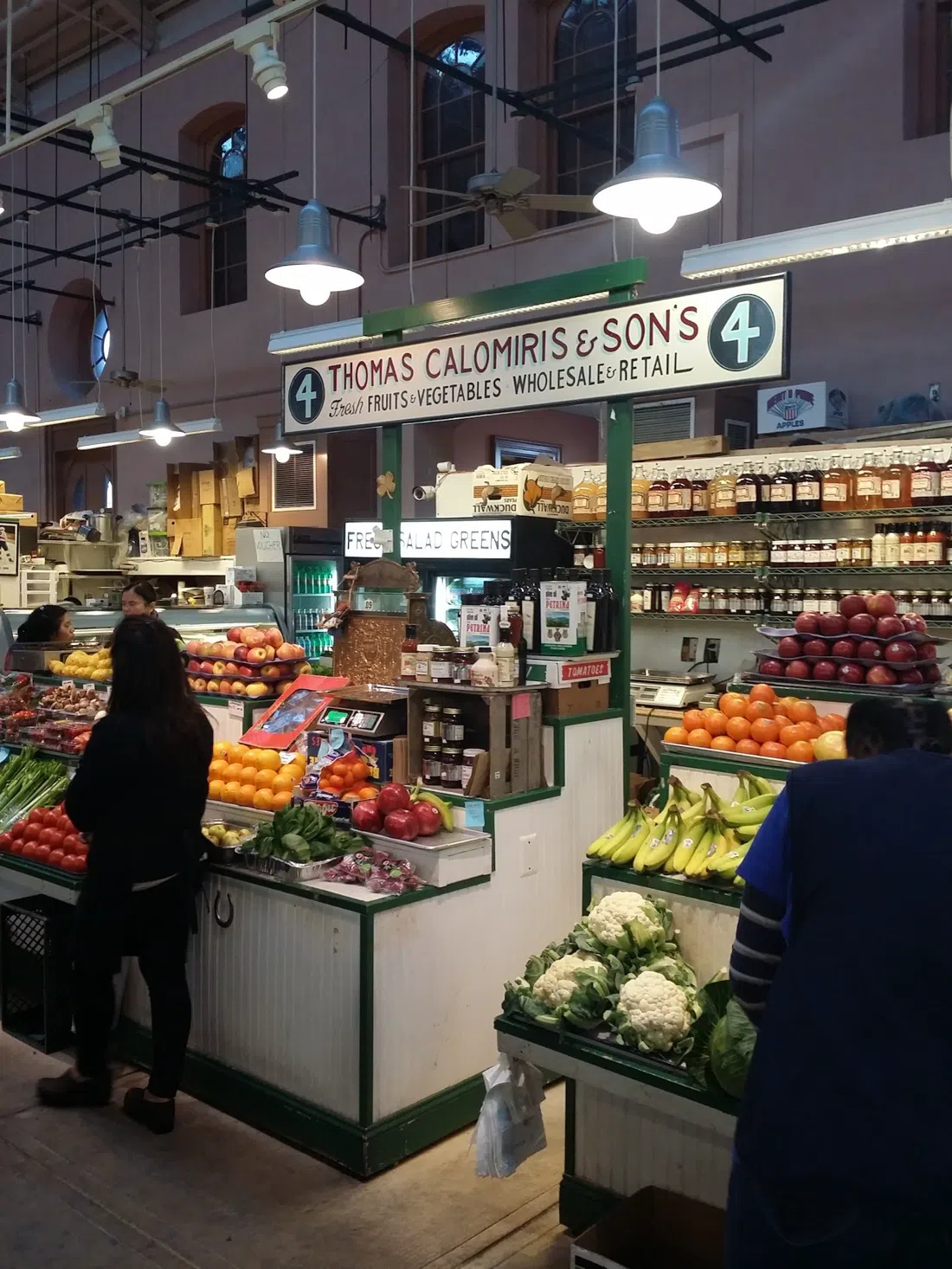
Go early. By eleven the outdoor rows are shoulder to shoulder and the good produce has gone. From the market it is a twenty-five minute walk west along Pennsylvania Avenue to the edge of the Mall, or three stops on the Blue, Orange or Silver line to Smithsonian and ten minutes on foot from there.
The one pass worth setting an alarm for
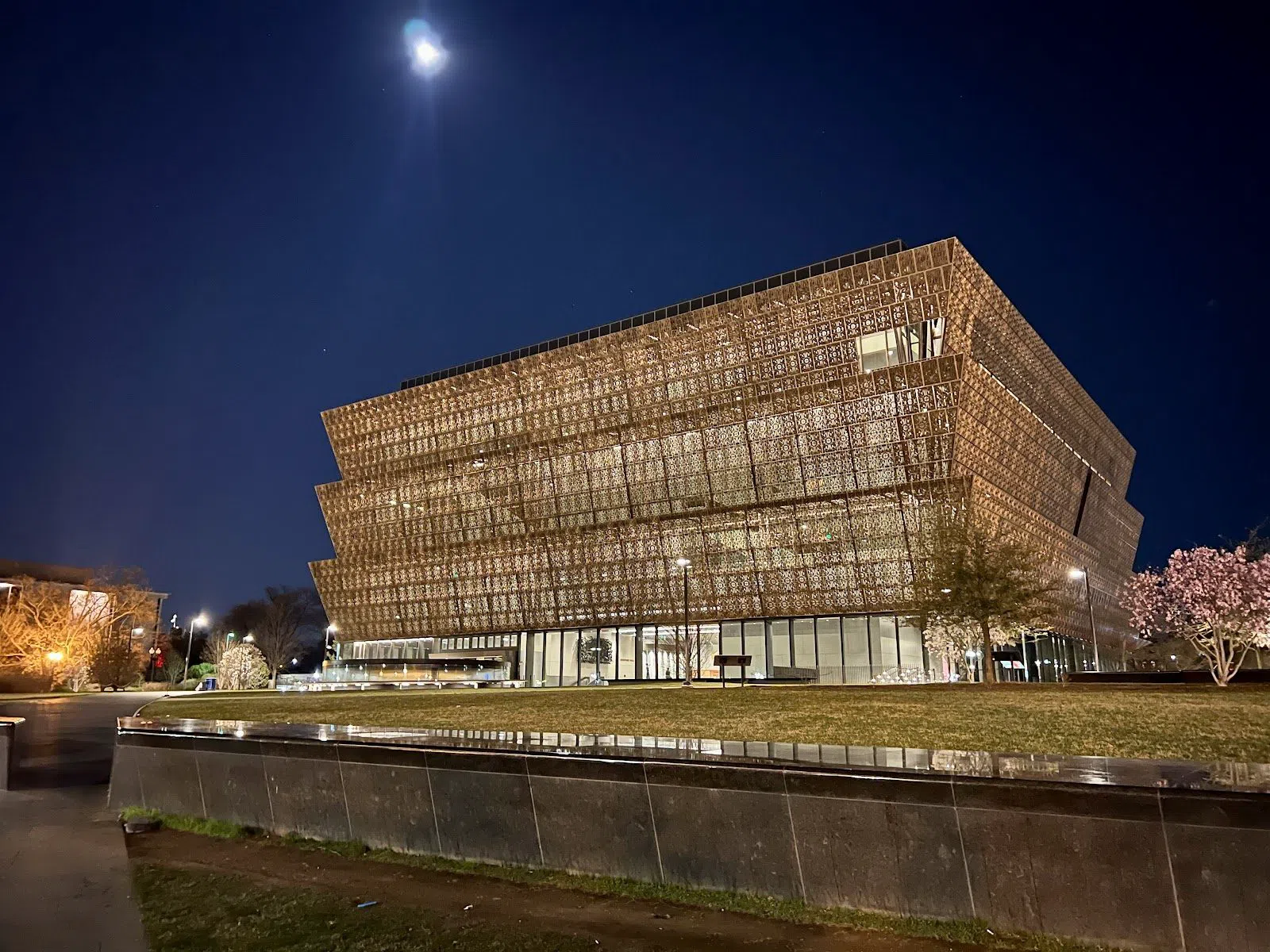
The National Museum of African American History and Culture (National Mall, at 15th and Constitution) is free, and free here means a timed pass rather than a walk-in. Advance passes are released thirty days ahead, and same-day passes go online at 8:15am. An individual can hold up to nine passes at once; groups of ten or more use a separate booking route released monthly, so if you are travelling with a large party you need to plan weeks out rather than days.
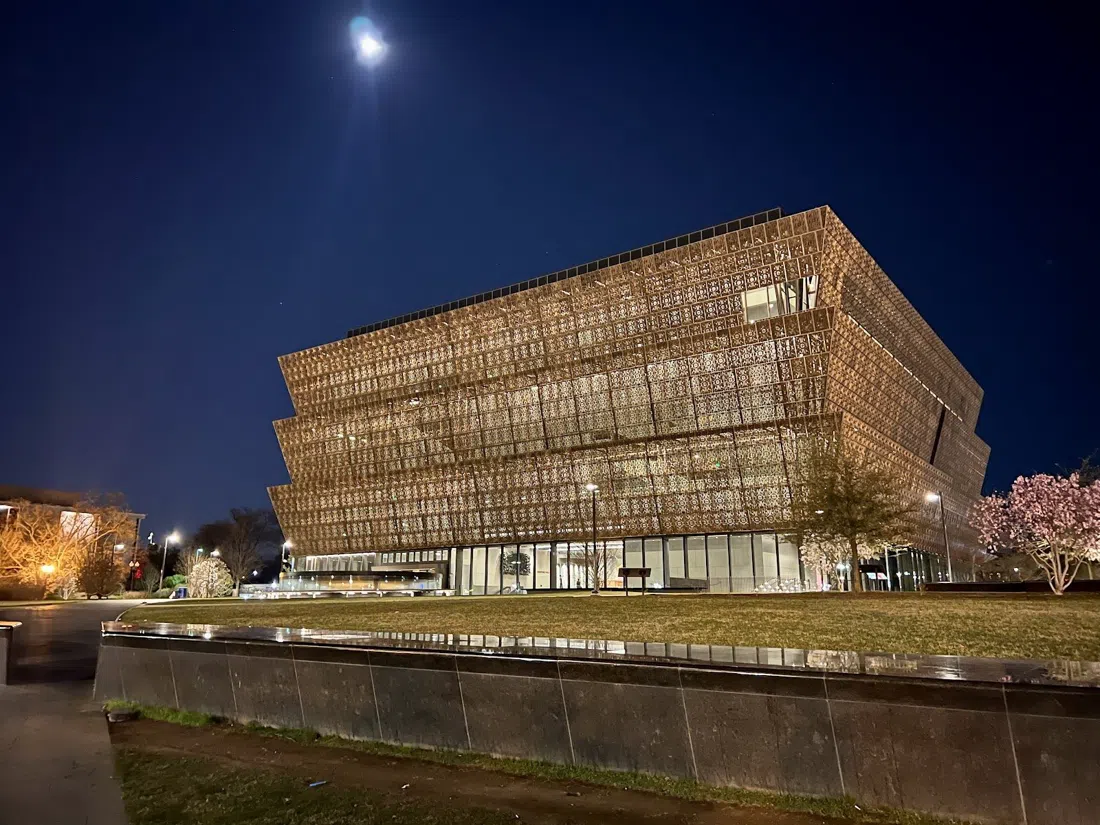
Alone, this is close to a solved problem. Single passes are the last thing to disappear from any release, and a solo visitor who sets an alarm for 8:15am almost always gets in on the same day. If the morning slot is gone, take an afternoon one. The building is designed to be walked upward from the concourse: the history galleries begin below ground and climb through three levels before you reach the culture galleries above. Give it three hours minimum and accept that you will not finish it. Most people underestimate the lower floors by about an hour and then rush the top.
Going on your own also solves the museum's real social problem. The lower galleries are heavy, and nobody in your party is waiting for you at a bench. You can stop when you need to.
An afternoon of words downtown
Planet Word (Downtown, in the old Franklin School by Franklin Square) is a museum about language rather than about politics, which makes it a genuinely restful second stop and lands unusually well if English is not your first language. Entry is free with a suggested $12 donation, and you should reserve a pass in advance to guarantee a slot. It is open until 6pm at weekends and closed on Tuesdays. Groups are fine; the rooms are built for noise.
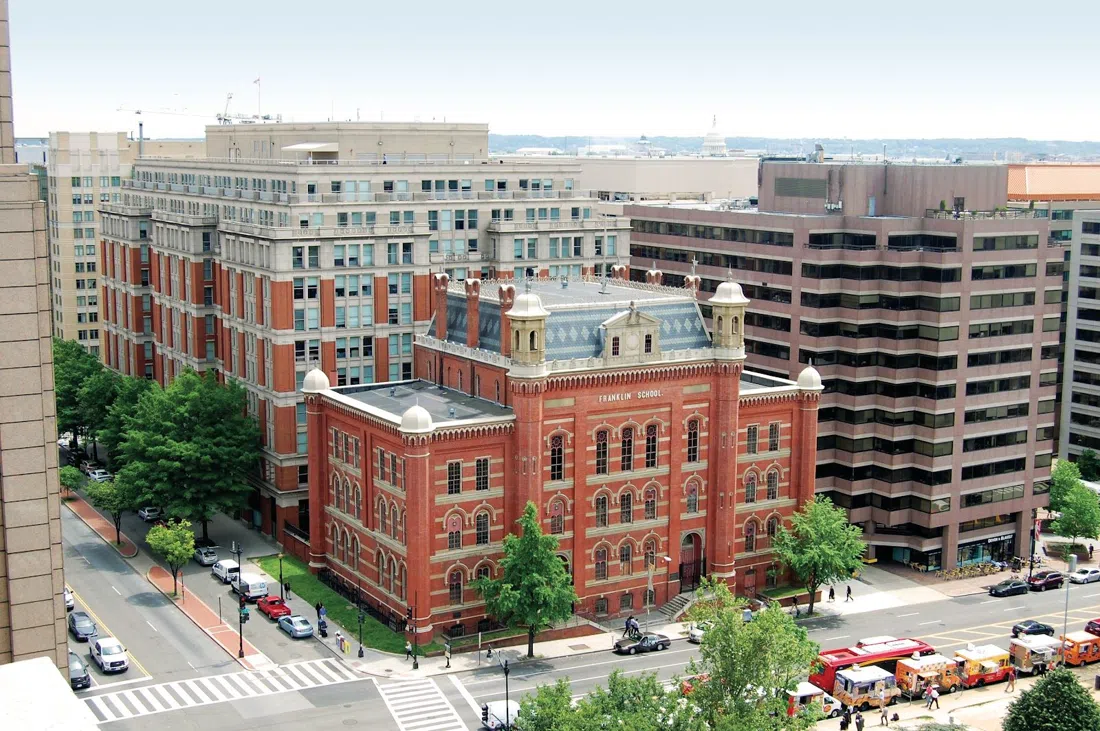
If you want something to do rather than something to look at, Lexicon Lane is a $30 puzzle case that sends you out around the surrounding blocks solving clues. It takes about ninety minutes, and it is one of the few structured solo activities in the city that does not feel like a tour.
Up the hill to Cedar Hill in Anacostia
The Frederick Douglass National Historic Site (Cedar Hill) (Anacostia) is the trip most weekend visitors leave out, and the one that changes how the rest of the city reads. Douglass bought the house on the ridge in 1877 and the interior is preserved close to how he left it. Entry is free with a small booking fee for reserved tickets, and the house itself is accessible only on a ranger-led tour with a capped party size. Individuals and groups up to ten book the standard slots; anything larger needs the group reservation.
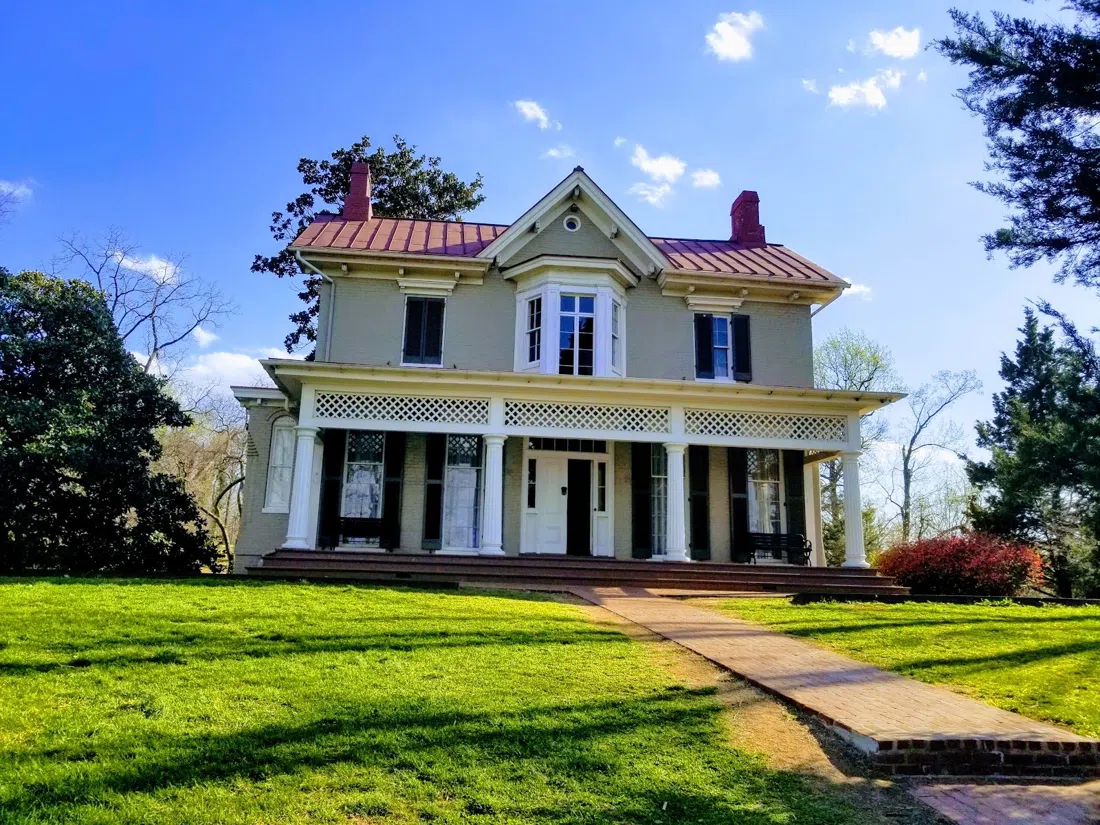
Two hard constraints. Tours run Tuesday to Saturday only, so a Sunday visit gets you the grounds and the visitor centre and nothing else, which is worth an hour for the view back across the river but is not the reason you came. And the capped slots do sell out at weekends, so book before you fly. From Anacostia Metro on the Green line it is a fifteen to twenty minute walk uphill, or a short bus ride if you would rather not climb. Go in daylight, which the tour times enforce anyway.
Georgetown from the water and from the garden
Georgetown has no Metro station. That single fact reshapes the afternoon: budget a twenty-minute walk from Foggy Bottom across the top of the Kennedy Center, or a rideshare, and do not plan to hop in and out of it.
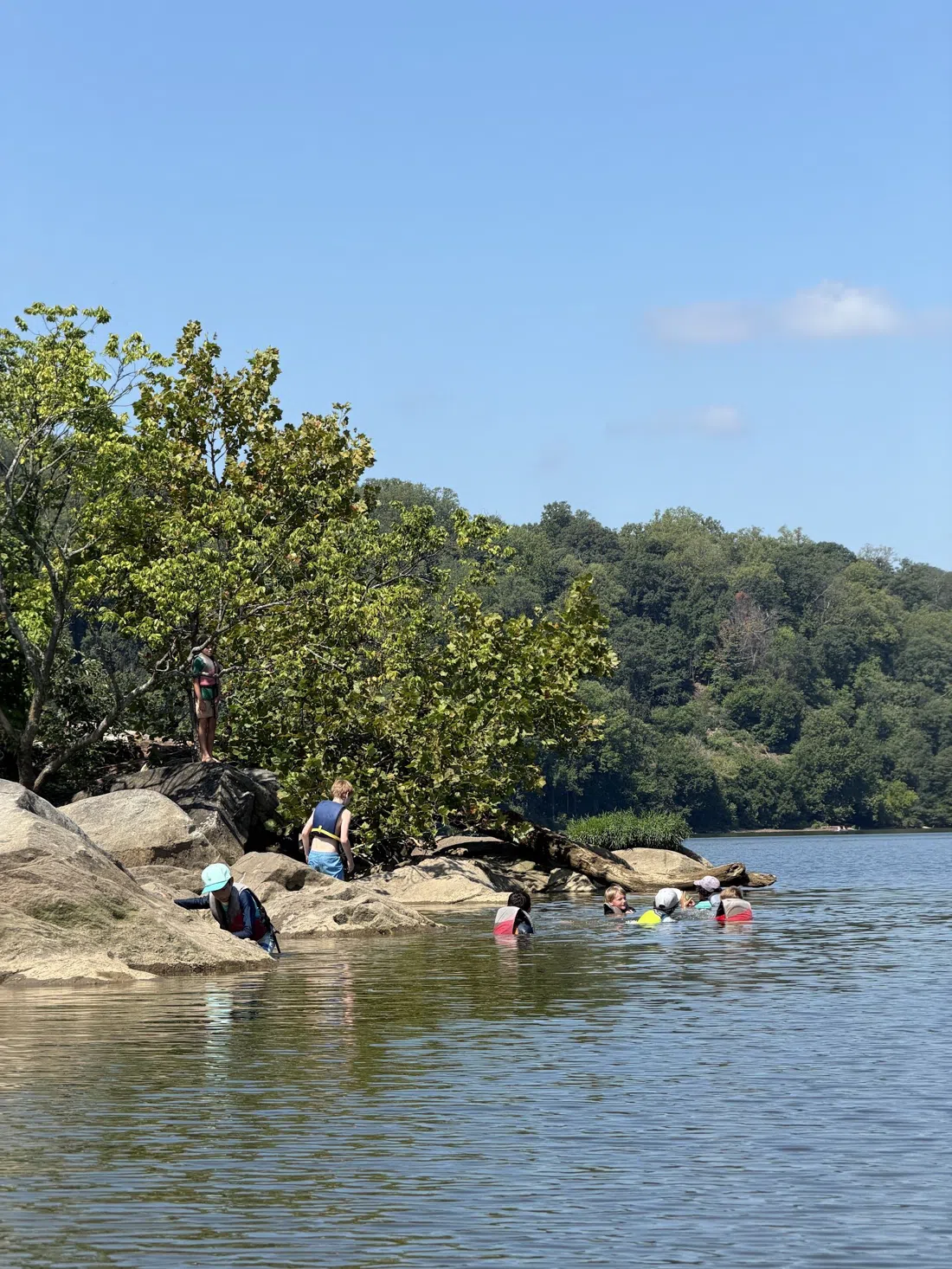
Key Bridge Boathouse (Georgetown waterfront, under Key Bridge) rents singles and doubles by the hour at $18–30, with guided tours and group orientations bookable. The season runs from roughly late March to the end of October, so a September or early-October weekend still works, and midweek walk-ups are usually possible. Weekends, book. Paddling upstream toward the bridges and then letting the current carry you back gives you the view of the city that almost nobody takes home. The monuments read completely differently from the water, low and far off, with the whole skyline held under the height limit.
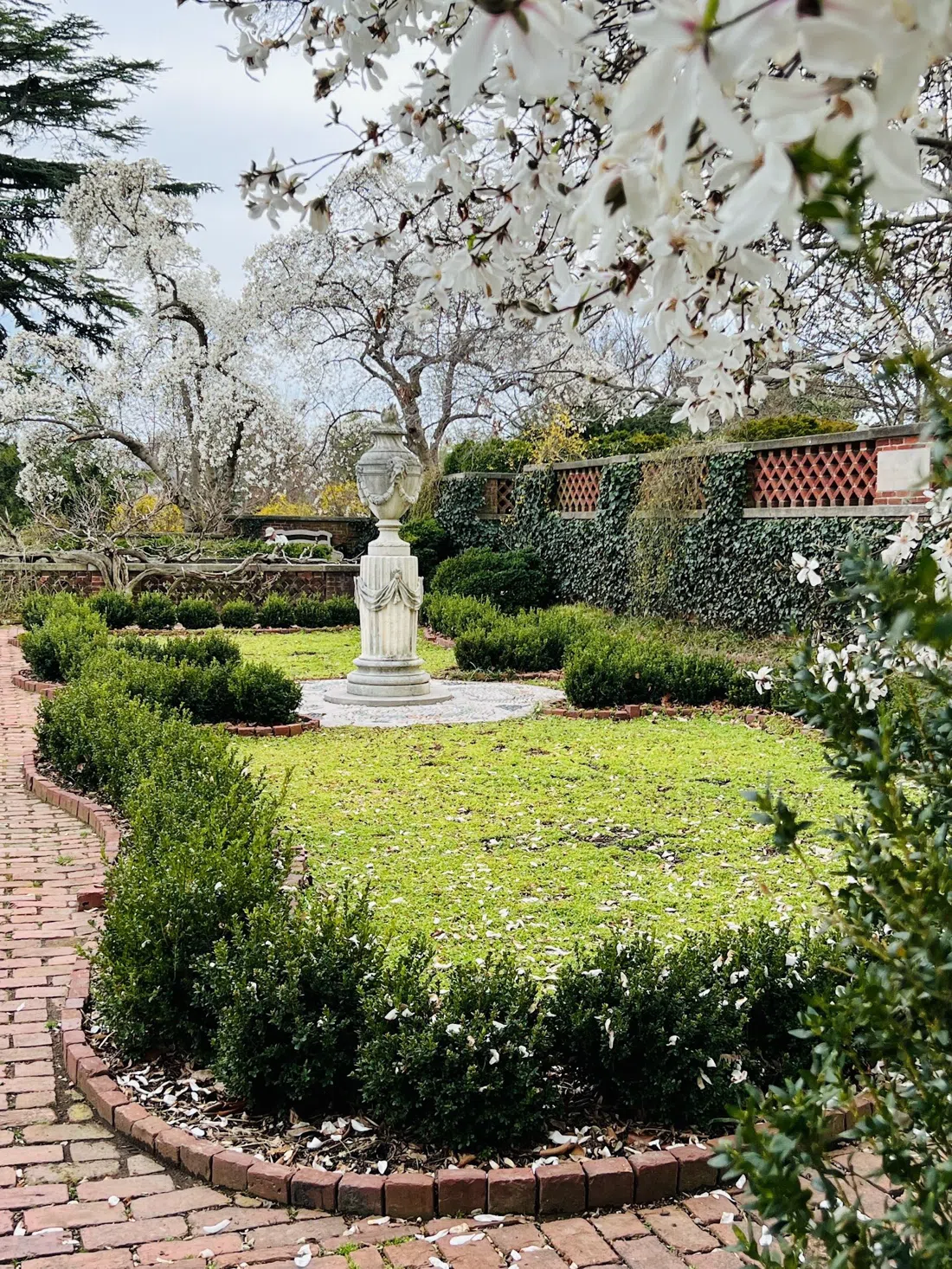
Up the hill, Dumbarton Oaks Gardens (Georgetown, entrance on R Street) is a terraced historic garden open 2–6pm Tuesday to Sunday through 31 October. Tickets are $8–12, timed, per person, and sold online only. There is no gate sale, and the 2026 season passes have sold out, so buy before you make the climb from M Street. It is about twenty minutes uphill from the waterfront. Groups are fine inside a slot, but the garden rewards the solo pace: it is a sequence of enclosed rooms stepping down a slope, and you want to be able to stop in one of them without a conversation running.
Eating alone without eating badly
Union Market (NoMa, ten minutes on foot from NoMa–Gallaudet U Metro) is the easiest solo dinner in the city. Over thirty-five vendors under one roof, communal seating, no reservations and first-come tables, open 8am to 9pm most days, $8–20 a plate. Eating at a counter here reads as completely normal, which is not true of most sit-down rooms in this town.
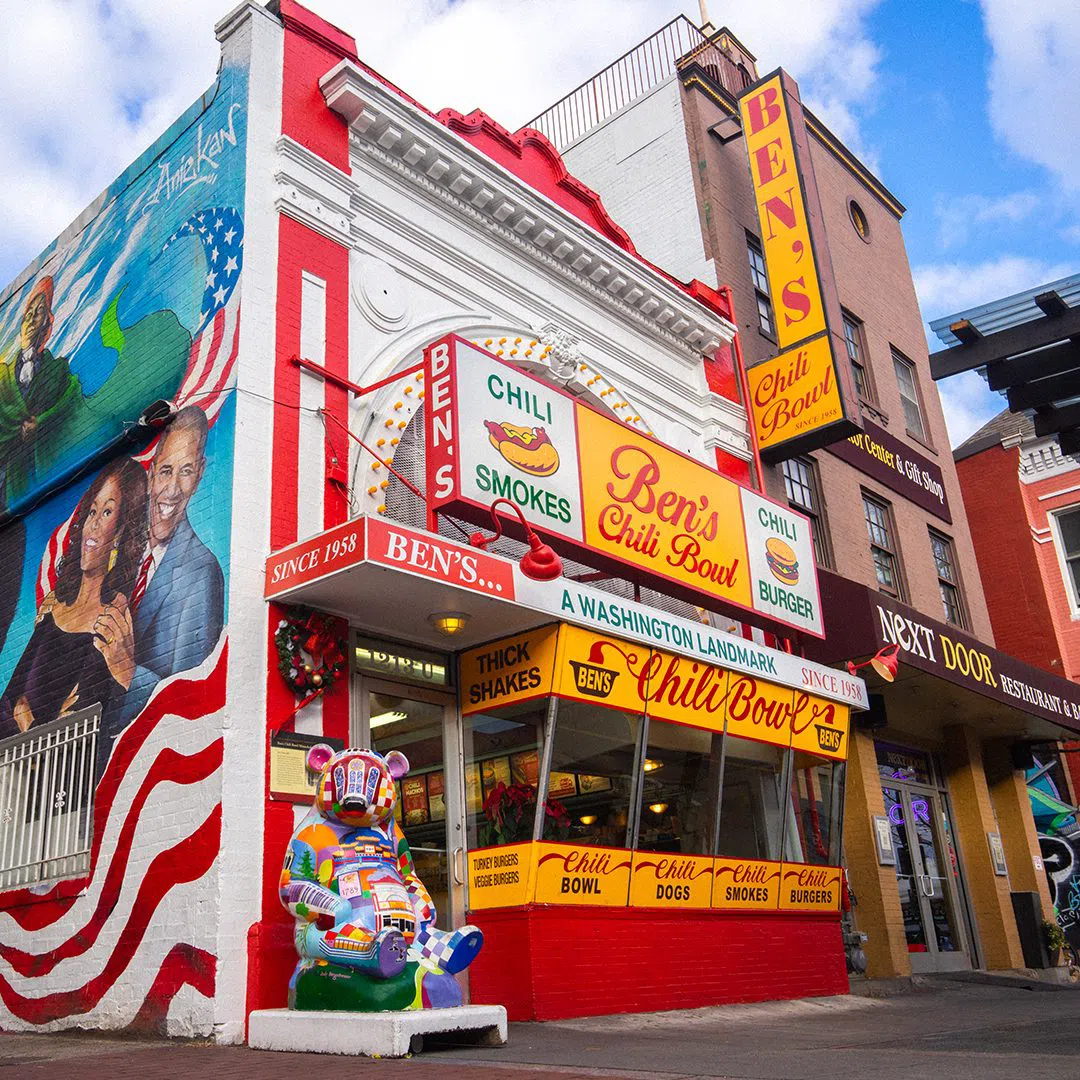
Ben's Chili Bowl (U Street, 1213 U Street NW) reopened on 1 May 2026 after a nine-month renovation and still runs to 4am on Friday and Saturday. Counter and booth service, walk-in only, $8–15. It is the safest late meal on the strip and the one place where arriving alone at two in the morning attracts no attention at all. Large groups will wait at peak.
Chercher Ethiopian Restaurant & Mart (Shaw) holds a Michelin Bib Gourmand and is the pick of the city's Ethiopian cooking, $12–22 a head. The platter format is built for sharing and rewards groups, but order the vegetarian combination on your own and you get six dishes on one platter for roughly the price of a single main, the best value solo dinner in this guide. The room is small; parties of six or more should book.
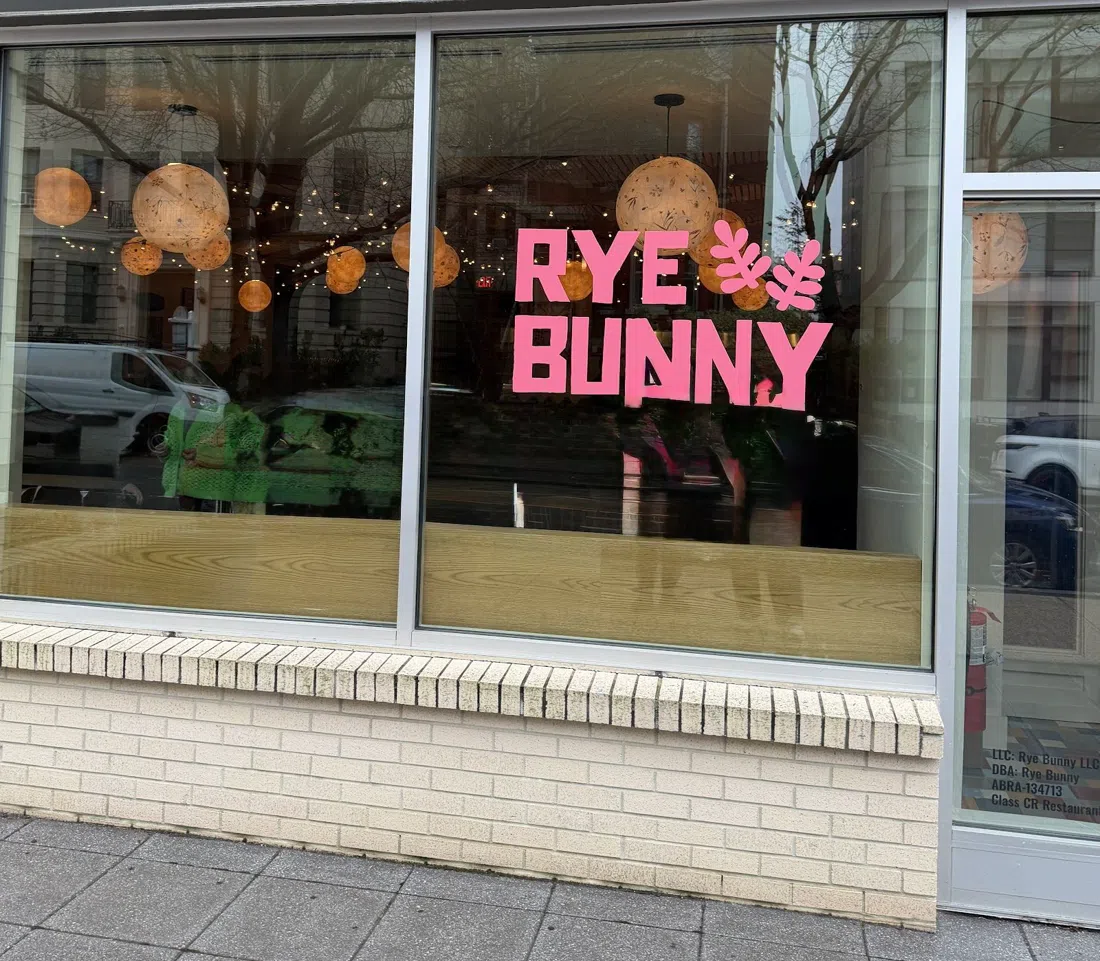
Rye Bunny (Adams Morgan) opened on 2 April 2026 in the old Tail Up Goat space from the same husband-and-wife team: Michelin-starred cooking at counter-service pricing, $25–45 a head. You order at the counter and are then served at a table, it is walk-in friendly, and it works for groups up to about six. Dinner only, closed Sundays.
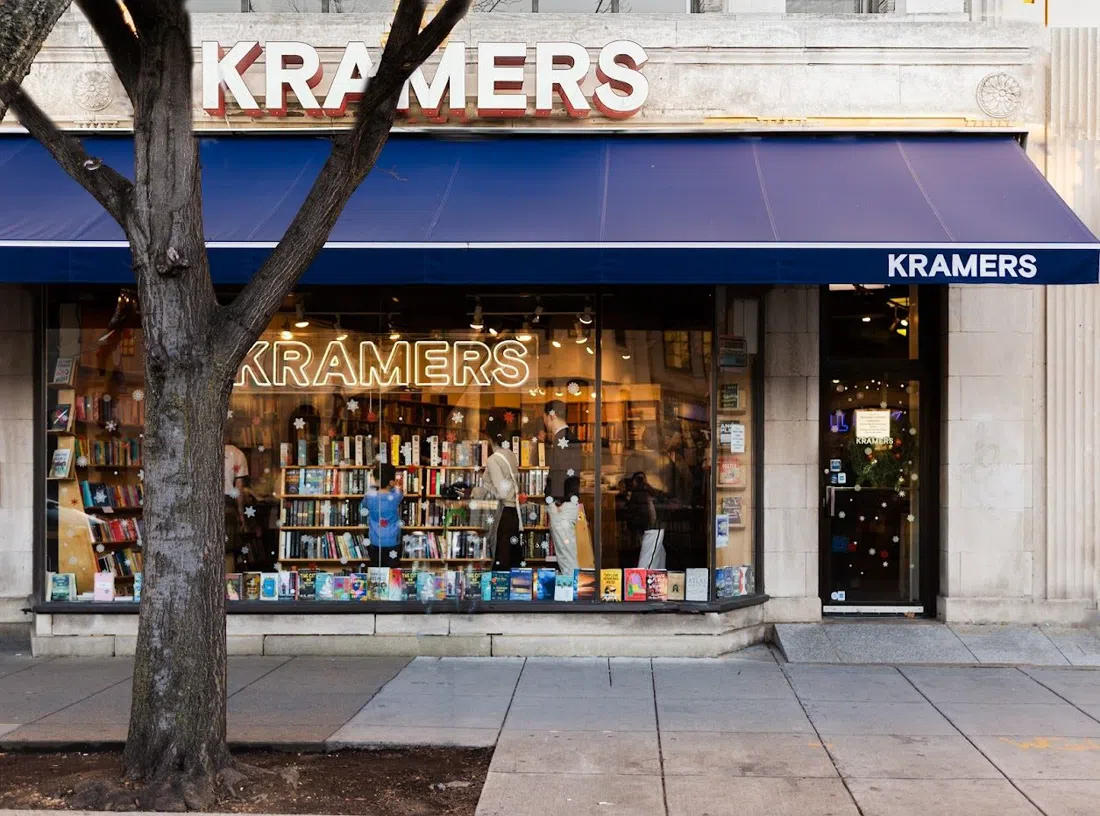
Kramers (Dupont Circle, at the Q Street exit of the Metro) is a bookshop, a full bar and a kitchen in one room, open 8am to 10pm, $10–30. It is the default landing spot when you want a table, a plate and something to read, and nobody will move you along. The bar and restaurant take groups; the bookshop aisles do not.
Evenings you can walk into by yourself
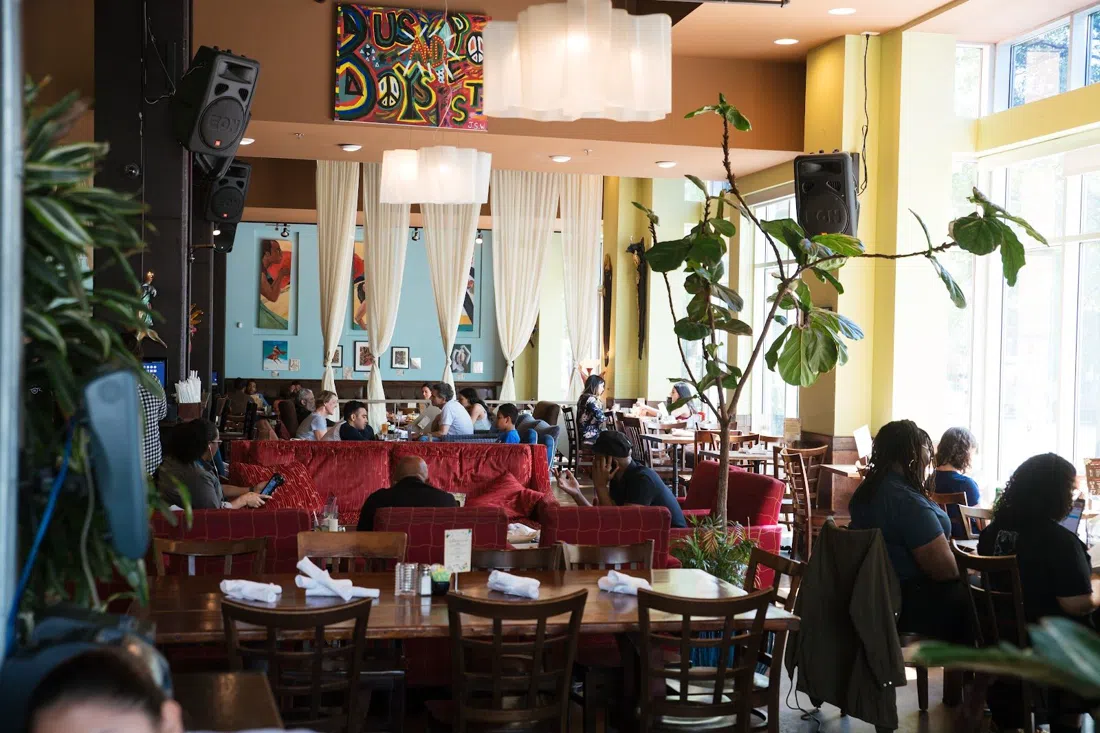
Busboys and Poets (14th & V) (U Street) runs an open mic from 8 to 10pm on Tuesdays in the 14th and V room, $12–25 a head. It is the easiest solo evening in the city for the simple reason that the room exists so strangers can sit together and listen to each other. Arrive by 7pm for a seat, since open-mic nights fill early, and expect to share a table.
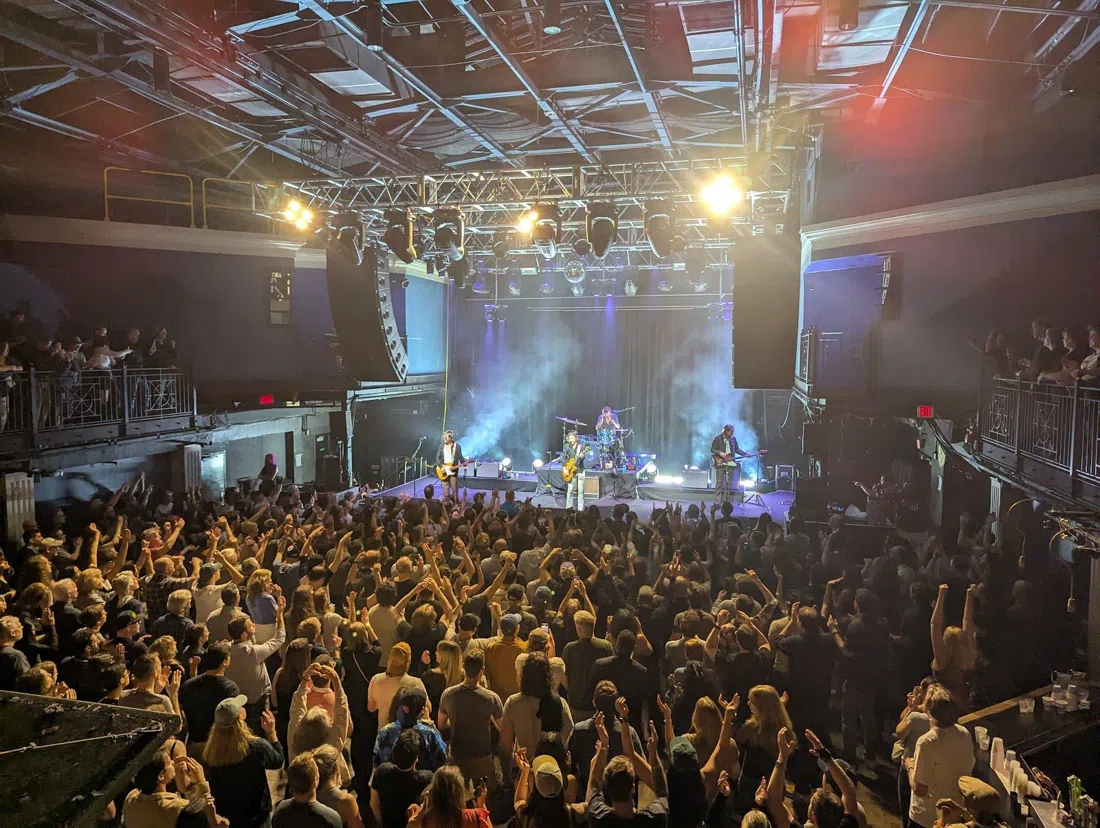
9:30 Club (Shaw, 815 V Street NW, five minutes from U Street Metro) has over a hundred shows on the books through 2026, general admission throughout, all ages unless a show says otherwise, $20–45 a ticket. General admission is the point when you are alone: there is no empty seat beside you for anyone to notice. Buy a ticket for whatever is playing the night you are there rather than planning the weekend around a headliner.
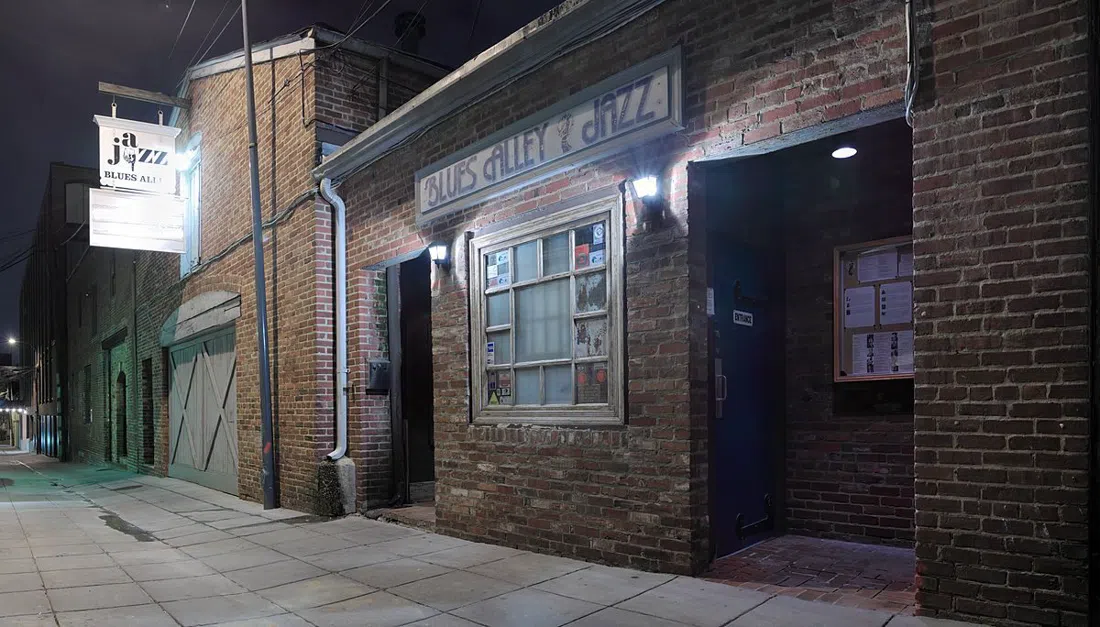
Blues Alley (Georgetown, in the rear alley off Wisconsin Avenue) is the oldest continuously operating jazz supper club in the country, open nightly from 6pm with two sets, $25–45 cover plus dinner. The room holds 125 people, so reserve, whatever the party size, including one. A side table here on your own is a better evening than any rooftop in the city, and the staff seat single diners without ceremony.
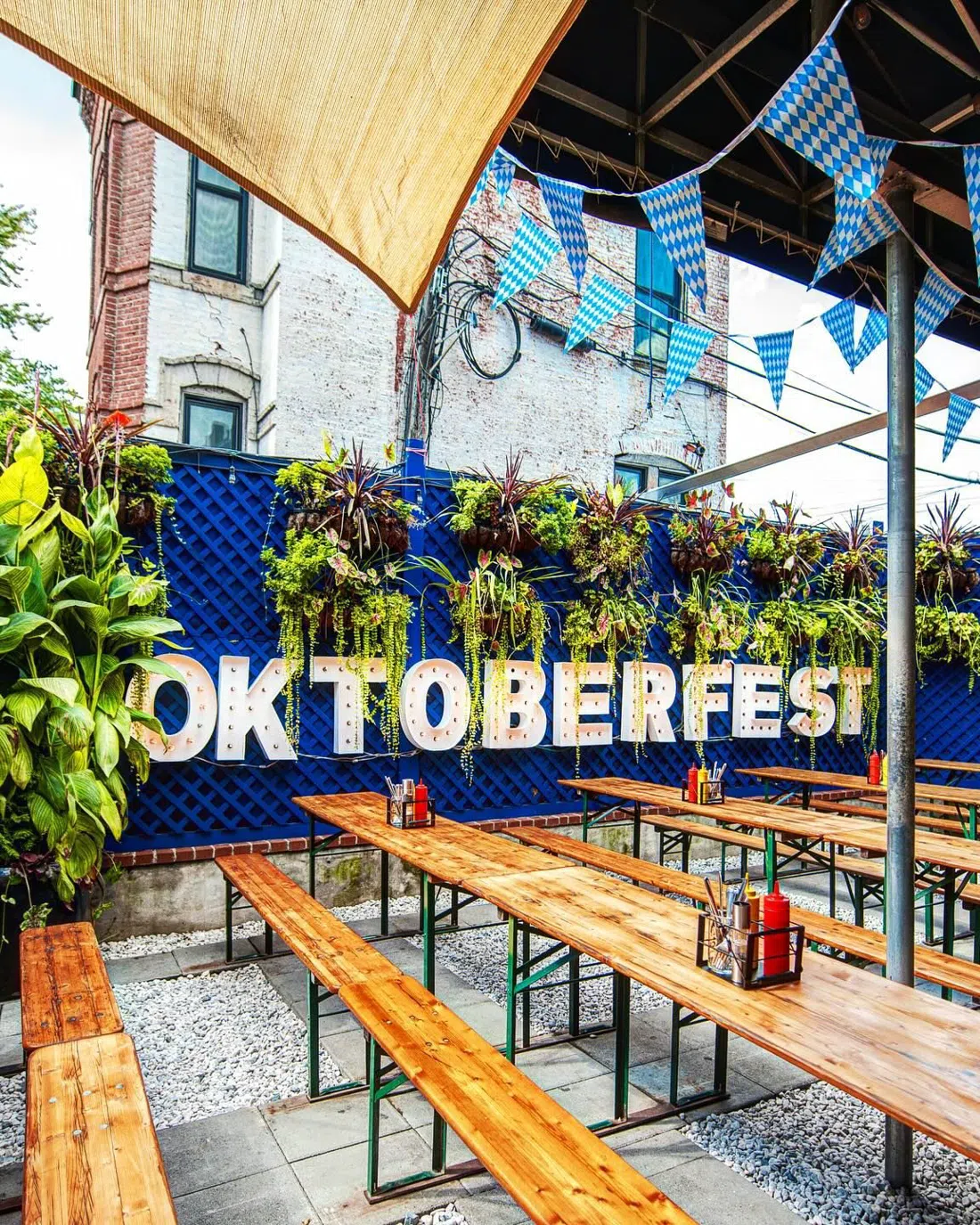
Dacha Beer Garden (Navy Yard, with a second garden in Shaw) is communal benches, walk-in, no door policy, $7–12 a beer. It is explicitly built for groups, which is why solo drinkers end up in conversation by default: you will be put on a bench with other people. The Navy Yard garden runs to midnight on Friday and Saturday.
Sunday on the terraces of Meridian Hill
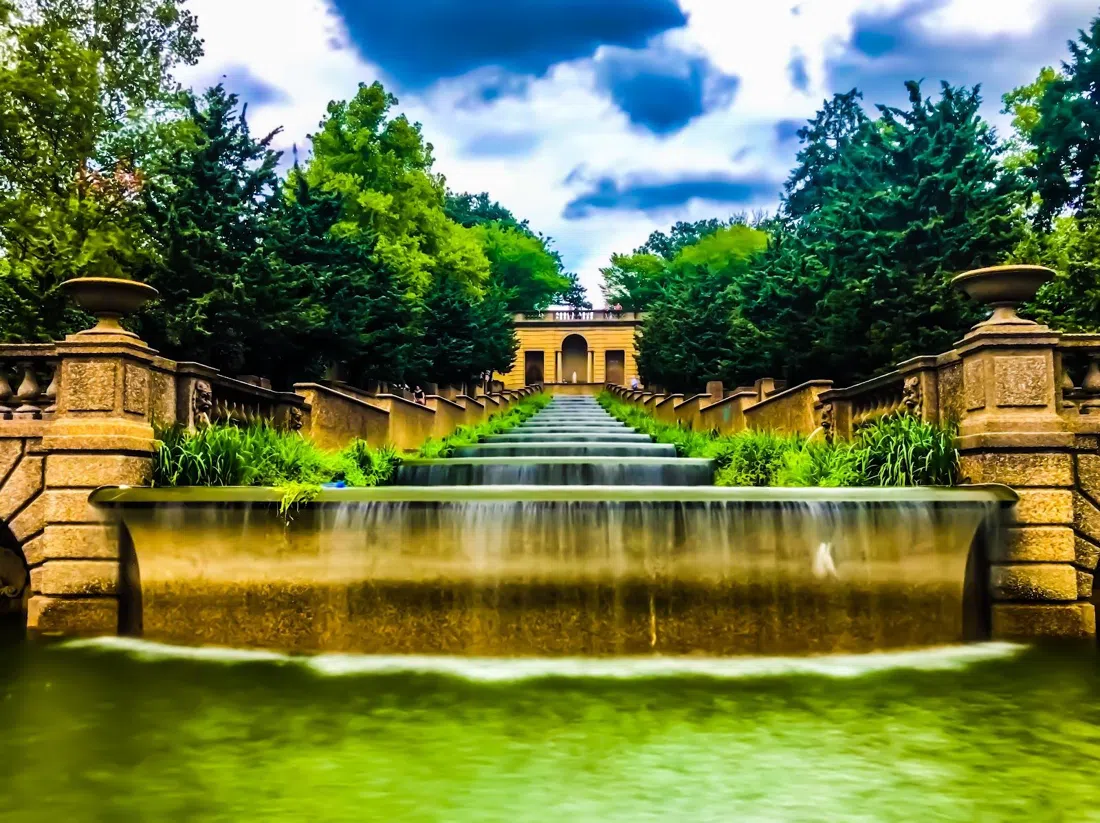
Meridian Hill Park (16th Street, above U Street) is a stepped Italianate park with a long cascade down its middle, and on Sunday afternoons a drum circle plays on the upper lawn, an open gathering that anyone can stand at the edge of. It is free and fully public. The upper lawn reopened on 4 September 2026 after grass restoration; the lower level stays closed for fountain works until 30 September, so come at it from the 16th Street side rather than climbing from the bottom and finding a fence.
It is about a twelve-minute walk uphill from U Street Metro. Take something to sit on and give it an hour. This is the closest the city comes to a communal living room, and it costs nothing.
What is closed when
Four closures decide the shape of the weekend, so read them together. Cedar Hill runs house tours Tuesday to Saturday only. Dumbarton Oaks opens Tuesday to Sunday, afternoons only, and not at all on Mondays. Planet Word is closed Tuesdays. Rye Bunny is closed Sundays and serves dinner only. In practice: Cedar Hill on Saturday, the museum and Meridian Hill on Sunday, Georgetown whichever afternoon the weather is better.
Practical notes for the weekend
Metro covers everything here except Georgetown. Tap a contactless card or phone at the gates, with no need to buy a paper ticket, and expect roughly $2.25–$3 for most trips inside the city, more at peak on the long suburban runs. Last trains are around 1am on Friday and Saturday and around midnight on Sunday, so if you are eating at 4am you are taking a rideshare home. Buses fill the Georgetown gap; walking from Foggy Bottom takes twenty minutes.
Cards work everywhere indoors, but the outdoor flea and farm stalls at the market are the one place where cash still moves faster. Restaurant meals carry a 10% city sales tax on top of the menu price, and tipping 18–20% on table service is the norm rather than a gesture, so build both into what you think a dinner costs.
Book the Cedar Hill tour and the Dumbarton Oaks slot before you travel, set the 8:15am alarm for the museum pass on the morning you want it, and reserve Blues Alley the moment you know which night you are free. Nothing else on this list needs booking.
A day of it runs about $70–110 with a market breakfast, a free museum, a counter dinner and one beer garden; $150–200 if you paddle in the morning and take a club table at night. The two best hours of the weekend, the drum circle on the hill and the market at eight in the morning, cost nothing.
The areas above are busy and well lit into the evening, and riding the Metro alone at night is unremarkable. Cedar Hill is a daytime trip by design, since the tours end in the afternoon. Ordinary city habits are enough here.
For neighbourhood breakdowns, hotel areas and the rest of the city, see the full Washington guide.
Questions
Is Washington DC easy to travel alone?
Yes, if you sleep in the right place. Basing yourself around U Street, Shaw or Dupont Circle puts most evenings within a fifteen-minute walk, and the Metro covers everywhere else except Georgetown, which has no station and needs a twenty-minute walk from Foggy Bottom or a rideshare. Eating alone is normal at Union Market, Kramers and Ben's Chili Bowl, and the 9:30 Club is general admission throughout, so a single ticket puts you in the same standing room as everyone else.
How do I get a pass for the National Museum of African American History and Culture?
Entry is free but requires a timed-entry pass. Advance passes are released thirty days ahead and same-day passes go online at 8:15am, so a solo visitor who sets an alarm almost always gets in that day. One person can reserve up to nine passes at once; groups of ten or more must use the separate group booking route, which is released monthly and needs planning weeks out.
Can I visit the Frederick Douglass house on a Sunday?
No. Ranger-led tours of Cedar Hill run Tuesday to Saturday only, and the interior is accessible by tour alone, so a Sunday visitor gets the grounds and the visitor centre but not the interior. Tours are capped and free, with a small booking fee for reserved tickets, so book before you travel, especially for a Saturday slot.
Where can I eat alone in Washington DC without it feeling awkward?
Union Market in NoMa is the easiest: over thirty-five vendors, communal seating, no reservations and $8 to $20 a plate. Kramers at Dupont Circle lets you sit with a book from 8am to 10pm, Ben's Chili Bowl on U Street runs to 4am on Friday and Saturday, and Chercher in Shaw serves a six-dish vegetarian combination platter for roughly the price of a single main.
How much does a solo weekend in Washington DC cost, excluding the hotel?
Around $70 to $110 a day if you build it on a market breakfast, free museums, a counter dinner and one beer garden. Budget $150 to $200 on a day that includes an hour of kayaking at $18 to $30 and a jazz table with a $25 to $45 cover plus dinner. Restaurant meals carry a 10% city sales tax and tipping of 18 to 20% on table service is standard, so add both to menu prices.
First published on washingtoncitybreaks.com, the Washington guide.