On a Friday afternoon the towpath at Maybachufer smells of hot sesame dough and crushed coriander, and a trader holds out a sliver of white cheese on the flat of his knife for me to taste. Berlin's most famous dish is sliced sausage under sweet sauce, three euros, four minutes, perfectly fine at two in the morning and forgettable at dinner. What the city actually eats is Swabian pasta and milk-fed chicken, charcoal-grilled kebap and short Vietnamese menus and cake older than the German Empire, and almost all of it costs less than you are bracing for.
Old Berlin cooking that nobody has modernised
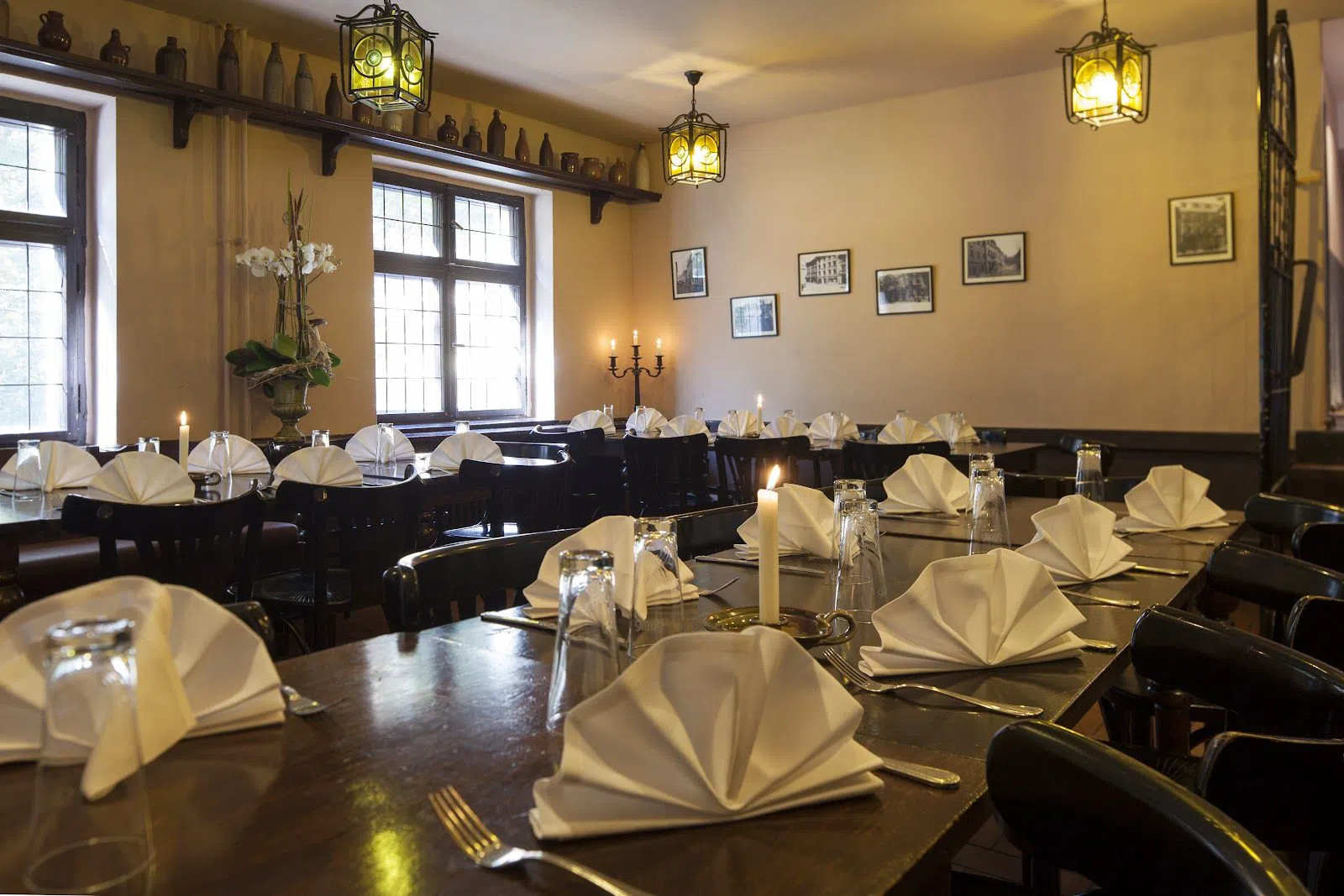
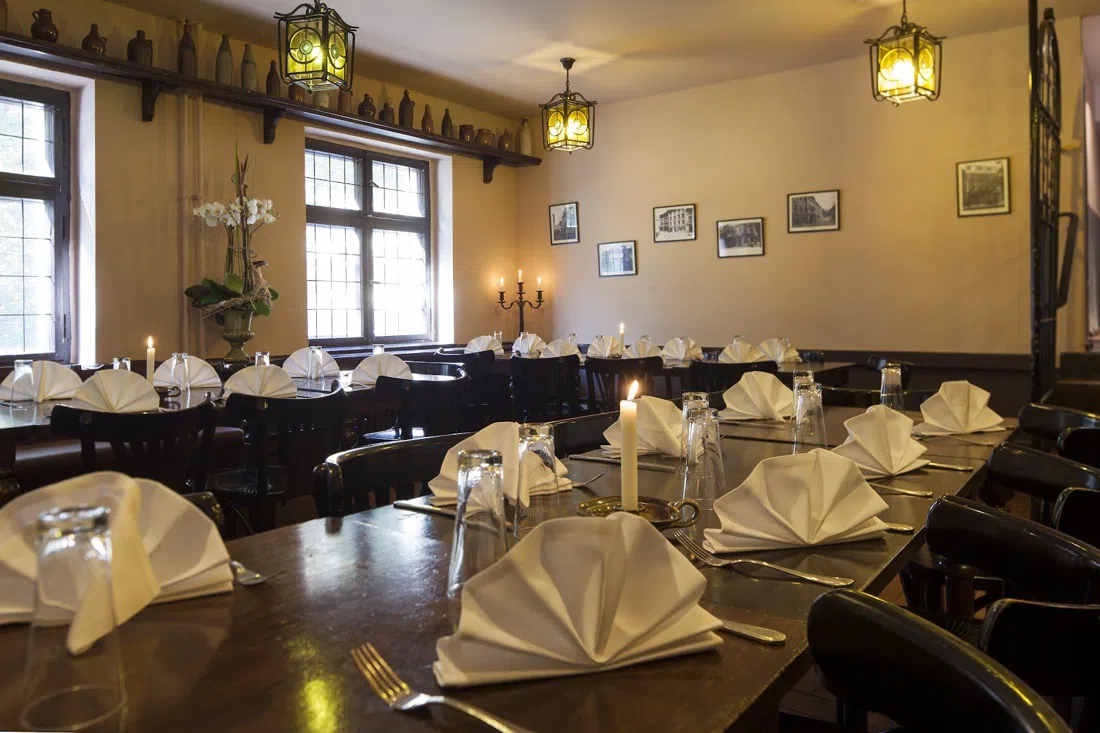
Start at Zur letzten Instanz (Mitte), which has been feeding people on the same cobbled lane since 1621 and has the low ceilings, the green tiled stove and the worn benches to prove it is not a reconstruction. Order the Eisbein if you want the pork-knuckle question settled once and properly, or the Königsberger Klopse, pale veal dumplings in a caper cream sauce that is the most Berlin thing on any menu in this article. Mains run roughly EUR 18-26. It closes on Mondays, and a same-day table is a phone call rather than a form on a website. The small rooms upstairs are the reason to bring a group of eight to twenty, booked by phone or email well ahead; downstairs the walk-in tables are tight enough that a party of six ends up standing at the bar looking hopeful.
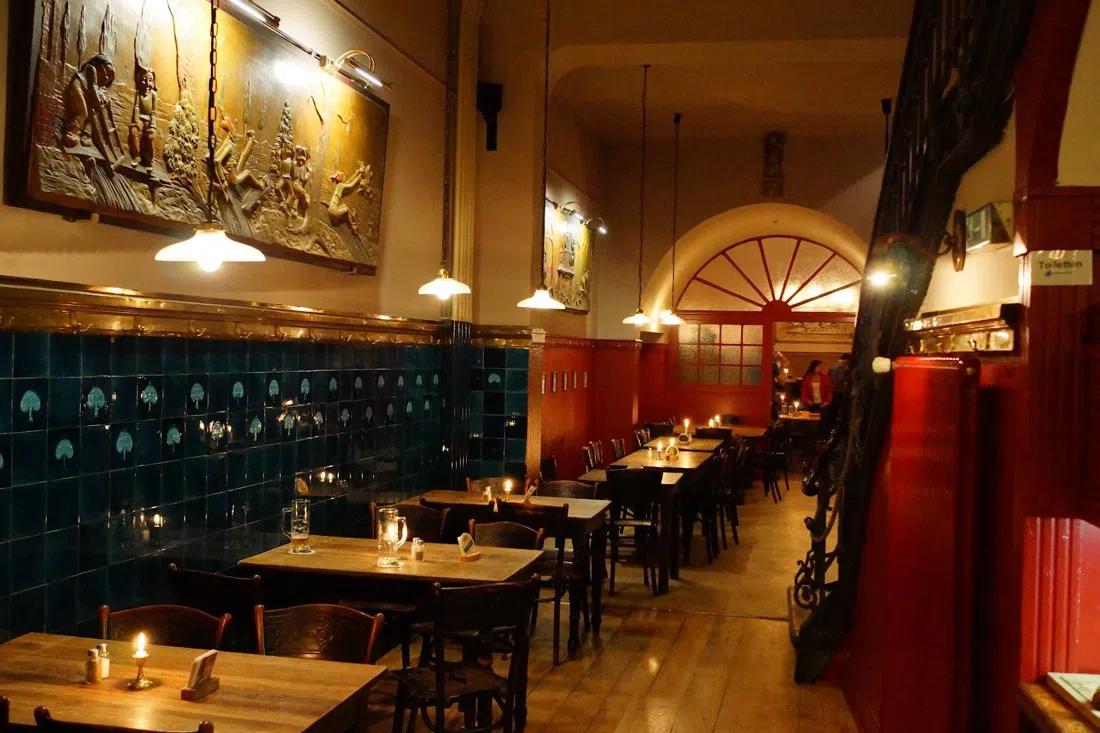
In Kreuzberg, Max und Moritz is where I send people who want that same cooking with more elbow room and less pilgrimage. It is the standard-bearer for Berlin home cooking: Buletten, the flat beef patties every Berliner grandmother claims to make better, and another very good version of Königsberger Klopse. It brews its own beer to drink alongside. Mains sit around EUR 15-25. It opens evenings only, from 5pm, which catches out anyone planning a long lunch. This is the group-friendly one on the list, with separate function rooms for larger parties; reserve ahead for six or more and you can hold a table for a dozen without anyone glaring at you.
Henne Alt-Berliner Wirtshaus (Kreuzberg) does one dish and has done it for over a century: milk-fed chicken, fried, served in halves with potato salad and Krautsalat. Half a bird is about EUR 13, sides EUR 4-6, and no substitution is worth asking for; the kitchen is polite about it and immovable. Reserve. Friday and Saturday are booked out days in advance, and the beer garden that absorbs bigger parties only works in warm months. Vegetarians should read the next paragraph instead of hoping.
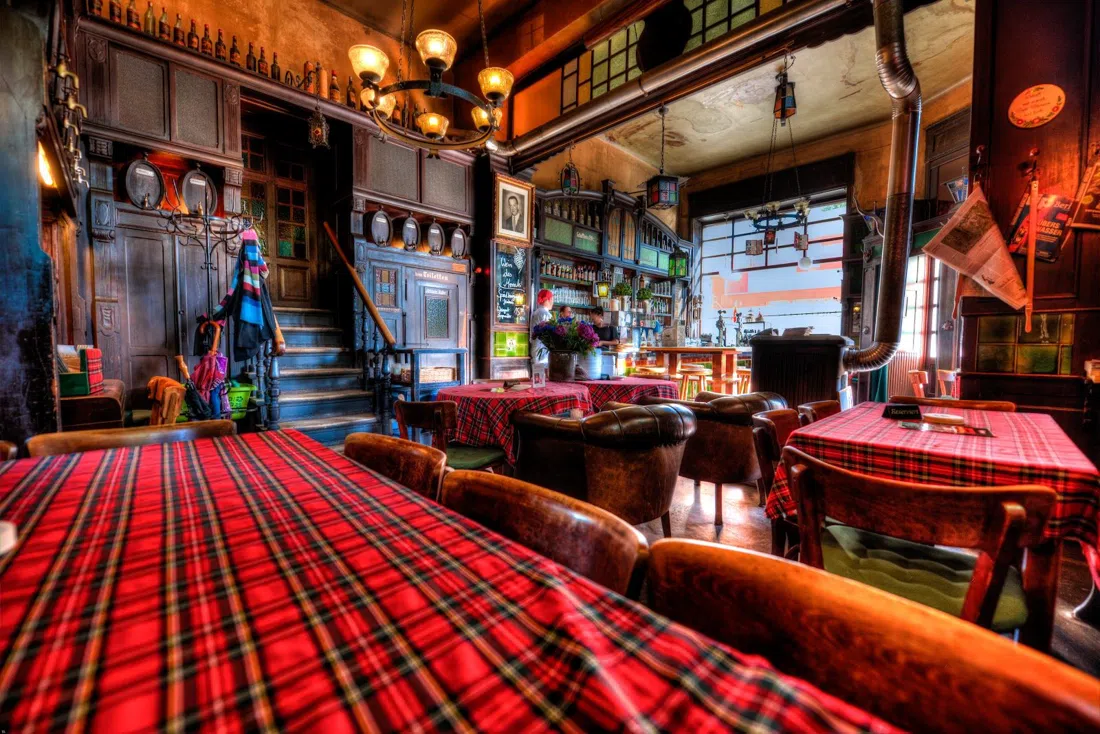
Schwarzwaldstuben (Mitte) is the corrective to anyone who thinks German food means pork and more pork. This is Swabian and Black Forest cooking: Maultaschen, the pasta parcels that exist because cooks wanted meat hidden inside dough, Käsespätzle heavy with onions and cheese, and Flammkuchen thin enough to fold. Mains are EUR 12-20, it is the strongest vegetarian option in this guide, and it is walk-in friendly with 60 seats plus 40 outside in summer. Call if you are more than six, and bring notes, because it is cash only.
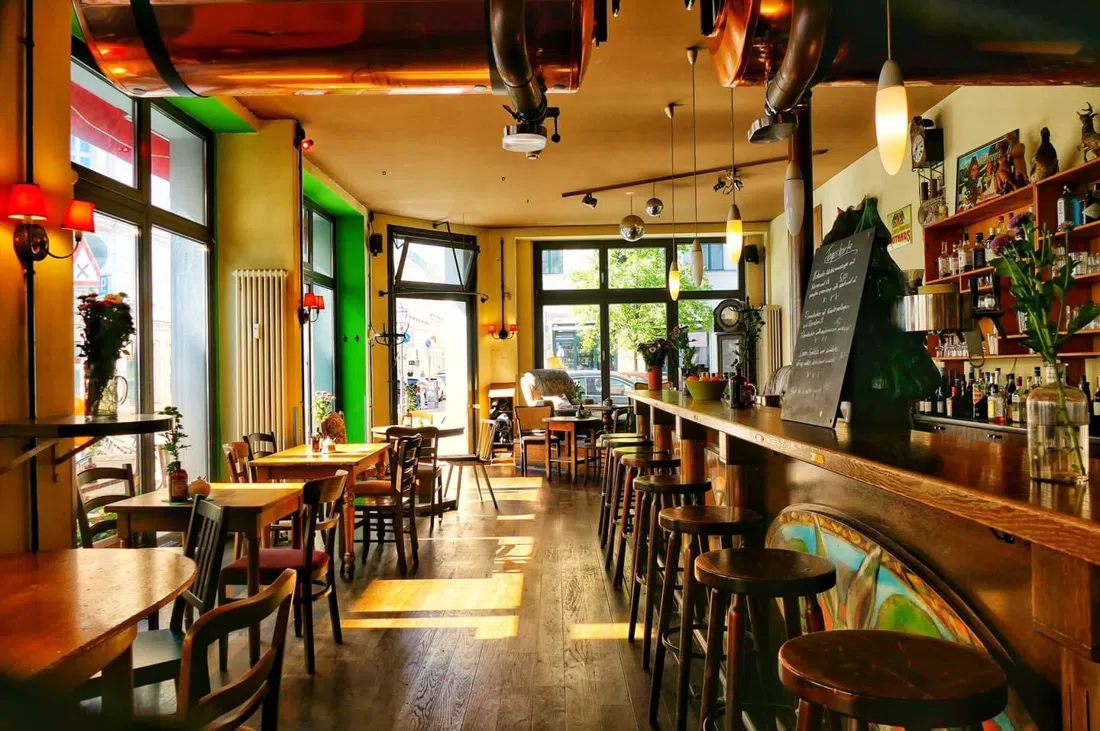
Beer gardens where the plate matters as much as the Pils
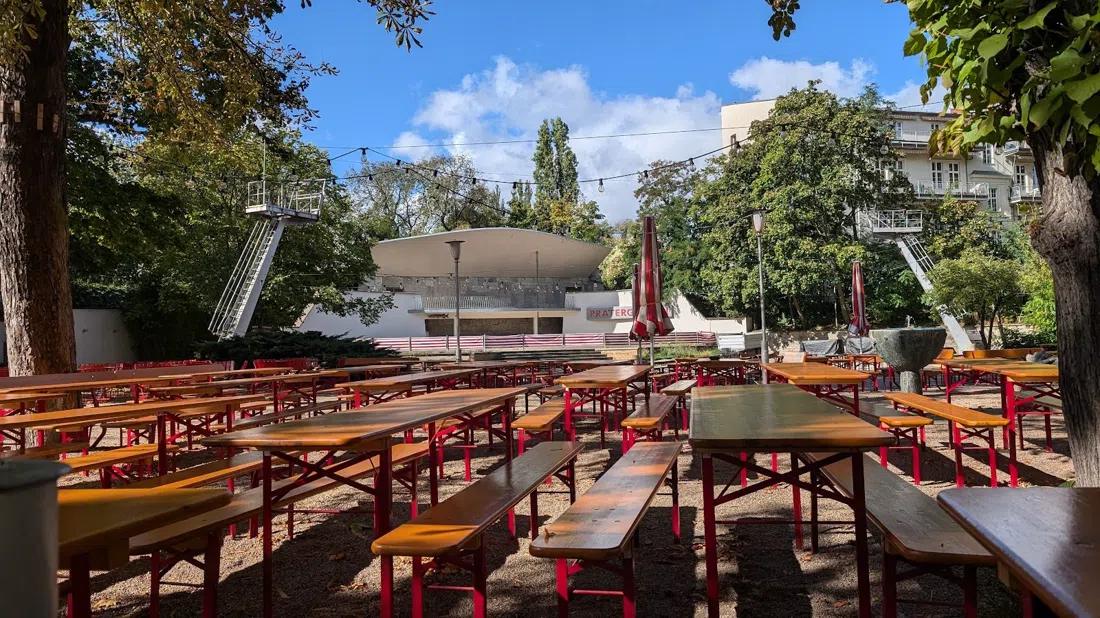
Prater Garten (Prenzlauer Berg) has been open since 1837, which makes it Berlin's oldest beer garden, and it still behaves like one. There is no reservation system in the garden and no door policy of any kind. You walk in under the chestnuts, find a bench, and share it. The Pils is brewed in house and the kitchen turns out its own Königsberger Klopse, so this is a rare beer garden where the food is not an apology. Budget EUR 10-20 for a beer and a plate. The garden runs roughly April to September; the indoor restaurant is open year-round and does take bookings, which is how you cover yourself against Berlin weather.
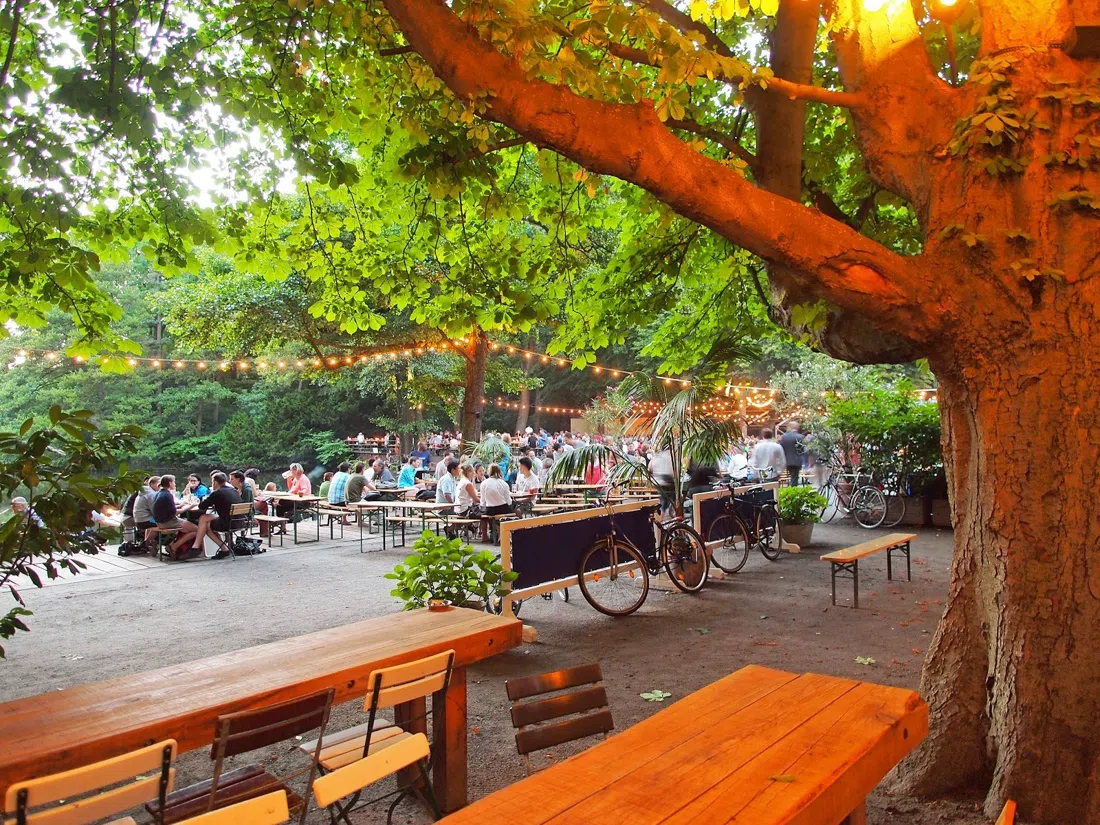
Café am Neuen See (Tiergarten) is the one central spot I recommend without caveats, and that surprises people, because a lakeside beer garden fifteen minutes' walk from the Brandenburg Gate ought to be a tourist trap, and it isn't. You can rent a rowing boat, then eat Bavarian plates at EUR 12-22 under the trees with families and office crowds and dogs asleep under the tables. The garden is first come, first served and large enough that a group of ten will find space; the restaurant takes reservations if you want certainty. On a warm evening it is the easiest good decision in the city centre.
Two markets that show what Berlin eats on a normal week
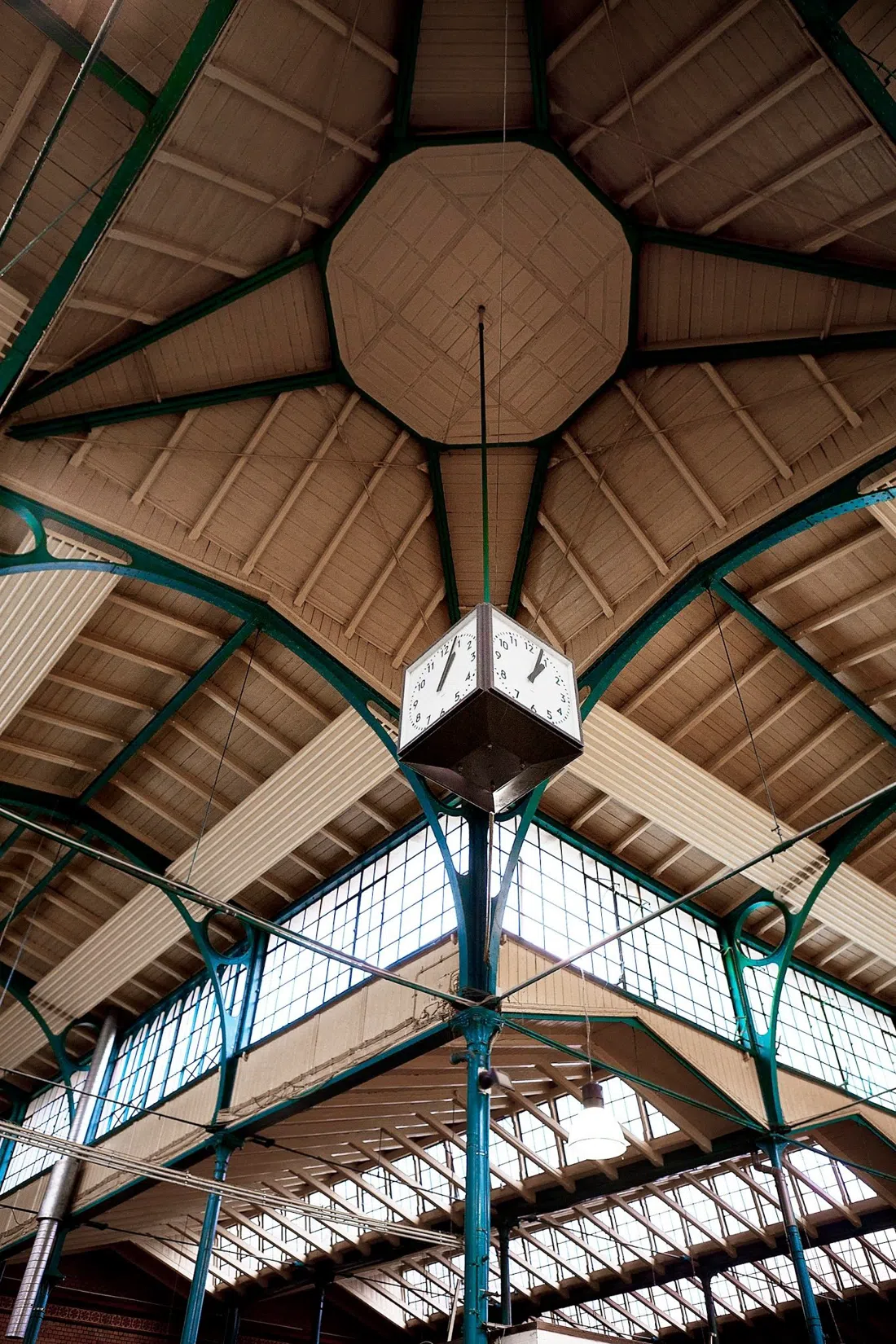
Markthalle Neun (Kreuzberg) is a brick nineteenth-century hall that earns its reputation on Thursdays. Street Food Thursday runs 5pm to 10pm and is, plate for euro, the best eating hour in Berlin: EUR 6-15 gets you something cooked in front of you by the person who developed the recipe. Go before 7pm unless you enjoy eating standing in a crush; after that the aisles fill and the communal tables go. There are no bookings and no door, so groups simply graze the stalls and reconvene. On weekdays the hall is calmer and still worth the trip for the bakery, the butcher and the daily stalls.
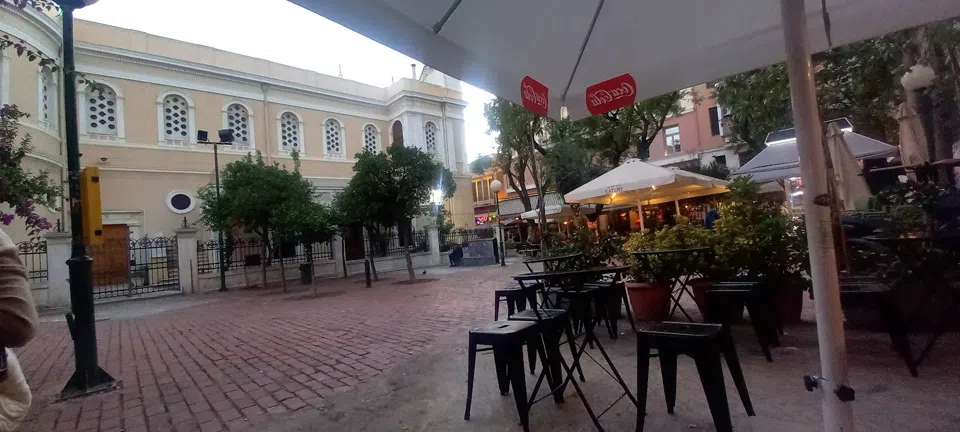
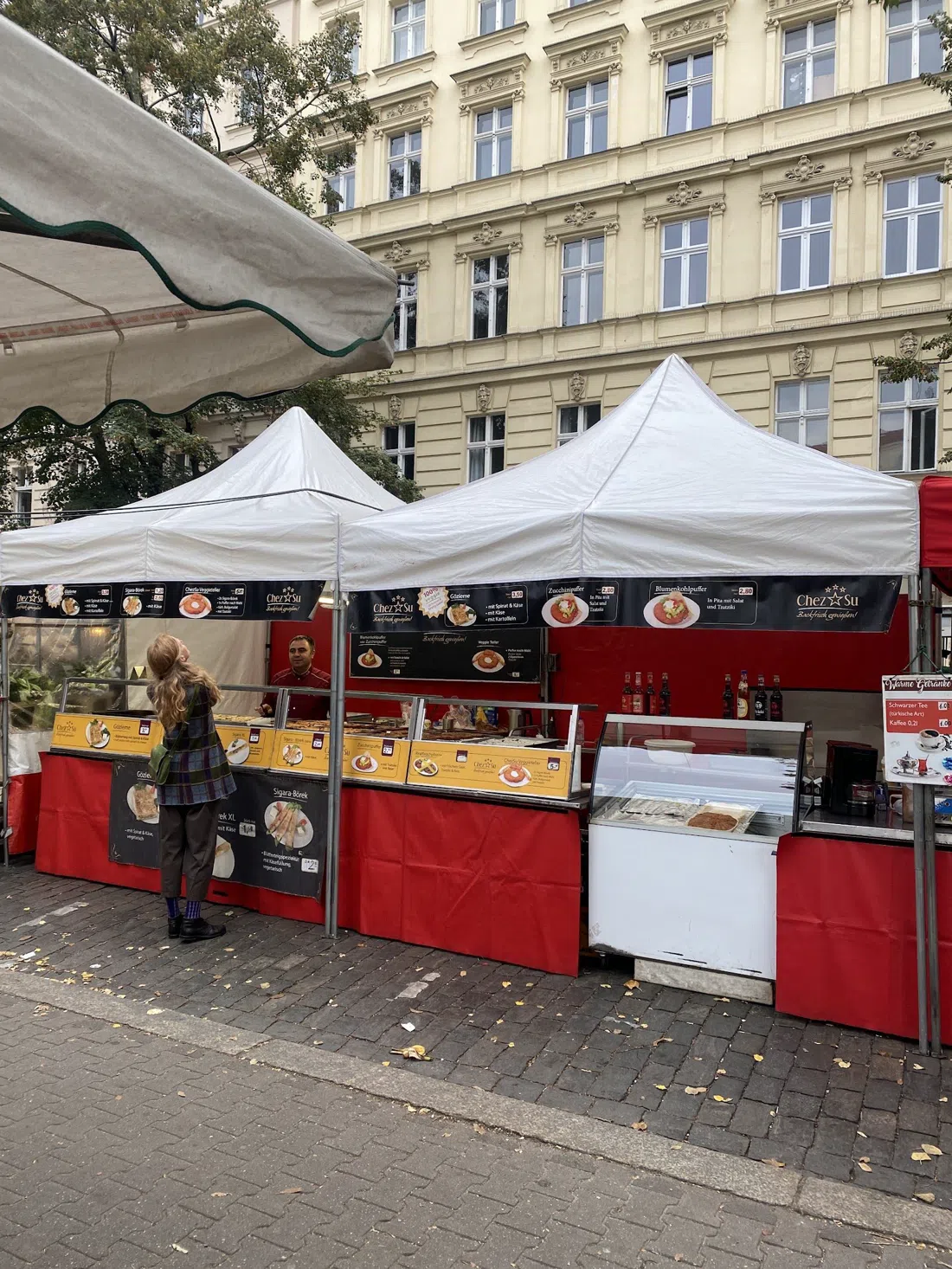
Türkischer Markt am Maybachufer (Neukölln, along the canal) is the cheapest and most honest introduction to the Turkish half of Berlin's food culture. Up to 180 traders set up every Tuesday and Friday, 11am to 6.30pm: sheets of gözleme cooked to order, sacks of dried mint and Urfa chilli, warm sesame simit, sheep's cheese cut from the block and handed to you to taste. Snacks and produce run EUR 2-8. Any group size works in principle, but the towpath narrows to single file at peak, so agree on a meeting point at one end before you all dissolve into the crowd.
Kebab standing on the pavement and kebab at a table
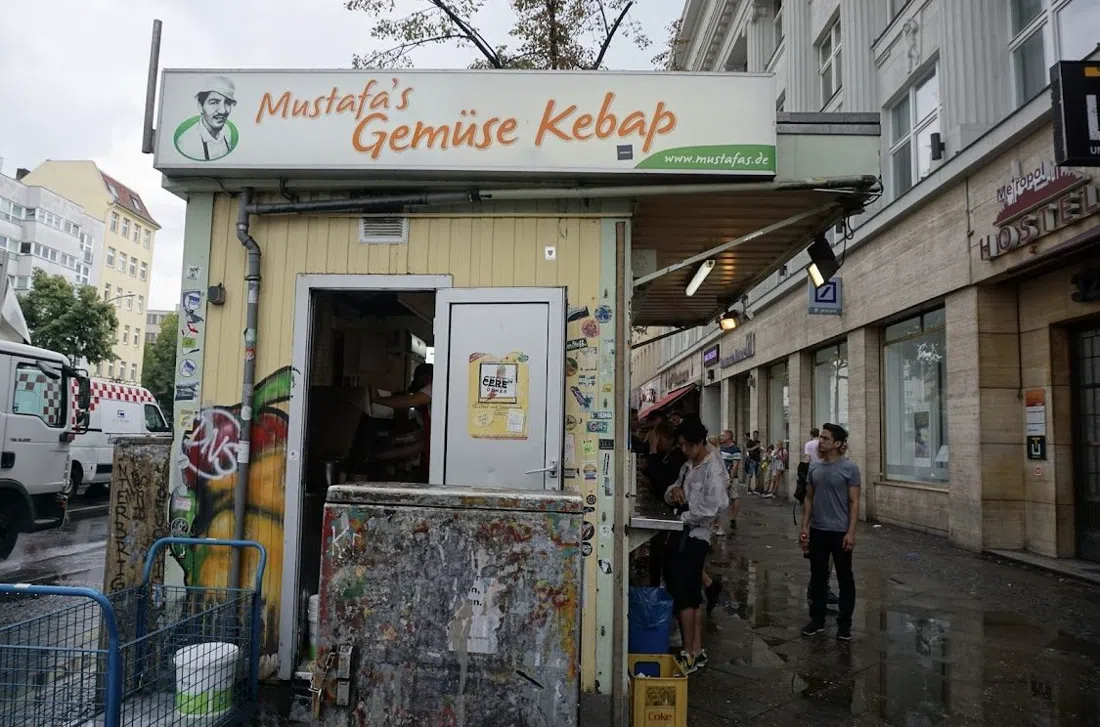
Mustafa's Gemüse Kebap (Kreuzberg) is a window on Mehringdamm with a queue attached, and the queue is what it costs. For about EUR 7-9 you get chicken carved into bread and loaded with grilled vegetables, crumbled feta and a hard squeeze of lemon, which is a different animal from a standard doner. There is no seating and no booking, so a group just means a longer wait and then eating standing up on the pavement. It moved across the road to number 33 in 2025, so the old number 32 address printed in older guides is dead.
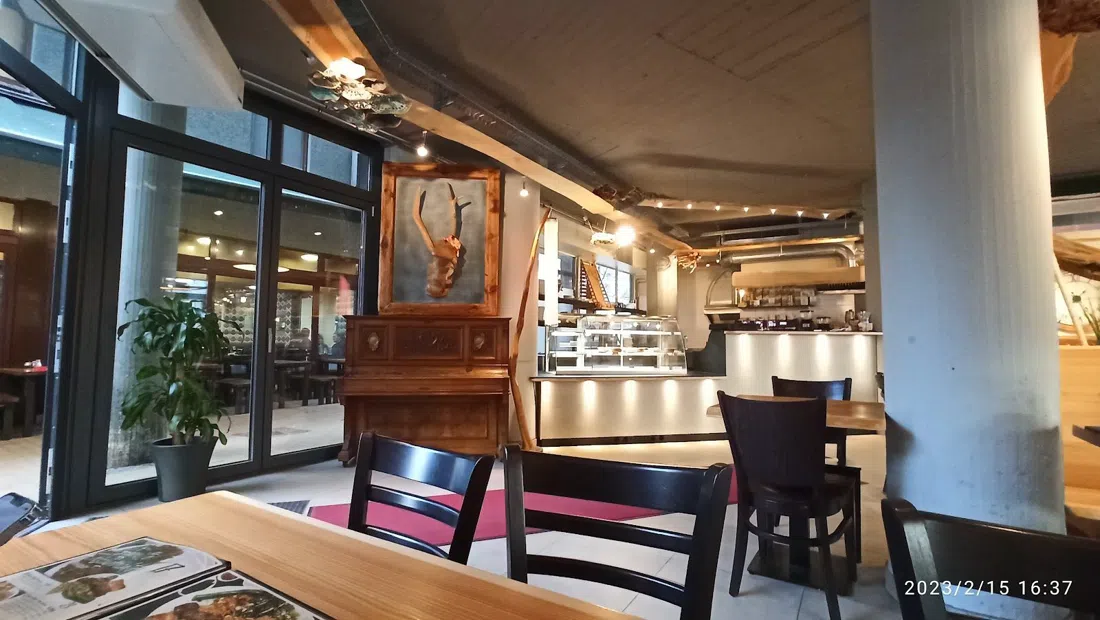
Doyum Grillhaus (Kreuzberg) is the sit-down answer. It is fully halal, the grilling is done over charcoal on a proper ocakbaşı, and its Adana kebap (coarse minced lamb, chilli, the fat rendering into the flatbread underneath) is the reference point I judge others against. The lahmacun and the grilled vegetables and the mound of flatbread that arrives unasked make a table of four look like a feast for EUR 10-20 a head. The room is large and takes groups without fuss, there is no door policy, and you only need to reserve at eight or more.
The short Vietnamese menu that opened a whole scene
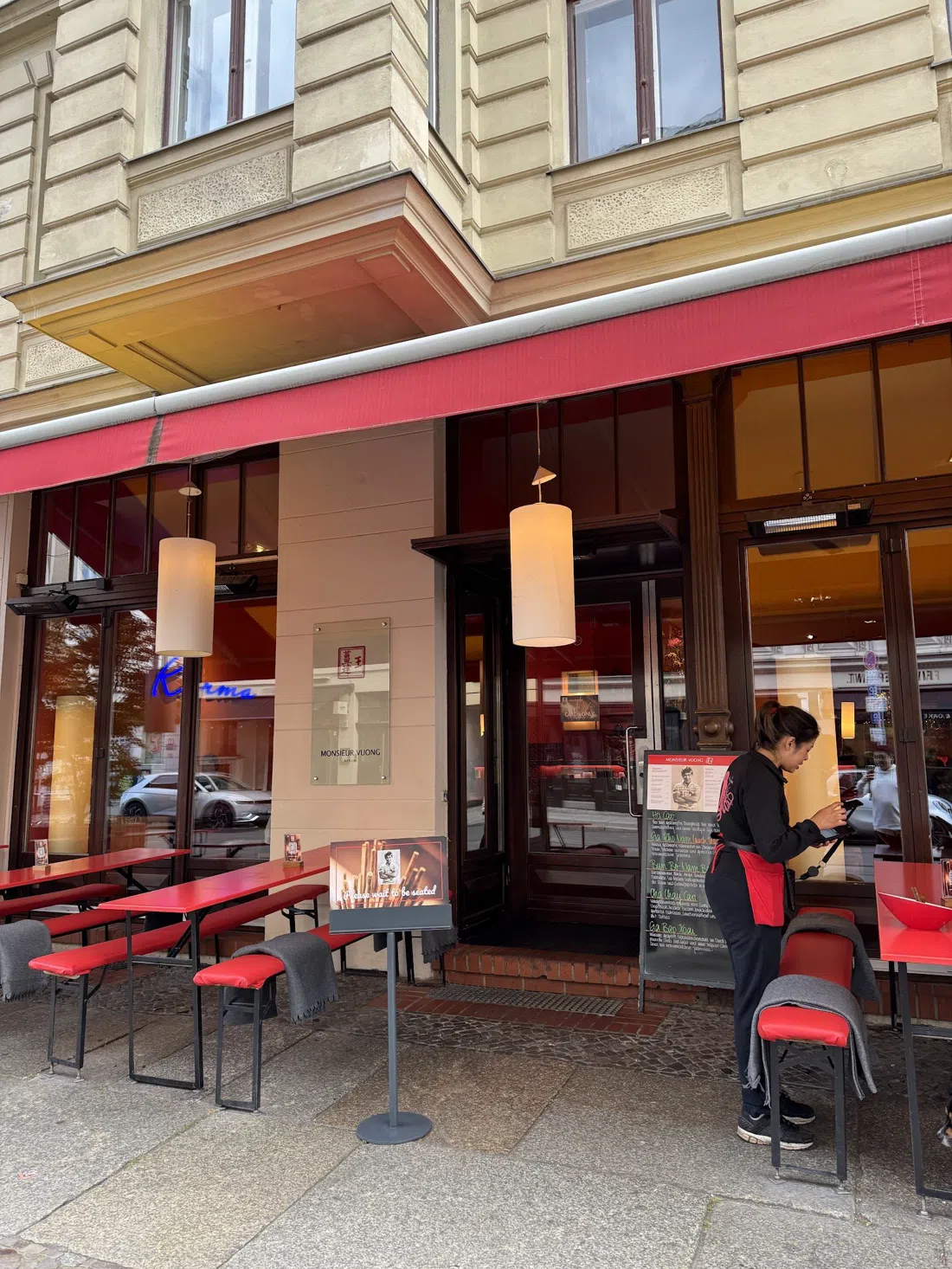
Berlin's Vietnamese food scene is enormous, and Monsieur Vuong (Mitte) is the doorway most people go through first. It has been family-run since 1999, the menu is deliberately short, a handful of dishes changed twice a week, and the kitchen is clearly not interested in growing it. Bowls are EUR 12-16 and arrive fast, aromatic and properly seasoned. There are no reservations. Groups wait at the bar and get seated in pieces as tables free up, so split into fours before you arrive and accept you will be at separate tables; a party of eight standing in the doorway is the one way to have a bad time here.
One dinner worth the rest of the week's food budget
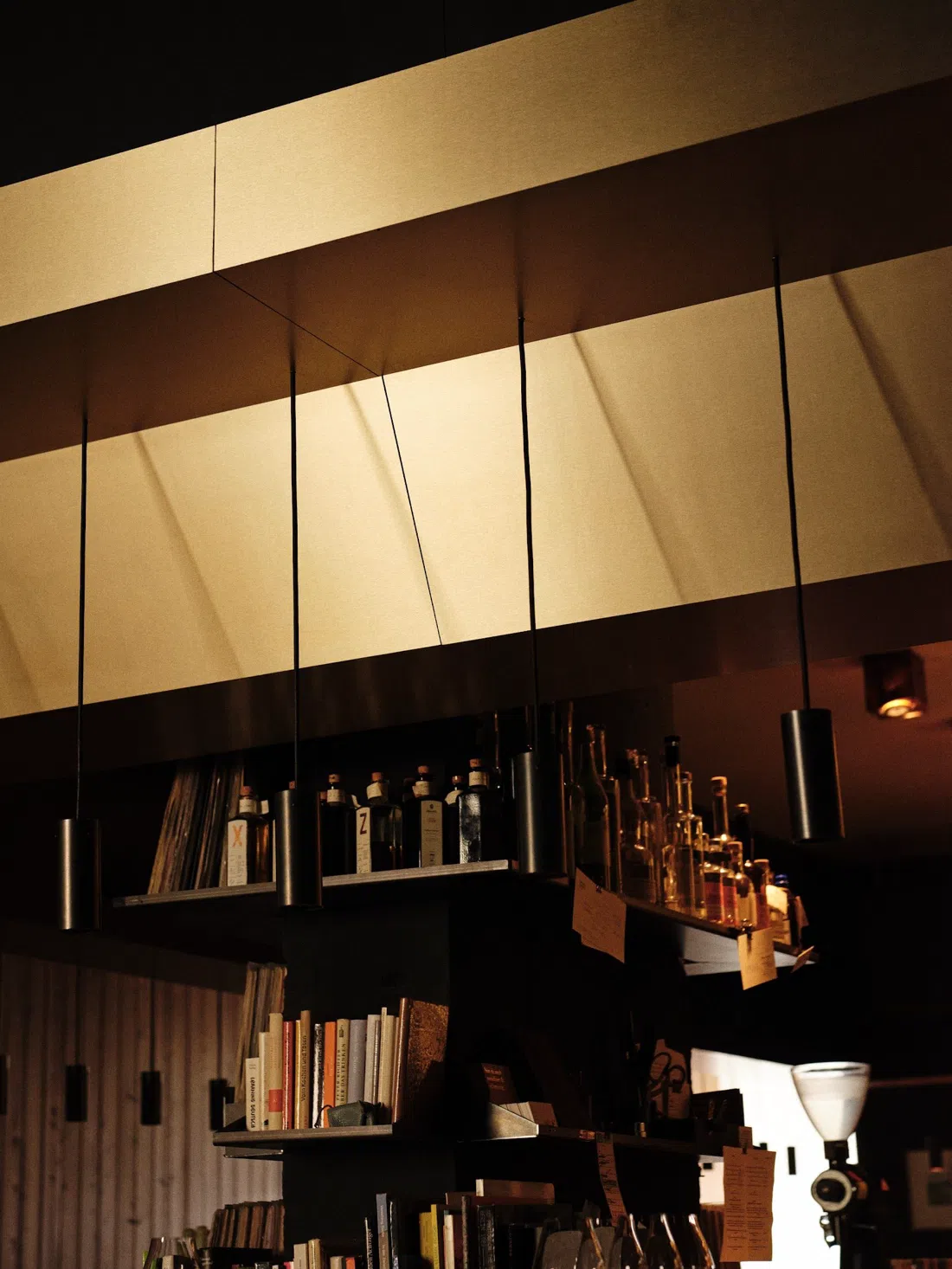
Nobelhart & Schmutzig (Kreuzberg) holds one Michelin star for a menu built entirely from named German producers: the fisherman, the market gardener, the miller, all credited. It makes the sharpest argument against anyone who thinks German cooking stops at sausage, and it does that with radishes and cured fish and dairy rather than with luxury imports. The tasting menu is roughly EUR 175-225 per person, service is Tuesday to Saturday evenings, and you should book six to eight weeks out. Online booking handles up to eight, but the counter seating, where you watch the cooking and talk to the people doing it, suits two or four far better than a large party.
Cake first, then bread, then coffee
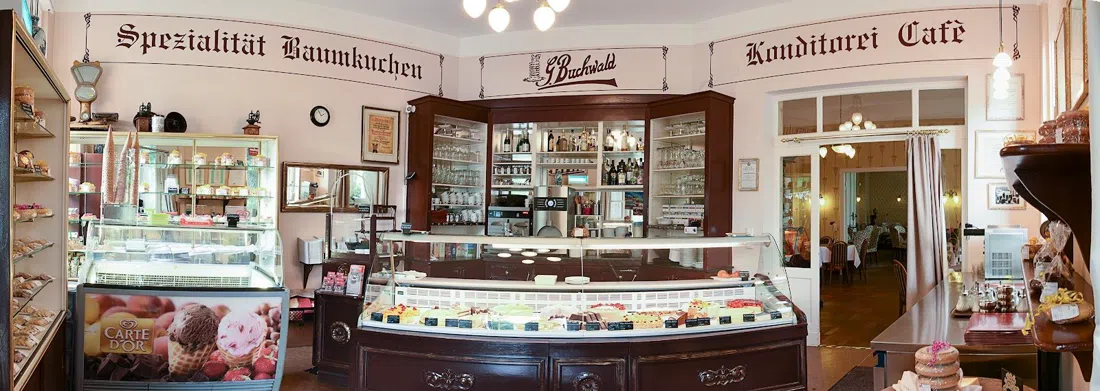
Konditorei Buchwald (Hansaviertel) has been baking Baumkuchen since 1852, which makes it Berlin's oldest continuously running confectionery, and the room still feels like someone's front parlour. Baumkuchen is built up in thin layers on a rotating spit until it is dense and faintly caramelised, then glazed; a slice is EUR 4-7 and the woman cutting it will tell you which ring came out best today. The café is small and calm, perfect for two or three, worth a call ahead for more than six. If every table is taken, buy a whole glazed ring to take away and eat it on a bench by the river.
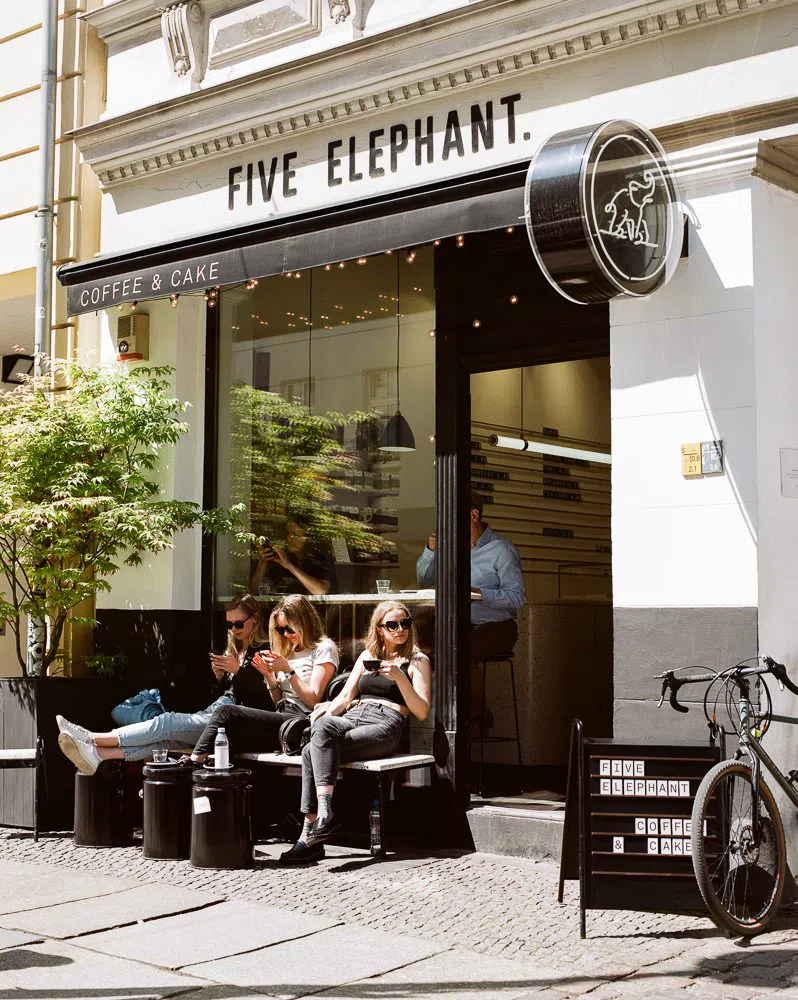
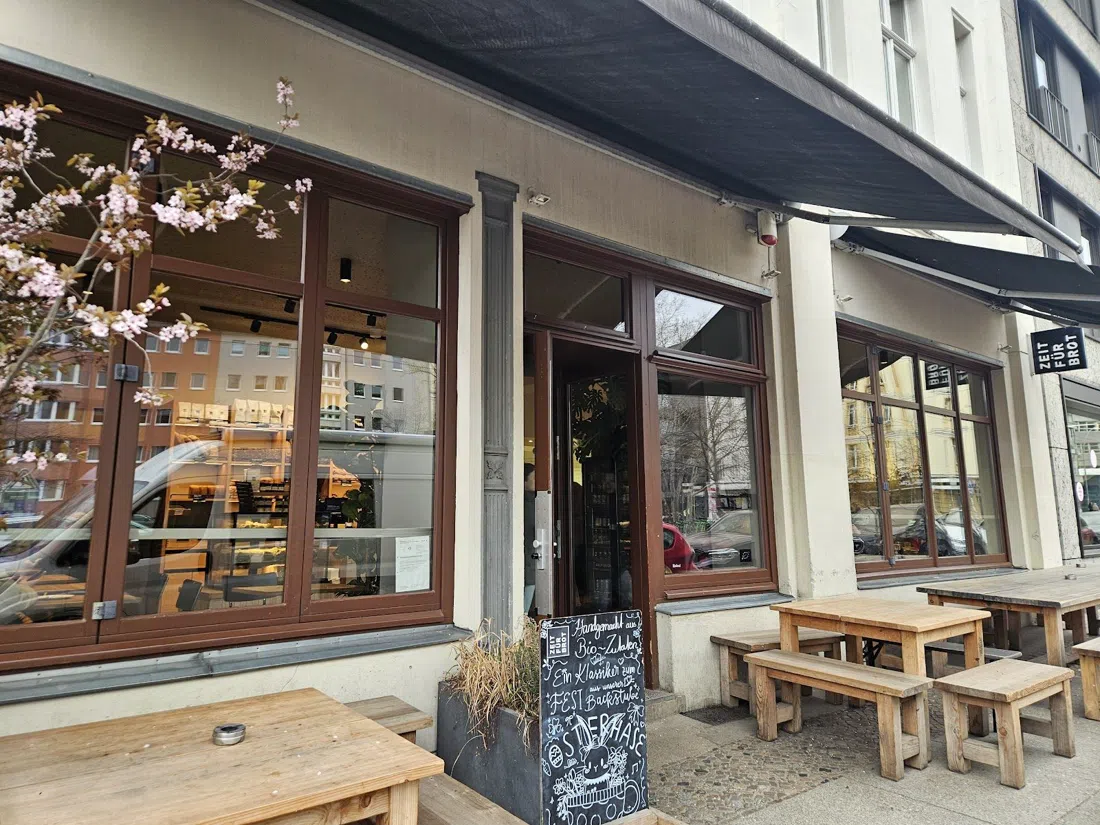
Zeit für Brot (branches across Mitte, Prenzlauer Berg and Charlottenburg) is the bakery that made Berliners queue for cinnamon rolls, and the Bioland-certified sourdough is the reason to come back the next morning. Pastries are EUR 3-6, it is counter service with only a few seats, and groups should simply take their bags out to the street. Five Elephant (Kreuzberg) is where the case for Berlin as a serious coffee-roasting city is easiest to make: they roast their own, they will talk you through it if you ask, and the cheesecake has been on the counter since the day the doors opened. Reckon on EUR 4-9 for coffee and cake, walk-in only, and expect the Kreuzberg flagship to be full by mid-morning at weekends.
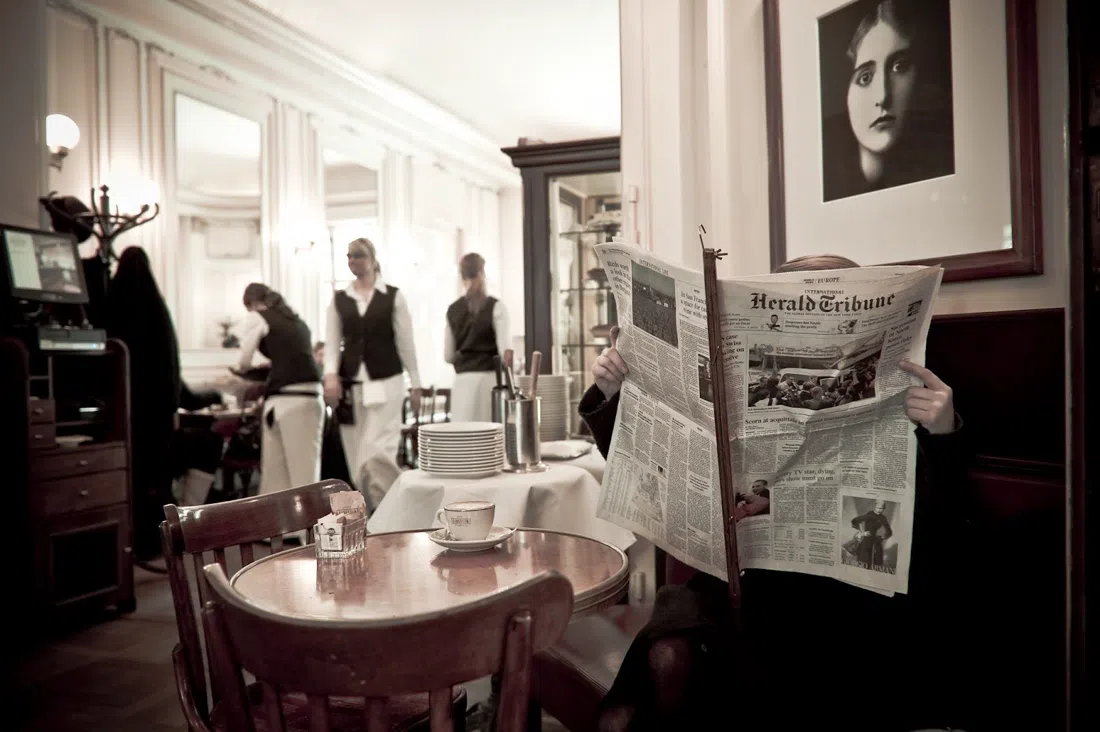
For something slower, Café Einstein Stammhaus (Tiergarten) has run a Viennese-style coffee house out of a Berlin villa since 1978. Apple strudel and a Wiener Melange in the afternoon is the correct order; in the evening the Wiener Schnitzel at about EUR 28 is properly done, thin and dry-crisp. Coffee and cake lands at EUR 10-14. It takes reservations and handles larger tables better than anywhere else in this section, and in summer the garden is the best group option in the guide, the one place here where twelve people can sit together for three hours without anyone hovering.
Planning notes
Everything above is reachable on the U-Bahn and S-Bahn, and an AB ticket covers all of it; buy a day ticket rather than singles if you are eating in two districts, and validate it before you board. Carry cash. Schwarzwaldstuben is cash only, both markets are effectively cash, and plenty of small counters still prefer notes, so EUR 50-100 in small denominations per person per day removes the problem entirely.
Build the week around the fixed points: the Türkischer Markt only happens on Tuesdays and Fridays, Street Food Thursday only on Thursdays, Max und Moritz and Henne are evening propositions, Zur letzten Instanz is shut on Mondays, and Prater's garden is a warm-months pleasure. Book Nobelhart & Schmutzig six to eight weeks ahead, Henne several days ahead for a weekend, and simply turn up at Prater, Café am Neuen See, Five Elephant, Monsieur Vuong and both markets. On money, EUR 25-40 a day buys you very well here (a market breakfast, a kebap, a Wirtshaus dinner), and one starred evening will cost more than the rest of the week combined, which is a fair trade exactly once.
Stay in Kreuzberg or Prenzlauer Berg if you want most of this within walking distance after dinner; compare rates and locations with a Berlin hotel search, and read the rest of the Berlin guide for what to do between meals.
Questions
What should I eat in Berlin instead of currywurst?
Königsberger Klopse at Zur letzten Instanz or Max und Moritz, half a fried milk-fed chicken at Henne, Maultaschen or Käsespätzle at Schwarzwaldstuben, Adana kebap at Doyum Grillhaus, and a Vietnamese bowl at Monsieur Vuong. For something sweet, Baumkuchen at Konditorei Buchwald has been made the same way since 1852.
Where can I eat halal food in Berlin?
Doyum Grillhaus in Kreuzberg is fully halal, charcoal-grilled and a proper sit-down meal, with mains around EUR 10-20 and no need to reserve unless you are eight or more. The Türkischer Markt am Maybachufer on Tuesdays and Fridays is the other easy option, with snacks and produce at EUR 2-8.
Is Berlin good for vegetarians?
Yes, though the old Wirtshäuser are meat-first. Schwarzwaldstuben is the strongest traditional choice: Maultaschen, Käsespätzle and Flammkuchen, mains EUR 12-20, cash only. Markthalle Neun on Street Food Thursday and the Türkischer Markt both give you plenty of meat-free plates without special pleading.
Do I need to book restaurants in Berlin?
For some. Nobelhart & Schmutzig needs six to eight weeks; Henne is booked out on Fridays and Saturdays; Max und Moritz wants a reservation for six or more; Zur letzten Instanz takes same-day tables by phone only and closes Mondays. Prater Garten, Café am Neuen See, Monsieur Vuong, Five Elephant and both markets take no bookings at all.
Do Berlin restaurants and markets take cards?
Many do, but not all: Schwarzwaldstuben is cash only, and the market stalls at Markthalle Neun and Maybachufer are effectively cash. Carry EUR 50-100 in small notes per person per day and you will never be caught out.
First published on berlincitybreak.com, the Berlin guide.