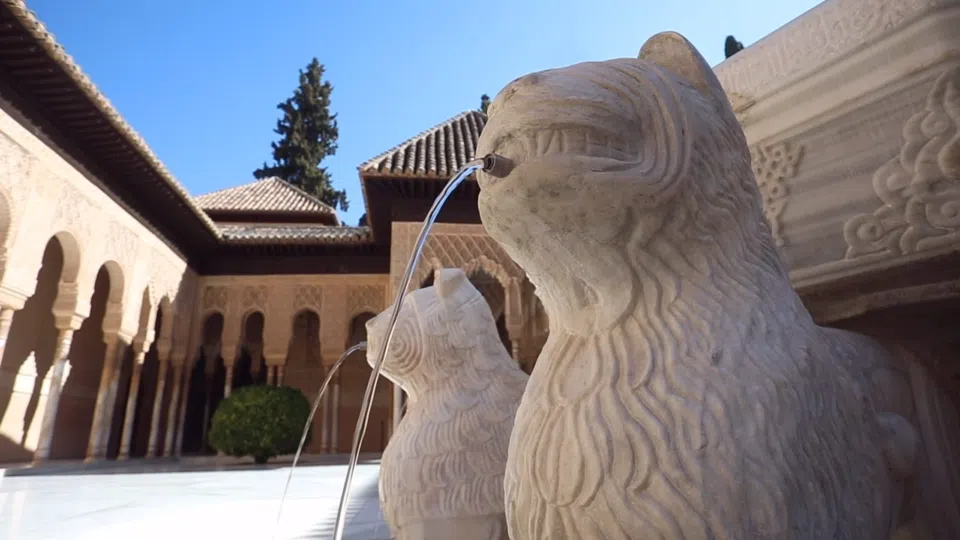
Seen from the Albaicín at dusk, the Alhambra is a long red ridge with the Sierra Nevada holding its snow behind it, and the whole wall turns amber for twenty minutes before the floodlights come up. Seen from inside at nine the next morning, it is a sequence of rooms made so exactly that you stop looking out of the windows altogether. Both are the same building, both are worth the journey, and if you arrive at midday and leave the following morning you will get neither of them properly.
The ticket that sets the clock
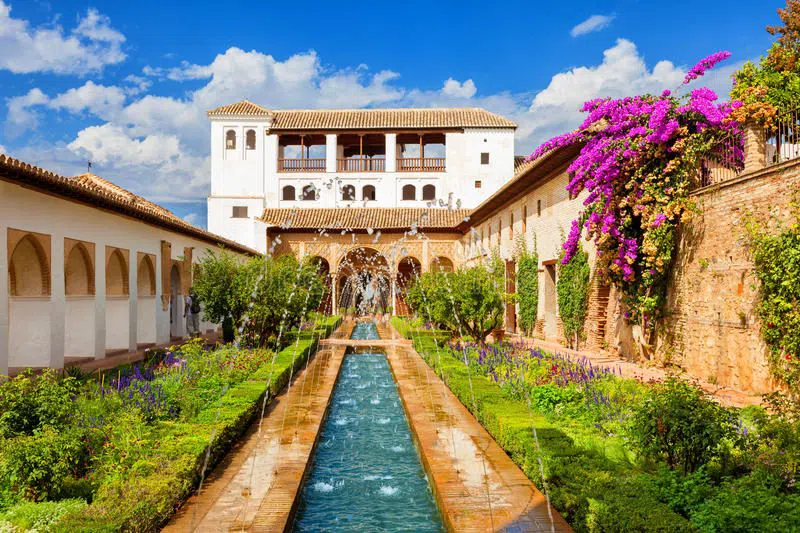
Everything in a Granada itinerary arranges itself around one half-hour. Alhambra and Generalife (the hill above the Darro) sells a named, timed ticket for the Nasrid Palaces, and that slot is the only immovable appointment in the city. Miss it and there is nothing to negotiate: no walk-up, no slipping in behind someone who made it. A party does not get a party pass either. Every person needs their own named ticket, though official guided group slots and authorised guides exist if you would rather hand the logistics to somebody else. A general day visit runs €19 to €22. The Dobla de Oro combined ticket is €30.48, and it changes the maths of how long you stay.
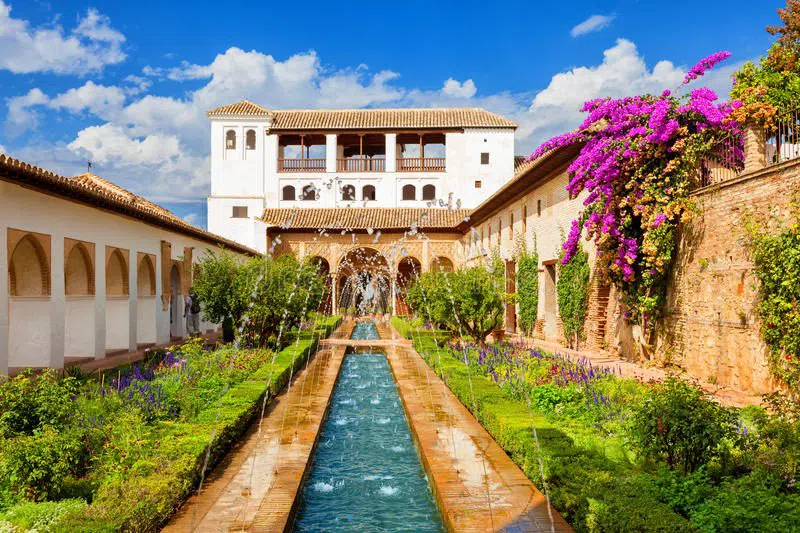
The palaces are the famous half-hour, but they are not the visit. The Alcazaba, the Generalife gardens and the Palace of Charles V take three to four hours between them, on stone, in sun, mostly uphill. Add the walk up and the walk down and you have spent a day. A plan that puts a morning arrival, the whole Alhambra and something else into the same twenty-four hours is not an itinerary, it is a route march. Our Granada guide covers the wider city; the question here is narrower, and worth settling before you book anything.
What the dusk view costs you
The strongest single argument for a second night is free. Mirador de San Nicolás (Albaicín) is an open square with a low wall, a church at your back and the entire Alhambra laid out across the gorge at eye level. There is no door policy and no ticket, any group size is fine, and the terrace bar pours drinks at €3 to €6. It does have a crowd: by sunset it is shoulder to shoulder, and a group of more than four should be standing there forty-five minutes early if you want the wall rather than the third row behind it.
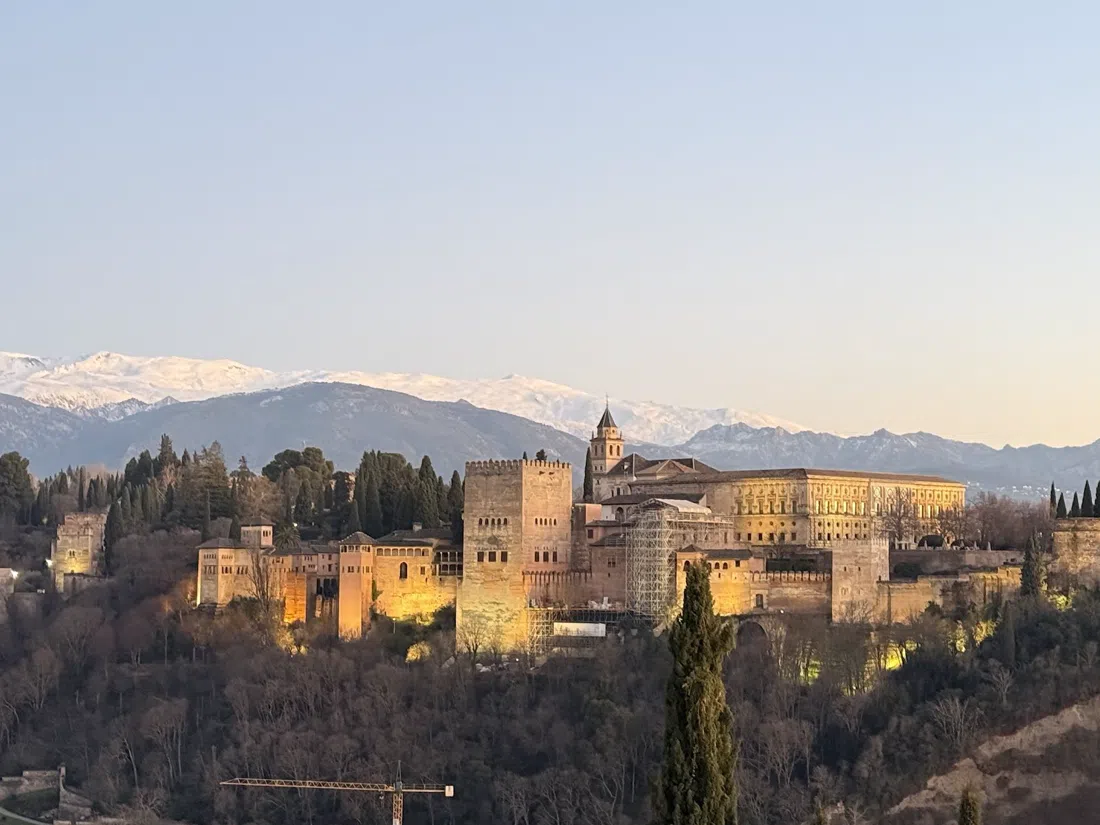
These are two different buildings, not a better and a worse view of one. Inside, the Alhambra is intimate, plaster-fine, almost domestic in scale. From San Nicolás it is a fortress on a ridge, which is what it was built to be. Doing one at 09:00 and the other at 21:00 on the same exhausted day is possible on paper and miserable in practice, because the climb into the Albaicín comes at the end of four hours on your feet. Split them across two evenings and the city starts making sense.
A morning in the centre without a queue
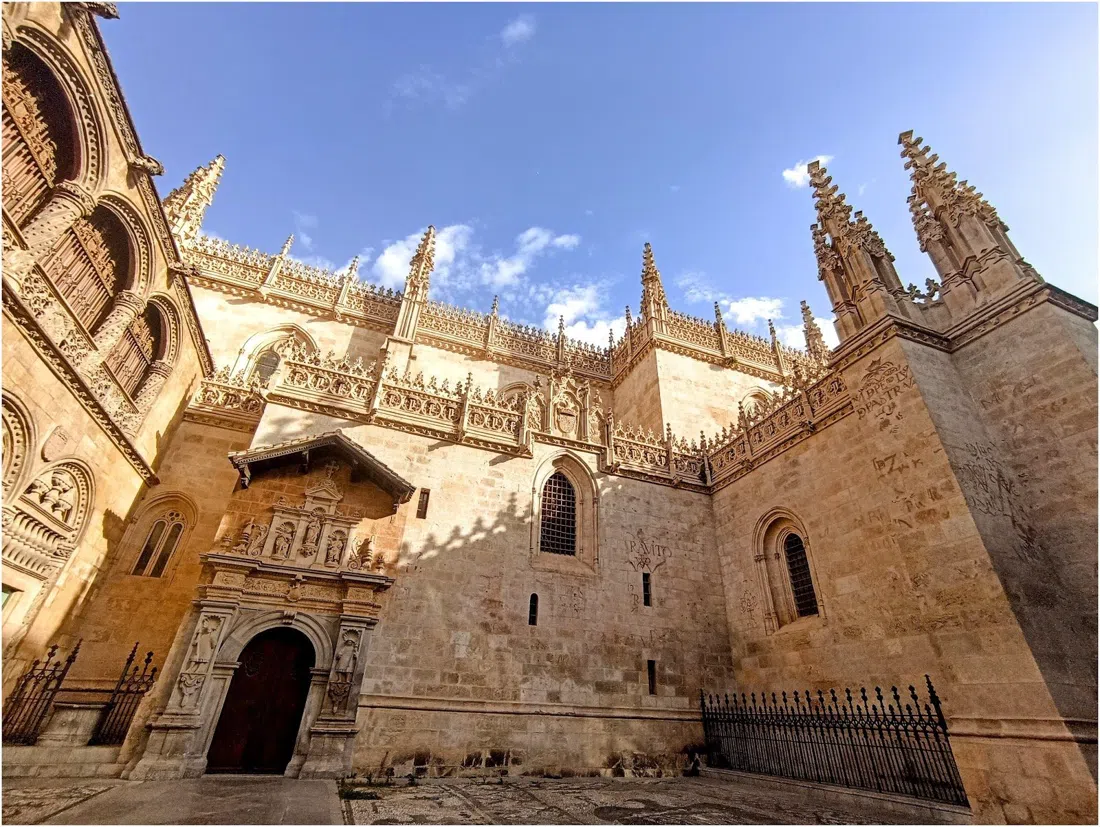
Give yourself a second day and the flat part of Granada opens up. Capilla Real de Granada (city centre, hard against the Cathedral) is the densest piece of history in the city outside the Alhambra: the royal mausoleum, about forty-five minutes with the audio guide, which comes in eleven languages. Entry is €7 for adults and €5 for students, and groups need advance booking through the Archdiocese ticket site rather than turning up as a wall of twelve. It is small and it rewards slowness. Most people give it fifteen minutes and miss the point of the room.
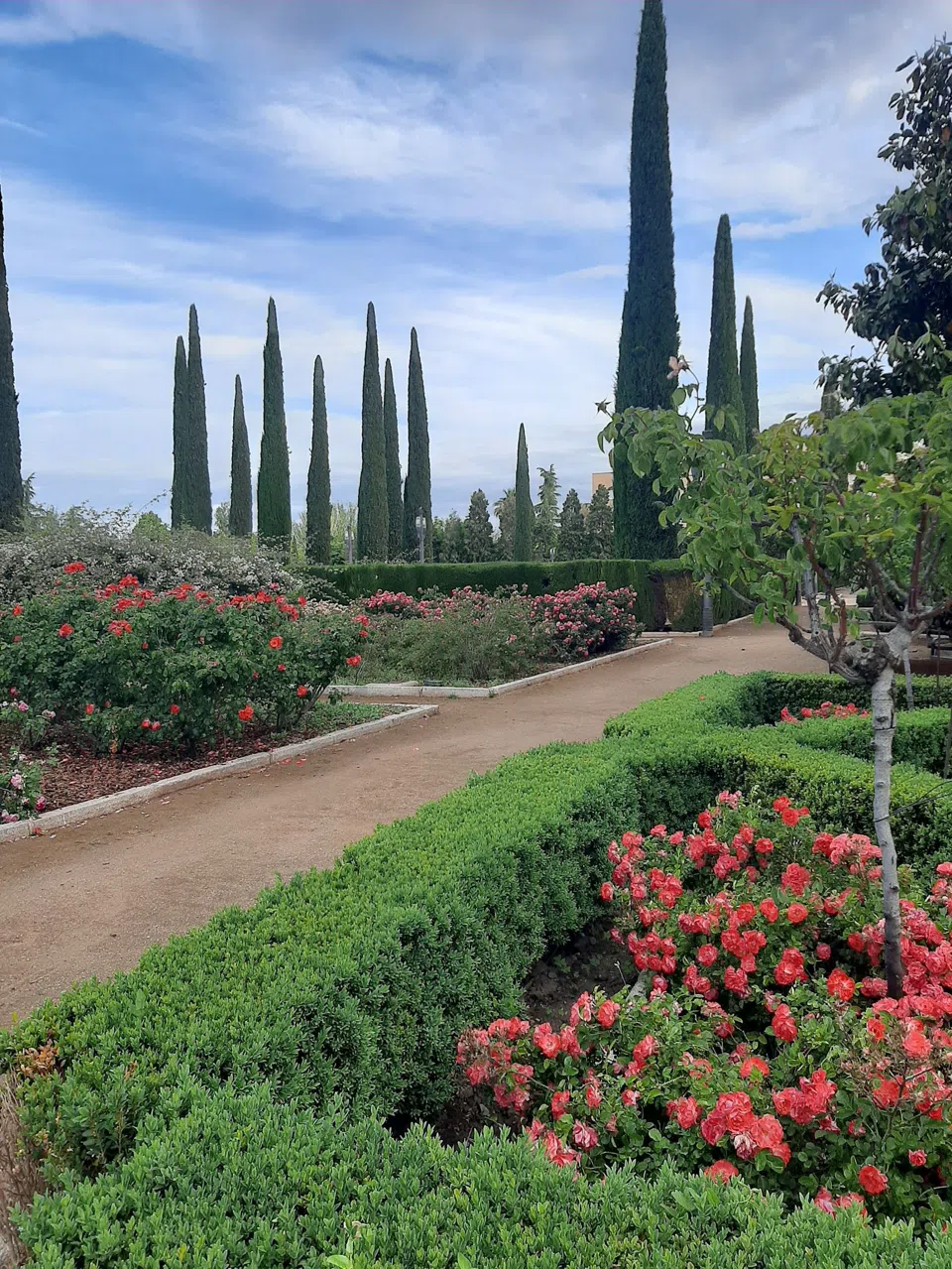
On the hill, five minutes from the Alhambra ticket office, Carmen de los Mártires (Alhambra hill) is a free public garden that stays close to empty even on days when the palaces are sold out: terraces, water, peacocks, and a view down over the vega. There is no booking and no size limit. There is a catch: the hours split into a morning and an afternoon session with a midday closure, and the garden shuts for the whole of August. Check before you make the climb, because nothing is more deflating than arriving at a locked gate with your legs already gone.
The Albaicín ticket that outlives your Alhambra slot
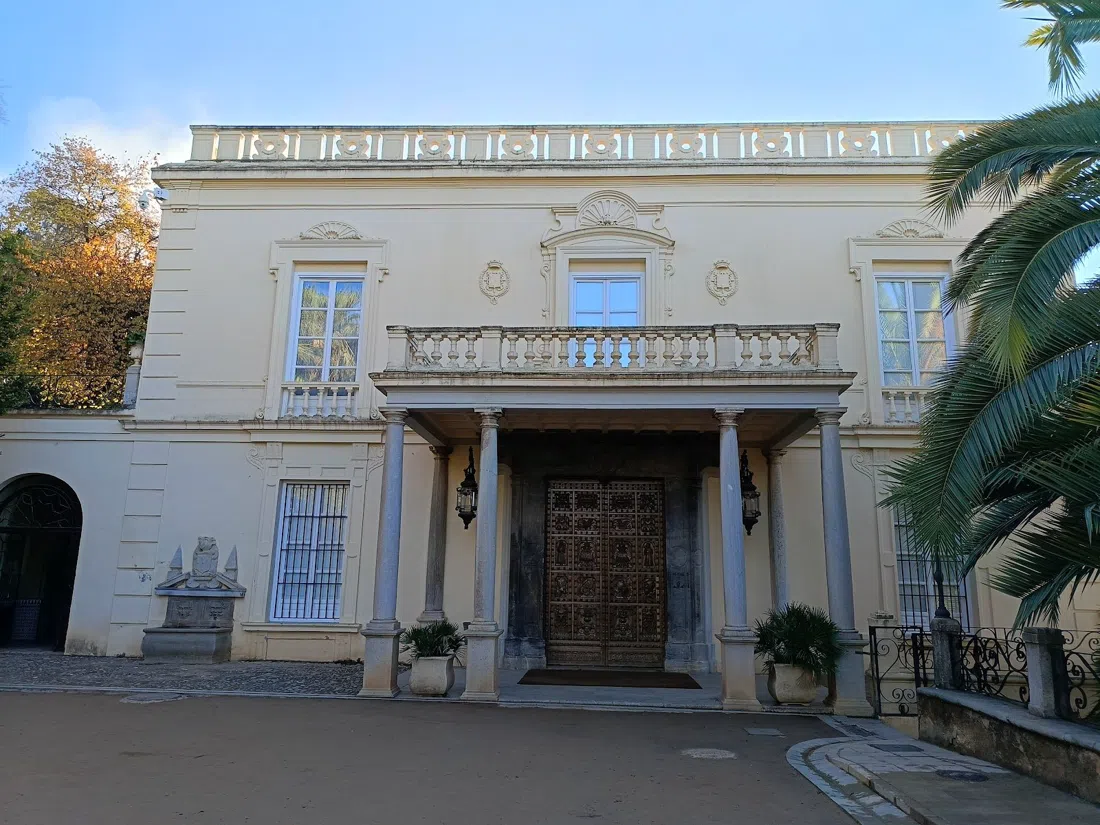
This is the detail that turns two nights into three. Palacio de Dar al-Horra (Albaicín) is the house of Boabdil's mother, a small Nasrid palace with a courtyard and a view, and the quiet counterweight to the crowds below. It is included in the same Dobla de Oro ticket at €30.48, booked through the Alhambra Patronato, and that ticket also opens El Bañuelo, Casa de Zafra, Casa del Chapiz and the Casa Morisca. It stays valid the day before and the day after your Alhambra slot.
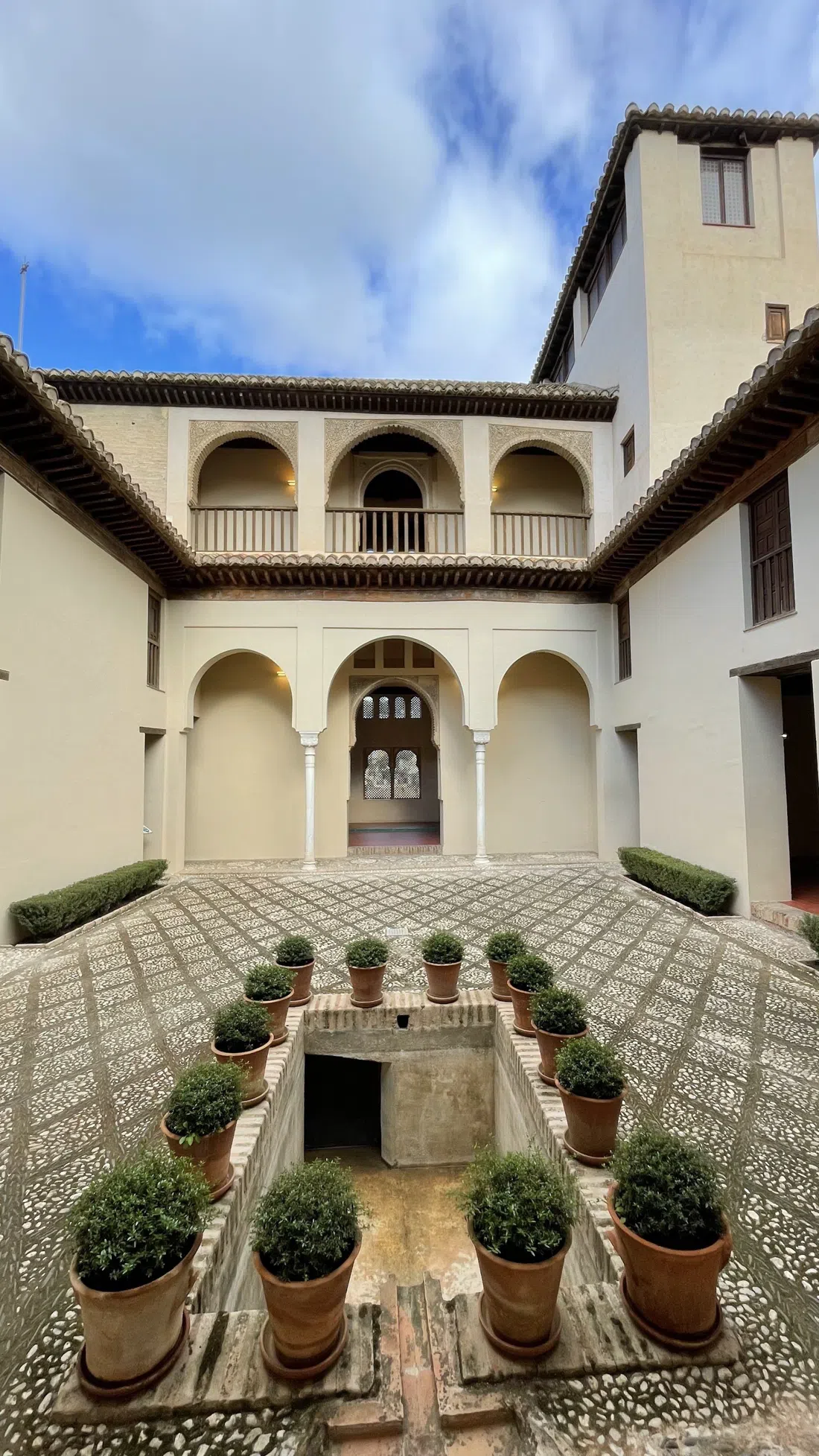
So the ticket you have already bought is a three-day ticket whether you use it that way or not. Walk the Dobla de Oro sites the morning before your palace slot and you arrive at the Alhambra able to read what you are looking at; walk them the day after and the details you missed suddenly land. The rooms at Dar al-Horra are small and the stair is tight, so it works better for couples and parties under ten. A group of fifteen will spend the visit queuing on a landing.
Sacromonte as a place where people live
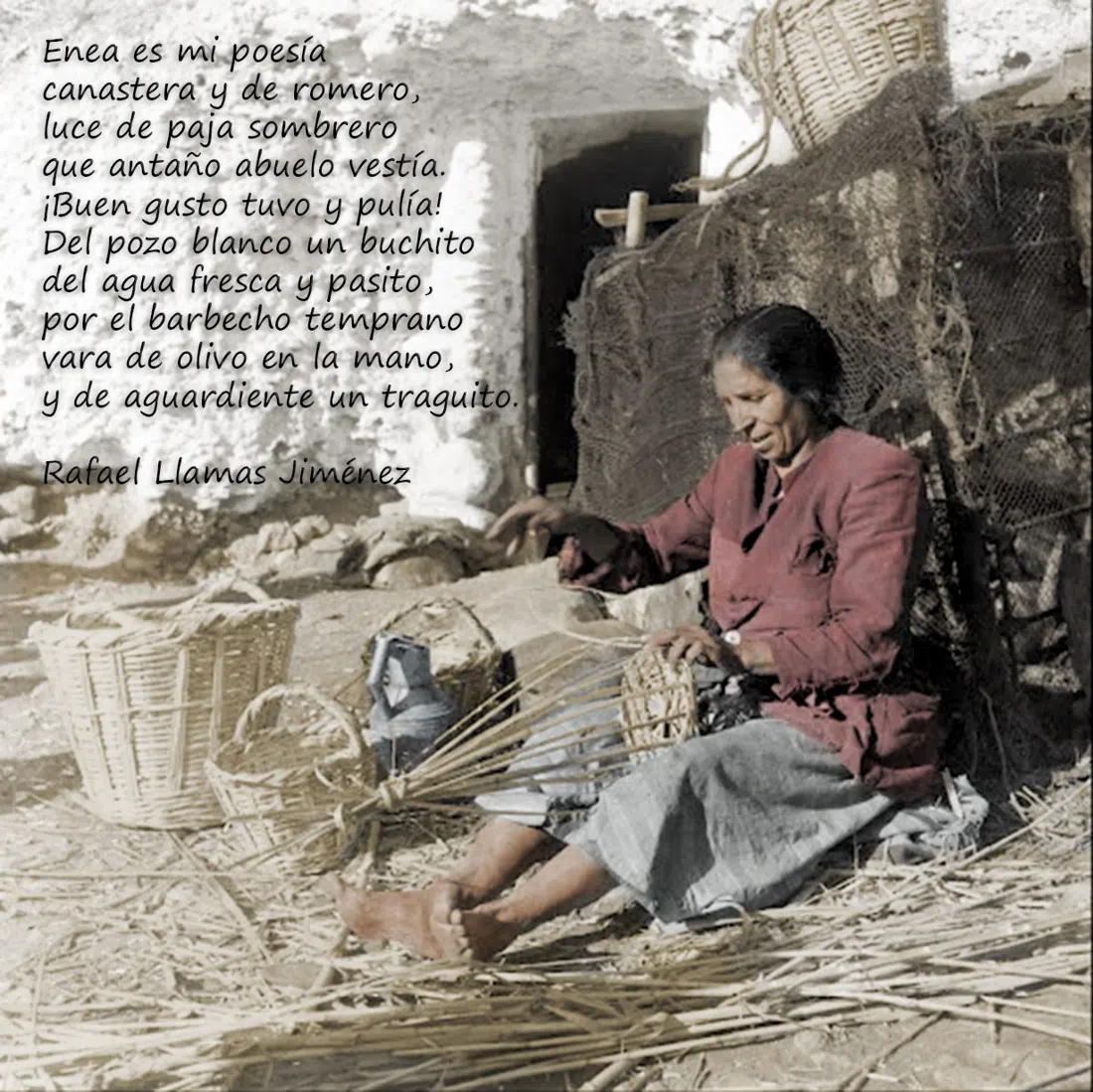
Up past the Albaicín, the road climbs into the cave quarter, and Museo Cuevas del Sacromonte (Sacromonte) is the honest introduction to it: an open-air site of restored cave dwellings that treats the district as a working neighbourhood rather than a flamenco stage set. It is €5 for adults, free for under-tens, comfortable with groups, with a free audio guide in Spanish and English and printed guides in French, Italian and German. In summer its programme of shows and open-air cinema can absorb an entire evening, which is exactly the kind of thing a one-night visitor never finds out about.
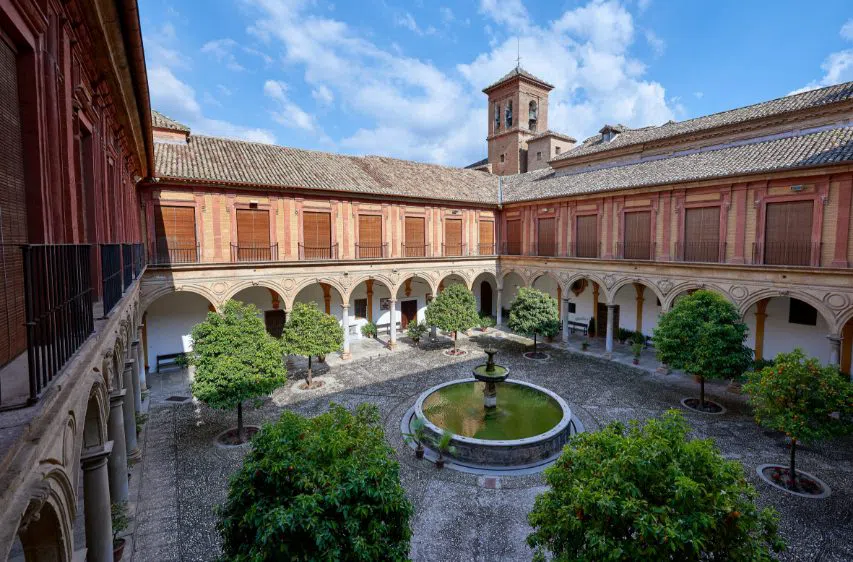
Further up again, Abadía del Sacromonte (Sacromonte, at the top of the valley) is the sight that gets cut first when the trip is squeezed, because it is the furthest walk. That is a shame, because the catacombs where Saint Cecilio was martyred are the payoff and the climb is the price. General entry is €5, the premium Art Abbey visit is €12 and needs booking forty-eight hours ahead, groups of fifteen or more pay €4 each with a reservation, and under-tens go free. It closes to tourism during Sunday noon mass, so plan around that rather than discovering it at the door.
Where the evening goes
An evening in Granada can be an hour long or five, and choosing which decides whether you need another night. Casa del Arte Flamenco (city centre) introduced the stripped-back four-artist format here and runs about sixty minutes: no band, no dinner, no coach party, just singer, guitar, dance and palmas in a room small enough to hear the floor. Tickets are €22, or €20 for students under twenty-six and over-sixty-fives, and no children under six are admitted. It takes group bookings by email, but give real notice: the room is intimate and a party of twelve arriving unannounced is a problem. Because it is in town rather than up in the caves, you can still eat afterwards, which is the practical argument for it.
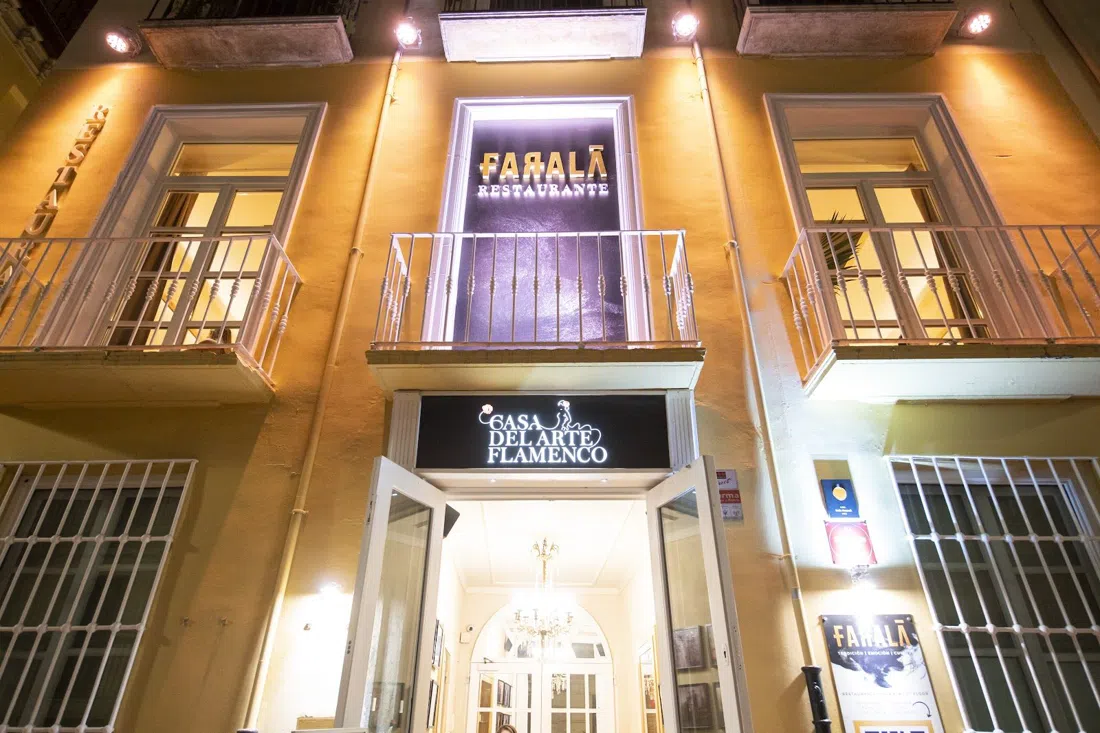
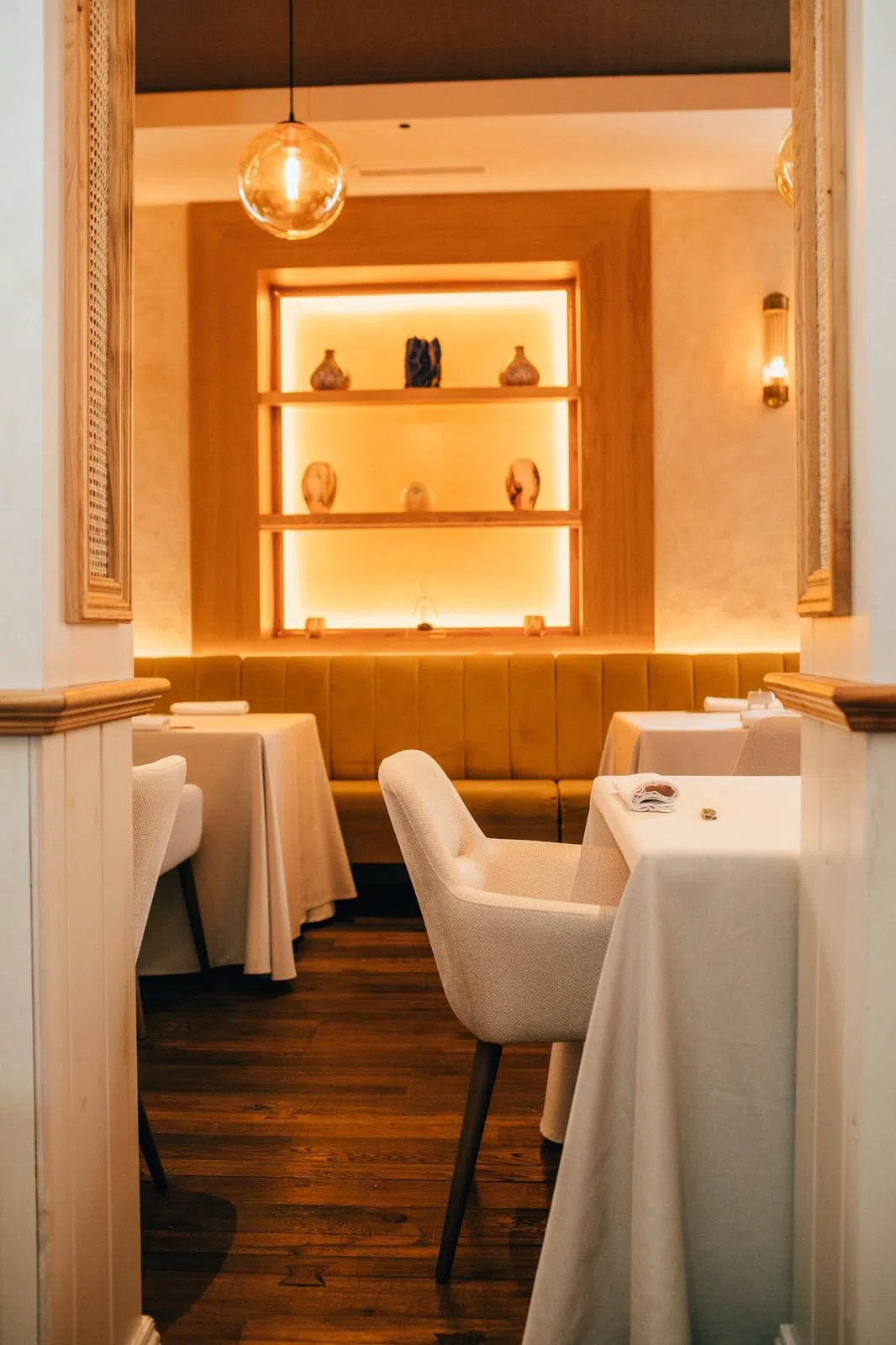
The opposite choice is Faralá (restaurant with tablao), which took Granada city's first Michelin star in 2026 under chef Cristina Jiménez, with tasting menus named for the Sacromonte, the Albaicín and the Alborán sea. Menus are €78, €98 and €130, with pairings from €38 to €72; the dinner-and-show package needs a 19:00 arrival, and group bookings go through TheFork or by arrangement for private events. Booking it commits you to the whole evening, which is the point, and also why a trip with only one night in it cannot hold both the Alhambra and a dinner like this.
Eating standing up
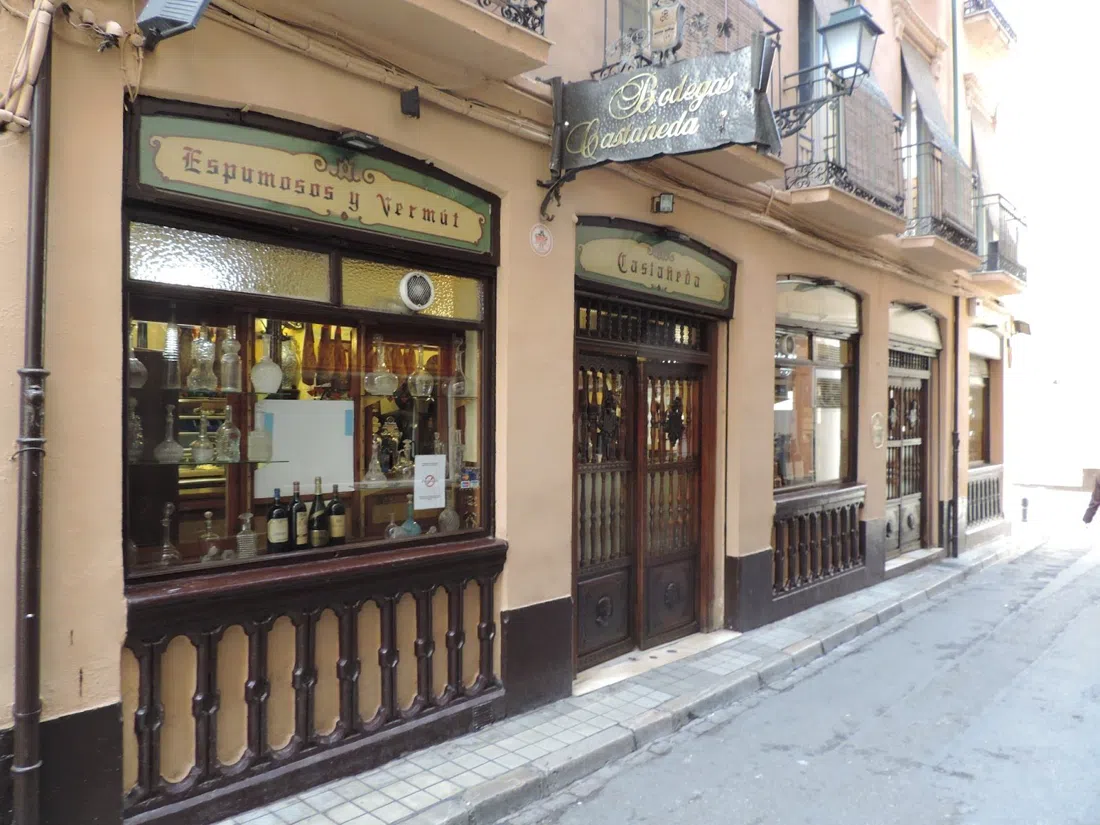
Granada still keeps the free tapa when most of the country has let it go, and that single custom changes the shape of a night here. Bodegas Castañeda (city centre) is the obvious first stop: a drink arrives with something to eat, tapas proper run €6 to €12.50, and there are no reservations in practice. There is no group door policy either, which sounds generous until you are fourteen people in a doorway at 21:00. Split up, or arrive at opening (12:00 or 19:30). The service is brusque and the room is loud; that is the house style, not a bad night.
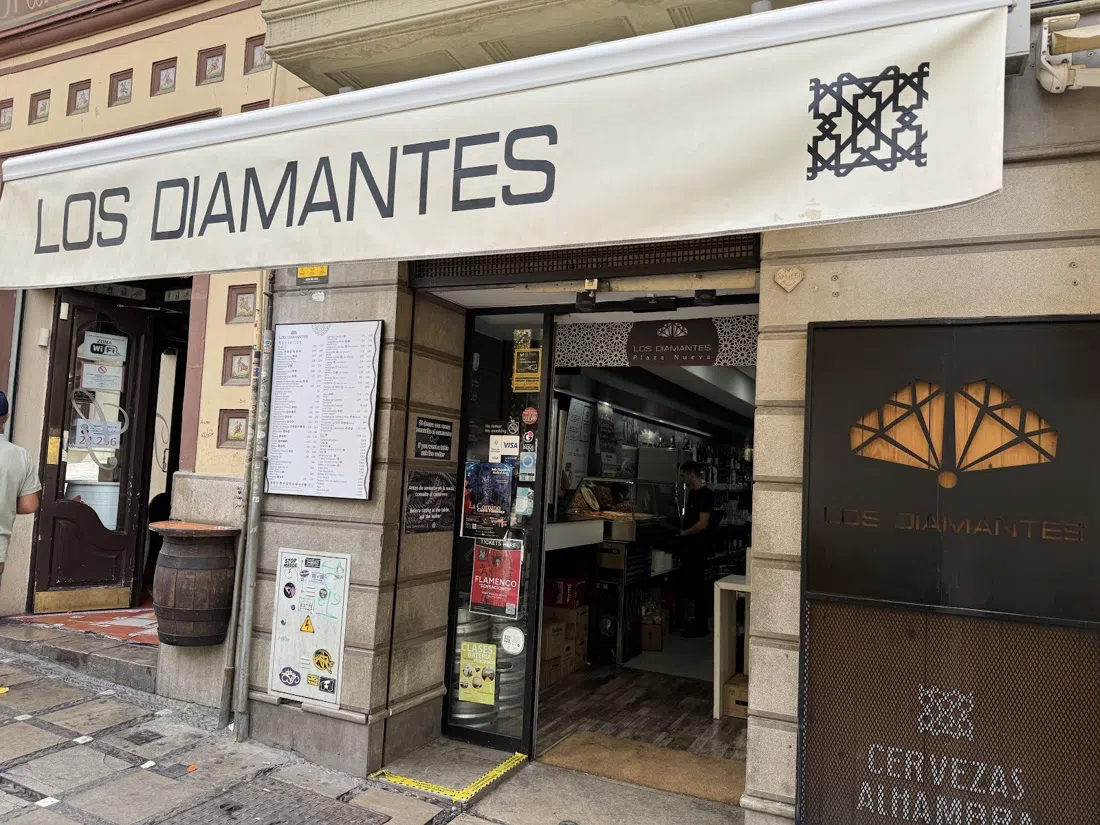
Los Diamantes (branches on Calle Navas, Plaza Nueva and Bib-Rambla) has been frying fish for granadinos since 1942, and a drink with its free tapa comes to roughly €3 to €4, with raciones at €10 to €18. It is standing room and first come; groups are welcome in the sense that nobody stops you, but you will be strung out along the bar in twos. The original Navas bar is the one to aim for, and the several branches usefully spread the load on a busy Friday. Two bars and two drinks each makes a full, cheap, local evening of the kind the rest of Andalusia no longer serves.
The rooms almost nobody walks to
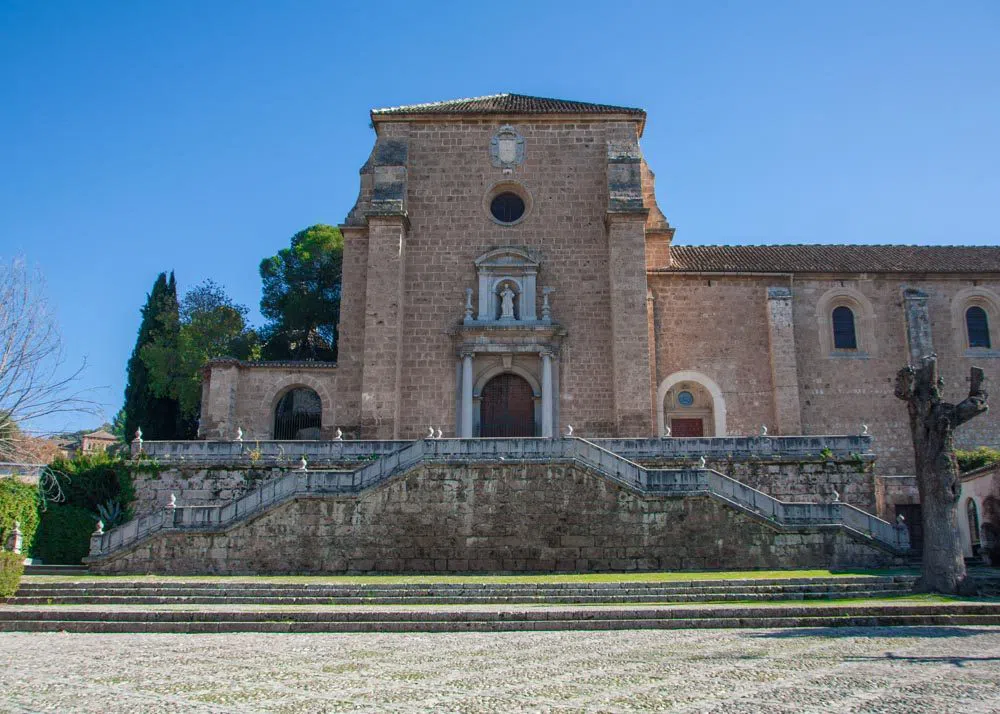
Twenty minutes north of the centre on foot, Monasterio de la Cartuja (north of the centre) is routinely skipped, which is why it stays quiet. Entry is €6 for adults and free for under-twelves, groups are welcome, and there is a free Thursday afternoon slot that needs booking around two weeks ahead. The sacristy is, room for room, the strongest thing in Granada after the Nasrid Palaces, an argument you can only test by going.
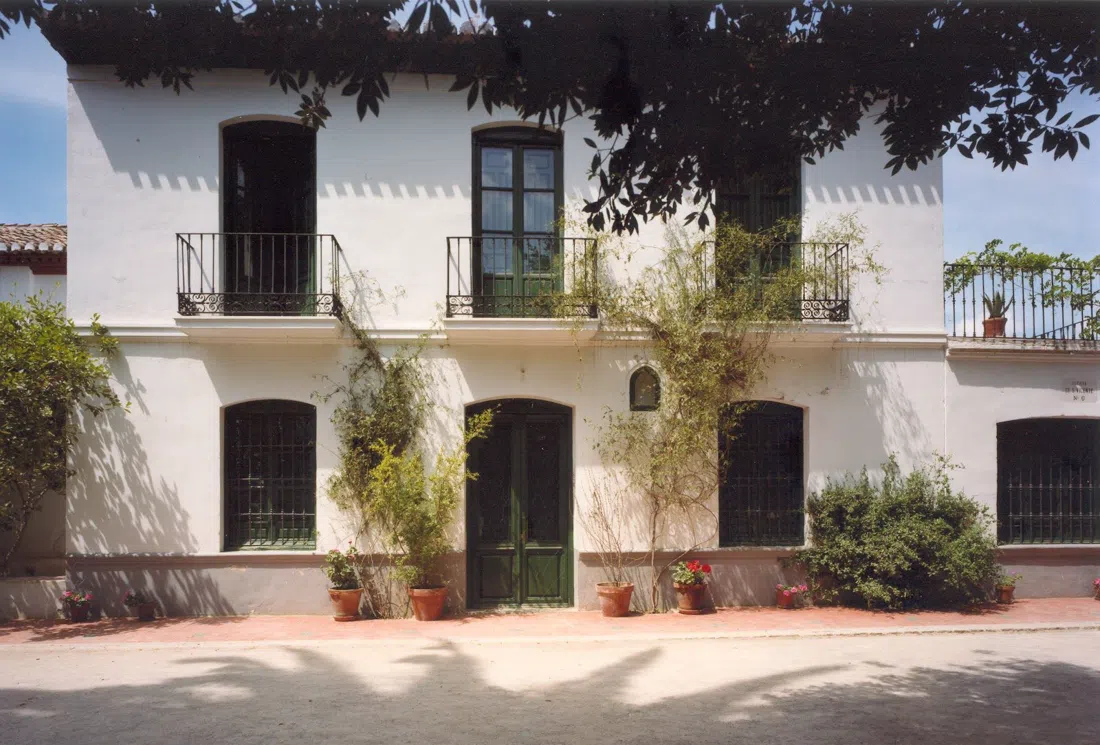
For a different Granada altogether, Huerta de San Vicente — Casa-Museo Federico García Lorca (Parque Federico García Lorca) is the poet's summer house, ten minutes from the centre through the park. Entry is by guided tour only, on the half-hour, at around €3, with tours from 10:00 to 16:30 and closure on Mondays and holidays. Groups must book ahead, and latecomers are refused until the next slot: turn up at 11:35 and you wait until 12:00, no exceptions. It is the natural anchor for a slower third day, when you have had enough Moorish plasterwork and want the twentieth century instead.
An afternoon spent off your feet
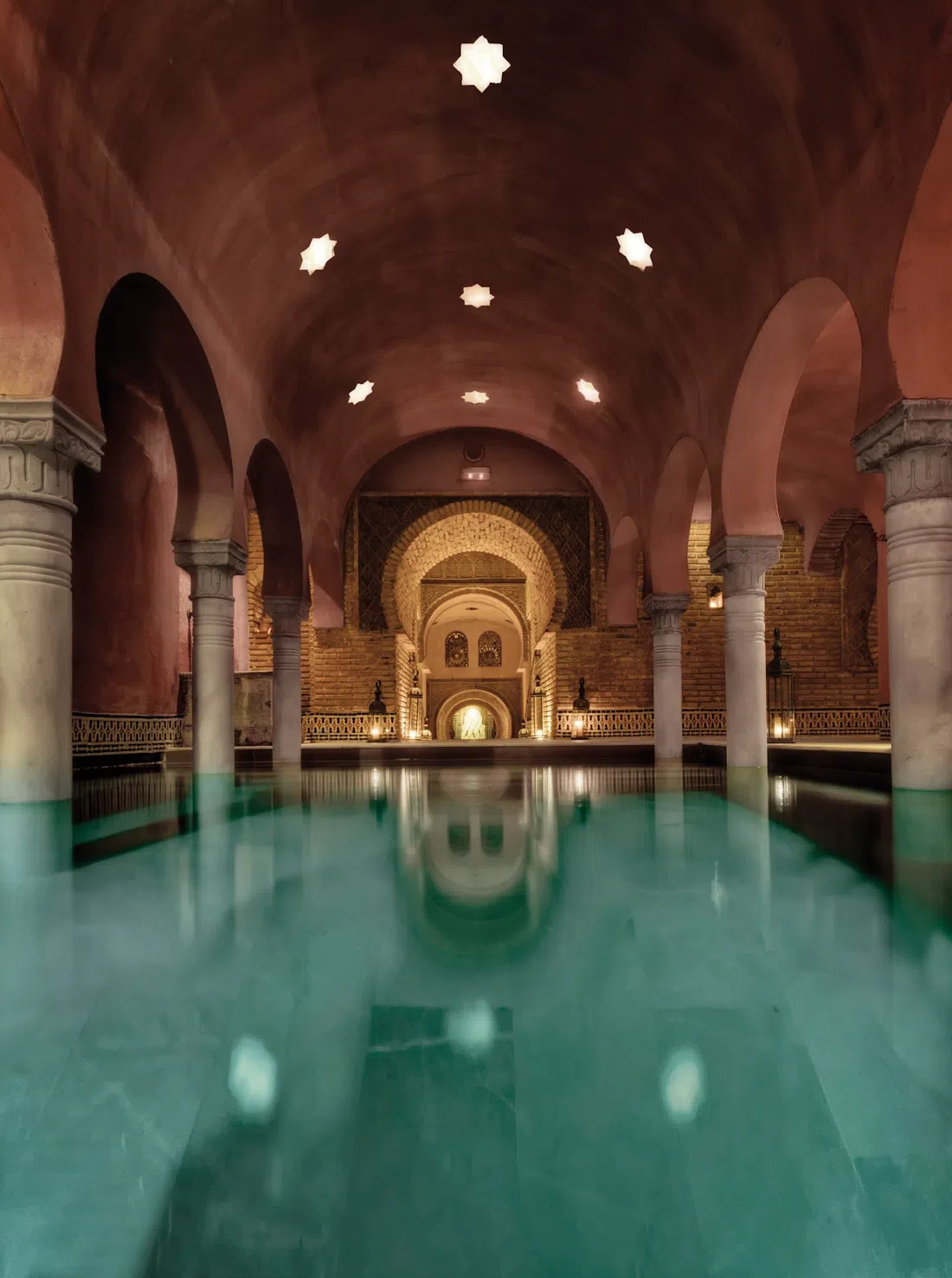
Hammam Al Ándalus Granada (Calle Santa Ana, below the Alhambra hill) is the standard repair for legs wrecked by Albaicín stairs: hot, warm and cold pools, a steam room, and the option of a massage. Sessions run every two hours from 10:00 to midnight, from about €52 for a seventy-five-minute bath, or ninety to one hundred and five minutes with a massage. Capacity is small, so book two or three days ahead; cancellation is free up to forty-eight hours. Groups and private hires are arranged by email through [email protected]. Build it into the middle of day two or three and the rest-afternoon stops feeling like a wasted one.
The two day trips that settle it
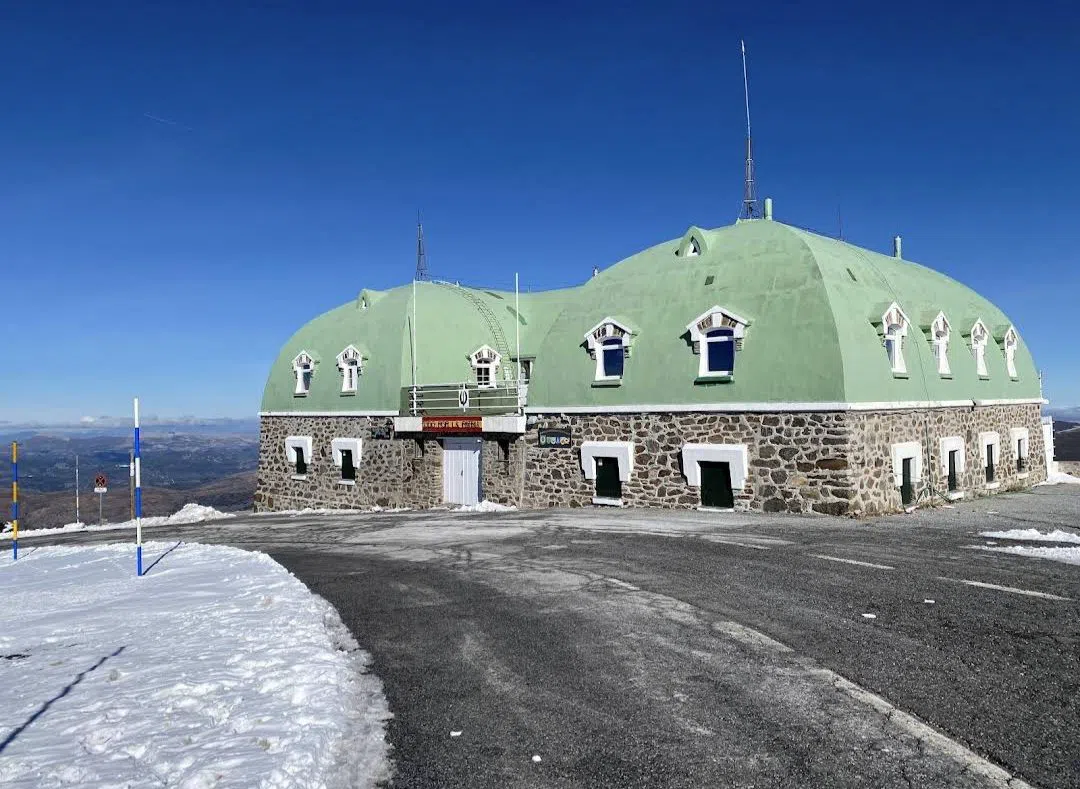
The case for a third night is that some things are reachable only from Granada. Hoya de la Mora and Pico Veleta, Sierra Nevada (high mountain, above the city) is served by one daily bus leaving the bus station at 09:00 from platform 3 and returning from Hoya de la Mora at 17:00, at roughly €9 to €10 return, with hiking itself free. Book at least a fortnight ahead via autocarestocina.es; the national park microbus from Hoya de la Mora up towards Posiciones del Veleta must be reserved separately on +34 671 564 407. It takes the whole day, the altitude and weather are real, and it is a summer and early-autumn plan rather than a year-round one.
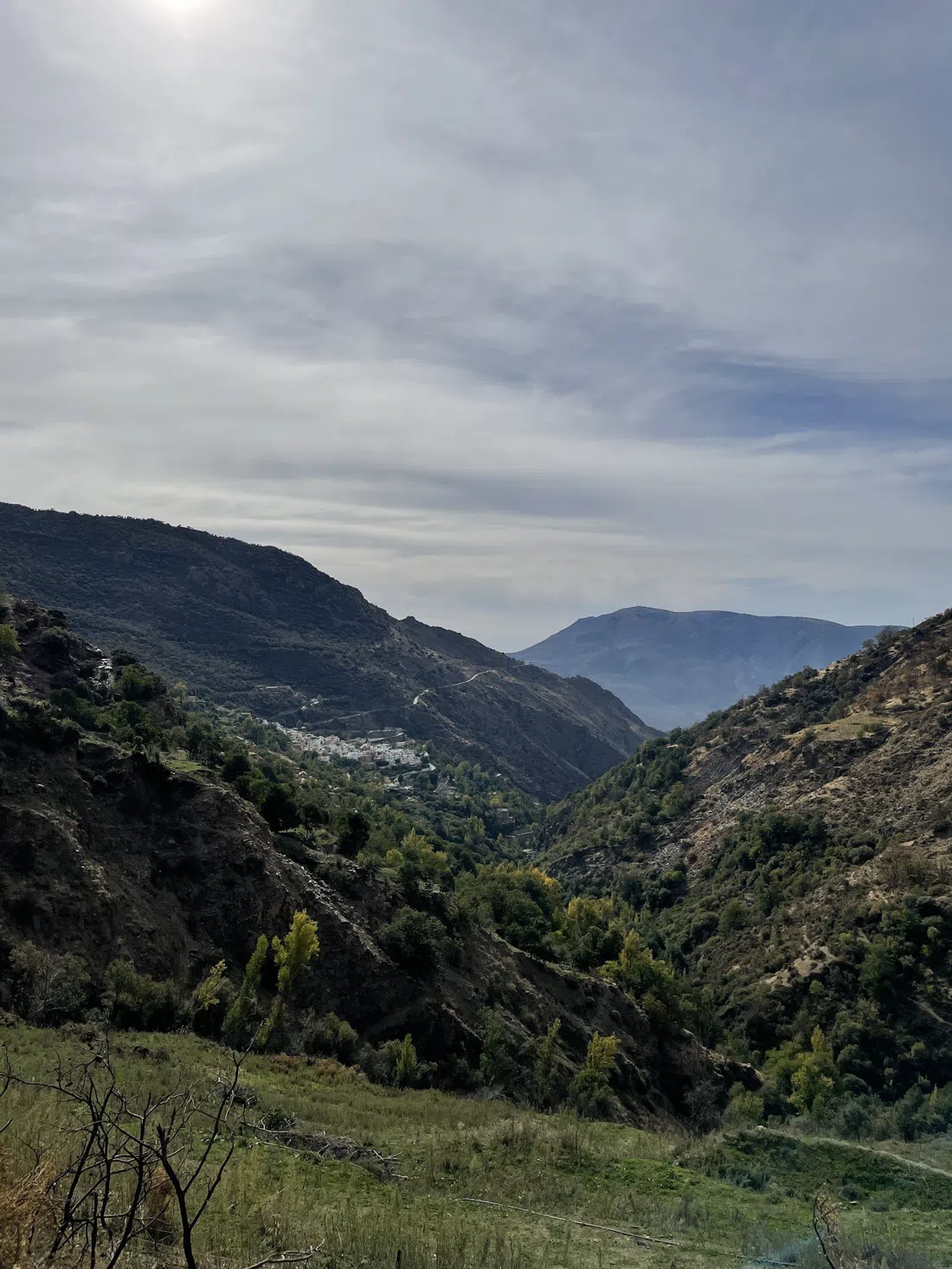
The stronger case is the high Alpujarra. Poqueira valley villages — Pampaneira, Bubión and Capileira are white terraced settlements stacked up one gorge, open and free to walk, reached on small-group tours of typically no more than eight in a van or by private guided day trip, running daily and costing roughly €55 to €80 for eight to ten hours. Going independently by bus is far cheaper and slower. This is what most Andalusia itineraries lose when they cut Granada to one night, and it cannot be picked up somewhere else later.
How the nights actually add up
One night buys you the Alhambra and a hurried dinner. Two nights buy you the Alhambra properly, the dusk view from the Albaicín on a separate evening, the Capilla Real, and a real tapas crawl. Three nights add Sacromonte on foot, the Dobla de Oro sites either side of your palace slot, the Cartuja or Lorca's house, and an unhurried evening at a tablao. Four nights let you give a whole day to the mountains without amputating the city.
Two is the floor. Three is the number most people wish they had booked. If you are weighing the difference, price it before you decide the itinerary: a Granada hotel search for the extra night is usually cheaper than the day trip you would otherwise skip, and the marginal night is the one that stops the trip feeling like a queue.
Practical notes before you book
The centre is walkable end to end, and so are the Albaicín and Sacromonte, but uphill on uneven stone, so factor in real recovery time, especially in summer. The Sierra Nevada bus leaves Granada bus station at 09:00 from platform 3 and is the only daily service, so a late start kills that plan outright.
Carry some cash. The tapas bars are fast, loud and first-come, and Castañeda takes no reservations in practice. Budget roughly €3 to €4 per drink-plus-tapa, €10 to €18 for a racion, and you can eat very well for under €25 a head.
Timing traps worth writing down: Carmen de los Mártires shuts for all of August and closes in the middle of the day; Huerta de San Vicente closes Mondays and holidays and refuses latecomers until the next half-hour tour; the Abadía closes to visitors during Sunday noon mass; the Cartuja's free Thursday afternoon needs booking about two weeks ahead; the hammam wants two to three days; the Art Abbey visit wants forty-eight hours; and the Alpujarra vans and the mountain bus want a fortnight.
On budget, a three-night trip that does the lot (Dobla de Oro at €30.48, Capilla Real at €7, Sacromonte museum and abbey at €5 each, the Cartuja at €6, Lorca's house at around €3, a tablao at €22, a hammam session from €52, tapas most evenings and one guided Alpujarra day at €55 to €80) lands comfortably under €250 a head before your room. The expensive decision is none of those. It is the night you did not book.
Questions
Is one night in Granada enough?
No. The Nasrid Palaces admit you on a fixed 30-minute timed slot, and the wider Alhambra site (Alcazaba, Generalife, Palace of Charles V) takes three to four hours on its own. Add the climb and a one-night stay leaves no room for the Albaicín, Sacromonte or a proper dinner. Two nights is the realistic floor, and three is what most visitors wish they had booked.
Do I need to book the Alhambra in advance, and can a group share a booking?
Yes, and no. Each person needs their own named, timed Nasrid Palaces ticket: there is no walk-up entry for a party and no sharing. A general day visit is €19 to €22, or €30.48 for the Dobla de Oro combined ticket. Official guided group slots and authorised guides exist if you want someone else to handle the logistics.
Can I do the Alhambra and the Mirador de San Nicolás sunset on the same day?
Technically yes, in practice badly. The viewpoint climb comes after four hours on stone, and at sunset the square is shoulder to shoulder, so a group should be in place 45 minutes early to get the wall. The building looks completely different from outside at dusk, and that is worth an evening of its own.
Is the Dobla de Oro ticket worth the extra money?
It is, largely because of the dates. At €30.48 it adds Palacio de Dar al-Horra, El Bañuelo, Casa de Zafra, Casa del Chapiz and the Casa Morisca, and it stays valid the day before and the day after your Alhambra slot. That turns one ticket into a three-day plan, which is the clearest argument for a third night.
Can I reach the Alpujarra or the Sierra Nevada without a car?
Yes. One daily bus leaves Granada bus station at 09:00 from platform 3 for Hoya de la Mora and returns at 17:00, at roughly €9 to €10 return. Book at least a fortnight ahead via autocarestocina.es, and reserve the national park microbus separately on +34 671 564 407. For the Poqueira villages, small-group van tours of about eight people run daily at roughly €55 to €80 for eight to ten hours, or you can go far cheaper by public bus.
First published on granadavacations.com, the Granada guide.