The phở counter on Bát Đàn shuts at ten in the morning and does not open again until six in the evening. The Citadel's night tour runs on two evenings a week, with a fixed number of places sold in advance. Hanoi keeps windows rather than opening hours, and the question behind how many nights to book is how many of those windows you can line up without spending the whole trip sprinting between them.
What a three-day stay leaves out
Three days is not a failure. You will walk the Old Quarter until the street names stop blurring, cross Hoàn Kiếm a dozen times, eat two or three good meals and leave with a working sense of the grid. What you miss is less a list of sights than a category of experience. Almost everything here that repays planning happens before nine in the morning or after seven at night, on particular days of the week, with a ticket bought beforehand. Compress the stay and you get the daytime version of the city: the same courtyards, the same lake, no dawn and no dark.
The result is predictable enough. People arrive, find the Old Quarter loud and the traffic unbroken, tick four sights in two days and conclude the city is thin. It isn't thin. It is layered in time rather than in space, and the layers only separate when you give them room. Four nights is where that begins. Seven is where the districts beyond Hoàn Kiếm become reachable without it feeling like an expedition. Twelve is not indulgent if you intend to take the excursions properly instead of as a run of one-night dashes.
The morning is the part you cannot move
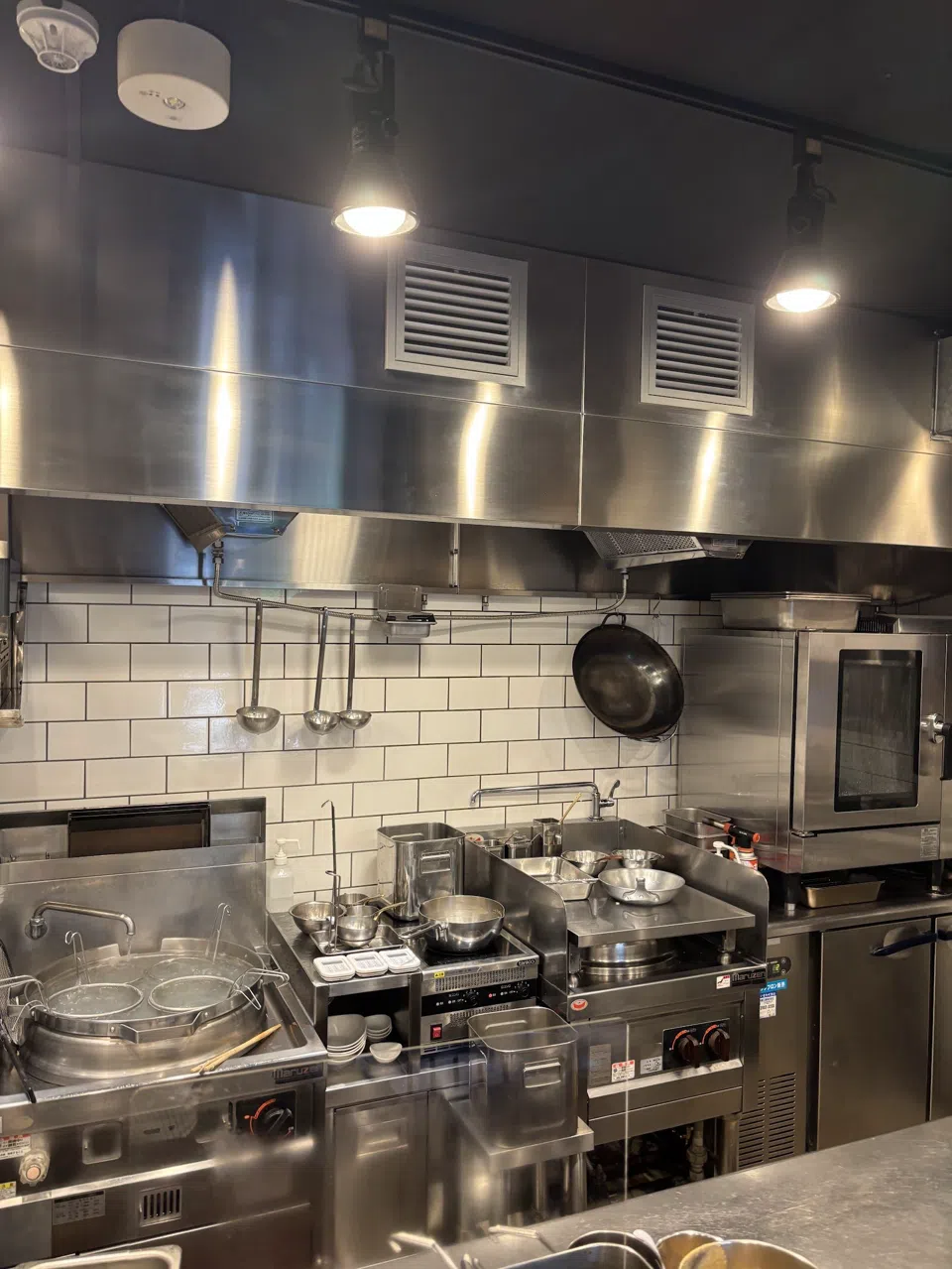
Phở Gia Truyền Bát Đàn (Bát Đàn street, Old Quarter) serves only 06:00-10:00 and 18:00-20:30, and that constraint shapes everything else. There are no bookings and no way to negotiate the hours; you queue on the pavement, pay 60,000-90,000 VND (roughly £2-3) and eat a bowl that has held a Michelin Bib Gourmand into the 2026 guide. Come as a pair and you will be fine. Come as a group of four or more and accept in advance that you will queue separately and sit apart. The tables are not reconfigurable and the staff will not pretend otherwise. Arrive before 07:30 if you want the shorter line and the calmer room.
That single window is the argument for a longer stay in miniature. A three-day trip with a late arrival and an early departure gives you perhaps one shot at it. A five-day stay gives you four mornings, so you can miss one to jet lag, still eat there twice, and still have a morning left for the other rhythm: coffee first, breakfast later.
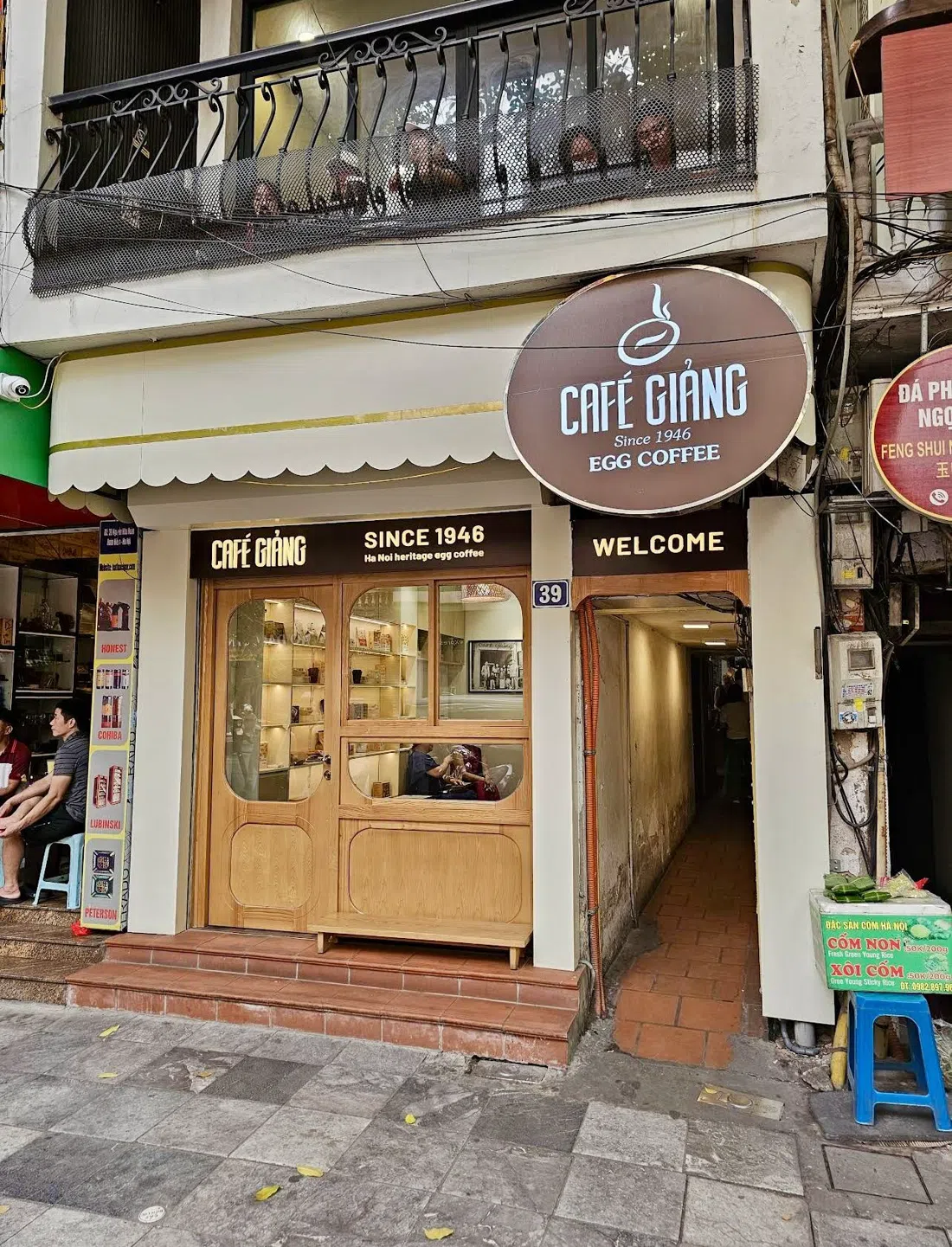
Coffee in Hanoi is not a caffeine errand. Cà Phê Giảng (Nguyễn Hữu Huân, Old Quarter) is where cà phê trứng was invented in 1946, and it is still at the original address, open 07:00-22:00, charging 30,000-50,000 VND a cup. The tables are small and there are no reservations; a group over four will end up scattered across two floors, which is fine for a drink and hopeless as a meeting point. Give it an hour rather than ten minutes. The egg cream is served warm and is meant to be worked through slowly.
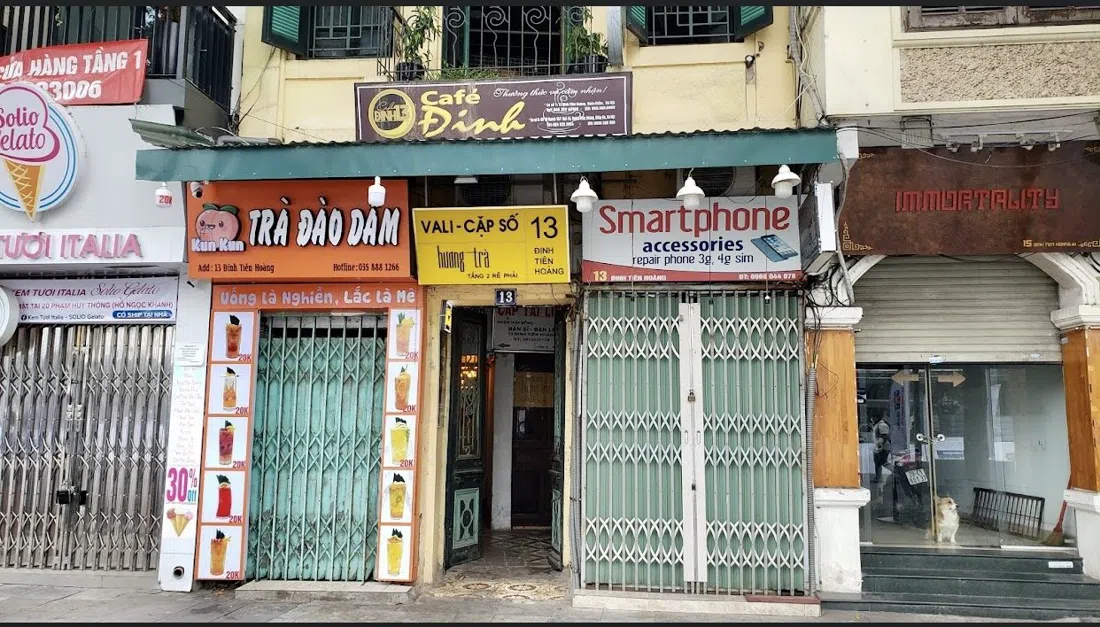
Cà Phê Đinh (Đinh Tiên Hoàng, on the lake side of the Old Quarter) is a separate business run by Mrs Bích on the same family recipe, open 07:00-21:30 at the same price. The upstairs room is cramped, the stairwell is unmarked, and the balcony seats go first-come, so realistically this is a two- or three-person spot. A balcony chair is the seat most worth waiting for in central Hanoi. You sit directly above the traffic flow and can watch an hour of the city organise itself for the price of a coffee.
Dinners that are allowed to take three hours
The Old Quarter's reputation for eating on plastic stools is earned, but it is not the only mode, and a slow stay benefits from at least two sit-down evenings where nobody is waiting for your table.
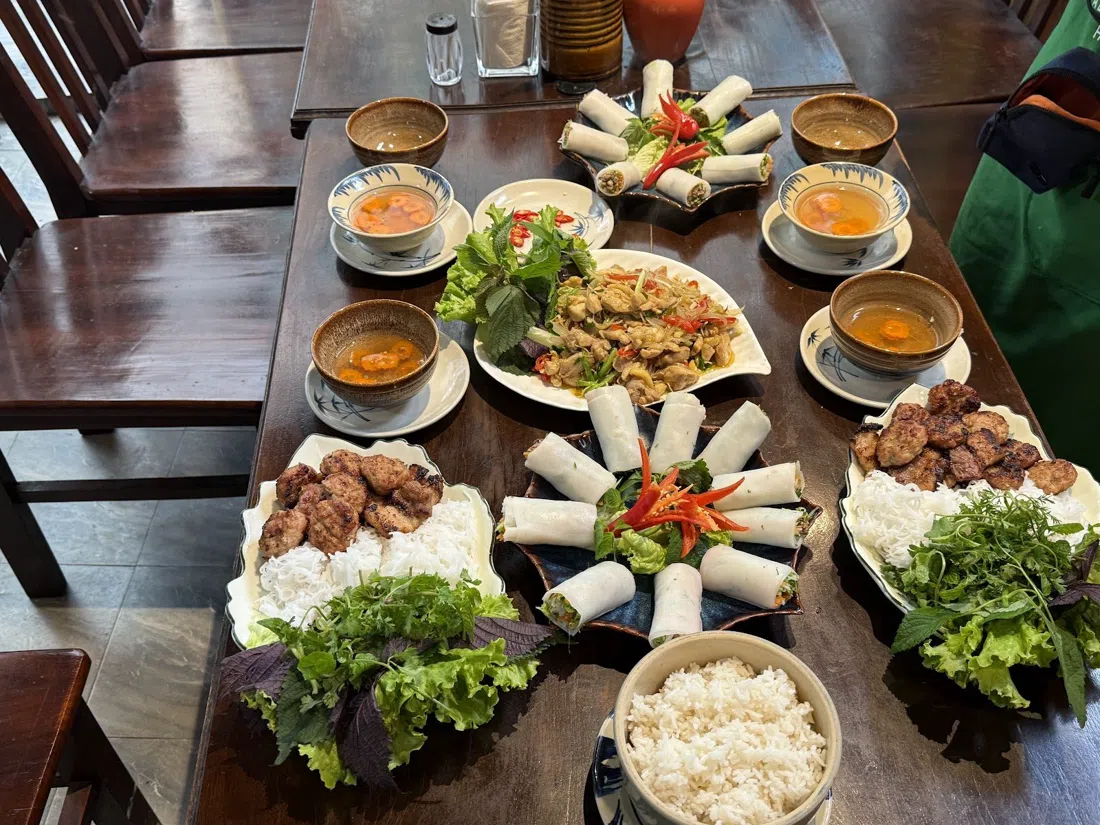
Chả Cá Thăng Long (Old Quarter) does exactly one dish: turmeric-marinated fish finished at your table over a burner, with dill, spring onion, rice noodles and peanuts. It runs 10:30-21:00 at 170,000-250,000 VND per person, spreads across several floors, and is built around sharing a communal pan, which makes it the easiest group-friendly dinner in the centre. Book ahead for six or more. Cooking at the table is what does the work: it slows the meal down without anyone having to decide to linger.
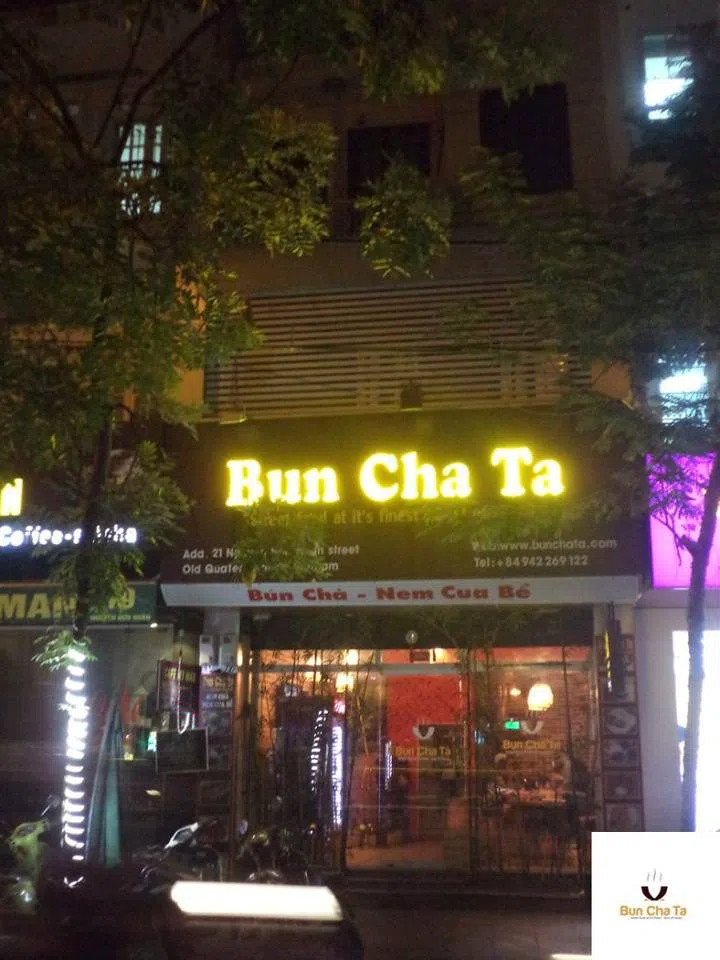
Bún Chả Ta (Old Quarter) is the sit-down answer to the bún chả scrum. Several clean floors, staff used to seating larger parties, 90,000-150,000 VND a head, open 08:00-22:00, and a Bib Gourmand three years running including 2026. If you are travelling with people who want a chair with a back on it, this is the version of the dish that will not cost you an argument.
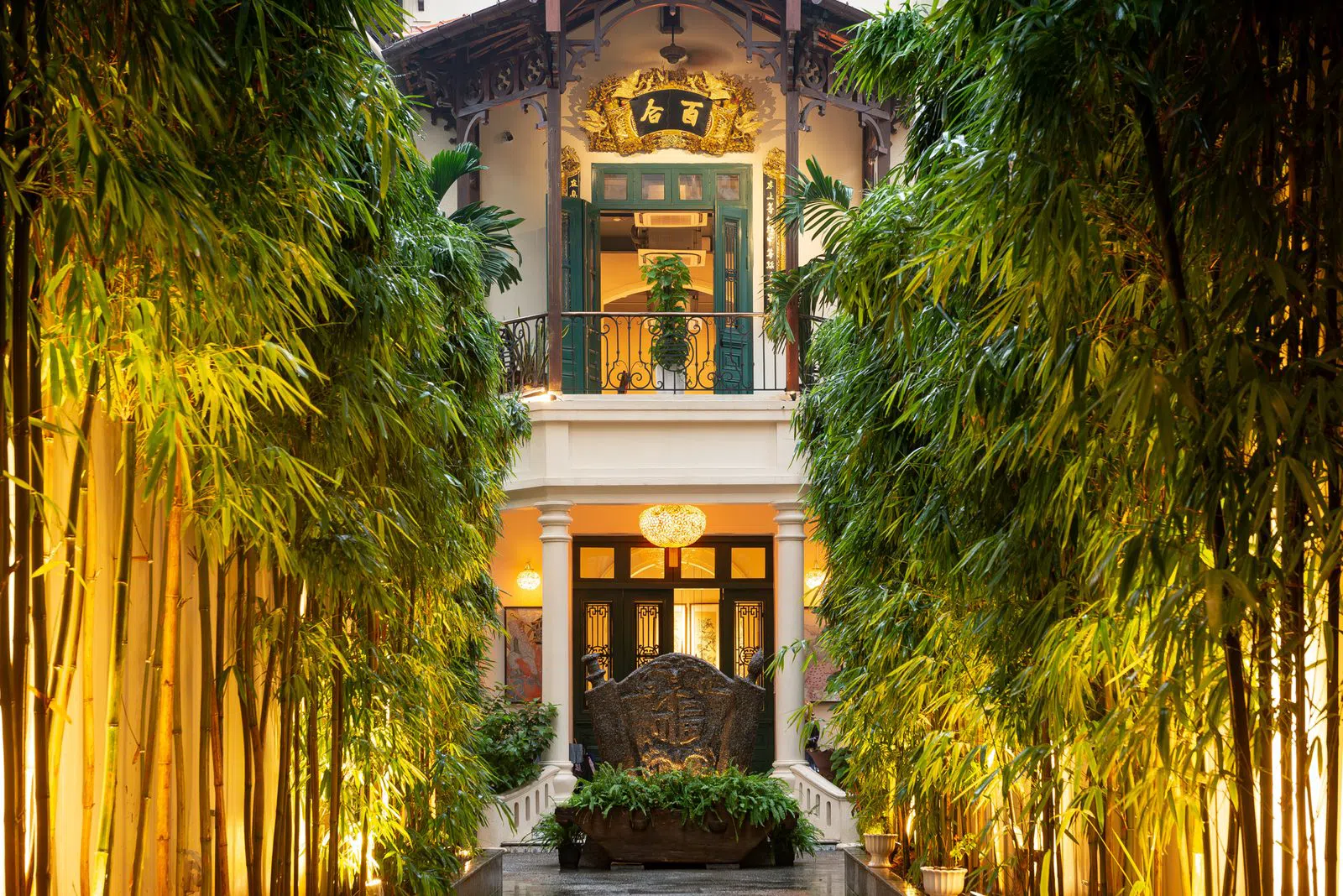
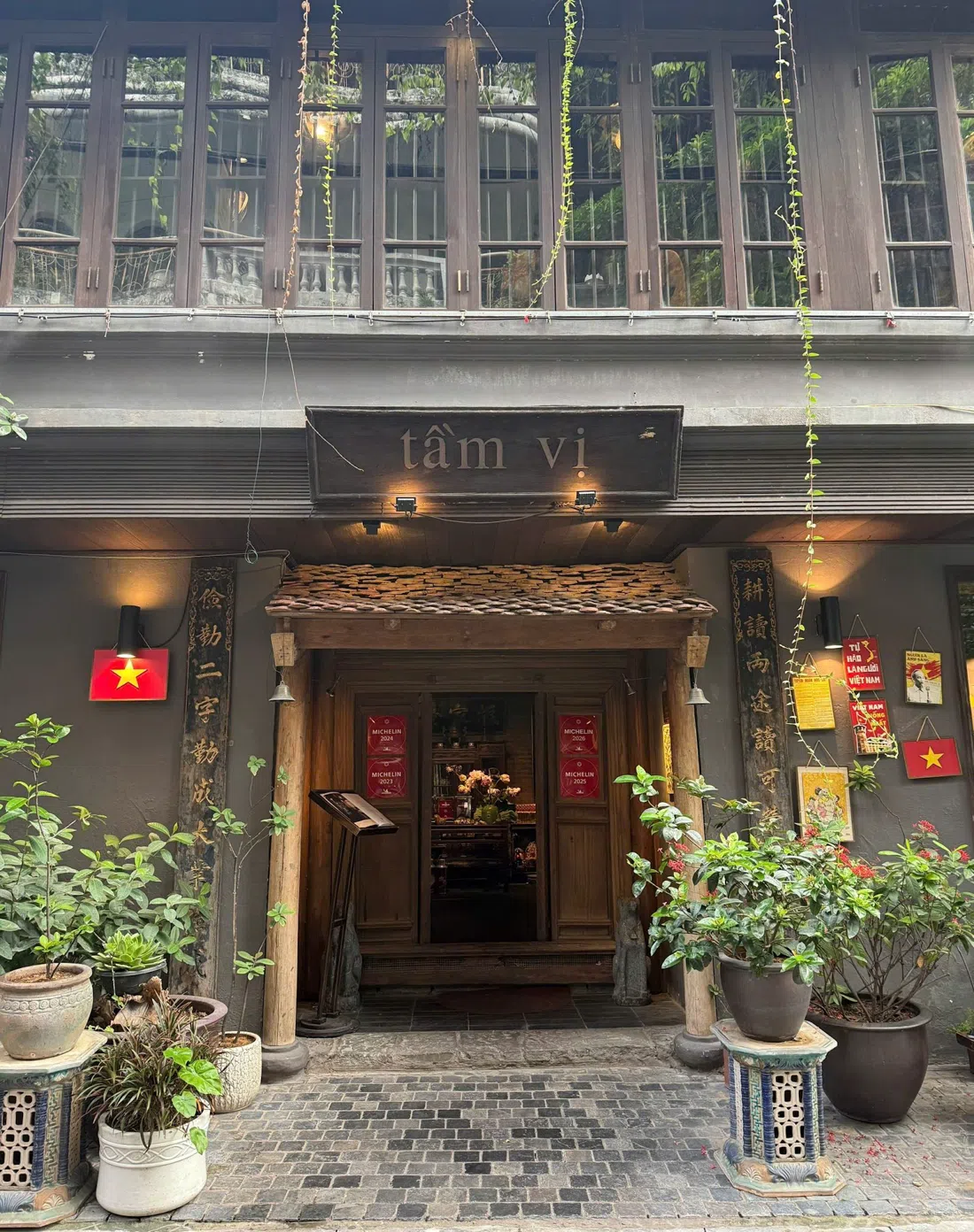
For one evening of the stay, Tầm Vị (Yên Thế, Ba Đình) is worth the planning. It holds a Michelin star in the 2026 guide but serves northern home cooking rather than tasting-menu theatre: braises, river fish, pickled vegetables, the sort of food a Hanoi family eats on a good day. Expect 400,000-700,000 VND per person. It is small and books out; a two-storey expansion means parties of eight to ten are workable if you reserve well ahead. One warning matters more than the menu. It moved from Lê Phụng Hiểu to Yên Thế, so a large share of the addresses circulating online are wrong. Check the current one before you get in a car.
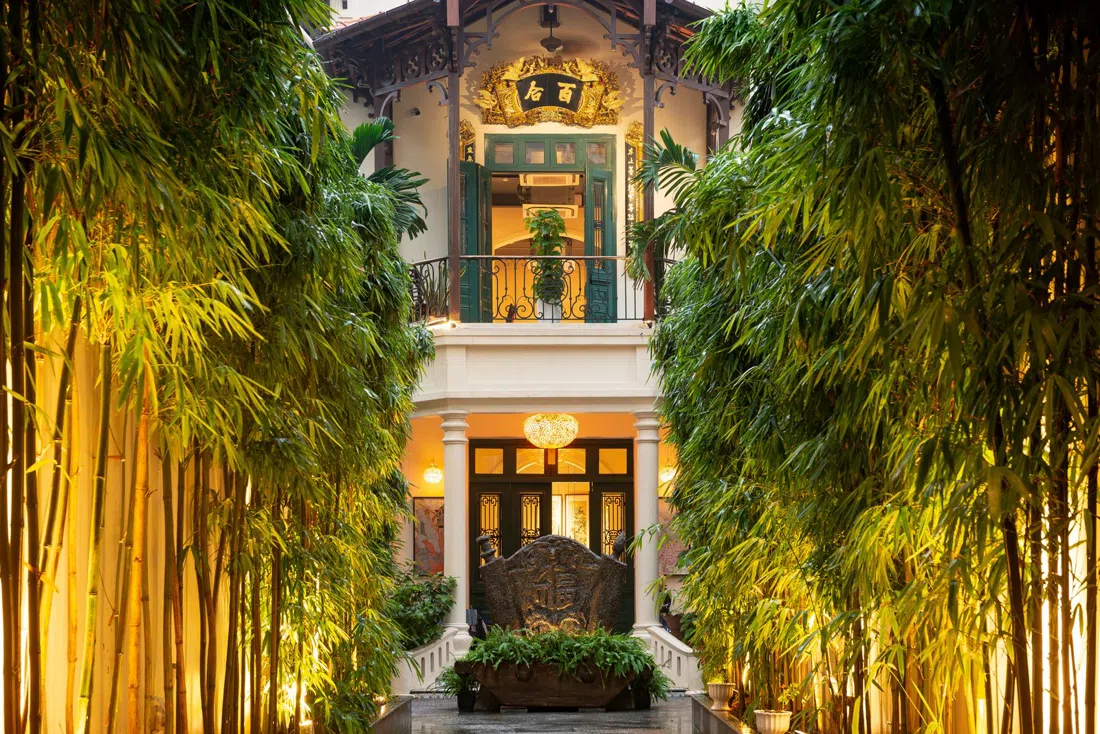
If you want to understand the food rather than only eat it, Hanoi Cooking Centre (Châu Long, Ba Đình) has been running since 2009 and is the city's only purpose-built cooking school, with classes and street-food walks twice daily at US$50-70 per person. It takes private and corporate group bookings with notice, which makes it the most group-capable activity on this list by some distance. The market tour to Châu Long changes how you shop and order for the rest of the week. It is a morning that pays itself back on days four through nine.
Seeing the old sites twice, once after dark
Three of Hanoi's central historic sites run a separate, ticketed evening programme on fixed nights with capacity limits. It is a different event rather than a lit-up version of the daytime visit, and it is where a longer stay stops being a preference and starts doing real work.
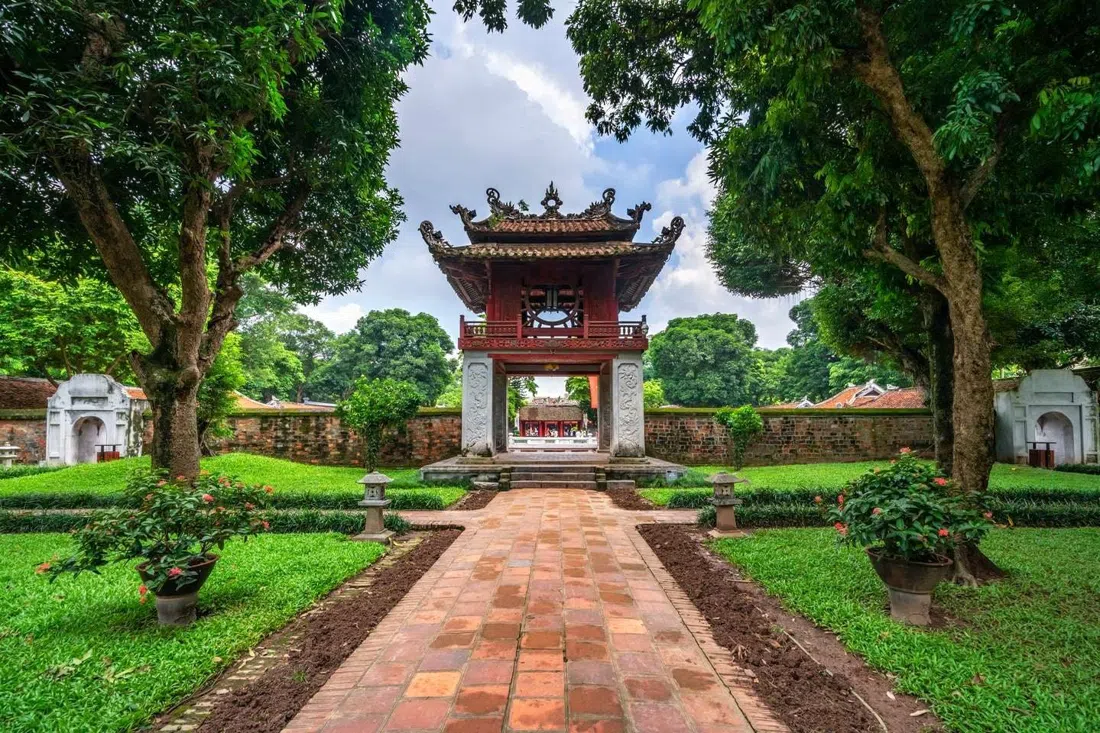
Temple of Literature (Văn Miếu - Quốc Tử Giám, on the Đống Đa side of the centre) opens daily 08:00-17:00 for 70,000 VND. The night experience runs Wednesday, Saturday and Sunday, 18:30-22:30, at 199,000 VND (99,000 for students and children), using projection across the courtyards of Vietnam's first university, founded in 1070. Going twice, once in flat daylight to read the stelae and the layout, once after dark, is the clearest single argument for adding nights to the trip.
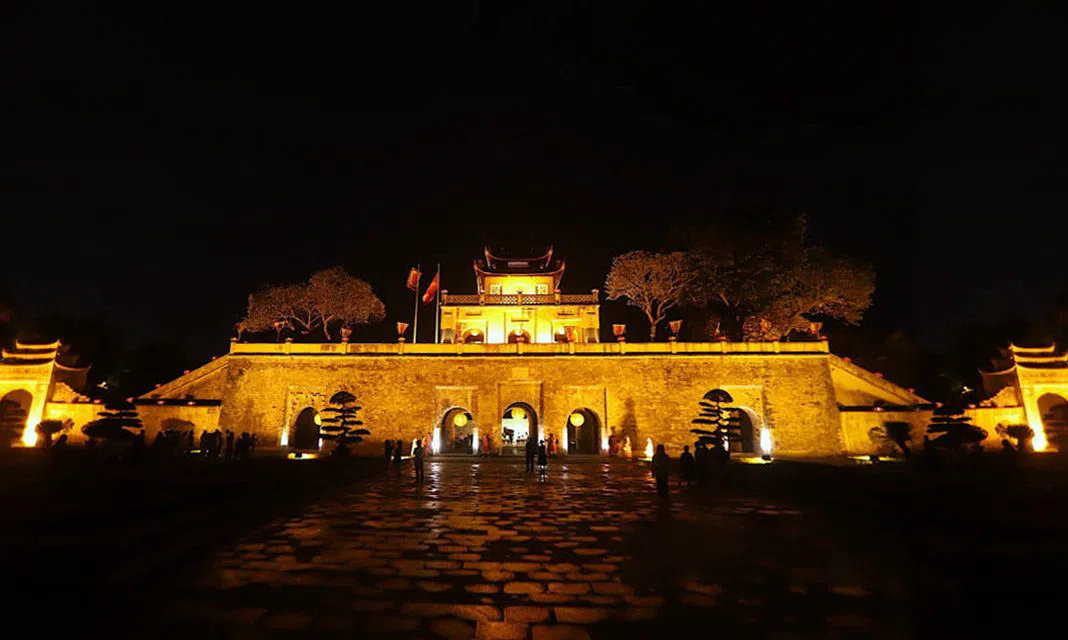
Imperial Citadel of Thăng Long (Ba Đình) opens 08:00-17:00 every day except Monday, also 70,000 VND. The 90-minute 'Decoding the Imperial Citadel' night tour runs Friday and Saturday at 300,000 VND, sometimes 200,000, and includes royal dance, an incense ceremony and lotus tea under the bodhi tree. Places are limited and must be booked at vedientu.hoangthanhthanglong.com. Groups should book early; walk-ups are not the plan.
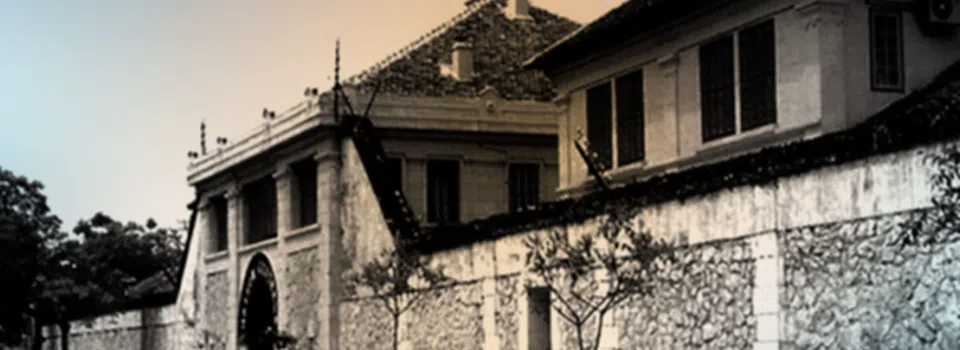
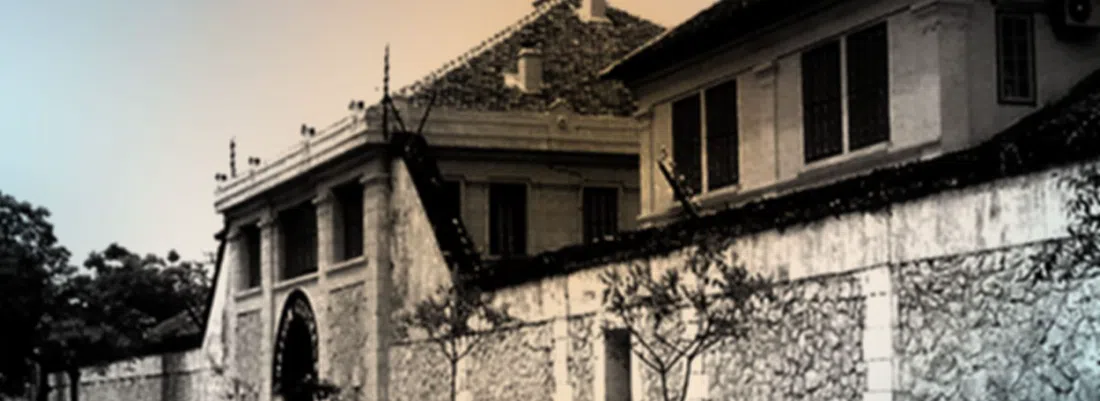
Hỏa Lò Prison Relic (1 Hỏa Lò, Hoàn Kiếm) takes walk-in groups for the 50,000 VND daytime entry without difficulty. The 'Sacred Night' tour (Friday to Sunday, 19:00-20:30, 399,000-499,000 VND, with live performance and guided storytelling) sells out, and it is the version of Hỏa Lò worth arranging a stay around rather than the daytime walk-through. It is heavy material handled seriously; go in expecting that.
Stack those three evening programmes and you have already committed three specific nights, two of them weekend nights. That constraint alone tends to push a sensible Hanoi stay past five.
What day five onwards is for
Once the central sites are done, the city opens outwards, and this is the part a short trip never reaches.
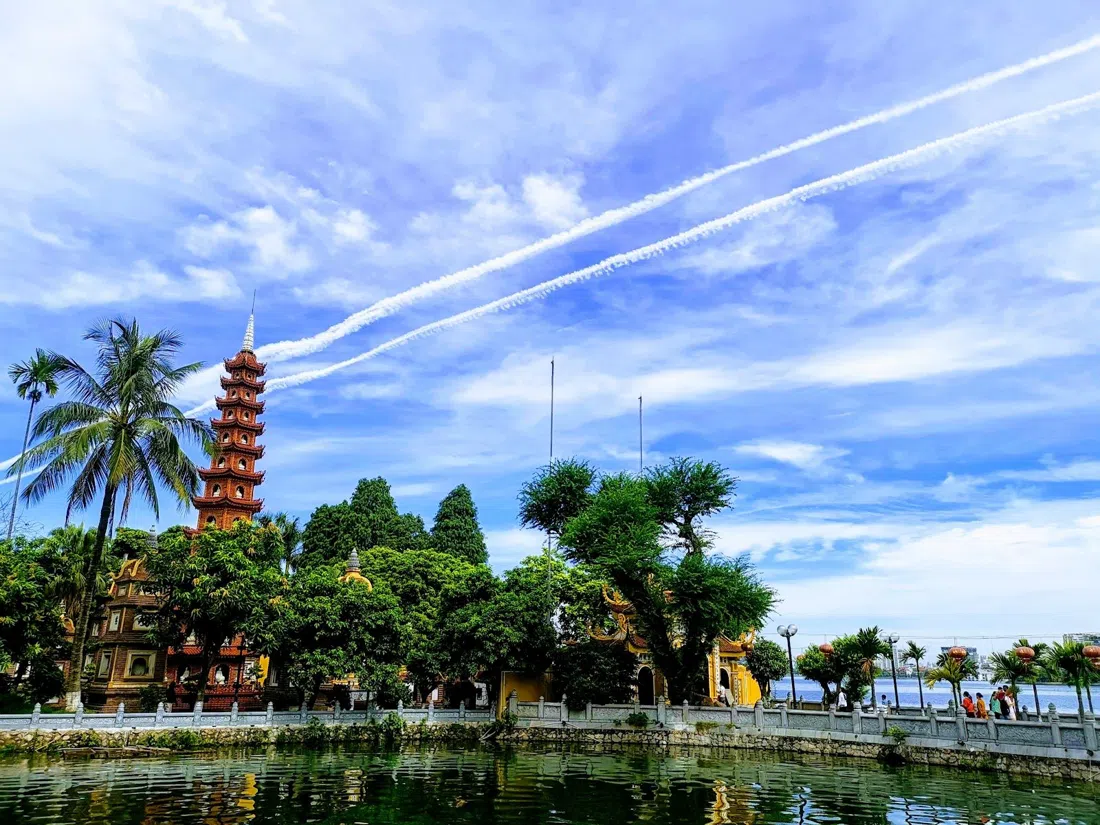
Trấn Quốc Pagoda (Thanh Niên causeway, Tây Hồ) is Hanoi's oldest, founded in the 6th century, free to enter, open 07:30-11:00 and 13:30-17:00 daily and all day on the 1st and 15th lunar days. The courtyards are small, so large groups should spread out, and modest dress is expected. Treat it as the anchor of a walk rather than a stop: the causeway between West Lake and Trúc Bạch is one of the few flat, quiet stretches of pavement in the city, and it drops you into Tây Hồ on foot.
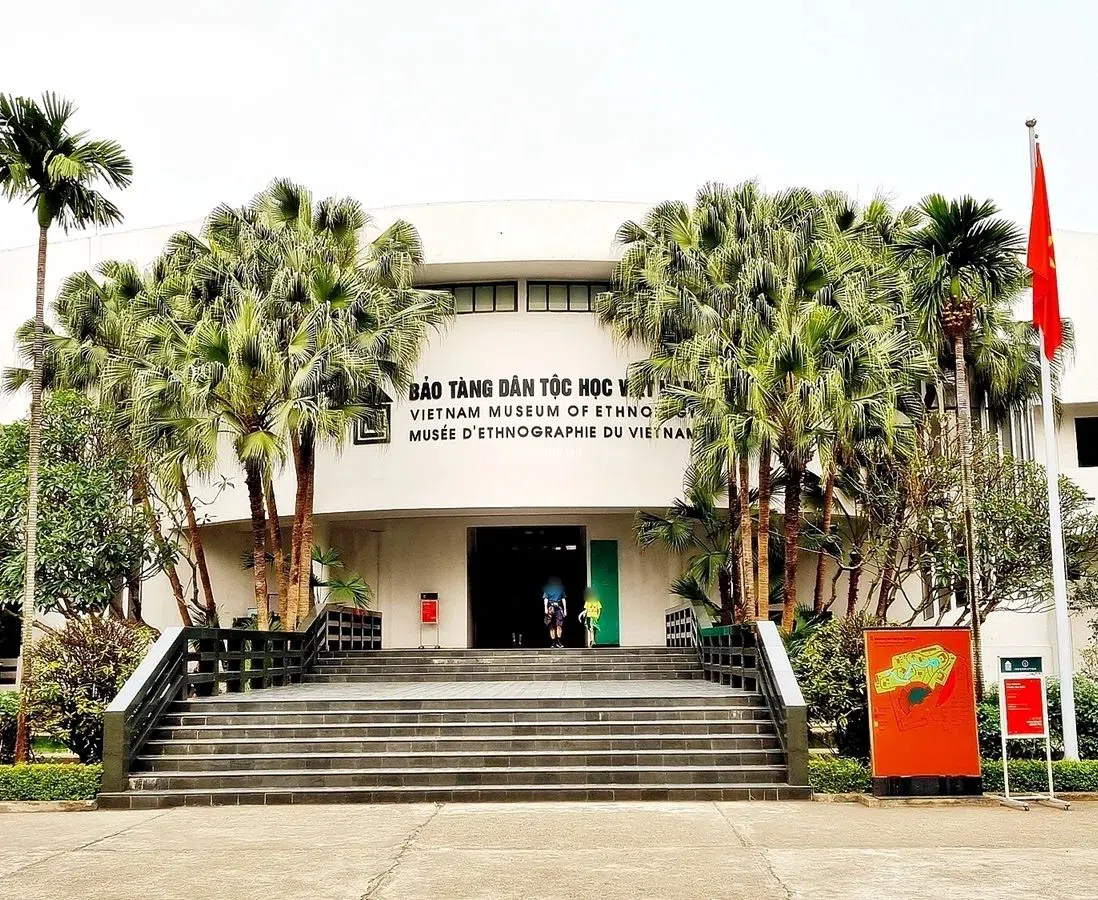
Vietnam Museum of Ethnology (Cầu Giấy) sits well out of the centre and is open 08:30-17:30 Tuesday to Sunday, closed Mondays and at Lunar New Year, at 40,000 VND for adults and 20,000 for students, under-sixes free. More than 15,000 artefacts cover all 54 recognised ethnic groups, and the outdoor architecture park (full-scale houses you can walk into) is the half of it people underestimate. It is spacious enough that groups cause no problem, and water puppetry is sometimes staged on the grounds. It is also a half-day that only earns its place on an itinerary of five days or more, which is the whole point of booking one.
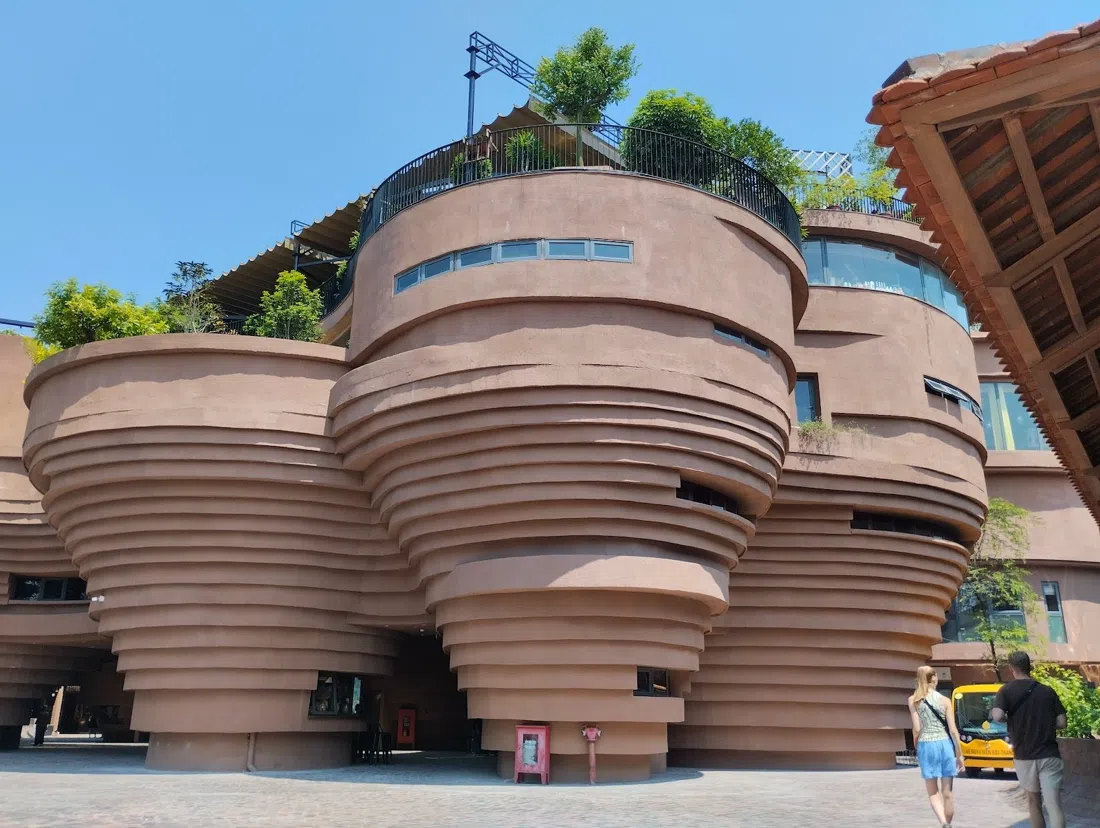
Complex 01 (Tây Sơn, Đống Đa) is the contemporary counterweight: a former factory yard turned open community mall, roughly 08:00-23:00, free to enter, with about thirty tenants including Offset Coffee, HAS Library, Heritage Art Space and White Light Cinéhub. Coffee runs 40,000-70,000 VND; live music and swing dance nights are ticketed separately. It absorbs a group easily, and it is the version of Hanoi that only appears once you have stopped orbiting Hoàn Kiếm.

The excursion days and what they take out of the week
Bát Tràng Ceramics Village (Gia Lâm, thirteen kilometres out along the Red River) is the cheapest useful day out of the city. Bus 47 from Long Biên takes about forty minutes for small change. Entry to the village is free, a pottery workshop runs 50,000-100,000 VND, and walk-ins are welcome, though call ahead for a group at weekends. It is a half-day that gets you out of Hanoi without the commitment of an overnight.
Tràng An Landscape Complex is the long day. The UNESCO-listed site opens at 07:00; the boat ticket alone is 300,000 VND, organised day trips from Hanoi run 850,000-1,200,000 VND per head (about £30-50), and private charters land at 3.5-5 million VND. Sampans seat four or five, so a group splits across several boats. The two-hour row through the caves is quiet, and, for planning purposes, it works as a long day rather than an overnight, which is what makes it the strongest excursion in a four-to-twelve-day stay.

The bay cruise is the decision that most often breaks an itinerary. Orchid Cruises departs from Lot 32, Tuần Châu International Port, running four vessels from five to twenty suites across Hạ Long Bay and Lan Hạ Bay, with kayaking, cooking demonstrations and squid fishing; whole-boat charter is realistic for a large party. Prices start around US$250-450 per person for two days and one night, more for three days and two nights. Take the two-night itinerary. A single night at sea is mostly transit: four hours out, four hours back, one evening on the water. That is the trap a rushed trip falls into. If you cannot spare the three days including travel, skip it and put the money into the city.

Four nights, seven, or twelve
Four nights is the working minimum. It buys two early phở mornings, two unhurried dinners, the three central sites by day and one of them by night, plus a slow afternoon on the West Lake causeway. Nothing has to be cut short.
Seven nights is the shape most people should book. Add the cooking class and its market tour, the museum out in Cầu Giấy, an evening at Complex 01, the Bát Tràng half-day and the Tràng An long day, and you still have two afternoons with nothing scheduled, which is when the city stops feeling like a checklist. Anchor your base near the Old Quarter or the Ba Đình edge of it and most of this is walkable; the Hanoi hotel search will show you how much staying two streets back from Hoàn Kiếm changes both price and noise.
Ten to twelve nights only makes sense if you are adding the two-night bay cruise and treating the return day as a rest day, or if you are working while you travel. It is the same list with the pressure removed, plus the freedom to go back to a place you liked. For the wider background on districts, seasons and getting in from the airport, the Hanoi guide covers what this piece assumes.
Practical notes
Getting around. The Old Quarter and Hoàn Kiếm are walkable end to end in twenty-five minutes, and walking is the only way to learn the street logic: trades still cluster by street. Ride-hailing apps cover everything else, motorbike option included, and are the sane way to reach Cầu Giấy or Yên Thế. Public buses are cheap and reliable for fixed runs like the 47 to Bát Tràng. Crossing the road is a matter of walking at a constant speed and not stopping; traffic flows around you.
Cash. Carry Vietnamese đồng. Phở counters, egg-coffee cafés, pagoda donation boxes, bus fares and pottery workshops are cash-only in practice; the Michelin-listed restaurants and cruise operators take cards. Draw larger amounts less often to reduce ATM fees, and keep small notes. Nobody at a 30,000 VND coffee wants a 500,000 note at eight in the morning.
Timing. October to April is the cooler, drier half of the year, with a real cold snap in January and February, so pack a layer. Summer is hot and humid with afternoon rain, which is an argument for the early-morning and after-dark rhythm this whole article is built on. Check Lunar New Year dates before booking: the Ethnology museum closes, and much of the city shuts or empties.
Budget, per person per day. Eating well without restraint (a 90,000 VND breakfast, two coffees, a 150,000 VND lunch and a 250,000 VND dinner) lands around 600,000 VND. Sights are cheap by day (40,000-70,000 VND) and the real spending is the night programmes at 199,000-499,000 VND and the excursions. A seven-night stay with one Michelin-star dinner, one cooking class, two night tours and the Tràng An day sits comfortably in the mid range without cutting anything worth doing.
Questions
How many days do you need in Hanoi?
Four nights is the working minimum — enough for two early phở mornings, two long dinners, the central historic sites by day and one of them on a night tour. Seven nights is the more comfortable booking: it absorbs a cooking class, the Vietnam Museum of Ethnology out in Cầu Giấy, a Bát Tràng half-day and a Tràng An long day while still leaving two unscheduled afternoons. Ten to twelve only makes sense if you are adding a two-night bay cruise or working while you travel.
Which Hanoi experiences have to be booked in advance?
The evening programmes. The Imperial Citadel of Thăng Long's 90-minute 'Decoding the Imperial Citadel' tour runs Friday and Saturday only and must be booked at vedientu.hoangthanhthanglong.com. Hỏa Lò Prison Relic's Sacred Night tour (Friday to Sunday, 19:00 to 20:30) is capacity-limited and sells out. The Temple of Literature night experience runs Wednesday, Saturday and Sunday. Tầm Vị and any table for six or more at Chả Cá Thăng Long also need reserving ahead.
Can a group of six or more eat well in Hanoi?
Yes, but choose the venue for the group rather than the reverse. Chả Cá Thăng Long spreads over several floors and is built around a shared table pan; Bún Chả Ta has floors and staff used to larger parties; Hanoi Cooking Centre takes private group bookings. Phở Gia Truyền Bát Đàn and both egg-coffee cafés will split you up, which is how those rooms work rather than bad service.
Is a Hạ Long Bay cruise worth doing from Hanoi?
Only if you can give it two nights. Operators such as Orchid Cruises leave from Lot 32 at Tuần Châu International Port from roughly US$250 to US$450 per person for two days and one night, but a single night is mostly transit: hours out, hours back, one evening actually on the water. If the week is tight, do the Tràng An day trip instead, which opens at 07:00 and works as a long day from the city.
What does a day in Hanoi cost?
Eating generously runs about 600,000 VND a head: 60,000 to 90,000 VND for phở, 30,000 to 50,000 VND per egg coffee, 90,000 to 150,000 VND for bún chả and 170,000 to 250,000 VND for a chả cá dinner. Daytime sights are 40,000 to 70,000 VND. The bigger lines are the night tours at 199,000 to 499,000 VND, a cooking class at US$50 to 70, and Tầm Vị at 400,000 to 700,000 VND. Carry cash, because most of the cheaper places do not take cards.
First published on hanoigetaways.com, the Hanoi guide.