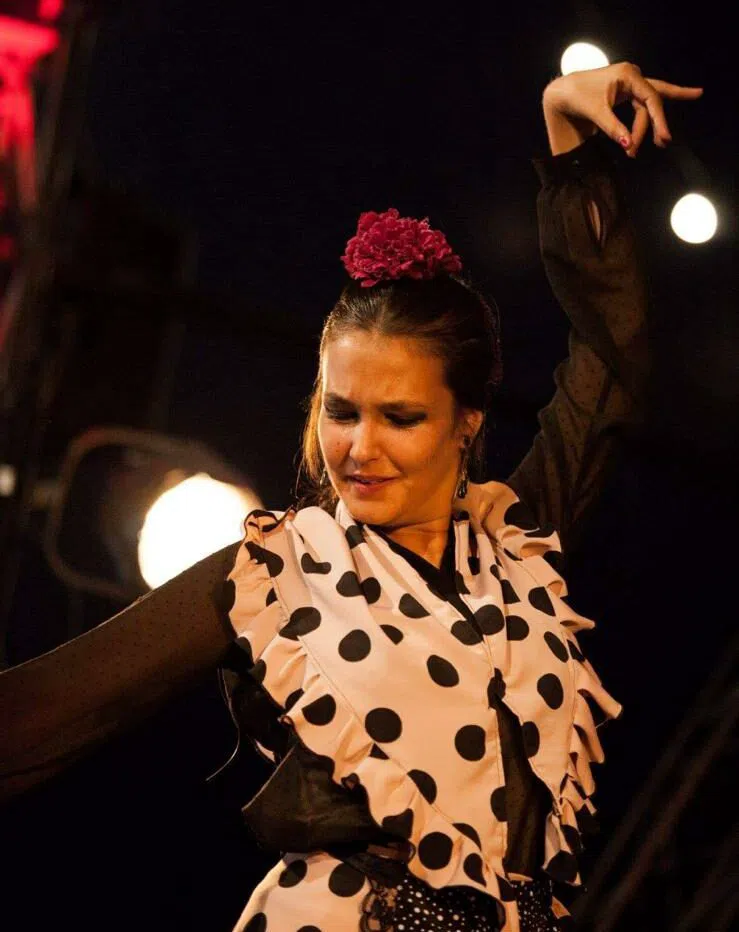

The road into Sacromonte leaves Granada at the door of a sixteenth-century Morisco house and climbs, whitewashed and dust-coloured, along the flank of the hill until the city falls away below the prickly pears. The caves are still cut into that rock: chimneys pushing out of the slope, geraniums in paint tins, a guitar being tuned somewhere behind a low arched doorway. By nine at night nobody is tuning anything, and the floor of a whitewashed room no wider than a corridor is taking the weight of a dancer who has been doing this since she was a girl.
The hill before the show
Sacromonte is a slope, not a venue. It sits on the north side of the city, above the Darro and facing the Alhambra across the ravine, and for centuries the people the city had no room for dug their houses into its soft rock: Roma families, Moriscos who stayed on after the conquest and lost their place below, basket-makers, blacksmiths, day labourers. A cave holds its temperature, cool through an Andalusian August and warm in a January that puts snow on the Sierra Nevada skyline, and a family could extend one simply by digging further in. Flooding in the early 1960s emptied a great deal of the hill, and what you see today is a mix of restored dwellings, houses people actually live in, and rooms that work as venues after dark.
The zambra came out of that. It was the Roma wedding dance of this particular hill, performed in the family cave-home, and its drift from private rite to ticketed evening happened slowly across the twentieth century. Most of what you need to book well here is the difference between a zambra, a form with a place attached, and a tablao, which is a stage that could be anywhere.
Give the first hour of your day to Museo Cuevas del Sacromonte (Barranco de los Negros, Sacromonte), a cluster of restored dwellings on the hillside that presents the caves as kitchens and workshops rather than as stages. General admission is €6. Groups of ten or more pay €5 a head self-guided or €7 guided, and either version must be reserved 72 hours ahead; teachers and accompanying guides go free, and a guided family visit for one to ten people is €70 flat. It opens daily 10:00 to 20:00 in summer, closes at 18:00 from 26 October, and shuts on 25 December and 1 January. Go here first and the flamenco at night stops feeling like a set piece.

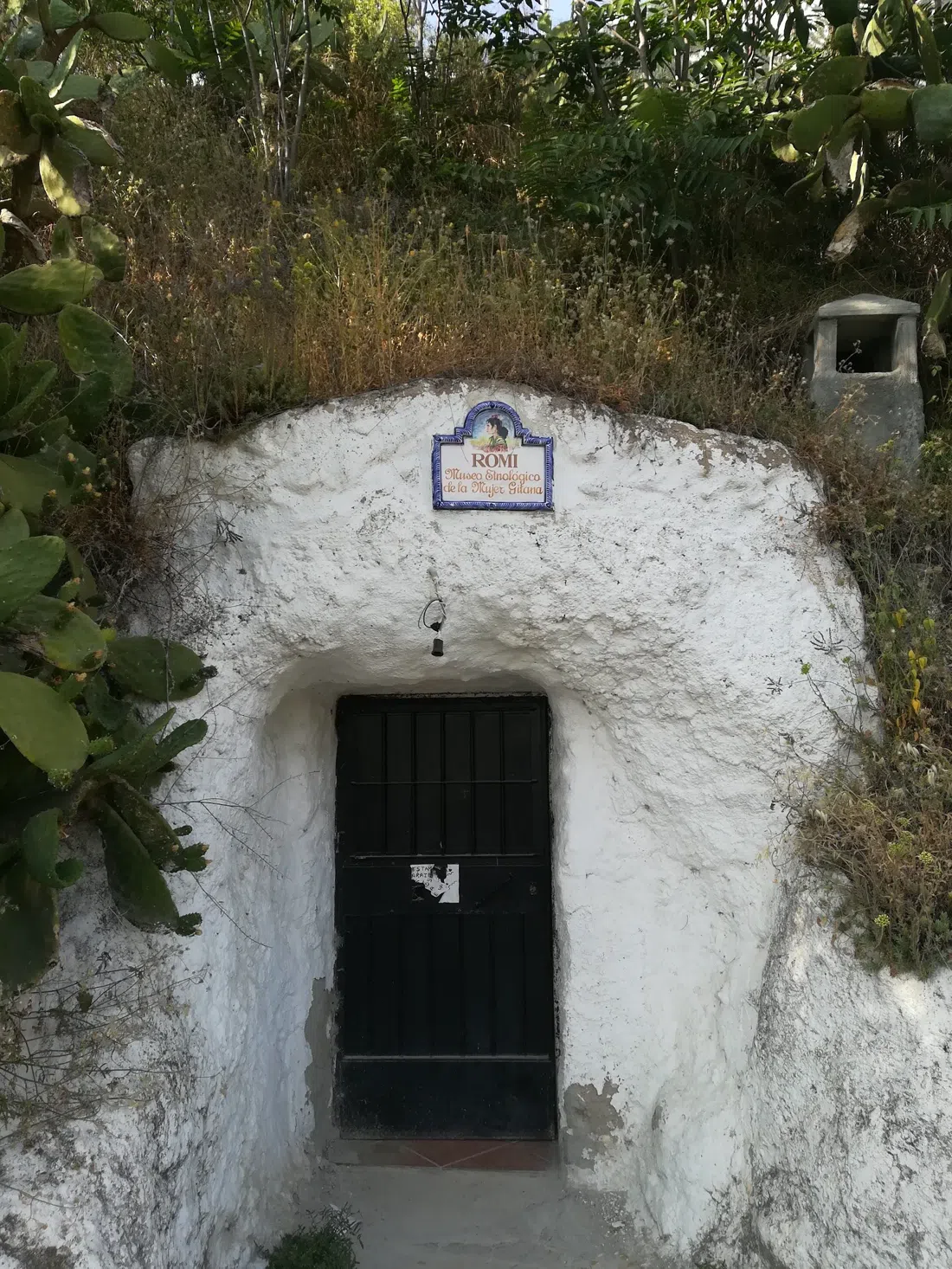
Two smaller institutions do the same work from other angles. Casa del Chapiz — Escuela de Estudios Árabes (foot of the Camino del Sacromonte) is one of the few surviving Morisco houses you can walk into, and it is the literal gateway to the quarter: the road up starts at its door. Guided tours are free but by prior registration only, in Spanish at 11:00 and English at 11:30, with limited slots; entry is also free on Sundays, or included on the combined Dobla de Oro ticket. Museo Etnológico de la Mujer Gitana (ROMI) (Sacromonte) was founded by the ROMI association, a pioneer of Spain's Roma feminist movement, and it is the one place on the hill that tells this story from the inside rather than as spectacle. Visits are free and guided, by reservation only, and the hours are narrow, 10:00 to 13:00, Monday to Friday. It has to be planned, not stumbled into.

The abbey that named the hill
Keep climbing past the last of the caves and the road ends at Abadía del Sacromonte (top of the Camino del Sacromonte), the reason the neighbourhood is called the sacred mount at all. Its catacombs and the disputed lead tablets unearthed here in the 1590s make a strange, wholly Granadan story, and the abbey is the quietest major sight in the quarter: often just you, an audio guide and a great deal of cold stone. General entry is €5 with the audio guide in five languages included; the longer Abadía Arte tour is €12 and must be reserved 48 hours ahead; groups over fifteen pay €4 a head with advance reservation, and under-tens go free. Visitor numbers are capped, so book rather than gamble. Photography of the artworks is not permitted, no food or drink inside, modest dress is required, and the church closes for Sunday Mass at 12:00.

Which cave to book for flamenco
The Camino del Sacromonte holds a handful of very different rooms, and choosing badly is the single way to come away thinking the whole hill is a tourist trap.
Zambra María la Canastera (Camino del Sacromonte) has the strongest lineage claim on the street. This is the actual family cave-home of María Cortés, known as La Canastera, and it has run shows for more than fifty years, a genuine zambra rather than a generic tablao. The room holds 55, so a large party needs to book well ahead; private hire and events are arranged through the venue directly. Tickets are €26 for adults including a drink and €20 for children aged 5 to 11. The show starts around 19:45 and you want to be there twenty minutes early.
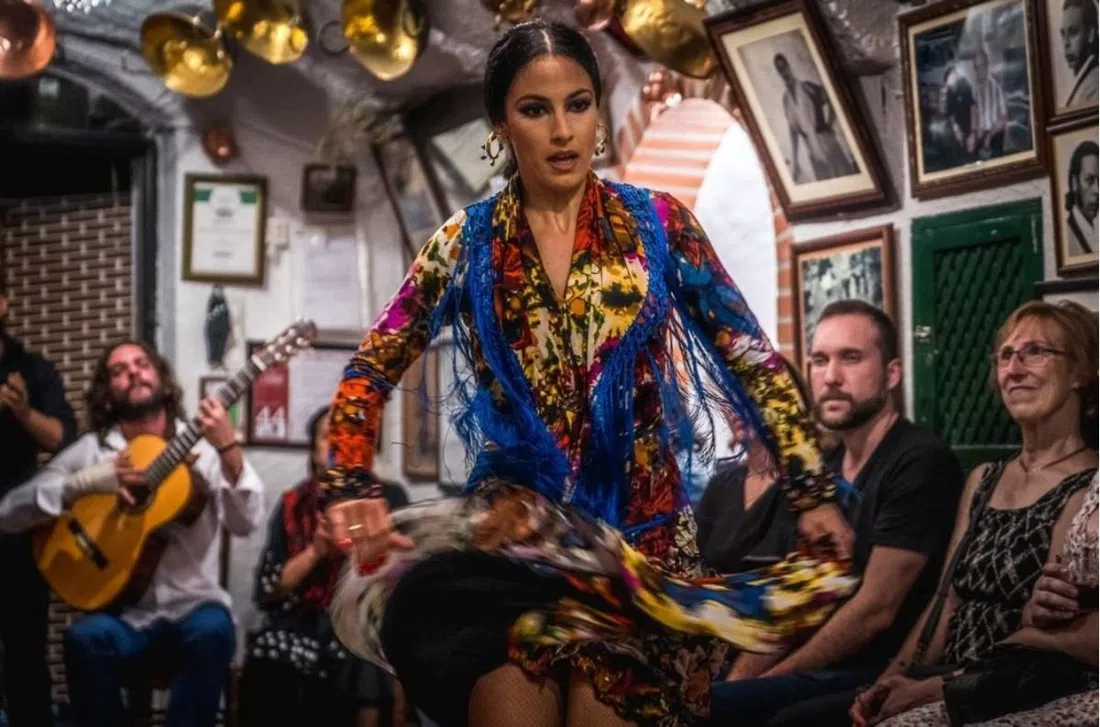
Cueva La Faraona (Camino del Sacromonte) is the antidote to the big-cast rooms. Capacity is roughly 25, close enough that you feel the footwork come up through the floor, and its Tuesday tertulias flamencas are nearer a local gathering than a performance. Around €18 to €25 a head. A group of more than a dozen effectively books out the room, and it is the wrong choice entirely for anyone who wants a proper seated dinner.

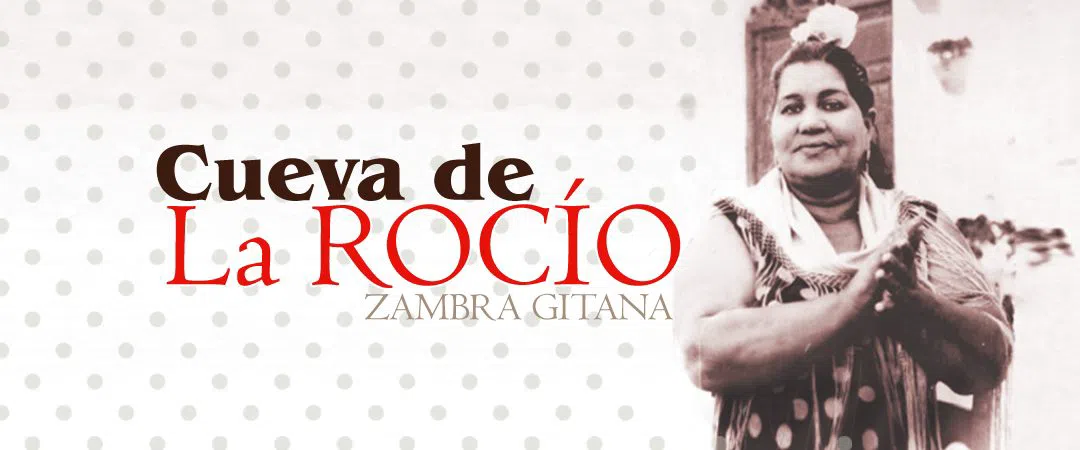
Cueva de la Rocío (Camino del Sacromonte) has been run by the Maya family since 1951 and is the easiest of the big caves to combine with dinner and a real Alhambra view. It is explicitly set up for groups, events and celebrations across three caves plus a terrace, with dinner sittings staggered before each show. Expect roughly €25 to €30 for the show, more for show-plus-dinner packages. Four slots a night (20:00, 21:00, 22:00 and 23:00) make it the most flexible booking on the street.
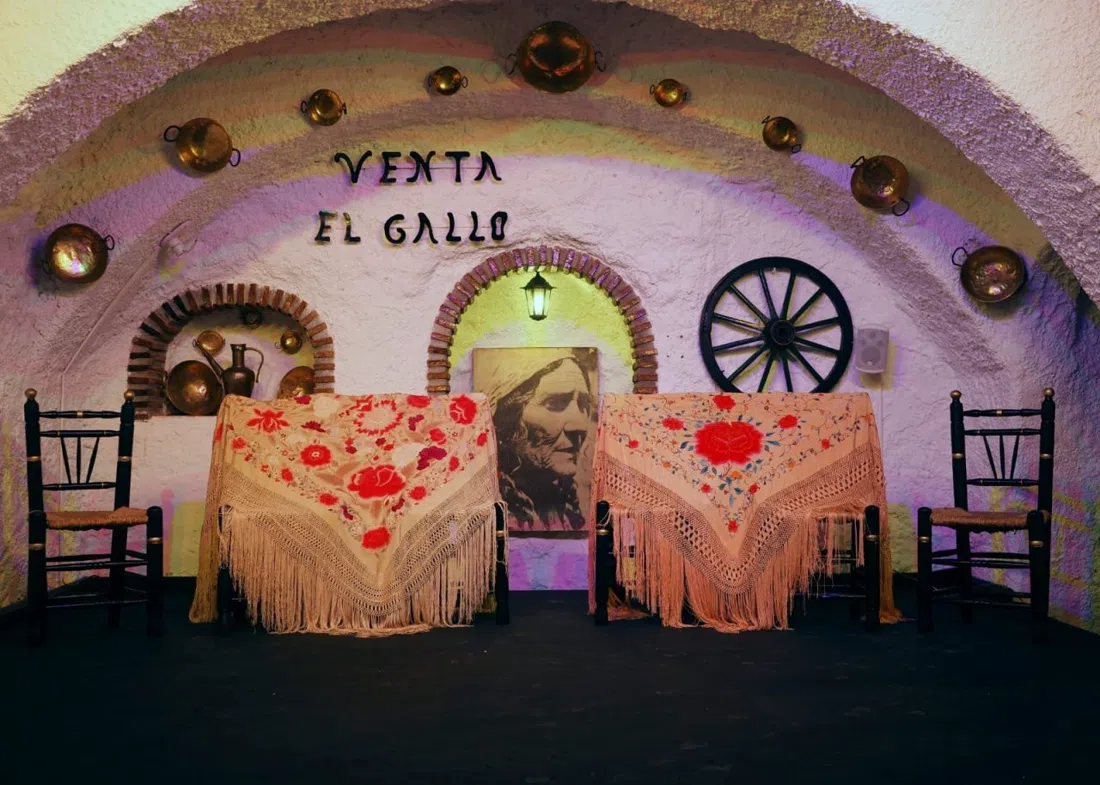
Venta El Gallo (Camino del Sacromonte) has the largest capacity in the quarter at around 140 seats, which means it absorbs coach parties and big private bookings without strain. It has operated as a dedicated flamenco venue since 2005 with up to ten performers a night. From about €25 show only, considerably more with dinner; dinner from 20:00, show from 21:00. Pick it if your group actually wants to eat properly first.
Cuevas Los Tarantos (Camino del Sacromonte) has been open since 1972 and is built for volume: the largest cast on the hill, a dedicated line for corporate and group events, and packages that bundle coach transport from central hotels. Show and a drink from €28, show and tapas dinner from €55, show and dinner from €60, and €65 to €69 with a cave tour and transport included. It only opens from 18:00. It is the safest bet for a group that wants a big cast, a drink and a lift back into town, and it is frankly less intimate than the family zambras.
Where Granada itself goes
Auditorio Municipal Enrique Morente La Chumbera (Sacromonte) is where the city goes for flamenco rather than where tour groups go. Tickets typically run €10 to €25 depending on the programme, with some municipal events free; the autumn Patrimonio Flamenco season runs from 13 October to 22 December 2026 with ten local artists, and the stage roof was fully renewed in August 2026. Full houses are normal and block bookings go through the official ticketing rather than the door. Check the programme before you plan a night around it.
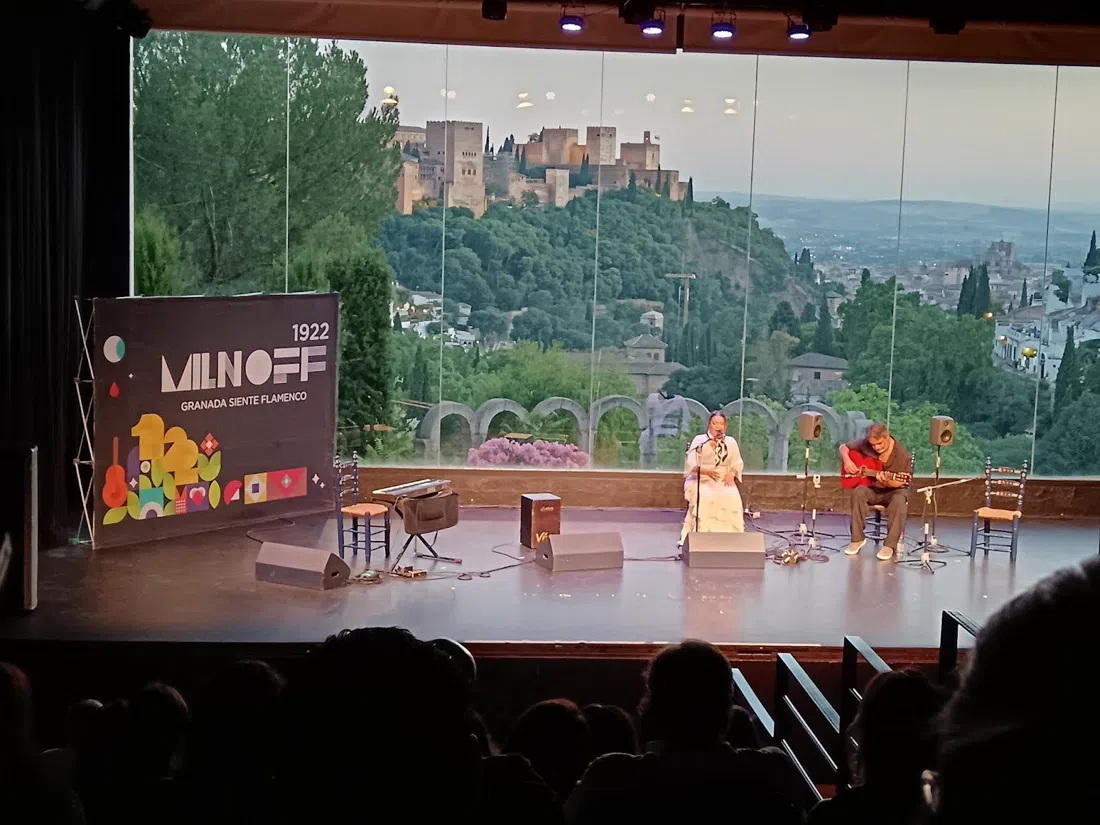
Peña Flamenca La Platería (Albaicín) was founded in 1949 and is the oldest flamenco peña in Spain, a members' club rather than a nightly show, and in many ways the thing the caves are imitating. Thursday flamenco nights are the usual way in for outsiders, generally under €20, but access depends on the schedule and a members' door. Do not turn up with a large party unannounced.

The walk and the two viewpoints
Mirador de San Nicolás (Albaicín) is the postcard angle, free and unticketed and always open, and the natural start or end of a Sacromonte walk. Be realistic about it: arrive an hour before sunset if you want a spot on the parapet, skip weekend sunsets altogether, and watch your pockets in the crush. Groups do far better coming early in the morning or late in the evening.
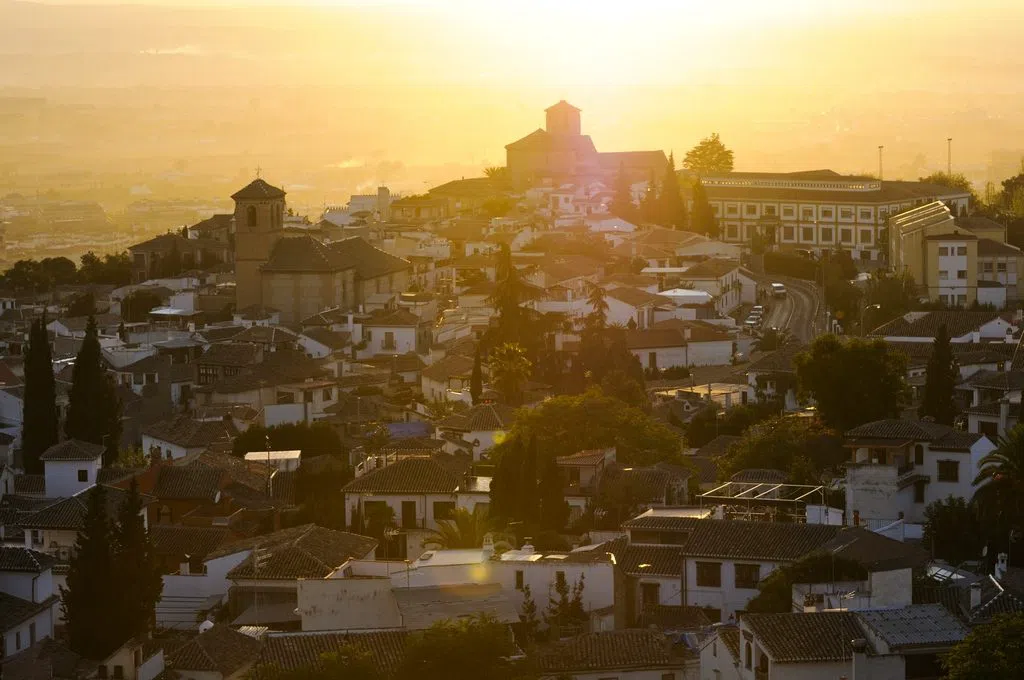
Mirador de San Miguel Alto (the ridge above Sacromonte) is the better view and costs you a steep 40-minute climb on cobbles to get it. Open public ground, no door policy, no fee, and large groups fit easily because the hill itself filters out anyone unsteady. Wear proper shoes. There is a car park near the top if the climb is not realistic.
How long Sacromonte takes
Half a day covers the daylight half honestly: an hour at the cave museum, twenty minutes up the Camino at a wandering pace, forty minutes at the abbey, and whatever the climb to a viewpoint costs you. Add a separate evening for the flamenco. Most shows run about an hour to an hour and a quarter, and with dinner beforehand you are committing from 20:00 until close to midnight. Trying to do the museums and a show in one continuous stretch means sitting through the good part with tired legs.
Best time to go
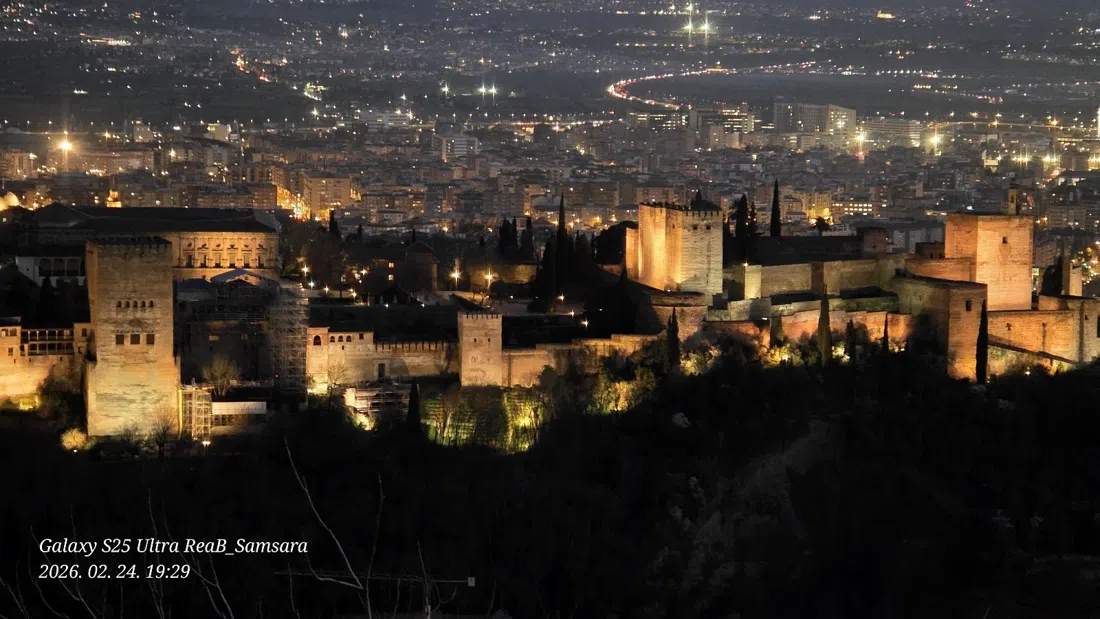
Mornings belong to the museums, and they have to: the ROMI museum closes at 13:00 on weekdays and the free tours at Casa del Chapiz run at 11:00 and 11:30 only. Late afternoon is for the climb, when the light comes across the ravine onto the Alhambra and the cobbles are no longer radiating heat. Summer here is genuinely severe, and while the caves stay cool the hill does not, so between June and early September do the walking before 11:00 or after 19:00. Spring and autumn are the easy seasons. Winter is cold and clear, the hill is quiet, and the small caves feel best of all when there are twenty of you in the room. Avoid weekend sunsets at the famous viewpoint in any month. For a deeper picture of how the rest of the city times itself, our Granada guide is the wider companion to this walk.
Booking ahead or turning up
For the paid sights, advance booking is the difference between a visit and a wasted climb: the abbey caps visitor numbers, the cave museum requires 72 hours for group rates, and the free museums are reservation-only outright. For the flamenco, the maths is simple. A room of 25 or 55 seats sells out in a way a 140-seat room does not, so the more intimate the venue, the further ahead you book.
Guided routes through the quarter on foot, by bike and by segway run seven days a week and start from around 53 USD per person, and the most-booked of them holds a 4.9 out of 5 rating from 1,290 travellers. A guide is worth it if you want the Morisco and Roma history joined up as you walk; you do not need one simply to get up the hill, which is one road.
Access, rules and who it suits
This is a steep hill of cobbles and stepped lanes with no easy way around that fact. Wheeled access is limited, the abbey asks for modest dress and bans photography of its artworks and any food or drink, and the cave venues are low-ceilinged rooms with narrow seating. Couples and pairs should aim at the small zambras; families and groups of ten or more will be better served by the larger caves, which quote group rates as a matter of course. Children are explicitly catered for at one of the zambras with a reduced ticket for ages 5 to 11, but a 23:00 show is not a children's booking under any circumstances.
Is it worth it
Yes, with one condition. Book the hill as two things rather than one. Walk it in daylight, spend an hour learning what the caves were, and the evening stops being a costume show and becomes what it actually is: a form that belongs to specific families in a specific ravine, performed a few metres from where it was invented. Book only the night, arrive by coach, watch, leave, and you will have paid €28 for something you could have seen on a stage anywhere. The place rewards the walk.
Practical notes
The Camino del Sacromonte starts at Casa del Chapiz, about twenty minutes uphill from Plaza Nueva along the Darro. The small municipal minibuses that serve the Albaicín and Sacromonte are the sensible way up if the climb is not for you; a taxi will take you to the abbey end and let you walk back down. Bring cash in euros for small venues and drinks, though the larger caves and the museums take cards. Wear shoes with grip, because the cobbles are polished by centuries of feet and lethal in rain. Budget roughly €6 for the cave museum, €5 for the abbey, nothing for the two viewpoints and the free museums, and €18 to €30 for a show with a drink, or €55 to €69 for show, dinner and transport at the big rooms. If you want to be inside the quarter rather than commuting to it, the Granada hotel search covers the Albaicín and Sacromonte slopes, with the caveat that everything up there involves stairs.
Questions
Is the flamenco in Sacromonte real or just for tourists?
Both exist on the same street. A zambra is the Roma wedding form native to this hill, performed in a family cave-home: Zambra María la Canastera has run shows in one for over fifty years, and Cueva de la Rocío has belonged to the Maya family since 1951. The larger rooms, Cuevas Los Tarantos and Venta El Gallo, are professional tablaos built for volume, with good casts but little intimacy. Peña Flamenca La Platería in the Albaicín, founded in 1949, is the oldest flamenco peña in Spain and closer to what the caves imitate, though it is a members' club and access depends on its schedule.
How much does a Sacromonte cave show cost?
Roughly €18 to €25 at the smallest room, Cueva La Faraona; €26 for adults and €20 for children aged 5 to 11 at Zambra María la Canastera, drink included; about €25 to €30 at Cueva de la Rocío; from about €25 show-only at Venta El Gallo; and from €28 with a drink at Cuevas Los Tarantos, rising to €55 to €60 with dinner and €65 to €69 with a cave tour and transport included.
Do I need to book Sacromonte flamenco in advance?
The smaller the room, the more essential booking is. Cueva La Faraona seats about 25 and Zambra María la Canastera 55, so those go first; Venta El Gallo's roughly 140 seats and Cueva de la Rocío's four nightly slots, at 20:00, 21:00, 22:00 and 23:00, leave far more slack. The daytime sights need booking too: the Abadía del Sacromonte caps numbers, the cave museum wants 72 hours' notice for group rates, and the ROMI museum and Casa del Chapiz tours are reservation-only.
What is the best time of day to visit Sacromonte?
Mornings belong to the museums, which leave no choice: the ROMI museum opens only 10:00 to 13:00 on weekdays, and Casa del Chapiz runs free tours at 11:00 in Spanish and 11:30 in English. Late afternoon is for the climb and the light on the Alhambra, evening for the show. In summer, do all your walking before 11:00 or after 19:00, and avoid Mirador de San Nicolás at weekend sunset in any season.
How do I get up to Sacromonte from central Granada?
The Camino del Sacromonte begins at Casa del Chapiz, about twenty minutes on foot uphill from Plaza Nueva along the Darro. Small municipal minibuses serve the Albaicín and Sacromonte if the climb is too much, and a taxi can drop you at the abbey end so you walk back downhill. Mirador de San Miguel Alto is a steep 40-minute climb on cobbles, though there is a car park near the top.
First published on granadavacations.com, the Granada guide.