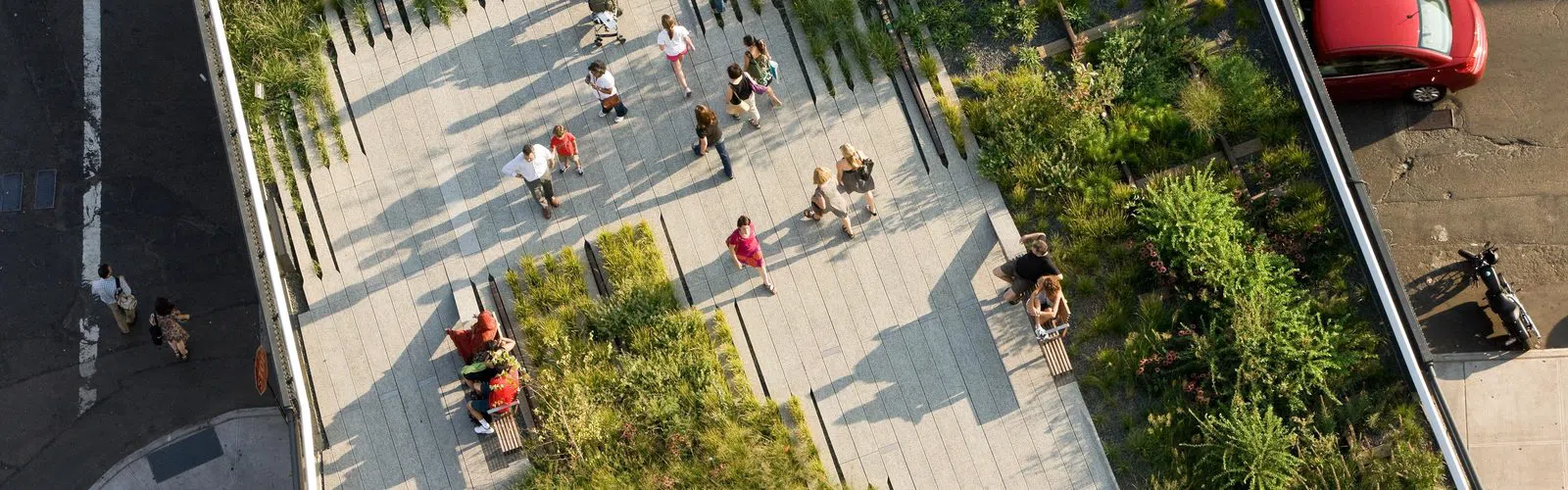
The High Line runs 30 feet above Chelsea on a 1930s steel freight viaduct, and the original rail tracks are still embedded in planting that seeded itself. Underneath it is the old Nabisco biscuit factory where the Oreo was invented, now Chelsea Market. Both are free to walk into.
The High Line from Gansevoort Street to 30th Street
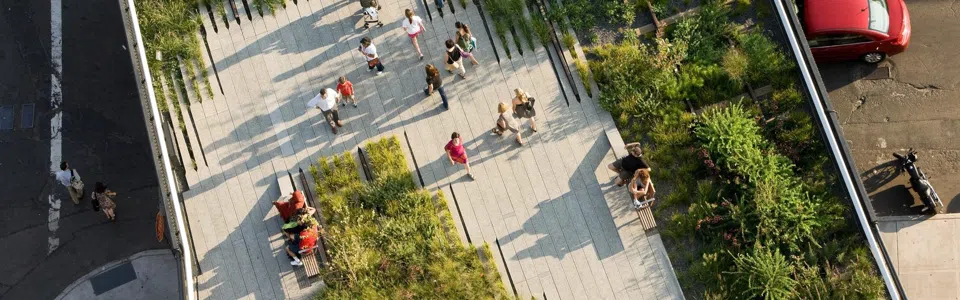
The High Line (Gansevoort Street to 30th Street) runs the length of the neighbourhood and it is the thing to do first. Enter at the southern end and walk north. The concrete plank paths taper where the viaduct threads between brick warehouses and new glass towers, the self-seeded prairie planting closes in around the rails, and the Hudson appears in the gaps between buildings.
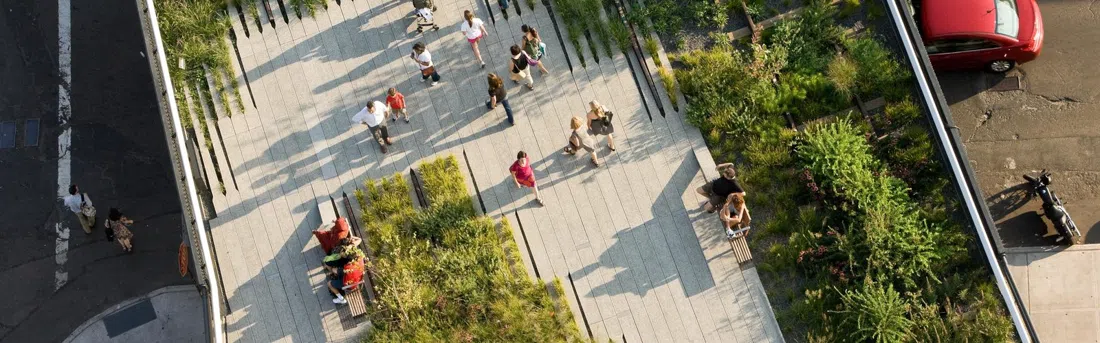
Hours follow the season. The park opens at 7 a.m. and closes at 7 p.m. from December to March, and in summer it stays open until 10 p.m. or 11 p.m. There is no ticket and no booking, though the Friends of the High Line run free guided walks you can reserve in advance. Paths are narrow, so a party of more than eight should walk it in twos.
Walk the length of it before you commit to anything else at street level. Everything else in this guide is within a few blocks of the steelwork, and the viaduct is the easiest way to see how the warehouses, the towers and the river fit together.
Chelsea Market, directly underneath
Chelsea Market (15th and 16th Street) still reads as the factory it was. Exposed red brick, riveted iron columns and a raw concrete floor run the length of a long dim corridor of stalls, lit by industrial pendant lamps, with a waterfall pouring into a well partway down. Entry is free and stalls run $5 to $25.
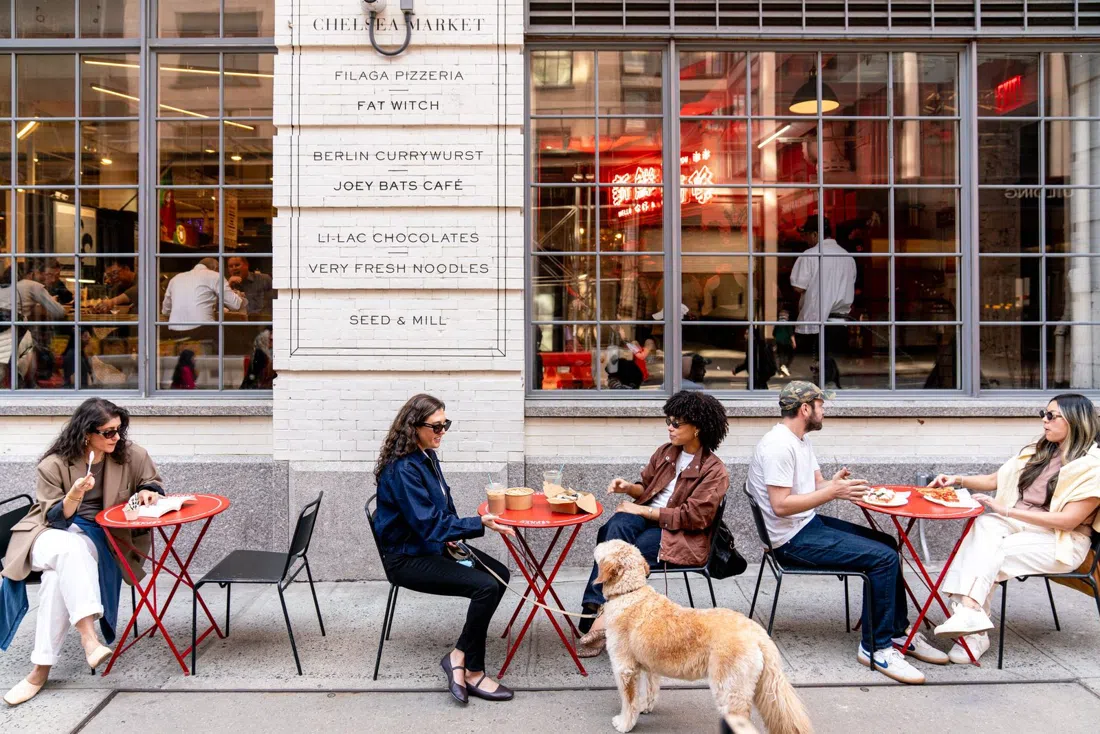
Timing decides whether this is pleasant. Between 12 p.m. and 3 p.m. the crush is brutal and the stalls are standing-only, so come before 11 a.m. and eat while the corridor is still passable.
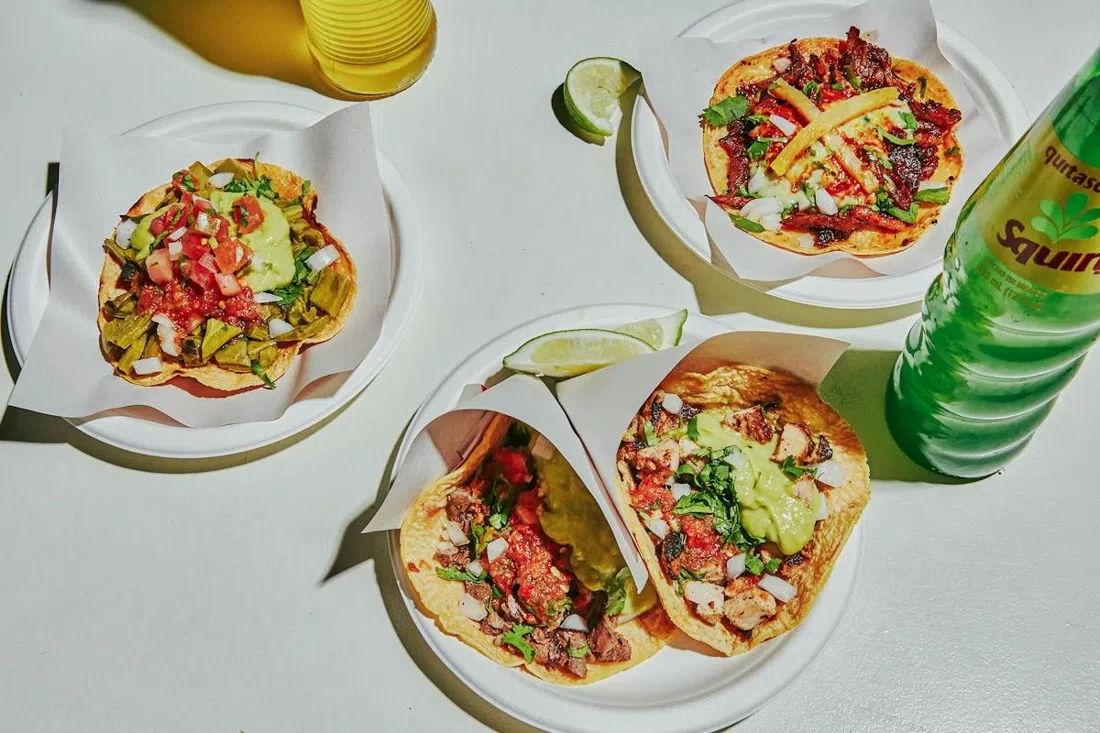
Los Tacos No. 1 (inside Chelsea Market) opened in 2013 and charges $5 to $8 a taco. A vertical trompo of adobada pork turns under a flame at the counter, cooks press the tortillas by hand on the flat-top, and people eat facing the wall at a standing metal shelf. Order the adobada off the trompo. There are no seats and no reservations. Open 11 a.m. to 10 p.m. daily.
Galleries and museums between West 19th and 27th Street
David Zwirner (West 19th and 20th Street) is the flagship of the Chelsea gallery district. The gallery consolidated its New York programme into Chelsea and Tribeca, which is why the big shows land on these blocks. Behind a sober concrete-and-glass facade are white-box rooms with double-height walls and polished poured floors, works hung metres apart, no labels on the wall and a sheet at the desk.
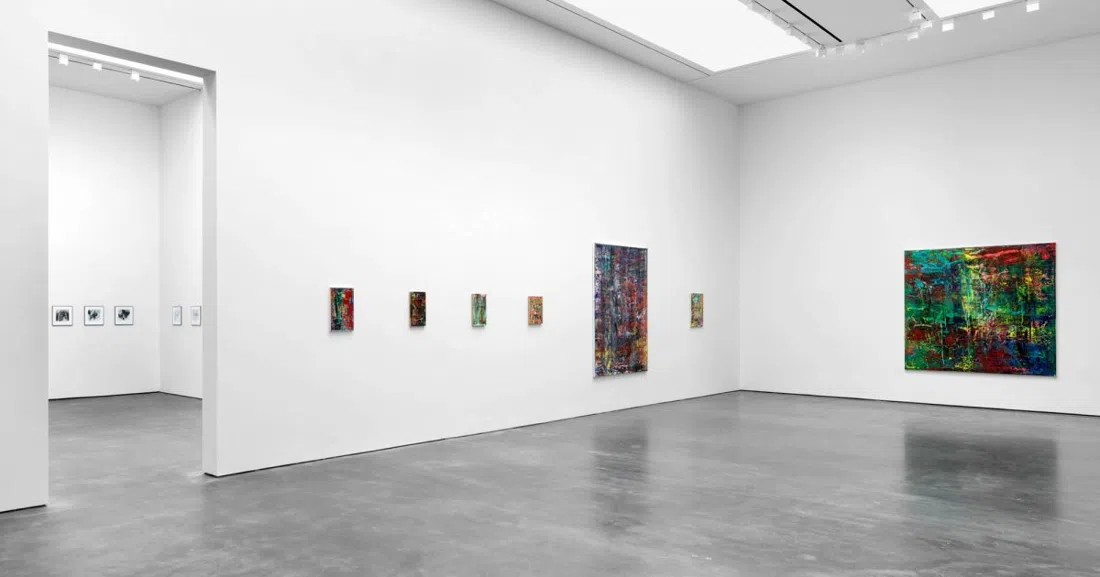
Start a free gallery crawl here and work north through West 26th Street. Weekday afternoons are the strongest hours for it, and Thursday evening brings the openings. The rooms stay quiet, and staff leave you alone if you keep your voice down. Zwirner is open Tuesday to Saturday.
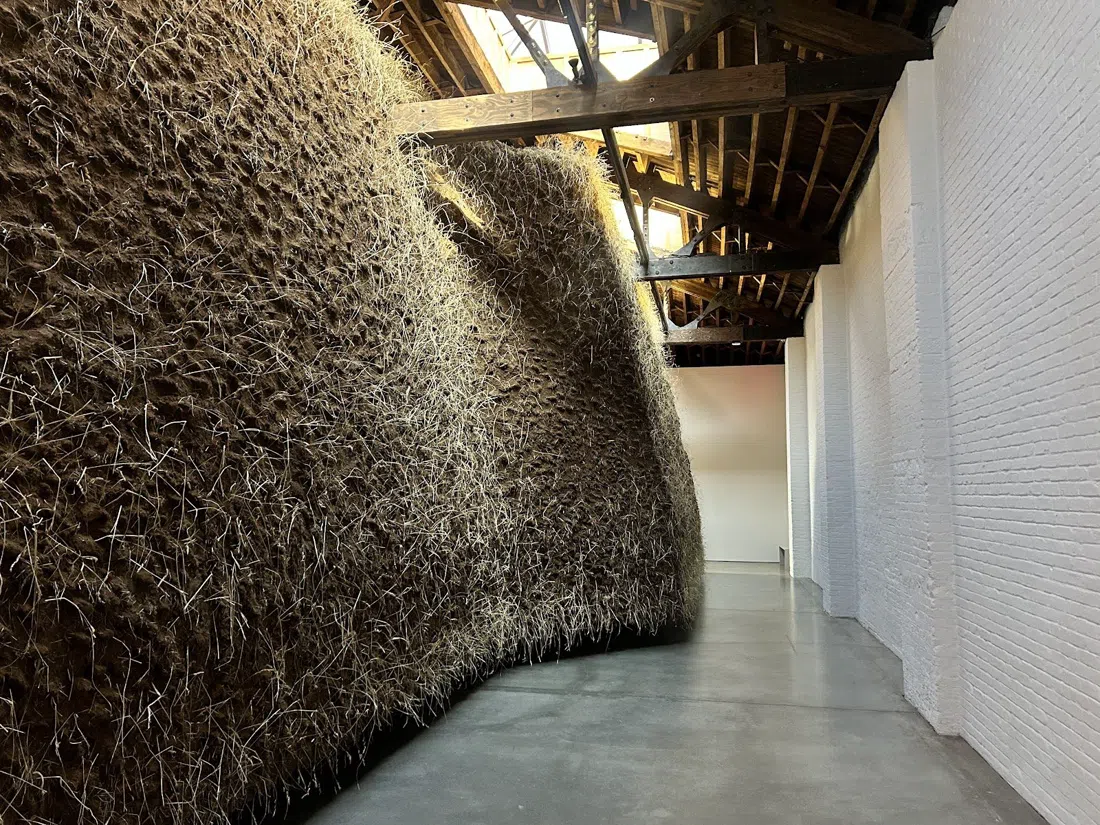
Dia Chelsea (West 22nd Street) occupies three 1920s warehouses knitted together behind a plain brick street wall. The sawtooth-lit white hall behind it holds one large-scale installation on a vast empty concrete floor, and the current show is David Lamelas, 'The Machine', running to 16 January 2027. Entry is free, Wednesday to Saturday, noon to 6 p.m., with no booking. This is the serious counterweight to the commercial galleries around it.
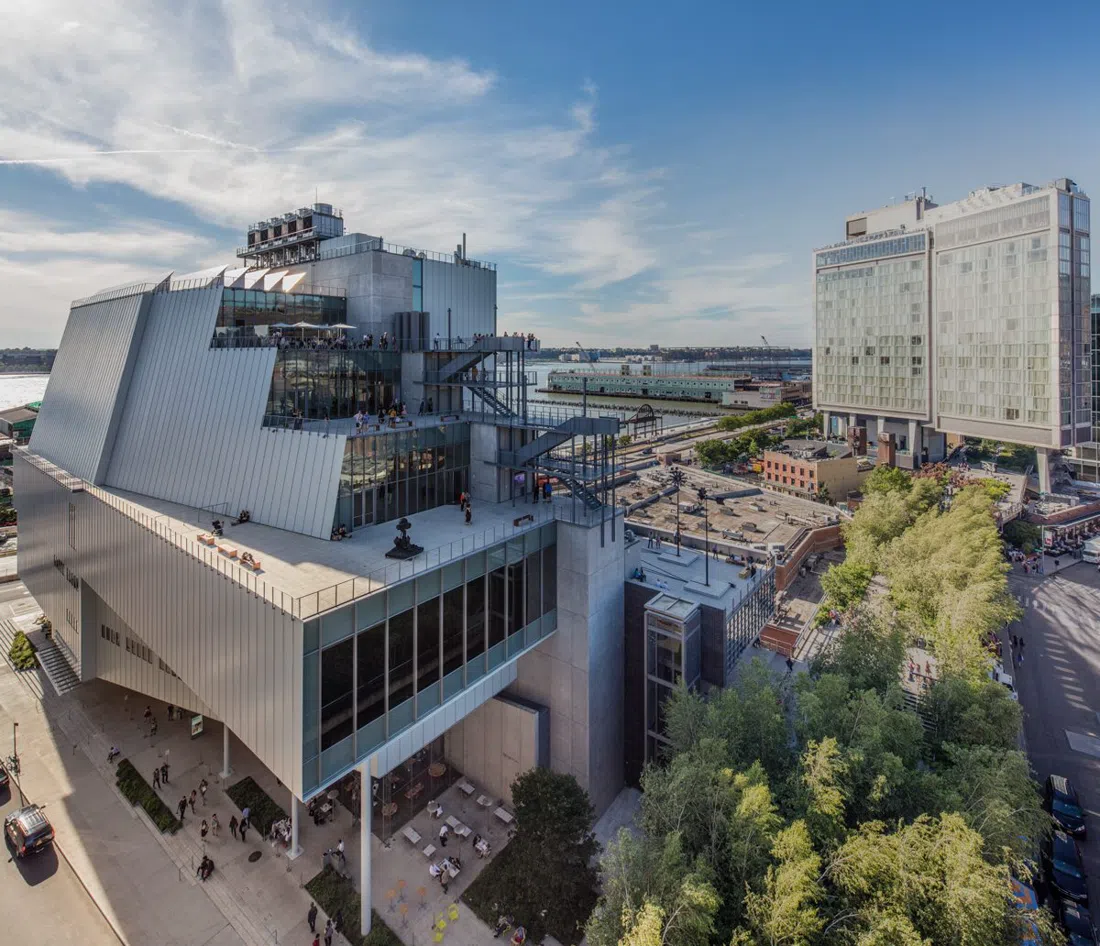
Whitney Museum of American Art (Gansevoort Street) is at the southern end. Renzo Piano put an asymmetric steel-and-glass block on stilts above the street, with stacked outdoor terraces linked by external staircases and a column-free gallery on the top floor, and the High Line passes the entrance. Entry is $30 adult and $24 student or senior, free for under 25s, and free on Friday from 5 p.m. to 10 p.m. The museum closes Tuesdays. Those terraces are the cheapest great view in the area, and the free Friday slot draws the heaviest crowd of the week.
The Museum at FIT (Seventh Avenue and 27th Street) is the only museum in New York devoted purely to fashion, and it is always free with no ticket. The galleries are below street level under the Fashion Institute's brutalist concrete campus, dark-walled, with tight spotlighting on rows of couture mannequins. Keep it for a wet afternoon.
Cushman Row on West 20th Street
Cushman Row (406 to 418 West 20th Street) is where the neighbourhood's name comes from. The land was Clement Clarke Moore's Chelsea estate, and Don Alonzo Cushman built out this 1840 terrace of Greek Revival brick rowhouses, the best-preserved in the city. High brownstone stoops rise to deep-set black doorways under heavy lintels, the iron railings end in wrought-iron basket newels, and mature trees shade the pavement. It is five minutes from the High Line, inside the Chelsea Historic District.
The street is residential, free and open at any hour. Walk it quietly and leave the stoops clear. Across the road, the General Theological Seminary close is now Vanderbilt University's New York campus, so garden access is no longer reliable; look at the brick close through the railings and move along the pavement.
The Hudson at Pier 57 and Chelsea Piers
Pier 57 Rooftop Park has two acres of tiered green lawn and wooden bench terraces on top of a flat 1954 concrete pier shed, with open Hudson water on three sides, Little Island's tulip-shaped concrete pots just to the south and the New Jersey waterfront opposite. It is free, unticketed and open 6 a.m. to 1 a.m. daily, and it gives Chelsea its best free sunset and skyline view. The lawns take a crowd without feeling full.
Market 57 is underneath, a James Beard Foundation food hall with communal seating and stalls at $10 to $25. Eat there, then go up for the light. Little Island, one pier south, is also free.
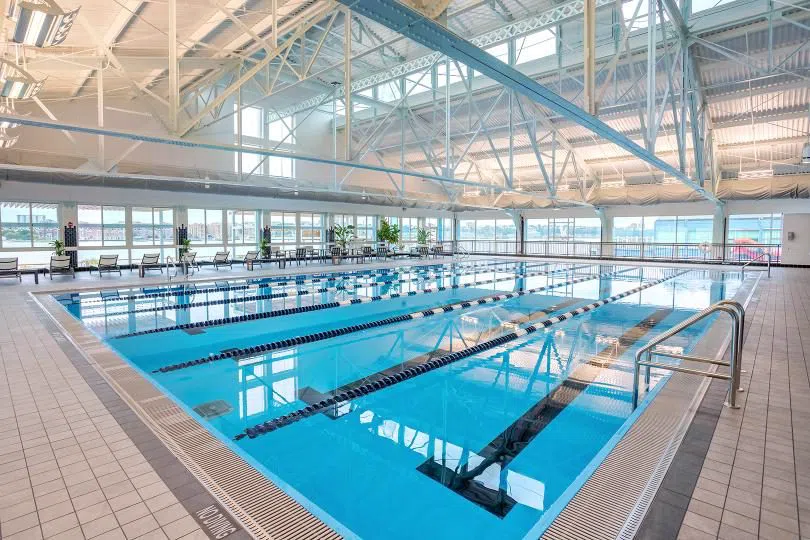
Chelsea Piers (Piers 59 to 62) is the one genuinely active thing in the neighbourhood, a 28-acre complex of long low white pier buildings on the water. The four-tier driving range hangs 52 netted bays out over the Hudson, facing the river and the Jersey skyline, and it runs year-round. Prices are $$ to $$$, with range buckets from $40 and higher rates for classes and lane hire. Golf bays, batting cages, turf fields and gymnastics all take bookings; reserve a bay ahead at weekends.
Dinner on Tenth Avenue
Cookshop (156 Tenth Avenue) has held its corner since 2005. Walls of windows face the High Line stairs, the banquettes are tall lemon-yellow and olive, the pass is open, and pavement tables run under the elevated park's steel underside. The kitchen cooks seasonally from the market, and mains run $28 to $45. Weekend brunch, 10 a.m. to 3:30 p.m., is a scrum. Book it.
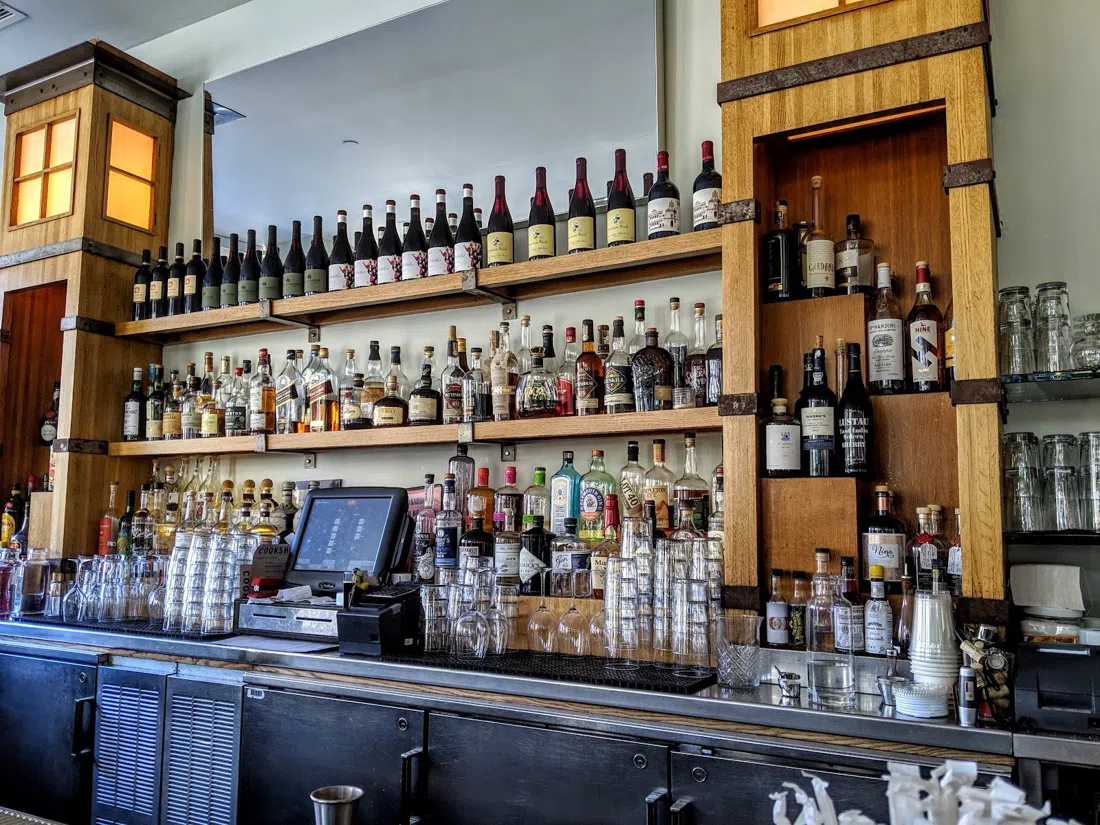
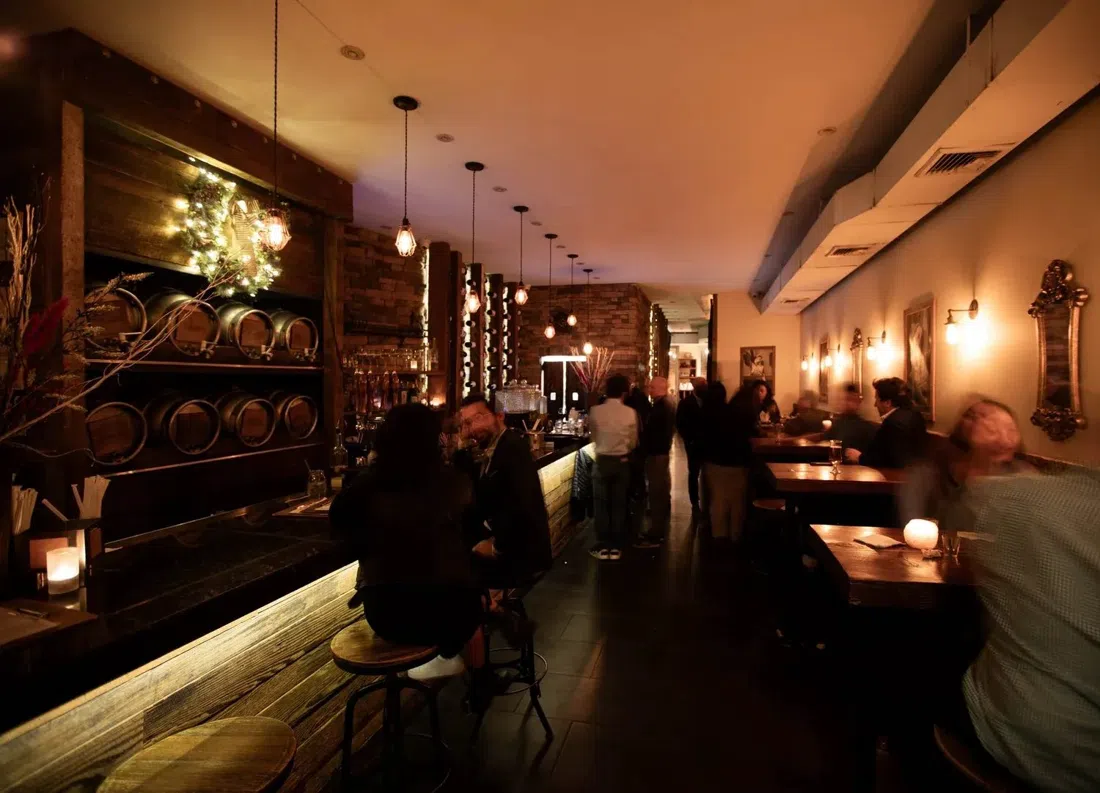
Death Ave (315 Tenth Avenue) takes its name from the old nickname for this avenue, from the years when freight trains ran at street level and killed people. A basement brewhouse feeds the tap wall, cask cocktails line the shelves above it, and the hall is bare brick and blond wood. Two separate street doors split the place: the taproom runs on long tables with no door policy, and the restaurant side takes reservations. Pints are $9 to $12 and plates $18 to $30. The sidewalk terrace looks straight up at the viaduct.
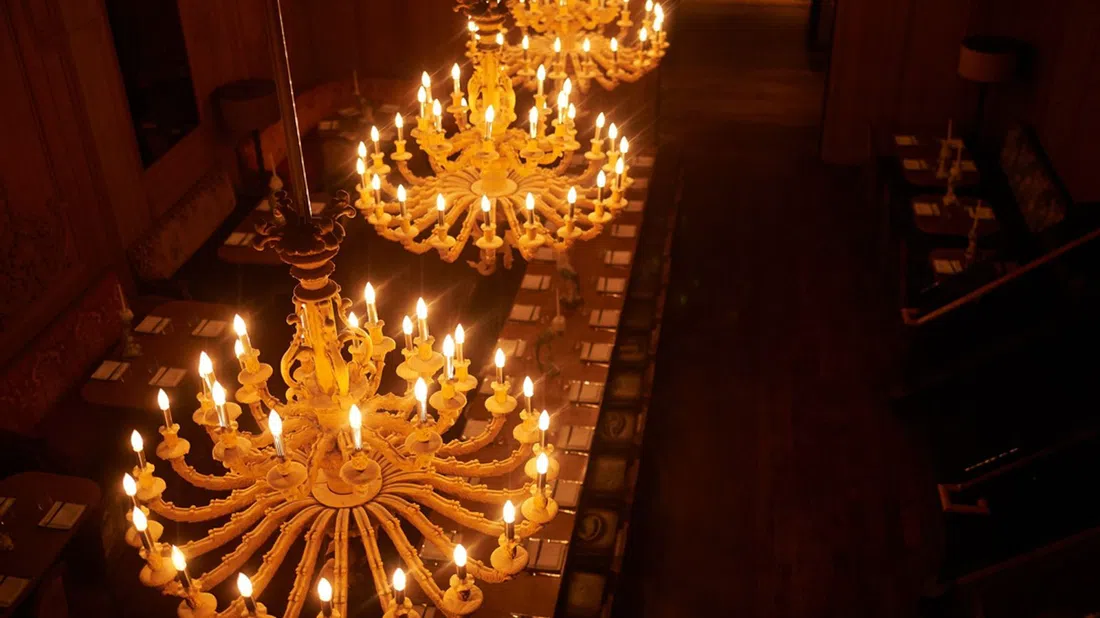
Buddakan (Chelsea Market building) drops into a 16,000-square-foot basement below the market. A candlelit staircase sweeps down from street level into a tall chandeliered hall with gilded Chinoiserie murals and one long communal black table. Mains are $30 to $60, dinner only, with doors between 4 p.m. and 5 p.m. It is built for a celebration and it is loud. Nine private event spaces, full buyout and set per-person family-style menus make parties of eight to 12 routine here; book the communal table if you arrive as a crowd.
Rooftop drinks and the Marquee door
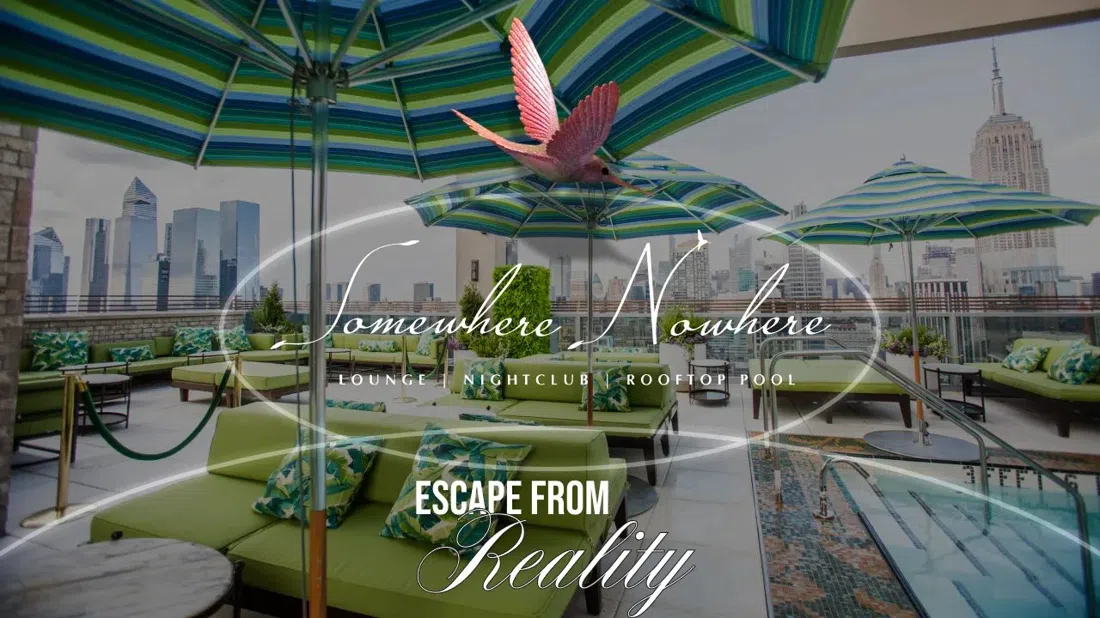
Somewhere Nowhere NYC is on the 38th and 39th floors of the Renaissance New York Chelsea. Indoors it is pink-and-neon jungle décor, hanging foliage and mirrored ceilings; outside, a glass-enclosed rooftop pool deck faces the Empire State Building filling the skyline. The glazing keeps it working through winter. Cocktails are $22 to $26, and the pool daybeds carry a minimum spend. Staff enforce the dress code at the lift and turn weekend walk-ins away, so reserve. Gallow Green, the McKittrick Hotel's garden rooftop, has closed, and this took its place.
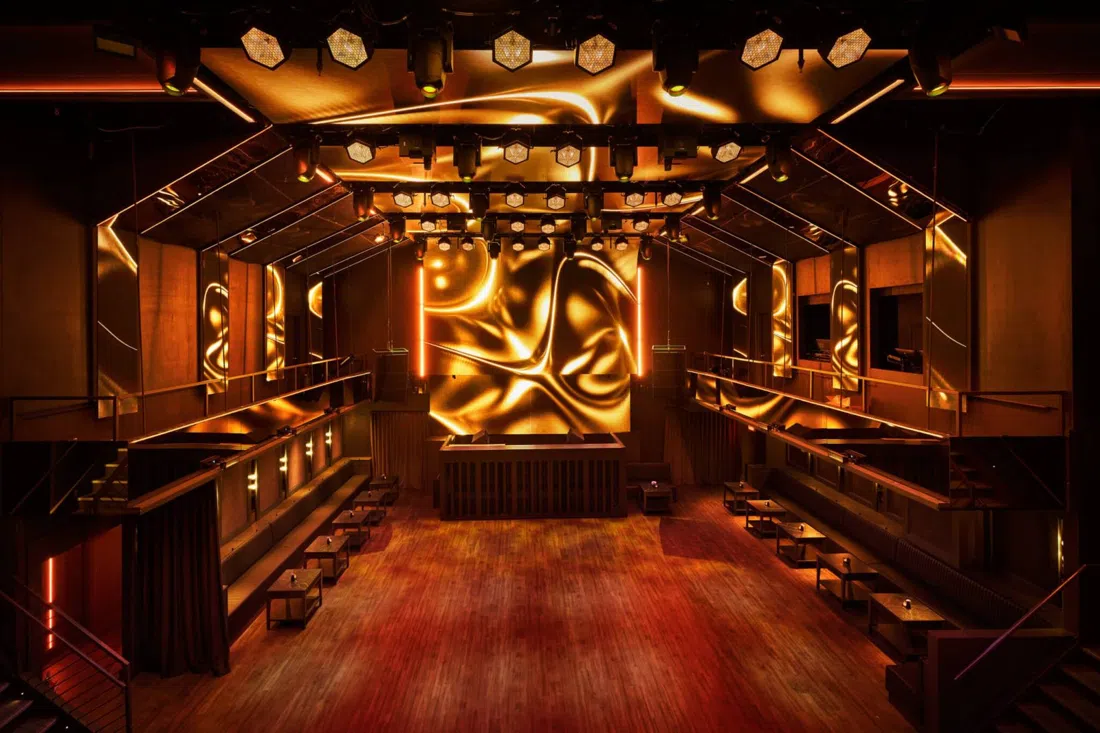
Marquee New York (289 Tenth Avenue) reopened in September 2025 after a full rebuild of the warehouse shell. Deep purple light falls over dark oak, a wall-filling LED wrap backs a DJ booth that converts to a live stage, and a mezzanine looks down on the widened dance floor. It opens Wednesday, Friday and Saturday only, 11 p.m. to 4 a.m. Entry is $40 and up, tables start in four figures, and the door is selective and strict on dress. The room runs on booked bottle service, and mixed-gender groups fare best at the rope.
Staying at the Hotel Chelsea
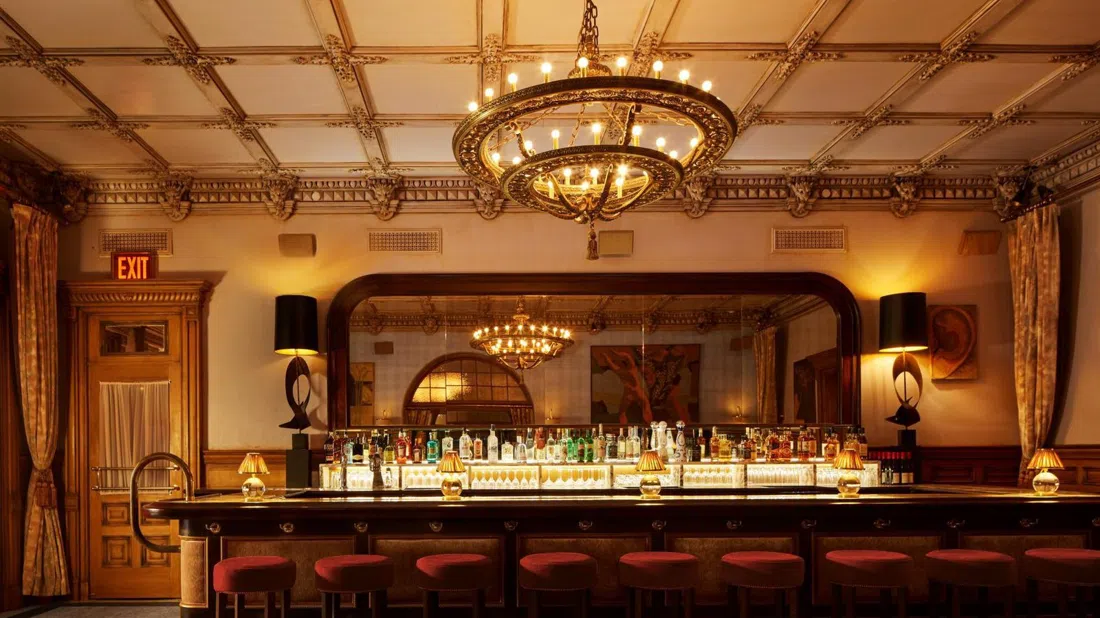
Hotel Chelsea (222 West 23rd Street) is worth walking into whether or not you sleep there. The 1883 to 1885 red-brick Queen Anne pile has ornate black cast-iron balconies with flower-painted railings, a grand staircase spiralling 12 floors, and rooms crammed with antiques. Dylan Thomas, Warhol and Sid Vicious all passed through. Time Out named it New York's best hotel in 2026, and rooms run $450 to $900 a night. Lofts and two-bedroom suites take small parties, and the hotel handles group and event bookings. El Quijote, the 1930 restaurant off the lobby with its tiled Spanish dining room, serves non-guests from 5 p.m.
Before you go
The Whitney closes Tuesdays, Dia Chelsea opens Wednesday to Saturday, and Marquee runs three nights a week. Book Cookshop for weekend brunch, a Chelsea Piers bay at weekends, and a table at Somewhere Nowhere or Marquee before you turn up.
See the New York guide and the New York hotel search.
Questions
Is the High Line free, and what time does it open?
Yes, it is free and unticketed. The park runs 7 a.m. to 7 p.m. from December to March and stays open until 10 p.m. or 11 p.m. in summer. Enter at Gansevoort Street and walk north to 30th. The Friends of the High Line run free guided walks you can reserve in advance.
When is Chelsea Market least crowded?
Before 11 a.m. The crush between 12 p.m. and 3 p.m. is brutal, and the stalls are standing only, so there is nowhere to wait it out. Entry is free and stalls run $5 to $25.
Which Chelsea art spaces cost nothing?
Dia Chelsea is free, Wednesday to Saturday, noon to 6 p.m. The Museum at FIT is always free and needs no ticket. David Zwirner takes free walk-ins, Tuesday to Saturday. The Whitney waives admission for under 25s, and for everyone on Friday from 5 p.m. to 10 p.m.
Where can a group of 10 eat dinner in Chelsea?
Buddakan, in the Chelsea Market building. There are nine private event spaces, a full buyout option and set family-style menus priced per person, and parties of eight to 12 are routine. Mains run $30 to $60, dinner only, with doors between 4 p.m. and 5 p.m.
Can you walk in to Somewhere Nowhere or Marquee?
Not reliably. Somewhere Nowhere enforces its dress code at the lift and turns weekend walk-ins away, so book ahead; cocktails are $22 to $26. Marquee is selective at the door and strict on dress, and it runs on booked bottle service at $40 and up. It opens Wednesday, Friday and Saturday, 11 p.m. to 4 a.m.
First published on newyorkcitybreaks.com, the New York guide.