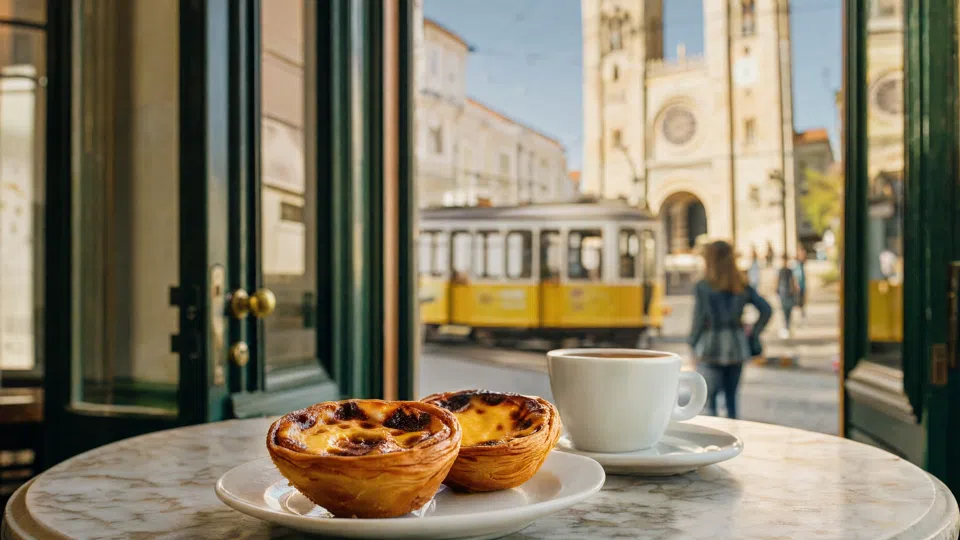
Lisbon's food identity splits cleanly in two: sweet, in the form of the pastel de nata — the custard tart every bakery in the city makes its own version of — and salt, in the seafood that comes off boats a short drive from the centre and lands on grills within hours. The city's markets, from a purpose-built food hall to century-old neighbourhood stalls, are where both halves meet.
This is a guide to booking into that: the classes that teach you the tart, the tours that get you to the fish, and the markets worth building a morning around.
The tart, from the people who actually make it
The pastel de nata's origin story is specific and well documented: the recipe traces to monks at the Jerónimos Monastery in Belém, and when Portugal's monasteries closed in 1834, it passed to a nearby sugar refinery that became Pastéis de Belém — founded in 1837, and still making the tarts from that same recipe in what the bakery calls its "secret room," known to a small circle of confectioners. It's the original, and worth the trip to Belém on that basis alone.
For the hands-on version, a handful of Lisbon bakeries run pastel de nata classes where you roll the puff pastry and bake your own batch rather than just eat someone else's.
Cooking class
Pastel de Nata Baking Class with Drinks
A hands-on class covering the dough and custard, with a tasting and local drinks included.
From $63 per person at research time — the cleanest confirmed price in this guide. Reconfirm on the live listing before booking.
Cooking class
Pastel de Nata Workshop at Nat'elier
A two-hour hands-on class inside a working pastry shop on Rua de Santa Justa, running since 2018 — you roll the puff pastry and bake your own tarts.
Live price not captured at research time; confirm on the listing. (A GetYourGuide listing with the same title exists but returned inconsistent details across searches — this Viator listing is the one confirmed against the operator's own details.)
The markets — new and 130 years old, in the same building
Time Out Market Lisboa opened in its current food-hall form in May 2014, but it only occupies half of the building it's in: the Mercado da Ribeira, built in 1892. The other half is still the original neighbourhood market — fruit, veg, fish stalls trading the way they have for over a century — literally one wall away from the food hall's 40-plus kiosks. Most visitors only see the curated half; the older side is free to wander and worth the five extra minutes.
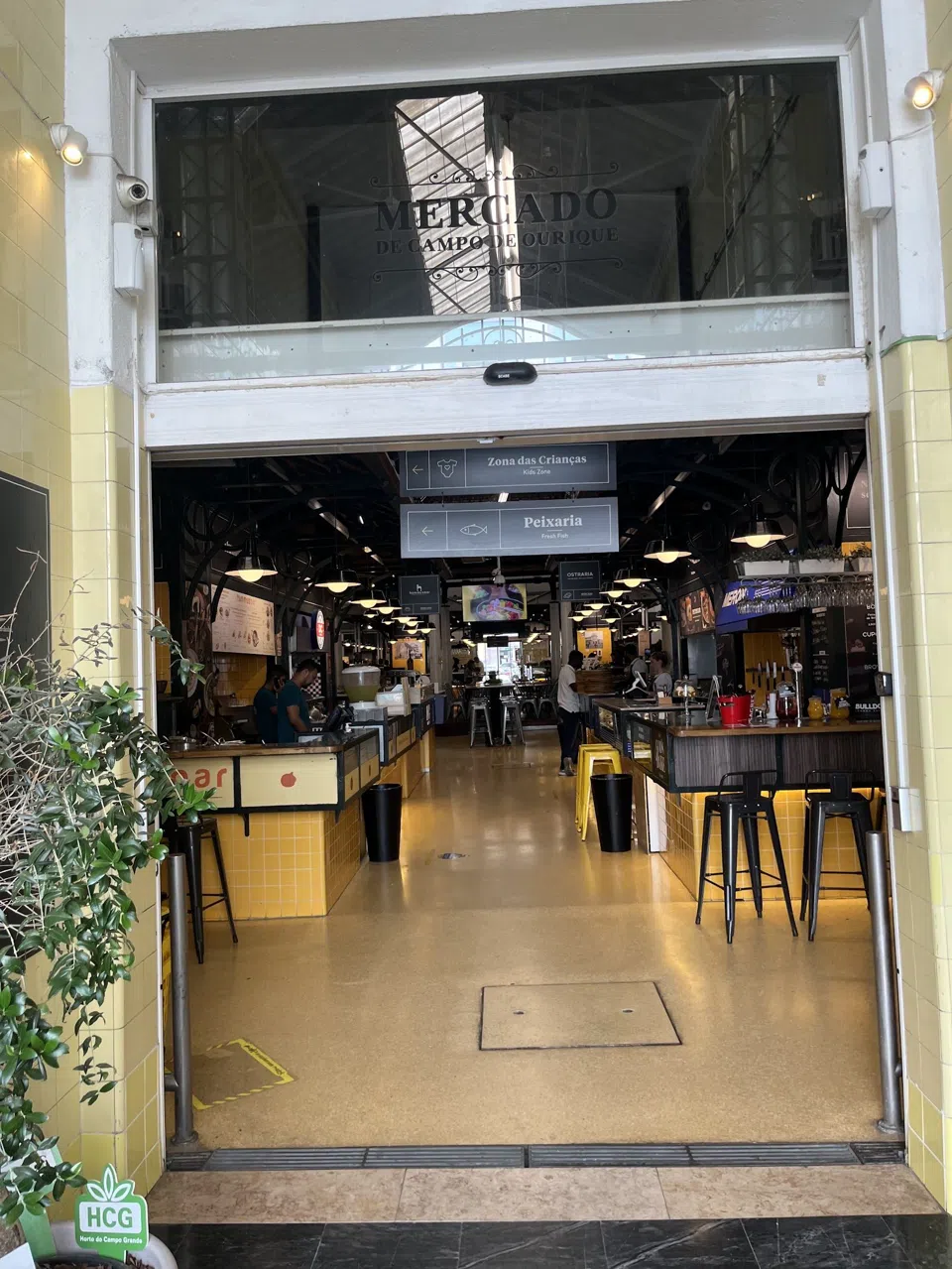
Further out, Mercado de Campo de Ourique (established 1934) draws a more local crowd and pairs well with a guided walk that also covers the surrounding neighbourhood shops rather than just the market stalls.
Market + neighbourhood walk
Lisbon Market, Food and Cultural Walk (Campo de Ourique)
A small-group walk starting at Igreja de Santo Condestável with 10-plus tastings through Mercado de Campo de Ourique and the surrounding shops.
Around €56 per adult per the operator's own site (Taste of Lisboa); reconfirm the live price on the booking platform.
Where the seafood actually is
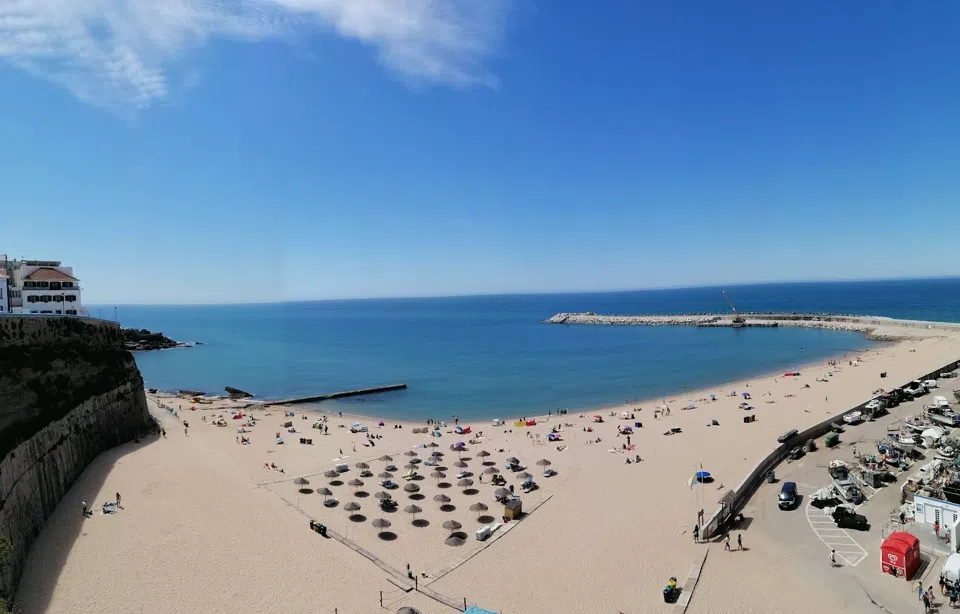
Lisbon sits where the Tagus meets the Atlantic, and the seafood tours worth booking lean into that geography rather than just listing restaurants — starting at the water, in the old port district, rather than in the touristed centre.
Walking + tasting tour
Song of the Sea: Fish, Seafood & Tradition in Lisbon's Port Zone
A 3.5-hour small-group tour (max 7) starting at Time Out Market's clock-tower entrance, tasting fish and seafood through the old port zone, finishing with a seafood lunch and regional wine in Alcântara.
Live price not captured at research time. Confirmed on Viator only — no matching GetYourGuide listing found.
Questions
Should I visit Pastéis de Belém or just take a class somewhere central?
Both, if you have time — Belém is the origin (1837, the original recipe) and worth the tram ride on its own; a central hands-on class teaches you the technique rather than just the taste. They're not really substitutes for each other.
Is the older half of Mercado da Ribeira actually worth seeing, or just the Time Out Market side?
It's genuinely a different, quieter experience — the original produce and fish stalls, with almost none of the food hall's crowds — and it's literally the other side of the same building, so there's no reason to skip it.
How far in advance should I book a seafood or market tour?
A few days ahead for small-group tours (several cap at 6–8 people); cooking classes similarly. Walk-in availability exists but isn't guaranteed on weekends.
Sources and verification notes (8)
- Lisbon: Pastel de Nata Baking Class with Drinks — GetYourGuide
- Pastel de Nata Workshop at REAL Bakery — Viator
- Song of the Sea: Fish, Seafood and Tradition in Lisbon's Port Zone — Viator
- Lisbon Tram 28 & Campo de Ourique Food and Cultural Tour — Viator
- Taste of Lisboa — Trendy Market Food and Cultural Walk (operator site)
- Pastéis de Belém — official history
- Time Out Market Lisboa — Wikipedia
- Mercado de Campo de Ourique — Wikipedia