Patronato smells of pita at half past seven in the morning, because the bakery tray goes in before the shutters go up. By one o'clock there is a queue out the door of a noodle shop in Barrio Meiggs where every single dish costs CLP 7,000. At midnight, when the centre has gone quiet, the only kitchen still turning is a Venezuelan arepa counter that has never once closed. None of this is museum work. Santiago's migration history is on a griddle, and the griddle is open now.
This is a walking, eating route through the waves that built the city: Palestinian, Korean, Chinese, Peruvian, Haitian, Venezuelan, Italian, Basque, Japanese. Some of these rooms seat forty. Some seat six. I have queued at all of them, and below I say plainly which ones will take your party of eight and which ones will politely look at you and say no. For wider planning, the Santiago guide covers the rest of the city.
Patronato opens at half past seven
Recoleta is where the thread starts. Palestinian families arrived here and stayed, and their grandchildren still run the counters.
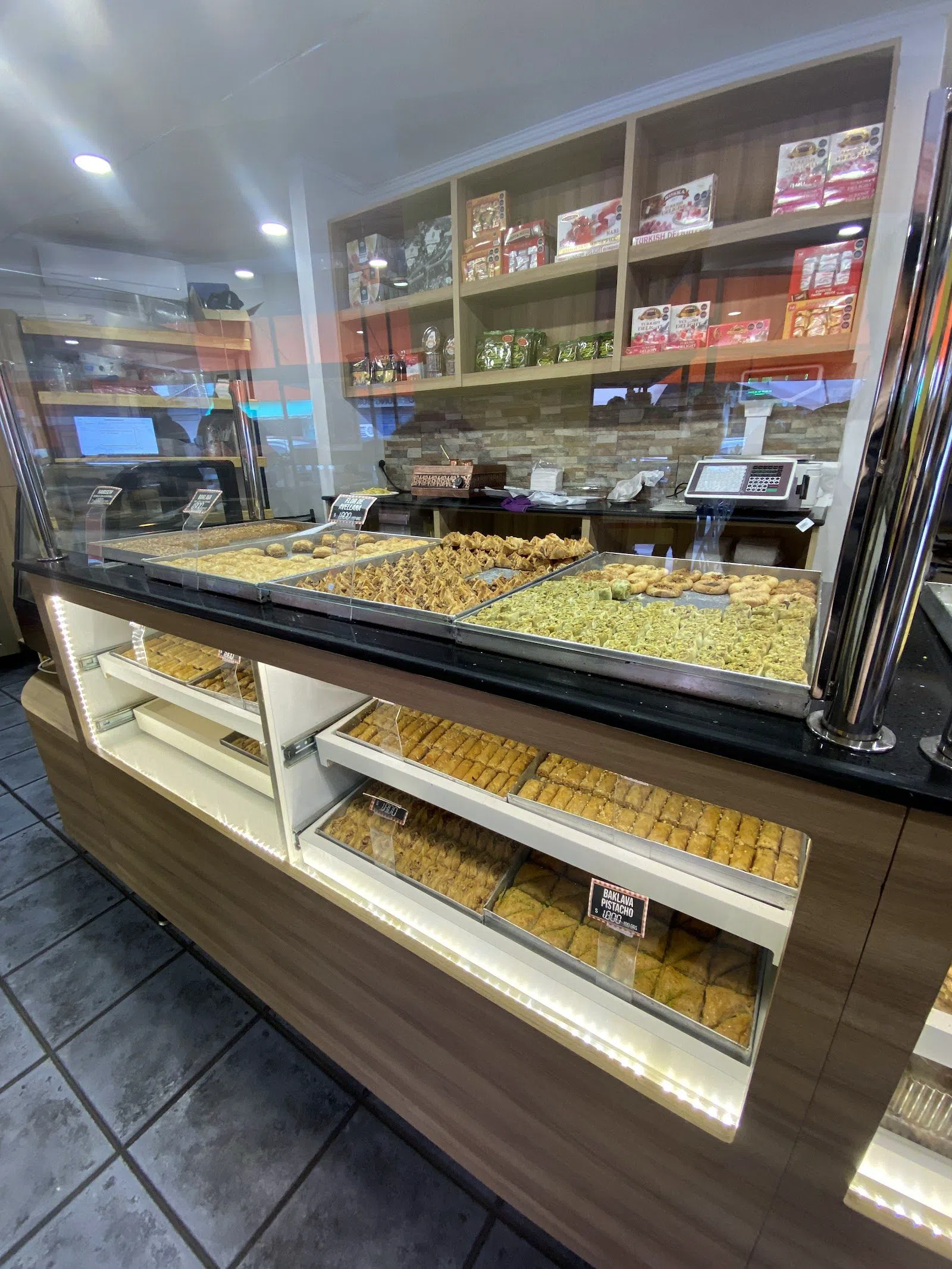
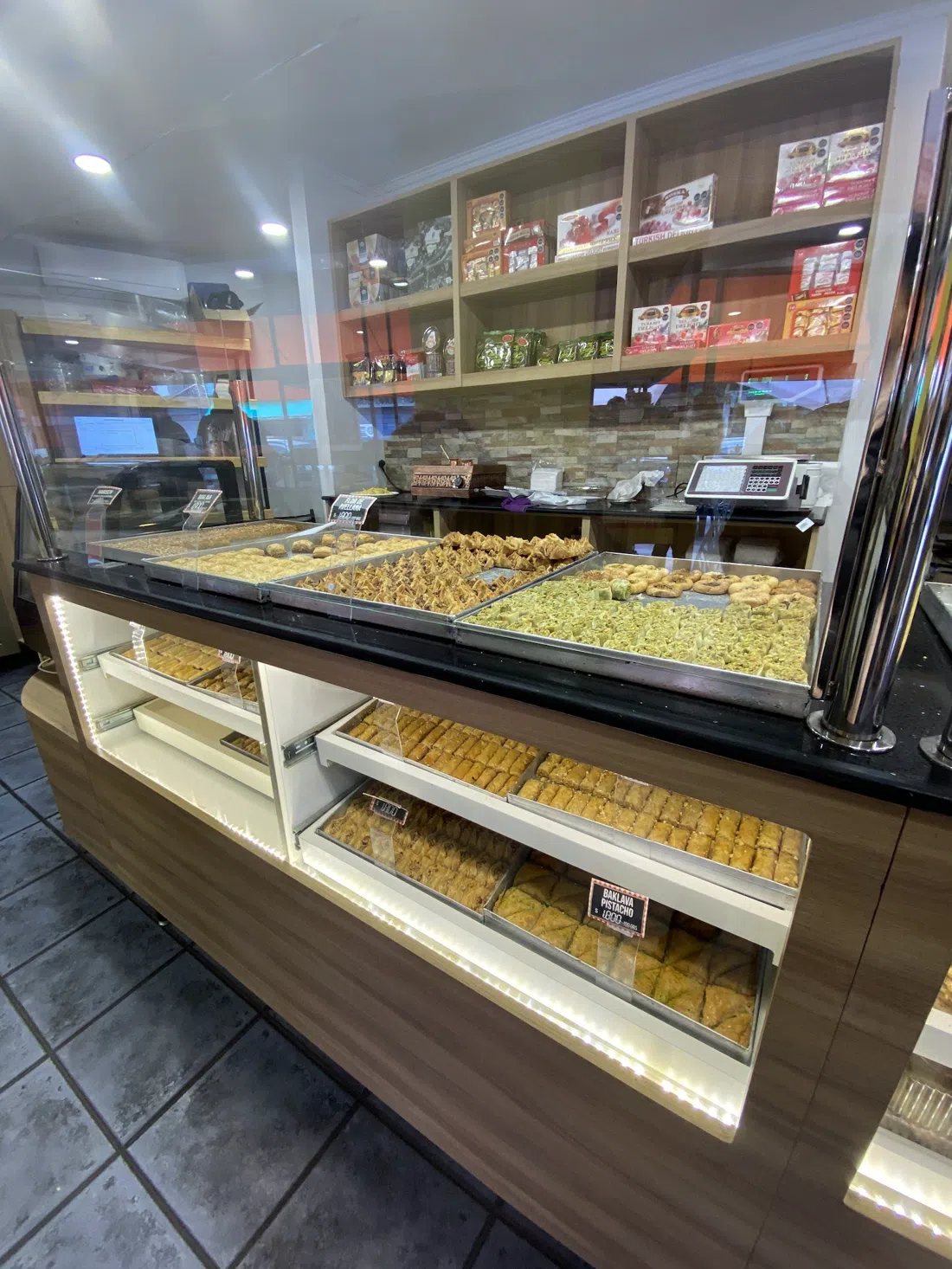
Fufu Panadería y Pastelería (Recoleta, at Río de Janeiro 491 and Antonia López de Bello 150) is a bakery, not a restaurant. A takeaway counter, a couple of stools, no table service, no waiting to be seated. The Abujeries family baked in the West Bank from the late 1980s and reopened here in 2012, which makes this the literal line from there to Patronato. Pita is CLP 2,200 for ten. Sweets are sold by weight, roughly CLP 12,000–20,000 per kilo. Doors from 07:30 on weekdays; Sunday it shuts at 16:00. If you are feeding a group, phone ahead. Bulk trays of pita, mezze and sweets are the normal order here, not a favour.
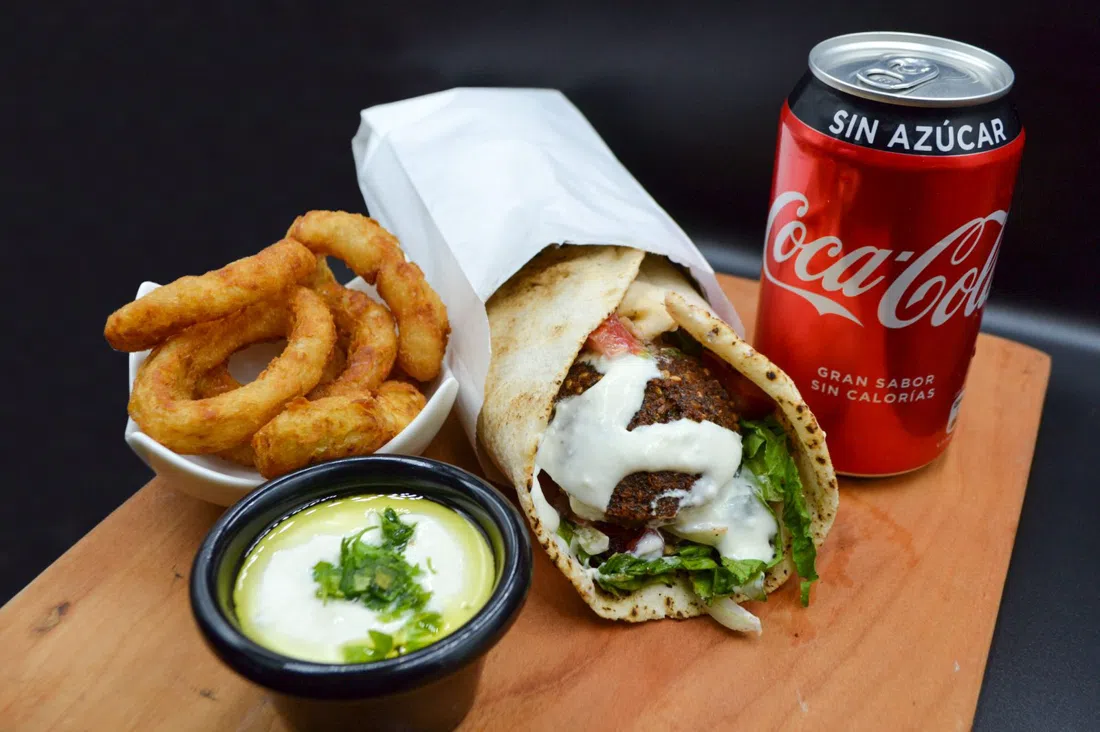
Fajre Gastronomía Palestina (Recoleta, with outposts in Ñuñoa and Las Condes if you are staying east) is the modern end of the same cooking. Kubbinie done properly, hojas de parra rolled tight, and a full vegan line that is not an afterthought. Dishes run CLP 5,200–21,990. The catch is the room: two street tables and that is all. Two or three people, fine. Any more and you order platters for pickup or delivery and eat them somewhere with chairs.
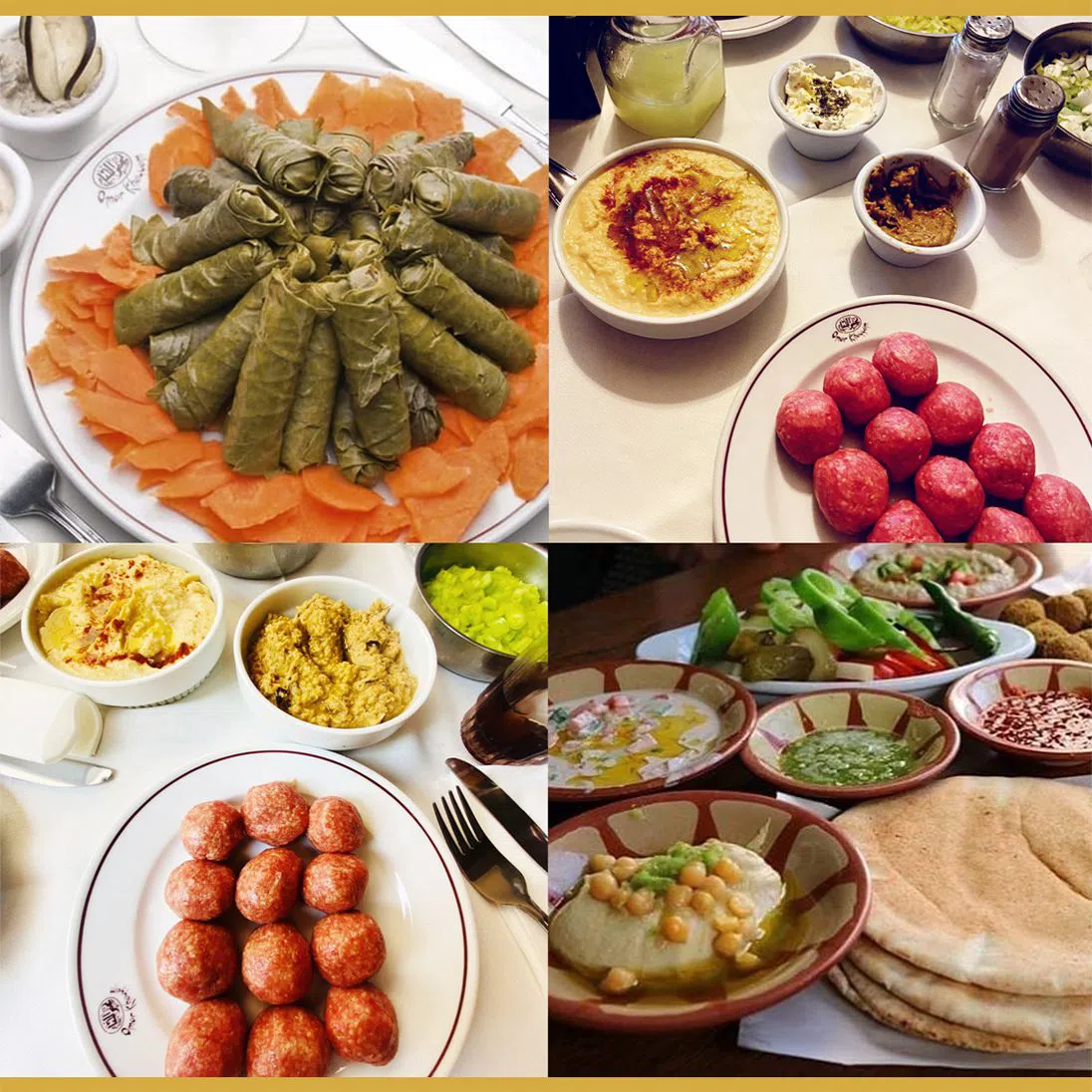
Omar Khayyam (Recoleta) is the anchor of the whole walk. Santiago's oldest Arab restaurant, past the half-century mark, and the owner still works the till. Mains land around CLP 12,000–22,000 a head. It is built for long tables and family parties, and in summer the garden terrace is the seat you want, so reserve for it, because it goes first. This is traditional cooking rather than fashionable cooking, and the dining room can feel formal at lunch. Go for dinner with six people and it makes far more sense than a solo weekday plate.
The big Palestinian table sits east
Restaurante Club Palestino is the institutional heart of Chile's Palestinian diaspora, out in the eastern suburbs, and it is the strongest group option in Santiago full stop. Table service, plus salones and quinchos for family or corporate parties. The mezze table and the Rosa Palestina are eaten here by the families whose grandparents came through Patronato, which is the point of coming. Figure CLP 15,000–28,000 a head.

Book by WhatsApp on +56 9 7969 5737 or at [email protected], and confirm non-member access when you book. The wider club is members-only and that catches visitors out. Closed Mondays. Tuesday to Saturday 11:00–23:30, Sunday and holidays until 20:00.
Korean Patronato, a few streets from the pita
Santiago's Korean kitchens sit in the same square kilometre, which is the neat thing about this part of Recoleta.
ManNa (Patronato) is the easiest door for a visitor who has never eaten Korean food in this city. Twenty years in the neighbourhood, now run by Daniela alongside her mother, with a menu written in Spanish and vegetarian versions of the classics, both rarer here than you would think. Most dishes are CLP 7,000–9,000. Small dining room plus a terrace, comfortable up to about eight. Walk in at lunch. Weekends get busy and there is no trick to it beyond going early.
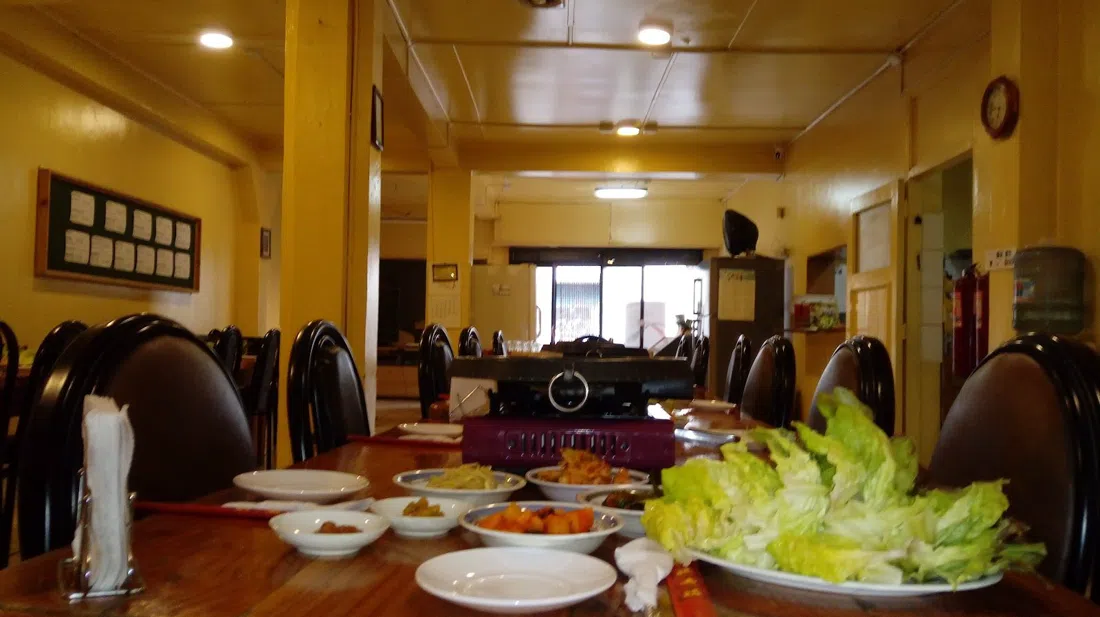
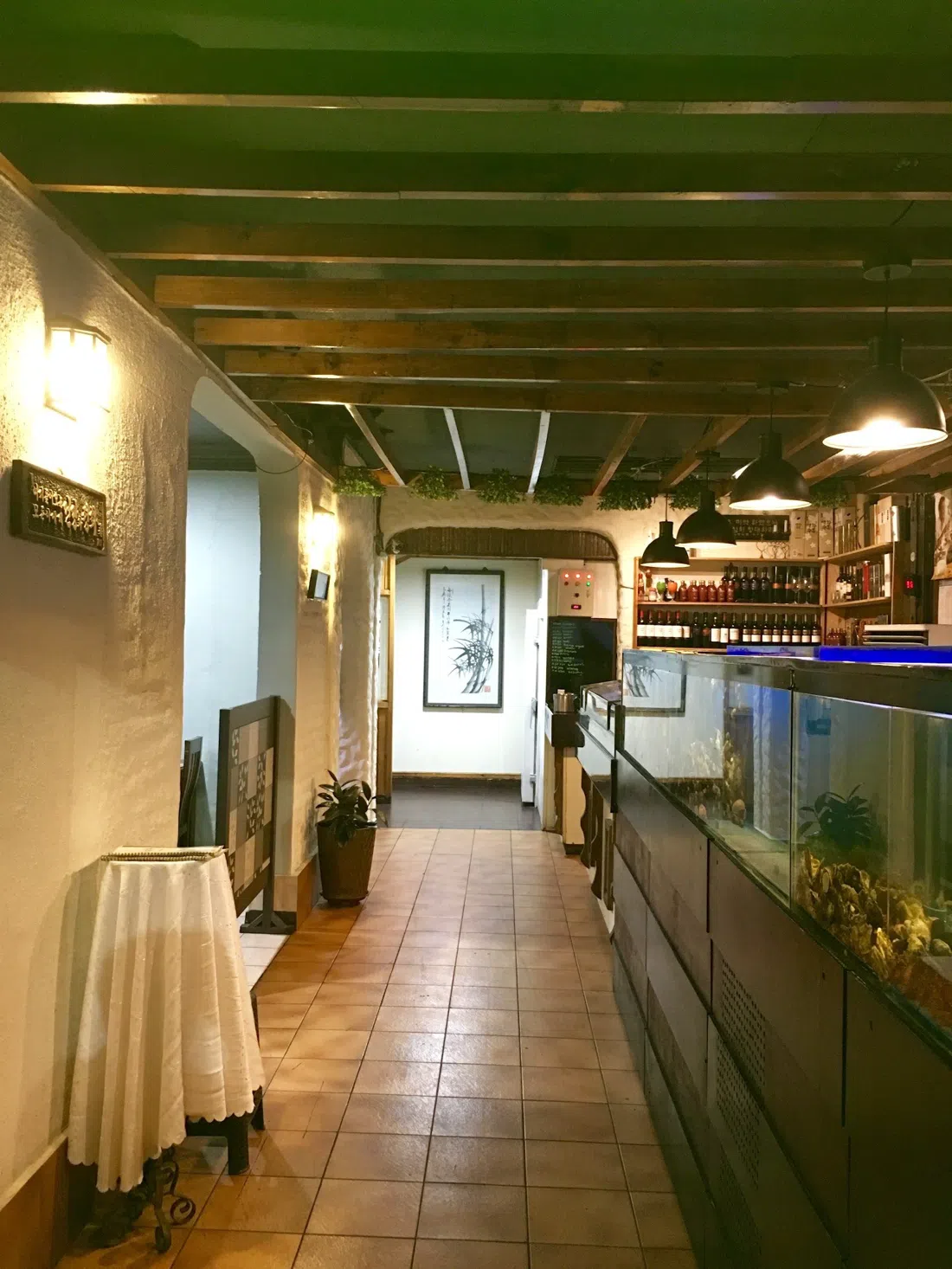
Dae Jang Kum (Patronato) is the other end of the scale: one of the oldest Korean kitchens in the area and the one Korean touring acts head for when they are in town. Table grills, sharing plates, tank-fresh seafood, portions that defeat people. CLP 12,000–25,000 per person. Reserve if you are six or more, because Friday and Saturday turnover is heavy and the room fills fast. Closed Mondays.
Barrio Meiggs eats at lunch and shuts at dark
West of the centre, around Estación Central, the Chinese trading streets run on daylight. Plan lunch here. Do not plan dinner.
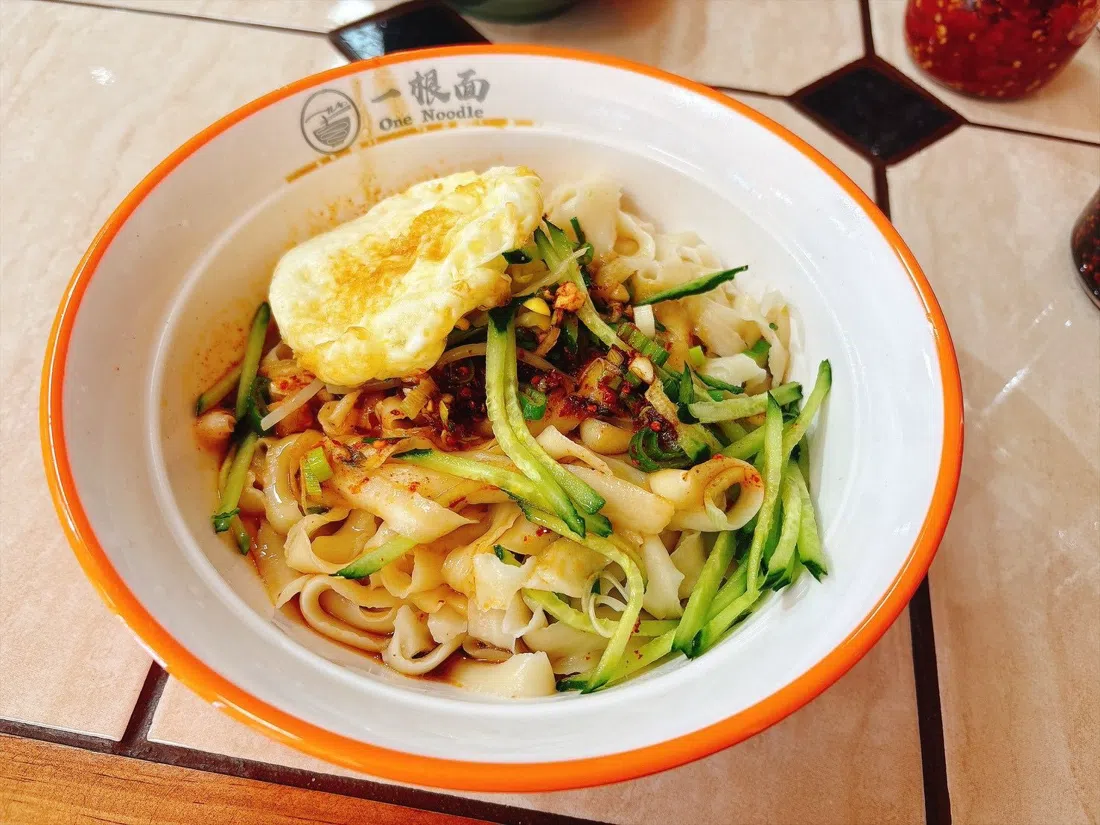
One Noodle (Barrio Meiggs) is run by Fiona with her mother Wang Yan and her aunt, and it does Lanzhou-style hand-pulled lamian with no Instagram account and no fuss. Every dish is CLP 7,000. Flat price, no menu maths. Seating is small and turn-and-burn, so two to four people works, no reservations, and you should expect to wait and then be moved along. Daytime trading only, because the streets around it close down in the evening.
Restaurante JiaYouYuan (佳友苑) (Barrio Meiggs) is the canteen the Chinese community of Estación Central actually eats in: round banquet tables, shared dishes, traders eating in groups all afternoon. Dumplings, live seafood, duck, and not a Chilean-adapted chop-suey menu. Roughly CLP 10,000–18,000 a head sharing. Phone ahead for eight or more. The room is functional and the service brisk. You are coming for the food, not the setting, and nobody here pretends otherwise.
Peruvian Santiago, from picada to proper dining room
Peruvian migration is what made a second cuisine ordinary in this city rather than exotic, and you can eat both ends of that story in an afternoon.
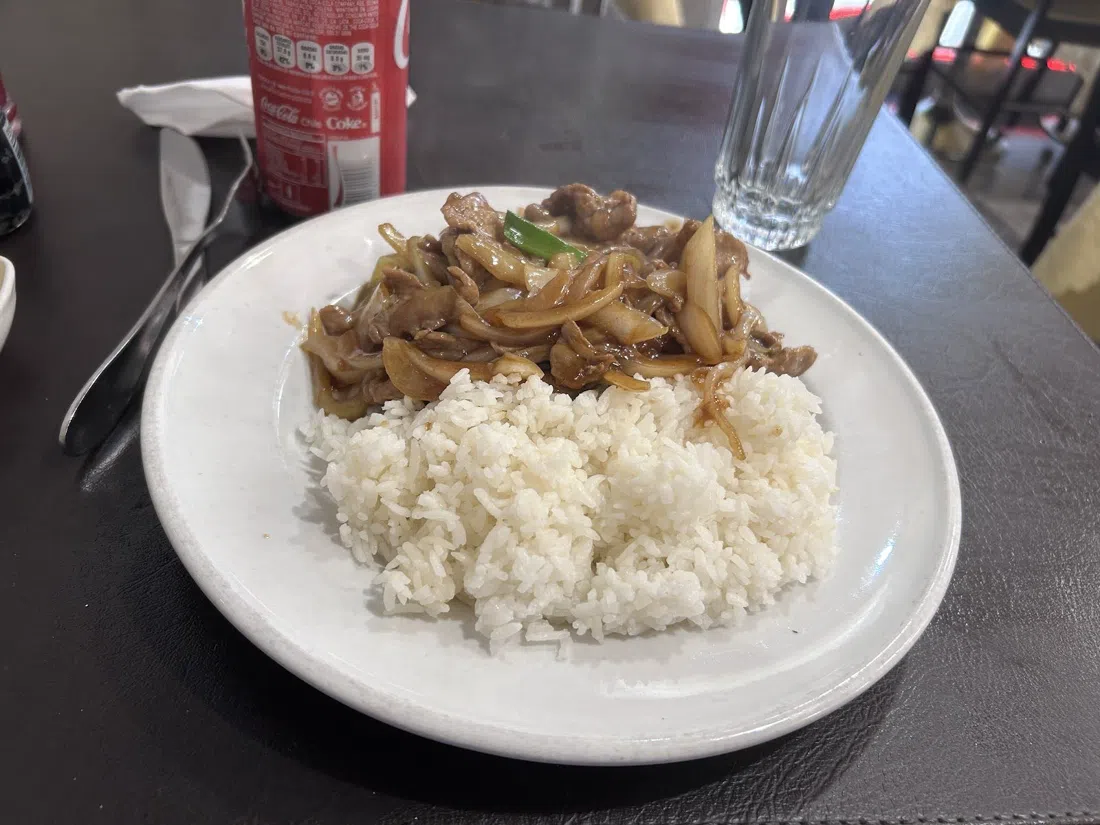
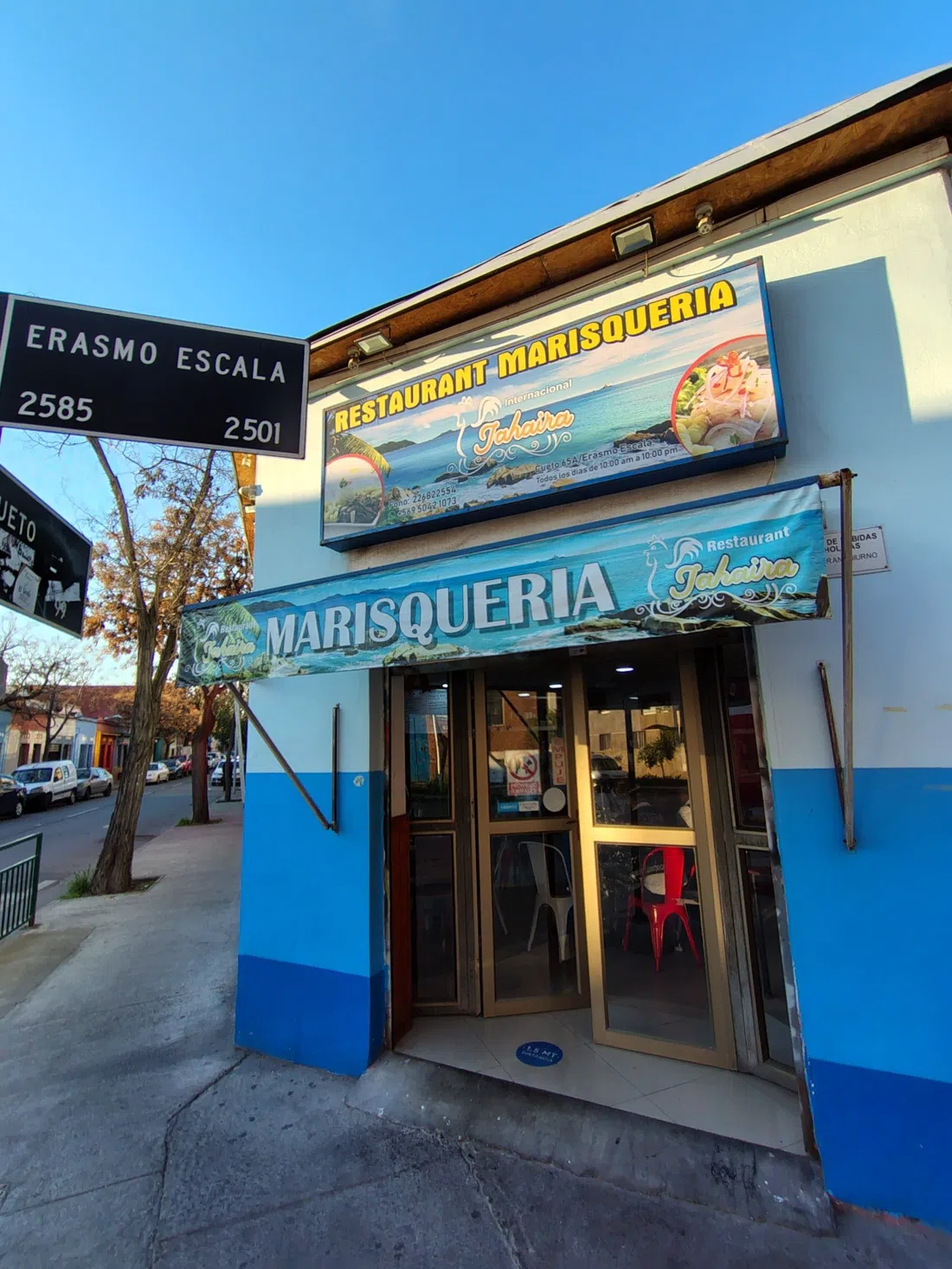
Marisquería Jahaira sits in the migrant belt west of the centre, between Yungay and Estación Central, and is criollo cooking with not one concession to design. Ceviches and mains run CLP 7,000–13,000. It is unpretentious and roomy enough for six to eight, which is unusual at this price. No bookings, so arrive early for lunch. Open every day 10:00–22:00, also unusual for a picada, most of which vanish after the lunch service.
Barandiarán is the dining-room version, a quarter of a century old, one of the restaurants that normalised Peruvian food here. Mains CLP 14,000–24,000. It takes reservations and handles groups of eight to twelve without drama; call +56 2 2438 4968. Closed Mondays. There is a second branch at Constitución 74 if that side of town suits you better. If you want one Peruvian dinner where a table of ten can sit down and order properly, this is it.
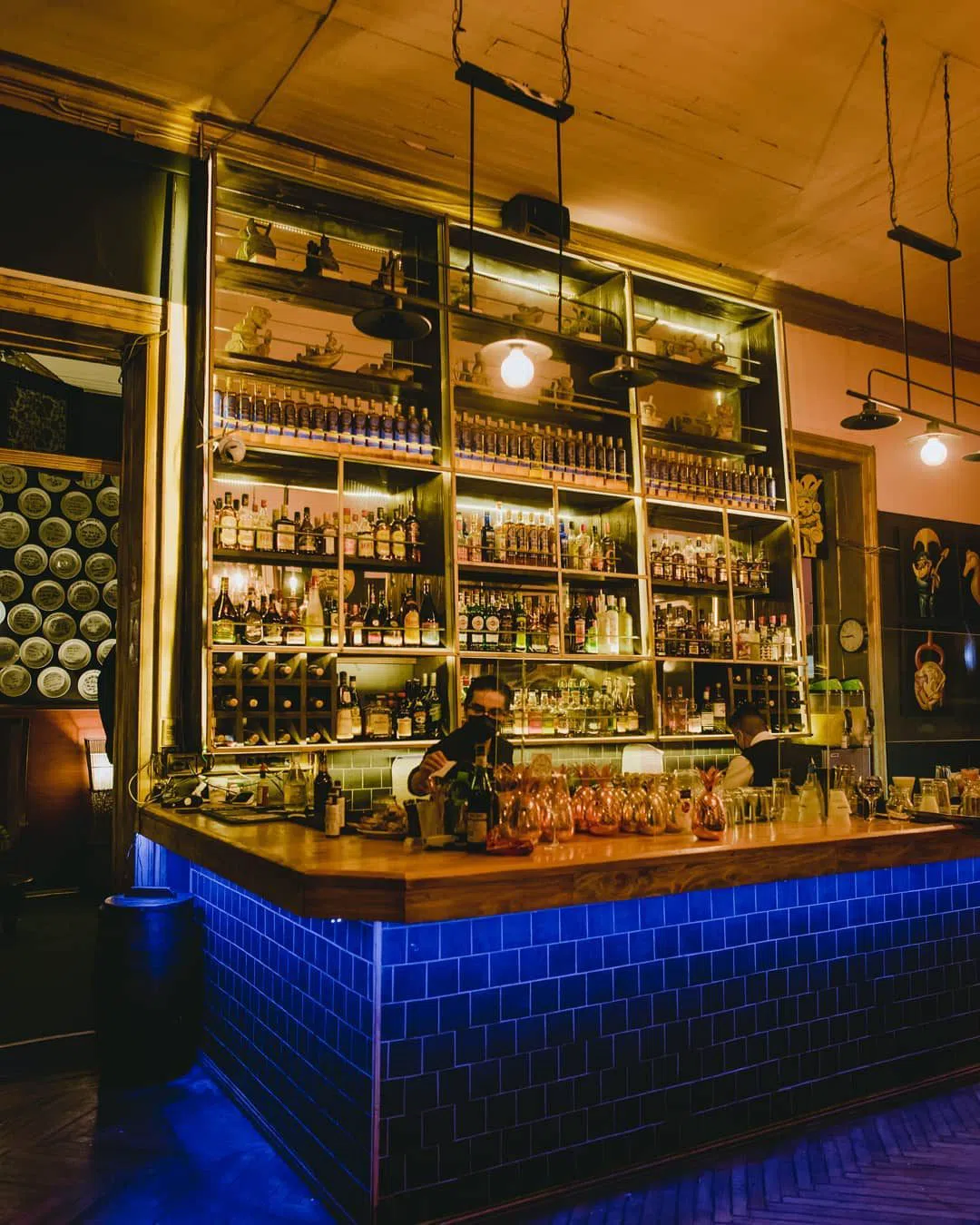
The newest arrivals cook in the centre
Haitian and Venezuelan migration rewrote central Santiago inside a decade. These three kitchens are the clearest picture of it.
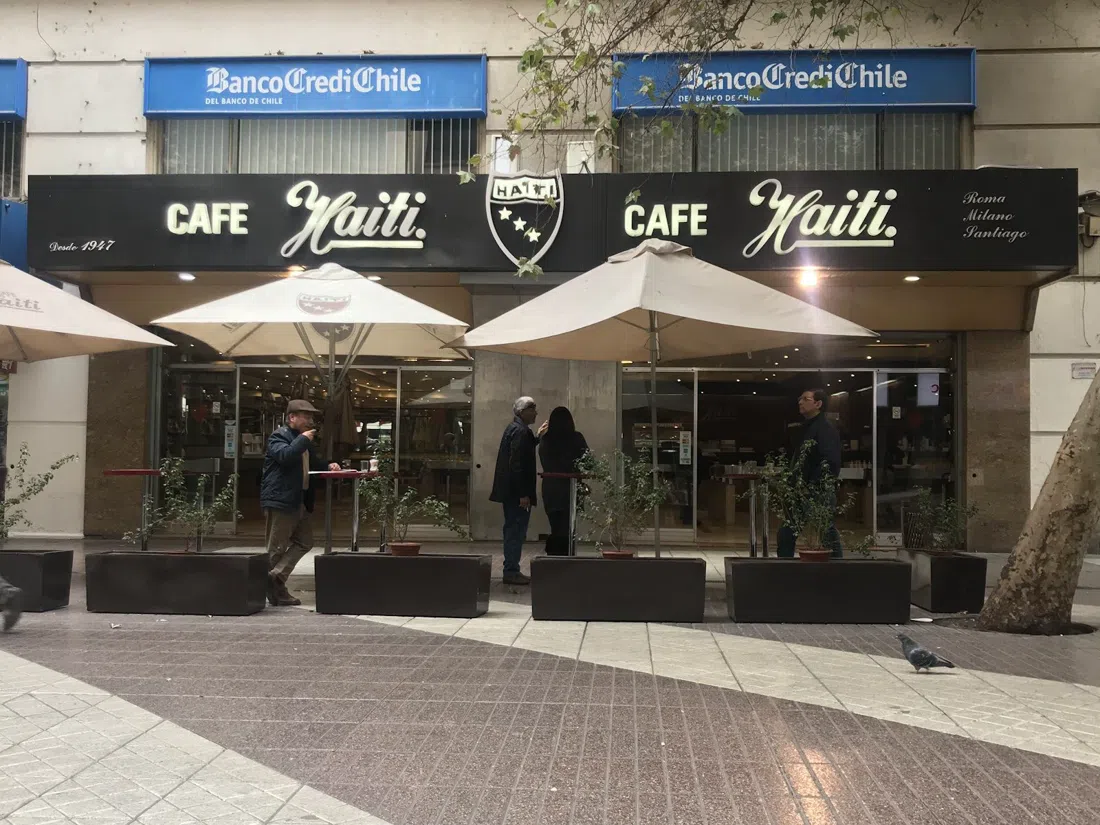
Restaurant Haitiano (a few blocks from Plaza de Armas) is a tiny gallery unit cooking straight creole for the community that eats there, not for visitors. Plates are around CLP 5,000–8,000. Monday to Saturday, 10:00–18:00, a lunch stop and not a dinner one. Two to four people. It is genuinely too small for a party and trying will just make everyone's lunch worse.
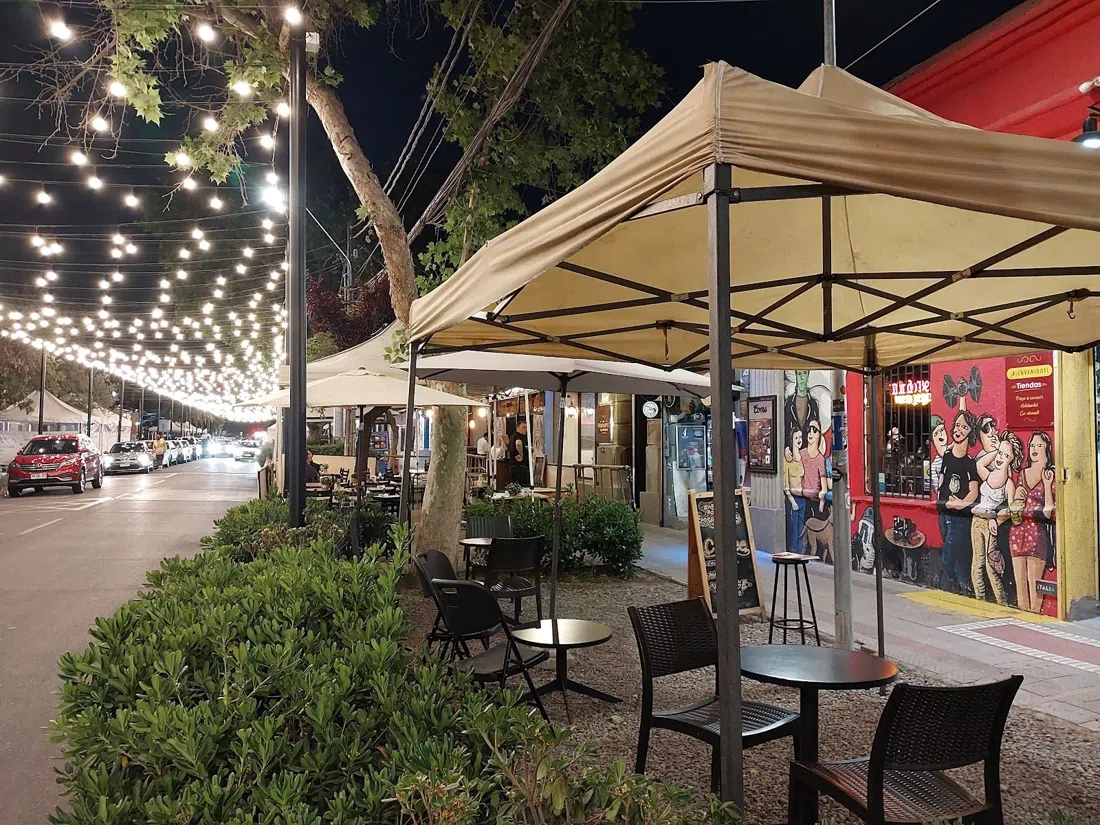
Cocinería P y C (Barrio Italia) is where Claudia Delgado and her Haitian husband Peterson Jeudy cook both countries on one menu. Haitian plates under CLP 5,000; the empanada buffet is CLP 12,990 for adults and CLP 9,990 for children aged 5 to 12, and it is built for a table of sharers. It is a stall in an open patio rather than a dining room, which makes it easy for groups and useless if it rains. Ask for the pikliz hot. Open daily from 10:00, to 21:00 Monday to Friday and 21:30 at weekends.
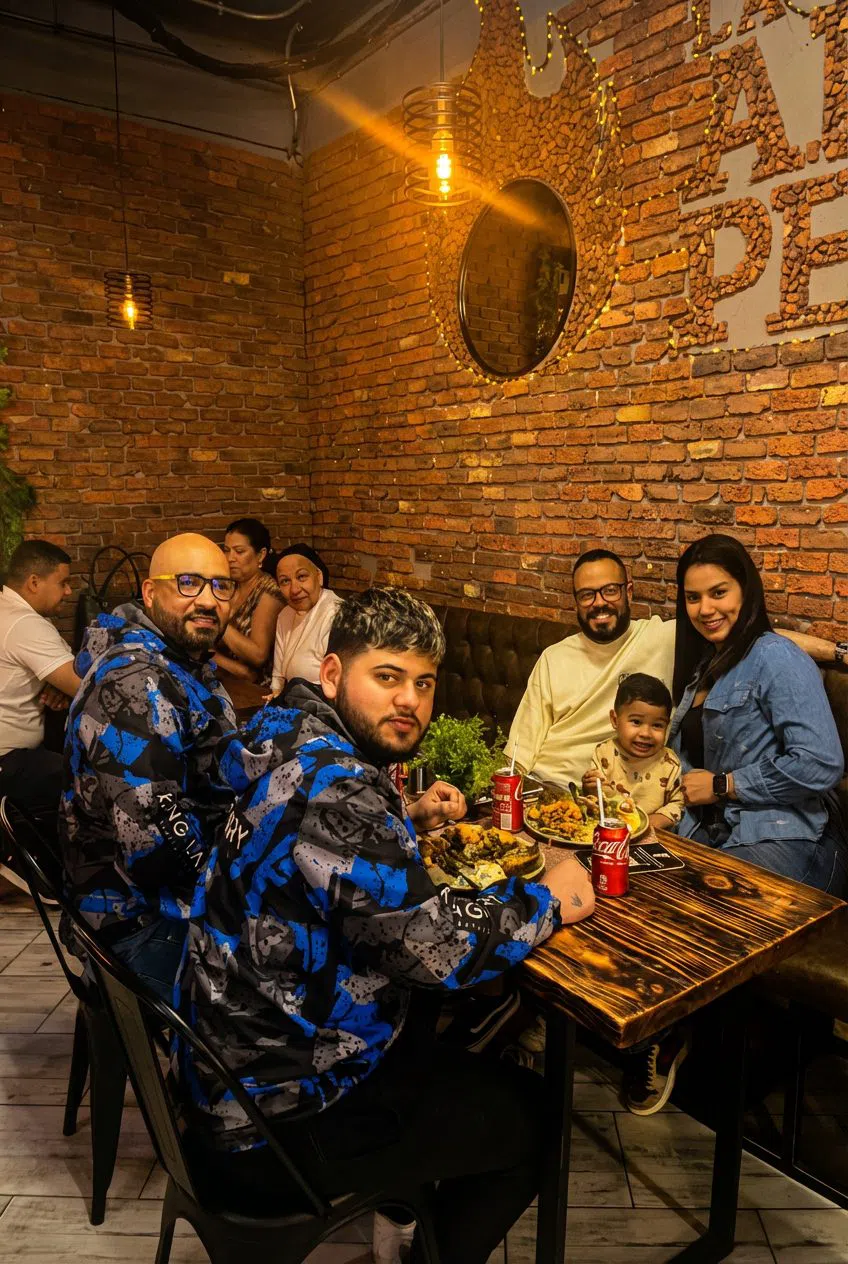
La Arepería (city centre) was Santiago's first 24-hour arepera and shows how fast Venezuelan cooking took over the centre's night. Counter and stools, which absorbs late groups spilling out of bars better than any table-service room would. Arepas and tequeños are roughly CLP 4,000–9,000. It is on the delivery apps too. A second branch at Constitución 110 in Providencia keeps shorter hours, so if you want the 04:00 arepa, it is the original you want.
The older European waves still hold their rooms
In Pasta (Barrio Italia) is run by brothers Venere and Massimo Bulliari from southern Italy, who make the pasta with imported flour and sell it raw from the emporio next door. That is the modern continuation of the Italian settlement the neighbourhood is named for, and it is a better souvenir than anything on a market stall. Pastas run CLP 12,000–20,000. The room is compact but takes reservations and will seat about ten if you book ahead on +56 2 2634 7575. Closed Tuesdays.
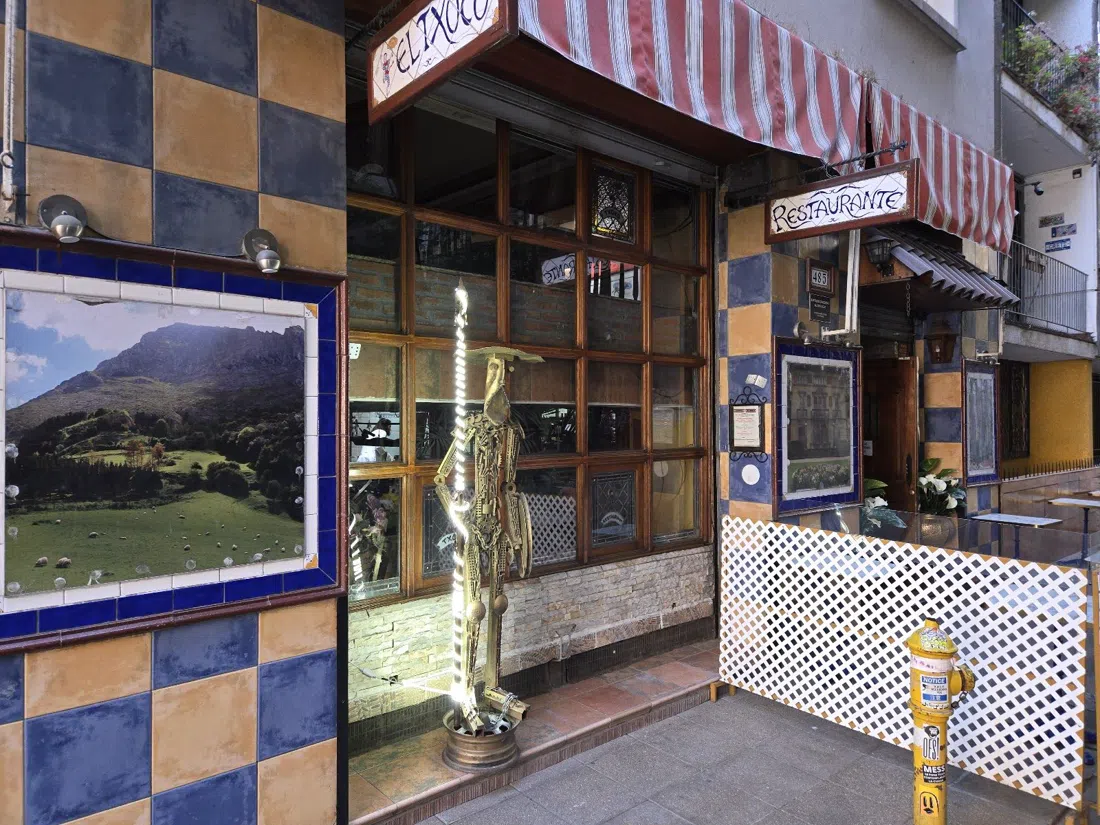
El Txoko Alavés (beside Santa Lucía) is two decades of Basque cooking and the best argument that Spanish migration here did not stop at the empanada. Explicitly group-friendly: whole suckling pig and goat, big sharing plates, jugs of sangria. CLP 18,000–35,000 a head for the sharing mains. Monday to Saturday 12:00–24:00, closed Sunday. Honest warning: quality can wobble on a busy night. Stick to the pintxos, the txipirones and the roasts and it holds up.
Shoes off at the first Japanese house in Chile
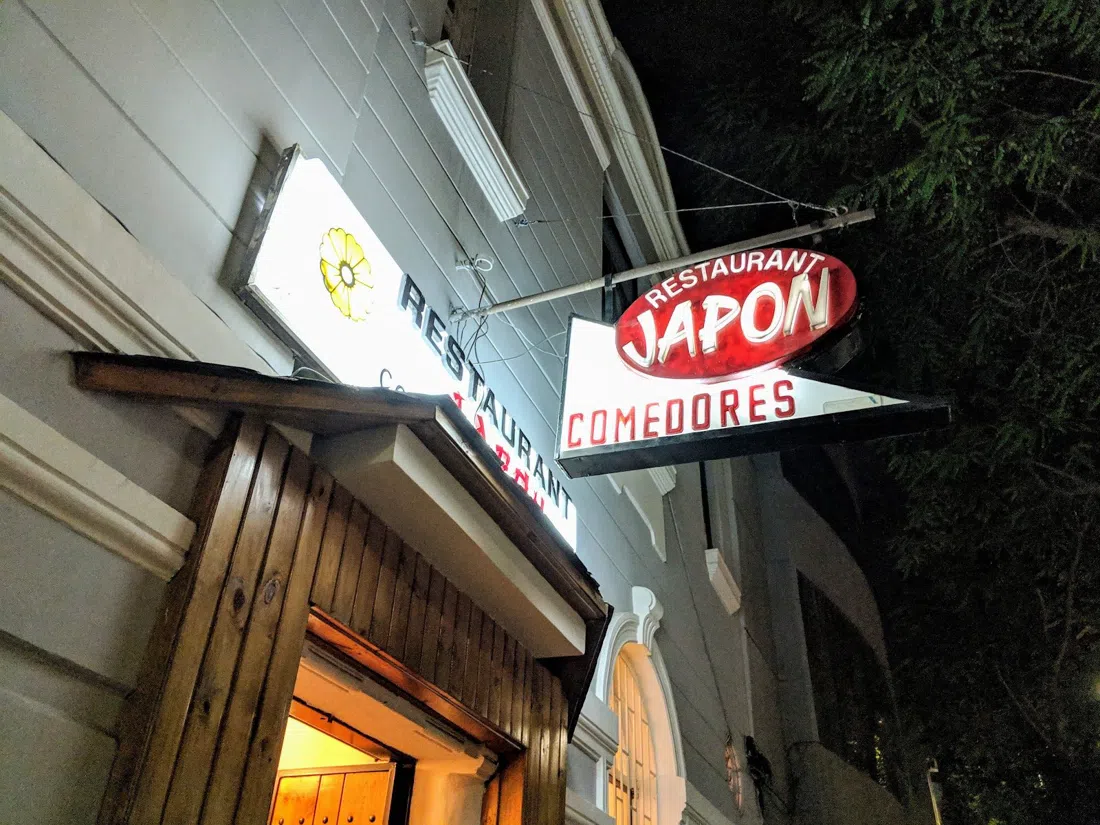
Restaurant Japón (central Santiago) has been open since 1978 and was the first Japanese restaurant in the country, attached to the Nippon hotel built by the same community. It is a traditional house rather than a sushi bar: set courses, nabe, shoes off at the door. Roughly CLP 20,000–35,000 per person. The private tatami rooms make it the city's best Japanese option for a group, and they are the reason to book rather than walk in. Reserve online or on +56 2 2222 4517. If half your table wants a sushi counter, go somewhere else; this is not that.
Walking it without wrecking the day
Two halves work better than one loop. Morning in Recoleta: pita at 07:30, a mezze lunch, Korean in the evening, all inside fifteen walkable minutes. Separate day for the west: Barrio Meiggs at noon, Peruvian mid-afternoon, and nothing after dark on those streets. Barrio Italia and the centre are their own evening.
Getting around, paying and timing
The Metro does almost all of this. Patronato and Meiggs both have their own stations, and a Bip! card bought at any station counter is the only ticket you need. Taxis and apps fill the gaps at night, which is worth it coming out of the centre late rather than walking.
Carry cash. The picadas, counters and stalls (the bakery, the noodle shop, the creole lunch counter, the patio stall) are the ones most likely to be cash-only or card-awkward, and they are also the cheapest, so CLP 30,000 in notes covers a lot of the list. The dining rooms with phone numbers above all take cards.
Lunch is the real meal in this city and the migrant kitchens follow that rhythm hardest. Several of these places close at 16:00, 18:00 or the moment the trading streets shut. Mondays are the trap: Club Palestino, Dae Jang Kum and Barandiarán all close, and In Pasta closes Tuesdays. Check the day before you walk.
On budget, you can eat extremely well here for CLP 7,000–13,000 a head at the counters and picadas, CLP 12,000–25,000 in the mid rooms, and CLP 20,000–35,000 at the roasts and the tatami dinner. Stay central or in Recoleta and most of this route is on foot, so compare rooms on the Santiago hotel search before you fix the itinerary, because the walk is the whole pleasure of it.
Questions
Which Santiago immigrant restaurant works best for a group of eight or more?
Restaurante Club Palestino is the strongest group option in the city: table service plus salones and quinchos, roughly CLP 15,000 to 28,000 a head. Book by WhatsApp on +56 9 7969 5737 or [email protected], and confirm non-member access, because the wider club is members only. Barandiarán (+56 2 2438 4968) handles eight to twelve. El Txoko Alavés does whole suckling pig and goat for big tables.
Is Patronato safe and easy to walk for a food crawl?
Yes, and it is the most concentrated stretch on this list. The Palestinian bakeries and counters and the Korean dining rooms sit within about fifteen minutes' walk of each other in Recoleta, which has its own Metro station. Start early: Fufu opens at 07:30 on weekdays and closes at 16:00 on Sunday.
Can I eat in Barrio Meiggs in the evening?
No. The Chinese trading streets around Estación Central run on daylight and shut down after dark. One Noodle trades daytime only, and JiaYouYuan fills with traders eating through the afternoon. Treat Meiggs as a lunch destination and put your dinner in Recoleta, Barrio Italia or the centre.
Do these places take cards, or should I bring cash?
Bring cash for the cheap end. The bakery counter, the noodle shop, the Haitian lunch counter and the Barrio Italia patio stall are the most likely to want notes, and they are also where you will spend under CLP 10,000 a head. The reservation restaurants (Club Palestino, Barandiarán, In Pasta, El Txoko Alavés, Restaurant Japón) are straightforward on cards.
Which days are these restaurants closed?
Mondays close Restaurante Club Palestino, Dae Jang Kum and Barandiarán. In Pasta closes Tuesdays. El Txoko Alavés closes Sunday and runs Monday to Saturday, 12:00 to 24:00. Restaurant Haitiano is Monday to Saturday, 10:00 to 18:00, lunch only. La Arepería's original branch never closes: it runs 24 hours.
First published on santiagoguides.com, the Santiago guide.