By six in the evening the smell in Santiago changes. Bread out of the oven, butter going soft on the plate, coffee poured long instead of short. This is once, the meal that sits where dinner would be almost anywhere else, and it is why a city that takes its morning cortado standing up in five flat minutes will give two unhurried hours to an evening teapot. Get those two hours right and the rest of the day falls into place.
What once is and why it closes the day
Once runs roughly from six to eight in the evening. It is not afternoon tea and it is not a snack: for a great many households it replaces dinner outright. The shape is bread, marraqueta with its cracked crust or soft hallulla, with butter, ham, cheese, mashed avocado, then cake, then coffee or tea poured and refilled. In winter the plate to order is sopaipillas pasadas: discs of fried pumpkin dough dropped into chancaca, a raw-sugar syrup cooked down with orange peel and cinnamon, served hot and slumped and sticky enough that you will want a fork. There is a much-repeated story that the word comes from the eleven letters of aguardiente, smuggled into polite conversation. Nobody has proved it. Treat it as folklore and enjoy the meal.
One structural fact to plan around: Santiago's specialty coffee scene and Santiago's once hour barely overlap. The good roasteries and filter bars are morning-and-early-afternoon businesses that lock their doors between three and seven. The once hour belongs to bakeries, salones de té and the old heritage rooms. Plan one of each into a day and you have drunk the city properly.
The morning is drunk standing up
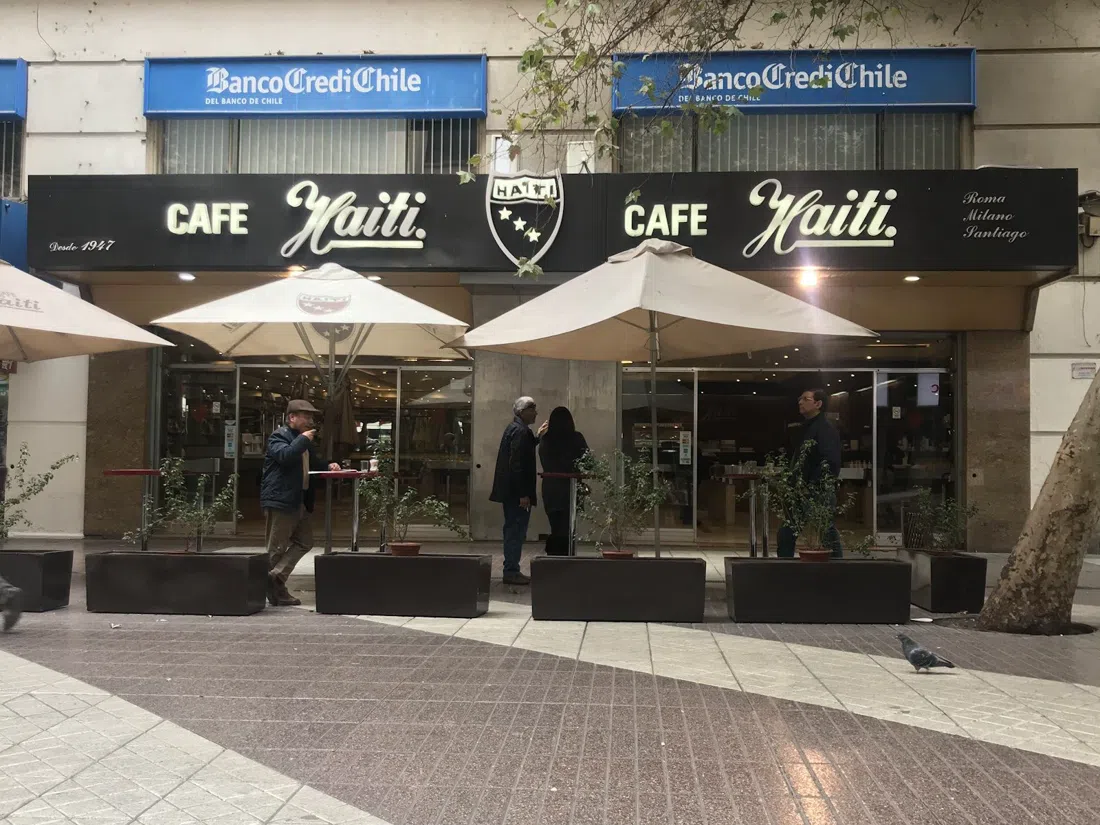
Café Haití (the downtown arcades, historic centre) is where the stand-up morning cup is at its most concentrated: a marble counter, no stools, a cortado at CLP 2,000–3,500 and an unspoken agreement that you are gone in five minutes. This is the original café con piernas, coffee with legs, and international readers should know the format before they walk in rather than after. Staff serve in short uniforms; that is the house style the format was built on in the 1960s and it has not changed. What it is in 2026 is a mainstream downtown espresso bar full of office workers at 8.40am, not a nightlife venue. A group can stand together at the counter, but nobody sits, and nobody lingers. The coffee is dark-roasted and hot and does its job.
Café Altura (the La Vega market original) is the honest early stop. Espresso is CLP 2,400, filter CLP 3,300, and the beans are Chilean-roasted by the same company that supplies more than thirty cafés around the country. I do not normally send people to anything with five branches, but a roaster that sells its own beans over its own counters is a different animal from a chain pouring in from a central commissary. The cup here tastes like a decision somebody made, not a specification. The market branch is tight and standing-heavy, wedged among traders unloading crates; if you are more than three, use the Manuel Montt 053 or Paseo Bulnes 122 rooms instead, which have actual tables. Go early. This is the branch where market workers drink, not laptop people.
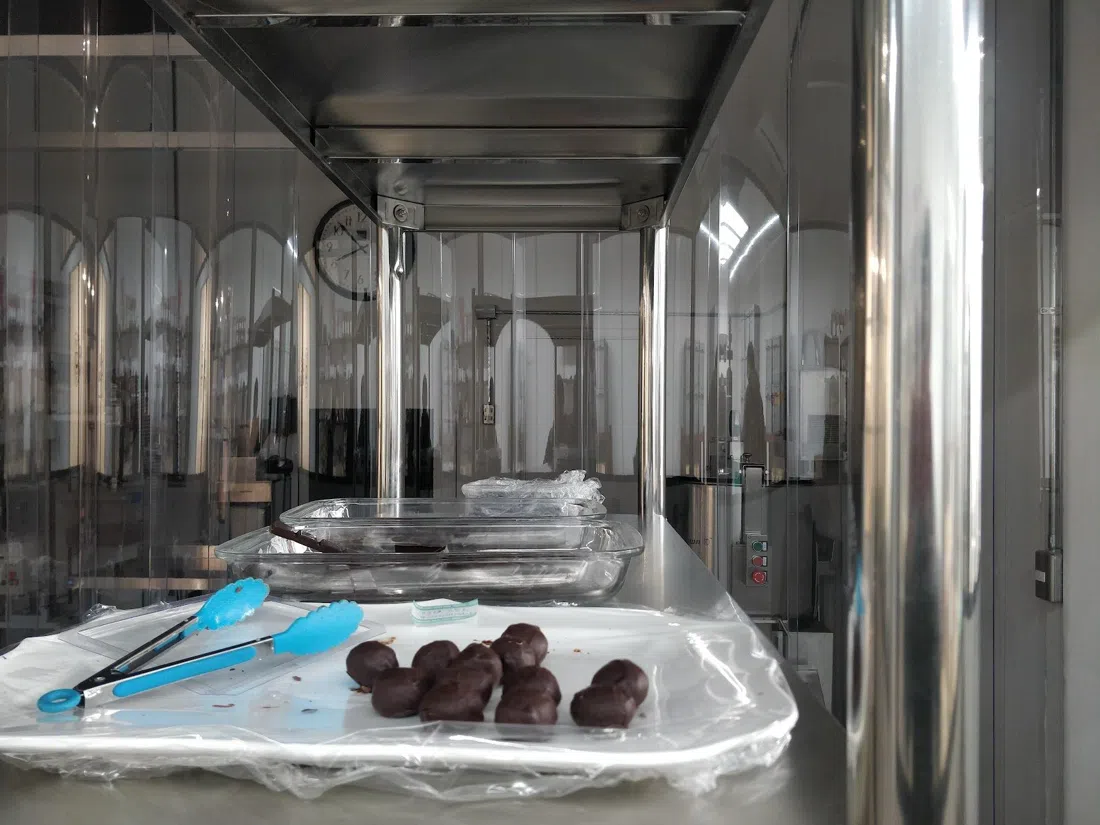
Justicia Café (historic centre, at the Santa Lucía metro exit) is the most convenient good cup downtown, tucked inside a public building with a small footprint that suits pairs and groups of three or four and nobody else. Filter runs CLP 2,000–3,000, and the thing to order alongside it is the hot chocolate made with Óbolo bean-to-bar chocolate: thick, bitter-edged, nothing like the powder version. Two warnings: weekdays only, and the shutters come down at 5.30pm, which is before once has even started.
Beans that are days old rather than months
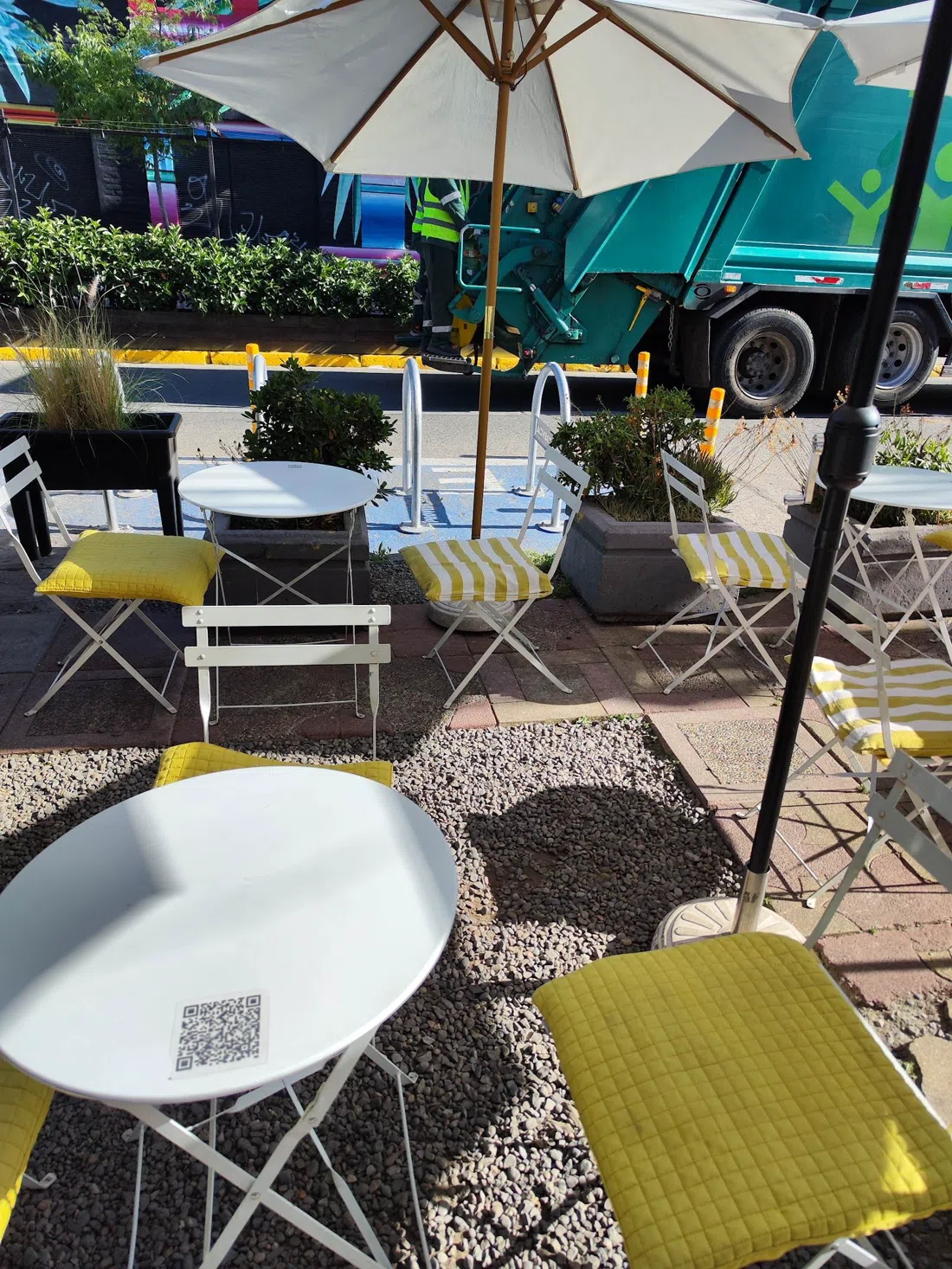
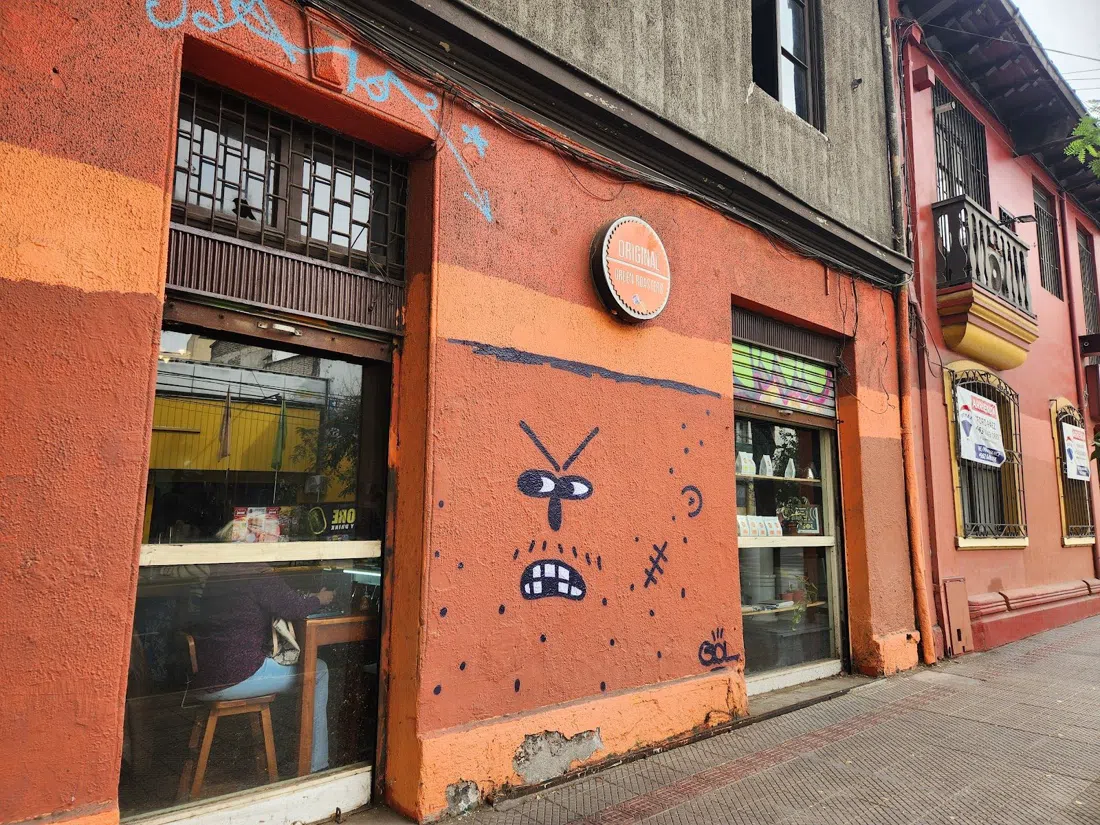
Original Green Roasters (eastern café belt) roasts weekly on the premises, which is the whole point of walking there. Coffee is CLP 2,500–4,500 and lunch CLP 12,000–18,000, and if you want to taste what Chilean specialty roasting actually sounds like (bright, thin-bodied, citric in the lighter roasts), order a filter and drink it as it cools rather than hot. Weekdays it absorbs medium groups comfortably. Saturday brunch is another matter: be through the door before 11am or expect to stand.
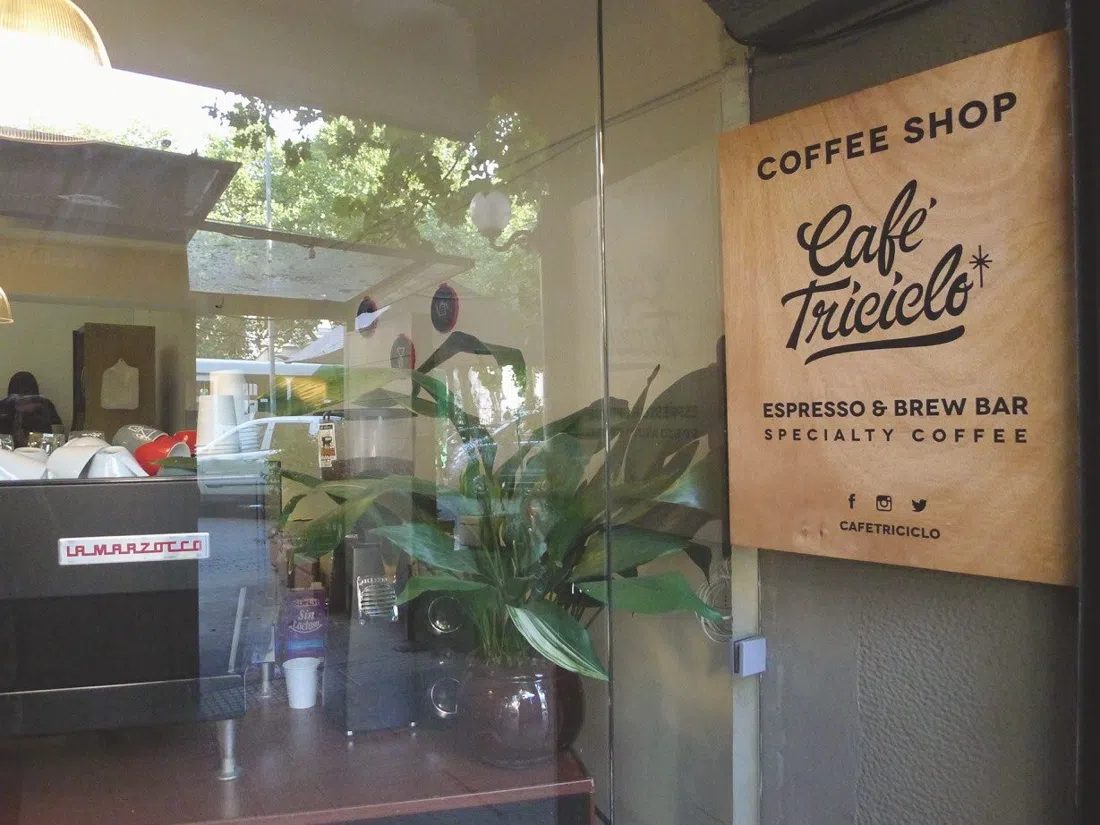
Café Triciclo (eastern café belt) roasts under its own 3Ciclos label, and you will see both names: the café is Triciclo, the beans are 3Ciclos, and online they appear interchangeably, so search for either. The toasted sandwiches are CLP 7,000–11,000 and are a real lunch rather than a token one; coffee is CLP 2,500–4,500. Medium groups are fine on a weekday. On Sunday it shuts at 2pm, so it is a morning venue that day and nothing more.
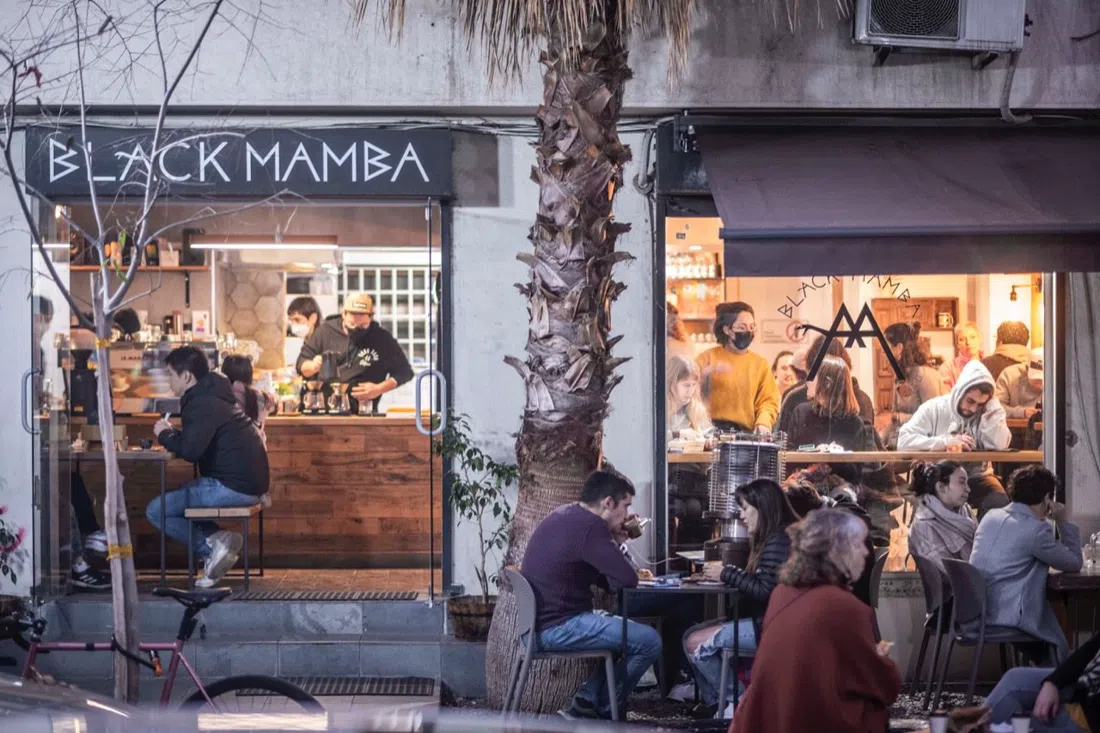
Café Black Mamba (a small room off the eastern café belt) is the other Santiago name on South America's 100 Best Coffee Shops list and is a cult local address rather than a visitor stop, which is exactly why it is worth the detour. Coffee is CLP 2,500–4,500, and CLP 8,000–12,000 gets you a plate with it. The room is genuinely small: four to six people works, above that you are a problem for everyone else. No reservations, so at peak you queue. Go mid-morning. It closes early, and on Mondays that means 3pm.
The long flat middle of the afternoon
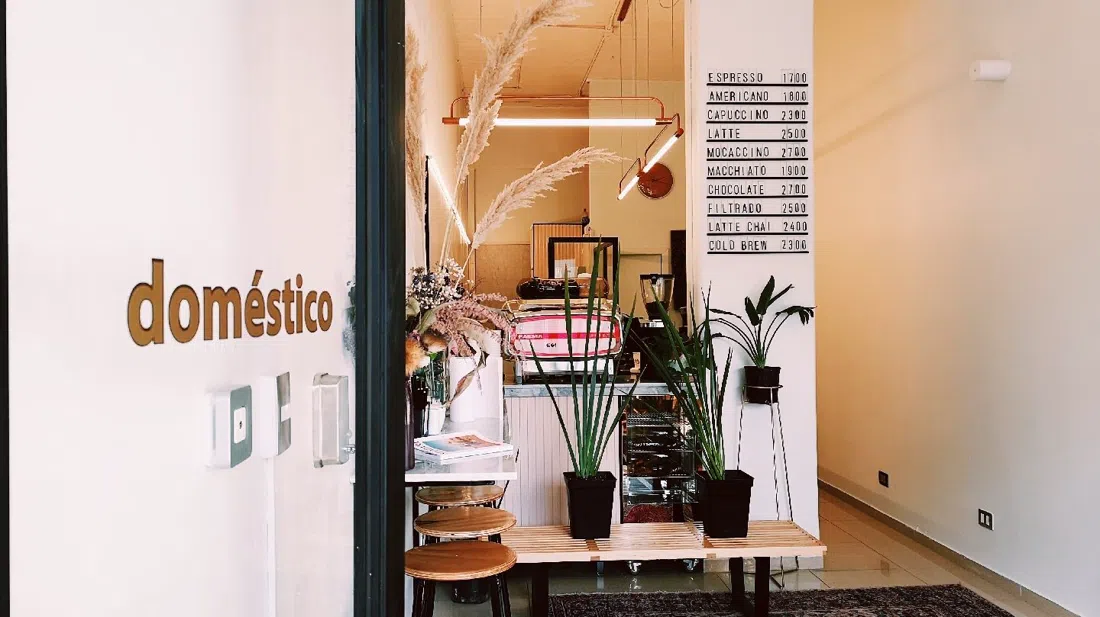
Between two and five the city thins out and the cafés change character. Doméstico (in the middle of the city's most-walked café stretch) is the quiet one: carrot cake at CLP 4,000, coffee CLP 2,500–4,500, and a room built for a laptop, a notebook and one companion at most. Two to four people. It is not a group venue and pretending otherwise will ruin the afternoon for the six regulars already in there.
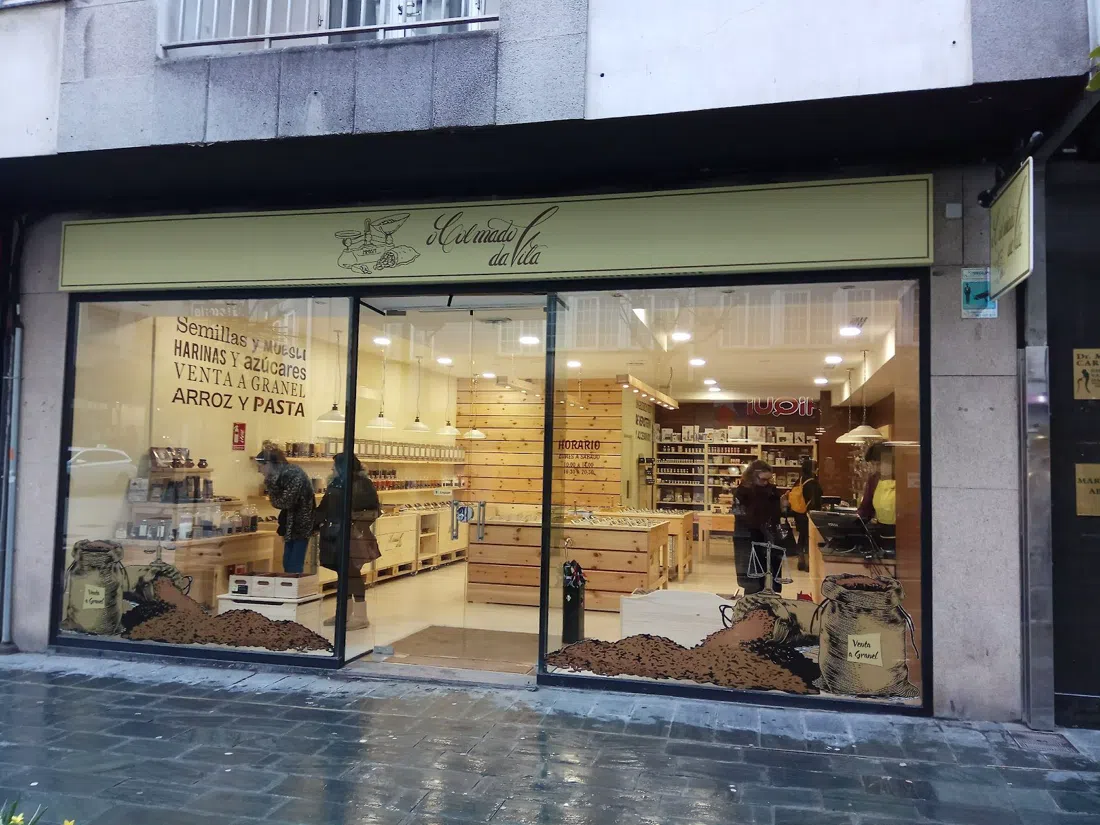
Colmado Coffee & Bakery (eastern café belt) is one of the very few places that covers both halves of the day properly. In the morning there is a full brew-method menu (pourover, aeropress, espresso, CLP 3,000–5,000), and by one o'clock the sourdough and the pastry come out, CLP 10,000–15,000 if you eat with your coffee. There is interior seating plus a terrace that fills the moment spring arrives, the wifi is reliable and there are plug sockets, and it is open seven days until 9pm, which makes it one of the rare specialty rooms that will still serve you during once itself.
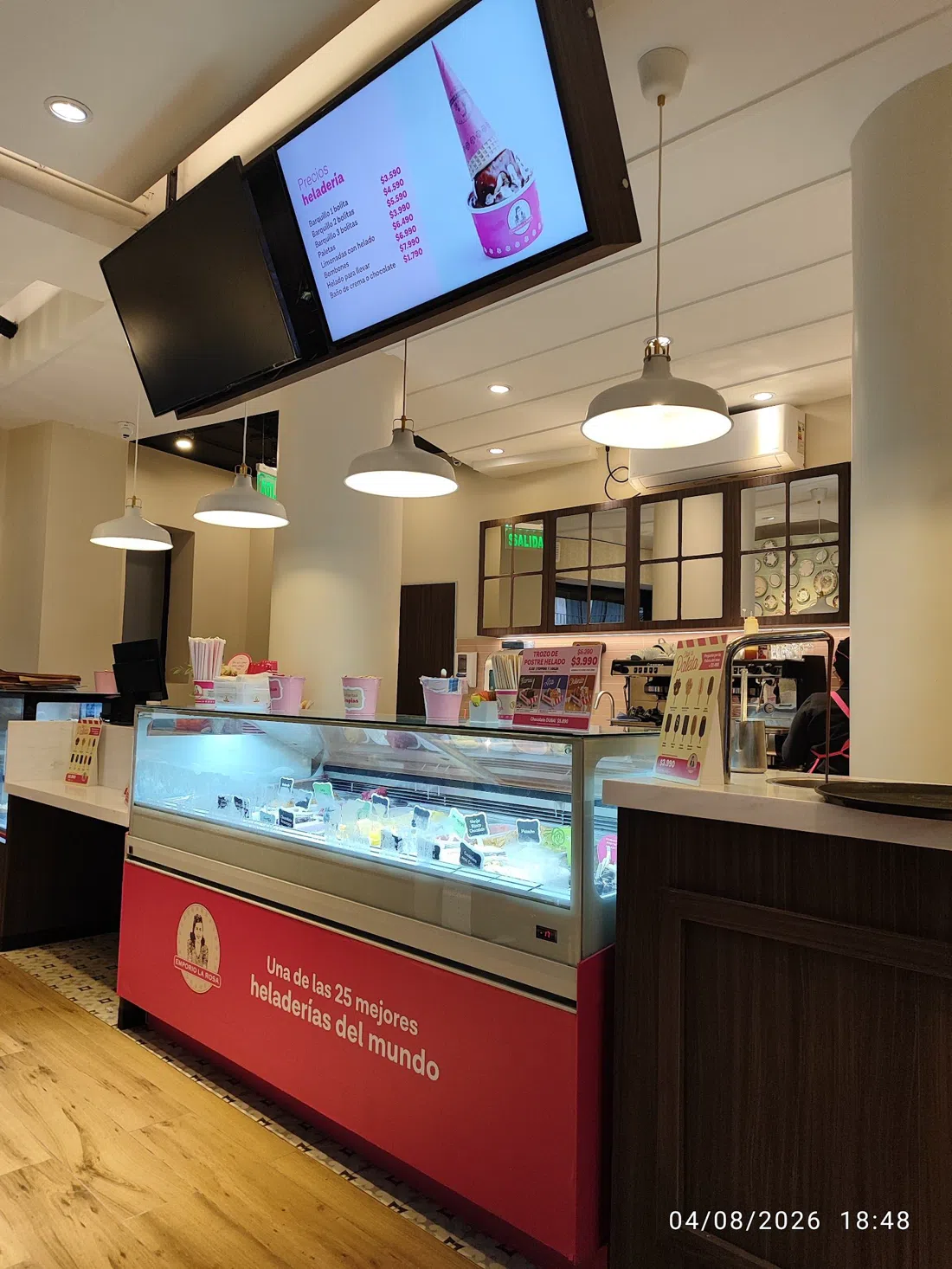
Emporio La Rosa (Lastarria 71 and Merced, plus more than fifteen locations across the city) is where to meet café helado, the drink an international reader will not have encountered: iced coffee poured over a scoop of ice cream, finished with whipped cream, somewhere between a drink and a dessert and entirely the right thing at four o'clock in January. It is CLP 4,000–8,000 for that or for coffee and pastry. There are pavement and indoor tables at the Lastarria and Merced branches and no reservations anywhere. It is also one of the few dependable sources of decaf in Santiago, which matters more than it should if you are drinking at six in the evening and would still like to sleep.
Once in a room with history
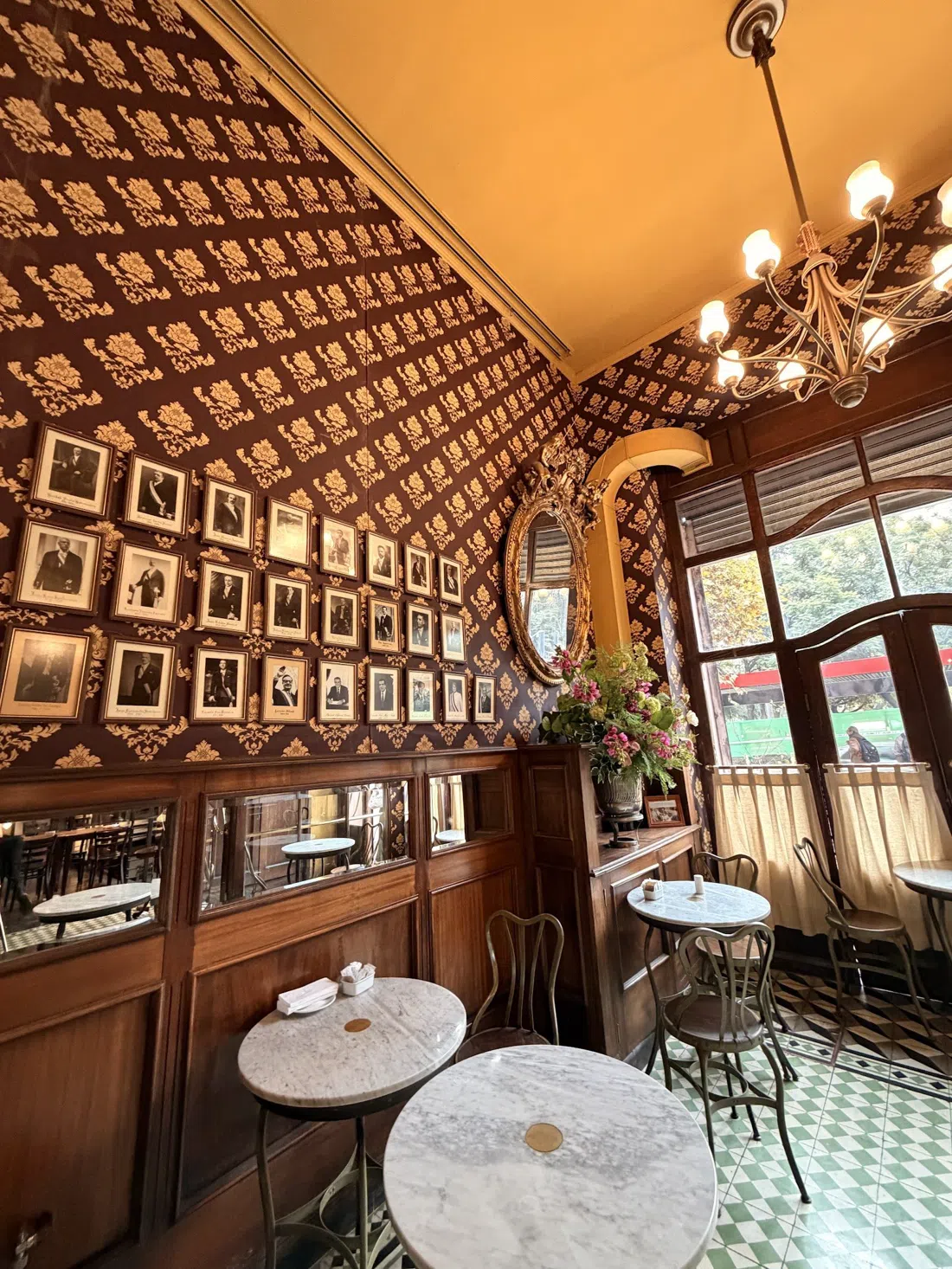
Confitería Torres (the Alameda, historic centre) is the anchor. Founded in 1879, in the Íñiguez palace since 1904, and the birthplace of the Barros Luco: thin beef and melted cheese pressed into a roll, named for a president who ordered it often enough that the kitchen stopped asking. Coffee and cake is CLP 6,000–12,000; a full plate is CLP 15,000–25,000. It takes reservations, has proper restaurant seating and is the most group-friendly heritage option downtown. There are three branches now; the Alameda room, with its dark wood and its waiters in waistcoats, is the one you came for.
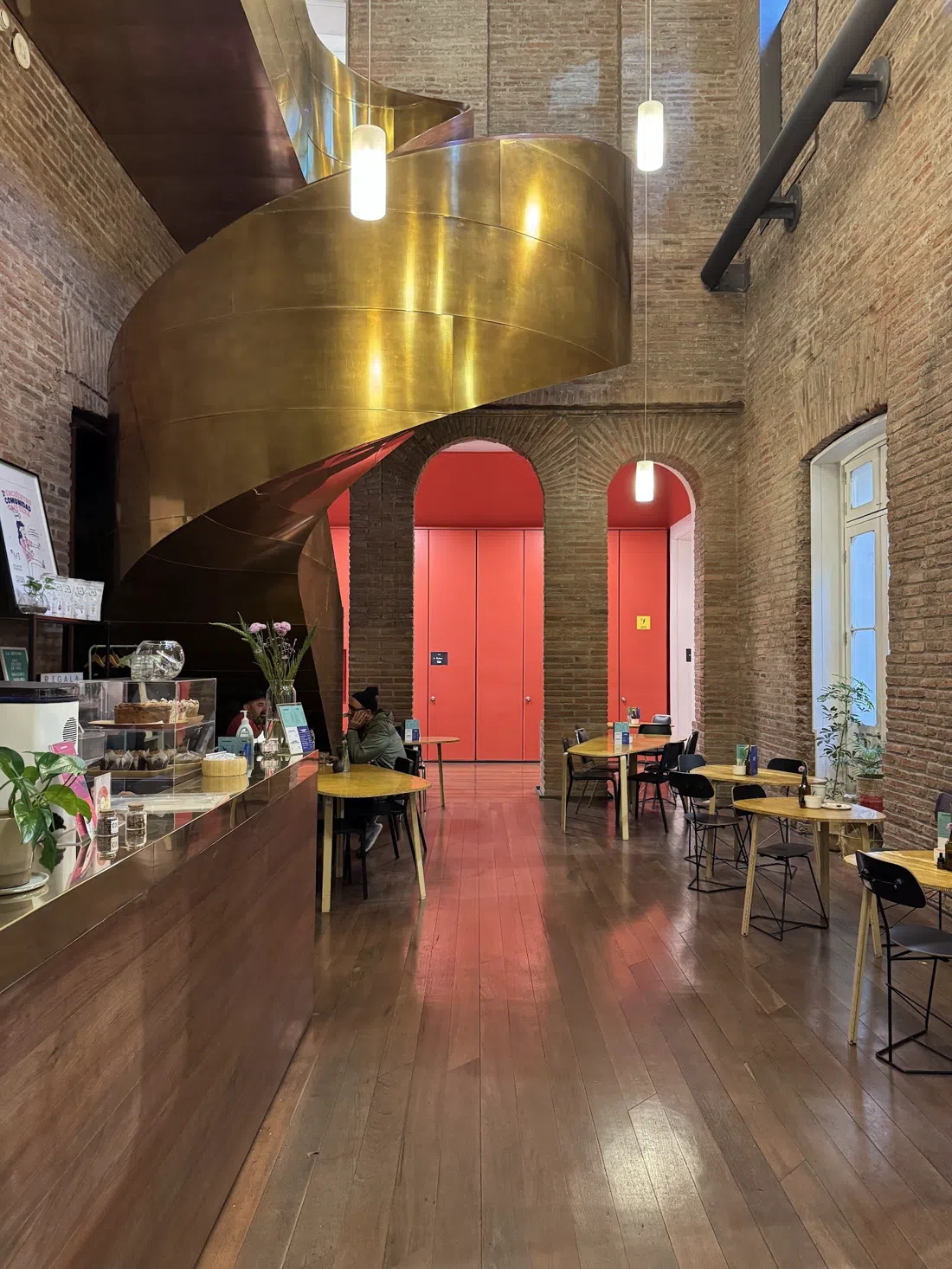
La Huérfana (historic centre, with a second branch at Santa Isabel 598 in Barrio Italia) is women-led and works only Latin American beans roasted here in Chile, which gives the cup a different accent from the imported-blend places: rounder, less acidic, more cocoa. Coffee is CLP 2,500–4,500 and breakfast or the set lunch CLP 9,000–14,000. The main site is a genuine heritage restoration and its palace floorplan swallows groups without strain, so this is the easy choice for eight people who all want something different. Closed Sundays and public holidays. The Barrio Italia branch runs the same menu if you are already east.
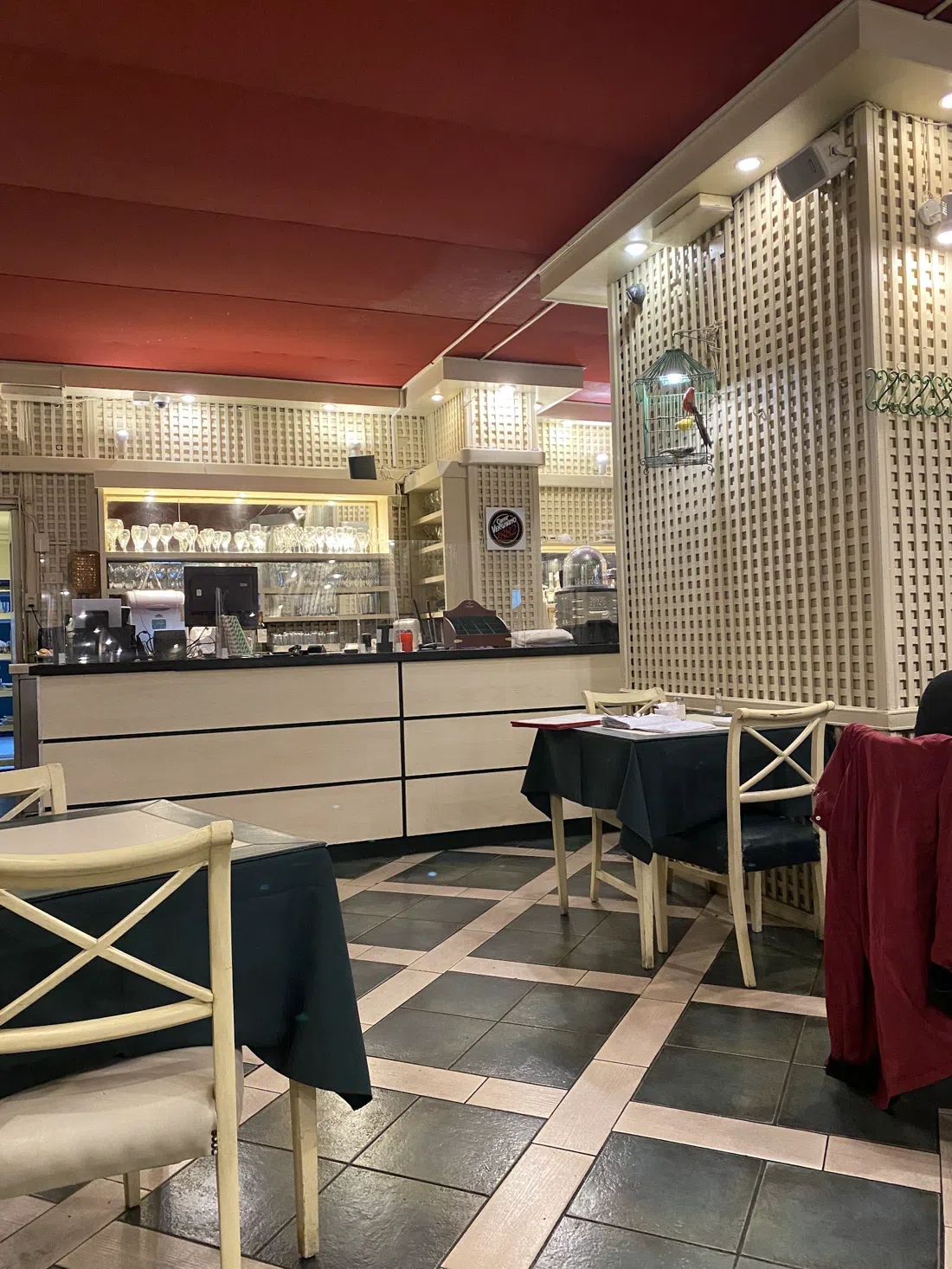
Café Villa Real (historic centre) is the purest surviving example of once done traditionally: the full spread, laid out properly, CLP 6,000–15,000 a head, and in winter three sopaipillas pasadas for CLP 5,900. Order them; they are the reason to come between June and August. The salón is large, there is a terrace, and because the place also does catering and banquets a group of twelve is routine rather than an imposition. It stays open until 9.30pm, so unlike almost every specialty café in this piece it actually covers the ritual hour end to end. One thing to check before you walk across town: it is closed on Saturdays.
The newer end of the ritual
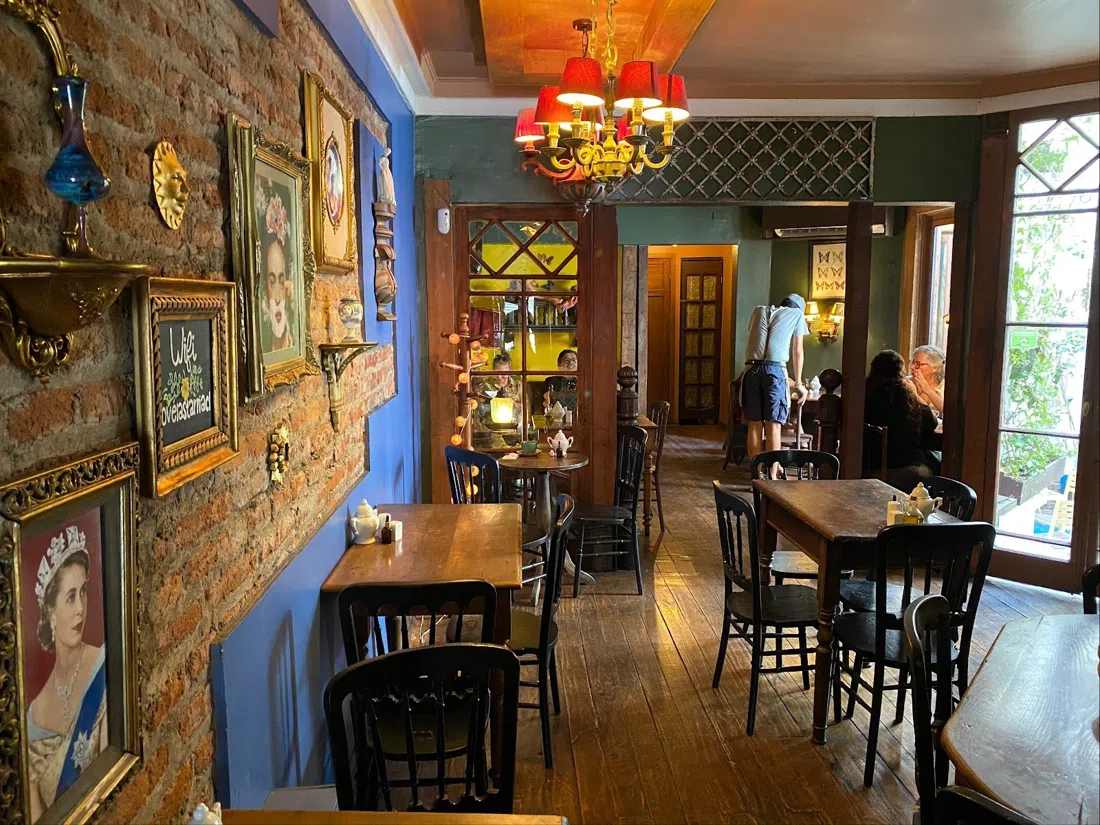
Wonderland Café (eastern café belt) is the theatrical counterpoint: three levels of maximalist decor, afternoon tea at CLP 8,000–18,000, vegan and gluten-free options handled without fuss, pet-friendly, open daily 9am–10pm. The decor is the product. This is a staged experience and an enjoyable one, not a heritage room, and the tea stand arrives looking like a photograph before it tastes like anything. Groups are fine across the floors.
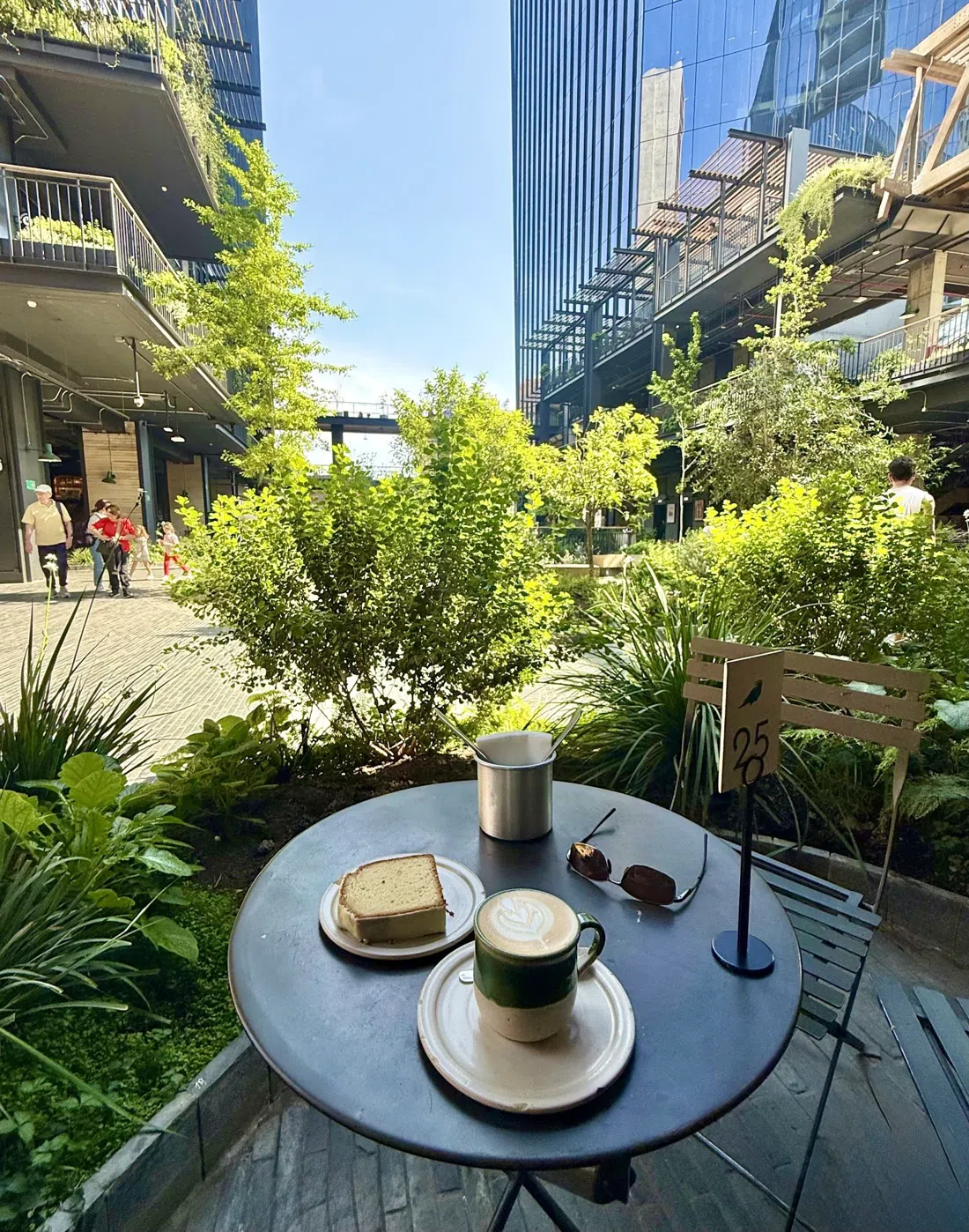
Rebelde Bakery & Coffee (food-hall seating, eastern Providencia) is the modern once and the most practical group venue in this entire piece: long communal tables, artisanal bakery on one side, specialty coffee on the other, coffee CLP 3,000–5,000 and pastry CLP 4,000–7,000, open every day until 8 or 9pm. That closing time is the argument for it. Most third-wave rooms in Santiago have been shut for three hours by the time once begins; this one is still pulling shots while the city eats.
When the coffee turns into a cocktail
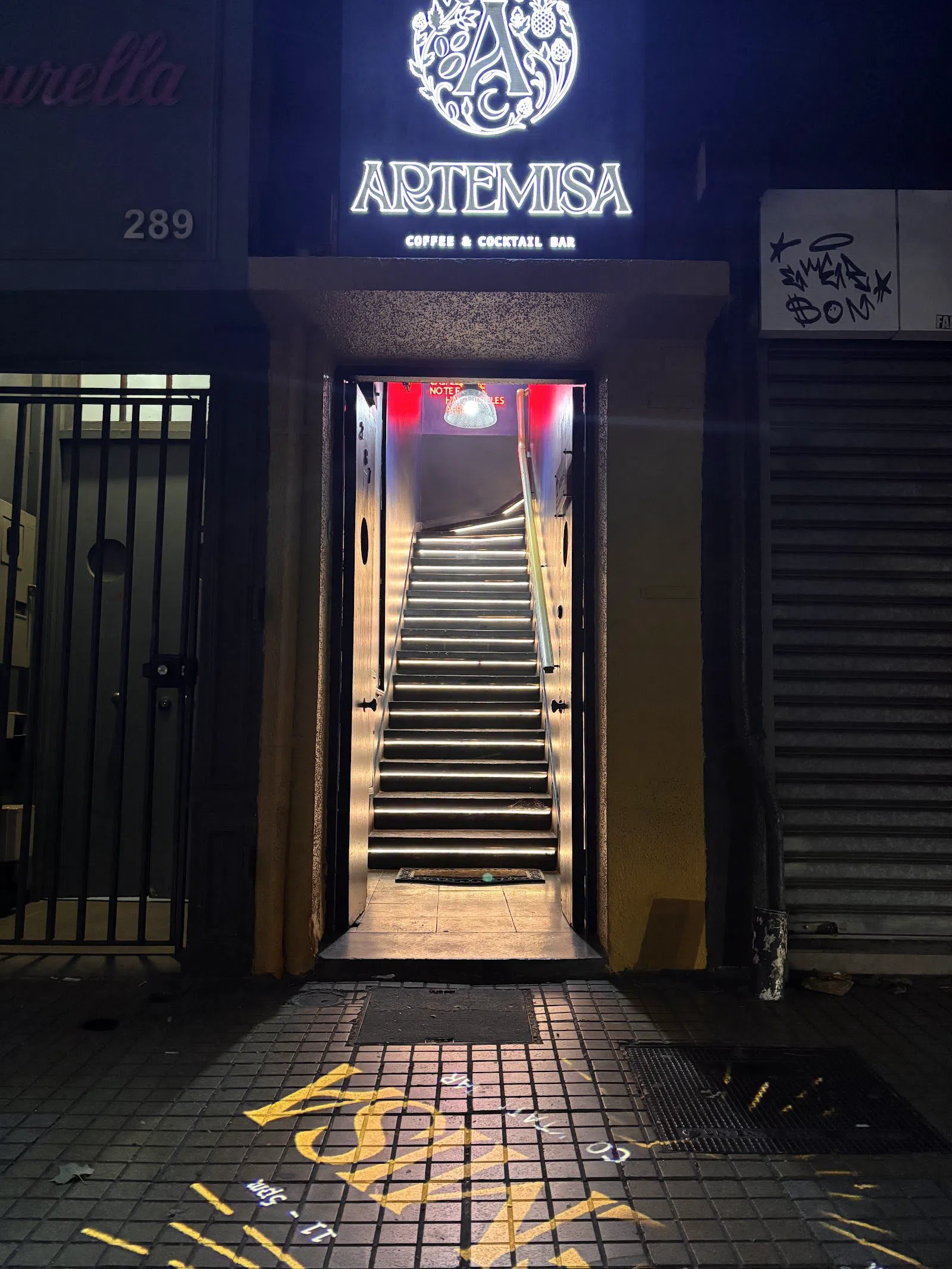
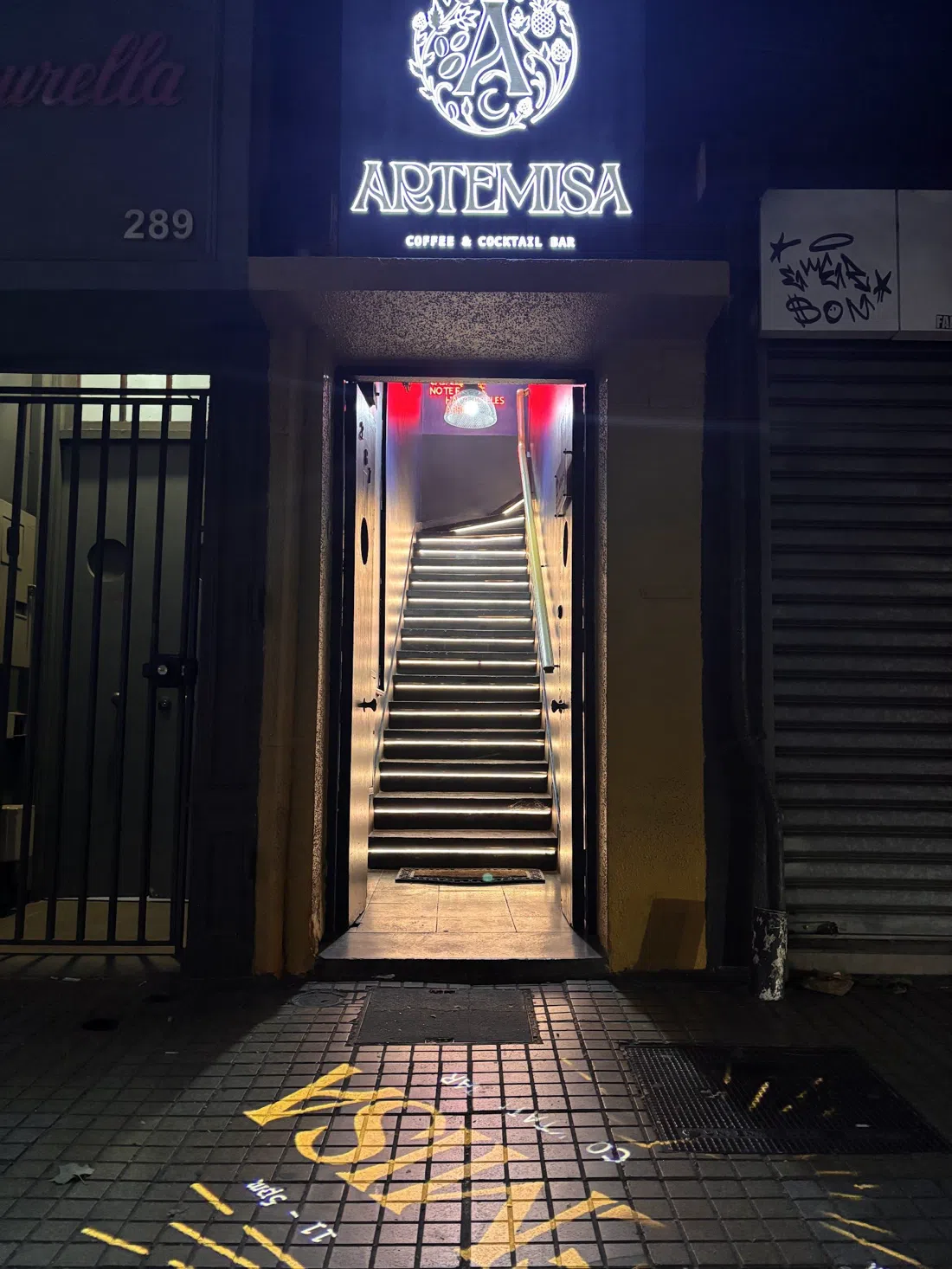
Artemisa Coffee & Cocktail Bar (eastern café belt) is the bridge between the working morning and the evening, and it was Chile's first bar built on that idea. Coffee is CLP 3,000–5,000, cocktails CLP 9,000–14,000, and it is the highest-placed Santiago entry on South America's 100 Best Coffee Shops, which is unusual for a room that also shakes drinks. There is bar seating and there are tables, groups are welcomed rather than tolerated, and the Sunday session from 2pm to 8pm (coffee party, DJ, the whole afternoon sliding into evening) is designed for arriving in numbers. Book ahead for six or more.
Getting around, paying and timing it
The metro does almost all of this. Santa Lucía on Line 1 puts you within a block of the historic-centre addresses; La Vega is a short walk from Puente Cal y Canto or Patronato. Buy a bip! card at any station. Fares shift between peak and off-peak, so check the posted rate rather than assuming. Everything in the centre listed here is walkable from everything else in the centre.
Cards are accepted almost everywhere, but carry CLP 10,000–20,000 in small notes for the market counters and the smaller rooms, where a CLP 20,000 note for a CLP 2,400 espresso will get you a look. A 10% propina is standard at sit-down tables and is usually suggested on the bill; nobody tips at a stand-up counter.
Budget roughly CLP 2,500–3,500 for a morning cup, CLP 6,000–15,000 a head for a full once, and CLP 15,000–25,000 for a day that takes in three stops with something to eat at two of them. Timing is the thing people get wrong: specialty cafés open early and close between three and seven, once starts at six, and Sundays are thin. Café Triciclo shuts at 2pm, La Huérfana is closed, Justicia Café does not open at all at weekends, and Café Villa Real closes Saturdays. Several of these names have more than one branch and the branches keep different hours, so confirm the specific address before you set out.
Stay in the historic centre or just east of it and you can do the morning counter, the roastery and the once room on foot in a single day. Compare rates and locations on Santiago hotel search, and for what else fills the hours between the cups, the Santiago guide covers the rest of the city.
Questions
What time is once in Santiago?
Roughly 6pm to 8pm. For many households it replaces dinner rather than preceding it, so a full once (bread, butter, avocado, ham, cheese, cake and endless coffee or tea) is a proper meal. Café Villa Real serves until 9.30pm and Rebelde Bakery & Coffee until 8 or 9pm; most specialty cafés have closed by then.
What is a café con piernas and is it a tourist trap?
This is the stand-up downtown espresso format Café Haití made famous: coffee with legs, named for the staff serving in short uniforms, a house style dating from the 1960s. In 2026 it is a mainstream office-worker coffee bar rather than a nightlife venue. You stand, you drink a cortado for CLP 2,000 to 3,500, you leave in five minutes.
Which Santiago cafés work for a group of eight or more?
La Huérfana absorbs groups easily on its palace floorplan, Confitería Torres takes reservations and has full restaurant seating, Café Villa Real does banquets as routine, and Rebelde Bakery & Coffee has communal food-hall tables. Avoid Doméstico (two to four people) and Café Black Mamba (four to six, no reservations).
What should I order that I will not find outside Chile?
Sopaipillas pasadas, fried pumpkin-dough discs simmered in chancaca syrup, three for CLP 5,900 at Café Villa Real in winter. Café helado at Emporio La Rosa, iced coffee poured over ice cream under whipped cream. And a Barros Luco at Confitería Torres, where the sandwich was invented.
Can I find good specialty coffee in Santiago's historic centre?
Yes. Justicia Café at the Santa Lucía metro exit is the most convenient high-quality cup downtown at CLP 2,000 to 3,000, though it is weekdays only and closes at 5.30pm. La Huérfana works exclusively with Latin American beans roasted in Chile and is a short walk away, closed Sundays and holidays.
Do Santiago cafés take cards?
Almost all of them do, but carry CLP 10,000 to 20,000 in small notes for the La Vega market counters and smaller rooms. A 10% tip is standard at sit-down tables and usually suggested on the bill; nobody tips at a stand-up espresso counter.
First published on santiagoguides.com, the Santiago guide.