For a few weeks between mid-September and the first Saturday of October, Seville stops presenting flamenco and starts arguing about it. The Bienal spreads across the opera house on the river, the city's municipal theatre, a regional stage out on the island, and the gardens of a working royal palace, while the ordinary tablao circuit keeps running underneath it every night of the week. Book the wrong week and you will still hear good flamenco; build the trip around three specific dates and you will actually see the festival.
The three nights the trip should hang on
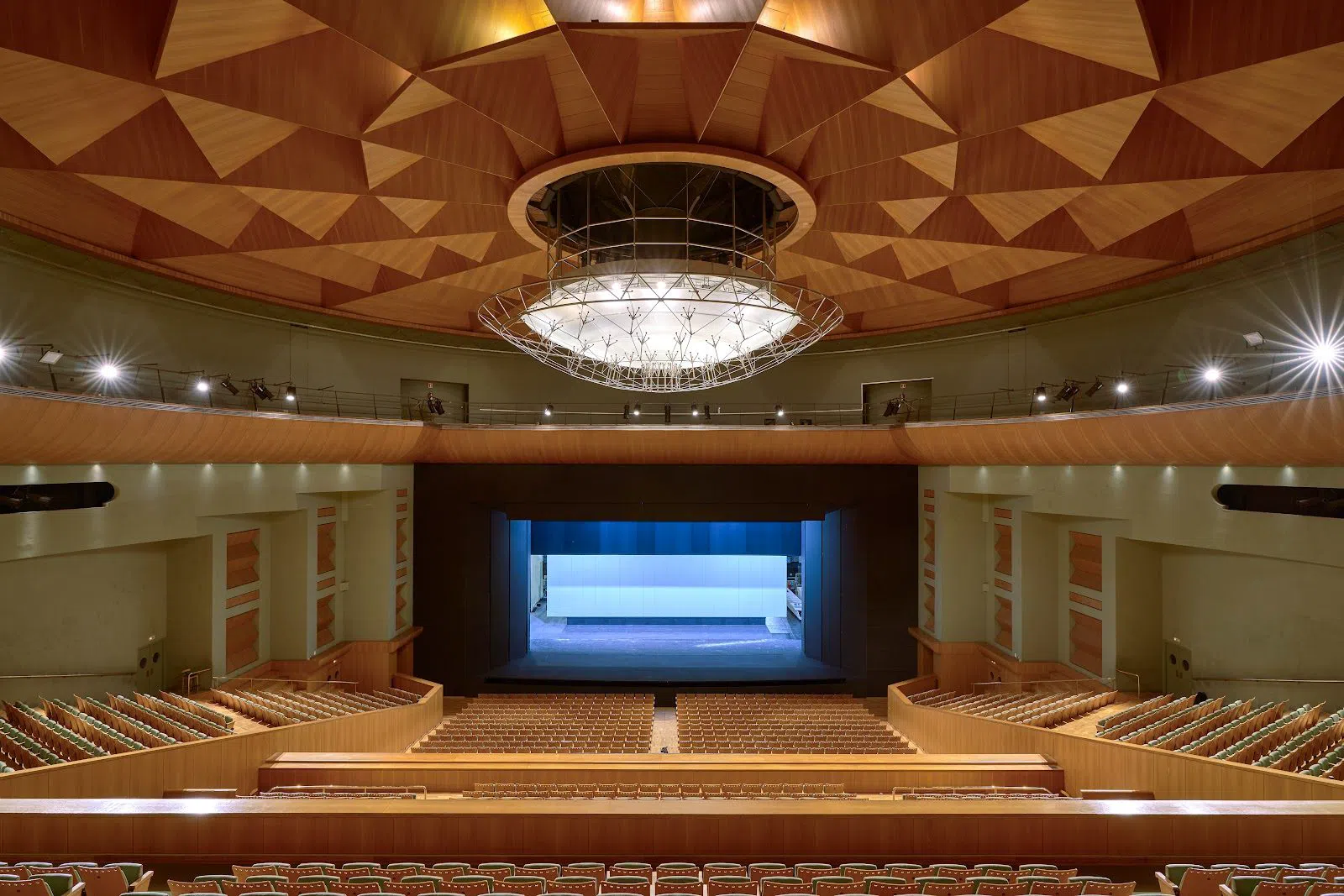
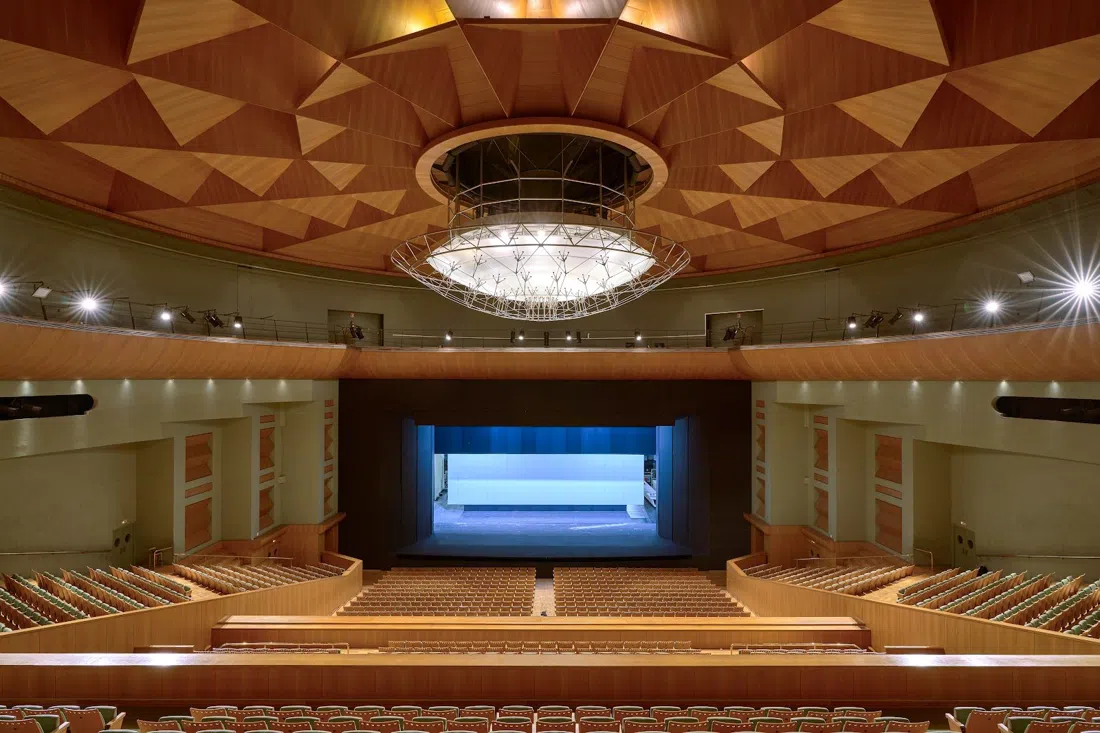
The closing night is the fixed point. Teatro de la Maestranza (El Arenal, right on the river wall) is an 1,800-seat opera house, and on Saturday 3 October at 20:00 it gives the Bienal its ending: Carmen Linares with Marina Heredia, María Terremoto and Rafaela Carrasco in 'Perlas a millares'. Seats for that night run roughly €28 to €55, which sits comfortably inside the festival-wide band of €12 to €75 and is remarkable value for the cast. The Maestranza is the easiest room in the festival to organise around: blocks of seats can be bought together online, there is no door policy to negotiate, and a group of ten is no more complicated than a couple. If you are travelling with people who care about flamenco to different degrees, this is the night everyone will remember, so buy it first and work backwards.
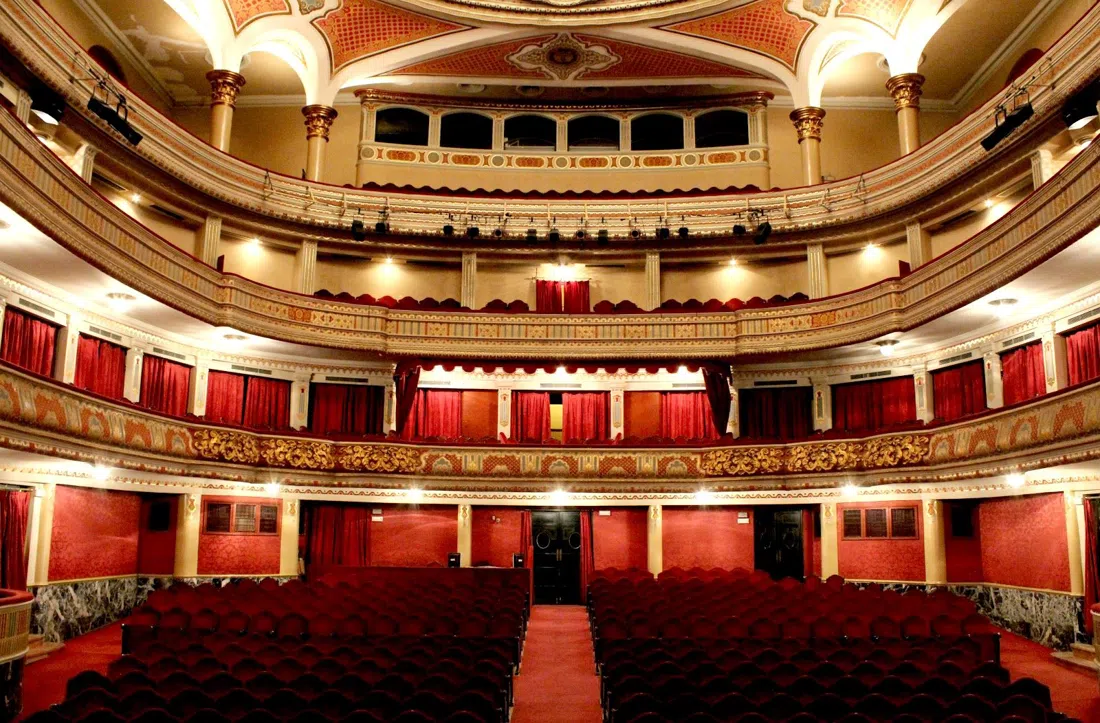
The two mid-run nights worth reshaping a trip for are both at Teatro Lope de Vega (Puerta de Jerez, beside the park), the city-run theatre that carries the festival's most-wanted middle weekend. 'Fue tu querer (Sevillanas)' plays on Sunday 27 September at 20:00, and Mayte Martín brings 'Arqueología de lo puro' on Wednesday 30 September at 20:00. Booking is standard seated ticketing with nothing unusual about it, but the discount structure is worth knowing: the theatre takes 20% off for under-30s, students, over-65s and the unemployed. Bring the document that proves it, because a discounted ticket without ID at the door is an argument you will lose in front of a queue.
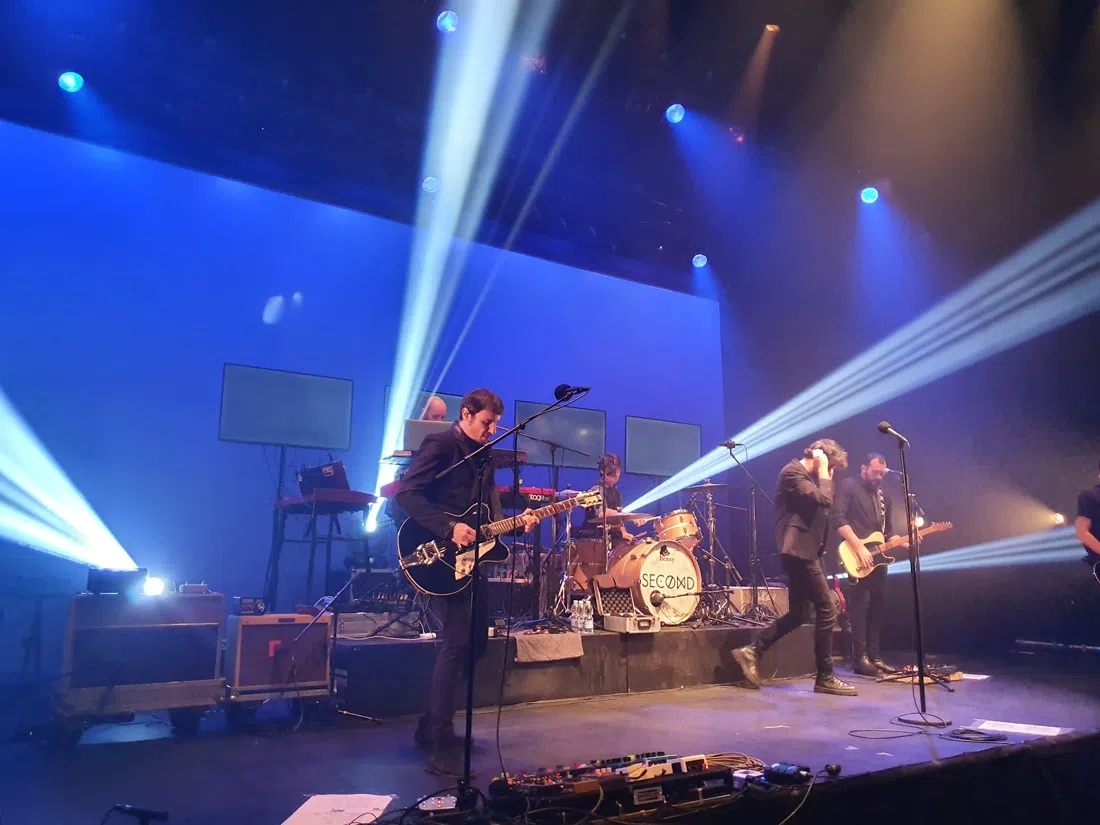
The third date is a doubling-up opportunity rather than a single show. Teatro Central (Isla de la Cartuja, across the river to the north) is the festival's risk-taking room, the stage that programmes the work most likely to divide the audience, and Estévez/Paños bring 'Doncellas (juerga permanente)' there at 22:30 on 27 September. That is late enough to follow the 20:00 sevillanas night at the Lope de Vega, which is the whole point of the scheduling. It is a real dash: the curtain across town falls around 21:30, Cartuja is fifteen minutes by taxi, and the walk is not one you want to attempt in a hurry. Treat it as a two-show evening with a taxi in the middle and no dinner. Teatro Central sells through its ticket office and by email at [email protected], and it handles group seating without fuss; the practical constraint is not the room, it is your stamina.
The Alcázar nights sell out before anything else
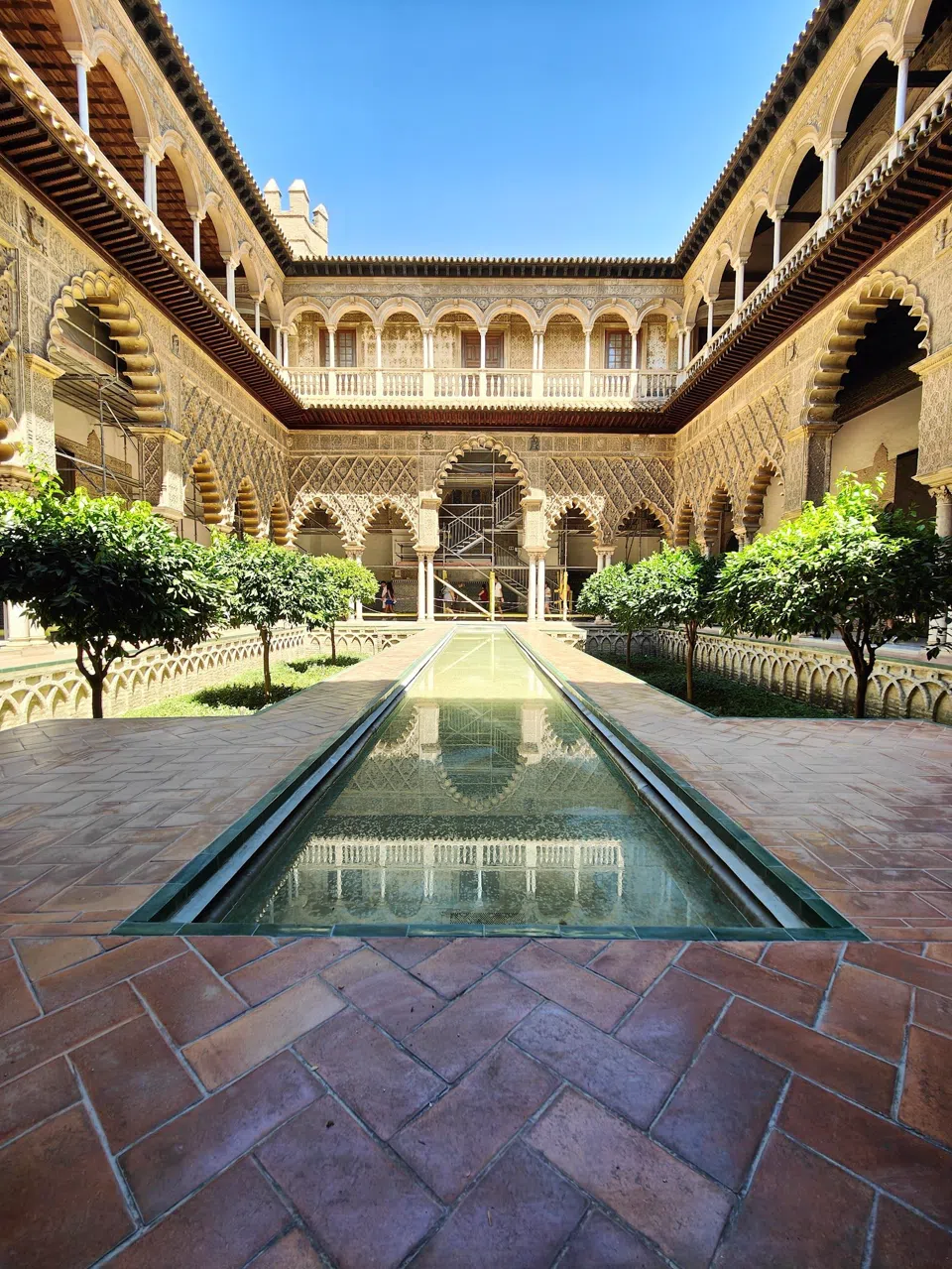
Earlier in the festival, the Real Alcázar de Sevilla (Santa Cruz) opens its gardens for a short run of 21:30 open-air shows: Israel Fernández on 14 September, Rancapino Chico on 15 September, and 'Xerezanías' on 16 September. These are the smallest-capacity nights in the whole programme and consequently the first to disappear. If your dates fall anywhere near them, book those tickets before you book the flight, because there is no equivalent experience later in the run and no way to buy your way in once they have gone.
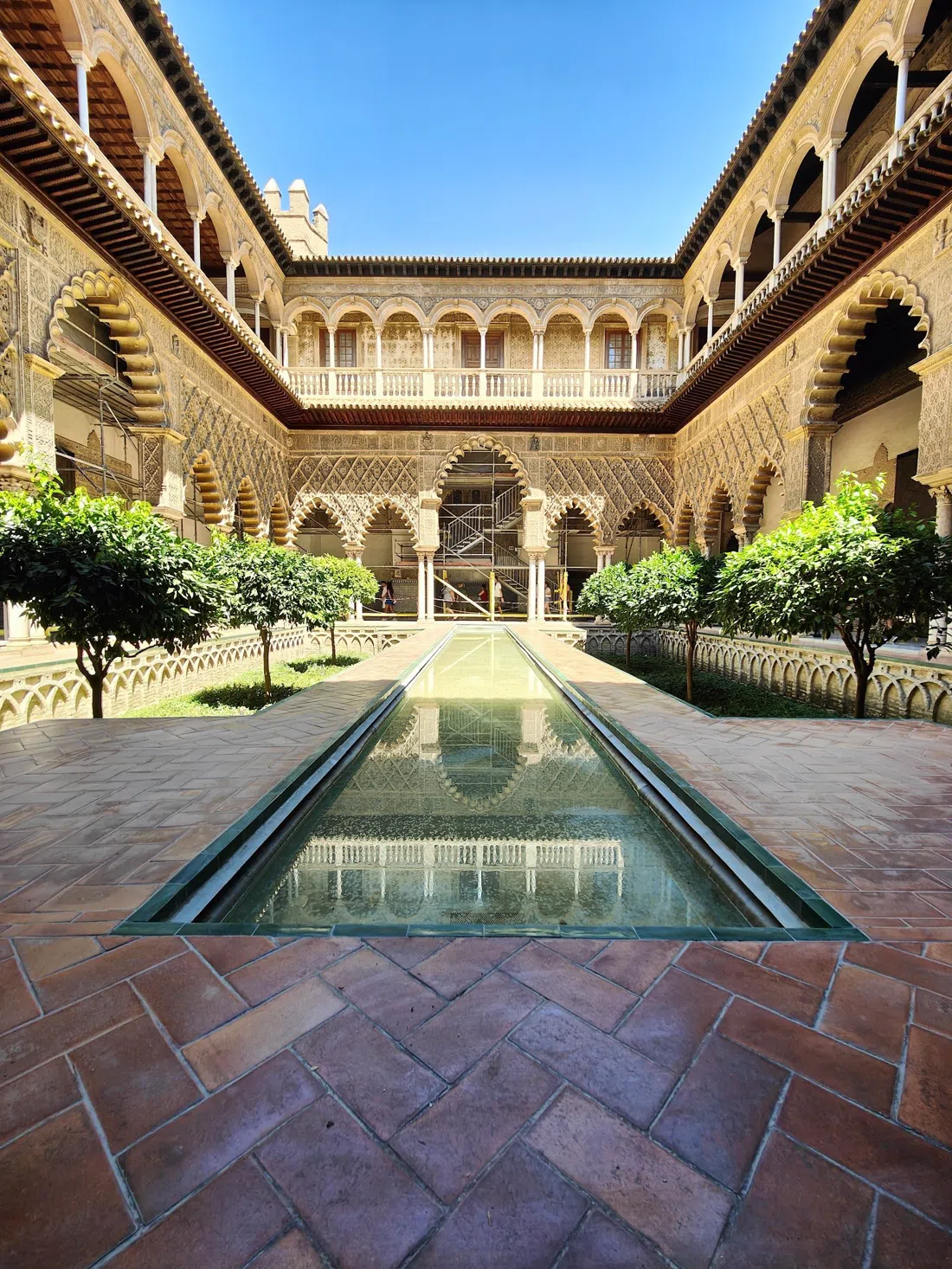
Two details catch people out. First, the Bienal show tickets are entirely separate from monument admission: the ticket that gets you into the gardens at night does not get you into the palace by day, and vice versa. If you want both, buy both, and give the daytime visit its own timed slot; the monument takes group visits on timed entry, so a party of eight can move through together provided somebody books it properly rather than turning up at the gate. Second, open-air seating means weather, and September evenings here can still hold the day's heat well past sunset. Dress for a warm night outdoors and not for an opera house.
A midday recital gets a second show into the same day
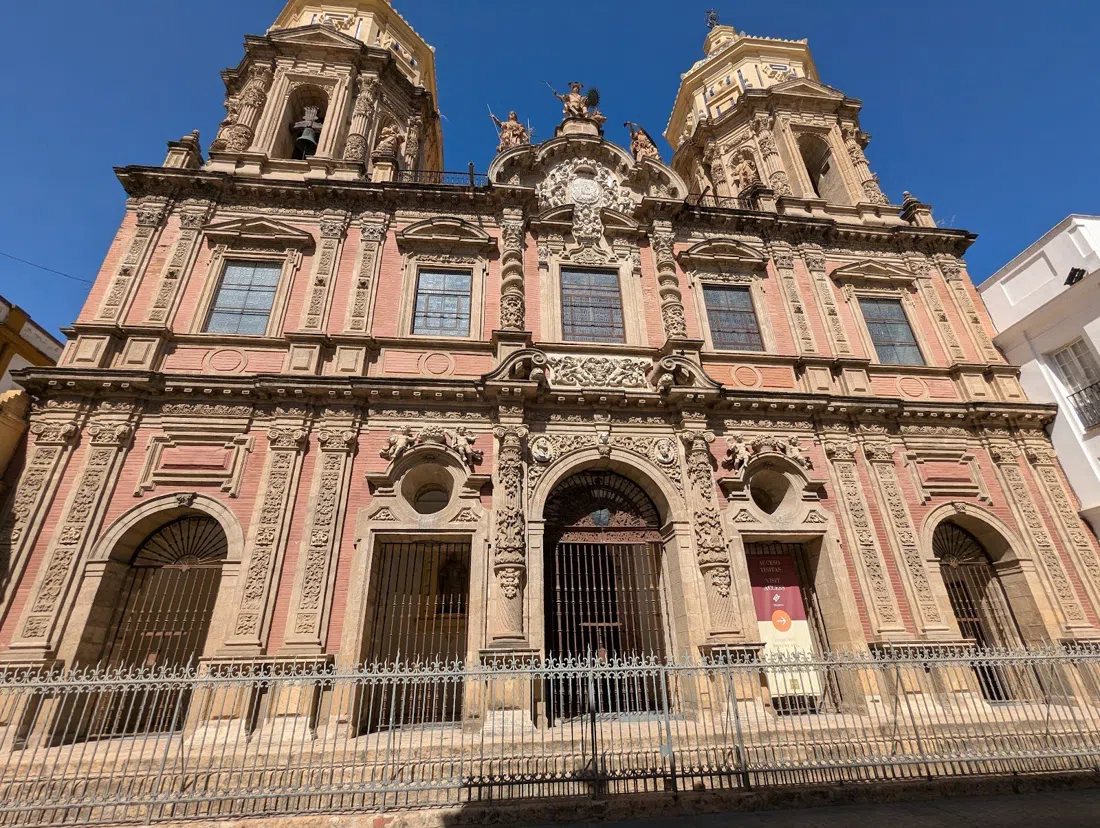
The most efficient trick in the festival calendar is the matinée. Iglesia de San Luis de los Franceses (Macarena) is a baroque church that runs 12:00 recitals during the Bienal. Encarna Anillo and Miguel Rincón play 'Camino de flores' there on 26 and 27 September, which means the 27th can carry a noon recital, the 20:00 sevillanas night and the 22:30 show on Cartuja without anything overlapping. The concert capacity is small, so a group should book the recital as early as it books anything. Outside the recital slots the church is open for ordinary visits Tuesday to Sunday, 10:00 to 14:00 and 16:00 to 20:00, at €4 with a €2 reduced rate; the recital tickets are separate from that entry, and paying one does not cover the other.
Where flamenco costs almost nothing and asks the most of you
The cheapest serious flamenco in Seville is not on the festival programme at all. Peña Flamenca Torres Macarena (Macarena) runs Thursday tertulias at 20:00, every week of the year, festival or no festival. During the Bienal window that means 17 and 24 September and 1 October. There is no online sale and no advance booking; tickets are cash at the door from 20:00, and the room is small. Groups of more than about six should arrive early and expect to split up across the space rather than sit together.
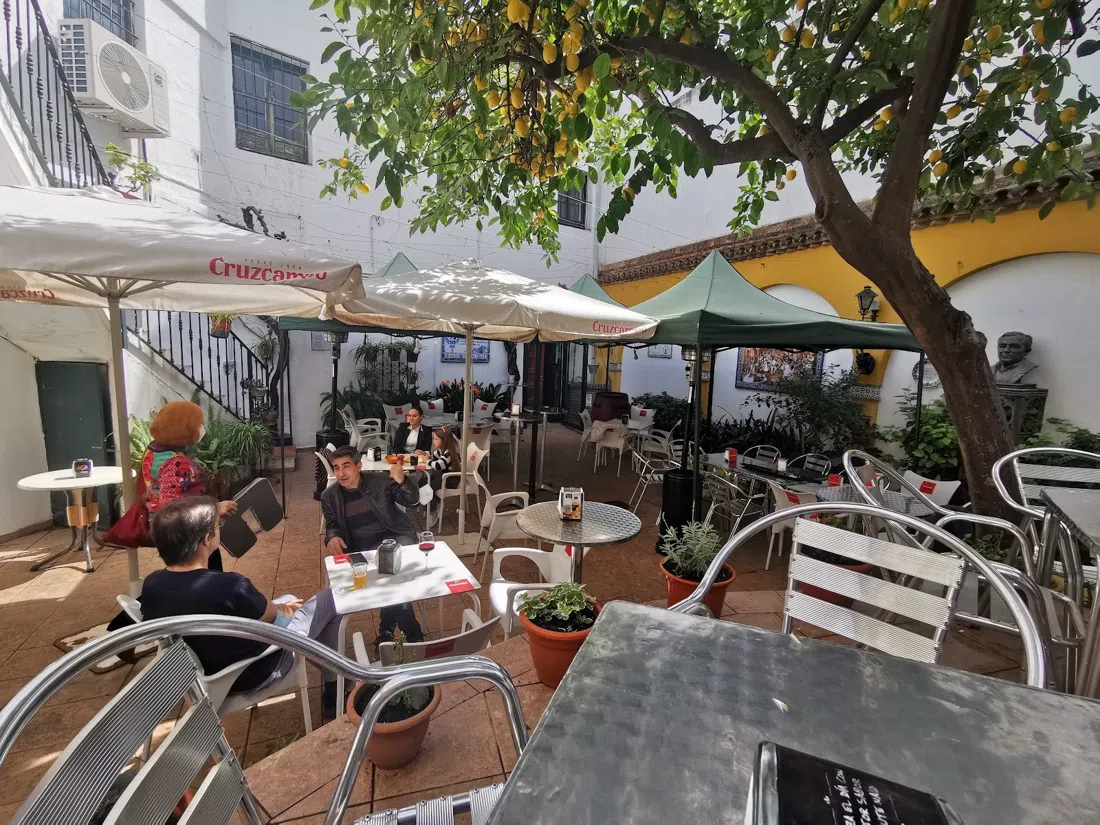
Be clear about what this is, because getting it wrong is rude in a way visitors rarely realise. A peña is a members' club and the tertulia is a gathering, not a show with a curtain. Nobody will stop you coming, but arriving mid-set, talking through a cante or walking out early reads very differently here than it does in a tablao where the audience turns over twice a night. Go in with the intention of staying for the whole thing, bring small notes, and let the room set the volume.
The tablaos, and what actually separates them
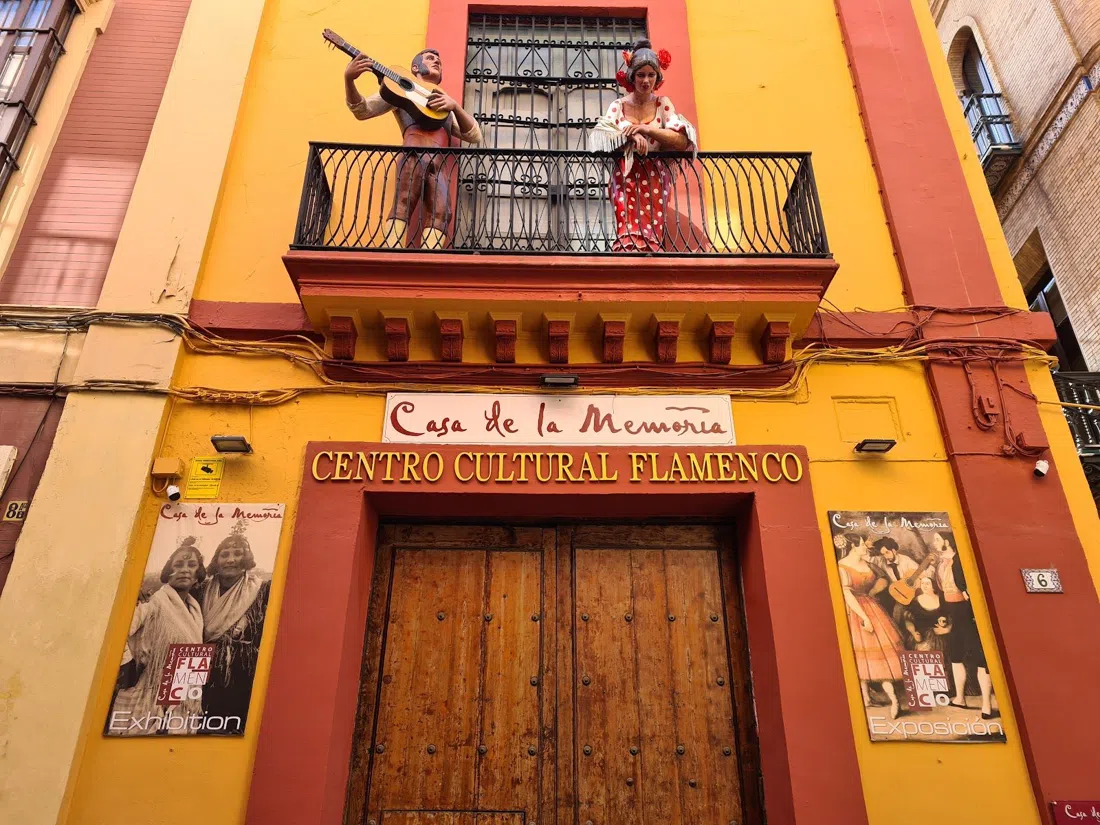
On a night with no Bienal programming, and there will be several, the tablao circuit is not a consolation prize, provided you choose by what each room is built around. Casa de la Memoria (Santa Cruz) remains the reference point for a first tablao: roughly 100 seats, two shows nightly at 18:00 and 22:30, four artists only (two dancers, a singer and a guitarist), with no dinner service and no amplification. That last detail is the whole argument. From around €29 you hear the voice and the guitar as they are, and because the room is small and the seating unreserved in practice, book online well ahead and arrive thirty minutes early if the sightline matters to you.
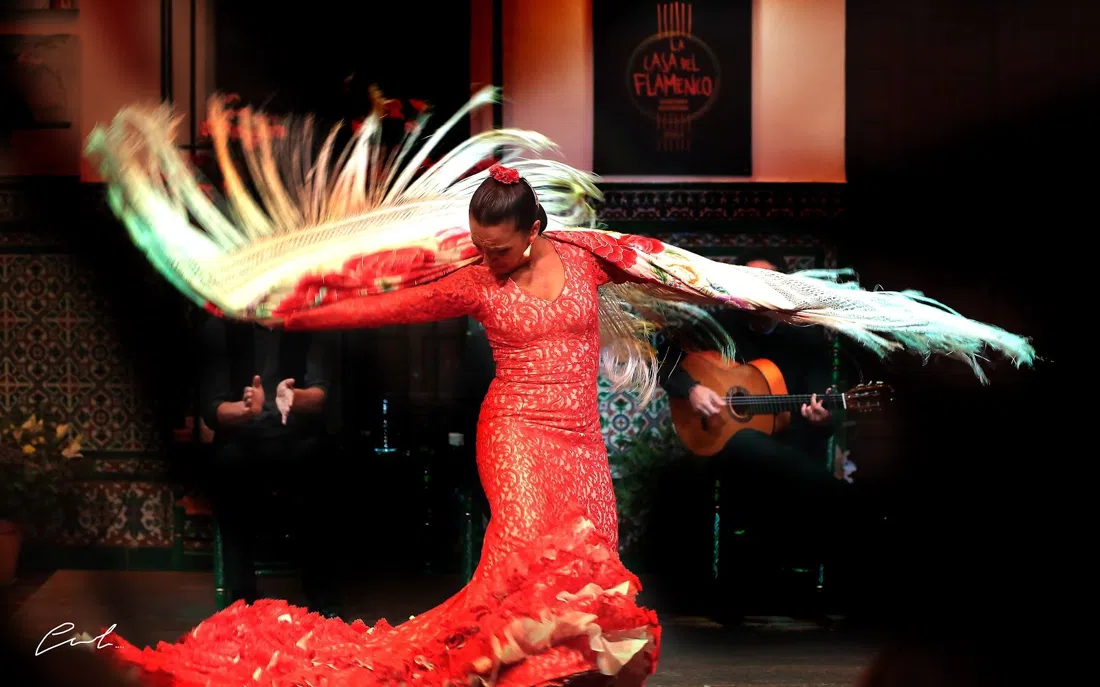
La Casa del Flamenco – Auditorio Alcántara (Santa Cruz, a few metres from the Giralda) is the best-value courtyard show inside the tourist quarter, with two to three performances daily spread across the afternoon and evening. At €22 for an adult, €17 for a student and €11 for a child (under-6s free with an adult), it is the room that makes a family or a mixed-interest group workable, and the spread of slots means you can slot it into an afternoon rather than surrender the evening. Booking is on site or by phone.
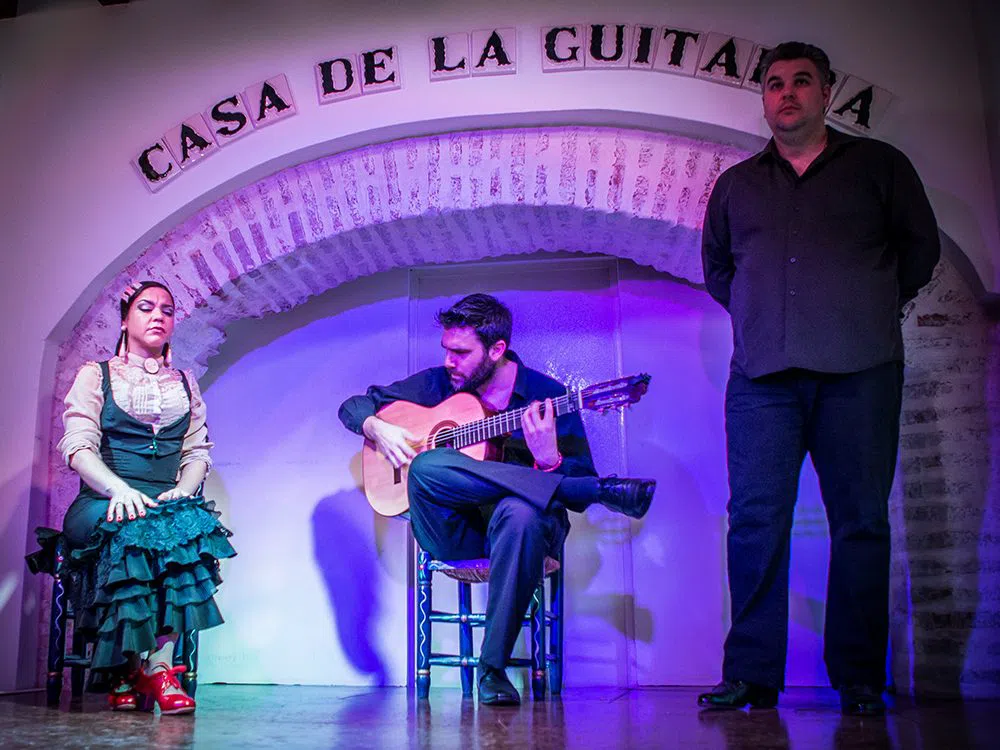
Casa de la Guitarra (Santa Cruz) is the one place in the centre built around the toque rather than the dance. It is run by guitarist José Luis Postigo, twice a national flamenco guitar prizewinner, and the room is very small, small enough that a group should simply reserve the whole sitting, and small enough that latecomers will not be let in at all. If somebody in your party plays, this is their night; if nobody does, one of the dance-led rooms will land better.
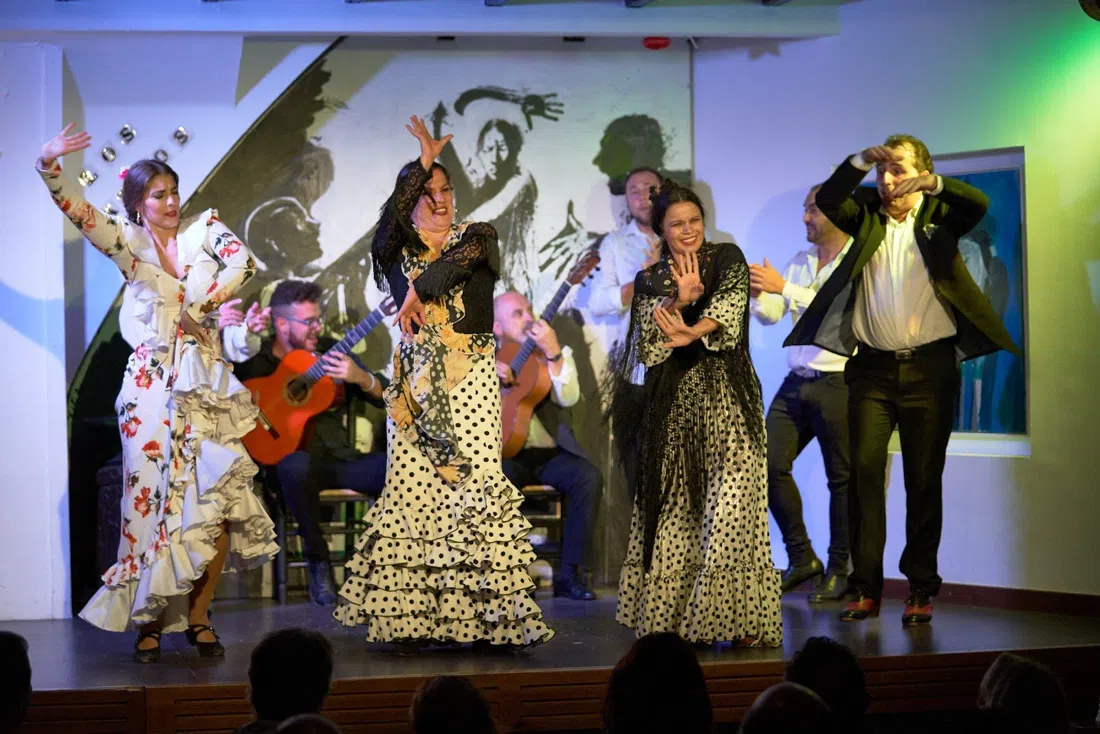
Tablao Flamenco Los Gallos (Plaza de Santa Cruz) has been running continuously since 1966 and still fields eight artists a night (three dancers, three singers, two guitarists), a considerably bigger cast than most rooms in the centre. Two shows nightly at 19:00 and 20:45, bookings taken from 11:00 through to 00:30, a drink included in the mid-range ticket, and no discomfort about group reservations. It is the closest the centre gets to scale without losing the room.
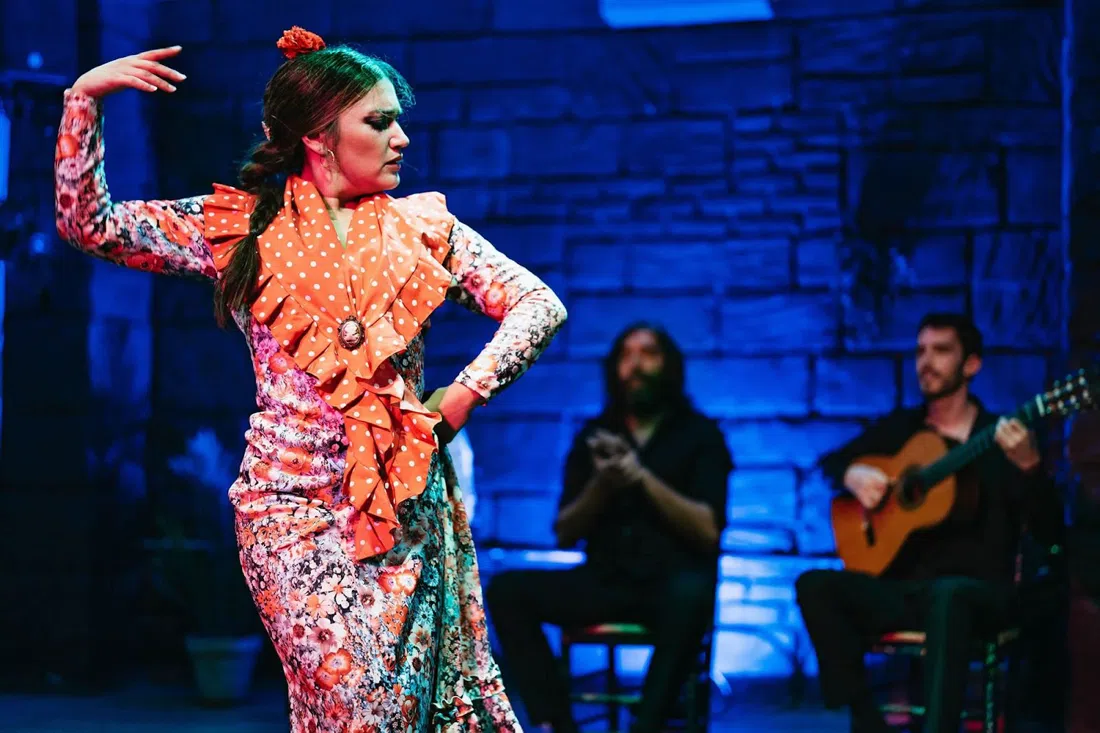
Cross the river for Baraka Sala Flamenca (Triana), which runs Wednesday to Sunday at 22:30 and takes group bookings online through its own site. The ticket includes a drink (soft drink, beer, wine or sangría), and the set is structured rather than curated for applause, walking through soleá, tangos, guajiras, bamberas and bulerías instead of stacking the crowd-pleasers. The 22:30 start also makes it the natural late option on a night when the festival has nothing on.
Eating around a 20:00 curtain
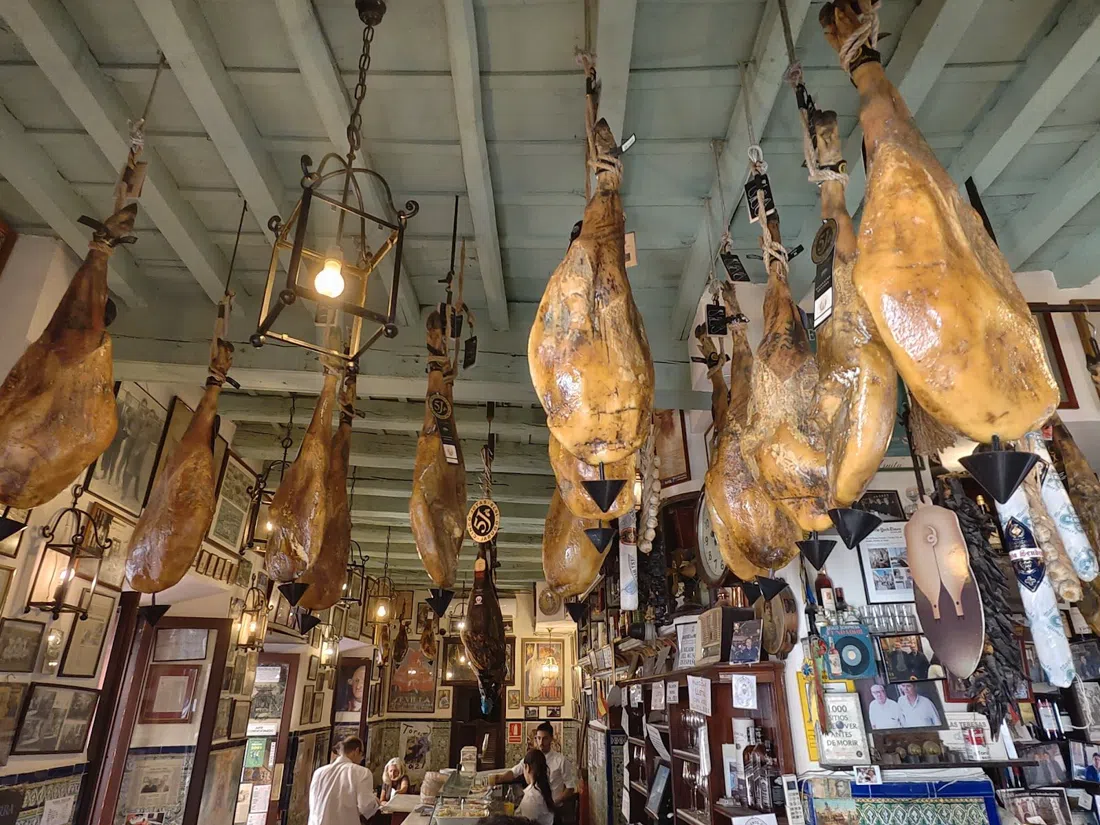
A 20:00 theatre start is awkward for Seville, where dinner properly begins later, so eat early and eat standing. Café Bar Las Teresas (Santa Cruz) is open daily from 10:00 to 01:00 and has been in the same family since 1920, getting through more than 600 legs of 100% acorn-fed Iberian ham a year, which is why it survives being in the middle of the tourist quarter when almost nothing around it does. It is a standing-room bar and takes no reservations for a crowd, so a group will spill into the street. That is normal and nobody minds. The jamón is sold by the plate at a premium; order it anyway, and keep the rest of the round cheap.
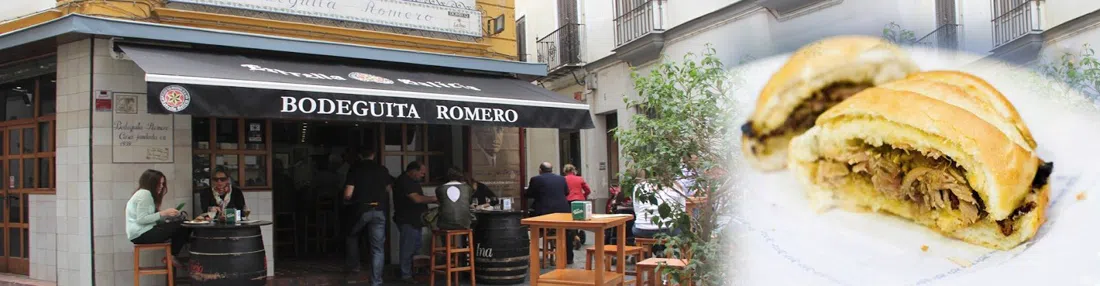
Bodeguita Romero (El Arenal) has been open since 1939 and still sets the benchmark for pringá, the slow-cooked pork and morcilla pressed into a toasted bun. The trap is the calendar: it opens Tuesday to Saturday only, so both Sunday 27 September and the Mondays either side of it are dead, and the space is tight enough that a larger group should split or arrive at the edges of service.
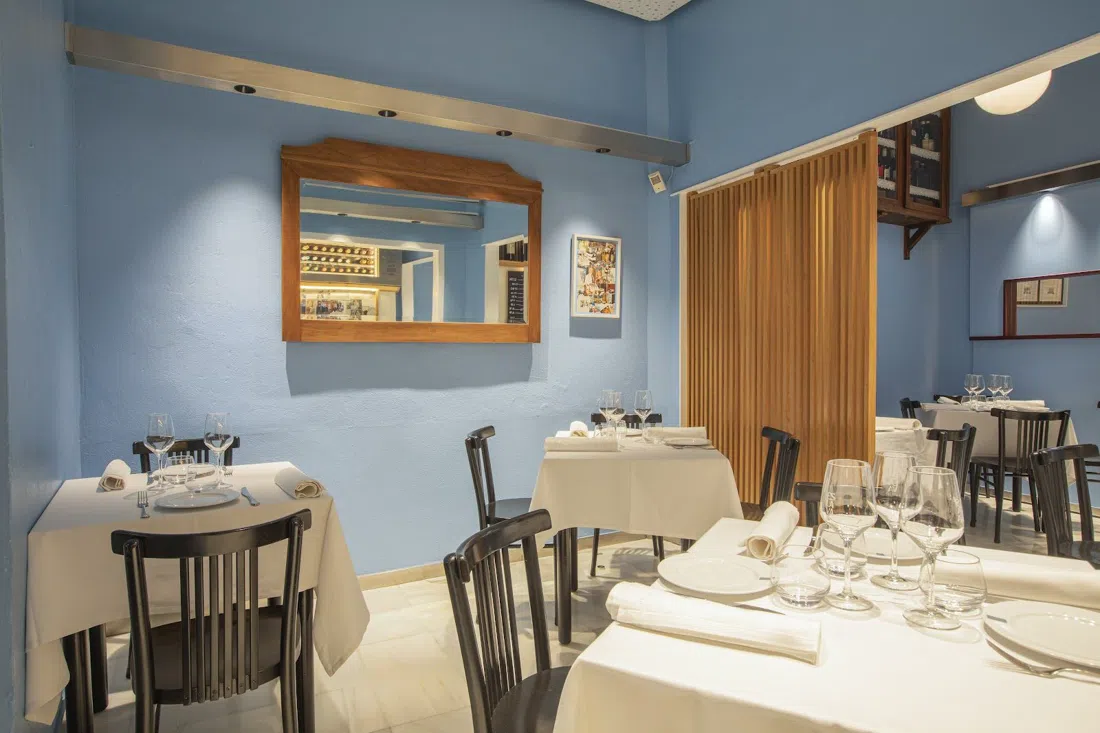
For the walk out to San Lorenzo there is Eslava (San Lorenzo), open since 1988 and the reason people leave the centre at all. Tapas run €3 to €6, the slow-cooked egg on boletus sponge won a national tapas prize and remains the dish to order, and the hours are Tuesday to Saturday 12:30 to 00:00, Sunday 13:30 to 16:30, closed Monday. The bar takes no reservations, so a group queues; the adjoining dining room does take bookings, which is the move if there are more than four of you and a curtain to make.
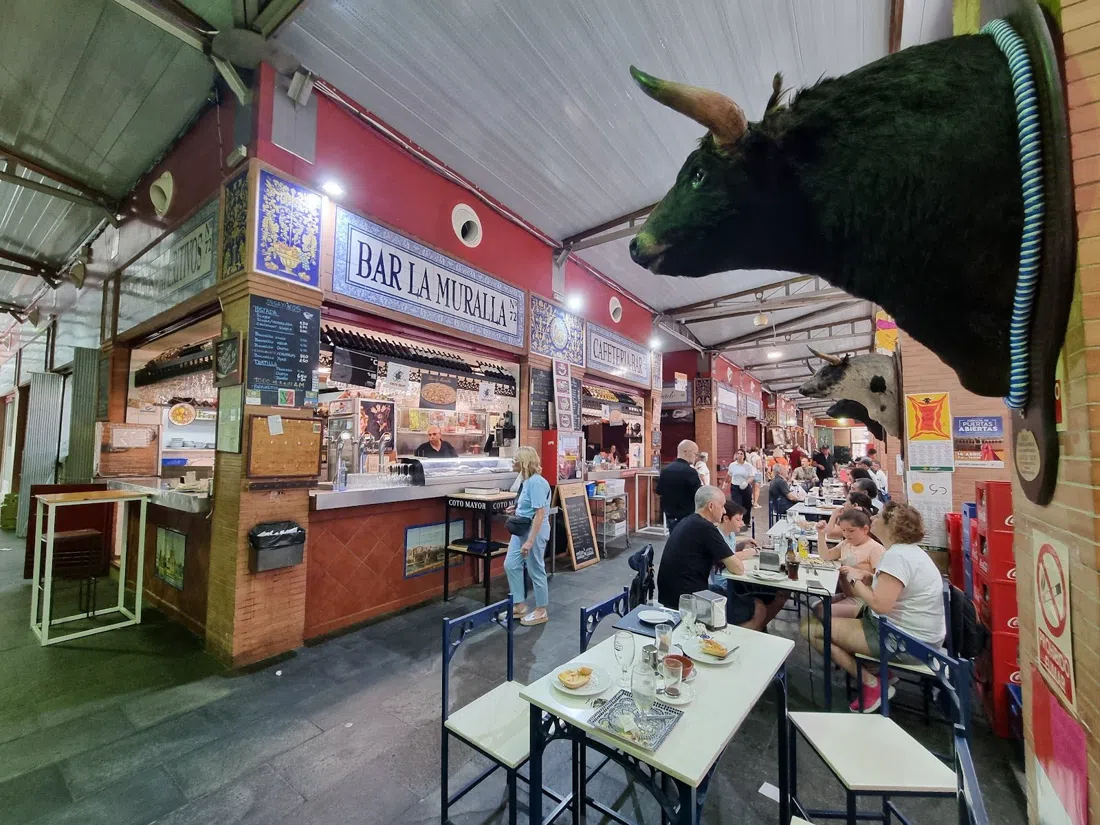
On a Triana night, start at Mercado de Triana (Triana), open Monday to Saturday 09:00 to 00:00 and Sunday and holidays 09:00 to 17:00. The produce stalls shut around mid-afternoon but the bars inside run late, they absorb groups without a booking, and the market sits directly on the walk toward the Pagés del Corro flamenco rooms, which makes it the pre-show stop that requires no planning whatsoever.
After the late shows
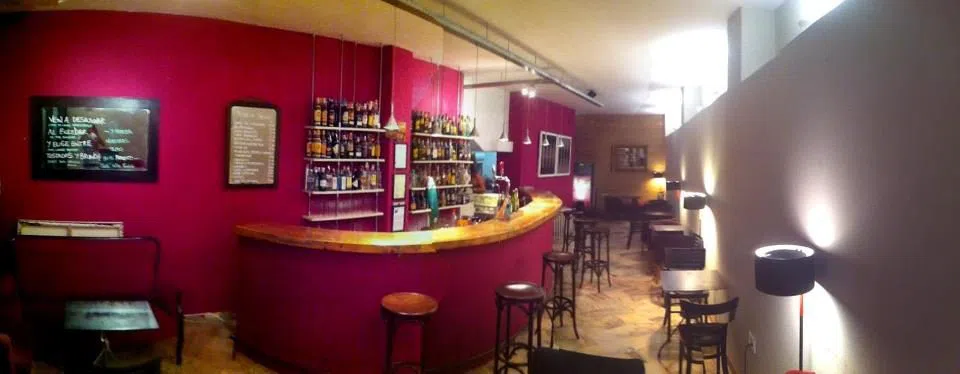
A 22:30 curtain lets out near midnight, which in this city is early. Bulebar Café (Alameda de Hércules) is where that hour goes: open Sunday 12:00 to 03:00, Monday to Thursday 15:30 to 02:00, Friday 14:00 to 03:00 and Saturday 12:00 to 03:00, with a terrace that swallows a group and no door policy to clear. The Alameda keeps its own clock and Bulebar is open late enough to meet it without committing anyone to a club.
Getting around, paying and what it costs
The historic centre is walkable end to end in half an hour, and every venue here except Teatro Central sits inside that radius or just across a bridge. Cartuja is the one journey that needs a taxi, and after a late finish you should agree on the ride before the show rather than after. Trams and buses run, but on festival nights the walk between the river theatres and Santa Cruz is usually faster than waiting.
Carry cash. Torres Macarena is door-only and cash-only, market bars are quicker with coins, and the tapas bars (standing, busy, three-deep at the counter) settle faster in notes. Everything ticketed takes cards online.
On budget, a realistic festival day runs €12 to €75 for a Bienal seat depending on the room and the row, €22 to €29 for a tablao, a few euros at a peña, and €15 to €25 a head for tapas if you eat standing. Stay central and you buy back an hour a day in walking; compare rates and areas through the Seville hotel search before the festival dates tighten availability, and read the wider Seville guide for the parts of the city that have nothing to do with flamenco. Book the Alcázar nights first, the closing night at the Maestranza second, and let the tablaos fill the gaps. They are the one thing you can still get on the day.
Questions
Which 2026 Bienal dates should I build the trip around?
Three matter most. The closing night is Saturday 3 October at 20:00 at the Teatro de la Maestranza, where Carmen Linares, Marina Heredia, María Terremoto and Rafaela Carrasco perform 'Perlas a millares' (€28 to €55). The Teatro Lope de Vega has 'Fue tu querer (Sevillanas)' on 27 September at 20:00 and Mayte Martín's 'Arqueología de lo puro' on 30 September at 20:00. If your dates fall earlier, the Real Alcázar open-air nights are 14, 15 and 16 September at 21:30.
What do Bienal tickets cost?
Festival prices run roughly €12 to €75 depending on the show and the seat. The closing night at the Teatro de la Maestranza sits at €28 to €55. The Teatro Lope de Vega gives a 20% discount to under-30s, students, over-65s and the unemployed, but you need the ID at the door.
Which venue sells out first?
The Real Alcázar. Its open-air nights have the smallest capacity in the programme, so book them before anything else, including your flights. The show ticket is separate from monument admission: one does not cover the other.
Where can I see flamenco cheaply without the tourist circuit?
Peña Flamenca Torres Macarena runs Thursday tertulias at 20:00, every week of the year, cash at the door and no online sales. It is a members' club room rather than a show, so stay for the whole thing and do not arrive mid-set. Groups over about six should come early and split up.
What should I do on a night with no Bienal show?
Casa de la Memoria, at 18:00 or 22:30, is the one to book first: four artists, no dinner, no amplification, from around €29. La Casa del Flamenco costs less at €22 with afternoon and evening slots, Los Gallos puts eight artists on at 19:00 and 20:45, and Baraka in Triana runs Wednesday to Sunday at 22:30 with a drink included.
First published on sevilleholidays.com, the Seville guide.